 Unearth The Voyage
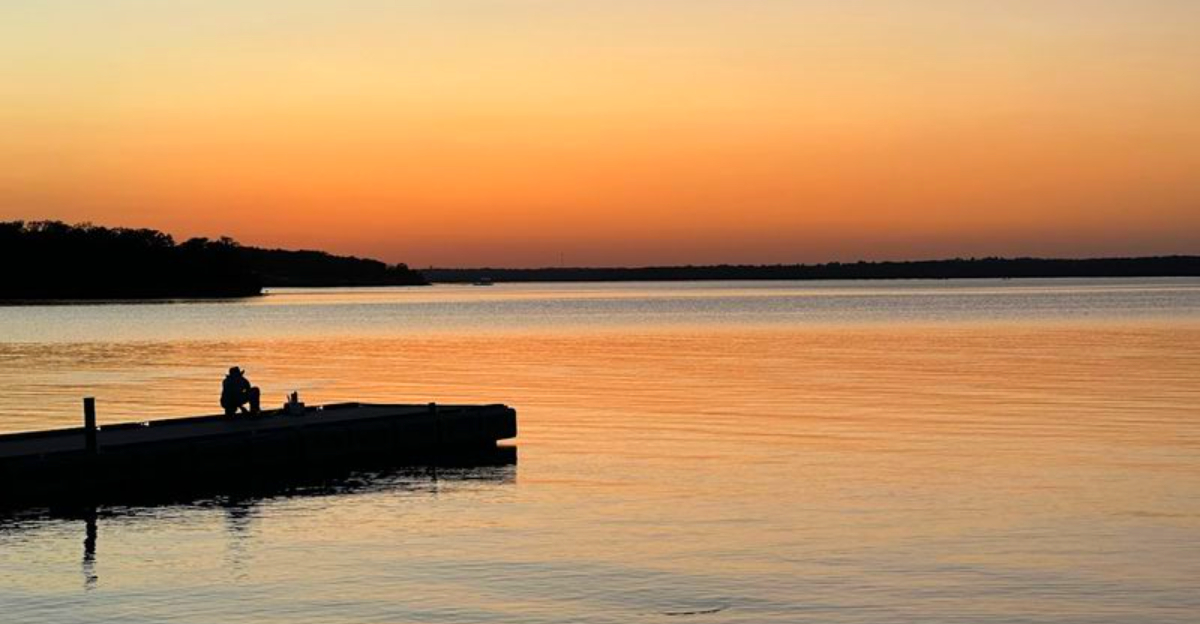
There is a lake just outside of Norman, Oklahoma, that quietly delivers one of the best outdoor experiences in the entire state. It has wide open water, shaded hiking trails, sandy swim beaches, and campgrounds that fill up fast on summer weekends for good reason.
Most people drive right past it without realizing what they are missing, and that is honestly a shame. This spot checks every box for a classic outdoor escape, and once you visit, you will understand why so many locals keep coming back season after season.
Where It All Begins: Location and Overview
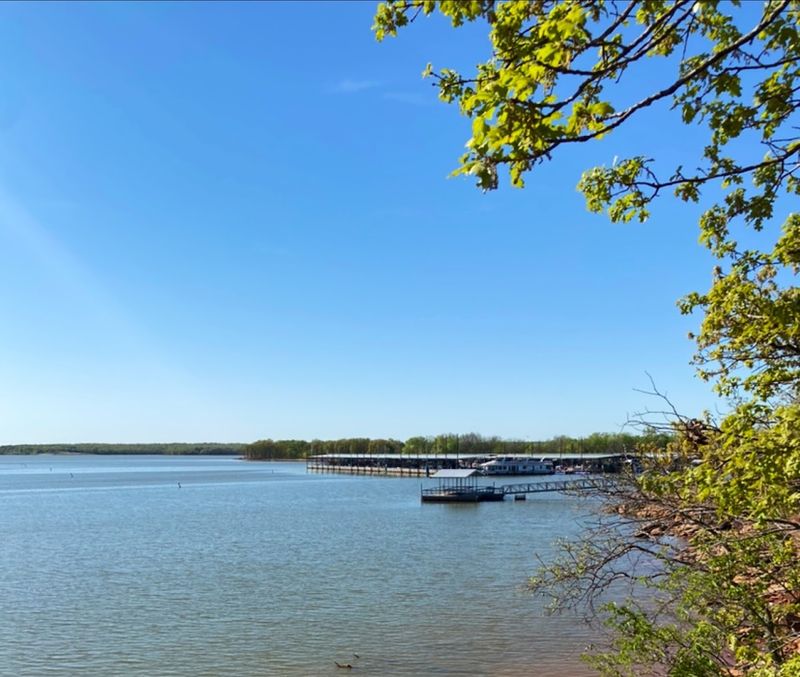
Lake Thunderbird sits at the heart of Lake Thunderbird State Park in Norman, Oklahoma, at the address Norman, OK 73026, roughly 20 miles southeast of Oklahoma City.
This large reservoir was created in the 1960s by damming the Little River, and it now spans about 6,070 acres of open water.
The lake serves a dual purpose: it supplies drinking water to the cities of Norman, Midwest City, and Del City, while also functioning as a full-service recreational area for thousands of visitors each year.
The park surrounding it covers over 1,800 acres, giving visitors plenty of room to spread out and explore without feeling crowded.
What makes this place stand out in Oklahoma is how much variety it packs into one location. You get shoreline access, wooded trails, open picnic areas, and two working marinas all in the same park.
The drive in from Norman takes less than 30 minutes, making it one of the most accessible outdoor destinations in central Oklahoma.
The Water Itself: What the Lake Looks Like Up Close
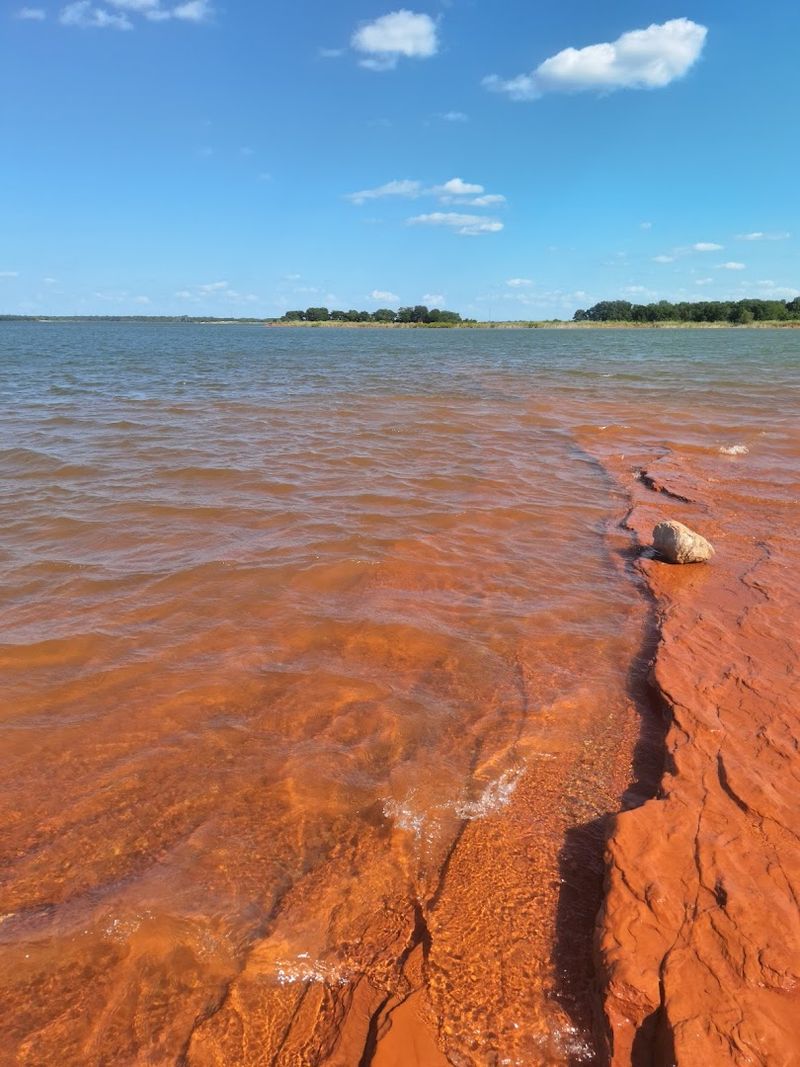
First-time visitors sometimes do a double take when they see the water at Lake Thunderbird, because it carries a distinctive reddish tint from the red clay soil that is so common across central Oklahoma.
That color is completely natural and does not indicate poor water quality in the recreational sense. It is simply the land doing what Oklahoma land does best.
The lake covers a generous surface area, and on calm mornings the water turns into a near-perfect mirror that reflects the sky and surrounding tree line in a way that honestly makes you want to just sit and stare for a while.
Wind picks up in the afternoons, which is great news for anyone on a boat but less ideal if you prefer a still, glassy surface for swimming.
The shoreline varies quite a bit as you move around the lake. Some sections are sandy and open, while others are thick with brush and tree cover that dips right down to the water’s edge.
Each stretch of shoreline has its own personality, and exploring those differences is half the fun of a full day visit.
Fishing at Lake Thunderbird: What Anglers Should Know
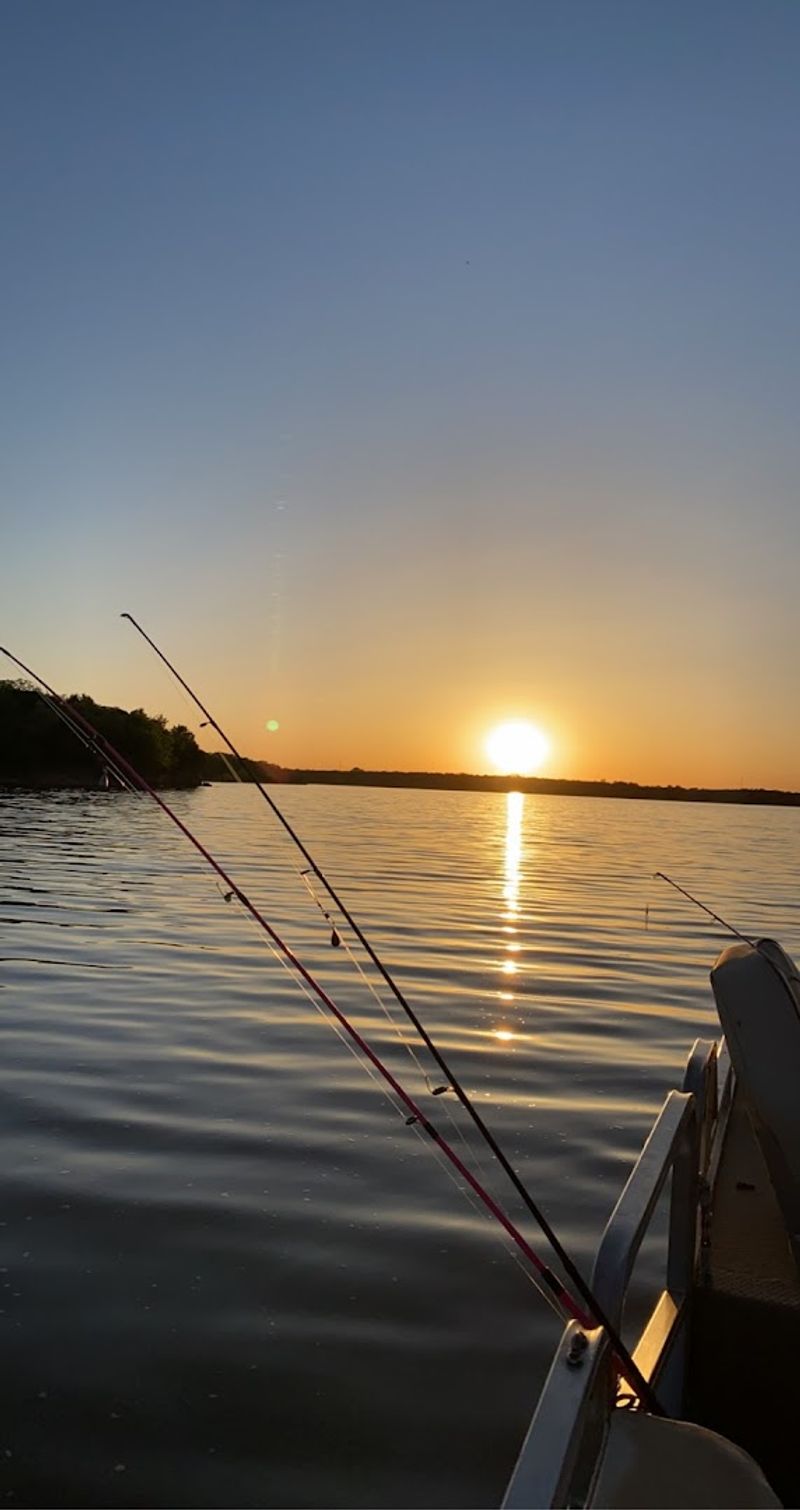
Fishing is one of the top reasons people make the trip out to Lake Thunderbird, and the lake holds a solid variety of species that keeps things interesting throughout the year.
Catfish are among the most commonly caught, and early morning sessions along the bank tend to produce the best results. Bass, crappie, and sand bass also show up regularly depending on the season.
The lake has several designated fishing areas and docks, including access points near Hog Creek, though some docks can get messy with bird activity so it is worth scouting your spot before you set up.
Boat fishing gives you a clear advantage here because the lake is large enough that you can find quieter coves and deeper channels that shore anglers simply cannot reach.
A valid Oklahoma fishing license is required, and it is a good idea to check current regulations before heading out since rules around certain species and seasons can change.
The red clay water can make visibility low, so bottom fishing with scented bait tends to outperform lure-only setups for most casual anglers visiting the lake.
Boating and Water Sports: Getting Out on the Open Water
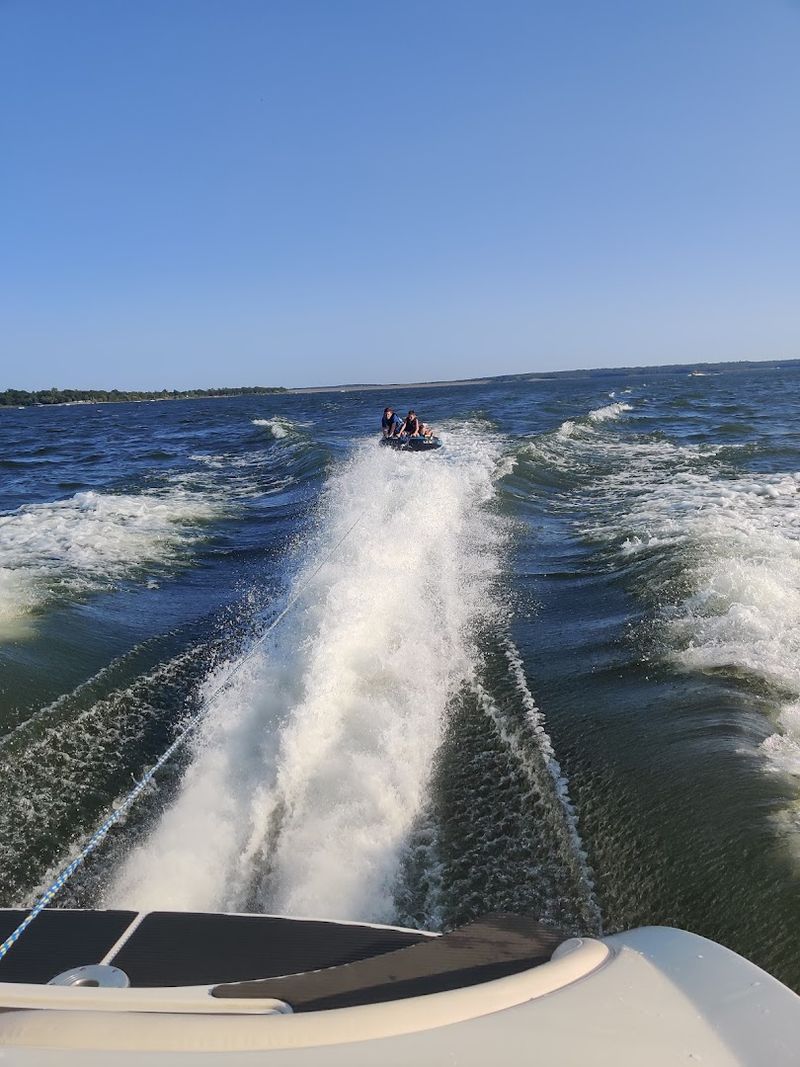
Having a boat at Lake Thunderbird essentially unlocks a completely different version of the park. The lake is large enough for serious boating, and two marinas provide launch ramps, fuel, and basic supplies so you do not have to haul everything from home.
The boat ramps have received mixed feedback over the years, with some visitors noting they could use maintenance, but they remain functional and serviceable for most watercraft.
Water skiing and tubing are popular activities on the open stretches of the lake, especially on weekday mornings before the weekend crowds arrive and the water gets choppy from all the traffic.
Kayaking and canoeing are also excellent options, particularly in the quieter coves where motorized boat traffic is lighter and wildlife sightings are more common.
A parking permit is required for vehicles at the park, currently priced at around $10 per day or $75 annually, with reduced rates available for Oklahoma residents.
Arriving early on summer weekends is genuinely important because parking near the boat ramps fills up quickly, and late arrivals sometimes have to walk a fair distance from their vehicles to the water.
Hiking Trails: Exploring the Land Around the Lake
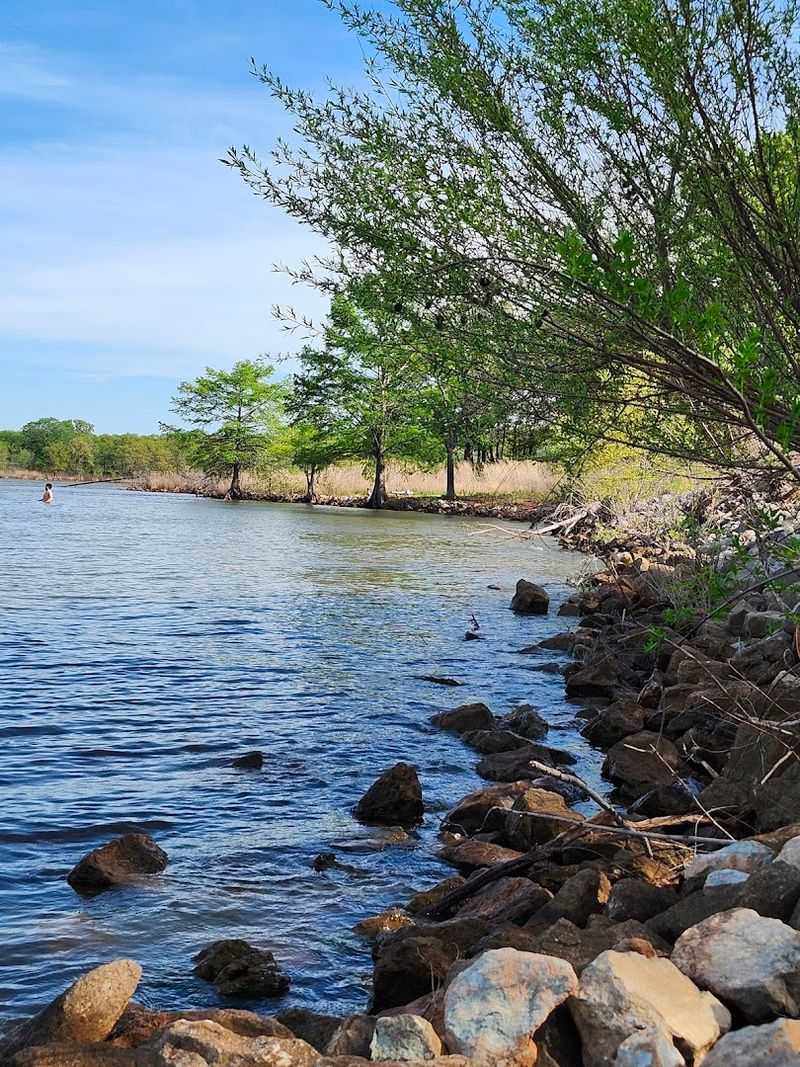
The trails at Lake Thunderbird State Park are genuinely well worth lacing up your boots for, and the park maintains them in solid condition throughout most of the year.
The Clear Bay Trail is one of the most popular routes, winding along the lake’s edge and offering open water views that reward hikers who push past the first half mile.
Trail markers are reliable, which matters more than people give credit for in a park this size. Getting turned around in Oklahoma scrubland is not anyone’s idea of a good time.
Biking trails are also available for those who prefer two wheels over two feet, and the terrain is varied enough to keep the ride interesting without being brutally technical.
Wildlife sightings are common along the trails. Deer, wild turkeys, and various bird species show up regularly, and the park even allows bow hunting and waterfowl hunting in designated areas during the appropriate seasons.
One practical note: tick season is real here, especially in spring and early summer, so wearing long socks and applying repellent before hitting the trail is not optional advice, it is genuinely necessary.
Camping Options: Spending the Night at the Park
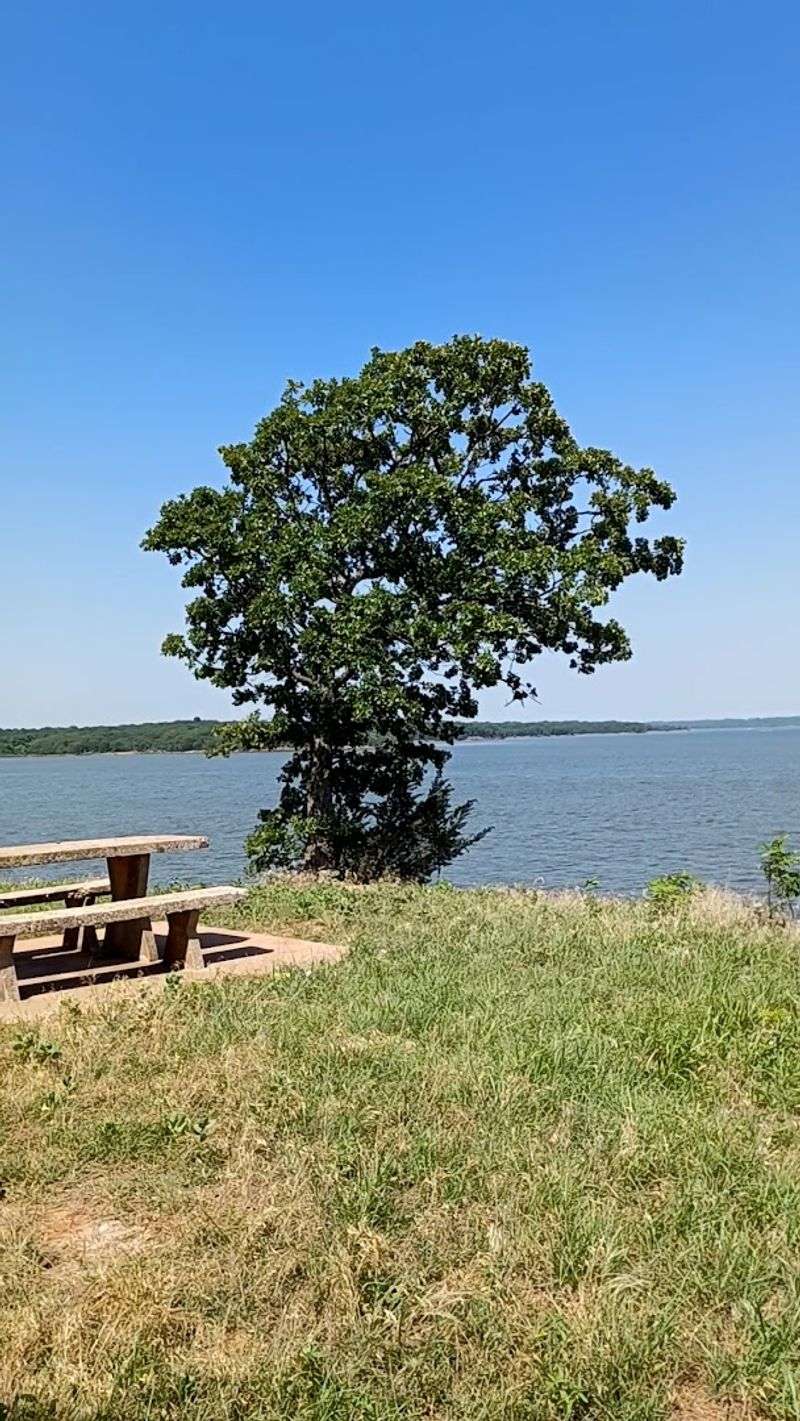
Camping at Lake Thunderbird State Park is a straightforward and affordable way to spend a night or two close to the water without driving far from the Oklahoma City metro area.
The park offers multiple campground areas, including sites with full hookups that provide 50-amp electrical service, which is a genuine comfort upgrade for RV campers who appreciate not roughing it too hard.
Hickory Hill is one of the more scenic camping sections, with views that justify the drive in all on their own. Camp hosts are present on-site, and ranger patrols keep the environment feeling safe and well-managed.
Walk-in tent camping is also available, though some sites require you to park and carry your gear a short distance, which is worth knowing before you pack heavy.
Nights at the campground tend to be quiet after the day visitors clear out, and the sounds of the lake at night have a genuinely calming effect that is hard to replicate anywhere else.
One heads-up: ant activity has been reported at certain campsite areas, so storing food properly and checking your gear before bed will save you from an unpleasant surprise in the morning.
Swimming Beaches: Where to Cool Off in the Summer Heat
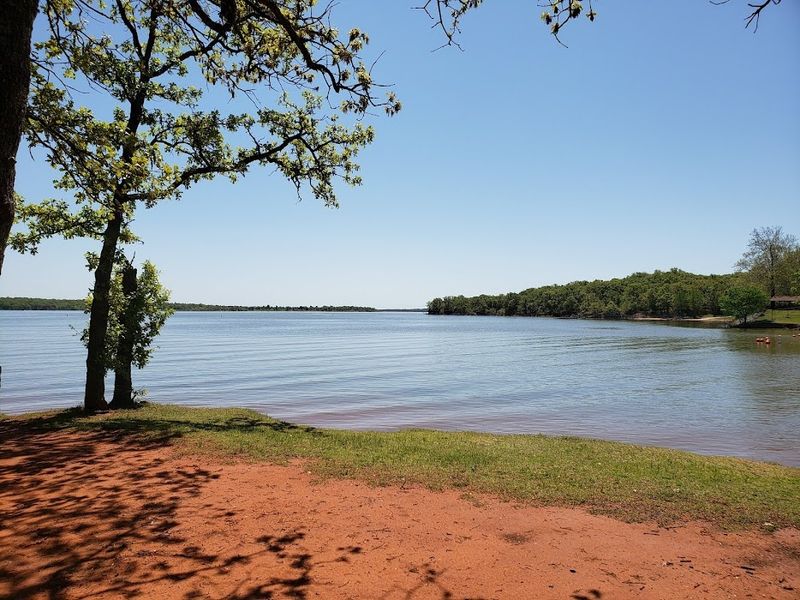
When Oklahoma summer temperatures climb into the upper 90s, the swim beach at Lake Thunderbird becomes one of the most popular spots in the entire park, and it is easy to see why.
The beach area offers sandy access to the water, and shaded trees nearby give families a place to set up chairs and coolers without baking in direct sun all afternoon.
Water clarity at the swim area is affected by the same red clay that colors the rest of the lake, so do not expect Caribbean-blue water. What you do get is a fun, accessible spot to cool off that is genuinely hard to beat for a free-range swim.
The beach can get busy on summer weekends, and high water levels after heavy rainfall have occasionally reduced the usable beach area, so checking conditions before making the drive is a smart move.
Restroom facilities are available near the beach area, which is a detail that matters a lot more once you have kids in tow who have been in the sun for three hours.
Barbecue grills and picnic tables near the beach make it easy to turn a swim day into a full afternoon outing without any extra planning.
Wildlife and Nature: What Lives Around the Lake
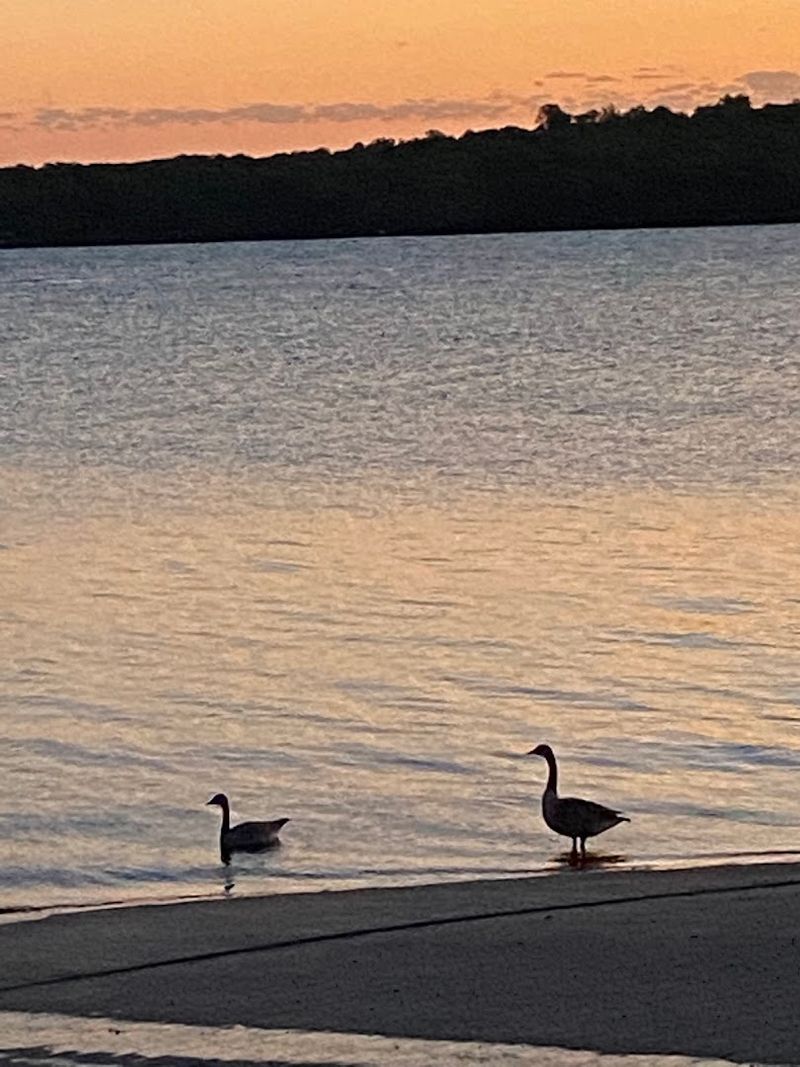
Lake Thunderbird is not just a place for human recreation. The park and its surrounding habitat support a wide and active community of wildlife that makes every visit feel a little different from the last.
Canada geese are practically a permanent fixture along the shoreline, and watching a group of them waddle across a campground path with complete confidence is one of those small moments that sticks with you.
White-tailed deer are frequently spotted near the tree lines, especially in the early morning and late evening hours when they move more freely. The park’s hunting program is actually designed to help manage deer populations sustainably.
Bird watchers will find plenty to keep their binoculars busy. The lake and its surrounding wetland areas attract waterfowl during migration seasons, and a variety of songbirds fill the tree canopy along the hiking trails year-round.
Squirrels, rabbits, and the occasional armadillo round out the cast of characters you might encounter on a typical visit. The park is animal-friendly in the sense that leashed pets are welcome on most trails.
Keeping a respectful distance from all wildlife is standard practice, and the park’s rangers take that expectation seriously.
Sunsets and Scenery: The Views That Keep People Coming Back
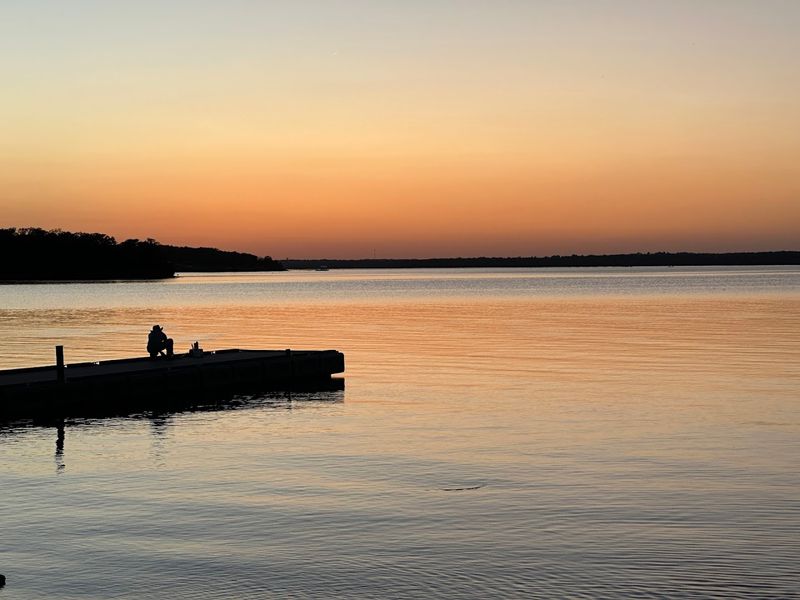
There is a specific quality to the light at Lake Thunderbird in the late afternoon that turns an ordinary evening into something genuinely worth stopping for.
The open water gives the sky plenty of room to do its thing, and on clear evenings the horizon goes through a full range of orange, pink, and deep purple before the stars take over.
Watching a sunset from the South Dam area or from one of the higher campground spots like Hickory Hill puts you at just the right elevation to see the colors stretch across the water without any obstructions.
Photographers, both casual and serious, tend to show up in the hour before sunset specifically for these views, and the results speak for themselves on any given weekend evening.
The lake also looks exceptional in the early morning when mist sits low over the water and the park is nearly empty. That combination of stillness and natural beauty is something most people do not expect from a lake this close to a major metro area.
Oklahoma sunsets have a well-earned reputation across the region, and Lake Thunderbird gives you one of the best front-row seats in central Oklahoma to witness one.
Practical Tips: Making the Most of Your Visit
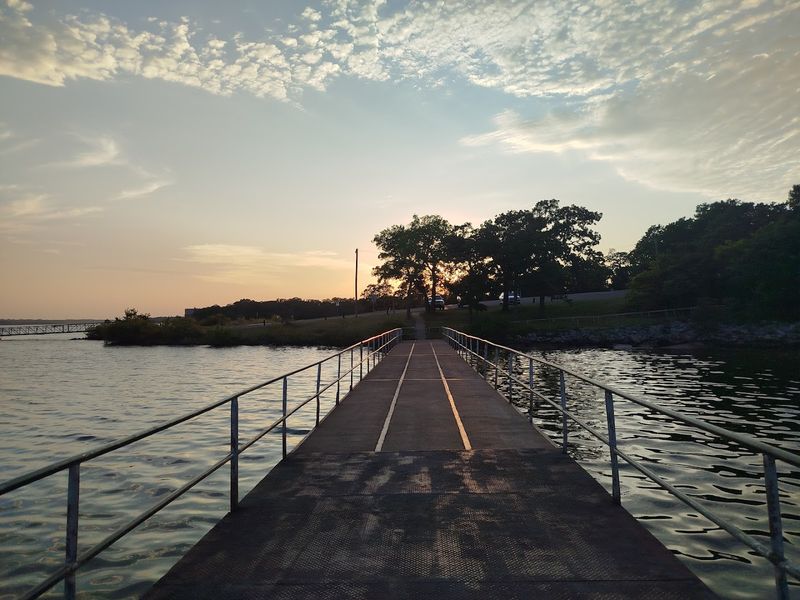
A little preparation goes a long way at Lake Thunderbird, and a few practical details can be the difference between a smooth trip and a frustrating one.
The parking permit is required and costs around $10 per day or $75 for an annual pass. Oklahoma residents pay a reduced rate, so it is worth checking the current fee schedule on the Oklahoma State Parks website before you arrive.
Arrive early on summer weekends, especially if you plan to use the boat ramp or swim beach. Parking near high-traffic areas fills up by mid-morning on busy days, and walking a long distance in the heat with gear is nobody’s favorite activity.
Pack insect repellent and do a thorough tick check after any time on the trails. Spring and early summer are peak tick season, and the trails run through exactly the kind of brushy terrain those critters love.
Cell service at the park is generally decent, with some campers reporting 5G coverage in certain areas, which makes navigation and checking weather updates straightforward.
The park has camp hosts and regular ranger patrols, so the overall environment feels well-monitored and safe for solo visitors, families, and everyone in between. Leave the park cleaner than you found it, and everyone wins.



