 Unearth The Voyage
There is a place tucked away in the northeastern corner of Oklahoma where time genuinely seems to slow down. Old buildings stand exactly as they did over a century ago, and the sounds of blacksmiths, storytellers, and crackling fires fill the air.
This is not a movie set or a theme park trick. It is a real, living history experience that transports you straight into the 1800s, and once you set foot on the grounds, you will wonder why you did not visit sooner.
The attention to detail is remarkable, the staff bring history to life with genuine enthusiasm, and the whole place feels like something you stumbled onto by happy accident. Keep reading, because every section of this article reveals a different reason why this Oklahoma destination deserves a spot on your travel list.
Where the Journey Begins: The Village Location
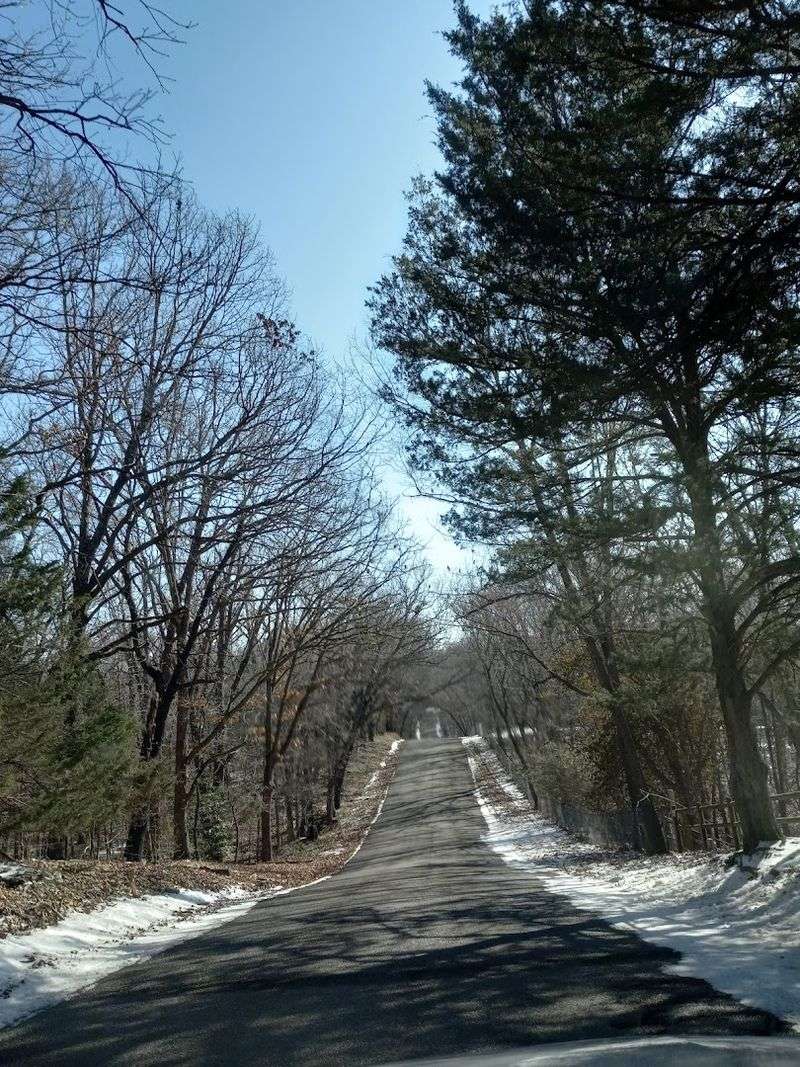
The road that leads you here winds through some of the most quietly beautiful countryside in all of Oklahoma. The destination is Har-Ber Village, a reconstructed 1800s pioneer settlement found at W 20th Rd, Grove, Oklahoma 74344, nestled along the shores of Grand Lake o’ the Cherokees in Delaware County.
The setting alone is worth the drive. Rolling green hills frame the property, and the lake glimmers just beyond the tree line, giving the whole experience a postcard-worthy backdrop that photographs cannot fully capture.
Grove sits in the far northeastern corner of Oklahoma, close to the borders of Arkansas and Missouri, making it a surprisingly easy road trip from several major cities. Tulsa is roughly an hour and a half away, and the drive itself passes through charming small towns that add to the overall adventure.
First-time visitors often underestimate how large the village is. The grounds sprawl across more than a hundred acres, so comfortable walking shoes are genuinely necessary, not just a polite suggestion.
A Story Built by One Family’s Vision
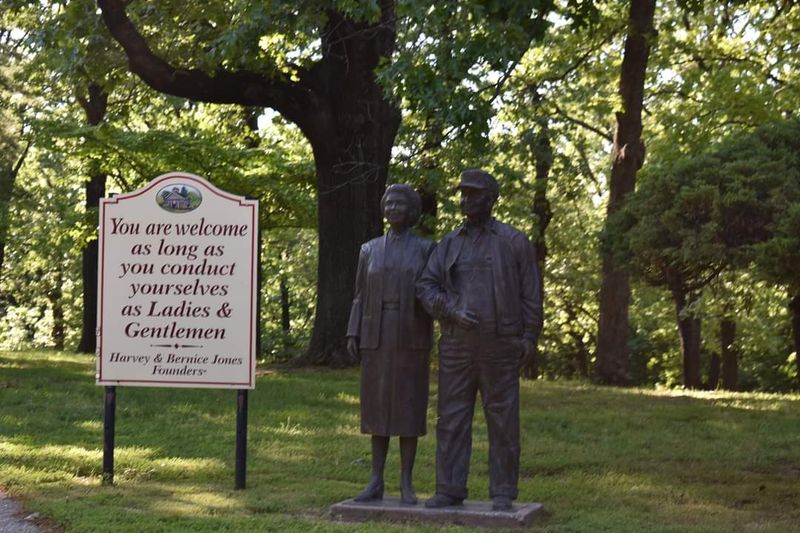
Behind every remarkable place is a story, and this one starts with Harvey and Bernice Jones, a couple whose passion for American history was so strong they decided to build an entire village to honor it.
Harvey Jones made his fortune in the trucking industry, but his real legacy turned out to be this extraordinary open-air museum. He and Bernice spent decades collecting thousands of antiques, artifacts, and entire historic structures, then carefully reassembled them on this Oklahoma property to create a living record of pioneer life.
The village opened to the public in 1968, and the sheer scale of their collection is still staggering today. From complete log cabins to a working blacksmith shop, every building and every object was chosen with intention and care.
What makes their story especially touching is that this was never about profit. The couple genuinely wanted future generations to understand what daily life looked like before electricity, running water, and modern conveniences changed everything.
Their dedication turned a personal passion into one of the most unique cultural landmarks in the entire region, and that spirit is still very much alive in every corner of the grounds.
More Than 100 Historic Structures to Explore
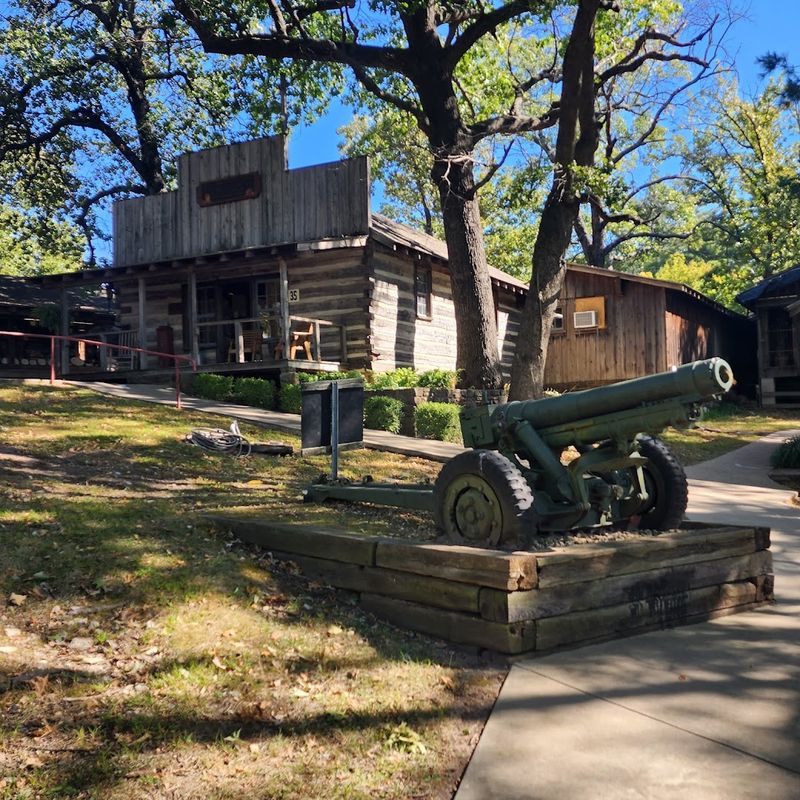
One of the first things that genuinely surprises visitors is the sheer number of buildings waiting to be explored. Har-Ber Village contains well over 100 authentic structures, each one representing a different facet of 19th-century American life.
There is a fully outfitted general store, a one-room schoolhouse, a chapel, a doctor’s office, a dentist’s office, and even a jail, all furnished with period-accurate items that make each space feel occupied rather than abandoned.
Walking from building to building feels less like touring a museum and more like wandering through a real town that simply paused in time. The structures are spread across winding paths, so every turn reveals something new and unexpected.
Many of the buildings were not built on-site. They were relocated from across the region, sometimes transported piece by piece, and then carefully restored to their original appearance.
That level of effort shows in every weathered plank and hand-forged hinge.
Children and adults alike find themselves spending far more time here than they originally planned, because every single building has its own personality, its own story, and its own collection of fascinating objects waiting to be noticed.
The Blacksmith Shop: Where Iron Meets Fire
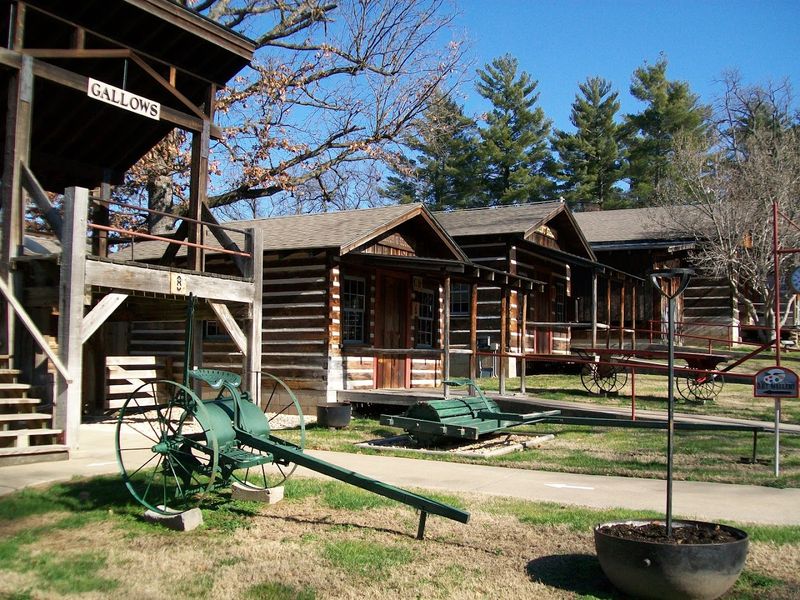
Few things at Har-Ber Village capture attention quite like the blacksmith shop. The heat hits you before you even reach the doorway, and the rhythmic clang of hammer on anvil draws a crowd every single time a demonstration is underway.
Watching a skilled smith shape raw iron into useful tools is a genuinely humbling experience. There are no machines, no shortcuts, and no digital displays explaining the process.
Just fire, metal, and skill that took years to develop.
The shop is stocked with an impressive collection of original tools, many of which date back to the 1800s and were used by real craftsmen in real communities. Seeing them arranged on the walls gives you an immediate sense of how essential this trade was to everyday survival on the frontier.
Kids especially love watching the sparks fly, and the demonstrators are patient, knowledgeable, and clearly passionate about sharing this nearly forgotten craft with curious visitors.
It is one of those rare spots where history stops being something you read about and becomes something you can actually feel, smell, and hear all at once, and that sensory combination is hard to forget.
The Chapel: A Quiet Moment in a Busy Village
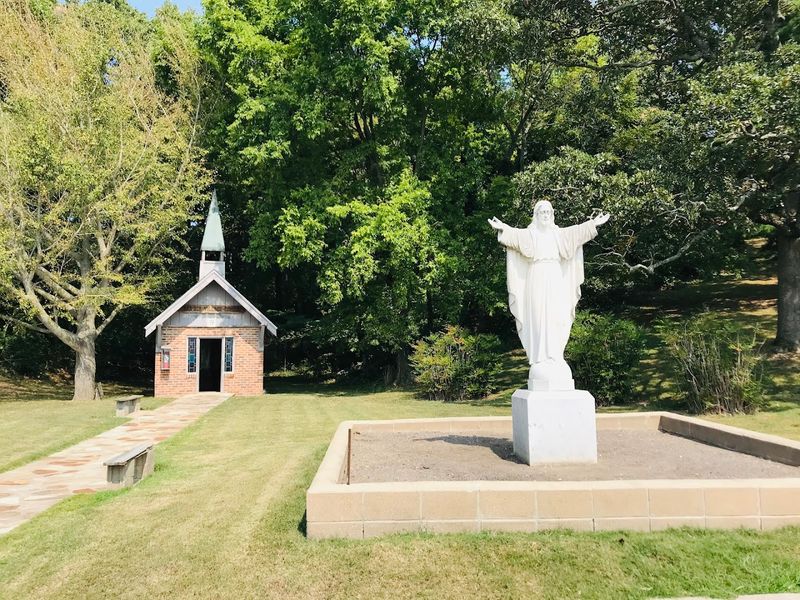
Right in the middle of all the activity, there is a small white chapel that offers something the rest of the village does not: genuine quiet. The interior is simple, with wooden pews, plain walls, and a modest altar that reflects the no-frills faith of frontier communities.
Many visitors find themselves lingering here longer than expected. There is something about the stillness of the space that feels respectful of the people who actually worshipped in buildings just like this one more than a century ago.
The chapel is also a popular spot for small ceremonies and special events, and the setting makes perfect sense for anyone who wants a historically meaningful backdrop for a meaningful moment. Weddings and vow renewals have taken place here, surrounded by the same kind of handcrafted beauty that defined the era.
Original hymnals and prayer books are displayed inside, and the detail work on the wooden interior shows the craftsmanship that went into even the most modest frontier buildings.
After the noise of the blacksmith shop and the bustle of the general store, the chapel functions as a natural pause in the day, a place to breathe and reflect before continuing the journey through the village.
Thousands of Artifacts That Tell Everyday Stories
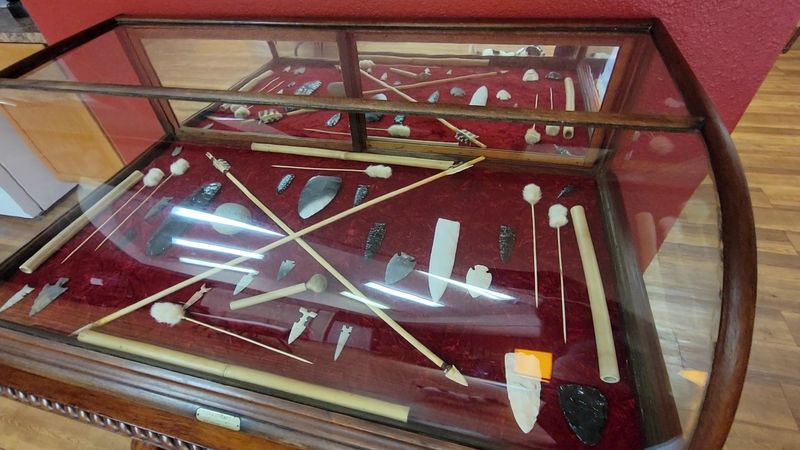
The buildings are remarkable, but the real magic at Har-Ber Village lives inside them. The artifact collection numbers in the tens of thousands, and every single item has a story connected to real people living real lives in the 1800s.
Kitchen tools, farming equipment, medical instruments, toys, clothing, and furniture fill each space in a way that feels curated but not sterile. You get the sense that someone just stepped out for a moment and will be right back.
Some of the most fascinating items are the small, everyday objects that rarely make it into history books. A hand-stitched quilt folded over a wooden bed frame.
A collection of cast iron skillets hanging above a stone fireplace. A child’s wooden toy sitting on a shelf beside a candle holder.
These details are what separate Har-Ber Village from a typical history lesson. The collection does not just show you what powerful or wealthy people owned.
It shows you what ordinary families relied on to get through an ordinary day.
That focus on everyday life makes the whole experience feel more personal and more honest than most history museums manage to achieve, and that honesty is exactly what makes the place so memorable.
The Lake Views That Make the Whole Trip Feel Like a Reward
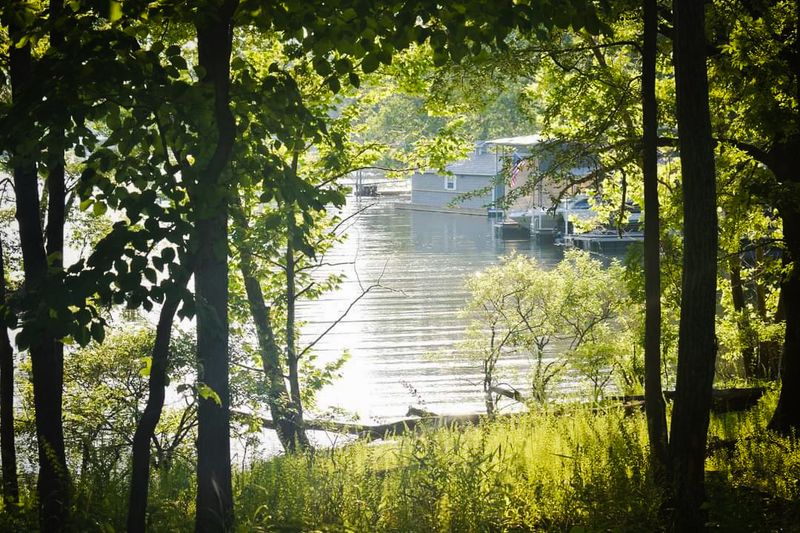
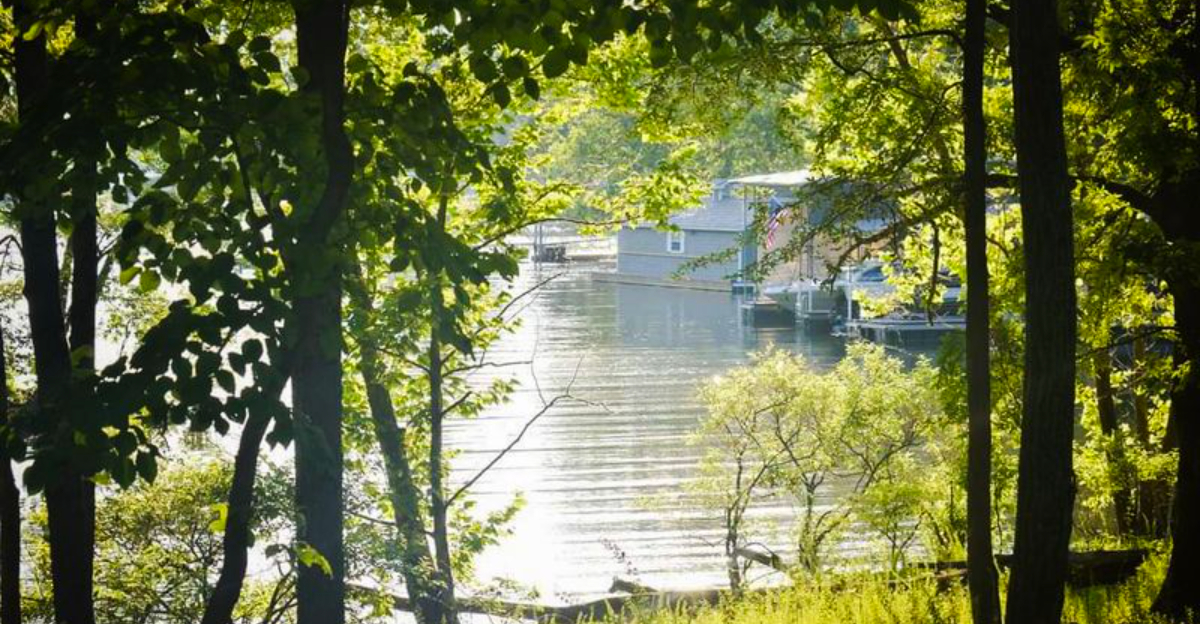
Grand Lake o’ the Cherokees is one of Oklahoma’s most beloved bodies of water, and Har-Ber Village has one of the most scenic positions along its shoreline. The lake views from certain parts of the property are genuinely stunning, especially on clear mornings when the water is calm and the light turns everything golden.
The combination of historic architecture and natural beauty is unusual and surprisingly powerful. You can stand between a 150-year-old log cabin and a sparkling lake view, and the contrast between the two somehow makes both feel more impressive.
Several benches and open overlook areas are scattered throughout the property, giving visitors natural stopping points to rest, take photos, and simply appreciate the landscape. These spots are especially popular in the fall, when the surrounding trees turn brilliant shades of orange and red.
Wildlife is a regular presence on the grounds. Deer, wild turkeys, and various bird species have been spotted wandering through the village, which adds an unexpected layer of charm to an already atmospheric experience.
The lake setting also keeps temperatures pleasant during spring and early fall visits, with breezes coming off the water that make long walks through the village far more comfortable than you might expect.
Best Times to Visit and What to Bring
Har-Ber Village is a seasonal destination, typically open from spring through early fall, so checking the current schedule before making the drive is always a smart move. The hours can vary depending on the time of year, and special events sometimes affect regular visiting days.
Spring and early fall are the sweet spots for a visit. The temperatures are comfortable, the foliage is either fresh and green or brilliantly colored, and the crowds are manageable enough that you can move through the village at your own pace without feeling rushed.
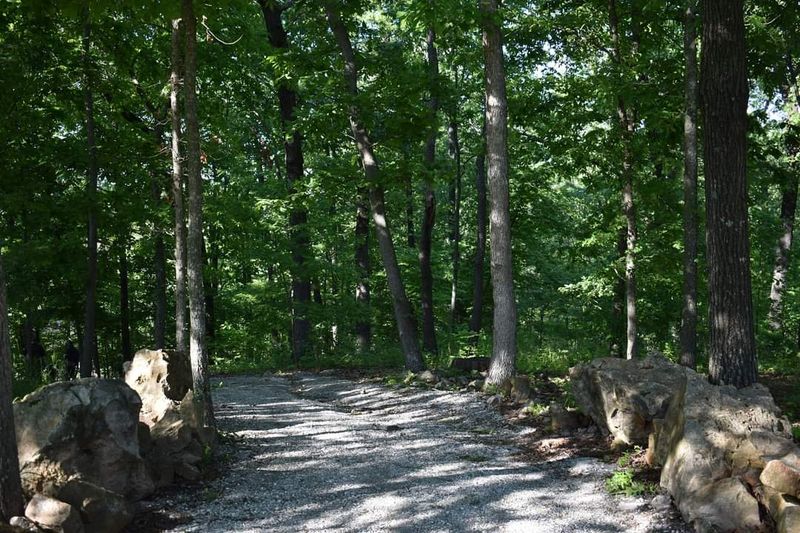
Comfortable walking shoes are the single most important thing to pack. The grounds are extensive, the paths are uneven in places, and you will cover far more distance than a quick glance at the map suggests.
A light jacket is also useful, since the lake breezes can make shaded areas feel cooler than expected.
Bringing a camera is highly recommended, not just for the buildings and artifacts, but for the wildlife and lake views that appear when you least expect them.
Families with children tend to find the visit takes a full half-day at minimum, so arriving early gives everyone enough time to see the highlights without feeling like they are rushing through something that genuinely deserves a slow, curious pace.



