 Unearth The Voyage
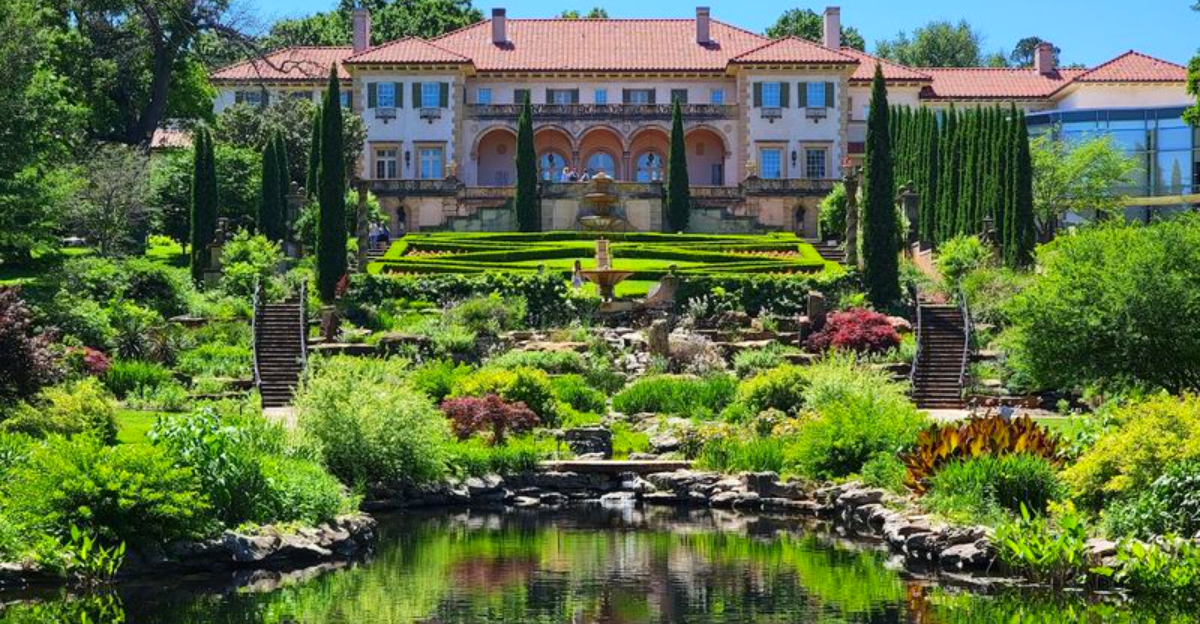
There is a place in Tulsa, Oklahoma, where a grand Italian Renaissance-style mansion sits at the center of acres of manicured gardens, and it is not a movie set or a private estate. It was once the private home of an oil tycoon, and today it welcomes everyone through its doors as one of the most celebrated art museums in the region.
The art inside is world-class, but the gardens outside might just steal the show. By the time you finish reading this, you will want to plan your visit.
A Grand Address With a Remarkable Past

Some buildings carry history in their walls, and this one carries it in every carved stone and arched window. Philbrook Museum of Art is located at 2727 S Rockford Rd, Tulsa, OK 74114, and it sits on grounds that once belonged to Waite Phillips, a wealthy oil businessman who helped shape Tulsa into the oil capital it became.
Phillips built the mansion in 1927 as his private residence, designing it in the Italian Renaissance style with 72 rooms that were meant to impress. He and his wife, Genevieve, filled it with art and elegance before eventually donating the entire estate to the city of Tulsa in 1938.
That generous act transformed a private luxury home into a public treasure, and today it stands as one of only five museums in the country that combines a historic house, outstanding art galleries, and magnificent gardens all in one place. The building alone is worth the visit, long before you ever look at a single painting.
The Italian Renaissance Architecture Up Close
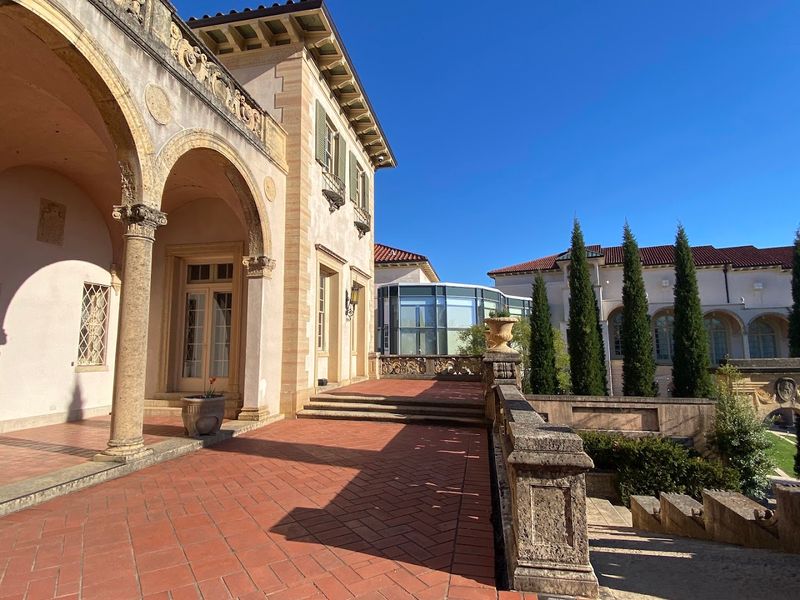
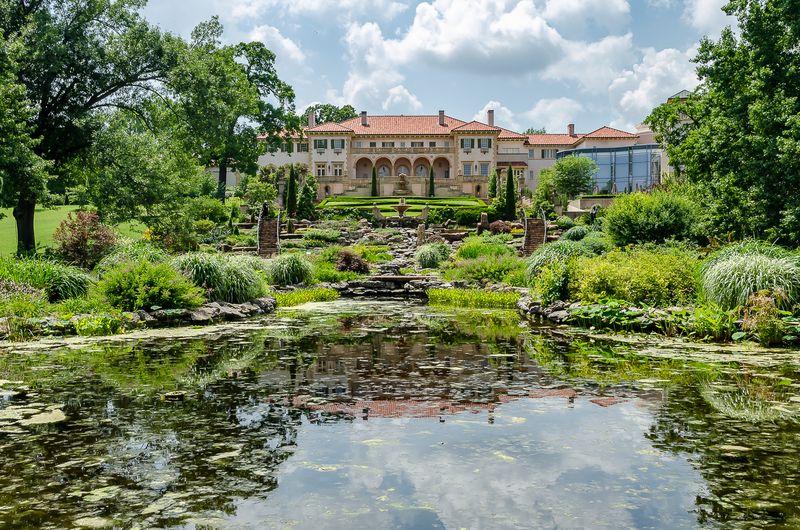
There is something almost theatrical about the architecture here. The mansion was modeled after the grand villas of northern Italy, and the attention to detail is extraordinary.
From the terracotta tile roof to the carved stone balustrades and arched loggias, every inch of the exterior communicates ambition and craftsmanship.
The interior keeps that promise going. Ornate plasterwork ceilings, carved wooden details, and grand fireplaces fill the rooms, and the layout of the space means that each room feels distinct rather than repetitive.
The art displayed inside is thoughtfully coordinated with the character of each room, so you might find classical European paintings in one space and something more contemporary in another.
The third floor is often highlighted by visitors as particularly impressive, with rotating exhibits that make repeat visits feel fresh and worth the trip. The building holds a 4.8-star rating across more than 4,400 reviews, and the architecture is consistently mentioned as one of the top reasons people come back.
Romantic is an understatement when it comes to describing the overall visual experience inside these walls.
Gardens That Could Make a Landscape Painter Weep
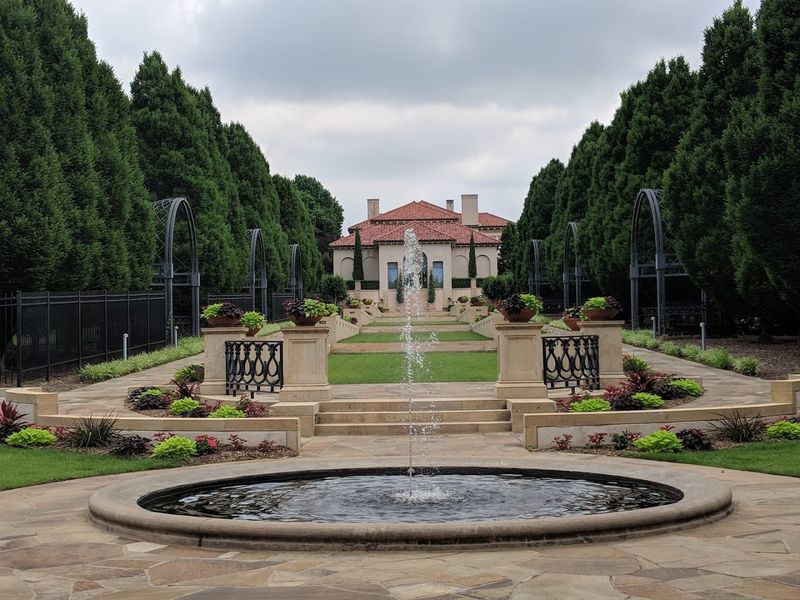
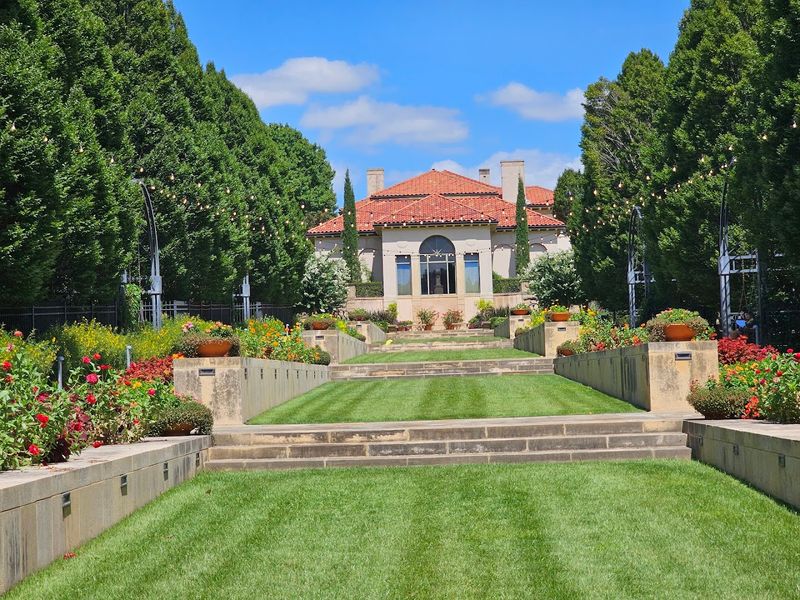
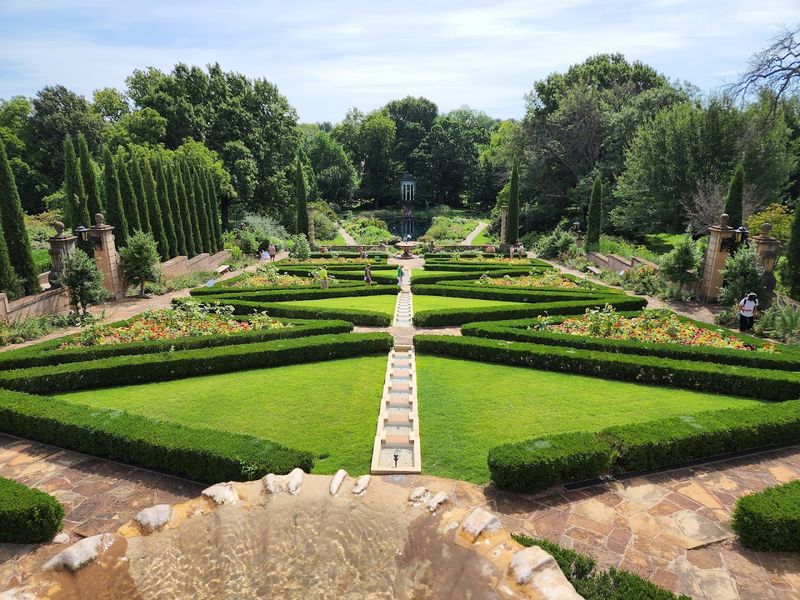
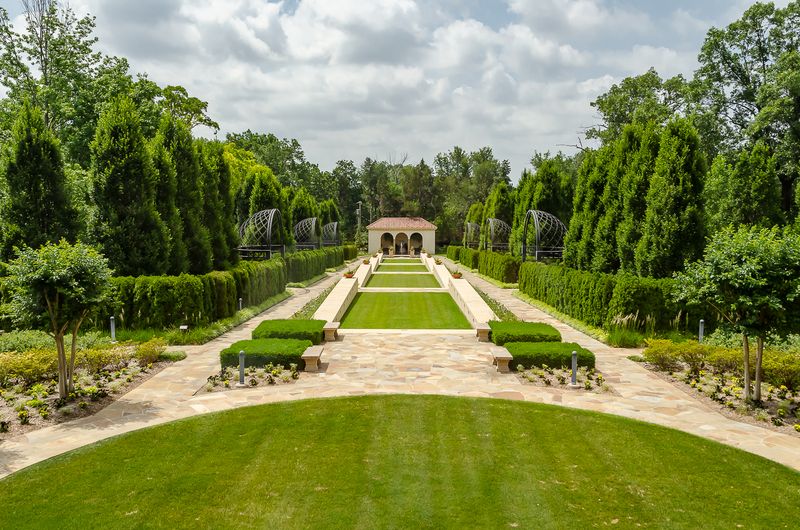
The gardens at Philbrook are not an afterthought. They are a full experience on their own, stretching across acres of carefully maintained grounds that include formal garden beds, descending water steps, koi ponds, fountains, statues, and a charming rotunda tucked among the surrounding trees.
The staff plants over 22,000 bulbs every year, which means that spring arrivals are treated to an explosion of color that feels almost theatrical. Summer keeps the green lush and layered, fall brings warm tones that glow in the afternoon light, and winter transforms the space into something quieter and more contemplative.
One of the most beloved spots is the large swing beneath a giant oak tree, where the sun filters through the leaves and turns an ordinary afternoon into something memorable. Bench alcoves line the ascent to the house, and the back gardens sweep downward in a series of terraced levels that feel genuinely cinematic.
The hardscaping, fountains, and statues throughout are considered art in themselves, not just decorative additions to the grounds.
What the Art Collection Actually Looks Like Inside
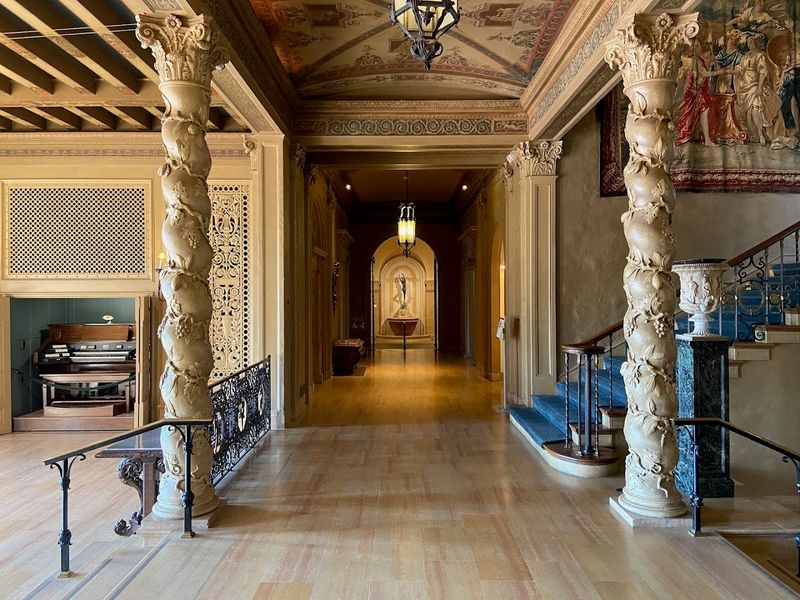
The art collection at Philbrook spans continents and centuries, which makes a visit feel more like a world tour than a single museum stop. The global collection includes fine art, decorative art, Native American art, Asian art, European paintings, and contemporary works, all housed within the mansion’s elegant rooms and additional gallery spaces.
Temporary exhibits rotate regularly, which is part of why repeat visitors keep coming back. A past Andy Warhol exhibit drew significant attention, and the Patrick Gordon exhibit was widely praised for being genuinely inspiring.
The mix of classic and contemporary pieces means there is always something to connect with, regardless of your personal taste in art.
The layout is easy to navigate, with clear signage throughout and an accessibility-friendly setup that includes an elevator and lift for those who need it. The art is displayed in a way that feels thoughtful rather than crowded, giving each piece room to breathe.
Whether you have a trained eye for art history or you are simply someone who knows what they like, the collection here rewards curiosity generously.
A Family-Friendly Destination That Earns Its Reputation
Not every art museum manages to feel genuinely welcoming to families with children, but Philbrook pulls it off with real effort. The lower level of the mansion includes a children’s play area and coloring pages that give younger visitors something hands-on to enjoy, and the garden itself provides plenty of open space for kids to move around and explore.
The library room inside is another favorite with families, offering a quieter space that feels both cozy and stimulating. The museum also runs holiday activities and seasonal events that are designed with families in mind, and discount entry options are available for low-income families, which reflects a genuine commitment to community access rather than just ticket sales.
Picnic spots are available throughout the garden, and visitors are welcome to leave and return with their receipt if they want to grab a meal nearby and come back. The on-site cafe offers snacks and coffee for those who prefer to stay on the grounds.
With something genuinely engaging for every age group, this is the kind of place where parents and kids both leave happy, which is rarer than it should be.
Holiday Lighting in the Garden That Has to Be Seen

When the sun goes down and the holiday season arrives, the gardens at Philbrook become something else entirely. The holiday lighting display transforms the already beautiful grounds into a glowing wonderland of lights and music that draws visitors from across Oklahoma and beyond.
The lights are strung through the trees, along the pathways, and around the fountains, creating reflections in the water that feel almost dreamlike. The combination of the architectural backdrop and the carefully placed lighting is the kind of thing that photographs struggle to fully capture, which means experiencing it in person is the only real option.
Friday evenings are a particularly good time to visit during the holiday season, since the museum stays open until 9 PM on Fridays, giving visitors extra time to enjoy the illuminated grounds after dark. The extended hours on Fridays apply year-round, making that evening a smart choice for anyone who wants a longer, more relaxed visit without the weekend crowds.
The garden lighting has been compared favorably to world-class holiday displays, and that comparison holds up once you are standing in the middle of it.
The On-Site Cafe and Gift Shop Experience
A long museum visit works up an appetite, and Philbrook has a practical answer to that problem. The on-site cafe is a small but charming stop that serves coffee, snacks, and light bites, and it is perfectly positioned for a mid-visit break in between the galleries and the gardens.
The coffee gets consistently positive mentions from visitors, and the atmosphere inside the cafe matches the overall elegance of the building without feeling stuffy or overpriced for what it offers. It is not a full restaurant, so if you are planning a proper meal, the smarter move is to eat before you arrive or take advantage of the re-entry policy and grab lunch nearby.
The gift shop is worth a browse before you leave. It carries a curated selection of art books, prints, jewelry, home goods, and other items that feel genuinely connected to the museum’s collection rather than generic tourist merchandise.
Several visitors specifically mention picking up goodies from the shop as a highlight of their trip. It is the kind of place where you go in planning to spend five minutes and come out twenty minutes later with a bag in your hand.
Practical Tips for Planning Your Visit
A little planning goes a long way at Philbrook, especially on weekends when the parking situation can get competitive. The museum is open Wednesday through Sunday, with hours running from 9 AM to 5 PM on most days and an extended schedule until 9 PM on Fridays.
Monday and Tuesday are closed, so do not show up on those days expecting to get in.
General admission for adults is $20, which covers both the museum and the gardens. The museum occasionally offers discounted $5 admission days, so checking the website at philbrook.org before your visit is a smart move if budget is a factor.
The phone number is +1 918-749-7941 if you need to call ahead with specific questions.
Plan to spend at least two to four hours if you want to do the visit justice. Some visitors have happily stretched their time to a full half-day by combining the galleries with a garden stroll and a cafe break.
Weekday visits tend to be quieter and more peaceful, while weekends can be livelier, especially if a special event or children’s program is scheduled. Checking the calendar on the website before you go prevents any surprises.
The Koi Pond, Rotunda, and Hidden Garden Corners
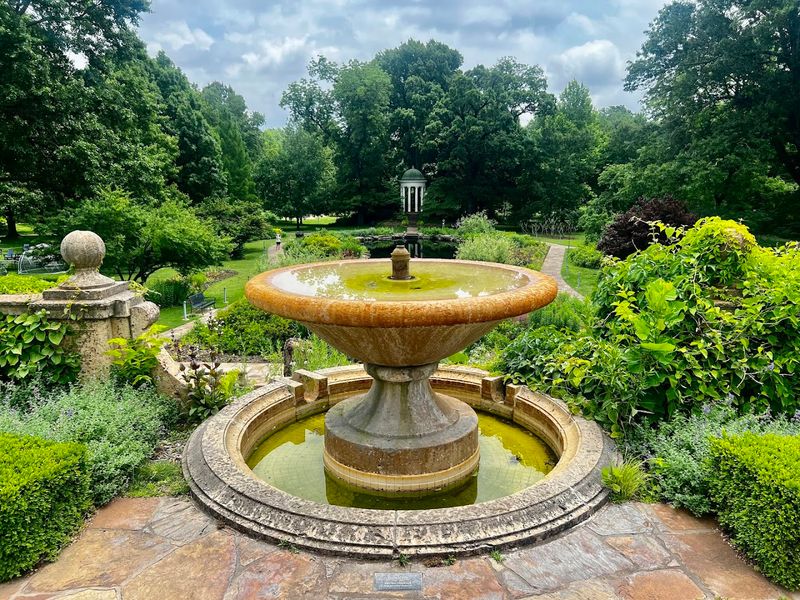
Beyond the main formal gardens, the grounds at Philbrook hold several smaller discoveries that reward slow, exploratory walks. The koi pond sits at the lower end of the terraced back gardens, framed by descending water steps and surrounded by mature trees that create a canopy of shade in warmer months.
The rotunda perched among the trees at the garden’s edge is one of those quiet spots that feels genuinely removed from the bustle of the city, even though you are well within Tulsa’s midtown area. The summer house and its surrounding fountain area offer another peaceful corner that is easy to linger in.
A photographer’s garden section, when open, provides a dedicated space that feels tailored for quiet reflection and visual appreciation. The hardscaping throughout, including the stone pathways, carved benches, and decorative fountains, adds layers of visual texture that make the garden feel less like a manicured showpiece and more like a living work of art.
Each visit tends to surface something new, whether it is a statue you walked past before or a bench alcove you had not noticed. The grounds genuinely reward a second look.
Why This Place Keeps Drawing People Back
Very few places manage to combine fine art, historic architecture, and living landscape into something that feels cohesive rather than scattered, and Philbrook pulls that combination off with consistency. The 4.8-star rating across thousands of reviews is not an accident.
It reflects a place that genuinely delivers on what it promises, visit after visit.
The staff is frequently praised for being friendly and helpful without hovering, which is a balance that more museums should study. The cleanliness of the facility, the quality of the signage, and the accessibility features all contribute to an experience that feels thoughtfully managed rather than casually run.
Oklahoma has no shortage of worthwhile destinations, but Philbrook occupies a unique position as a place that appeals to art lovers, garden enthusiasts, history buffs, and families all at once. The rotating exhibits mean the experience shifts with each visit, and the gardens change with the seasons in ways that make returning feel like discovering something new rather than revisiting the familiar.
If you find yourself anywhere near Tulsa, this is the kind of place you will be glad you made time for, and even gladder the moment you step through the gate.



