 Unearth The Voyage
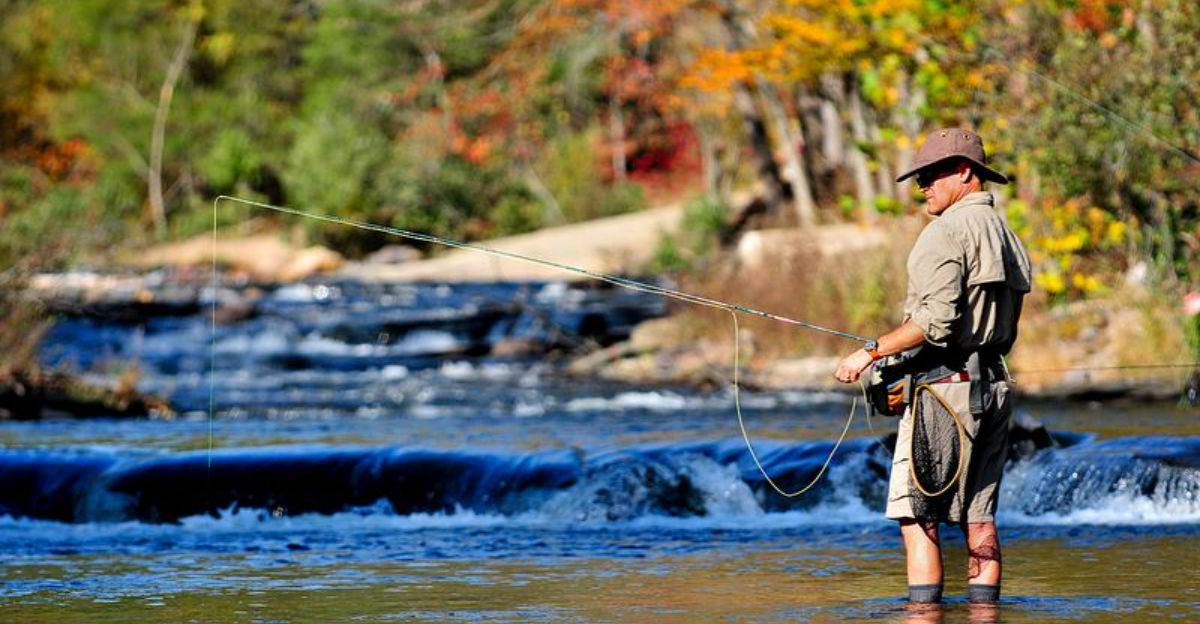
There is a river in southeastern Oklahoma that most people drive right past without a second glance, and honestly, that is their loss. The Mountain Fork River runs cold and clear through the Ouachita Mountains, and it has quietly earned a reputation among serious anglers as one of the best trout fishing spots in the entire region.
The water stays frigid year-round thanks to its spring-fed nature, which keeps trout active even in the heat of summer. Trail access is moderate, wildlife is everywhere, and the scenery along Highway 259 is the kind that makes you pull over just to stare.
If you have ever wanted to find a fishing spot that feels genuinely undiscovered, this river might be exactly what you have been searching for.
Where the Mountain Fork River Actually Is
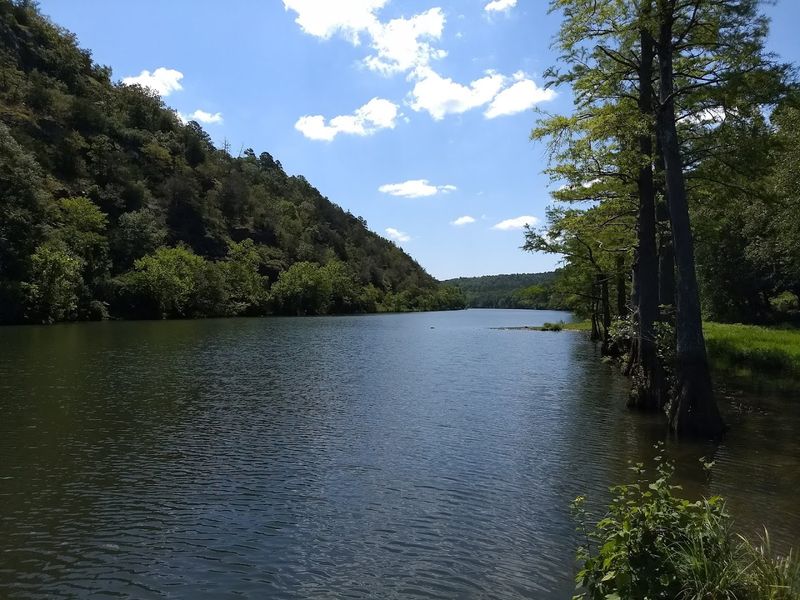
The Mountain Fork River flows through McCurtain County in southeastern Oklahoma, nestled in the foothills of the Kiamichi Mountains near the town of Broken Bow. The river runs roughly parallel to Highway 259, which is officially designated as a scenic route, and for good reason.
The coordinates put you at approximately 34.23 degrees north latitude and 94.61 degrees west longitude, deep in the Ouachita National Forest region. This part of Oklahoma feels nothing like the flat plains most people picture when they think of the state.
Tall pines, rocky outcroppings, and slate-lined riverbanks give the whole area a rugged, almost mountainous character.
The nearest town, Broken Bow, serves as the main hub for visitors. You can pick up maps at the Beaver’s Bend Cabin Office before heading out, which is a smart move since cell service is essentially nonexistent along the river corridor.
The river itself is accessible from multiple points along Highway 259, making it easy to find a stretch that suits your style of fishing or recreation.
Why Anglers Keep Coming Back
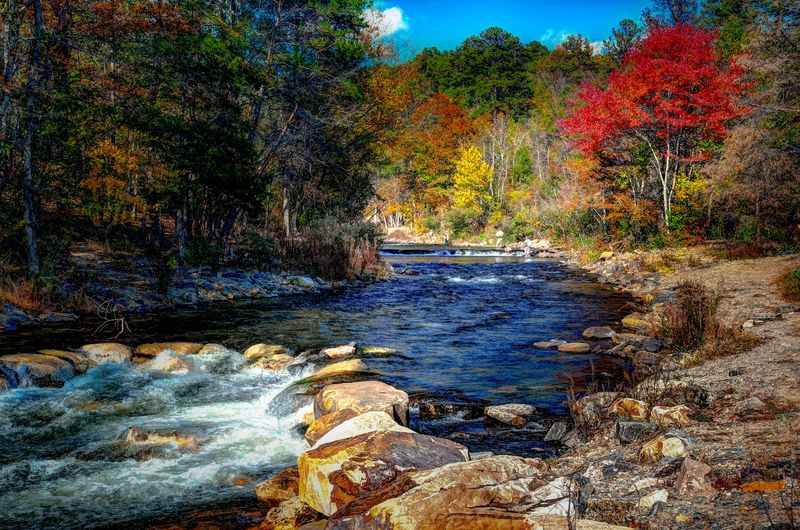
Cold, spring-fed water is the secret behind the Mountain Fork River’s fishing reputation. The river stays chilly throughout the year, which creates ideal conditions for trout to thrive in a state better known for bass and catfish.
The Oklahoma Department of Wildlife Conservation stocks the river regularly with rainbow trout, making it one of the few quality trout fisheries in the entire state. Fly fishing is especially popular here, and the clear water lets you actually spot fish before you cast, which adds a satisfying layer of strategy to the experience.
Beyond trout, the river also holds good populations of largemouth bass and channel catfish, so bringing a versatile tackle setup is always a smart call. Early mornings tend to produce the best action, when the river is quiet and the fish are actively feeding near the surface.
The combination of cold temperatures, clear visibility, and consistent stocking makes this stretch of water a reliable destination that rewards both beginners and experienced anglers with memorable catches.
The Crystal-Clear Water That Sets This River Apart
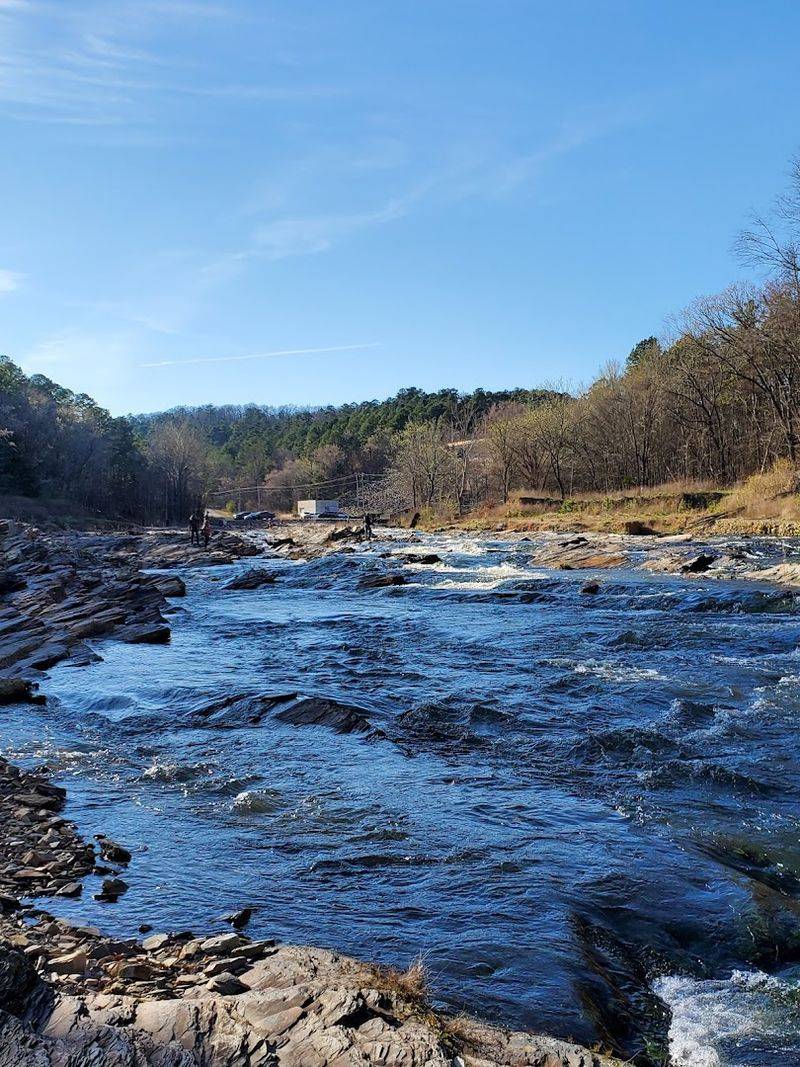
Few rivers in the south can match the clarity of the Mountain Fork. The water is so transparent that you can count the pebbles on the riverbed in sections that are several feet deep, which never gets old no matter how many times you visit.
The spring-fed source keeps temperatures consistently cold even during Oklahoma’s brutal July and August heat. That cold temperature is not just good for fish.
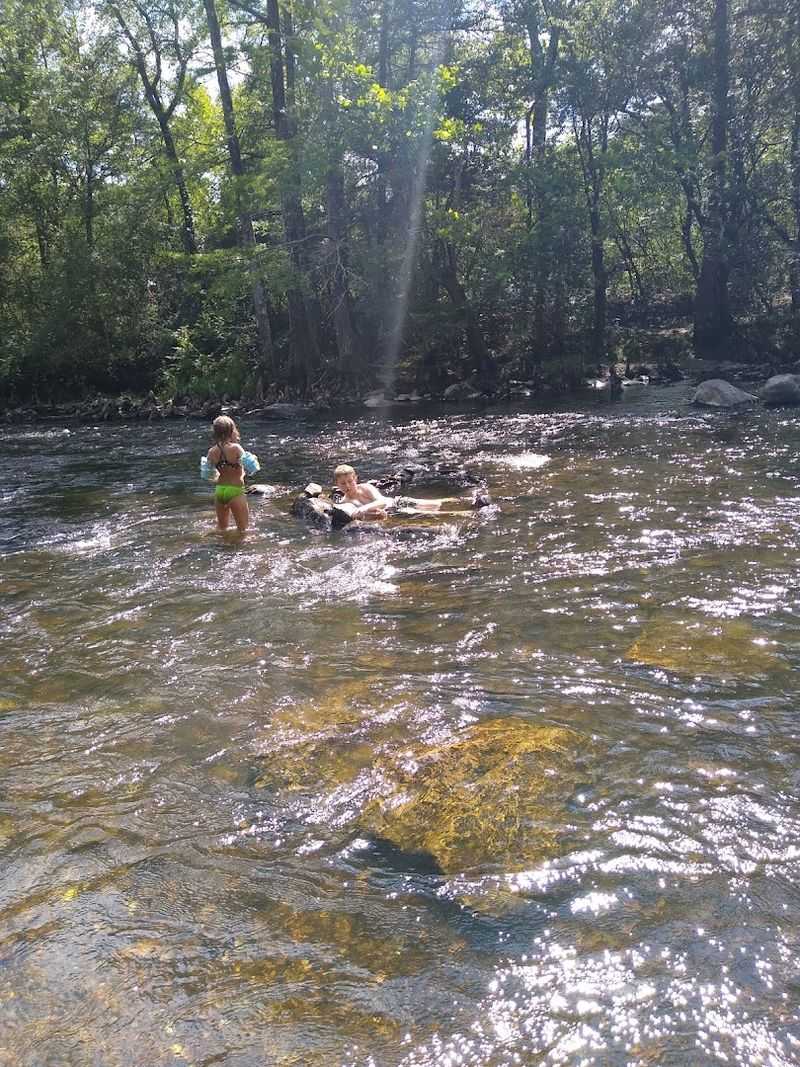
It also makes wading the river a genuinely refreshing experience on a hot afternoon, the kind of relief that feels almost too good to be true.
The riverbed is lined with flat slate and smooth stones, which gives the water a slightly blue-green tint in deeper pools. Visitors who have floated the river describe the color as almost tropical in certain light conditions.
The combination of cold temperature, high clarity, and colorful geology makes the Mountain Fork one of those rare waterways that is just as beautiful to look at as it is productive to fish.
Wildlife You Can Expect to Encounter
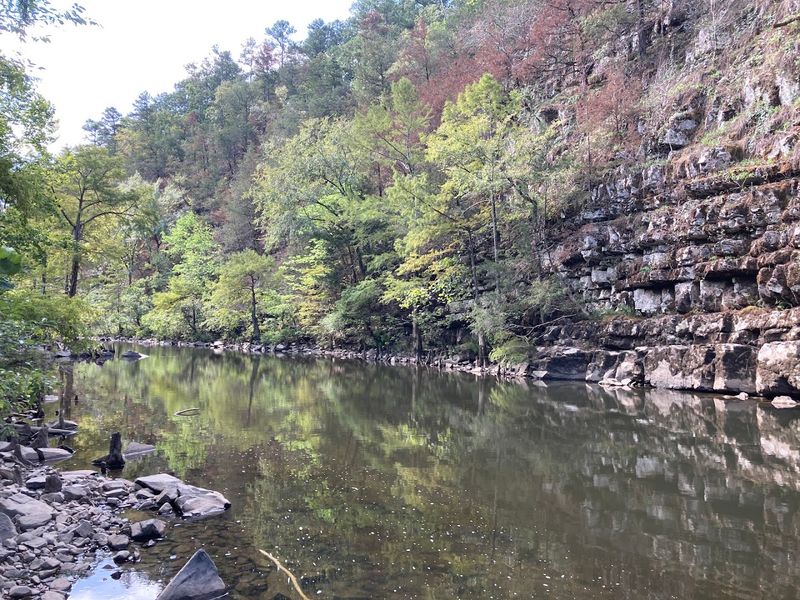
The Mountain Fork River corridor is genuinely alive with wildlife, and spending a quiet morning on the bank feels more like a nature documentary than a typical fishing trip. Beavers are a common sight, particularly in the slower, deeper sections of the river where they build their lodges among the tree roots along the bank.
Bats emerge at dusk and patrol the surface of the water, snapping up insects with impressive precision. Cardinals flash through the riverside vegetation in bright red bursts, and white-tailed deer are spotted regularly at dawn and dusk along the water’s edge.
The area also hosts a healthy population of wild turkey, and if you are quiet enough, you may hear them gobbling through the pines before sunrise.
The abundance of wildlife is a direct result of the protected forest surrounding the river and the relatively low level of development in the area. Bringing a small pair of binoculars along with your fishing gear is one of those decisions you will not regret, because the bird watching alone is worth the trip to this corner of Oklahoma.
Kayaking and Canoeing the Mountain Fork
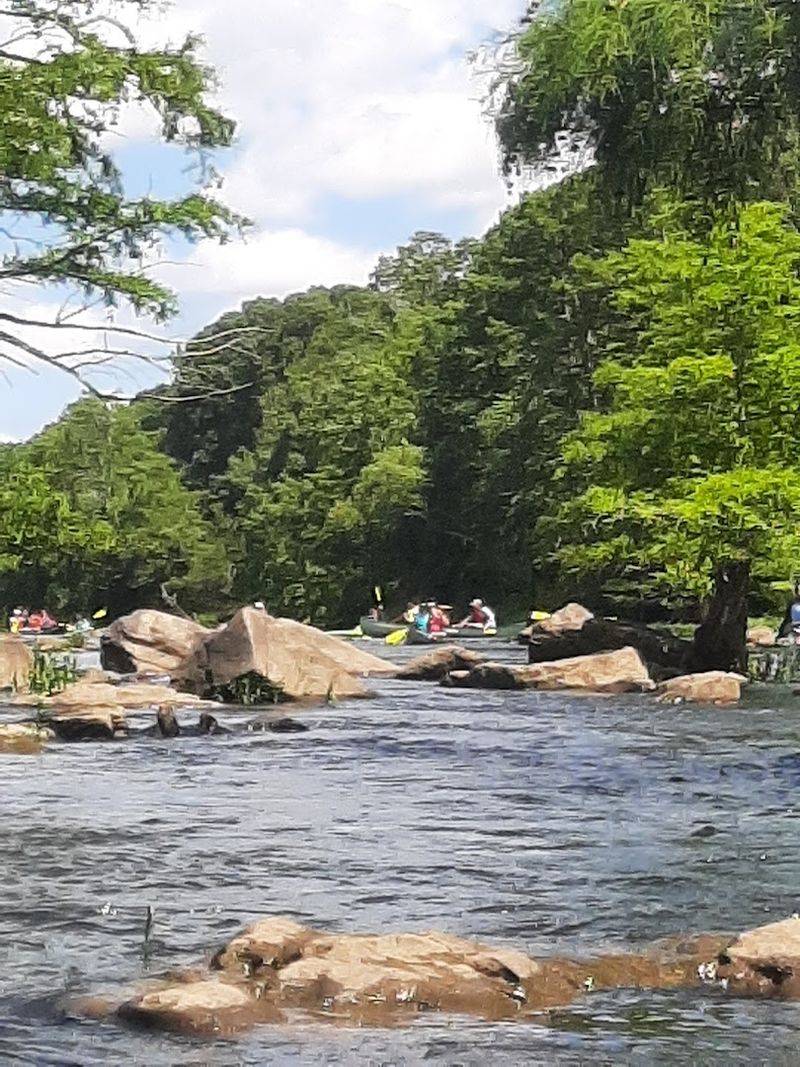
The Mountain Fork River is not just a fishing destination. It is one of the best paddling rivers in the region, with a character that suits everyone from first-timers to experienced kayakers looking for a scenic float.
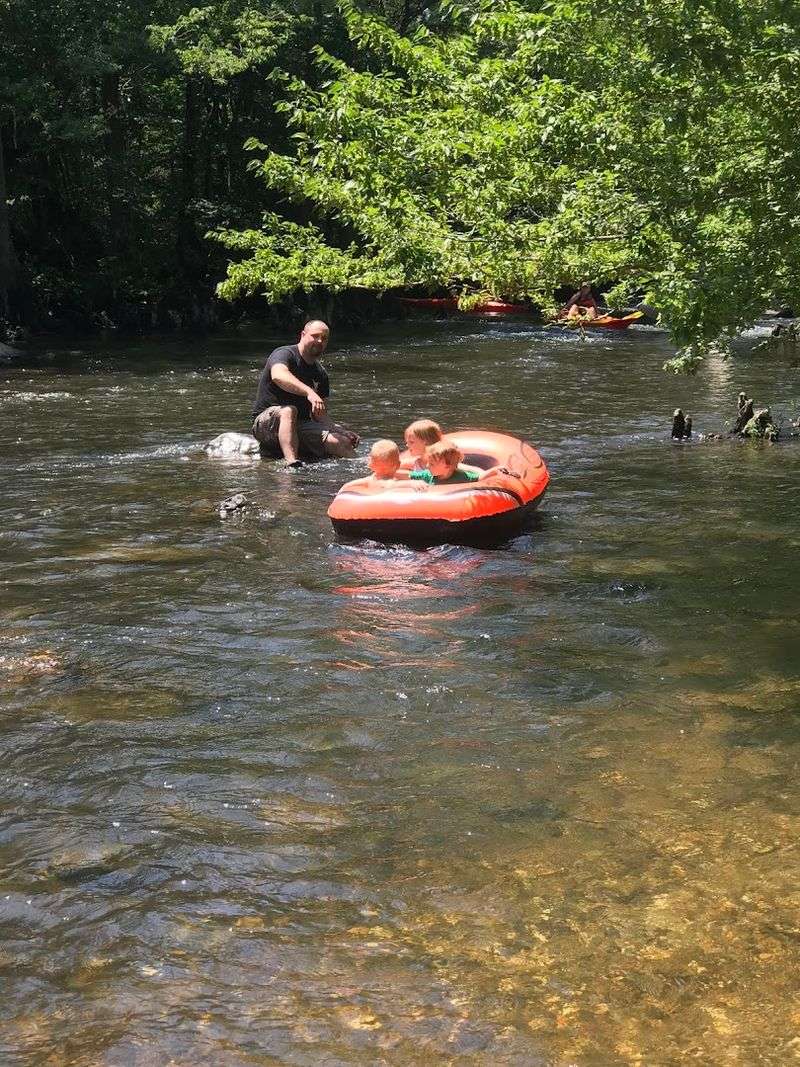
The river features a handful of small rapids that add just enough excitement without making the trip feel intimidating. Families with kids have floated this river successfully, and the calm stretches between rapids give you plenty of time to soak in the forest scenery on both banks.
WW Trade Post is a well-regarded local outfitter that handles kayak rentals, and their service is consistently praised for being professional and helpful.
The best float trips tend to run several miles through the most scenic sections of the river, and the whole experience typically takes a few hours depending on water levels and how many times you stop to fish or swim. Late July floats are popular, but fall trips offer noticeably fewer crowds and cooler air temperatures that make paddling even more enjoyable.
The river rewards paddlers who take their time.
Hiking Trails Along the River
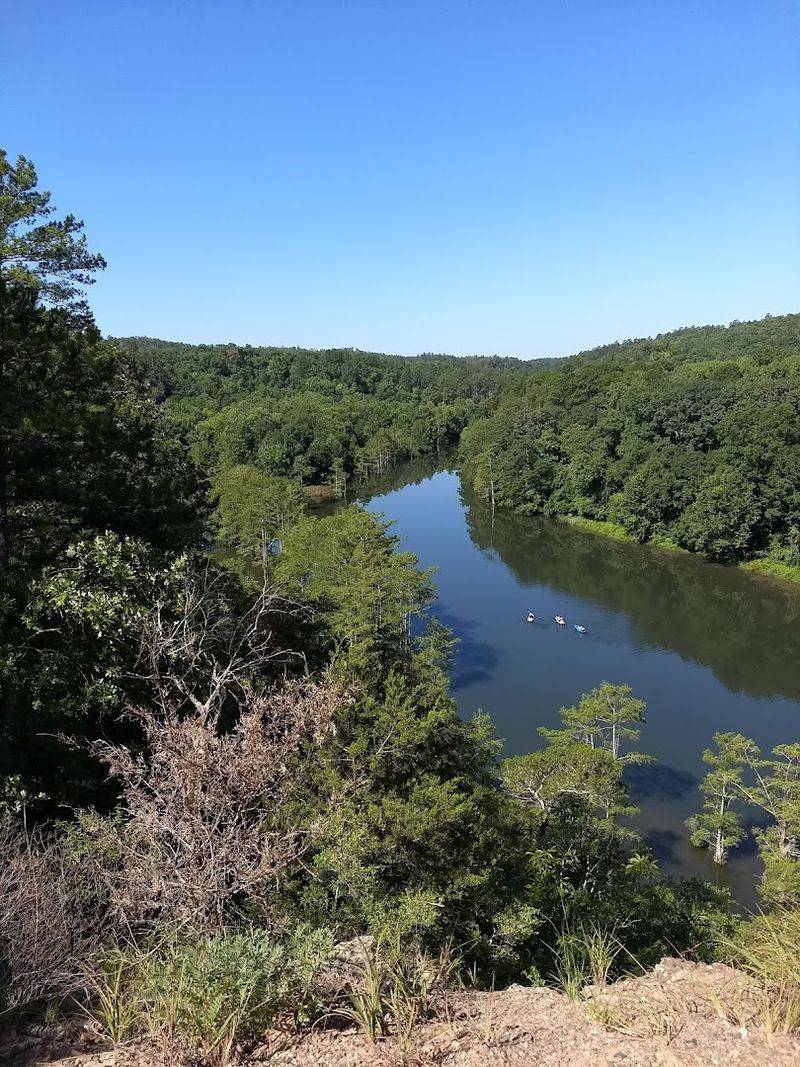
The trails running alongside the Mountain Fork River range from easy riverside walks to more moderate routes that climb through the surrounding Ouachita foothills. Most trails are well-marked, which is reassuring given that cell service disappears almost completely once you are in the forest.
The moderate trails are the most rewarding, offering elevated views of the river below and access to sections of the bank that casual visitors rarely reach. Packing water, sunscreen, and insect repellent is non-negotiable here, especially during summer months when the humidity is high and the mosquitoes are enthusiastic.
An energy bar or two is also a smart addition to your daypack for the longer routes.
Trail conditions vary by season, and spring can bring muddy patches after heavy rain, so waterproof footwear is a practical choice. The payoff for any of these hikes is access to quieter stretches of the river where fishing pressure is minimal and the scenery is completely undisturbed.
Taking your time on the trail and stopping to listen to the forest is genuinely one of the best parts of a visit to this area of Oklahoma.
Camping Options Near the Water
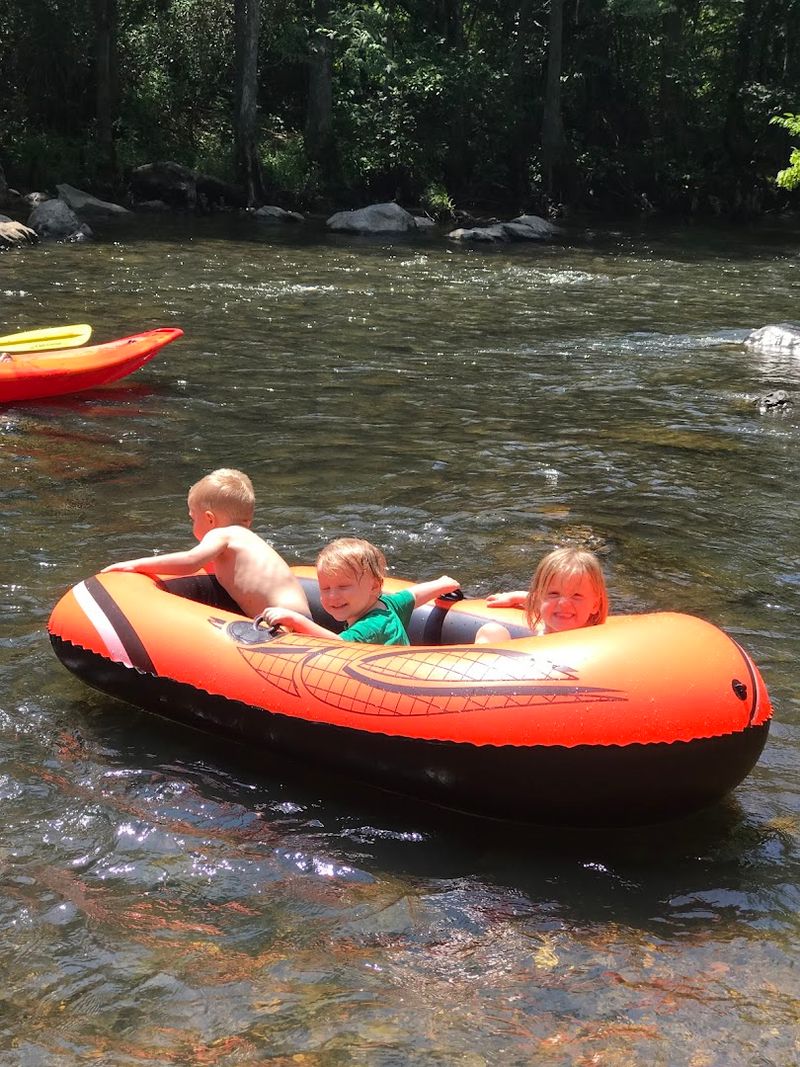
Camping along the Mountain Fork River is a tradition for many Oklahoma families, and it is easy to understand why. The combination of cool nights, river sounds, and dark skies free from city light pollution creates an atmosphere that is hard to replicate anywhere else.
Beavers Bend State Park sits right in the heart of the Mountain Fork corridor and offers a wide range of camping options, from primitive tent sites directly on the riverbank to full-hookup RV pads with modern amenities. The park is well-maintained and the campsites are clearly marked and clean.
Families have been returning to this park multiple times per year for years, often claiming it as their favorite annual tradition.
Cabin rentals are also plentiful in the area, with options ranging from rustic to genuinely luxurious. Vineys on the River is one well-known cabin rental that puts guests right next to the water.
Booking ahead is essential during summer weekends, as the area draws significant crowds. Fall and early winter visits offer a much more peaceful experience with beautiful foliage and cooler fishing conditions.
The Best Times of Year to Visit
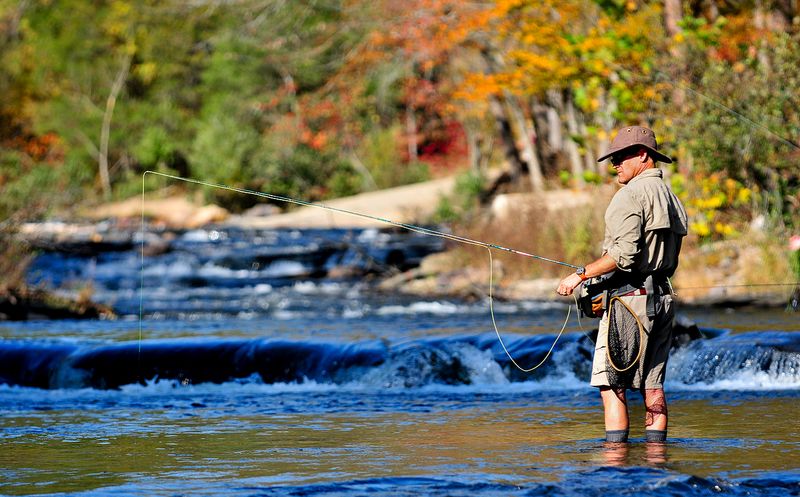
Timing a visit to the Mountain Fork River can make a significant difference in the quality of your experience. Summer is the busiest season by a wide margin, and popular access points near Broken Bow can feel genuinely crowded on weekends, especially during July and August.
Fall is widely considered the best time to visit for those who want a quieter, more personal experience with the river. The foliage along the Ouachita foothills turns brilliant shades of orange and red in October, and the crowds thin out considerably after Labor Day.
Fishing tends to improve in fall as water temperatures drop and trout become more aggressive feeders.
Winter visits are surprisingly rewarding for dedicated anglers. The river never freezes, and the trout are active in the cold water throughout the season.
Spring brings lush green growth and excellent bird activity along the banks, though rain can raise water levels and affect float trip planning. Each season offers something distinct, and regulars often say that once you visit the Mountain Fork in fall, you will rearrange your entire calendar to make it an annual trip.
Trout Stocking and Fishing Regulations
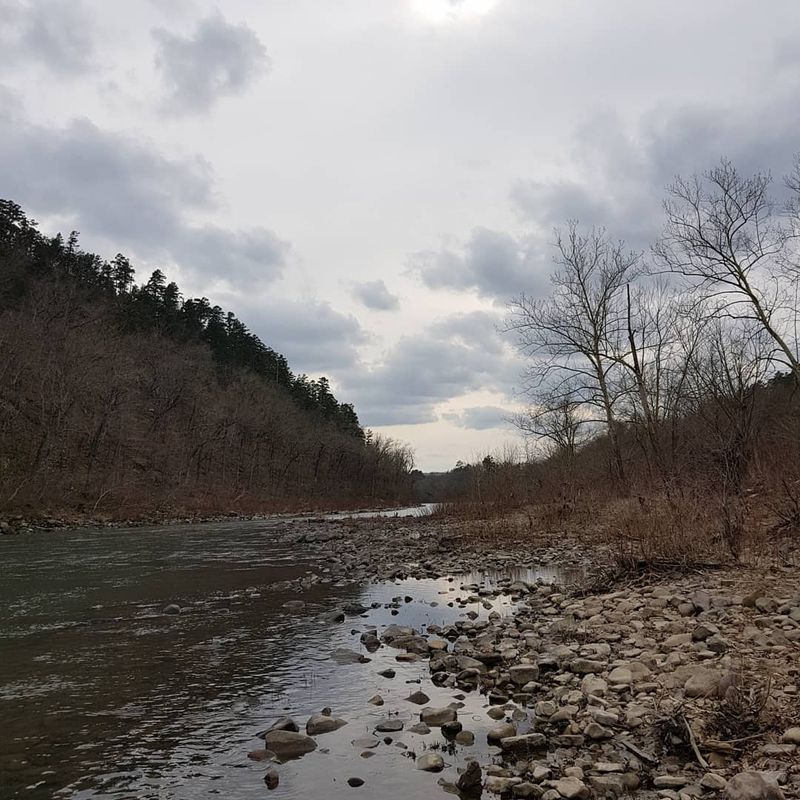
The Mountain Fork River is one of Oklahoma’s designated trout fisheries, and the state manages it seriously. The Oklahoma Department of Wildlife Conservation stocks rainbow trout regularly throughout the cooler months, with stocking schedules typically running from November through March when water temperatures are optimal.
A valid Oklahoma fishing license is required for anyone 16 and older, and a separate trout license is also needed to fish the designated trout waters of the Mountain Fork. Regulations include specific size and creel limits that can change seasonally, so checking the current rules on the ODWC website before your trip is always a good idea.
Certain sections of the river are designated as catch-and-release only, which helps maintain the fish population and ensures future visitors have quality fishing opportunities. Barbless hooks are required in some areas, and artificial lures are mandated in specific stretches.
These rules might sound strict, but they are what keep the Mountain Fork productive year after year. Anglers who respect the regulations tend to find that the river gives back generously in the form of healthy, well-sized fish that make every cast feel worthwhile.
Local Culture and Community Around the River
The communities surrounding the Mountain Fork River have built their identity around the outdoors, and that pride is visible in everything from the local outfitter shops to the handmade signs pointing toward river access points. Broken Bow and the surrounding McCurtain County towns have a hospitality that feels earned rather than performed.
Locals who grew up on the river are generous with advice, willing to point out the best fishing holes or warn you about sections that run shallow after a dry spell. The outdoor culture here is deeply rooted, with families passing down knowledge about the river from one generation to the next.
That continuity gives the place a sense of character that newer tourist destinations simply cannot manufacture.
Local outfitters like WW Trade Post have become community anchors as much as businesses, offering rental gear, local knowledge, and a friendly face for first-time visitors. The overall vibe along the Mountain Fork corridor is welcoming and unpretentious, the kind of place where strangers on the riverbank strike up genuine conversations about fishing techniques and favorite campsites without any awkwardness at all.
Practical Tips for First-Time Visitors
A few practical details can make the difference between a smooth trip and a frustrating one on the Mountain Fork. Cell service is essentially absent along most of the river corridor, so downloading offline maps or grabbing a paper map from the Beaver’s Bend Cabin Office before you head out is a genuinely important step.
Wearing proper footwear is worth emphasizing. Flip flops and sandals are a poor choice for both wading and hiking, and the rocky slate riverbed will make that clear within the first five minutes.
Closed-toe water shoes or wading boots are the practical choice. Sunscreen and insect repellent belong in every bag, regardless of the season.
Carrying out all your trash is both a rule and a matter of respect for a river this beautiful. A mesh bag for collecting waste during float trips is a simple addition that keeps the water clean for everyone who comes after you.
Water levels can change with rainfall, so checking conditions before a paddling trip is smart. Arrive early on summer weekends to secure parking and access points before the crowds build up at the more popular sections of the river.
A River Worth Protecting and Returning To
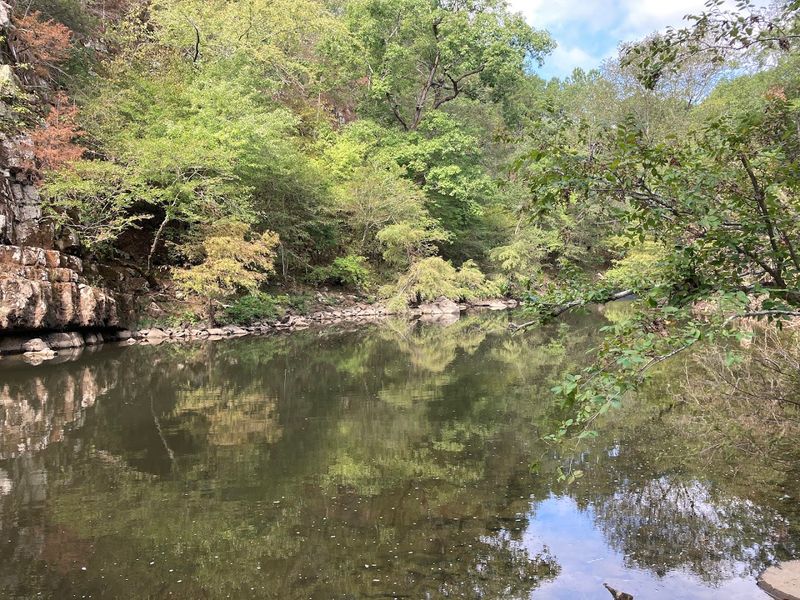
The Mountain Fork River has earned its quiet reputation through consistency. The water stays clear, the fish keep biting, the wildlife keeps showing up, and the scenery refuses to disappoint no matter how many times you make the drive down Highway 259.
What makes a place like this genuinely special is the balance it maintains between accessibility and wildness. Enough infrastructure exists to make a visit comfortable, but the river itself still feels untamed and honest.
That balance is fragile, and it depends on visitors treating the place with the same care that the locals who grew up here have always shown.
Picking up trash that is not yours, following fishing regulations without shortcuts, and keeping noise levels reasonable are small acts that collectively protect what makes the Mountain Fork worth the trip. Oklahoma has no shortage of beautiful landscapes, but a cold, clear, trout-filled river tucked into the Ouachita foothills is a genuinely rare thing.
The Mountain Fork River does not need a marketing campaign. It just needs visitors who appreciate what they have found and are willing to leave it better than they arrived.



