 Unearth The Voyage
Most people think of Oklahoma as flat, dry, and easy to overlook on a road trip map. Then they stumble onto a place where ancient granite peaks rise out of the southern plains, bison roam the open grasslands, and the sky turns every shade of orange and pink at sunset.
It is the kind of place that makes you pull over, get out of the car, and just stand there for a minute. This refuge outside Indiahoma has been quietly blowing minds for decades, and it is finally time more people knew about it.
Where the Wild Things Actually Are: The Refuge at a Glance
The full address is 32 Refuge Headquarters Road, Indiahoma, OK 73552, and the drive up to the entrance already sets the tone for everything you are about to experience.
Wichita Mountains Wildlife Refuge covers roughly 59,000 acres in southwestern Oklahoma, managed by the U.S. Fish and Wildlife Service.
It is one of the oldest federal wildlife refuges in the country, established back in 1901, which means over a century of conservation has shaped what you see today.
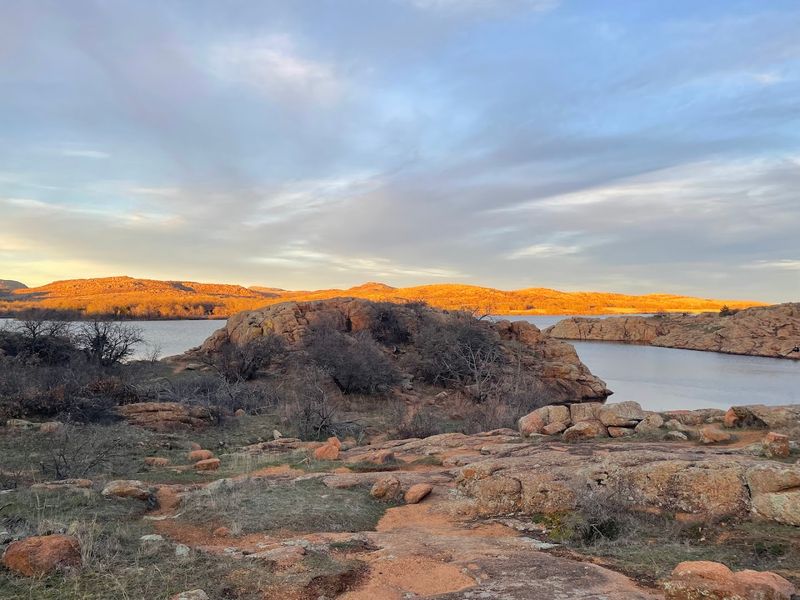
The landscape is a striking mix of rugged granite boulders, clear lakes, open meadows, and rolling prairies. It does not look like anything else in the state, and that contrast is exactly what makes it so memorable.
The visitor center is open daily from 9 AM to 5 PM, and the staff there are genuinely helpful. You can reach them at (580) 429-3222 or visit fws.gov/refuge/Wichita_Mountains for trip planning details.
Entry to the refuge is free, which makes the whole experience feel like a gift. A place this spectacular charging nothing at the gate is the kind of pleasant surprise that keeps travelers coming back year after year.
Bison, Longhorns, and the Thrill of a Real Wildlife Encounter
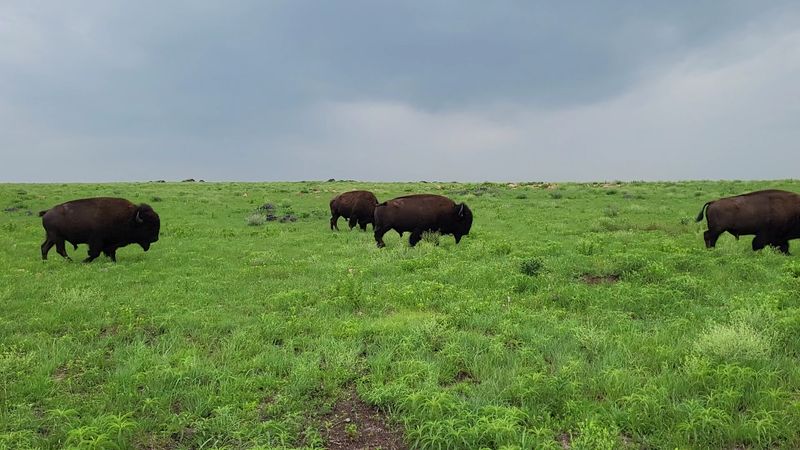
There is a particular kind of awe that hits you when a 2,000-pound bison casually crosses the road ten feet from your bumper and absolutely does not care that you exist.
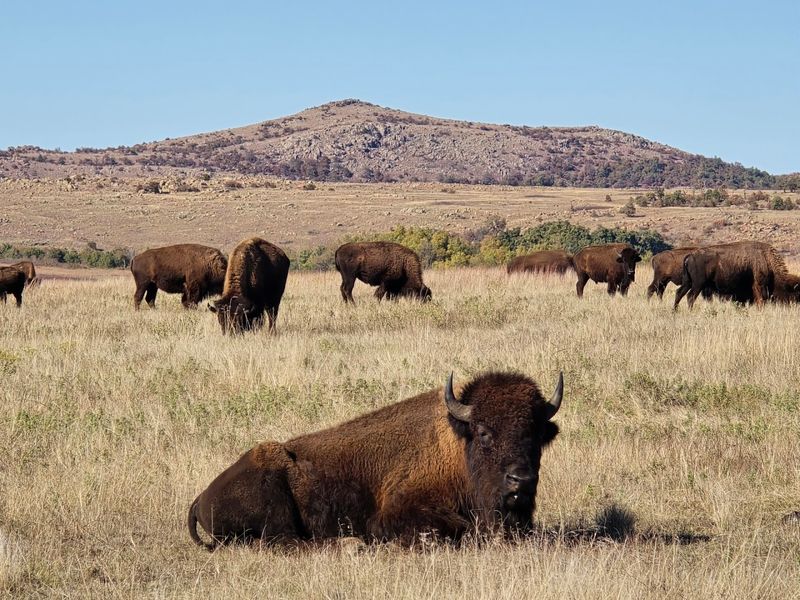
The refuge is home to one of the oldest publicly owned bison herds in the United States, and spotting them is almost a guarantee, especially in the early morning hours when they graze in the open meadows. Longhorn cattle also roam freely through the park, their wide horns catching the light in a way that makes every photo look like a postcard.
Elk, white-tailed deer, wild turkey, prairie dogs, and even the occasional coyote round out the wildlife roster. The variety is genuinely impressive for a single afternoon visit.
One important rule worth repeating: keep your distance from all animals, especially the bison and longhorns. They are wild, they are large, and they do not respond well to people getting too close.
Watching a bison graze at golden hour while the granite hills glow in the background is the kind of scene that quietly becomes one of your favorite travel memories.
Mount Scott and the View That Stops Conversations
At 2,464 feet above sea level, Mount Scott is the highest peak in the Wichita Mountains, and the paved road that winds to its summit is one of the most scenic drives in the entire state of Oklahoma.
The road typically opens at noon, so arriving early gives you time to explore the trails below before heading up. Once you reach the top, the view stretches across lakes, prairies, and jagged granite formations in every direction, with no buildings or billboards to interrupt the scenery.
Sunsets from Mount Scott are particularly spectacular. The warm light hits the red dirt and granite at an angle that turns the whole landscape into something almost unreal, and the lakes below reflect the colors back up like natural mirrors.
Photographers make special trips just for this light. Even visitors who consider themselves casual about nature tend to go quiet up there, which says a lot.
The drive down after sunset, with the sky fading to deep purple and the first stars appearing overhead, is the kind of slow, quiet moment that reminds you why getting away from the city is always worth the effort.
Trails for Every Type of Hiker
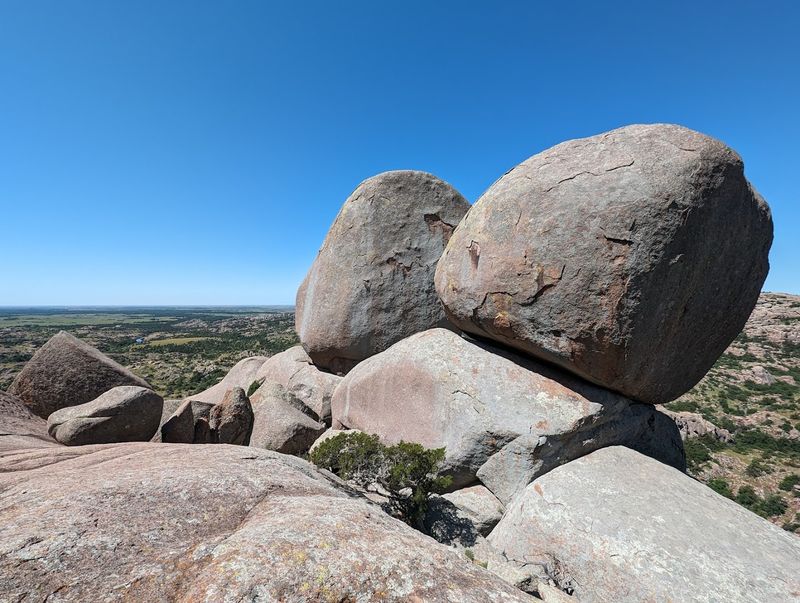
The trail system at the refuge is one of its biggest strengths, with routes ranging from flat, easy walks along the lakeshore to serious scrambles up boulder-covered ridgelines that will test your balance and reward your effort.
The Narrows Trail is a favorite among regulars, weaving through tight granite formations and offering close-up views of the rock textures that make this landscape so distinctive. Elk Mountain is another popular climb, with trail conditions that involve real rock stepping and some elevation gain that earns the summit views.
Even the trails labeled as easy include a fair amount of rock and uneven terrain, so solid footwear is genuinely important here, not just a polite suggestion. The trails are not always perfectly groomed, which actually adds to the adventure for most hikers.
Cell service disappears in most areas of the refuge, so stopping at the visitor center before heading out is a smart move. The staff can match you with a trail that fits your fitness level and the time you have available.
Late April and early May are especially beautiful, when wildflowers start blooming and the green of the vegetation contrasts sharply with the red dirt paths underfoot.
The Holy City and the Pageant of the Ages
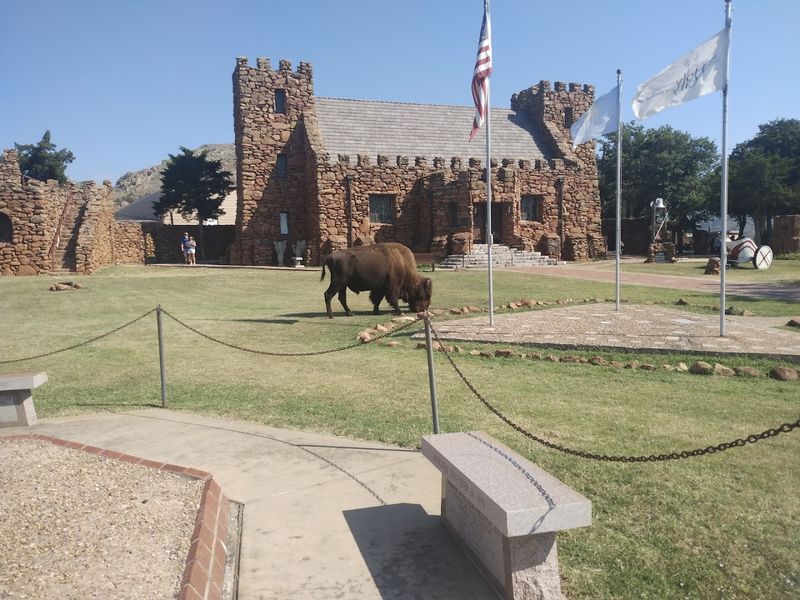
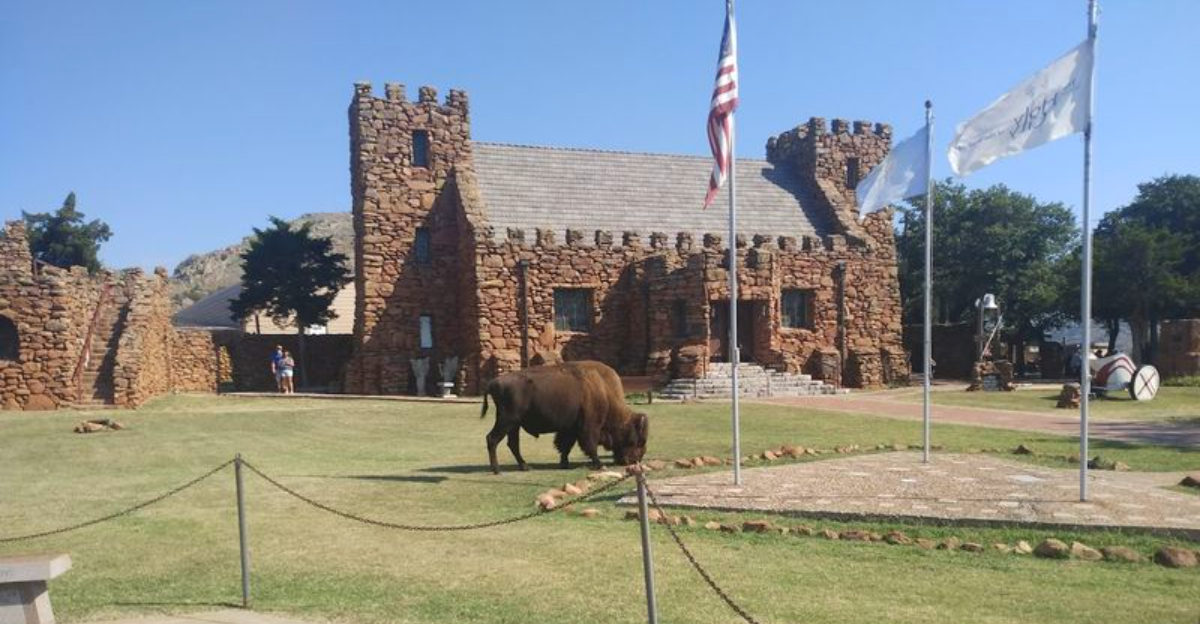
Tucked into a valley surrounded by granite boulders, the Holy City of the Wichitas is one of the most unusual and historically layered spots within the entire refuge.
Built in the 1920s and 1930s by local volunteers, the Holy City is an outdoor amphitheater and collection of stone buildings designed to represent the setting of the Easter story. Every Easter weekend, the Pageant of the Ages draws thousands of visitors for a large-scale outdoor production that has been running for nearly a century.
Outside of the pageant season, the site is open for quiet exploration, and the stone structures set against the natural rock formations create a genuinely striking visual. It is also one of the designated ceremony areas for elopements and small outdoor weddings, which makes sense given how dramatic the scenery is.
The combination of human history and natural landscape here is hard to find anywhere else in Oklahoma, and it gives the refuge an extra layer of depth beyond just the wildlife and hiking.
Spending even thirty minutes walking through the Holy City adds a completely different dimension to a refuge visit, one that most first-timers do not expect and almost everyone appreciates.
Camping Under the Stars in the Southern Plains
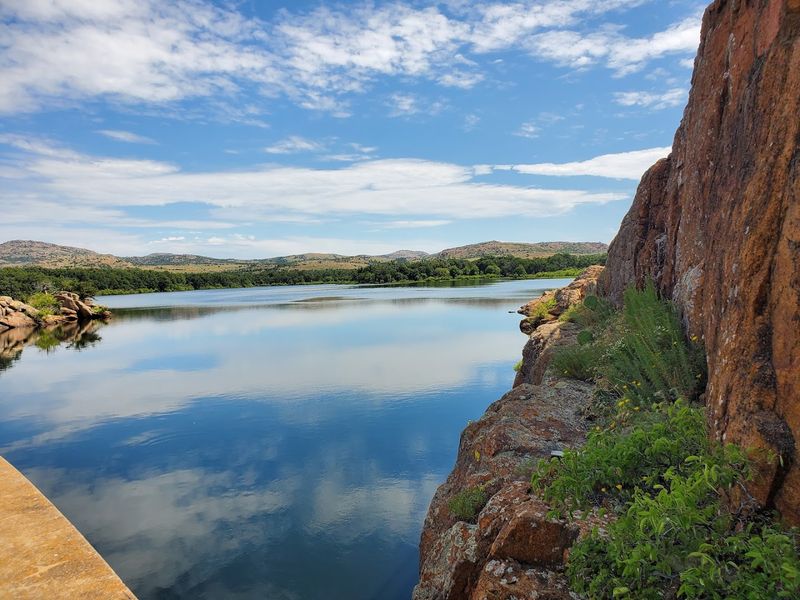
Spending a night at the refuge transforms the experience in ways that a day trip simply cannot replicate. The campgrounds are well-maintained, and some sites sit right next to the lakes with trail access directly from the campsite.
Waking up to deer wandering through your campsite before breakfast is not an unusual morning here. Elk have been spotted grazing near the camping areas as well, and the bird activity at dawn is steady enough to keep any nature lover entertained with just a cup of coffee and an open view.
The absence of cell service in most areas of the refuge actually becomes an asset overnight. Without the constant pull of a screen, the sounds of crickets, frogs, and distant wildlife fill the space instead, and the dark skies are clear enough to make stargazing genuinely rewarding.
Fireflies appear in the warmer months, turning the meadows near the campsites into something that feels almost theatrical, with tiny lights drifting through the tall grass in every direction.
Booking a campsite in advance is strongly recommended during spring and fall weekends, as the refuge draws visitors from across Texas and Oklahoma who know exactly how good it gets after dark.
Rock Climbing on Ancient Granite
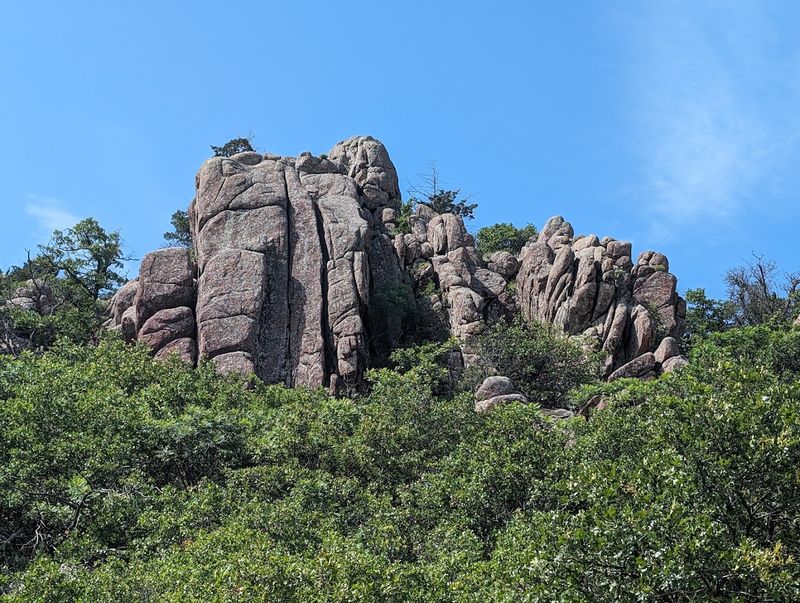
The granite formations at the refuge are not just scenic backdrops. They are legitimate climbing terrain, and the area has developed a quiet reputation among climbers who appreciate natural rock over artificial walls.
The boulders and faces throughout the refuge offer a wide range of difficulty levels, from beginner-friendly scrambles to technical routes that require real skill and gear. The rock itself is ancient, somewhere around 500 to 600 million years old, which gives every handhold a certain geological gravitas that is hard to articulate but easy to feel.
Heart Rock is one of the most talked-about spots for climbing and scrambling, with views from the top that justify every bit of effort it takes to get there. The approach involves some trail walking and boulder hopping, which makes it accessible to people who are not strictly climbers but still want a physical challenge.
The refuge does have guidelines around climbing areas, so checking in at the visitor center before heading out is always a good idea. Rangers can point you toward the best spots based on your experience level.
There is something deeply satisfying about reaching the top of a granite summit that has been standing since before the dinosaurs, and the refuge gives you that feeling for free.
Fishing and Lake Life Along the Water
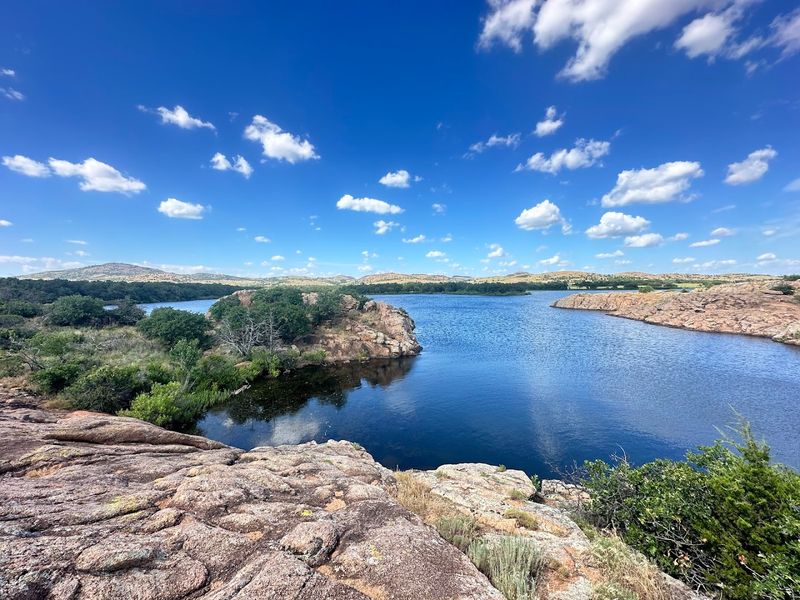
The refuge contains several lakes that are open for fishing, and the combination of clear water, surrounding granite hills, and abundant wildlife makes even a slow fishing day feel like a success.
Jed Johnson Lake is one of the larger bodies of water within the refuge and offers a peaceful setting for both fishing and photography. Bass, catfish, and other species are present in the lakes, and the fishing is open to visitors with a valid Oklahoma fishing license.
The lakes also serve as gathering points for wildlife, which means that even non-anglers find themselves drawn to the water’s edge. Ducks, herons, and shorebirds are regulars, and the reflection of the granite hills in the still morning water makes for some of the best landscape photography opportunities on the entire property.
One visitor group even photographed the Northern Lights reflecting off Jed Johnson Lake during a rare atmospheric event, which tells you something about the kind of unexpected magic this place occasionally delivers.
Whether you come with a fishing rod or just a desire to sit by the water and watch the world slow down, the lakes at the refuge have a way of making the rest of your week feel much less urgent.
Prairie Dog Towns and the Smaller Wonders
Not every highlight at the refuge involves something large enough to dent your car. The prairie dog towns scattered across the property are genuinely entertaining stops, especially for families with kids who have never seen these small, social creatures in their natural habitat.
Prairie dogs are highly communicative animals, and watching an entire town react to the presence of a visitor is like observing a tiny, chaotic neighborhood meeting. They bark, stand upright, dive into burrows, and pop back out again in a cycle that is oddly hard to stop watching.
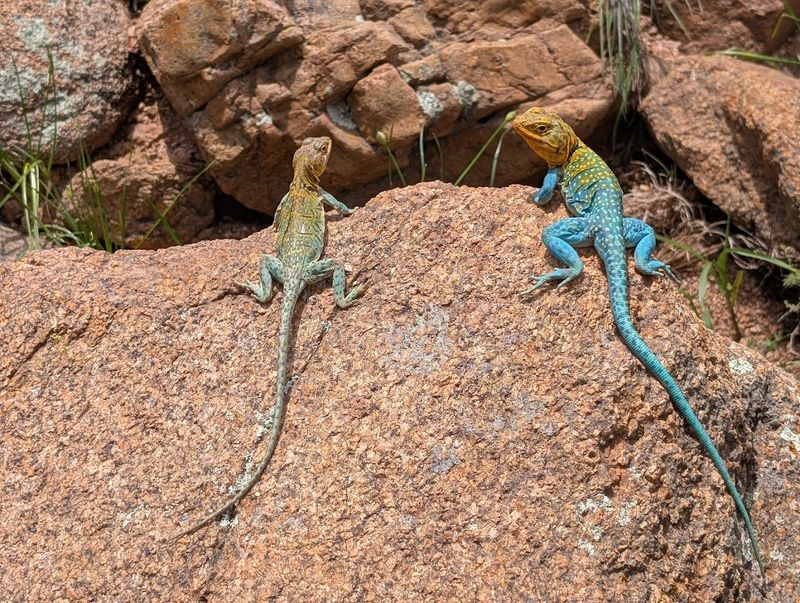
The refuge also hosts a surprising variety of lizards, which dart across the warm granite rocks throughout the warmer months. Spotting them becomes a low-key game for younger visitors, and the diversity of reptile species in the area reflects just how healthy the ecosystem here really is.
Wild turkey strut through the grasslands with a confidence that seems slightly out of proportion to their actual status in the food chain. Roadrunners have also been spotted in the area, which feels almost too on-brand for Oklahoma.
These smaller encounters add texture to a refuge visit that the headline animals alone cannot provide, and they are the details that kids tend to remember and talk about long after the trip is over.
Planning Your Visit: Practical Tips That Actually Help
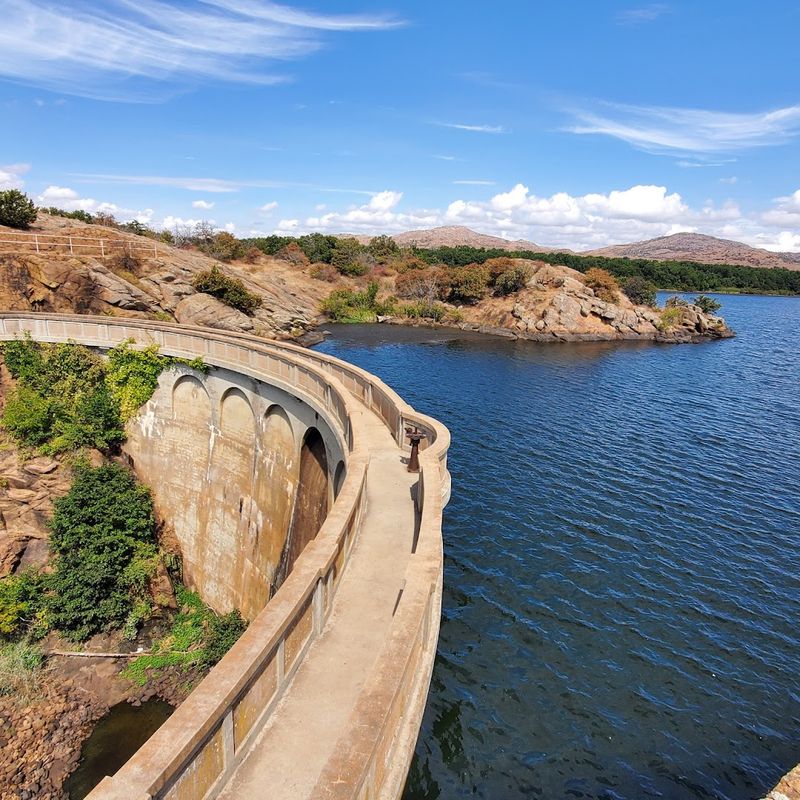
A few practical details can make the difference between a smooth, satisfying trip and one that involves a lot of avoidable frustration. The refuge is open daily, and the visitor center runs from 9 AM to 5 PM, though it has occasionally closed during government shutdowns, so checking ahead is worth the two-minute effort.
Cell service is unreliable throughout most of the property, so downloading a trail map before you arrive is genuinely useful. The visitor center staff are consistently described as friendly and knowledgeable, and they can tailor trail recommendations to your group’s fitness level and time constraints.
Bring more water than you think you need, particularly in the summer months when temperatures in southwestern Oklahoma climb well past comfortable. Sun protection is equally important on the open granite faces, where shade is scarce and the reflected heat adds up quickly.
Mount Scott road opens at noon, so plan the rest of your morning around that timing rather than waiting in the parking lot. The nearest town with food options is Cache, and the community of Meers nearby has a well-known local restaurant worth checking out after a long day on the trails.
The refuge sits about two and a half hours from the Dallas-Fort Worth area, making it a very reasonable overnight trip for anyone in the region looking for something genuinely different.



