 Unearth The Voyage
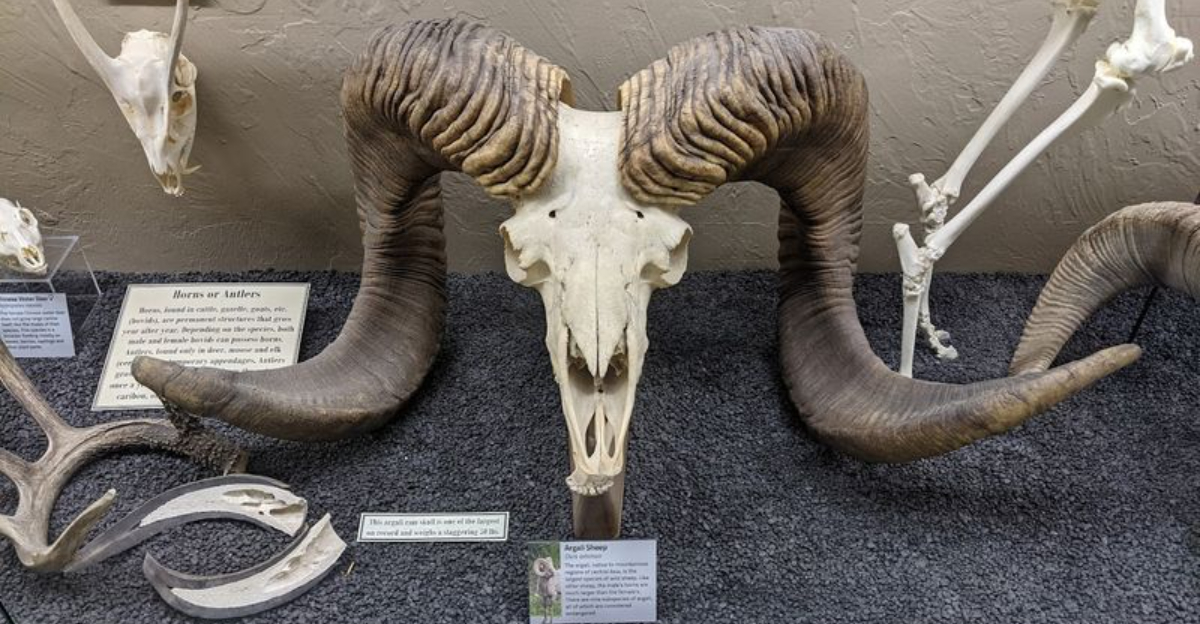
There is a museum in Oklahoma City where the star of every single exhibit is a skeleton, and honestly, it might be the coolest place I have ever set foot in. No paintings on the walls, no dusty artifacts behind velvet ropes.
Just hundreds of beautifully prepared skeletal specimens from creatures big and small, arranged with real scientific care and a surprising sense of wonder. I went in expecting a quirky roadside curiosity and walked out genuinely amazed by how much a collection of bones can teach you about life on this planet.
Whether you are a curious kid, a biology enthusiast, or just someone who appreciates something truly one-of-a-kind, this place will knock your socks off, and possibly make you look at your own skeleton in a whole new way.
A One-of-a-Kind Address You Will Not Forget
The Museum of Osteology sits at 10301 S Sunnylane Rd, Oklahoma City, OK 73160, and the moment you pull up, you get the feeling that this is not your average museum stop. The building is modest from the outside, which makes what waits inside feel even more surprising.
Oklahoma City is known for a lot of things, but this museum has quietly become one of its most talked-about attractions, drawing visitors from across the country and beyond. It sits along a stretch of road that some travelers connect to the historic Route 66 corridor, so if you are doing a road trip, this is an easy and very worthwhile detour.
The phone number is +1 405-814-0006, and the website is skeletonmuseum.com, where you can check upcoming events before your visit. Hours run from 9 AM to 5 PM most days, with slightly later openings on weekends.
Parking is easy, the entrance is accessible, and the staff greets you warmly the second you walk through the door.
The Story Behind the Bones
Few museums in the world can claim to have been built around a single, deeply personal obsession, but the Museum of Osteology is exactly that. The collection grew out of Skulls Unlimited International, a company founded in Oklahoma City that specializes in preparing and supplying skeletal specimens for scientific and educational use.
The founder’s passion for osteology, the study of bones, eventually produced a collection so large and impressive that opening a public museum became the natural next step. What started as a professional operation became a place where anyone could walk in and get genuinely close to science.
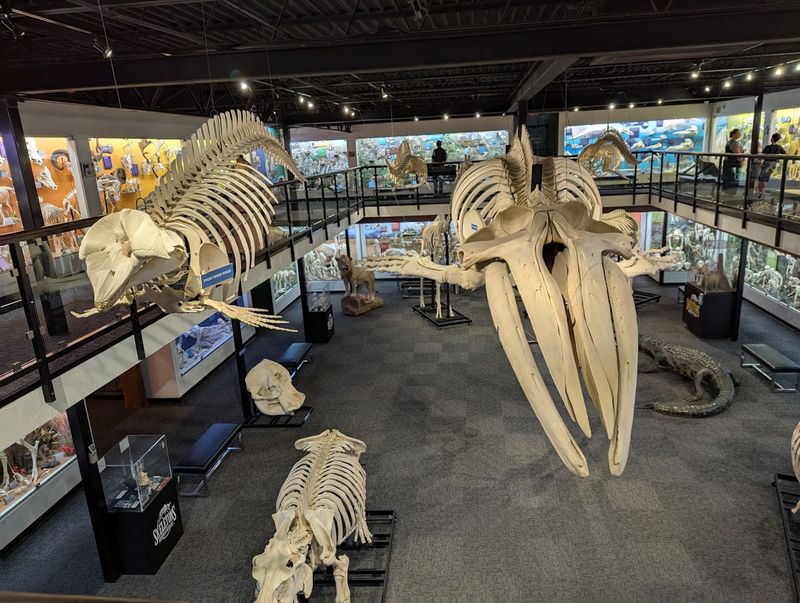
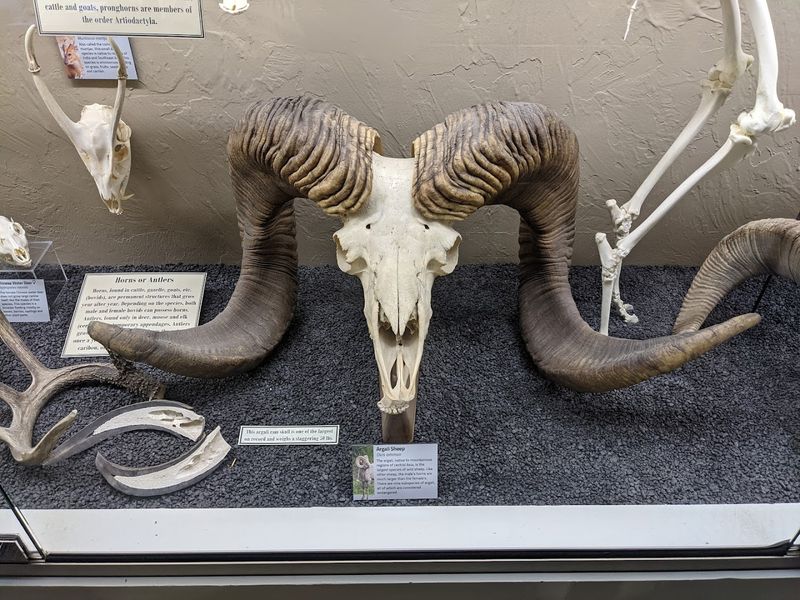
The museum now houses over 300 skeletal specimens on display, representing a remarkable variety of species. Even more striking is the fact that what you see on the floor represents less than 10 percent of the full collection.
That detail alone stopped me in my tracks when I read it on one of the exhibit panels. Knowing that what is on display is just the tip of a much larger scientific iceberg makes every specimen feel even more significant.
What 300 Skeletons Actually Look Like
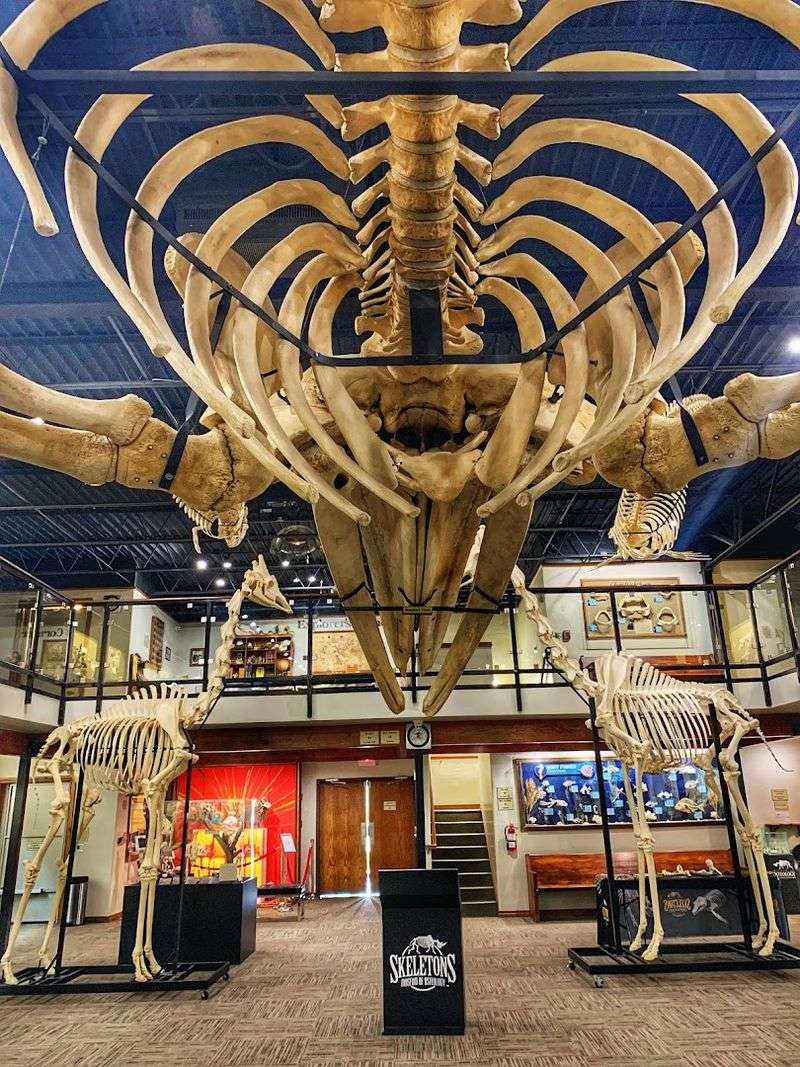
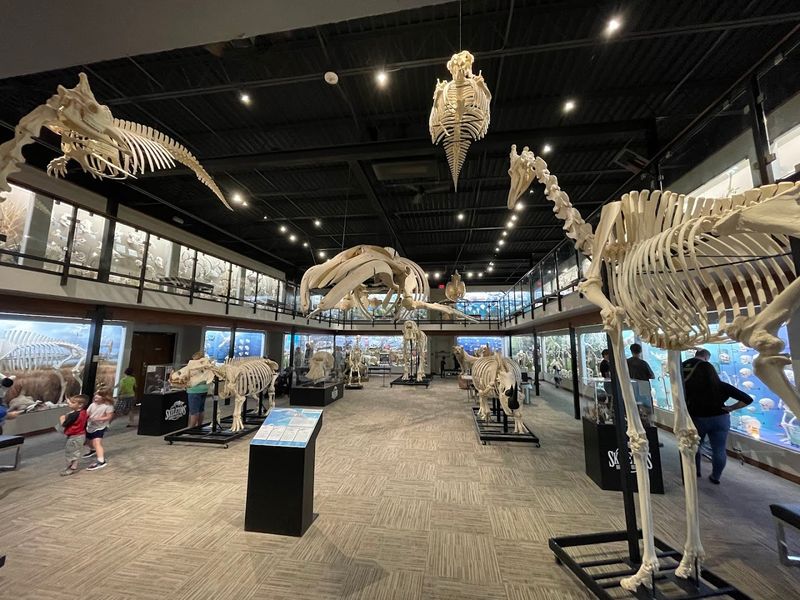
The scale of the collection hits you fast. From a massive humpback whale skeleton suspended overhead to a tiny hummingbird skeleton that requires you to lean in close to believe it is real, the range of specimens here is genuinely breathtaking in the most literal sense.
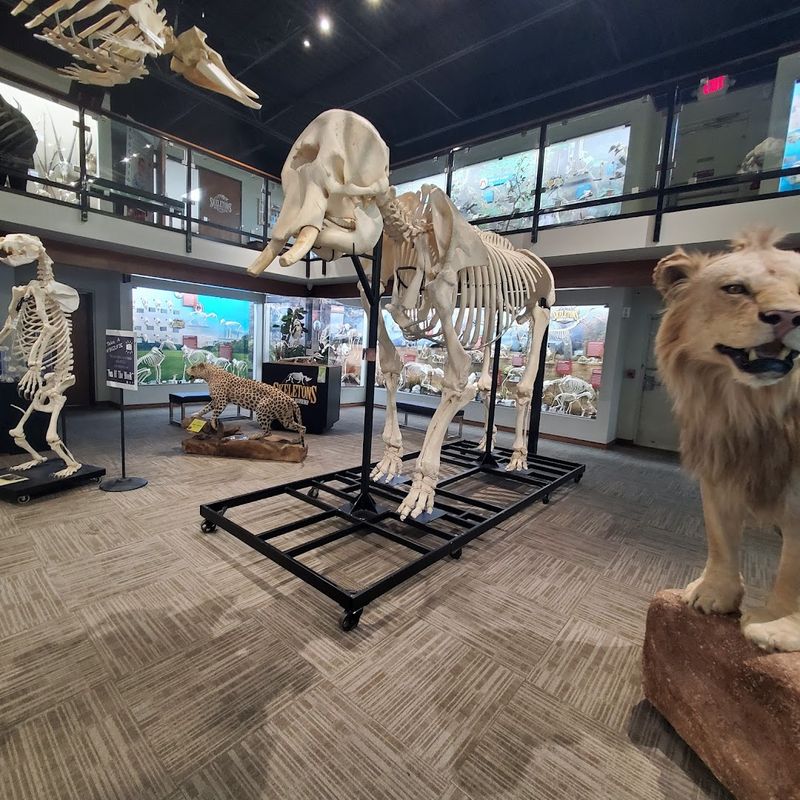
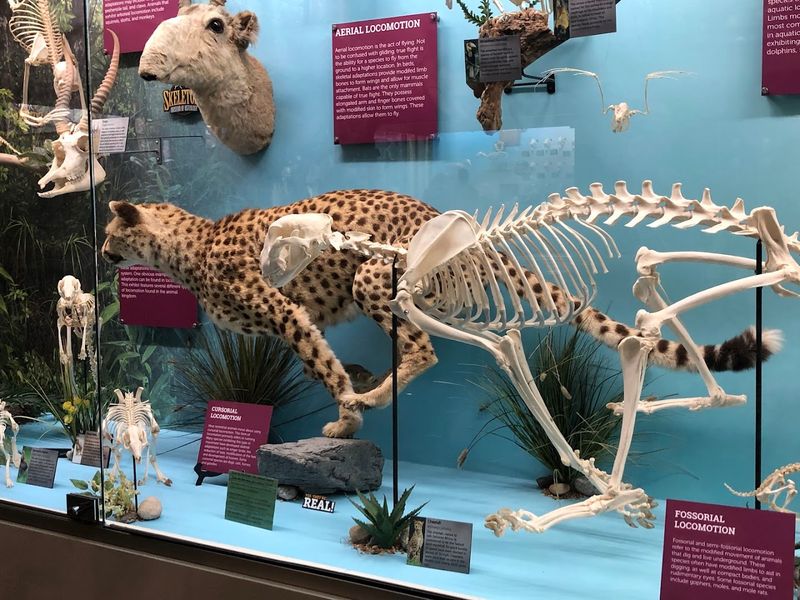
Three full lion skeletons stand in dynamic poses near taxidermied versions of the same animals, letting you compare the outer appearance with the inner structure in a way that no textbook ever could. A grizzly bear skeleton towers nearby, and the sheer architecture of its frame makes you appreciate just how powerful that animal is in life.
Fish, snakes, reptiles, and dozens of bird species fill the cases throughout the space. Every display is clean, well-lit, and thoughtfully labeled so that you are always learning something as you look.
The exhibits are organized to give each specimen room to breathe, so the overall experience never feels cluttered or overwhelming. You move through the space at your own pace, and every turn brings something new that makes you stop and stare.
Hands-On Learning That Actually Works
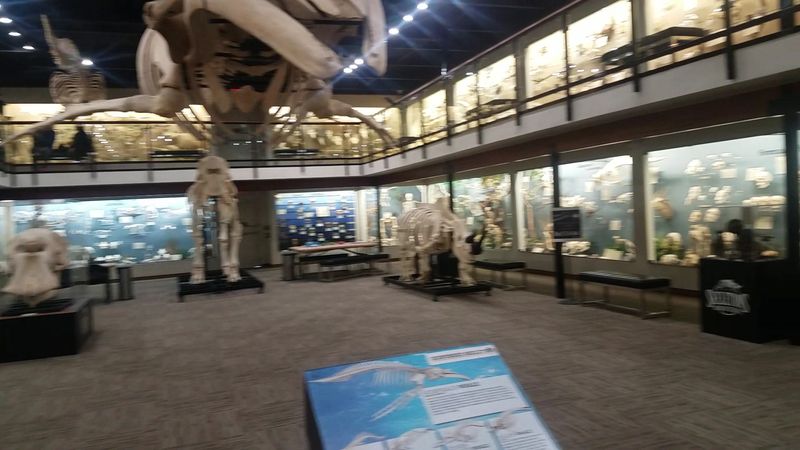
One of the things that sets this museum apart from more traditional institutions is how much you are actually allowed to touch. Many of the specimens are designed for hands-on interaction, which transforms the experience from passive observation into something much more engaging.
Kids absolutely thrive here. The museum offers scavenger hunts tailored to different age ranges, and watching a group of children race through the exhibits with clipboards, hunting for specific skeletal features, is genuinely entertaining.
The hunts are clever enough to push visitors to actually read the exhibit labels rather than just glance at the displays.
Adults get just as absorbed in the process. The tactile access to real bones creates a connection that photographs or diagrams simply cannot replicate.
Feeling the texture and weight of an actual specimen, even briefly, anchors the information in a way that sticks with you long after you leave. The museum also runs regular classes and workshops, including an owl pellet dissection class that has become a crowd favorite for families.
That class alone is worth planning your visit around.
Forensic Nights and Special Events
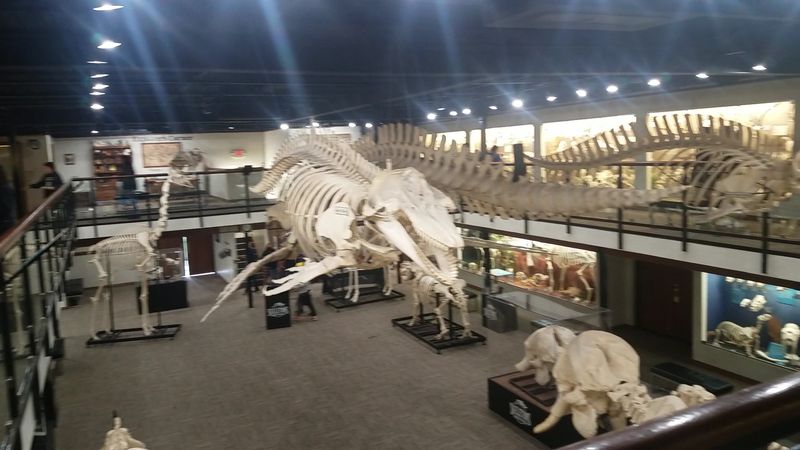
Beyond the regular daytime hours, the Museum of Osteology runs a series of special evening events that transform the space into something even more immersive. The Forensics Night program is the standout, and it has developed a loyal following among people who love crime science as much as they love bones.
During a Forensics Night, participants work through a simulated case, using real osteological principles to determine details about a specimen, including estimated age, physical characteristics, and cause of passing. The process is guided by knowledgeable staff who explain each step clearly and keep the energy in the room high throughout the evening.
Attendees have described it as one of the most engaging and memorable things they have done in Oklahoma City, and after experiencing it myself, I completely understand why. The museum also hosts Pathology Nights and other themed events throughout the year, each one offering a fresh angle on the collection.
The museum mascot, a cat named Sir Indiana Bones, has been known to make appearances at evening events, which adds a delightfully absurd touch to an already unforgettable night out.
The Dermestid Beetle Display
Right near the museum entrance, there is a display that stops almost every visitor in their tracks, and it is not a skeleton at all. A live colony of dermestid beetles is housed in a glass enclosure, actively working on specimens as part of the museum’s natural preparation process.
Dermestid beetles are nature’s own cleaning crew. These small insects consume soft tissue with remarkable precision, leaving bones completely intact and clean, which makes them invaluable in the preparation of museum-quality skeletal specimens.
Watching them work is oddly fascinating, and the museum provides clear explanations of exactly what is happening and why.
For many visitors, this display becomes an unexpected favorite. It bridges the gap between the finished specimens on the floor and the behind-the-scenes process that makes them possible, giving the whole collection a sense of continuity and transparency.
The museum is not hiding how the sausage gets made, so to speak. It is proudly showing you the full cycle, which makes the finished skeletons feel even more earned and impressive once you understand the meticulous work involved in preparing each one.
A Dog Exhibit That Dog Lovers Will Adore
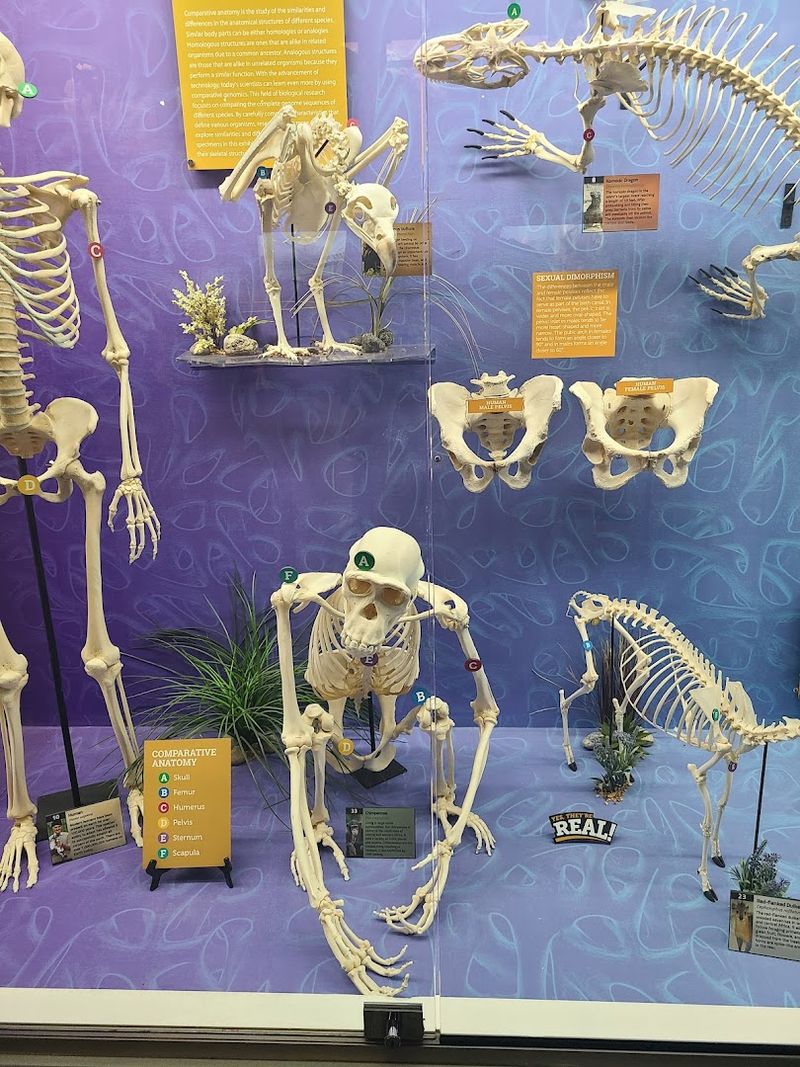
Dog people, this section is for you. The Museum of Osteology features a dedicated dog exhibit that showcases the skeletal diversity across different breeds, and it is a surprisingly emotional experience for anyone who has ever owned a dog.
Seeing a bull terrier skull on display next to a greyhound or a German shepherd skeleton puts the sheer variety of domestic dog breeding into sharp scientific perspective. These animals all belong to the same species, yet their bone structures differ in ways that are immediately visible and genuinely striking when you see them side by side.
The exhibit sparks real conversations between visitors, especially those who recognize their own breed in the display cases. The staff mentioned that the museum regularly receives suggestions for breeds to add to the collection, which shows how personally connected people feel to this particular section.
It is one of those rare museum experiences where science and sentiment occupy the same space comfortably. The exhibit manages to be both rigorously educational and quietly touching, which is a balance that very few museums manage to strike as naturally as this one does.
The Gift Shop Is a Destination on Its Own
Most museum gift shops are an afterthought. A few postcards, some branded pencils, maybe a stuffed animal by the door.
The Museum of Osteology gift shop operates on an entirely different level, and several visitors have admitted to spending almost as much time there as in the exhibits themselves.
Real skulls and bones are available for purchase, sourced through the museum’s parent company, Skulls Unlimited International, which supplies specimens to researchers, educators, and collectors worldwide. You can also find insect collections, glow-in-the-dark novelties, educational kits, and a wide range of unique items that you genuinely cannot find anywhere else.
The selection manages to appeal to serious collectors and casual visitors equally, which is no small feat. Kids gravitate toward the novelty items while adults browse the genuine specimens with the kind of focused attention usually reserved for antique stores.
The pricing across the gift shop feels fair given the quality and rarity of what is on offer. Leaving without picking up at least one thing requires a level of willpower that most visitors simply do not have, and honestly, there is no shame in that.
Tips for Planning Your Visit
A few practical notes can make your visit noticeably smoother. The museum is open seven days a week, with hours starting at 9 AM on weekdays, 10 AM on Saturdays, and 11 AM on Sundays, with closing at 5 PM each day.
Arriving early on weekdays tends to mean smaller crowds and more space to linger at each display.
Ticket prices are reasonable for what you get, and the value becomes even clearer once you realize how long you will actually spend inside. Most visitors report staying between one and two hours during a standard visit, though the hands-on displays and scavenger hunts can push that closer to three hours for families with kids.
Special events like Forensics Night and Pathology Night require advance booking, so checking the website at skeletonmuseum.com before your trip is genuinely worthwhile. The museum is also stroller-friendly and fully accessible, with clean restrooms that include thoughtful amenities.
Oklahoma City has plenty of other things to do nearby, but honestly, once you are inside this museum, the outside world tends to fade away completely until you are ready to leave.



