 Unearth The Voyage
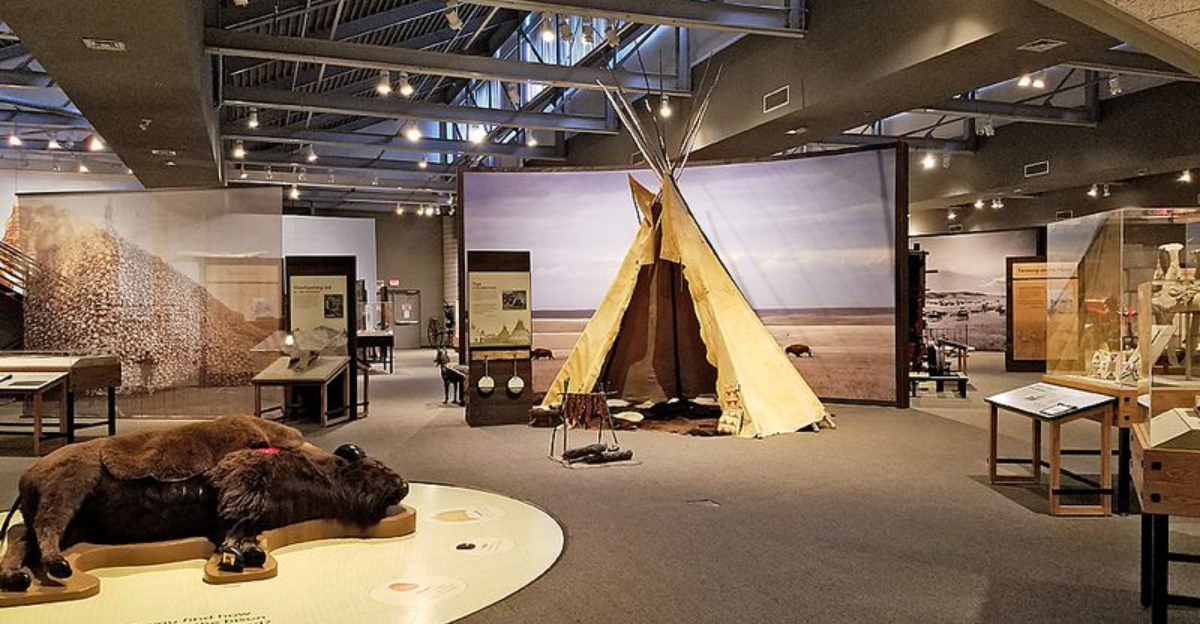
There is a museum in southwest Oklahoma that takes you from woolly mammoths all the way to prairie dog colonies without ever leaving the building. Old trading posts, a historic train depot, a tornado theater that shakes the floor beneath your feet, and thousands of years of Great Plains history are all packed into one surprisingly rich destination.
The Museum of the Great Plains in Lawton has earned a 4.7-star rating from nearly a thousand visitors, and once you see what is inside, that number makes complete sense. Get ready for a hands-on history experience that adults and kids alike will be talking about long after they leave.
Where the Museum of the Great Plains Calls Home
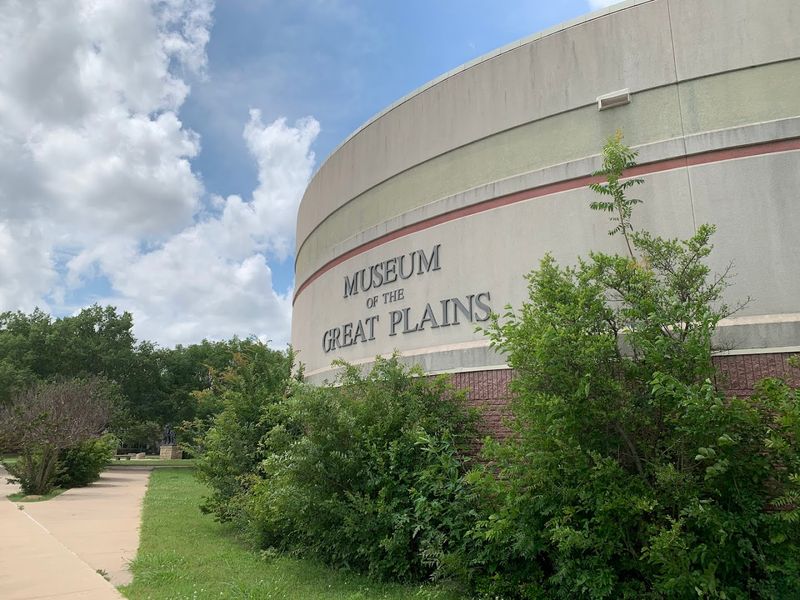
Right in the heart of Lawton, Oklahoma, at 601 NW Ferris Ave, Lawton, OK 73507, this museum sits as one of the most rewarding cultural stops in the entire southwest corner of the state.
The building is easy to find and the parking situation is refreshingly stress-free, which is always a good sign before you even walk through the door.
Lawton itself is a city with deep roots, surrounded by military history at Fort Sill and natural beauty at the Wichita Mountains Wildlife Refuge nearby.
The museum is open Monday through Saturday from 10 AM to 5 PM and on Sundays from 1 to 5 PM, giving you plenty of scheduling flexibility.
You can reach them at 580-581-3460 or visit discovermgp.org to plan ahead.
Admission is very reasonably priced, with families reporting around $38 for two adults and two kids, and children two and under get in free.
A solid two hours is the minimum recommended visit time, though many families spend four hours or more soaking everything in.
A Journey Through 11,000 Years of History
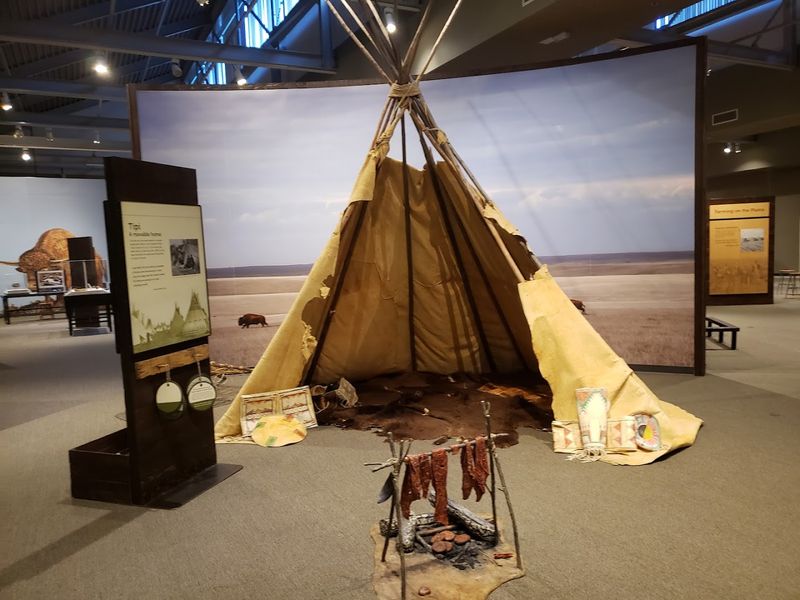
Few museums anywhere in Oklahoma dare to cover the full sweep of human history in one region, but this one starts at roughly 11,000 years ago and walks you right up to the present day.
The exhibits trace the lives of the first peoples who crossed the Great Plains, hunted massive Pleistocene animals, and built cultures long before European contact.
You move through time almost without noticing it, because the curators have arranged everything so naturally that one era flows into the next.
Displays cover Native American societies including the Comanche and other tribes, showing how these communities survived and thrived across centuries of change on the plains.
The storytelling here does not feel like a textbook lecture at all. Instead, it feels like a conversation with someone who genuinely loves this land and its people.
Artifacts, maps, and interactive panels fill the gallery space, giving you multiple ways to absorb the same story depending on whether you prefer reading, touching, or watching.
By the time you reach the modern era exhibits, you realize just how much happened on this stretch of American soil.
The 1830s Trading Post That Stops You in Your Tracks
There is something genuinely thrilling about turning a corner in a museum and suddenly finding yourself face-to-face with a full-scale 1830s trading post reconstruction.
The trading post exhibit at the Museum of the Great Plains is one of its most celebrated features, and for good reason. The attention to period detail is remarkable, from the goods on the shelves to the rough-hewn wooden construction that defined frontier commerce.
Trading posts like this one were the economic hubs of the early American frontier. They were places where Native American traders, fur trappers, and settlers exchanged goods, information, and stories.
The exhibit captures that energy in a way that feels lived-in rather than staged. You can almost hear the creak of wagon wheels and the rustle of trade negotiations.
Kids are especially drawn to this section because it feels more like entering a stage set than reading a history panel.
The museum staff has done a thoughtful job of explaining what daily life looked and felt like for the people who depended on these trading posts for survival and commerce.
It is the kind of exhibit that makes history feel personal rather than distant.
The Historic Train Depot That Tells a Town’s Story
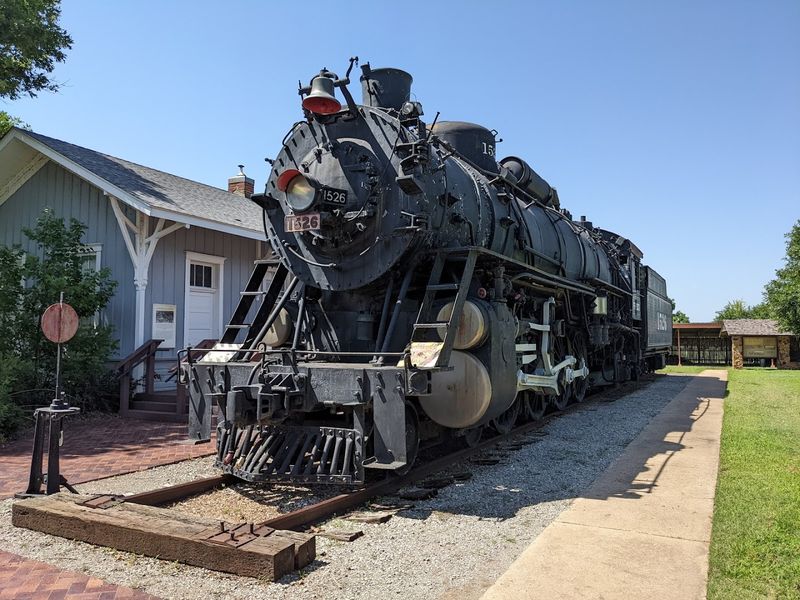
Railroad history shaped the development of nearly every town across the American plains, and the Museum of the Great Plains honors that legacy with a dedicated historic train depot exhibit that feels surprisingly authentic.
Train depots were not just transit points. They were community gathering places, news hubs, and symbols of a town’s ambition and growth.
The depot exhibit recreates that atmosphere with period-accurate details that transport you back to an era when the arrival of a train was the most exciting event of the week.
Vintage signage, old ticketing elements, and carefully chosen artifacts fill the space with the kind of specificity that makes history click into place.
For visitors who grew up in small towns, this section carries a particular kind of nostalgia. For younger visitors, it opens a window into a world that feels almost impossibly different from today.
The exhibit also connects the railroad story to the broader history of Oklahoma’s development, showing how the expansion of rail lines brought settlers, commerce, and conflict to the region.
Standing in that recreated depot space, you get a clear sense of how transformative that iron-and-steam technology really was for the plains.
The Tornado Theater Experience You Will Not Forget
Ask almost any visitor what they remember most about this museum, and the Tornado Theater comes up within the first sentence.
The theater is a fully immersive simulation experience where the benches shake, the doors slam, and the sound fills the room with a roar that makes your chest tighten just a little.
Oklahoma is no stranger to severe weather, and this exhibit treats the subject with the kind of seriousness and drama it deserves.
Several visitors have noted that the video component is genuinely intense, particularly the footage related to a tornado that struck Lawton. It is educational, but it hits you emotionally too.
The museum runs the simulation roughly every ten minutes, so you will not have to wait long to get your turn. And yes, many people go through it twice.
Younger children may find the experience overwhelming due to the noise and physical sensation, but pre-teens and adults tend to find it thrilling and memorable.
As a way of understanding the raw power of Great Plains weather, no flat display or written panel comes close to what this theater delivers in under ten minutes.
Hands-On Exhibits That Make Learning Feel Like Play
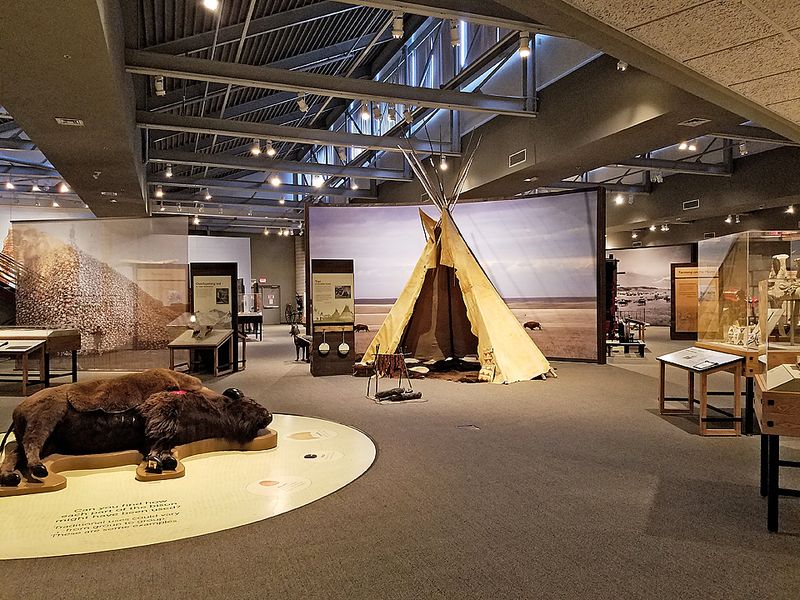
Not every museum trusts its visitors enough to let them actually touch things, but this one builds its entire philosophy around physical interaction.
From the saddle shop where you can handle period gear to the old West mercantile store where the goods feel real and tangible, the Museum of the Great Plains consistently invites you to engage rather than just observe.
There is a drawing and tracing station where visitors can try their hand at Native American-inspired art styles. It sounds simple, but it turns out to be one of the more quietly absorbing activities in the building.
Upstairs, the mezzanine level holds additional interactive displays that the staff encourages every visitor to check out. Many people miss it on their first pass through, so make sure you head up.
The hands-on approach works particularly well for school-age children, but adults consistently report that they found themselves just as engaged as the kids.
The museum’s design philosophy treats curiosity as the engine of learning, and every exhibit seems built to keep that engine running.
You leave feeling like you actually experienced something rather than just walked past a series of glass cases.
The Prairie Dogs Living Just Outside the Walls
No one expects to find a live prairie dog colony as part of their museum visit, and yet here we are, and honestly it might be the most charming surprise of the whole trip.
A resident colony of prairie dogs lives just outside the museum, popping in and out of their burrows with the kind of cheerful unpredictability that makes them impossible not to watch.
The museum staff leans into the humor of it all, joking that the prairie dogs are among their most expensive and demanding employees, complete with private dressing rooms and expectations of flowers after every performance.
For families with young children, the prairie dog area adds a layer of pure delight that no exhibit inside the building can quite replicate.
These little animals are native to the Great Plains ecosystem, so their presence is actually a fitting and educational addition to the museum’s mission of connecting visitors to the natural world of the region.
Plan to spend a few extra minutes outside with them, because watching a prairie dog stand up on its hind legs and survey its kingdom is genuinely entertaining.
They are a living, breathing bonus attraction that costs nothing extra.
The Outdoor Fort That Brings Frontier Life to Scale
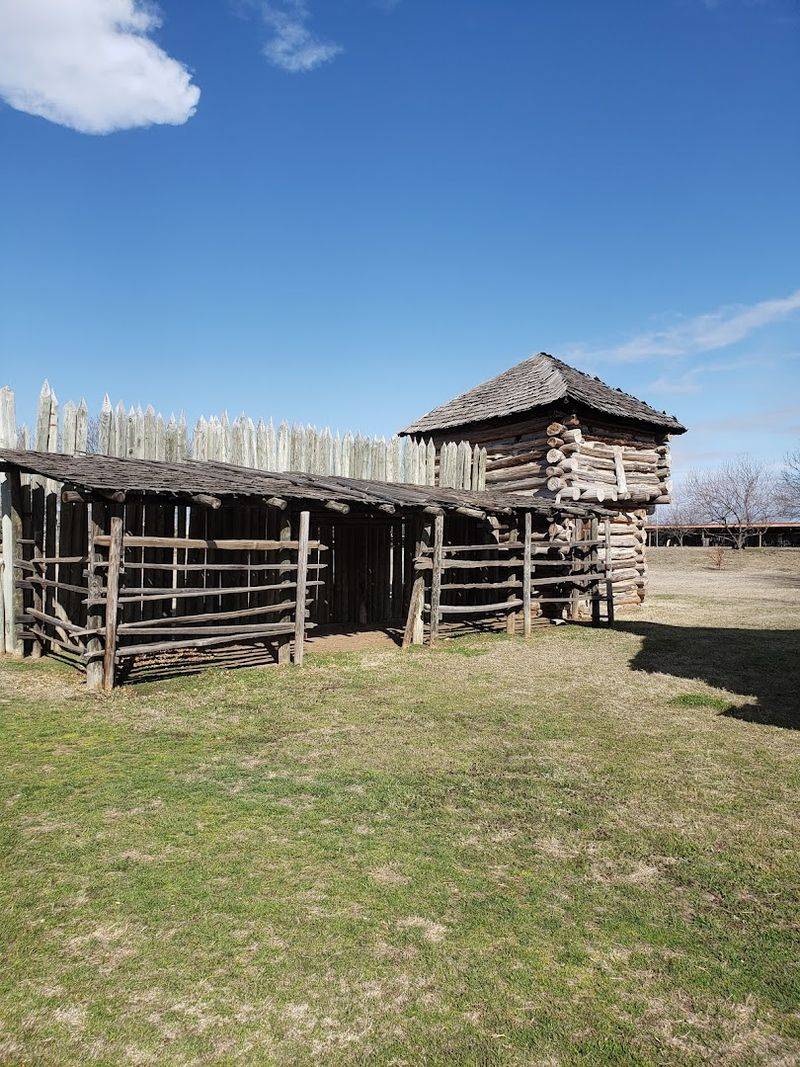
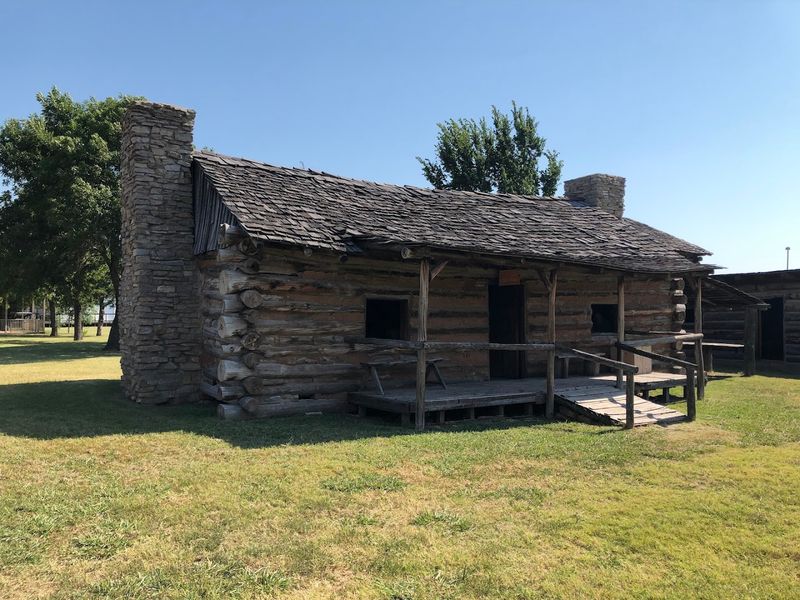
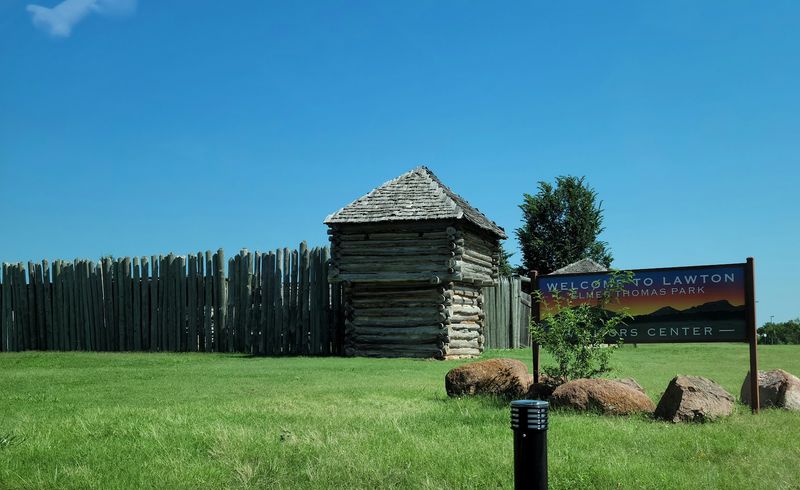
Out back behind the museum, a full-size wooden fort reconstruction gives visitors a physical sense of scale that no indoor exhibit can replicate.
Frontier forts were not glamorous places. They were practical, often cramped, and built with speed and necessity in mind rather than comfort.
The outdoor fort at the Museum of the Great Plains captures that utilitarian spirit with solid wooden construction that lets you walk through and around it rather than just admire it from behind a rope.
This addition to the museum grounds is relatively new, and it has quickly become a favorite stop for visitors who appreciate the chance to step outside and stretch their legs between indoor galleries.
Children especially love the fort because it gives them room to run, explore, and use their imagination in a way that indoor exhibits simply cannot accommodate.
The structure also provides a natural conversation starter about military history on the plains, which connects naturally to the nearby Fort Sill and its own rich history in the region.
Standing inside those wooden walls, you get a quiet but powerful reminder of how exposed and vulnerable early frontier settlements really were on the open plains.
Wind Turbines, Weather, and the Science of the Plains
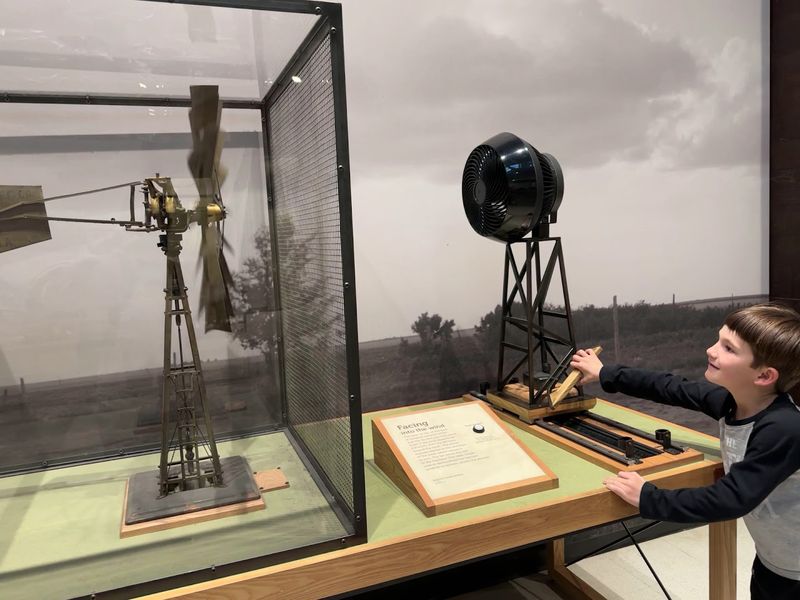
The Great Plains is one of the windiest regions in North America, and the museum gives that fact the attention it deserves with displays dedicated to wind energy and the science of plains weather.
A wind turbine exhibit draws in visitors who have driven across the region and noticed those enormous spinning structures dotting the horizon for miles.
The displays explain how wind energy works, why the plains are so well suited for it, and what role it plays in the broader energy conversation happening across the country right now.
It is the kind of exhibit that feels relevant to today even while the museum around it focuses heavily on history, which gives the overall experience a nice sense of balance.
Climate and weather patterns also get their due here, with information about how the plains environment has shaped everything from agriculture to architecture over the centuries.
The science content is presented accessibly, without dumbing things down so much that curious adults feel underserved.
Between the tornado theater and the weather science displays, you walk away with a much clearer picture of just how dramatically the natural forces of this region have shaped the people and communities that call it home.
The Frontier Schoolhouse That Sparks Curiosity
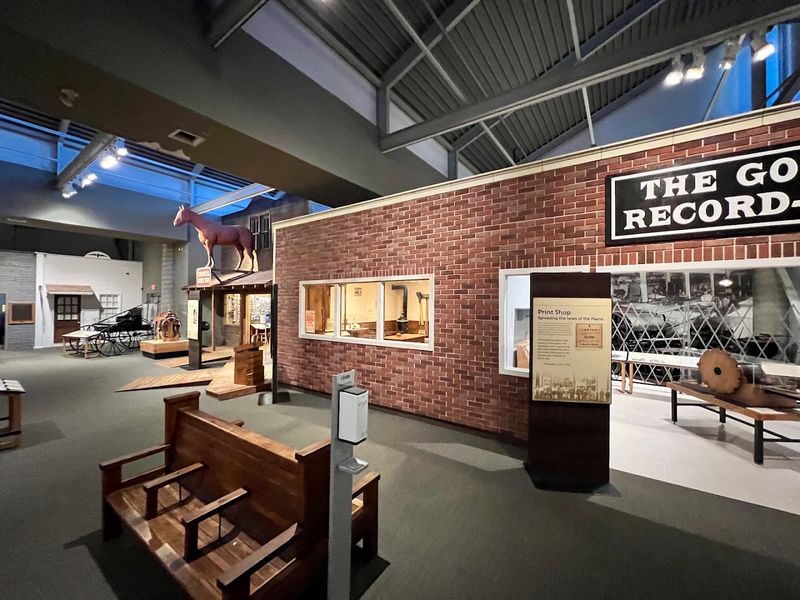
Education on the frontier was a serious business conducted in remarkably humble surroundings, and the museum’s schoolhouse exhibit brings that contrast to life with quiet effectiveness.
The reconstruction gives you a genuine feel for what a one-room schoolhouse looked and functioned like across the Great Plains during the 19th century.
Wooden desks, a chalkboard, and period-appropriate teaching materials fill the space with enough detail to make it feel occupied rather than empty.
Children visiting today often find it both funny and sobering to see how different educational life was for kids their own age just a few generations back.
The schoolhouse connects naturally to the museum’s broader narrative about how communities formed and functioned on the frontier, filling in a social dimension that purely artifact-focused exhibits sometimes miss.
Teachers who bring school groups here frequently note that the schoolhouse exhibit sparks more spontaneous conversation than almost any other section of the museum.
There is something about a physical space that looks like a classroom but feels completely foreign that makes even reluctant learners stop and pay attention.
It is a small exhibit in terms of square footage, but it carries a lot of historical and emotional weight.
The Gift Shop and Souvenirs Worth Browsing
A museum gift shop can be an afterthought or a genuine extension of the experience, and at the Museum of the Great Plains, it leans toward the latter.
The shop carries a selection of Oklahoma-themed souvenirs, history-related books, educational toys, and items that tie back to the exhibits you just explored.
Several visitors specifically mention the gift shop as worth a stop before you leave, and it is the kind of place where you can find something meaningful rather than just a generic magnet or keychain.
For parents, it is also a useful tool for extending the learning conversation after you leave. A well-chosen book or art kit can keep the museum experience alive for days afterward.
The selection is on the smaller side, so do not expect a sprawling retail floor. But what is there tends to be thoughtfully chosen and relevant to the museum’s themes.
Prices are reasonable, which makes it easy to let kids pick out something for themselves without the whole outing turning into a budget negotiation.
Consider grabbing something here as a way of supporting the museum’s mission, since independent history museums rely on visitor spending to keep their programs and exhibits running strong.
Planning Your Visit for the Best Experience
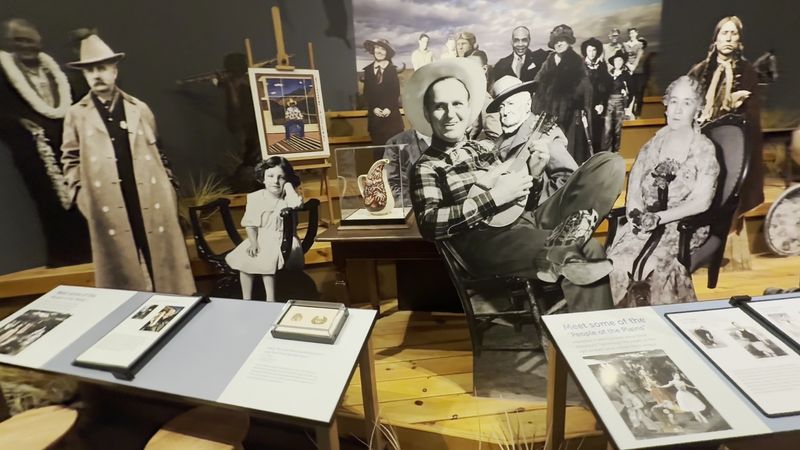
Getting the most out of this museum comes down to a few practical choices that make a noticeable difference in how much you enjoy the day.
Arriving close to opening time at 10 AM gives you the best chance of having the interactive exhibits mostly to yourself, which makes the hands-on elements significantly more fun for both kids and adults.
The museum starts getting busier around midday, particularly on weekends, so early birds tend to have a calmer and more immersive experience overall.
Budget at least two hours for a solid visit, but if you have children or a strong interest in history, four hours is a more realistic and satisfying target.
The museum is fully handicap accessible, which is worth knowing if you are traveling with older family members or anyone with mobility considerations.
A reciprocal discount arrangement with the Medicine Park Aquarium means that showing your receipt from one gets you a reduced rate at the other, making a combined visit an easy and affordable day trip.
Family memberships are available and pay for themselves quickly if you plan to return, which many visitors say they absolutely intend to do once they see what the museum has to offer.



