 Unearth The Voyage
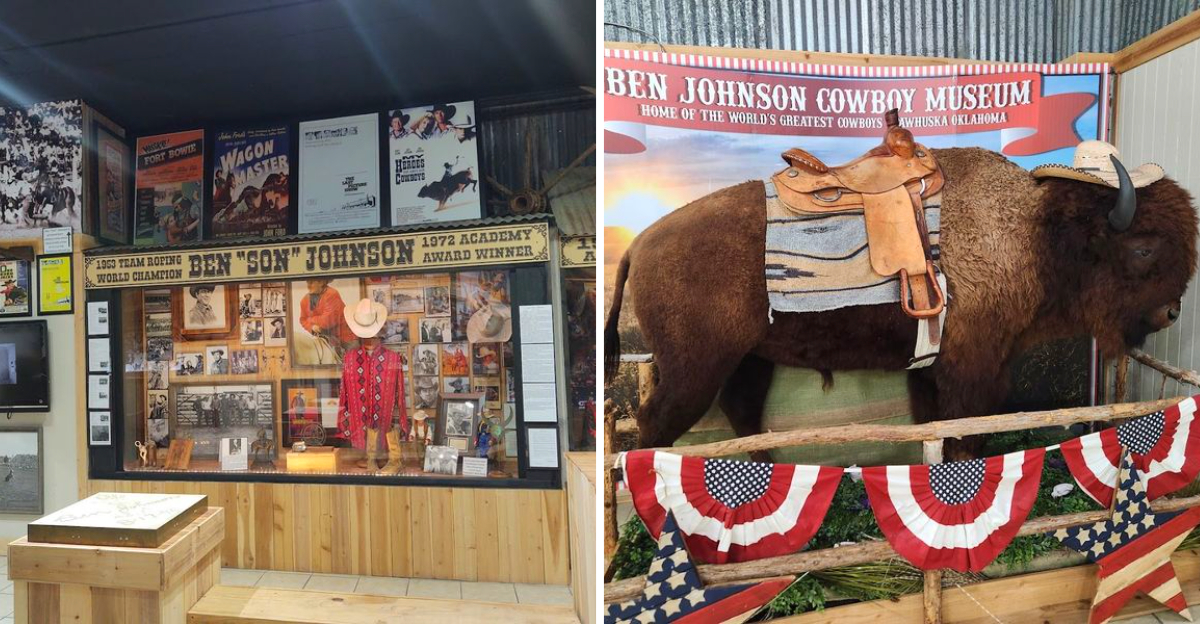
There are places that stop you in your tracks because they tell a story so unexpected, so genuinely American, that you almost can’t believe it’s real. A boy grows up on an Oklahoma ranch, becomes a world champion roper, catches the eye of Hollywood, and ends up winning an Academy Award.
That is the real-life story at the heart of a small but remarkable museum tucked away in Pawhuska, Oklahoma. I visited on a weekday afternoon and walked out two hours later feeling like I had just discovered one of the best-kept secrets in the entire state.
Where the Story Begins: Address and Setting
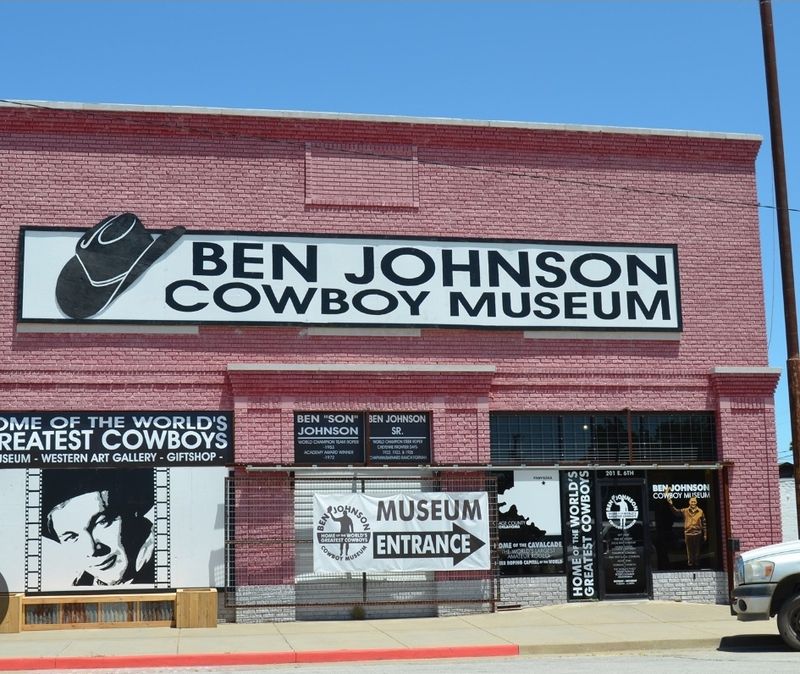
Right in the heart of Pawhuska, Oklahoma, at 201 E 6th St, the Ben Johnson Cowboy Museum sits modestly on a corner that does not shout for attention but absolutely rewards anyone who stops. Pawhuska is the county seat of Osage County, a town with deep Native American heritage and a rich ranching tradition that shaped the region for generations.
The building itself is unpretentious, the kind of storefront you might walk past if you did not already know what waited inside. A sign out front hints at the western legacy within, and the moment you push open the door, the atmosphere shifts completely.
The museum is open Monday through Saturday from 10 AM to 6 PM and is closed on Sundays. You can reach them at 918-287-9922 or visit benjohnsoncowboymuseum.com for more details before your trip.
The admission fee is genuinely worth every cent, and the staff will make sure of that from the very first minute.
The Man Behind the Museum: Who Was Ben Johnson
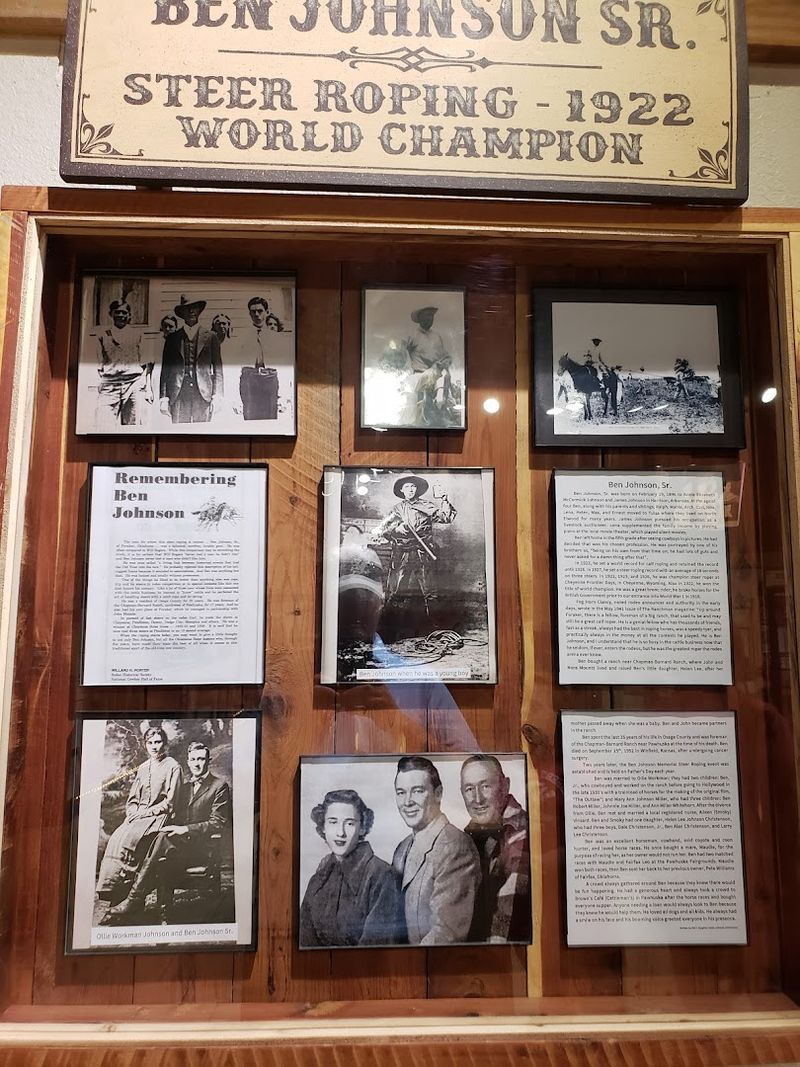
Ben Johnson Jr. was born in 1918 in Foraker, Oklahoma, and grew up doing the kind of cowboy work that most Hollywood actors only pretend to do on screen. He was a genuine ranch hand, a steer wrestler, and a team roper of extraordinary skill before a single camera ever pointed his way.
In 1958, he became the World Champion Team Roper, a title that cemented his reputation in the rodeo world long before most people knew his face from film. His path to Hollywood started when he was hired to wrangle horses for a film production, and director John Ford quickly recognized that Johnson moved on horseback with a naturalness that could not be faked or taught.
Ford began casting him in supporting roles, and Johnson’s quiet charisma and physical authenticity made him stand out in a genre crowded with polished performers. He eventually won the Academy Award for Best Supporting Actor for his role in “The Last Picture Show” in 1972, a fact that still surprises first-time visitors to the museum.
Hollywood Meets the Heartland: The Film Career Exhibits
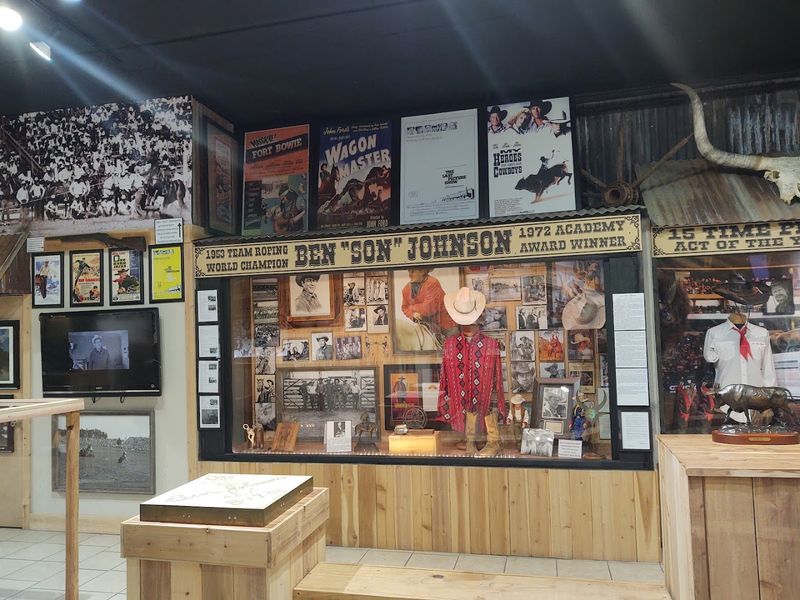
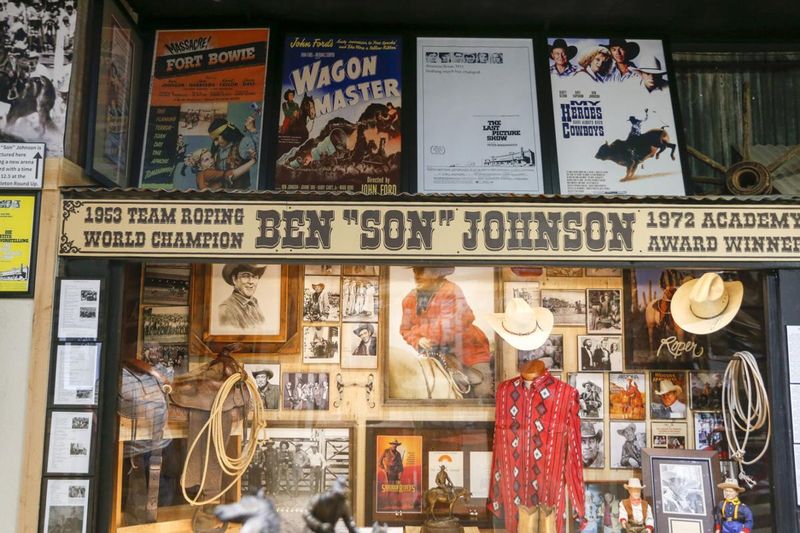
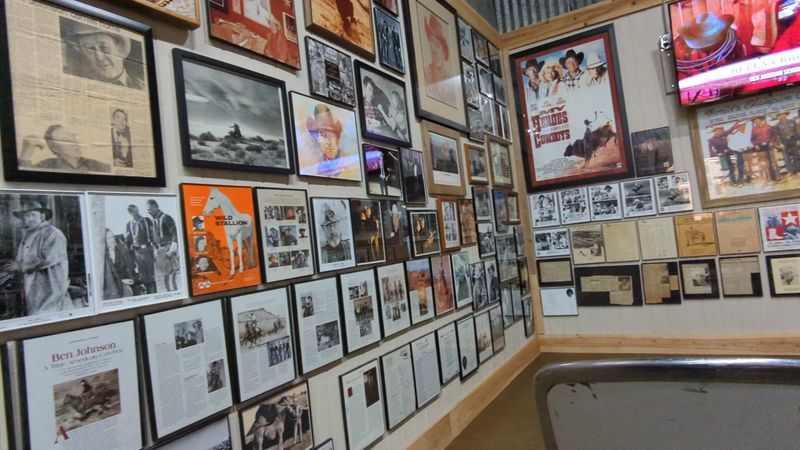
The film career section of the museum is where the two worlds of Ben Johnson’s life collide in the most satisfying way. Movie posters, production stills, and personal memorabilia line the walls, creating a timeline of a career that spanned decades and dozens of titles.
What makes this section feel different from a typical celebrity display is the context. Each piece is framed against Johnson’s actual cowboy background, so you understand that when he rode a horse on screen, he was not performing a skill he learned for the role.
He was doing what he had done since childhood on Oklahoma ranches.
The exhibits include materials from his work with John Ford, Sam Peckinpah, and other legendary directors who recognized that Johnson brought something irreplaceable to a western set. Seeing his Academy Award recognition placed alongside his rodeo trophies in the same narrative is genuinely moving.
It is a reminder that authenticity has a way of finding its audience, no matter how long the road to recognition turns out to be.
Rodeo Royalty: The Roping and Rodeo History Displays
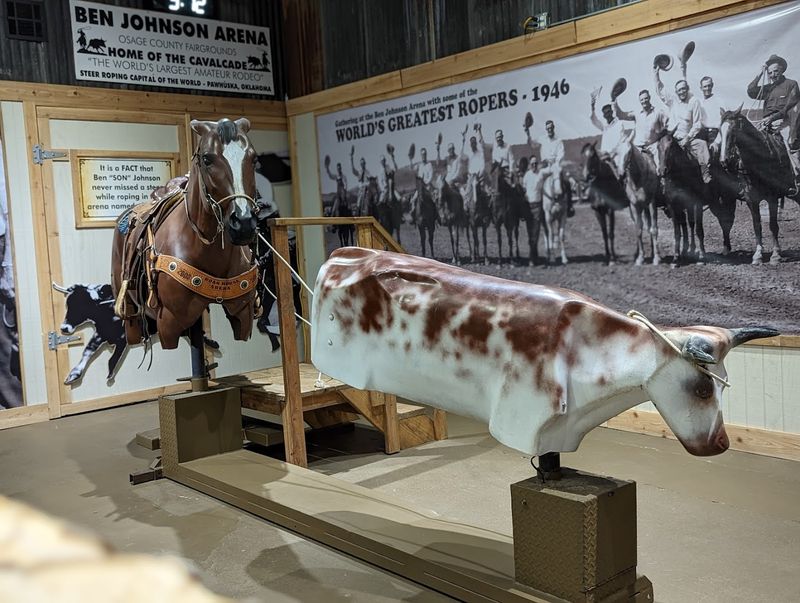
Long before Ben Johnson ever said a line on camera, he was building a legend in arenas across the country. The rodeo history section of the museum pays serious respect to that legacy, with displays covering not just Johnson himself but the broader world of competitive rodeo that shaped his character and his career.
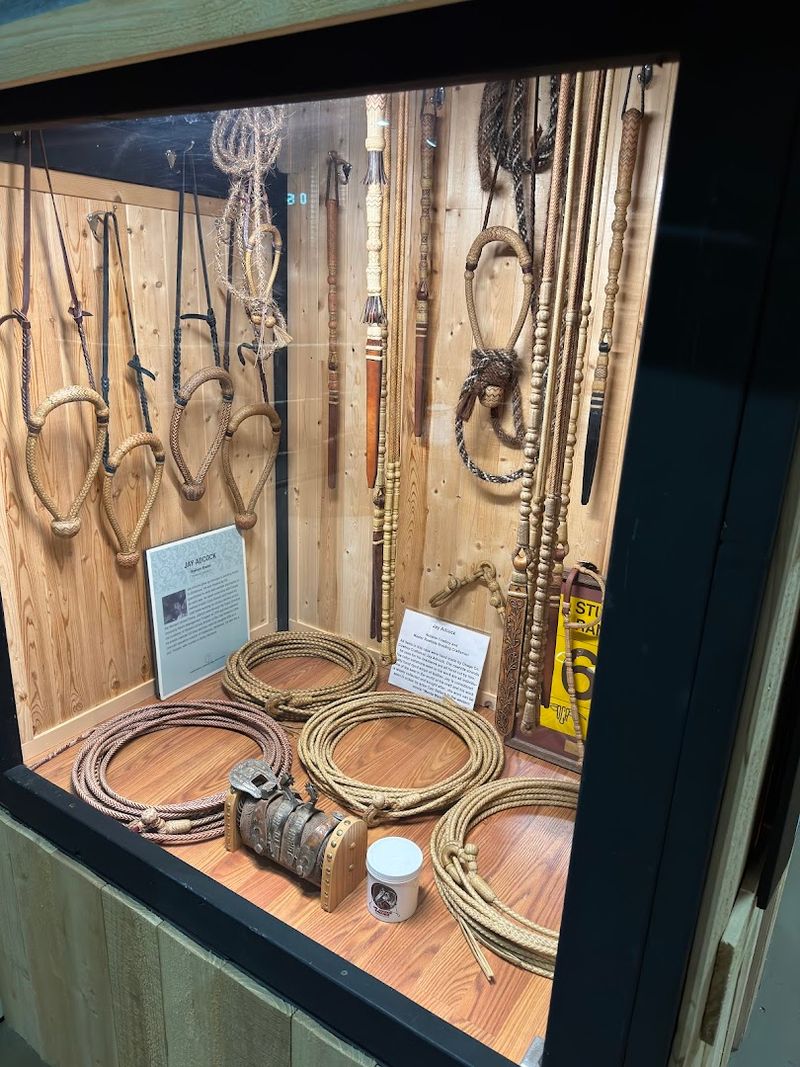
Championship belt buckles, hand-braided ropes, saddles worn smooth from years of hard use, and photographs from competitions across multiple decades fill this section with a tactile richness that feels genuinely alive. The craftsmanship on display is extraordinary, especially the Jay Adcock collection of braided rawhide work, which several visitors have called worth the price of admission on its own.
The museum also honors other Oklahoma rodeo champions, making it clear that Johnson was part of a broader tradition of excellence in the region rather than an isolated anomaly. You get a real sense of how competitive and demanding the rodeo world was, and how Johnson’s physical skills translated so naturally when the cameras started rolling.
The section rewards slow, careful browsing rather than a quick walkthrough.
Try It Yourself: The Interactive Roping Station
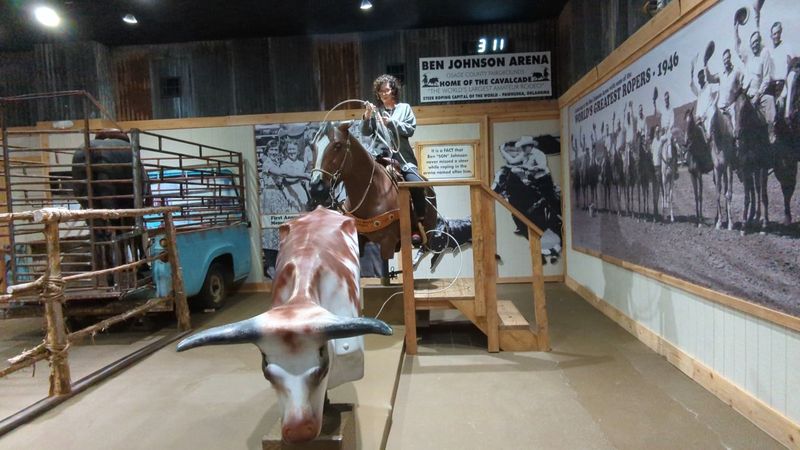
Not every museum lets you actually practice what you just learned about, and that is exactly what makes the interactive roping station here such a crowd-pleaser. A practice steer head is set up in the museum, and visitors are genuinely encouraged to pick up a rope and try their hand at the skill that made Ben Johnson a world champion.
Fair warning: it is harder than it looks. The mechanics of swinging a loop, releasing at the right moment, and landing the rope cleanly around a target require coordination and timing that most of us simply do not have on our first attempt.
Or our fifth.
The staff is enthusiastic about guiding visitors through the basics, and there is something genuinely humbling about trying a skill that Johnson performed at a world-class level. Children love the station, but adults get just as absorbed in the challenge.
It turns what could be a passive museum visit into something participatory and memorable, and it gives you a new level of respect for what professional ropers actually accomplish in competition.
Climb On: The Giant Buffalo Photo Opportunity
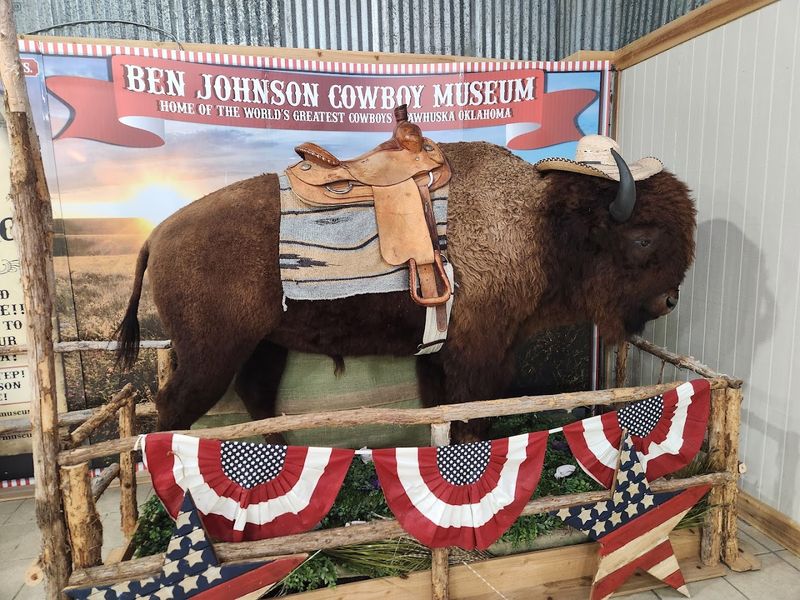
There is a giant buffalo inside the museum, and yes, you are absolutely supposed to climb on it. The photo opportunity has become something of a beloved tradition for visitors, and the resulting pictures tend to be the ones people share most enthusiastically after their visit.
One small tip that returning visitors have passed along: the buffalo is currently positioned facing a wall, which makes the photo a little awkward since your backdrop is not exactly scenic. Turning it around would improve the shot considerably, but even in its current placement, the experience is fun enough that nobody seems to leave without at least attempting the climb.
The buffalo itself is a nod to the deep cultural and ecological history of the Osage Nation territory where Pawhuska sits, and the museum uses it as a lighthearted touchpoint amid the more serious historical exhibits. It is the kind of detail that keeps the atmosphere warm and accessible rather than overly formal, reminding visitors that this place is meant to be enjoyed as much as it is meant to be studied.
Osage Nation Heritage: The Cultural Context
Ben Johnson grew up in Osage County, and the museum does not let that geographical and cultural fact sit quietly in the background. The exhibits weave in the history of the Osage Nation throughout, giving visitors a fuller picture of the land and community that produced a world champion and an Oscar winner.
The Osage Nation has one of the most dramatic and complex histories of any Indigenous group in the United States, and the museum’s treatment of that history feels respectful and genuinely informative rather than tokenistic. Staff members have been known to share stories about the connections between the Osage community and the ranching culture that defined the region.
Understanding that context makes Ben Johnson’s story richer. He was not just a cowboy from Oklahoma in a generic sense.
He came from a specific place with a specific history, and that background shaped everything about who he became. The museum earns real credit for presenting that layered story rather than flattening it into a simple celebrity biography.
It is one of the sections that tends to linger with visitors long after they have returned home.
Local Legends: Oklahoma Cowboys and Cowgirls Honored Here
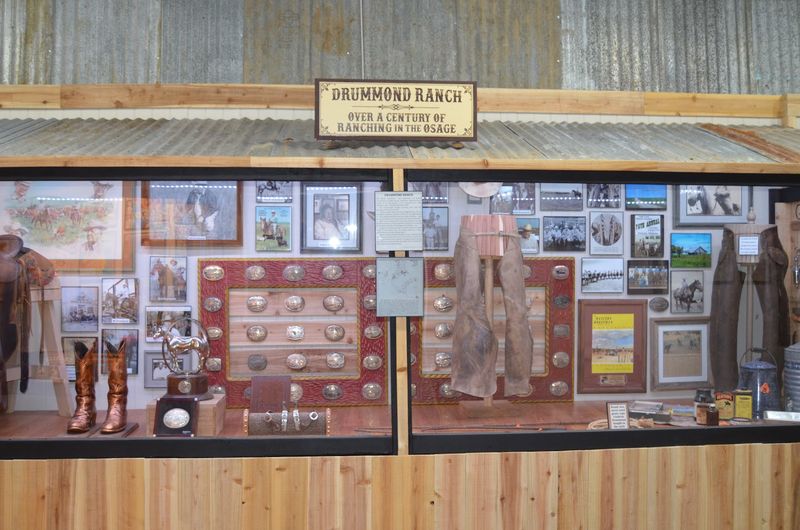
Ben Johnson is the star of this museum, but he shares the spotlight generously with a remarkable cast of local legends. The exhibits devoted to other Oklahoma cowboys and cowgirls are among the most surprising and rewarding parts of the visit, especially for anyone who grew up in the region and recognizes the names on the plaques.
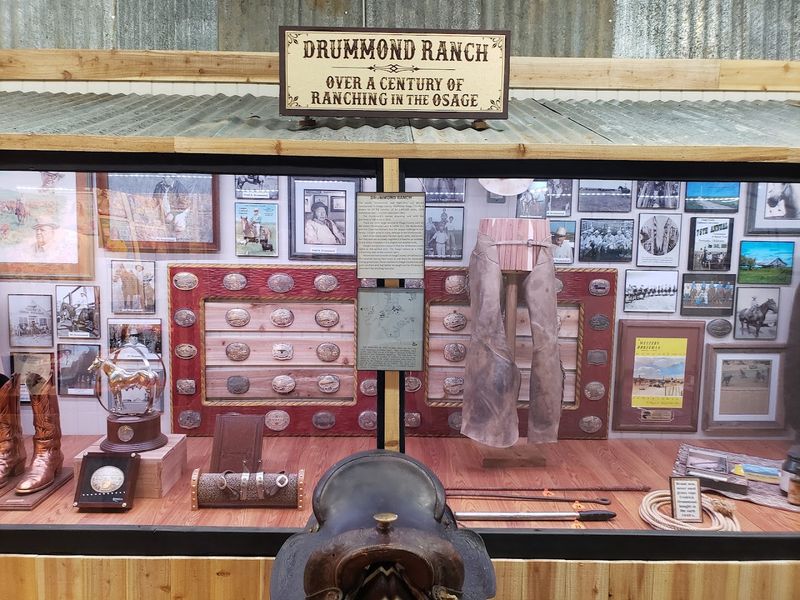
Charla Hartness, a World Champion barrel racer, has a dedicated display that captures the speed, skill, and competitive fire that defined her career. The Drummond family and Drummond ranches also appear in the exhibits, connecting the museum to the broader ranching heritage of Osage County in ways that feel organic rather than promotional.
Dozens of local rodeo champions are honored throughout, creating a sense that this museum is as much a community tribute as it is a celebrity showcase. That dual purpose gives the place a warmth that purely biographical museums sometimes lack.
You walk away feeling like you understand not just one remarkable individual but an entire culture of excellence that the Oklahoma ranching and rodeo world produced over generations.
The Knowledgeable Staff: Your Guide Through History
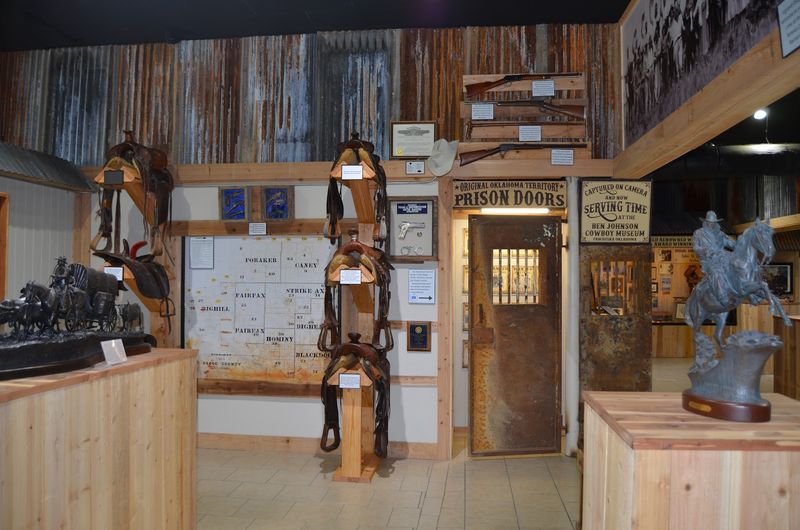
A museum is only as good as the people who bring it to life, and the staff at this museum are genuinely exceptional. The guides here have a depth of personal knowledge about Ben Johnson, the Osage Nation, and the broader rodeo world that goes well beyond what any printed placard could convey.
During my visit, the guide gathered the small group of visitors and delivered a storytelling session that felt more like sitting around a campfire than attending a formal lecture. The stories were specific, funny in places, and occasionally surprising, the kind of details that make history feel like it happened to real people rather than figures in a textbook.
Several reviews from visitors over the years point to the staff as the highlight of the entire experience, and that is high praise in a museum filled with genuinely impressive artifacts. The guides also have personal connections to some of the people featured in the exhibits, which adds a layer of authenticity that no amount of professional curation can replicate.
Budget extra time for the storytelling portion because it is absolutely not something you want to rush through.
Howard Hughes and the Hollywood Connection
One of the more fascinating footnotes in Ben Johnson’s story is the role that Howard Hughes played in launching his film career. Hughes, the famously eccentric billionaire and film producer, recognized Johnson’s talent early and helped push him toward acting roles rather than keeping him strictly in the background as a wrangler and stuntman.
The museum covers this chapter of Johnson’s life with the kind of detail that rewards curious visitors. Johnson reportedly had little interest in becoming an actor at first, preferring the honest physical work of ranching and rodeo to the performance world of Hollywood.
That reluctance, paradoxically, may have been part of what made him so compelling on screen.
His natural manner, unpolished in the theatrical sense but utterly convincing in the human sense, gave his performances a grounded quality that audiences responded to immediately. The Hughes connection is a reminder that talent sometimes needs a door opened for it, and that the most authentic performers are not always the ones who sought the spotlight most aggressively.
Johnson’s path to stardom was sideways, accidental almost, and all the more interesting for it.
Practical Tips for Planning Your Visit
A few practical notes will help you get the most out of your visit to this museum. The hours run Monday through Saturday from 10 AM to 6 PM, and the museum is closed on Sundays, so plan accordingly.
Arriving in the late morning gives you the best chance of catching a full guided storytelling session without feeling rushed before closing time.
The admission fee is modest and well worth it. The museum is not large in square footage, but the density of information and artifacts means that a thorough visit easily fills ninety minutes to two hours, especially if you engage with the interactive roping station and stay for the staff presentation.
Pawhuska itself has plenty to offer around the museum, including the famous Pioneer Woman Mercantile restaurant, so building a full day around the town makes excellent sense. Parking on the surrounding streets is easy and free.
The museum’s phone number is 918-287-9922, and the website at benjohnsoncowboymuseum.com has current information on any special events or seasonal hours. It pairs beautifully with other stops in Osage County for a genuinely memorable Oklahoma road trip.
Why This Museum Stays With You Long After You Leave
Some places are interesting while you are inside them and forgettable the moment you step back onto the street. This museum is the opposite of that.
The story of Ben Johnson has a shape to it that keeps working on you after the visit ends, partly because it defies the usual celebrity narrative in almost every way.
He did not come from a performing background. He did not pursue fame.
He was a working cowboy who happened to be so physically gifted and so naturally compelling that the camera could not look away from him. The Academy Award, when it came, was almost an afterthought to a man who had already won the thing he cared most about, the World Champion Team Roping title, years earlier.
The museum captures that inversion beautifully, placing the Hollywood achievement in its proper proportion against the rodeo career and the Oklahoma ranching life that defined Johnson’s identity. Leaving Pawhuska, I found myself thinking about what it means to be genuinely good at something, and about how the most interesting American stories are often the ones that never follow the expected script.
This museum tells one of those stories with real grace.



