 Unearth The Voyage
There is a place in Oklahoma City where the air smells like dust and hay, where cowboy boots click across wooden walkways, and where billions of dollars worth of cattle change hands every single week. It is not a museum or a theme park.
It is the real thing, still operating the same way it has for well over a century. The Oklahoma National Stockyards is the largest stocker and feeder cattle market on the entire planet, and visiting it feels less like a tourist trip and more like stepping into a living chapter of American history.
Whether you are a rancher, a history buff, or just someone curious about where beef actually comes from, this place will leave a lasting impression.
The Address and Setting of a True American Institution
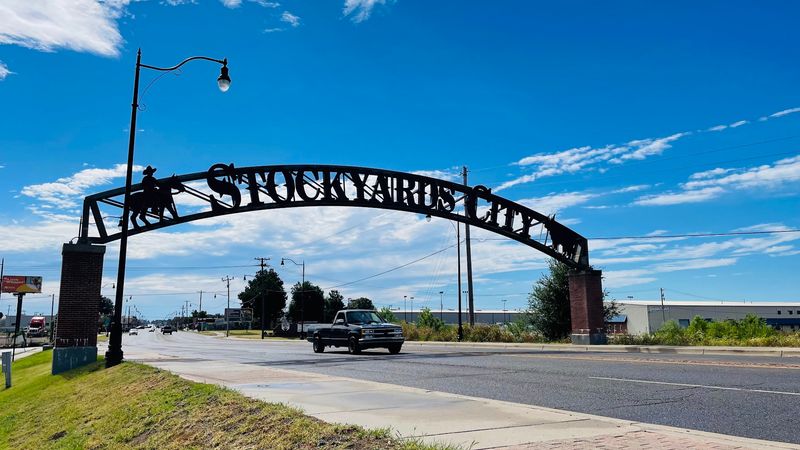
Right in the heart of Oklahoma City, at 2501 Exchange Ave, Oklahoma City, OK 73108, the Oklahoma National Stockyards sits on land that has been dedicated to cattle trading since 1910. The surrounding neighborhood, known as Stockyards City, grew up entirely around the livestock trade and still carries that identity proudly today.
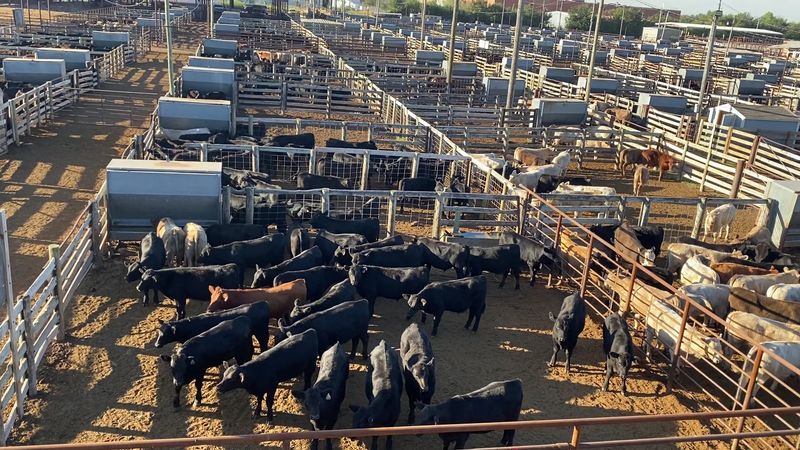
The stockyards cover an enormous footprint, with miles of interconnected pens, chutes, and walkways that form a kind of small city designed entirely around moving and selling cattle. The infrastructure here is built for function, not aesthetics, and that raw, working-class character is a huge part of its appeal.
Exchange Avenue runs right through the heart of the district, lined with western wear shops, saddle makers, and steakhouses that have served ranchers for generations. The whole area feels frozen in a particular kind of American confidence, the kind that comes from knowing exactly what you do and doing it better than anyone else on earth.
A Record-Breaking History That Spans Over a Century
The Oklahoma National Stockyards opened in 1910, and from those early days it was clear that this was no ordinary trading post. The region’s geography placed it at the crossroads of major cattle drives, and the arrival of the railroad made Oklahoma City a natural hub for the beef industry.
Over the decades, the stockyards grew into the largest stocker and feeder cattle market in the world, a title it still holds today. Millions of cattle pass through annually, and the trading volume represents a staggering slice of the American beef supply chain.
The facility survived the Great Depression, two world wars, and the dramatic shifts in agriculture that reshaped rural America throughout the twentieth century. Each era left its mark on the buildings, the culture, and the people who work here.
More than a century of continuous operation makes this place not just a business, but a living monument to the cattle industry and to Oklahoma’s deep roots in the American West.
How the Auction Actually Works
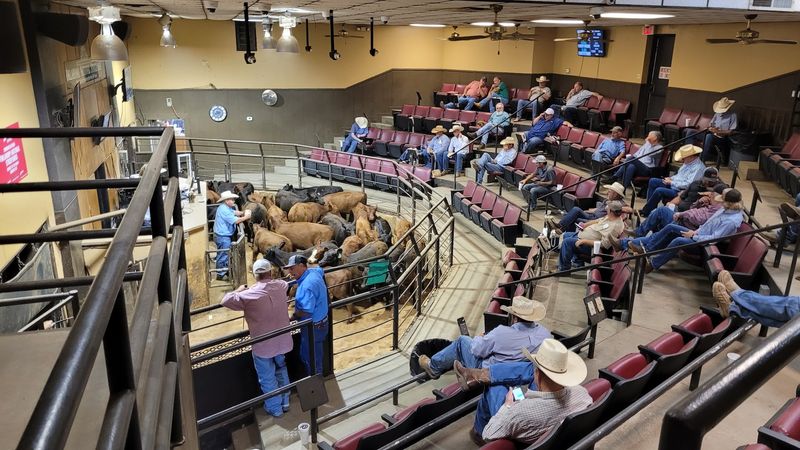
The auction process at the stockyards is genuinely unlike anything most people have ever seen. Cattle are sorted into groups based on breed, weight, and condition, then moved through a series of pens before entering the auction ring, where a fast-talking auctioneer rattles off bids at a speed that takes some getting used to.
Buyers sit in tiered wooden bleachers surrounding the ring, and a subtle nod or a raised hand can mean a transaction worth thousands of dollars. The whole thing moves fast, with one lot of cattle selling and the next already entering the ring before the dust settles.
The main auction days are Monday and Tuesday, and those are the days to visit if you want to see the place truly alive. The energy in the auction barn on those mornings is electric in a way that no scripted entertainment can replicate.
Ranchers, feedlot operators, and order buyers from across the country compete for the best animals, and the atmosphere crackles with the focused intensity of serious commerce.
The Guided Tour Experience
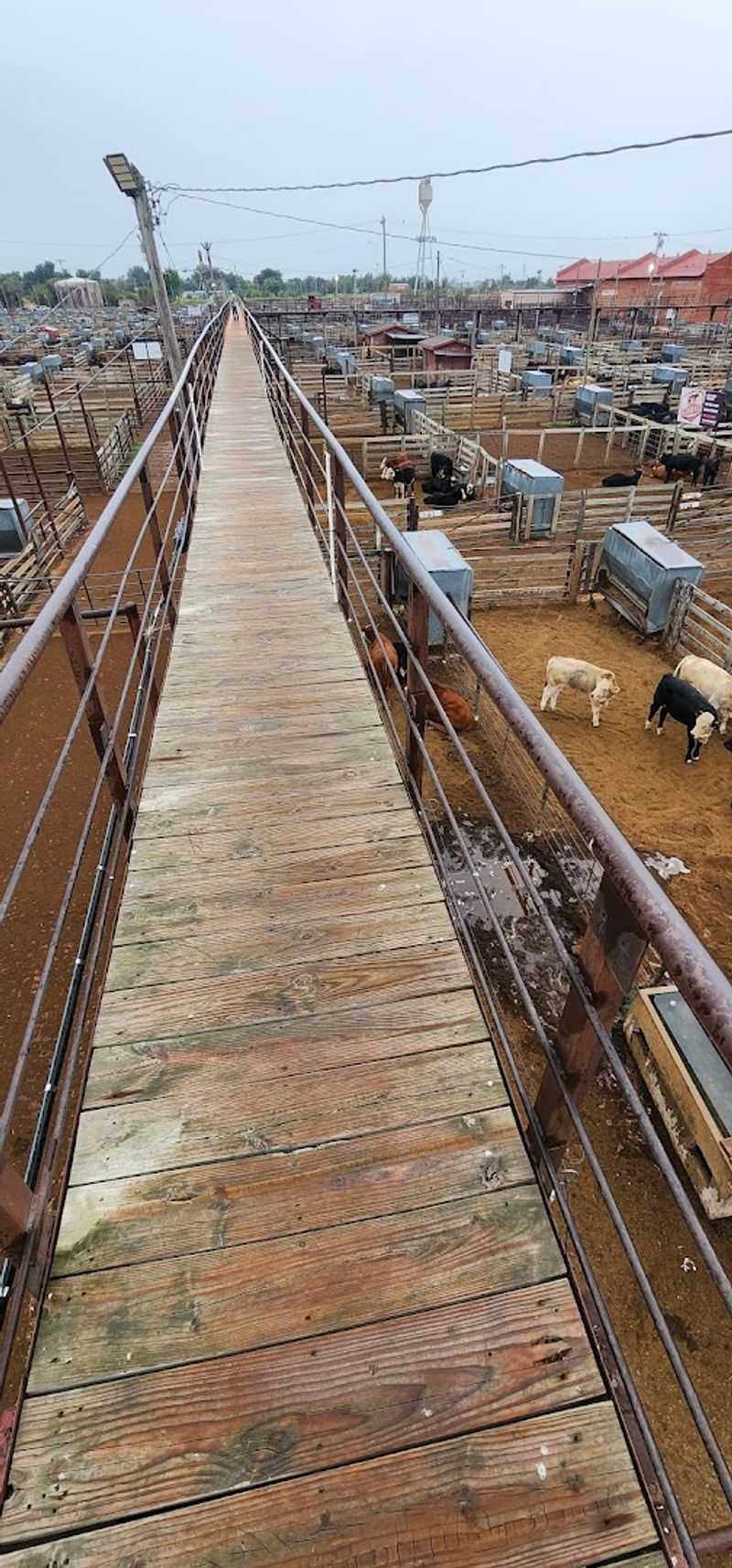
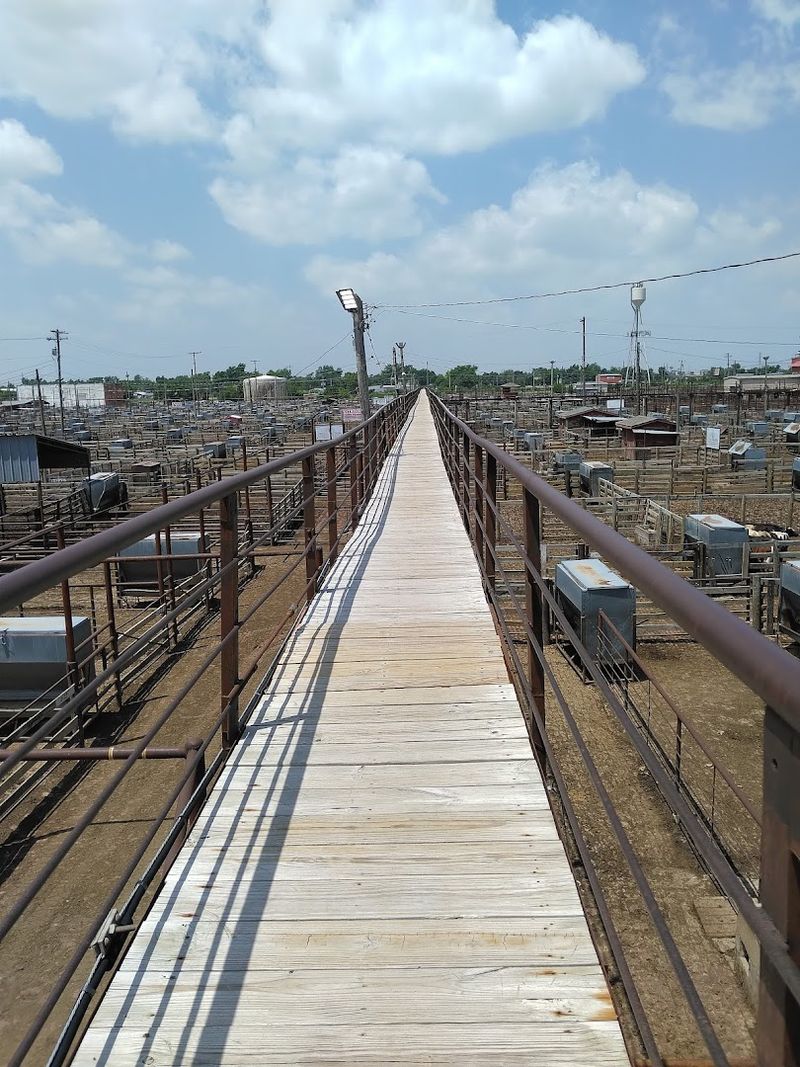
Booking a guided tour here is one of the best decisions a first-time visitor can make. The tours take guests along elevated catwalks that run above the pens, offering a bird’s-eye view of the cattle below and the sprawling network of chutes and alleys that makes the whole operation possible.
The tour guide who has become something of a legend among visitors is a man named Bo, who has worked at the stockyards for over 46 years. His knowledge of the facility, the industry, and the history woven into every corner of the property is extraordinary.
He shares stories that no guidebook could capture, drawn from nearly five decades of daily life at the world’s largest cattle market.
Tours can be booked online through the stockyards’ official website, and the experience typically runs around 90 minutes. Groups come away with a deep appreciation for the scale of the operation and the human stories behind it.
The catwalk views alone are worth the trip, giving a perspective on cattle movement and facility design that most people never get to witness firsthand.
The Scale of the Operation Up Close
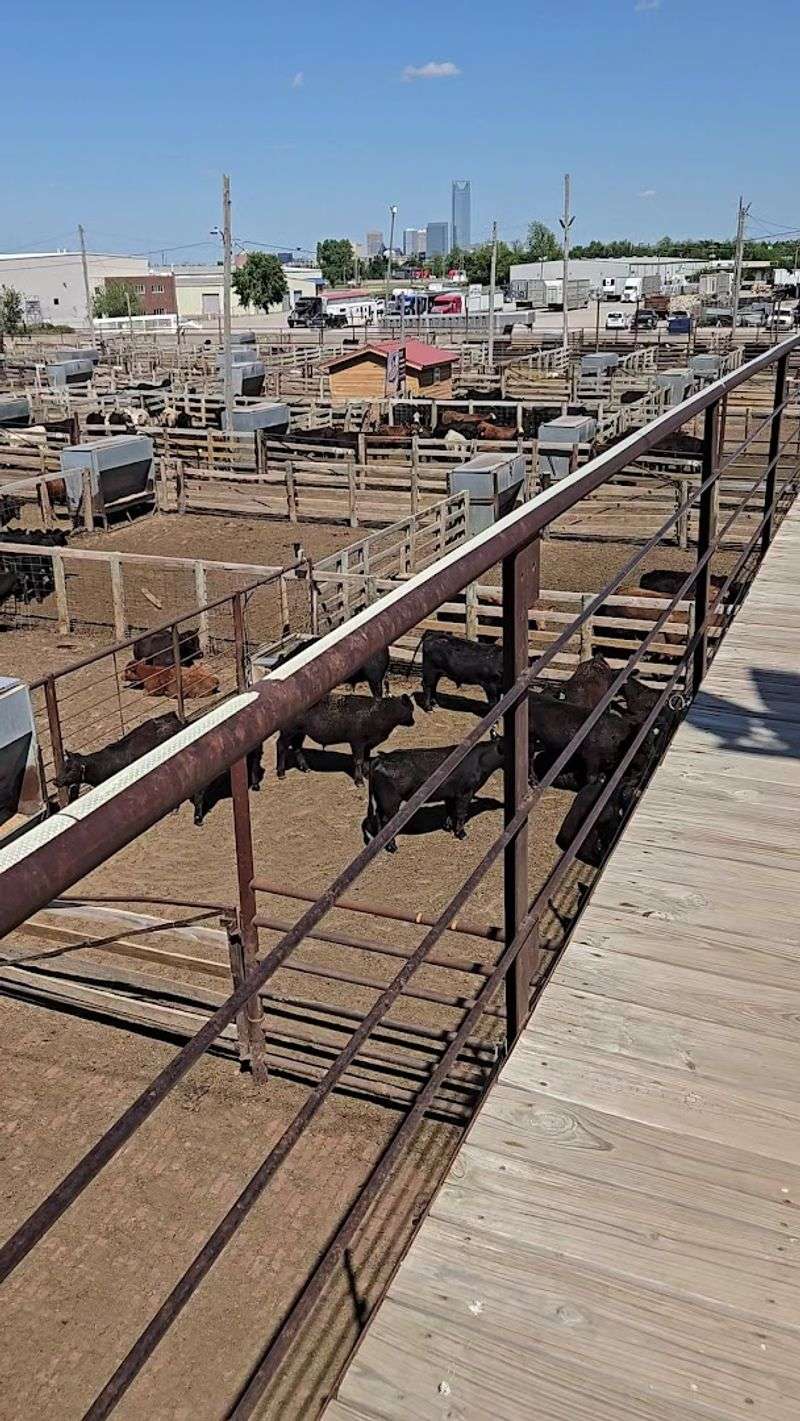
Numbers alone do not quite capture what it feels like to stand inside the Oklahoma National Stockyards and look out across the pens. The facility covers roughly 70 acres and includes more than a mile of pens capable of holding tens of thousands of cattle at a time.
On a busy auction day, the sound of hooves, the low hum of cattle calls, and the movement of animals through the chutes creates a sensory experience that is both chaotic and oddly organized. Every gate, every alley, and every loading dock has a purpose, and the crew that manages the flow of animals does so with the kind of practiced efficiency that comes only from years of experience.
The sheer logistics of moving that many animals safely and efficiently is an engineering achievement in its own right. The facility has been refined over generations, with adjustments made based on animal behavior research and practical knowledge passed down through the workforce.
Seeing it all in motion makes it clear why this place holds the world record, because nothing else on earth runs cattle commerce at this scale.
Stockyards City and the Culture Around the Market
The stockyards do not exist in isolation. The entire surrounding neighborhood called Stockyards City developed over the past century as a support system for the cattle trade, and today it is one of the most authentic western districts anywhere in the United States.
Along Exchange Avenue, you will find working saddle shops where craftsmen still hand-tool leather, western wear stores stocked with everything from spurs to hand-stitched shirts, and restaurants that have fed ranchers and cowboys for decades. The Cattlemen’s Steakhouse, one of the most famous in Oklahoma, sits just steps from the pens and has been serving beef since 1910.
The culture here is not performed for tourists. The people who shop, eat, and work in Stockyards City are largely the same people who bring cattle to sell or come to buy.
That authenticity is rare and refreshing in a world where so many historic districts have been polished into something unrecognizable. A walk down Exchange Avenue on a busy auction morning feels like a genuine window into a world that most Americans never see.
What Stocker and Feeder Cattle Actually Means
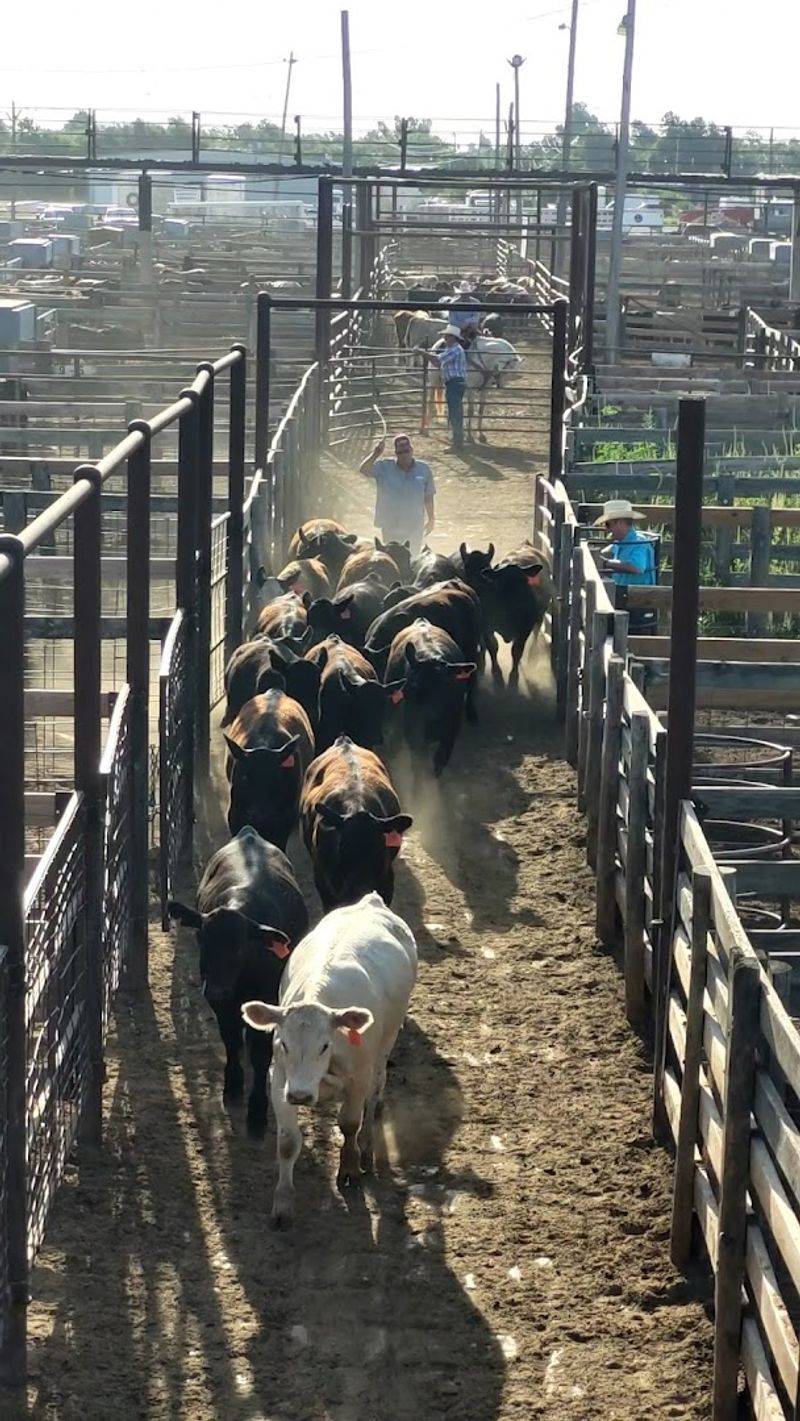
The title of world’s largest stocker and feeder cattle market comes with a specific meaning that is worth understanding. Stocker cattle are typically young animals that are purchased to graze on pasture and gain weight before being moved to a feedlot.
Feeder cattle are those ready to enter a feedlot, where they will be fed grain to reach market weight.
This distinction matters because the Oklahoma National Stockyards specializes in this particular segment of the beef supply chain, connecting ranchers who raise young cattle with operators who will finish them for market. It is a critical link in the process that puts beef on dinner tables across the country.
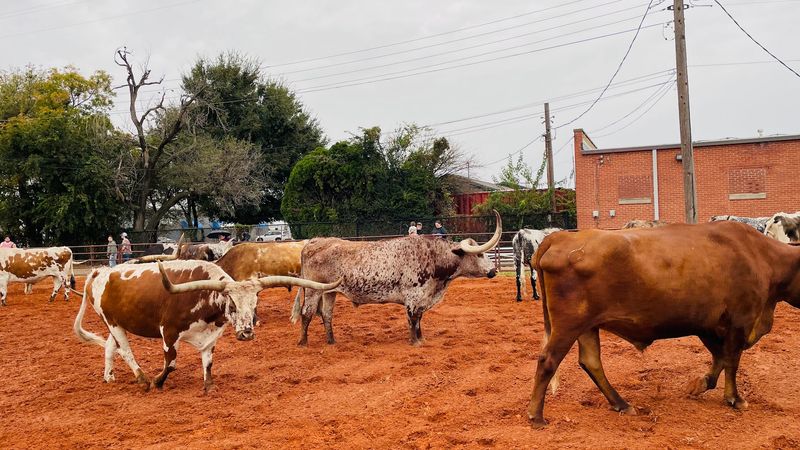
The breeds and types of cattle moving through the pens on any given auction day reflect the diversity of American ranching, from Angus and Hereford to Brahman crosses and everything in between. Understanding that distinction also explains why buyers travel from so many different states to participate.
The quality and volume of stocker and feeder cattle available here is simply unmatched anywhere else on the planet.
Special Events and the Cowboy Stampede
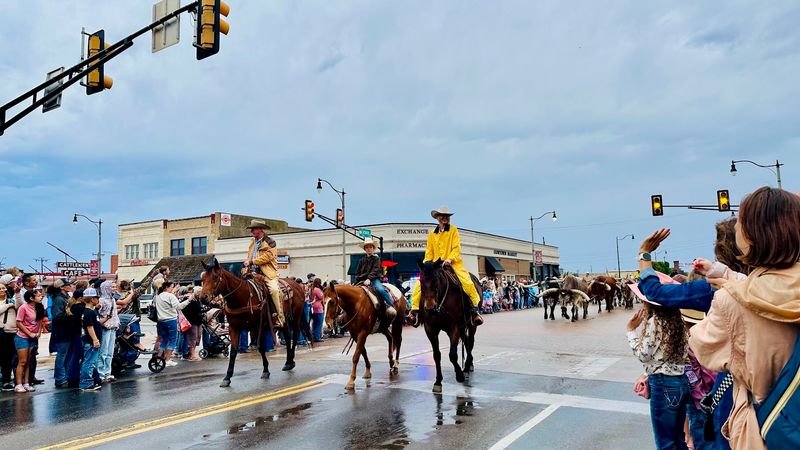
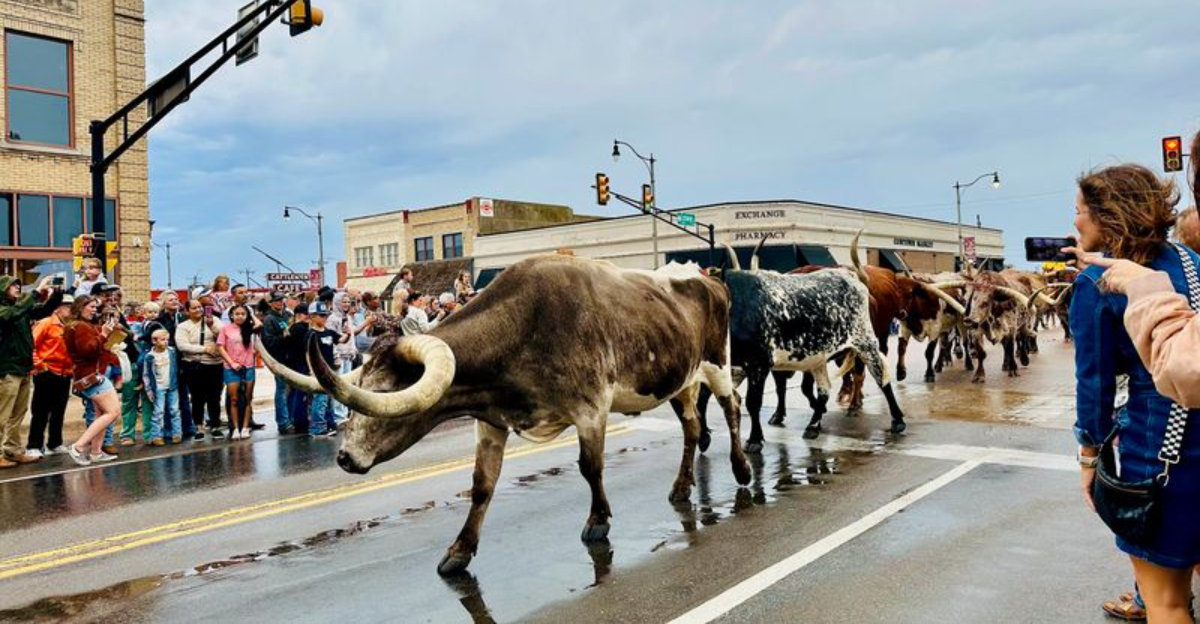
Beyond the regular Monday and Tuesday auctions, the stockyards hosts special events throughout the year that bring the western heritage of the facility to a wider audience. The Cowboy Stampede is one of the most celebrated of these events, drawing families and visitors from across the region for a full day of authentic cowboy culture.
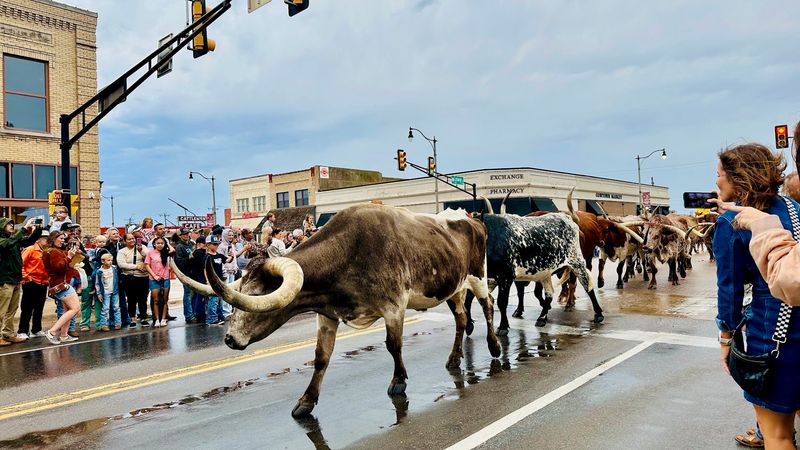
The event features a longhorn parade through the pens, rodeo-style activities, cooking demonstrations, and food that leans hard into the traditions of the American West. The atmosphere is welcoming and lively, with the kind of crowd energy that comes from people who are genuinely proud of where they come from and what they do.
For families with children, the Cowboy Stampede offers a rare chance to connect with a part of American history that tends to get romanticized in movies but rarely seen in real life. The longhorn parade alone is a spectacle that sticks in the memory long after the day is over.
Events like this make the stockyards accessible and entertaining for visitors who may not have a direct connection to the cattle industry but are curious about Oklahoma’s ranching heritage.
Tips for Planning Your Visit
A few practical details can make the difference between a great visit and a missed opportunity. The single most important tip is to go on Monday or Tuesday, the main auction days, because the rest of the week the facility is largely quiet and much of the activity that makes the stockyards so compelling simply is not happening.
Tours can be booked in advance through the official website at oknationalstockyards.com, and booking ahead is strongly recommended, especially during busier seasons. The phone number for the facility is 405-235-8675 if you prefer to call with questions before your visit.
Wear comfortable, closed-toe shoes because the walkways and catwalks can be uneven, and the ground around the pens is not exactly a clean surface. Arrive early on auction days to catch the full rhythm of the morning before the crowds thin out.
The facility is located just west of downtown Oklahoma City, making it easy to combine with other stops in the area. Parking is available on site, and the surrounding Stockyards City neighborhood offers plenty of options for lunch before or after your tour.
Why This Place Matters Beyond the Business
The Oklahoma National Stockyards is more than the sum of its transactions. It represents a direct, unbroken line to the cattle drives, the open ranges, and the economic foundation that shaped the American West.
The people who work here carry knowledge that cannot be found in any classroom, passed down through decades of hands-on experience.
For the United States beef industry, this facility is a genuine hub, influencing cattle prices and market trends across the country. The prices set here on auction mornings ripple outward to ranches in Texas, Kansas, Nebraska, and beyond.
That kind of market influence is rare and speaks to the depth of trust the industry places in this one Oklahoma institution.
Visiting the stockyards offers something that very few travel experiences can match: a front-row seat to a working piece of American economic and cultural history. It is not polished, it is not packaged, and it does not need to be.
The dust, the noise, the speed of the auction, and the quiet competence of the workers all add up to something that feels genuinely irreplaceable. Some places earn their legendary status simply by doing one thing extraordinarily well for a very long time.



