 Unearth The Voyage
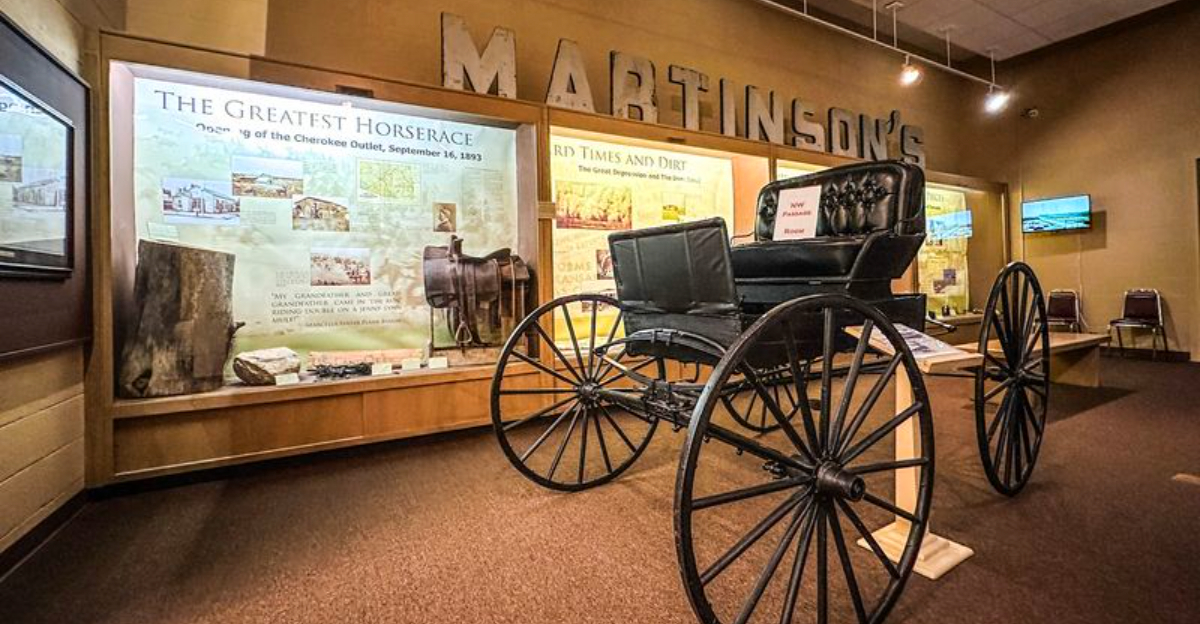
There is a place in northwest Oklahoma where the wide-open plains seem to whisper their own history, and somehow, a single building manages to hold all of it. Old photographs, handcrafted artifacts, and quietly powerful exhibits line the walls, each one telling a story you probably never heard in school.
The people who lived on these plains, both the Native tribes who called it home for centuries and the pioneers who arrived with wagon wheels and big dreams, all left something behind worth remembering. This museum in Woodward, Oklahoma pulls those threads together in a way that feels personal, not textbook, and once you walk through the front door, an hour disappears faster than you expect.
Where the Plains Come Alive: Address and First Impressions
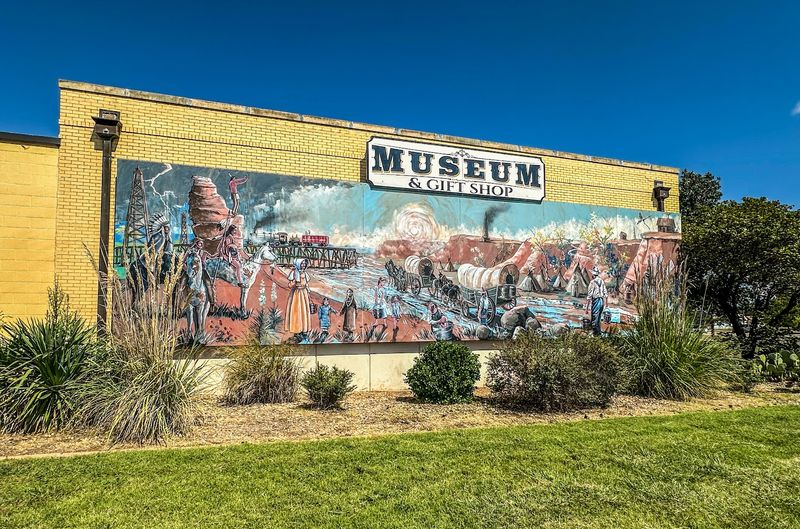
The Plains Indians and Pioneers Museum sits at 2009 Williams Ave, Woodward, OK 73801, right in the heart of northwest Oklahoma’s wide, flat country. From the outside, the building is modest and easy to underestimate, but that first impression does not last long.
The moment you step inside, the atmosphere shifts. The staff greets visitors with genuine warmth, and the donation box near the entrance is a small reminder that this place runs on community support rather than steep ticket prices.
Admission is free, with donations welcome.
The grounds outside deserve a slow walk, too. A side door leads to an outdoor area where locally made metal sculptures are on display, the kind of artwork that makes you stop mid-stride and actually look.
The blend of history and local creativity starts before you even reach the main exhibits, setting a tone that carries through every room inside.
The Story Behind the Museum’s Mission
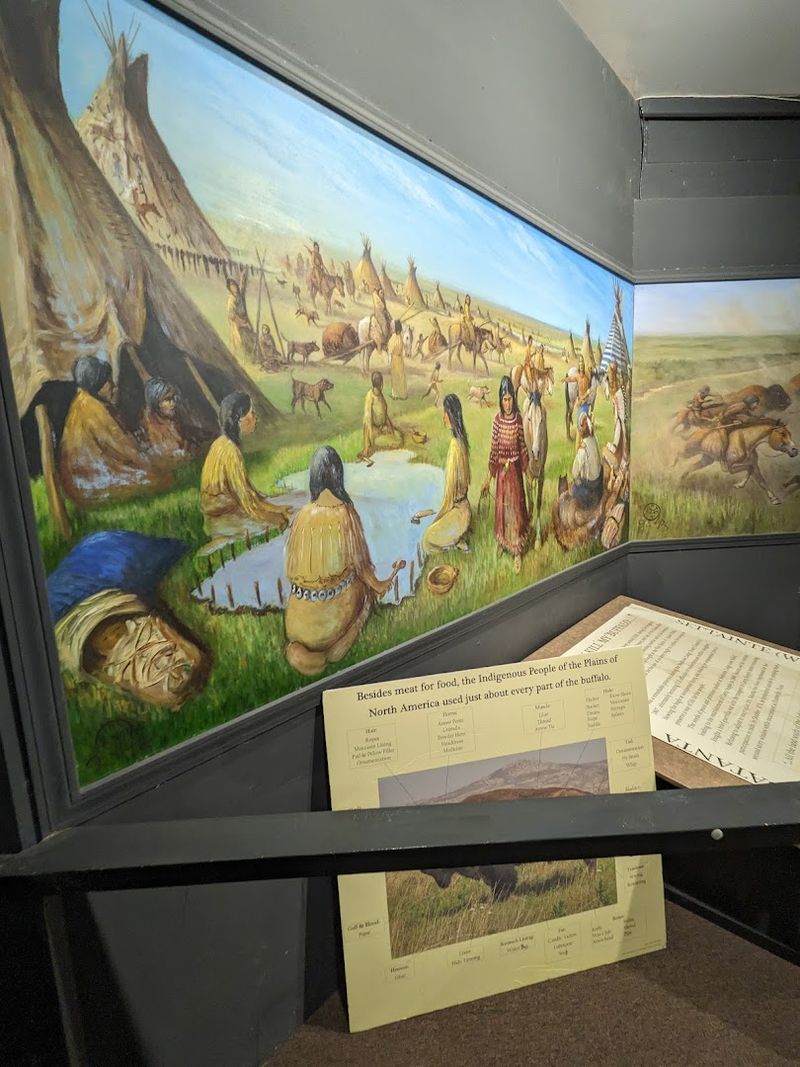
Not every regional museum manages to serve two very different communities at once, but this one does it with care. The Plains Indians and Pioneers Museum was built around a straightforward but meaningful mission: preserve and share the layered history of northwest Oklahoma, honoring both the Native peoples of the plains and the settlers who arrived later.
That dual focus shapes every exhibit inside. Rather than treating these two histories as separate chapters, the museum weaves them together, showing how the land connected them, sometimes peacefully and sometimes not.
The result is a more honest and complete picture of the region’s past.
The museum opened to serve the Woodward community and the wider northwest Oklahoma area, and it has grown steadily in scope and quality over the years. Monthly rotating art exhibits keep the experience fresh even for repeat visitors, making it a place worth returning to rather than checking off a list once and moving on.
Native American Artifacts and Their Deep Roots
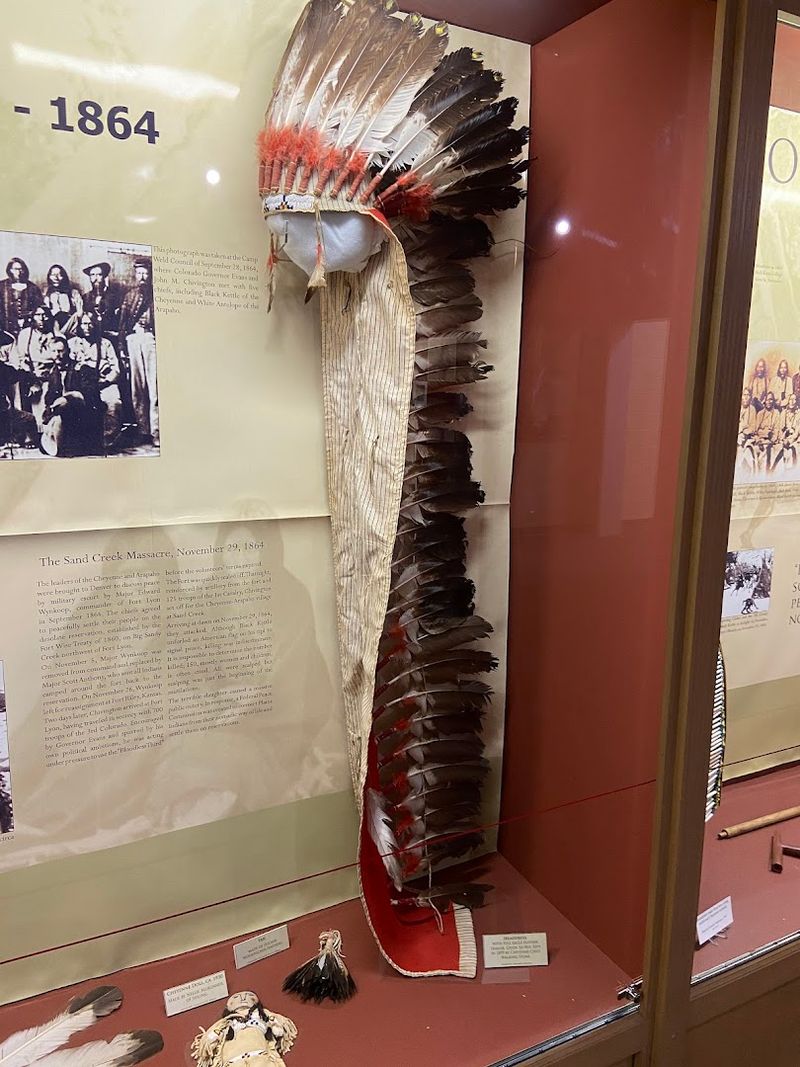
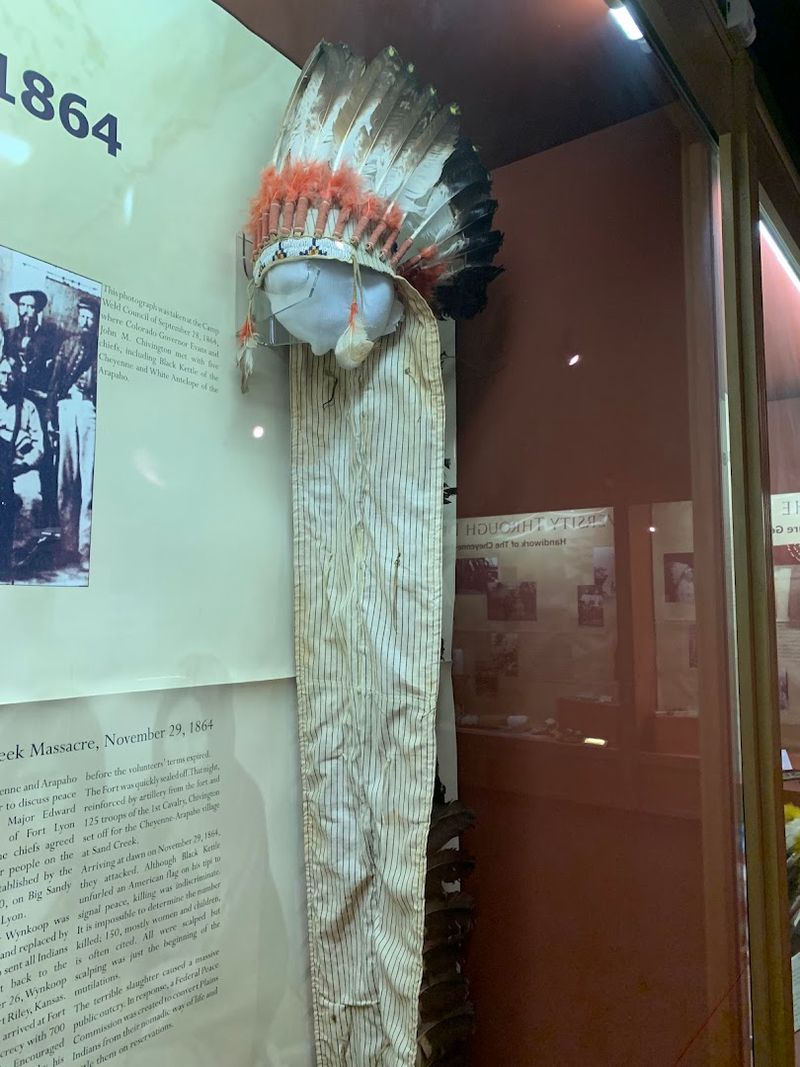
The Native American collection at this museum carries real weight. Beadwork, tools, clothing, and ceremonial objects are displayed with enough context that you actually understand what you are looking at, rather than just staring at objects behind glass wondering about their purpose.
The Plains tribes who inhabited northwest Oklahoma for generations left behind a rich material culture, and these exhibits treat those items with the respect they deserve. Written records and oral history accounts accompany many pieces, giving voice to the people who made and used them.
What stands out most is how the collection avoids reducing Native culture to a single moment in time. The exhibits acknowledge change, resilience, and continuity across generations rather than presenting Indigenous life as something frozen in the distant past.
For visitors who arrive expecting a standard overview, the depth of this collection tends to be a pleasant and meaningful surprise that lingers well after leaving.
Pioneer Life Exhibits and the Settlement Era
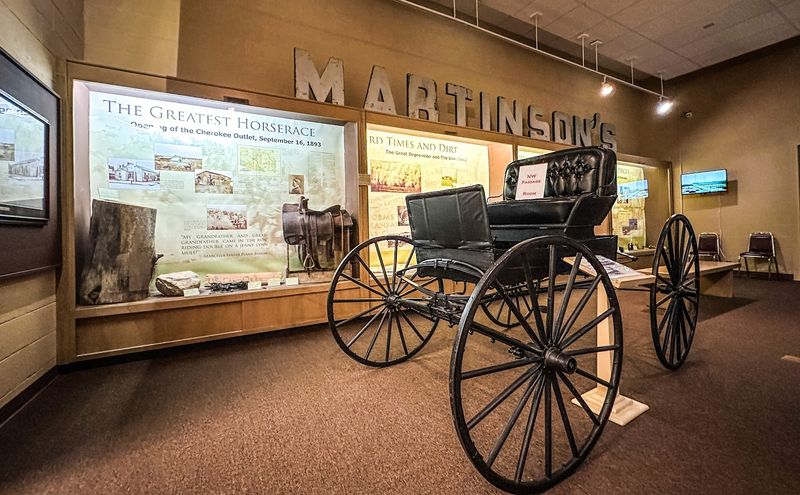
Pioneer history in northwest Oklahoma is not a simple tale of courage and open land. The settlement era brought hardship, conflict, and remarkable ingenuity in equal measure, and the exhibits here do not shy away from that complexity.
Farming tools, household objects, old photographs, and written accounts fill the pioneer sections of the museum. Each item connects to a real family or event, grounding the broader narrative in specific human experience rather than vague generalities about westward expansion.
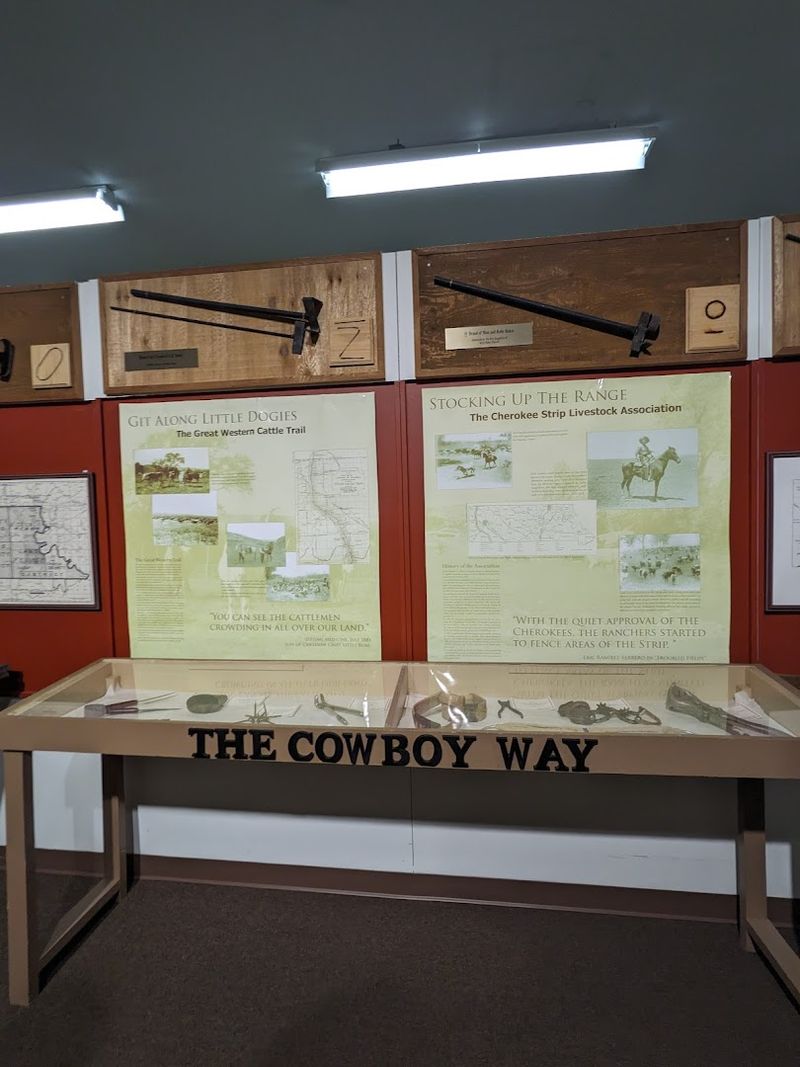
The exhibits trace the transformation of the landscape from open range to homesteaded farmland, showing how dramatically life changed for everyone on the plains during a relatively short period. There is something quietly fascinating about holding your eyes on a rusted plow blade or a hand-stitched quilt and knowing it belonged to someone who built a life here from almost nothing.
These displays earn their place in any serious conversation about Oklahoma’s story.
Woodward’s Notable Characters and Local Legends
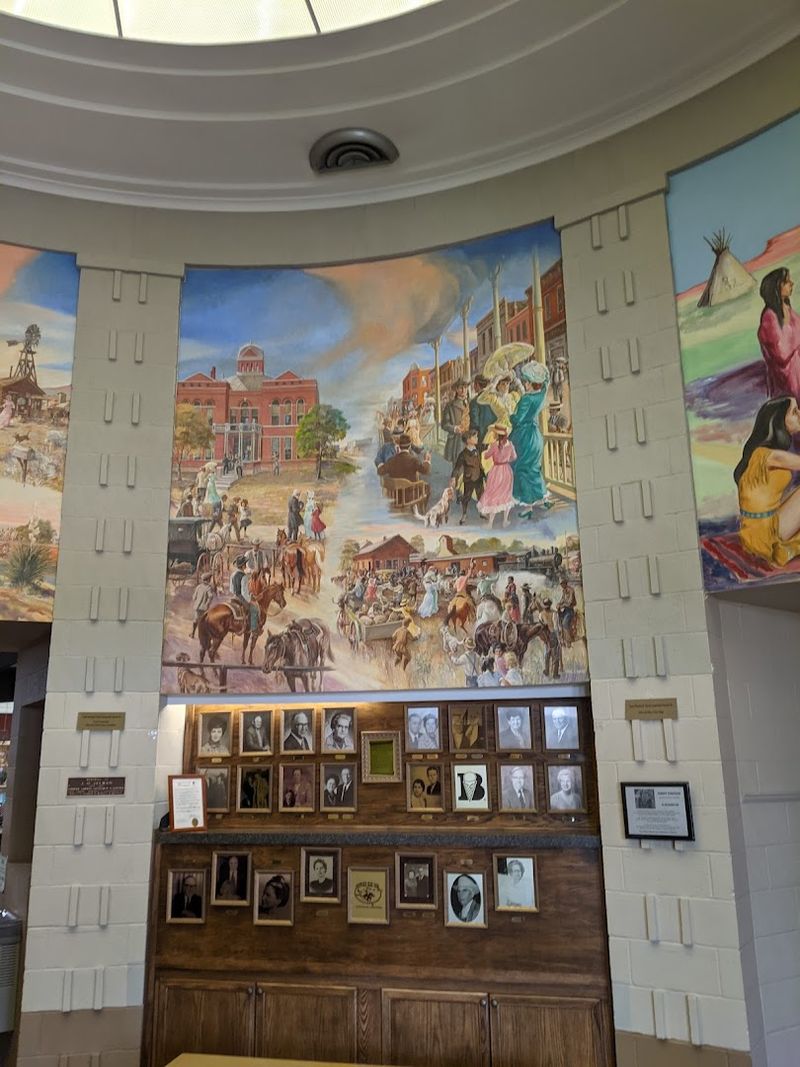
Every town has its characters, the people whose stories are too colorful or too important to let fade. Woodward has more than its share, and the museum dedicates real space to introducing visitors to the personalities who shaped this corner of Oklahoma.
From lawmen and outlaws to civic leaders and everyday folks who did extraordinary things, these exhibits read almost like short biographies. The writing is clear and engaging, making it easy to get pulled into a story you had no idea existed before you walked in.
Local history buffs will find plenty to satisfy them here, but the exhibits are accessible enough that out-of-town visitors without any prior connection to Woodward can enjoy them just as much. There is something universally appealing about a well-told story of a real person navigating real circumstances, and the museum has a knack for presenting those stories in a way that feels alive rather than archived.
The 1947 Tornado Exhibit: A Town’s Defining Moment
On April 9, 1947, a massive tornado tore through Woodward, Oklahoma, leaving behind one of the deadliest tornado events in the state’s recorded history. The museum dedicates a section to this event, and it is one of the most striking stops in the building.
Photographs, news clippings, and survivor accounts combine to create an exhibit that conveys both the scale of the destruction and the remarkable community response that followed. The town rebuilt, and the exhibit frames that recovery as a defining chapter in Woodward’s character rather than simply a catalog of what was lost.
For visitors who grew up hearing about this event through family stories, the exhibit feels deeply personal. For those encountering it for the first time, it serves as a powerful introduction to the resilience that runs through northwest Oklahoma’s identity.
The careful curation here ensures the story is told with honesty and dignity, not sensationalism, which makes the impact all the more lasting.
The Agriculture Building: Farming History Gets Its Own Stage
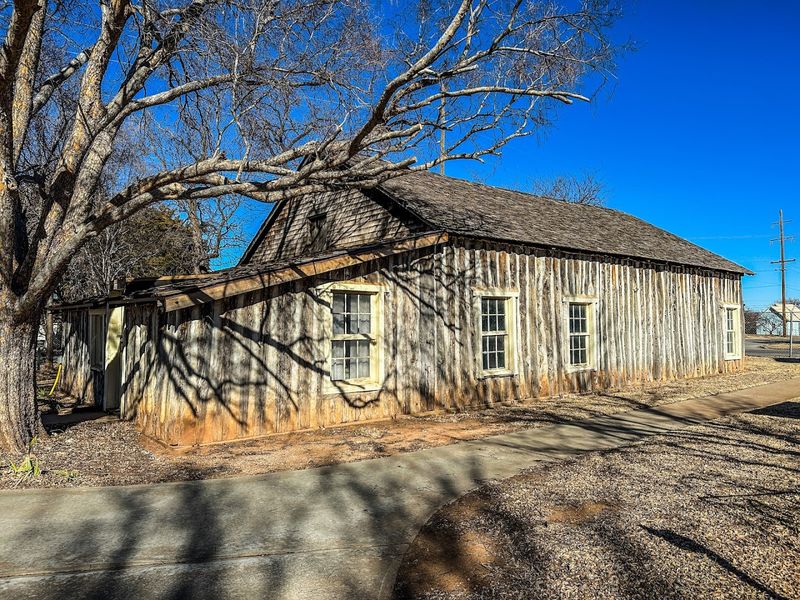
Tucked alongside the main building, the Agriculture exhibit is one of those sections that visitors are specifically told not to skip, and for good reason. Farming defined northwest Oklahoma for generations, shaping the economy, the landscape, and the daily rhythms of countless families.
The Ag building houses equipment, tools, and displays that trace the evolution of agriculture in the region from early homestead farming through the mechanized era of the mid-twentieth century. Each piece of equipment tells a story about labor, innovation, and adaptation to the challenging conditions of the southern plains.
For anyone with rural roots, walking through this building carries a certain quiet nostalgia. Even visitors without a farming background tend to find the exhibits engaging because the displays do a solid job of connecting the objects to the broader social and economic history of the area.
Plan to spend extra time here, because the Ag building rewards a slow, curious walk rather than a quick scan.
Rotating Art Exhibits and Local Creative Talent
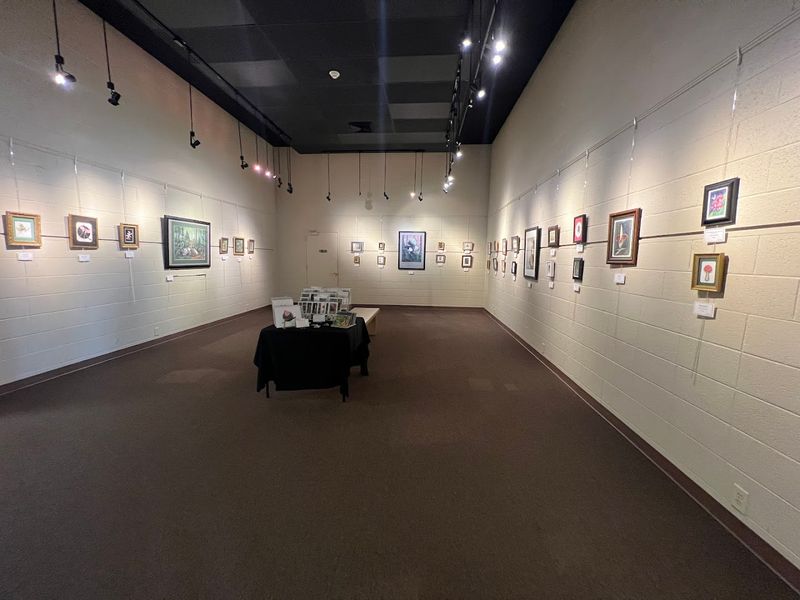
History museums do not always double as art galleries, but this one pulls it off naturally. Every month, the Plains Indians and Pioneers Museum rotates in new artwork, typically by local and regional artists, which keeps the space feeling current and dynamic rather than static.
The art on display ranges from paintings and photography to mixed-media work, and it often connects thematically to the history and culture of northwest Oklahoma. That connection between contemporary creative work and historical subject matter gives the exhibits a layered quality that is hard to find in larger, more rigid institutions.
Past visitors have noted that the artwork alone makes a second or third visit worthwhile, since the collection genuinely changes rather than simply shuffling the same pieces around. For those who appreciate local creative communities, this rotating program is a reminder that the plains have always inspired artists, and that tradition is very much alive today in Woodward’s cultural landscape.
The Gift Shop and Locally Crafted Souvenirs
Museum gift shops can be hit or miss, but the one at Plains Indians and Pioneers Museum earns its reputation as a genuinely enjoyable stop. The shop carries locally crafted items, books about Oklahoma and Native American history, and a thoughtful selection of souvenirs that feel connected to the museum’s mission rather than generic tourist fare.
Prices are reasonable, which is a welcome detail after spending time in a museum that has already been generous enough to offer free admission. The selection skews toward quality over quantity, so browsing feels curated rather than overwhelming.
Books about northwest Oklahoma history, handmade crafts, and regionally inspired art prints are among the highlights. One slight caveat: if you have your heart set on a museum t-shirt, check the size availability early in your visit rather than at the end.
Stock runs out, and the disappointment of missing out on the perfect souvenir is real. The gift shop rounds out the visit on a satisfying note.
Practical Tips for Planning Your Visit
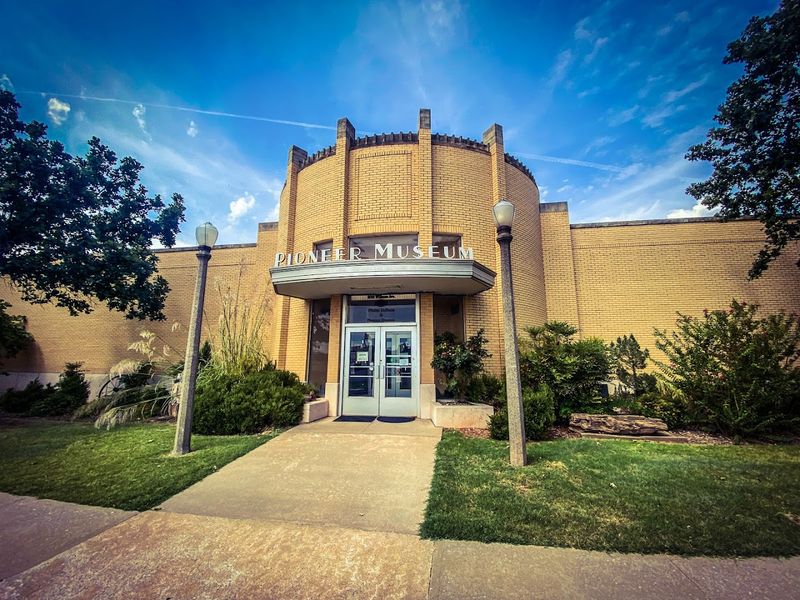
The Plains Indians and Pioneers Museum is open Tuesday through Saturday from 10 AM to 5 PM, and closed on Sundays and Mondays. That schedule is worth double-checking before making the drive, especially if you are passing through on a road trip with limited flexibility.
Admission is free, with a donation box near the entrance for those who want to support the museum’s work. The staff is consistently described as friendly, knowledgeable, and genuinely happy to answer questions, so do not hesitate to ask about specific exhibits or local history topics.
Budget at least an hour for a comfortable visit, though spending two to three hours is entirely reasonable if you read the exhibit text carefully and explore the outdoor sculpture area and the Ag building. The museum can be reached by phone at 580-256-6136, and more information is available at nwok-pipm.org.
Whether you are a northwest Oklahoma local or a traveler just passing through Woodward, this museum is a stop that consistently delivers more than it promises.



