 Unearth The Voyage
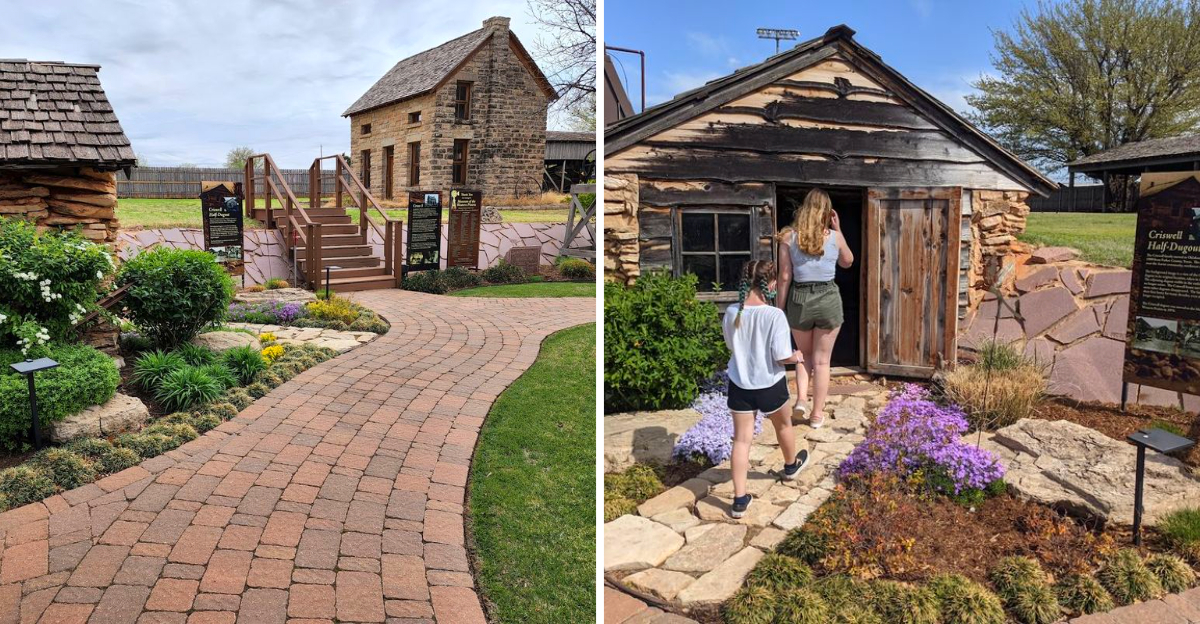
There is a place in southwest Oklahoma where the open sky, the red dirt roads, and the stories of early settlers all come together under one roof. I had no idea what to expect when I first pulled up to this museum, but what I found was a surprisingly rich collection of history, culture, and community spirit packed into a well-crafted space.
The outdoor exhibits alone stopped me in my tracks, and the indoor galleries kept me reading every single panel. Whether you are a history enthusiast, a curious traveler passing through, or a local looking to reconnect with your roots, this museum delivers something real and memorable at every turn.
Where the Prairie Meets History: Location and First Impressions
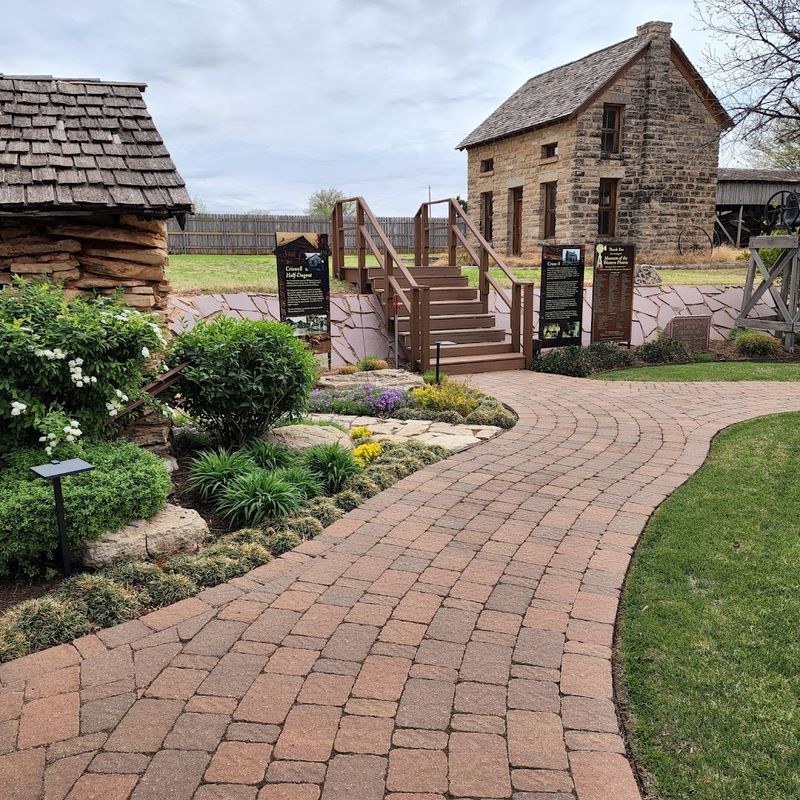
The Museum of the Western Prairie sits at 1100 Memorial Drive in Altus, Oklahoma, right in the heart of southwest Oklahoma’s wide-open landscape. The building is clean, well-kept, and easy to find, with plenty of parking and a welcoming entrance that sets the tone for everything inside.
When I arrived on a weekday morning, the surroundings already told a story. The flat horizon, the quiet streets, and the sense of space all around felt like a perfect backdrop for a museum dedicated to prairie life.
The staff greeted me warmly at the door, and I immediately got the sense that this was a place run by people who genuinely care about the history they are sharing.
Admission is very affordable, which makes it easy to justify a visit even if you are just passing through the area. The museum is operated under the Oklahoma Historical Society, which adds a layer of credibility and care to everything on display.
First impressions here are honestly hard to beat.
From Native Land to Statehood: The Core Historical Narrative
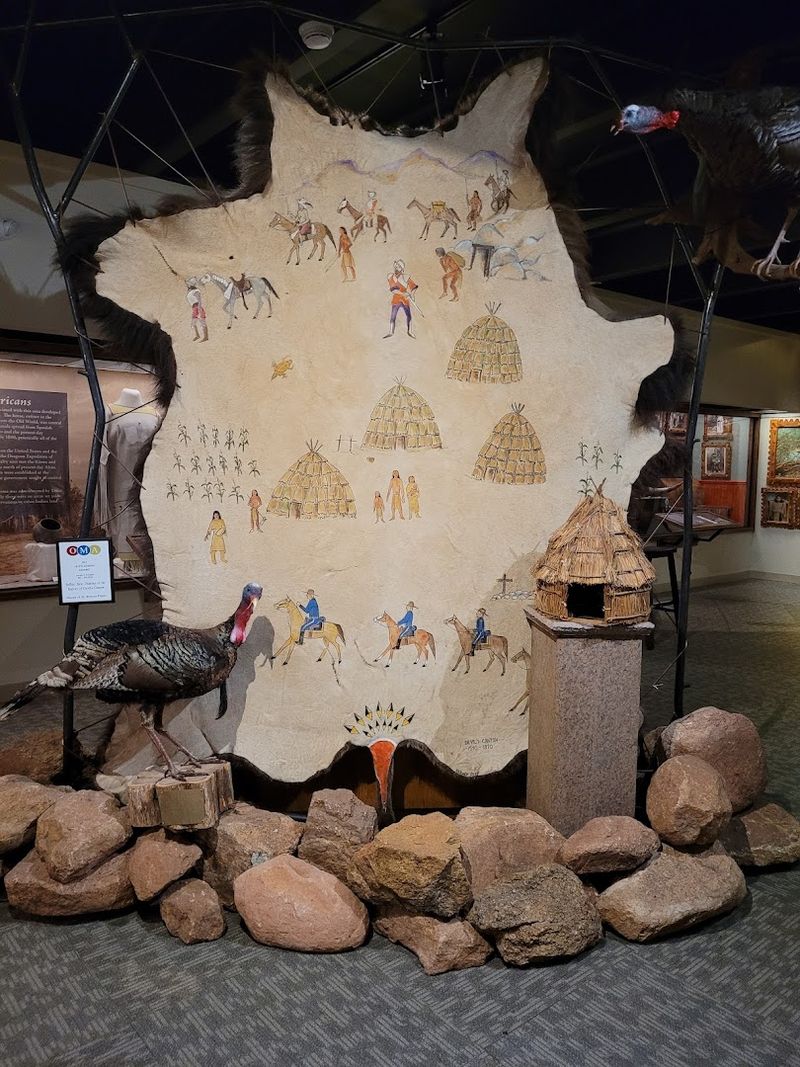
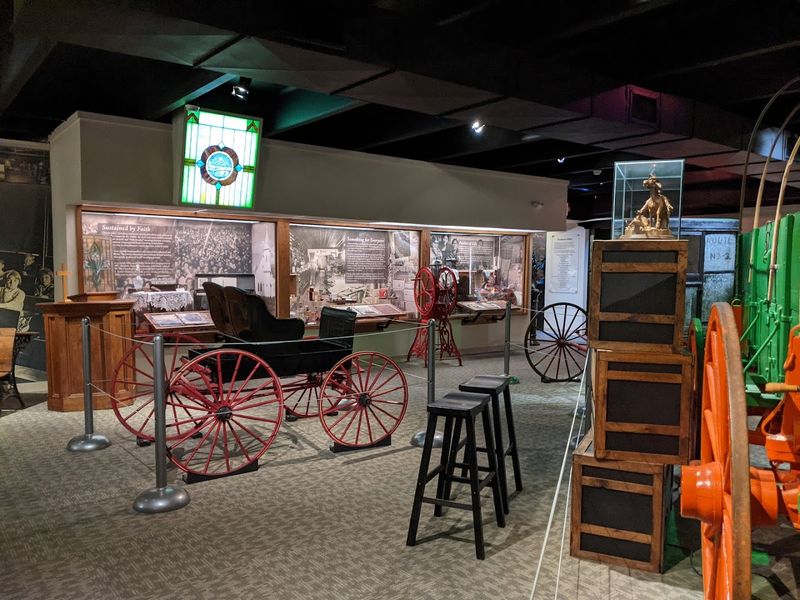
The main indoor galleries walk visitors through a sweeping timeline that begins with the Native peoples who called this land home long before any settlers arrived. The exhibits are thoughtfully organized, moving from indigenous culture through the era of land runs, early farming, and the eventual development of modern southwest Oklahoma.
What makes this section so compelling is how the museum handles complexity without oversimplifying. The panels include real photographs, original documents, and personal accounts that give the history a human face rather than just a list of dates and names.
I spent a good chunk of time in this area, reading through stories of families who built homes on the prairie with very little and still managed to create thriving communities. The focus on local Altus history is especially strong here, giving residents and visitors alike a clear sense of how this corner of Oklahoma came to be what it is today.
Every artifact feels chosen with purpose.
Farming the Prairie: Agricultural Exhibits That Tell a Gritty Story
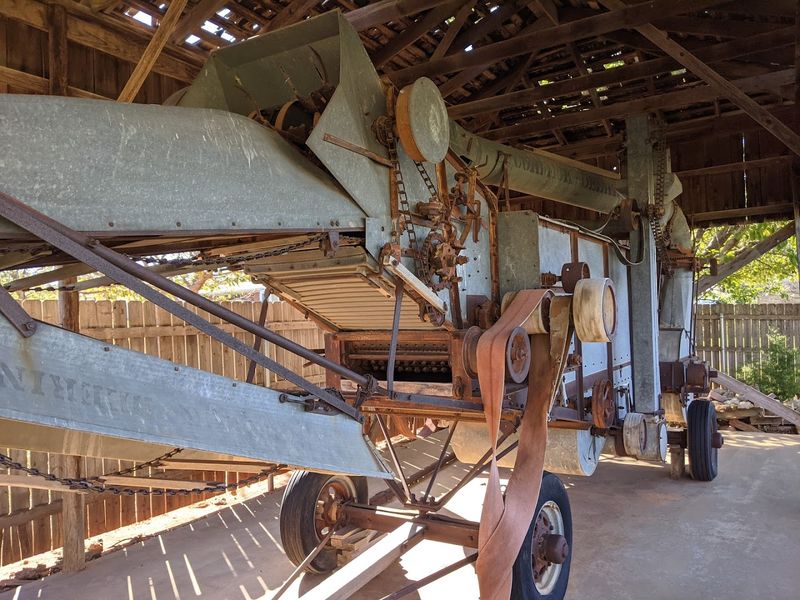
One of the standout sections of the museum is its agricultural collection, which showcases the tools, machines, and methods that prairie farmers relied on for generations. Old plows, seed equipment, and hand tools line the exhibit space, each one tagged with clear explanations of how and when it was used.
Farming on the western prairie was not a romantic affair. The exhibits make that clear in an honest and respectful way, highlighting the challenges of drought, dust storms, and economic hardship that shaped the lives of families across this region.
The Dust Bowl era gets particular attention, and the photographs from that period are genuinely striking.
What I appreciated most was the balance between showing the struggle and honoring the resilience. These were people who kept planting, kept working, and kept believing in the land even when it gave them nothing back.
That spirit comes through clearly in how the collection is arranged and described. You leave this section with a new respect for what it took to build a life out here on the open prairie.
The Atlas ICBM Program: A Surprising Cold War Connection
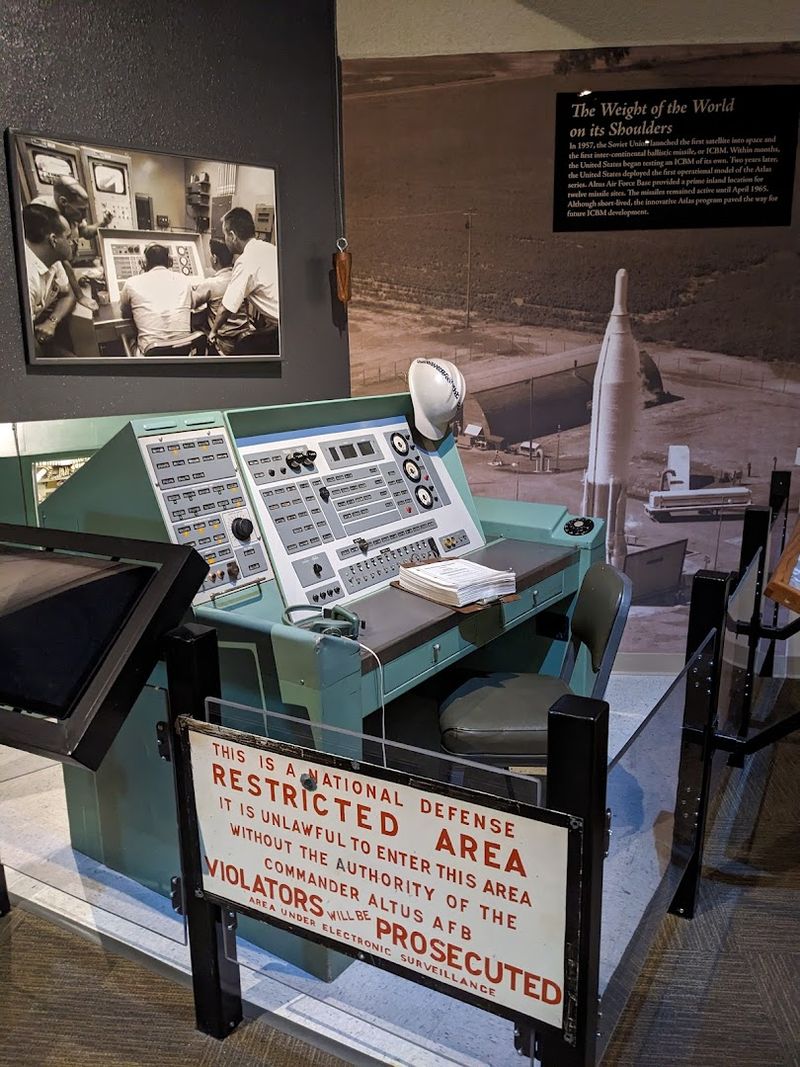
Here is something I did not see coming: a dedicated section about the Atlas ICBM missile program and its connection to the local Altus Air Force Base. This exhibit adds a completely different dimension to the museum and proves that the history of this region goes far beyond farming and frontier life.
During the Cold War, Altus was home to Atlas missile silos, making it a significant location in the national defense landscape. The museum covers this chapter with photographs, technical information, and artifacts that show just how central this small Oklahoma city was to a very large moment in American history.
The display is well-researched and presented in a way that is accessible even if you have no background in military history. I found myself reading every panel twice, genuinely fascinated by how this quiet stretch of prairie played a role in one of the most tense periods of the twentieth century.
It is the kind of exhibit that makes you rethink what you thought you knew about a place.
Outdoor Exhibits: Stepping Outside Changes Everything
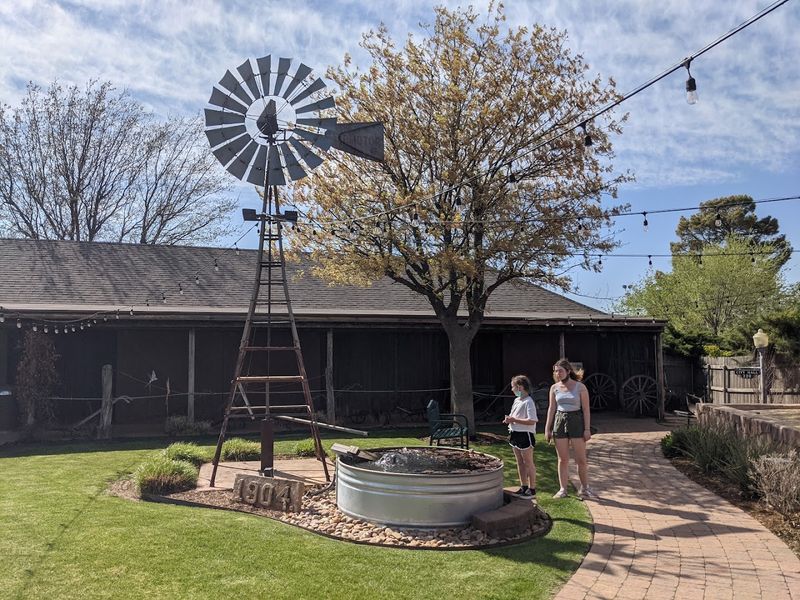
A staff member asked me if I had gone outside yet, and when I said no, she gave me a look that said I was missing the best part. She was absolutely right.
The outdoor exhibit area is a highlight that catches many visitors off guard with how much there is to explore.
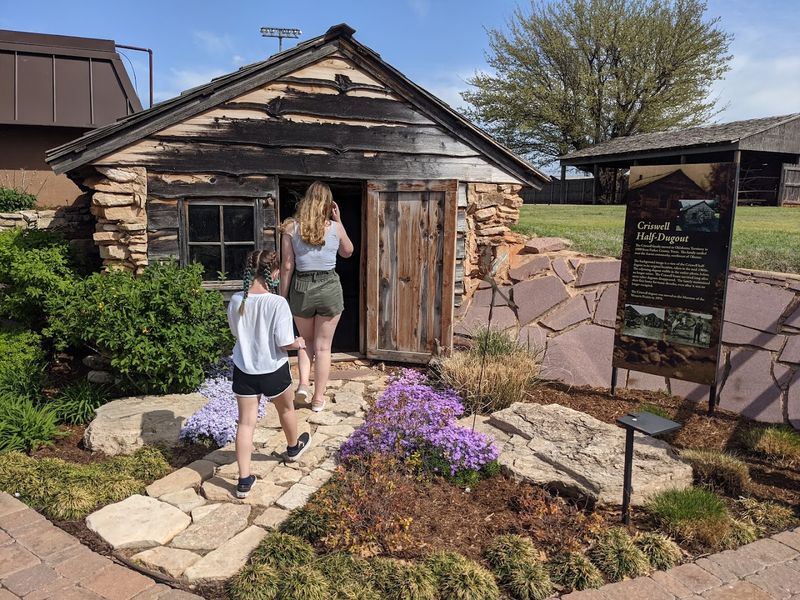
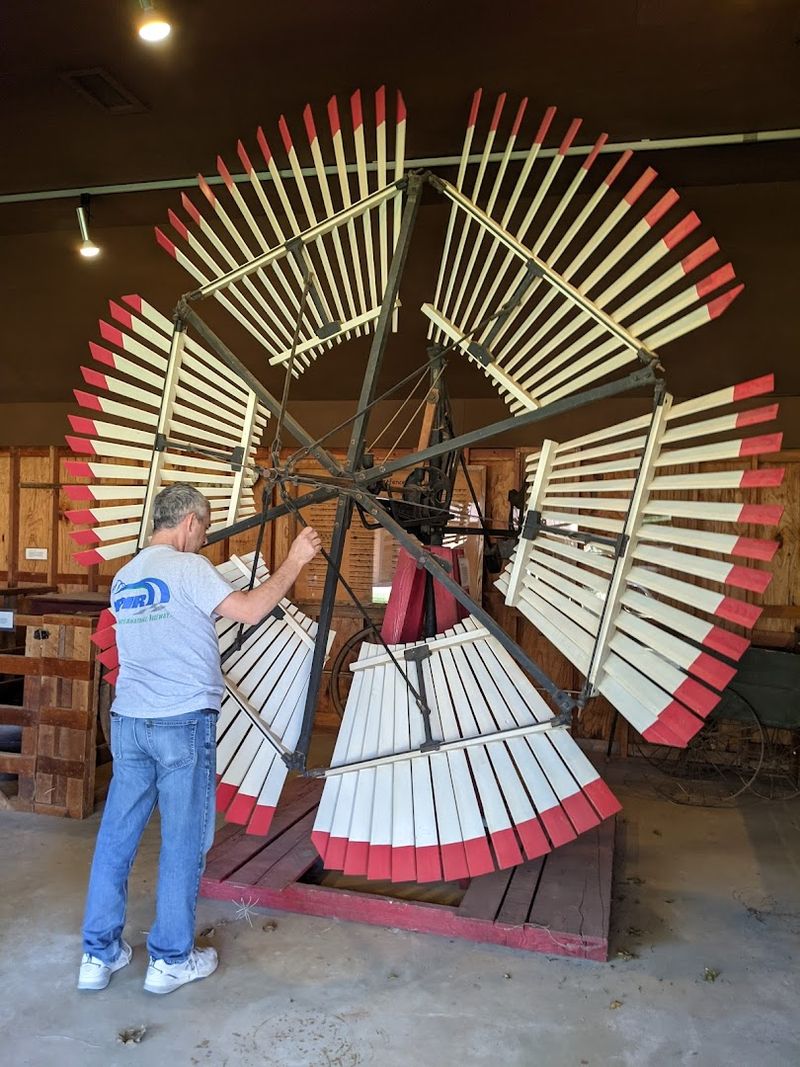
Historic structures, large pieces of farm equipment, and carefully placed displays bring the prairie experience to life in a way that indoor exhibits simply cannot. The wide-open sky above the outdoor space feels intentional, as if the museum is using the landscape itself as part of the storytelling.
Walking through the outdoor area gave me a genuine sense of what daily life on the western prairie must have felt like. The scale of the old machinery, the weathered textures of the historic buildings, and the quiet of the surrounding land all work together to create something memorable.
Children especially seem to respond to this part of the museum, since there is more room to move and more physical objects to observe up close. The outdoor section alone is worth the trip.
Community at the Center: How This Museum Connects with Locals
The Museum of the Western Prairie is not just a place to look at old things. It functions as an active community hub that regularly brings together artists, musicians, authors, and students in ways that keep local culture alive and moving forward.
Throughout the year, the museum partners with local schools to give young artists and musicians a platform to share their work. That kind of investment in the next generation is something you can feel in the atmosphere of the place, even on a quiet Tuesday morning when no events are scheduled.
The historical society behind the museum actively engages with creators who are working right now, not just preserving what came before. That combination of past and present makes the museum feel dynamic rather than static.
I spoke briefly with a staff member who lit up while describing upcoming events and programs, and that enthusiasm was contagious. A museum that the local community actually uses and loves is a different experience from one that simply exists as a monument to the past.
The Gift Shop: Small but Seriously Thoughtful
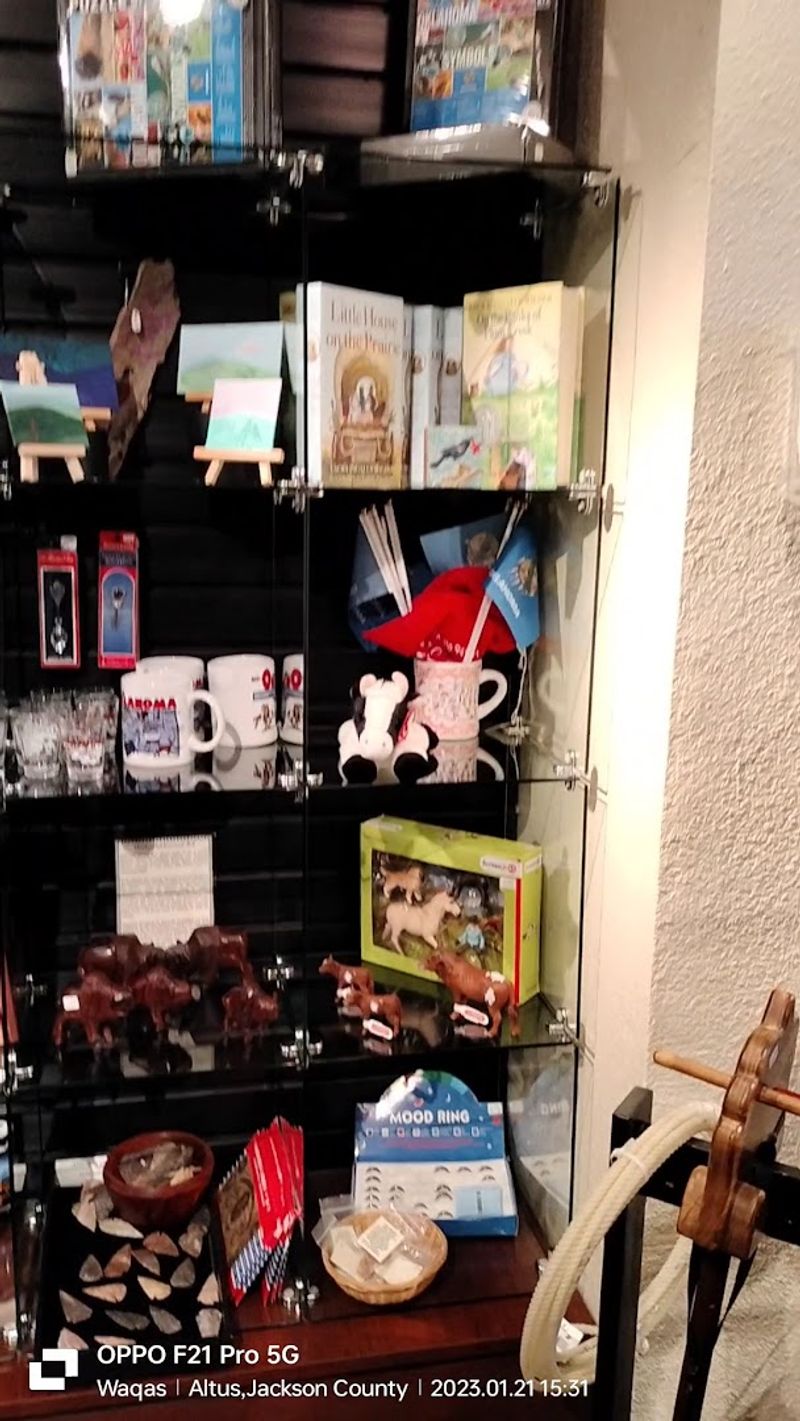
Museum gift shops can be hit or miss, but the one at the Museum of the Western Prairie is genuinely worth a few minutes of your time. The selection is curated with care, featuring work from local artists alongside books, prints, and keepsakes that connect directly to the history and culture of the region.
Rather than the generic magnets and mass-produced souvenirs you find at larger tourist destinations, this shop stocks items that feel meaningful. Several pieces are made by Oklahoma artists, which means your purchase actually supports someone from the community rather than a distant manufacturer.
I picked up a small item that reminded me of the agricultural exhibits inside, and every time I look at it now, it brings back the whole visit. That is the mark of a good gift shop: it extends the experience rather than just cashing in on it.
If you are looking for a unique gift or a personal keepsake that carries a real sense of place, this little shop delivers exactly that without any pressure to spend more than you want to.
The Staff: Knowledgeable, Welcoming, and Genuinely Passionate
Good exhibits can make a museum worth visiting, but great staff can make it unforgettable. At the Museum of the Western Prairie, the people working there are clearly not just doing a job.
They know the collection deeply and are happy to talk about it at whatever level of detail you are interested in.
On my visit, a staff member offered an iPad loaded with additional audio and visual information that expanded on what was already on display. That kind of extra effort is rare and genuinely appreciated, especially for visitors who want to go beyond the surface level of any exhibit.
The staff also seem to enjoy connecting with visitors from out of town, sharing local knowledge and making sure no one misses the outdoor section or any other highlight. Several visitors have noted that the people here make the experience feel personal rather than transactional.
In a world where many attractions feel automated and impersonal, a museum staffed by people who are actually excited to be there is a refreshing and welcome change.
Practical Tips: Hours, Admission, and Planning Your Visit
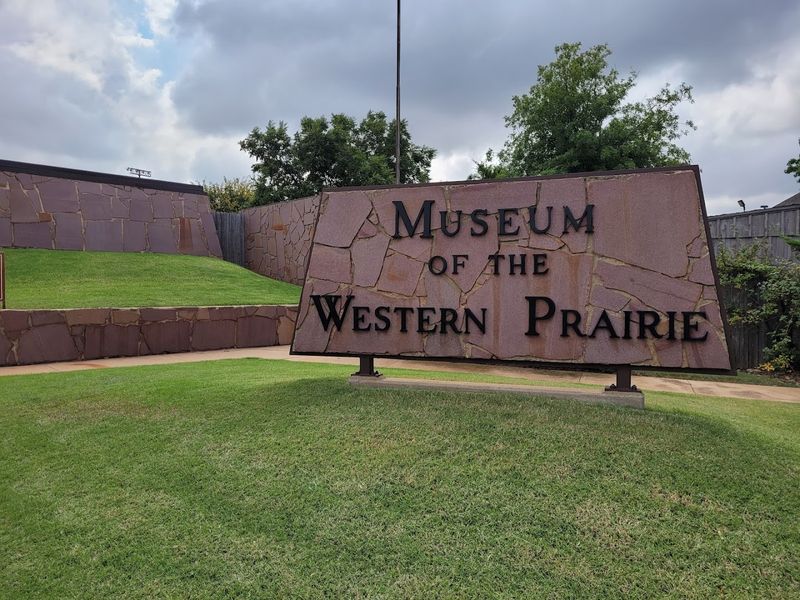
Planning a visit to the Museum of the Western Prairie is straightforward, but a few details are worth knowing before you go. The museum is open Tuesday through Saturday from 10 AM to 5 PM and is closed on Sundays and Mondays, so make sure to plan accordingly if you are working around a road trip schedule.
Admission is kept very affordable, which makes it an easy addition to any itinerary without budget stress. The museum is located at 1100 Memorial Drive in Altus, Oklahoma, and is easy to reach from the main roads through town.
You can also call ahead at 580-482-1044 or check the Oklahoma Historical Society website for any updates on special events or temporary exhibits.
Plan to spend at least an hour inside, and budget extra time if you want to fully explore the outdoor exhibit area. Families with young children will find the outdoor space especially engaging, and the overall pace of the museum is relaxed enough that you never feel rushed.
Arriving close to opening time on a weekday gives you the quietest and most personal experience of the collection.
Why This Prairie Museum Stays With You Long After You Leave
Some places leave a mark that has nothing to do with how big or flashy they are. The Museum of the Western Prairie is compact, quietly run, and rooted in a part of Oklahoma that most travelers drive through without stopping.
That is exactly what makes it special.
The combination of well-researched indoor exhibits, a genuinely surprising Cold War section, a lively outdoor area, engaged staff, and a community-centered mission adds up to something that feels rare. Every element of the museum seems to have been thought through by people who care about getting it right rather than just filling space.
I left Altus with a much deeper understanding of southwest Oklahoma than I arrived with, and that is the best thing any museum can do. The stories told here, from the first Native peoples to the Cold War missile silos to the families who farmed through impossible droughts, deserve to be heard.
The Museum of the Western Prairie tells them honestly, accessibly, and with a warmth that keeps pulling visitors back for another look.



