 Unearth The Voyage
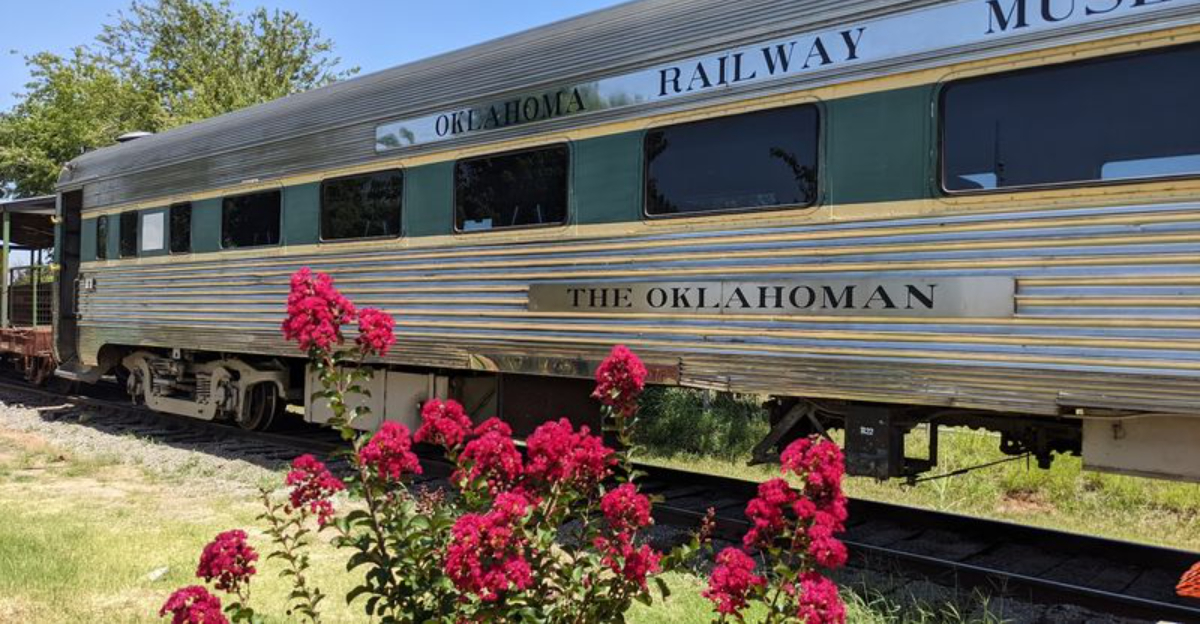
There is a spot in Oklahoma City where full-size locomotives sit quietly on the tracks, waiting for curious visitors to come and explore them up close. Most people drive right past it without a second thought, which makes it one of the most surprisingly rewarding places to spend a Friday or Saturday afternoon in the state.
The museum is free to walk through, the volunteers know their stuff, and on select days, you can actually climb aboard and ride a real passenger train. Whether you are a lifelong train enthusiast or someone who just wants a genuinely different kind of outing, this place has a way of pulling you in and keeping you there longer than you planned.
Where to Find This Railway Treasure
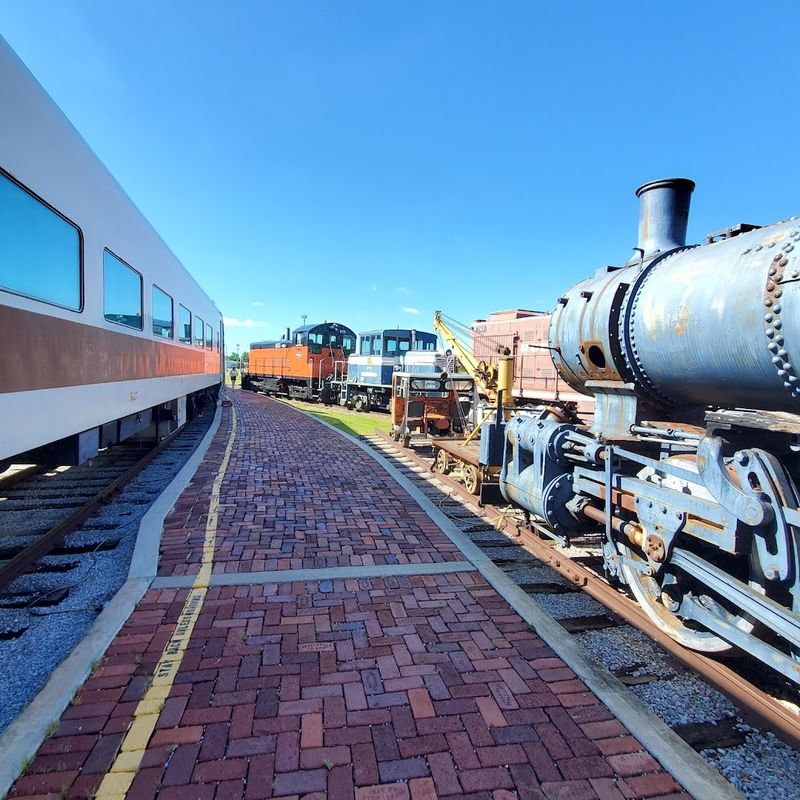
The Oklahoma Railway Museum sits at 3400 NE Grand Blvd, Oklahoma City, OK 73111, tucked into a neighborhood that most GPS apps treat as an afterthought. You might not see it coming until you are basically right in front of it, and that element of surprise somehow makes the whole visit feel even more special.
The museum is open on Thursdays, Fridays, and Saturdays from 9 AM to 5 PM, which gives you a solid window to explore without feeling rushed. Sundays and most weekdays are off-limits, so plan accordingly.
You can reach them at 405-424-8222 or check their website at oklahomarailwaymuseum.org for event updates and ride schedules.
The grounds are mostly outdoors, so wearing weather-appropriate clothing is genuinely important. On a warm Oklahoma afternoon, the open-air setting adds to the experience rather than detracting from it.
Parking is easy, the entrance is free for general admission, and dogs are welcome on the grounds. That last detail alone makes it worth bookmarking for your next weekend plan.
A Brief History of the Museum and Its Mission
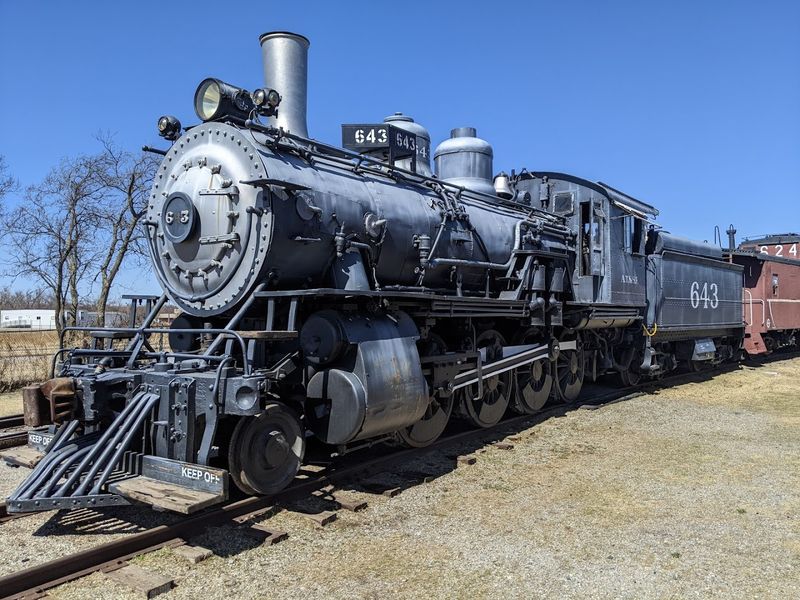
This museum did not happen overnight. It grew out of a genuine community effort to preserve the rolling stock and railway heritage that shaped the American Midwest, and Oklahoma in particular.
The collection includes restored locomotives, a 19th-century depot, and an impressive range of memorabilia that traces the arc of rail travel from its earliest days to the mid-20th century.
What makes the history here feel real is that many of the pieces on display were actually used. These are not replicas or theatrical props.
You can still smell traces of grease and oil on some of the locomotives, a detail that hits differently than any museum placard ever could.
The organization runs entirely on sales and donations, with no state or federal funding to fall back on. Every ticket purchased and every dollar dropped in the donation jar goes directly toward restoration and preservation.
Volunteers keep the place alive, and their passion for the subject comes through in every conversation you have with them. The museum is essentially a living archive, and it keeps growing as more pieces are restored to display-worthy condition.
The Locomotive Collection Up Close
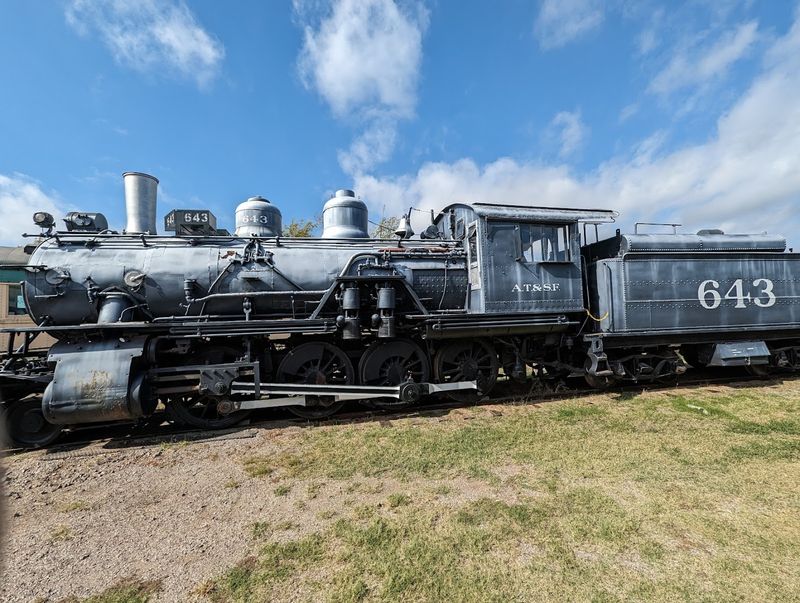
Getting up close to a full-size locomotive is one of those experiences that photographs simply cannot prepare you for. These machines are enormous, and standing next to one gives you an immediate sense of the raw industrial power that once moved goods and people across the entire country.
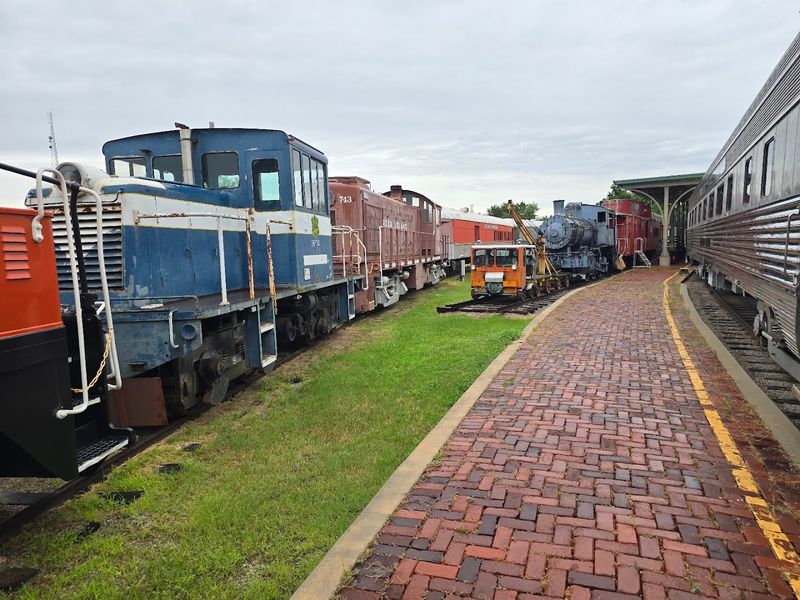
The museum holds a wide variety of rolling stock, from steam engines to diesel locomotives, along with freight cars, passenger coaches, and a caboose you can actually climb inside. The caboose is a particular favorite, especially the upper section where conductors and brakemen used to ride.
Getting up there and looking out gives you a completely different perspective on what rail travel once looked like from the working end.
Visitors with a sharp eye for detail will notice the different eras represented across the collection. Some pieces date back to the 1800s, while others reflect the mid-century transition to diesel power.
The variety keeps things interesting no matter how much or how little you already know about trains. Each locomotive seems to have its own personality, and the volunteers on-site are more than happy to fill you in on the story behind each one.
The HO Scale Model Train Layout
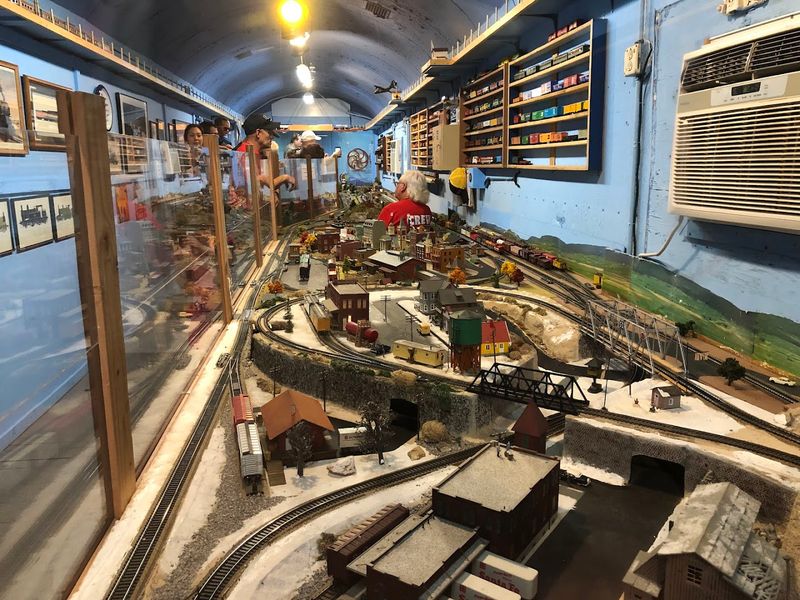
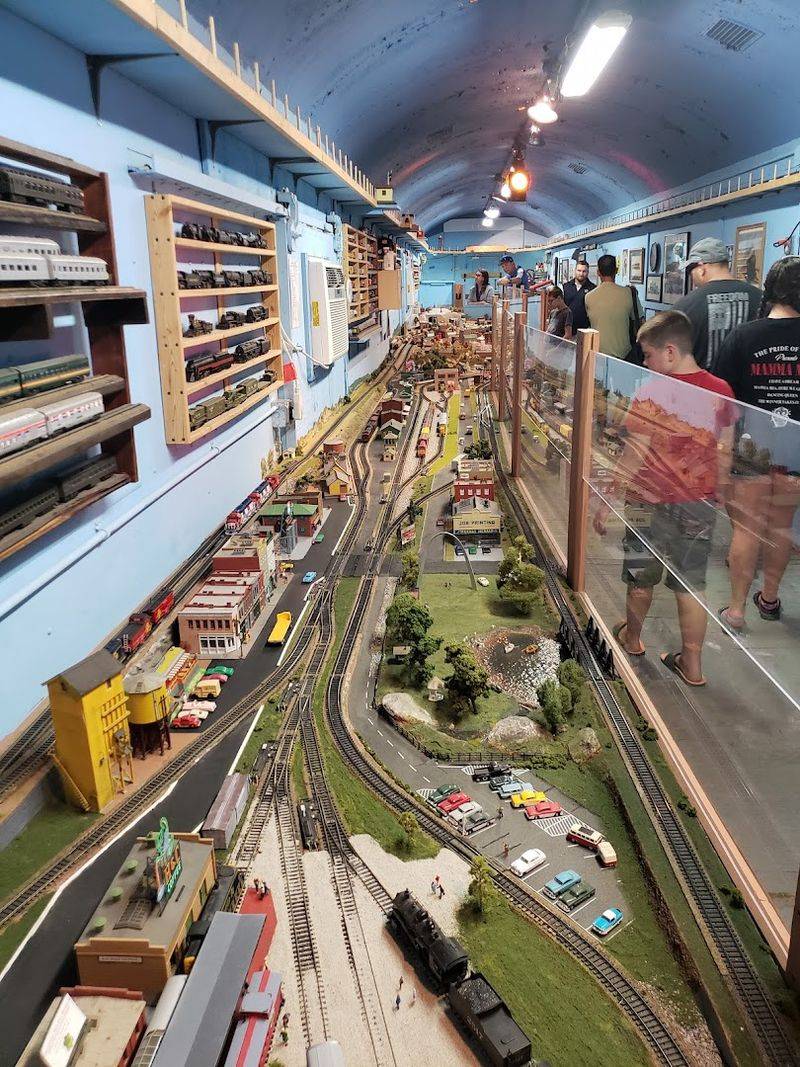
Tucked inside one of the old coaches is a model train layout built in HO scale, and it is genuinely impressive. The layout is well-designed for the space, with careful attention to detail in the miniature scenery, structures, and track arrangement.
It also has air conditioning, which becomes a very welcome bonus on a hot Oklahoma afternoon.
The layout runs on DCC control, which means multiple trains can operate simultaneously without signal conflicts. On a good day, you might see a freight train and a passenger train running at the same time, making the whole scene feel alive and dynamic.
If the exhibit happens to be locked when you arrive, just ask one of the staff members and they will open it right up for you.
Kids tend to gravitate toward this part of the museum with serious enthusiasm, but adults are just as likely to linger here longer than they expected. There is something almost meditative about watching a small train wind through a detailed miniature world.
Model train collectors and hobbyists will find plenty to appreciate in the layout design, and even casual visitors tend to walk away impressed by the craftsmanship on display.
Riding the Passenger Train
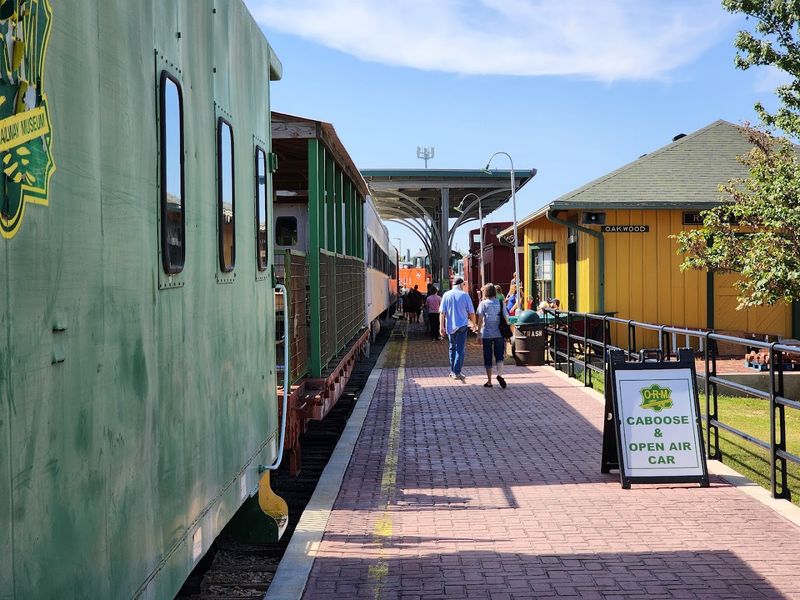
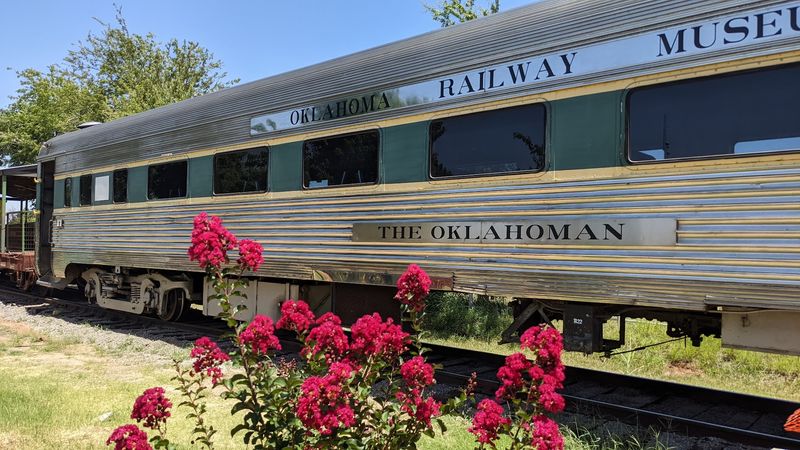
The general admission walk-around is free, but the real highlight of any visit is buying a ticket and actually riding the train. Excursion tickets are available on select days, and the ride takes you along the museum’s track in one of several car options.
The open-air car tends to be the most popular choice, and it is easy to understand why once you feel the breeze and get an unobstructed view of the surroundings.
The train moves at a slow, deliberate pace, which is partly a track restriction and partly a feature. It gives you time to take in the scenery, listen to the docents explain the history of the cars and the route, and just enjoy the novelty of riding something that most people only ever see in photographs or old films.
Docents on the excursion are knowledgeable and engaging, and they have a way of making the ride feel educational without ever feeling like a lecture. The whole experience lasts long enough to feel satisfying but short enough that younger kids stay interested the whole time.
For families especially, the train ride tends to be the memory that sticks long after the visit is over.
Seasonal Events That Draw the Crowds
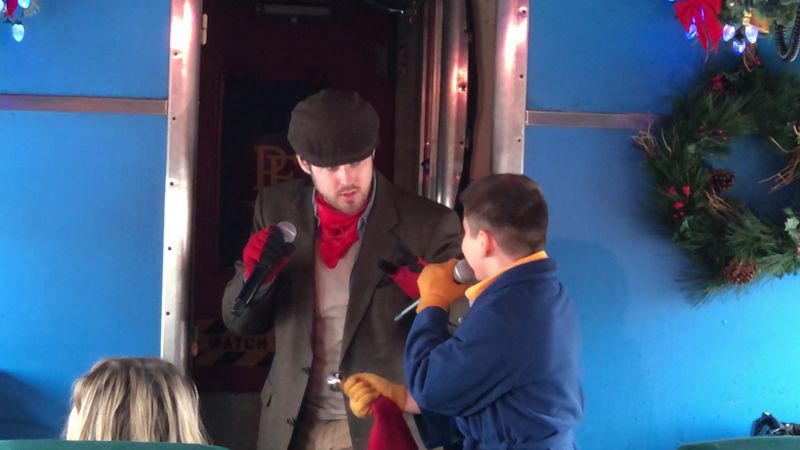
The museum runs several seasonal events throughout the year, and each one transforms the grounds into something a little more theatrical. The Halloween Train is a favorite for families who want a spooky but not terrifying experience, and the Steam Train event draws enthusiasts who specifically want to see older equipment in action.
The Polar Express ride is the crown jewel of the seasonal calendar. Families show up in pajamas, kids and adults alike, and board a train that brings the beloved story to life with costumed performers, singing, dancing, hot chocolate, and a visit from Santa himself.
Each child gets their own moment with Santa and receives a special bell to take home, which is the kind of detail that turns a fun outing into a lasting memory.
Tickets for the Polar Express are priced higher than the standard excursion, and they do sell out, so booking early is genuinely important. The nighttime rides tend to create an especially immersive atmosphere, with the darkness outside making the warm, festive interior of the train feel even more magical.
Many families have made this an annual tradition, returning year after year with new members in tow.
The Volunteer Culture That Keeps It Running
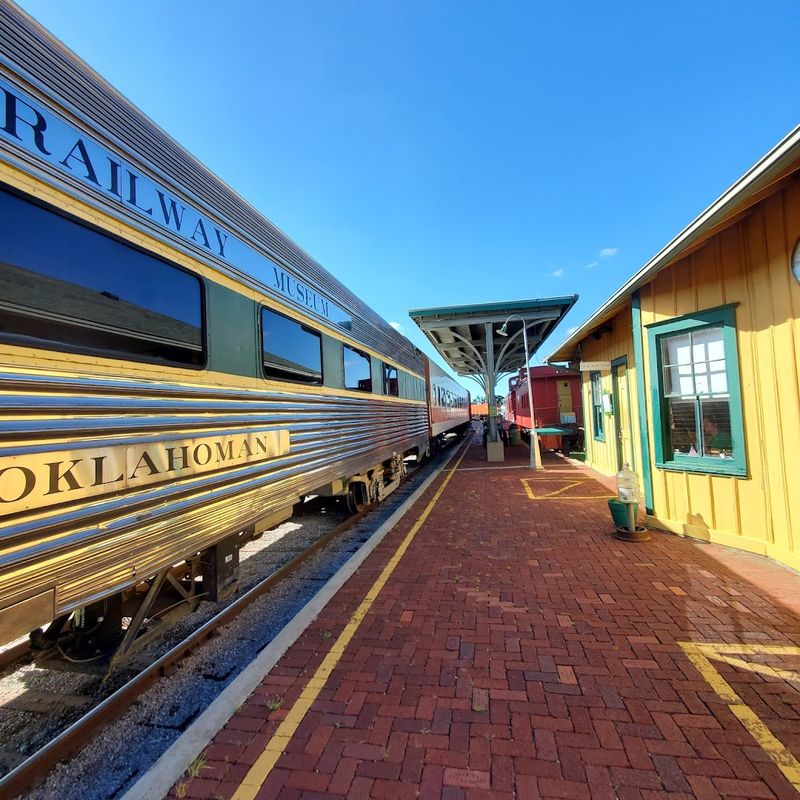
No paid curatorial staff could replicate what the volunteers here bring to the experience. These are people who genuinely love trains, many of them with personal histories tied to the railway industry, and that passion is obvious from the moment you start asking questions.
Some of the volunteers worked on these very machines earlier in their careers.
The knowledge on display is deep and specific. Ask about a particular locomotive and you might end up in a twenty-minute conversation about its mechanical history, its service record, and the restoration work it took to get it into its current condition.
That kind of firsthand knowledge is rare, and it makes the museum feel less like a display space and more like a community gathering point for people who care about preserving something important.
Visitor numbers tend to stay manageable, which means you rarely feel crowded or rushed. That low-pressure atmosphere makes it easy to linger near an exhibit and wait for a volunteer to finish with another visitor before striking up your own conversation.
The unhurried pace is part of what makes the museum feel welcoming rather than overwhelming, and it is a big reason why so many first-time visitors end up planning a return trip before they even leave the parking lot.
Activities Beyond the Trains
The museum offers more than just locomotives and rail cars. On certain visit days, the grounds include a bounce house and a mini-golf area, which gives younger children an outlet when their attention starts to wander from the exhibits.
It is a practical touch that makes the museum genuinely family-friendly rather than just theoretically so.
The exhibit room inside the main building features real railroad tools that visitors can handle, including wrenches, spikes, and sections of rail. For young children who are used to plastic toy versions of these objects, getting their hands on the actual equipment is a surprisingly powerful moment.
It connects the history on display to something tactile and real.
The gift shop rounds out the visit nicely. It is packed with train-themed merchandise, books, models, and collectibles, and it gets busy after a train returns to the station, so browsing before your ride departs is a smart move.
The shop also accepts card donations in increments through a tip jar, which is an easy way to contribute to the museum’s ongoing restoration work without having to carry cash. Every little bit helps keep this place running for future visitors.
Tips for Planning Your Visit
A few practical notes can make the difference between a good visit and a great one. The museum is open Thursdays, Fridays, and Saturdays from 9 AM to 5 PM, and it is closed the rest of the week.
Arriving earlier in the day gives you more time to explore without feeling like you need to rush through the exhibits before closing.
Because most of the museum is outdoors, checking the weather forecast before you go is genuinely useful. Oklahoma weather can shift quickly, and a hat and comfortable shoes will serve you much better than sandals on a gravel path next to a 100-ton locomotive.
Sunscreen is worth packing too, especially in the summer months when the sun is relentless.
General admission is free, but bringing some cash or a card for donations, excursion tickets, and the gift shop is a good idea. The museum relies entirely on community support to keep its restoration projects moving forward.
If you are planning to attend a seasonal event like the Polar Express, booking tickets well in advance is strongly recommended since they sell out consistently. The museum’s website and phone line are both reliable ways to confirm schedules and availability before making the trip.
Why This Museum Deserves More Attention
For a place that charges nothing to walk through, the Oklahoma Railway Museum delivers an experience that punches well above its weight. The combination of real historical equipment, hands-on access, knowledgeable volunteers, and seasonal events creates something that feels genuinely rare in the current landscape of paid attractions and crowded tourist spots.
The museum tends to fly under the radar, even among Oklahoma City residents who have lived nearby for years without realizing it exists. That low profile is partly what makes a visit feel like a discovery rather than a routine outing.
Finding a place this interesting and this accessible is the kind of thing that makes you want to tell everyone you know about it.
The ongoing restoration work means the collection is not static. New pieces are added as they are brought up to display standards, which gives repeat visitors a reason to come back and see what has changed.
Supporting the museum through donations or excursion ticket purchases is one of the most direct ways to help ensure that future generations of Oklahoma families get to experience the same thing you did. Some places are worth protecting, and this is absolutely one of them.



