 Unearth The Voyage
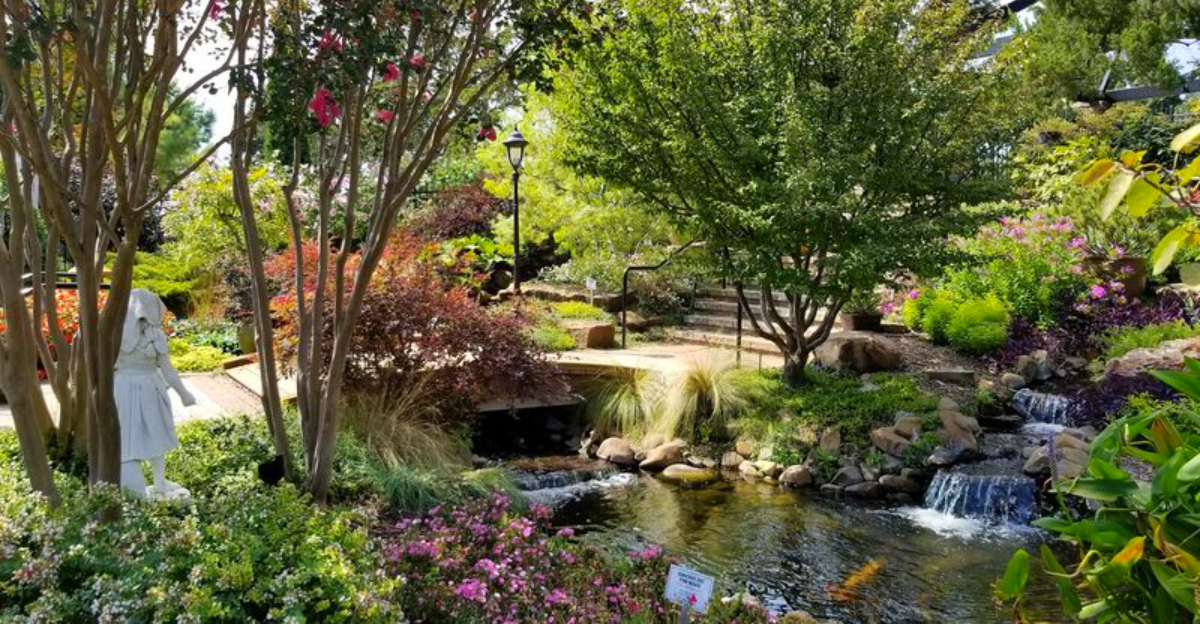
There is a place in Tulsa where thousands of roses bloom across terraced hillsides, koi glide through still ponds, and squirrels eat right out of your hand. It sounds like something you would find in a storybook, but it is very much real, free to visit, and open almost every day of the year.
Oklahoma has no shortage of beautiful outdoor spaces, but this particular garden has earned a special reputation for its jaw-dropping rose displays and its surprisingly peaceful atmosphere tucked right inside a busy city. By the time you finish reading, you will know exactly why locals keep coming back season after season.
The Garden That Tulsa Built
Woodward Park and Gardens sits at 2435 S Peoria Ave, Tulsa, OK 74114, right in the heart of one of the city’s most beloved midtown neighborhoods. The park spans 45 acres and has been a public treasure for decades, offering free admission every single day of the week from 5 AM to 11 PM.
The grounds include a Victorian-style conservatory, an arboretum, and several distinct garden sections, each with its own personality. You can call ahead at +1 918-576-5155 or browse the Tulsa Garden Center website at tulsagardencenter.org to check for seasonal events or educational programs before your visit.
Oklahoma summers can be intense, so arriving early in the morning gives you the best light for photos and the coolest temperatures for walking. The park earns a 4.7-star rating from more than 2,700 reviews, which tells you everything about how consistently it delivers a rewarding experience.
First-time visitors often say they had no idea something this beautiful existed right inside the city limits.
Thousands of Roses on Terraced Hillsides
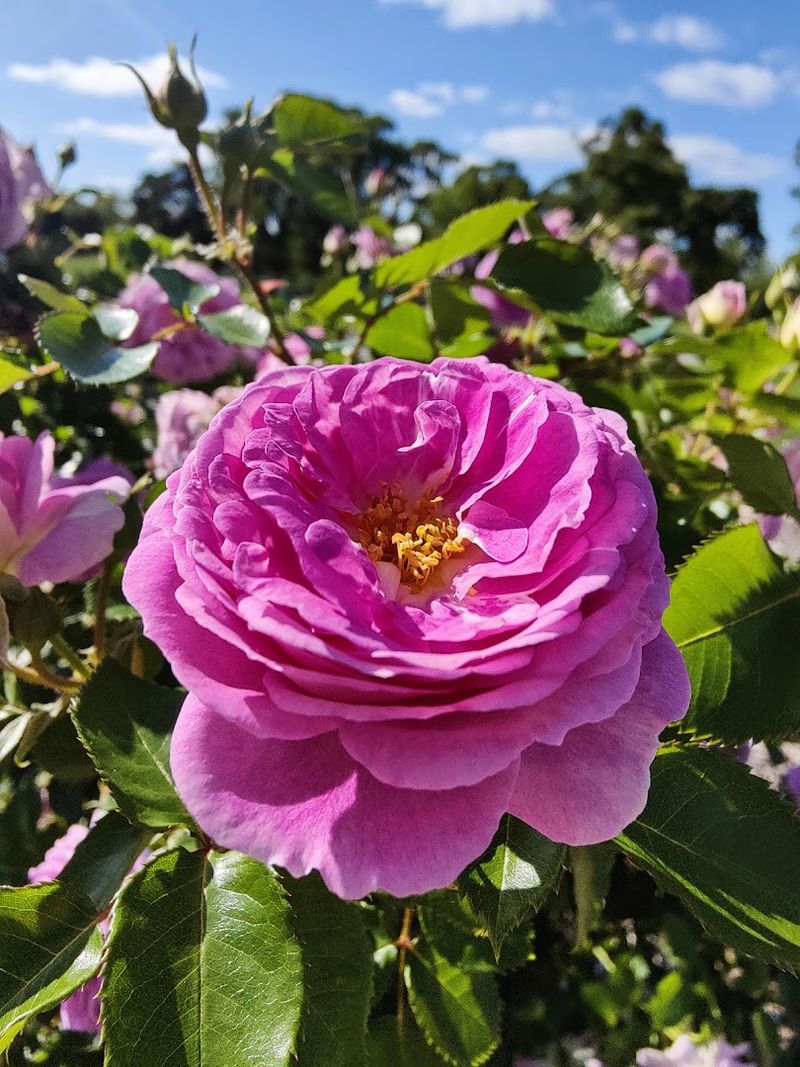
The rose garden is the crown jewel of the entire property, and once you see it in full bloom, the hype makes complete sense. Rows upon rows of roses climb across terraced levels, creating a layered display of color that stretches across a wide hillside in a way that feels almost theatrical.
Spring is peak season, typically from late April through May, when the blooms are densest and the fragrance hangs in the air all around you. The garden has drawn comparisons to the grand formal gardens of Europe, and while that might sound like an overstatement, the careful layout and sheer volume of roses genuinely support the comparison.
Dedicated gardeners on staff, including longtime rose caretakers who know every plant by name, tend to the beds with obvious pride. One staff member shared stories about the garden’s history and even explained which varieties had been growing there for generations.
The terraced design means you get a different perspective at every level, so the view keeps changing as you walk up or down the stone-edged paths.
A Victorian Conservatory Worth the Walk
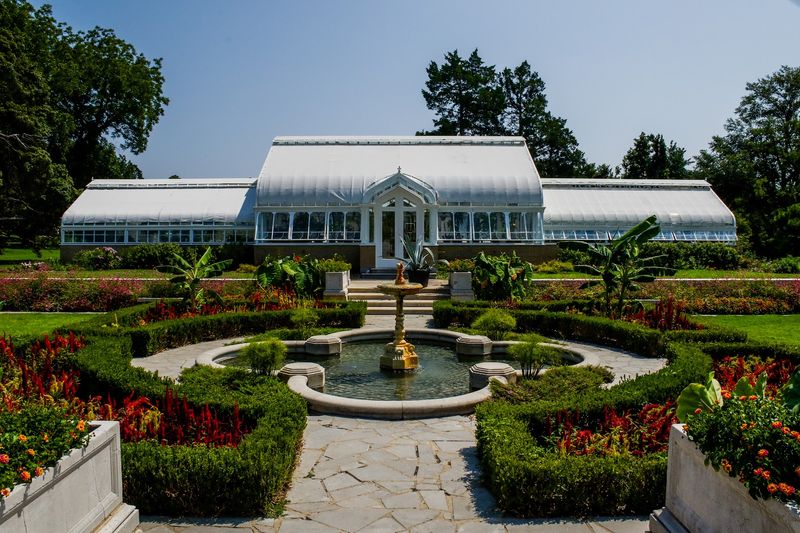
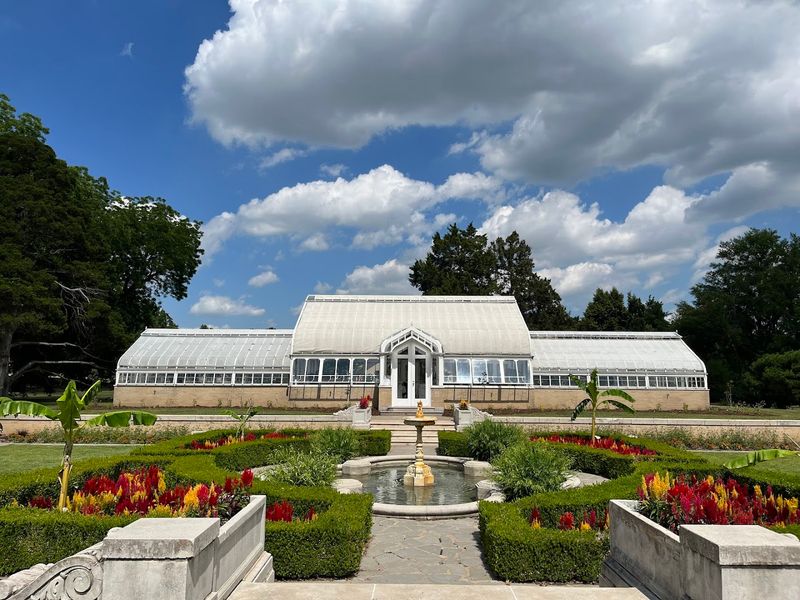
Tucked into the southeastern corner of the park, the Victorian conservatory is a genuinely beautiful structure that feels like a step back in time. Glass panels filter soft light onto lush tropical plants, ferns, and flowering specimens that would never survive an Oklahoma winter outdoors.
The conservatory is open from 9 AM to 4 PM, and a friendly receptionist inside can point you toward a park map and help you plan your route through the grounds. The building itself has an old-world charm that photographs beautifully, and the contrast between the ornate architecture and the surrounding green landscape makes for a striking visual.
Adjacent to the conservatory is a teaching center that offers surprisingly creative programming for both adults and children. There are hands-on stations where kids can learn about plant life, and display areas that give home gardeners genuinely useful ideas they can bring back to their own yards.
The teaching center does not feel like a classroom; it feels more like a discovery zone, and children tend to linger there longer than their parents expect.
The Koi Pond and Japanese-Style Garden
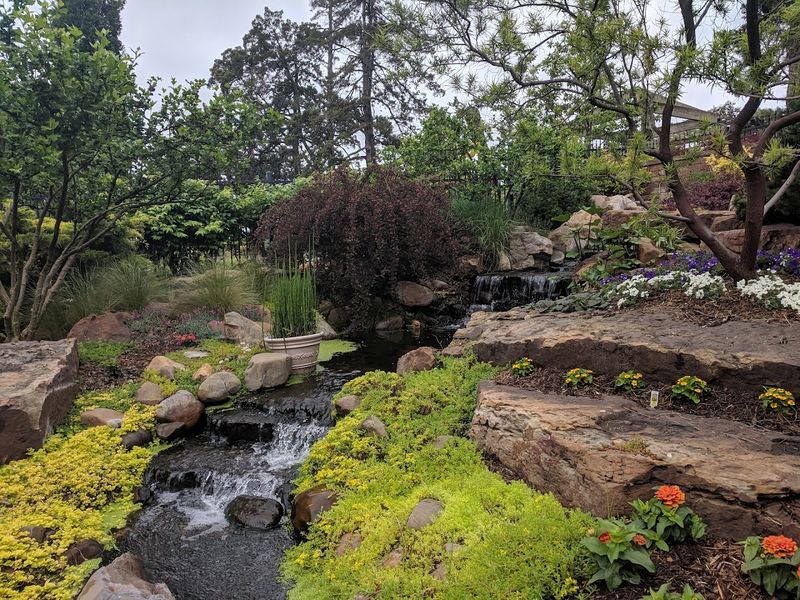
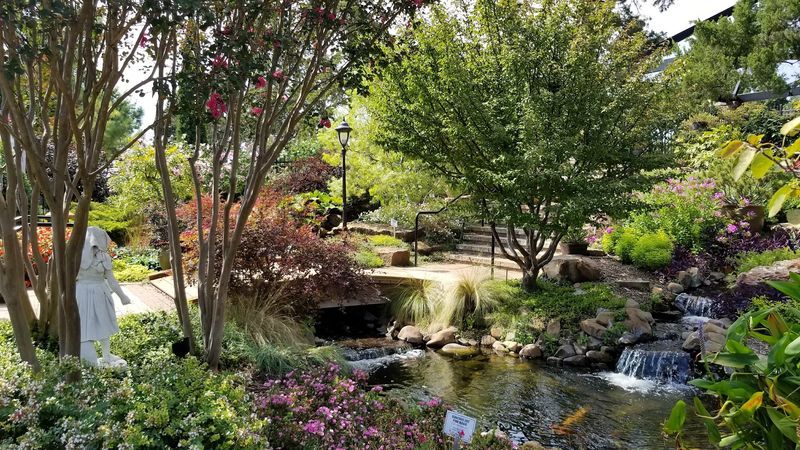
Few spots in the park invite you to slow down quite like the koi pond near the visitor center. Large, brilliantly colored fish glide just below the surface, and the surrounding plantings of water lilies and ornamental shrubs give the whole area a calm, meditative quality.
The Japanese-style design elements, including a stone bridge and carefully shaped plantings, create a space that feels intentionally restful. Visitors tend to linger here longer than anywhere else, sitting on nearby benches and watching the fish move through the clear water.
It is the kind of spot where a five-minute stop easily turns into thirty.
The sound of a small waterfall nearby adds to the atmosphere, and on quieter weekday mornings, the area feels genuinely peaceful even though it sits inside a major city. Hydrangeas bloom nearby in summer, adding soft clouds of blue and purple color to the scene.
The koi pond area alone is worth the trip, and it consistently ranks among the most photographed spots on the entire property throughout the year.
Wildlife That Practically Introduces Itself

Most parks promise wildlife sightings but deliver only a distant rustle in the bushes. Woodward Park operates on a completely different level, where the squirrels are so comfortable around people that they will climb right into your lap if you hold out a snack.
Rabbits are everywhere, darting between flower beds and lounging in the shade of old trees. One visit can easily turn into a full wildlife-watching session, with songbirds adding their calls to the mix.
A yellow-breasted bird was spotted recently allowing a visitor to stand just a foot and a half away while it sang, which is the kind of moment that tends to stick with you.
Ducks and geese patrol the wetter areas of the park, and the koi pond brings its own crowd of admirers both human and feathered. The geese, in particular, are not shy about approaching picnickers who bring food.
Oklahoma wildlife tends to be underrated, but the creatures that call Woodward home are genuinely delightful and add an unexpected layer of entertainment to every visit.
Rock Gardens and Hidden Corners to Explore
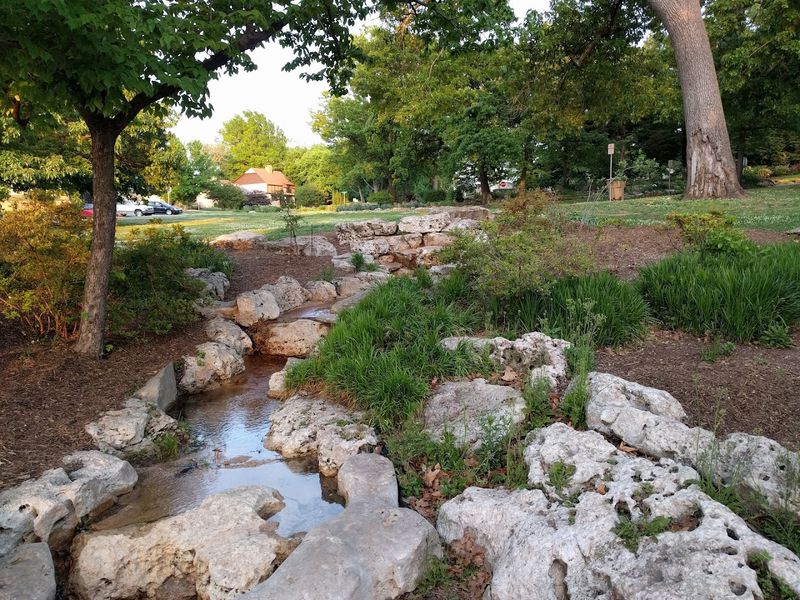
The rock gardens at Woodward Park are not as flashy as the rose terraces, but they have a quiet charm that rewards slower walkers. Upper and lower sections feature native and drought-tolerant plants tucked between layered limestone rocks, creating a naturalistic landscape that looks different in every season.
Late spring and early summer are the best times to catch these gardens at their most colorful, when ground-hugging plants fill in the spaces between stones with blooms of yellow, purple, and white. In autumn, the texture of the rocks against changing foliage creates a completely different kind of beauty.
A stream, oasis area, and waterfall feature in the northwestern corner of the park add another dimension to the grounds, though water levels can vary depending on rainfall. When the water is flowing, the sound of it over rocks makes that corner feel like a completely separate world from the formal gardens nearby.
Every corner of this 45-acre property holds something slightly different, which is why repeat visitors always seem to discover something they missed on their last trip.
The Herb Garden and Arboretum
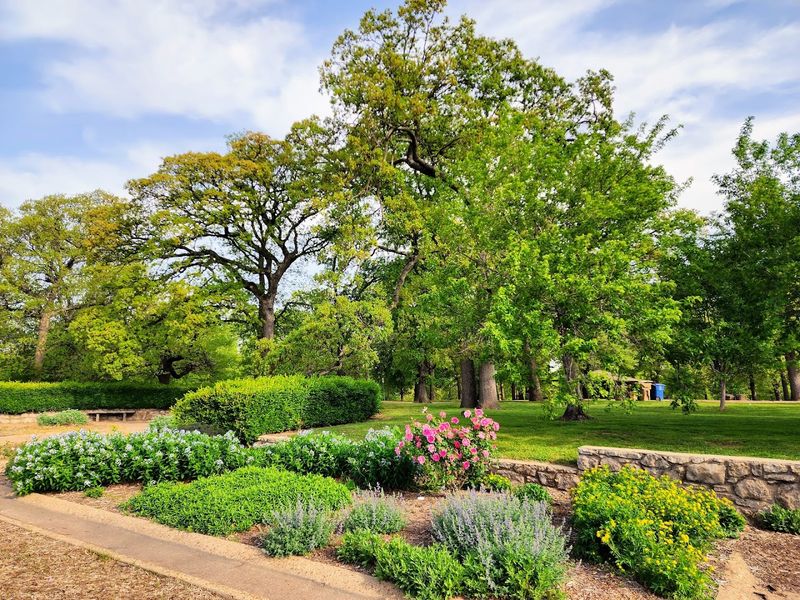
Sandwiched between the more visually dramatic sections of the park, the herb garden is a surprisingly educational stop that tends to catch visitors off guard in the best way. Dozens of culinary and medicinal plants are clearly labeled, so you can actually learn something while you stroll.
The arboretum that surrounds much of the park adds a canopy of mature trees that changes dramatically with the seasons. Fall brings deep oranges and golds, winter reveals the architectural beauty of bare branches, and spring transforms the whole place into something that looks almost artificially lush.
Gardening clubs focused on herbs, irises, and other specialty plants regularly hold meetings and events in the park’s southern facilities, which means the grounds often benefit from the expertise and passion of dedicated local growers. The herb section in particular reflects years of careful cultivation, and the plant labels make it genuinely useful for home gardeners who want to know what they are looking at.
Checking the Tulsa Garden Center website before your visit can help you time a trip to coincide with one of these club events.
The Best Seasons to Visit and What to Expect
Spring is the undisputed star season at Woodward Park, with tulips, roses, azaleas, and flowering trees all competing for attention at roughly the same time. The weeks from late April through May tend to be the most spectacular, when the terraced rose garden hits its peak and the entire property feels like it has been switched to full color mode.
Summer brings its own rewards, particularly for the koi pond, hydrangeas, and tropical plants in the conservatory. Fall delivers stunning foliage from the arboretum’s mature trees, and the park has hosted winter photo sessions in the snow that produce genuinely beautiful results.
Even in November and December, when most blooms have faded, the structure and layout of the gardens remain photogenic. The park is open every day of the week from 5 AM to 11 PM, so early morning visits in any season offer a peaceful, almost solitary experience before the crowds arrive.
Oklahoma weather can shift quickly, so checking a local forecast before heading out is always a smart move, especially during spring storm season.
Perfect for Picnics, Photos, and Family Outings
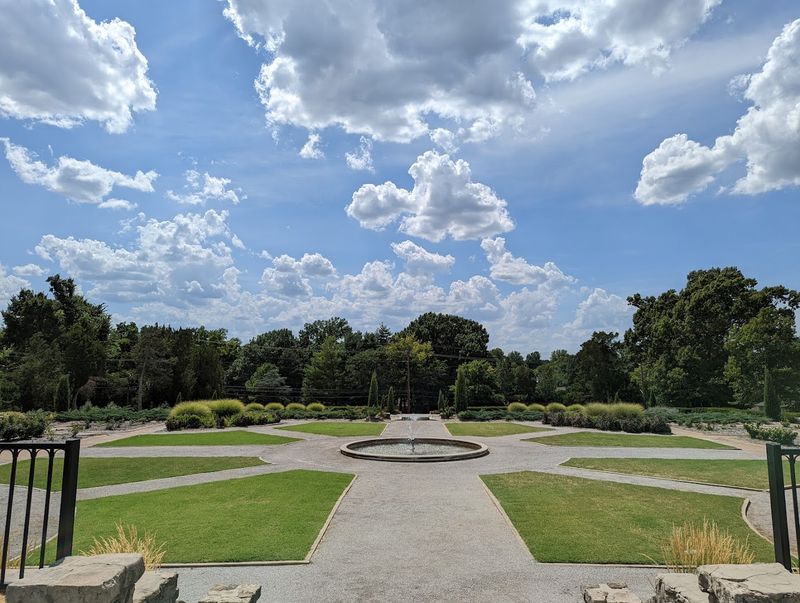
Woodward Park is genuinely one of those rare places that works equally well for a solo afternoon walk, a family outing with young kids, or a full-on photo session with a professional photographer. Picnic tables sit under the shade of massive trees, and the open lawn areas give children plenty of room to run around between garden visits.
A playground area keeps younger kids entertained while adults explore the more botanical sections of the park. Dogs on leashes are welcome, which makes the park a popular weekend destination for pet owners who want a scenic route that goes beyond the average neighborhood sidewalk.
Wedding photos, graduation portraits, and family holiday cards are all common sights here, and the variety of backdrops, from formal rose terraces to rustic rock gardens to the glass conservatory, means photographers never run out of options. The park is free to the public, which makes it an especially attractive option for families who want a full day of outdoor enjoyment without spending anything at the gate.
Bring snacks, but keep them secure, because the squirrels and geese have excellent timing.
A Living Legacy in the Heart of Tulsa
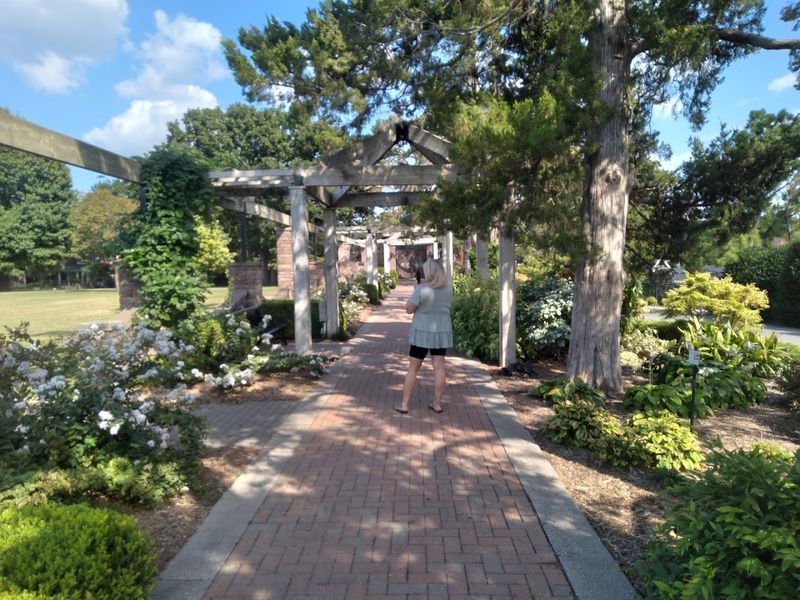
There is something quietly remarkable about a place that has been loved by multiple generations of the same families. Tulsa natives who grew up visiting Woodward Park now bring their own children, and the cycle of seasonal visits has become a tradition that stretches back decades for many local households.
The park’s combination of formal gardens, natural areas, educational programming, and open green space gives it a versatility that few public parks can match. It functions as a botanical destination, a community gathering space, a classroom, and a photography studio all at once, without feeling crowded or overcommercial.
Oklahoma has produced some genuinely impressive public green spaces, and Woodward Park belongs at the top of that list not just for its roses or its conservatory, but for the way it continues to evolve while honoring its original purpose. The dedicated staff, the volunteer gardeners, and the community organizations that use the facilities all contribute to keeping the grounds alive and relevant.
A visit here does not just leave you with good photos; it leaves you with the kind of quiet satisfaction that only a truly well-tended place can provide.



