 Unearth The Voyage
There is a building in a small Oklahoma town that stops people dead in their tracks the moment they see it. The facade looks like something lifted from a royal courtyard in Spain, with ornate carvings, gilded details, and a grandeur that feels completely out of place on a quiet Main Street.
Built in 1929, this performing arts theater has survived nearly a century of change and still draws visitors from across the country. Whether you are a history lover, a Route 66 traveler, or just someone who appreciates beautiful architecture, this place will genuinely surprise you.
Keep reading to find out what makes this theater one of the most remarkable stops in the entire state.
The Address and Location That Anchors It All
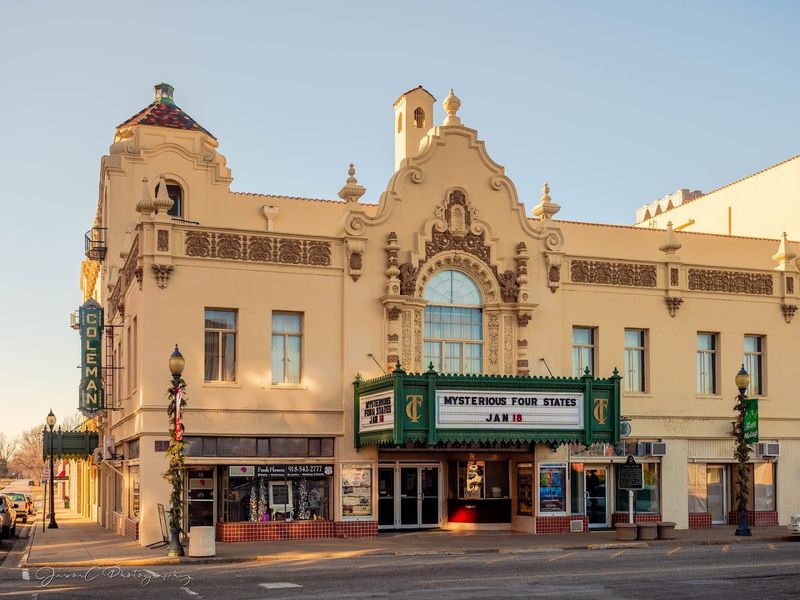
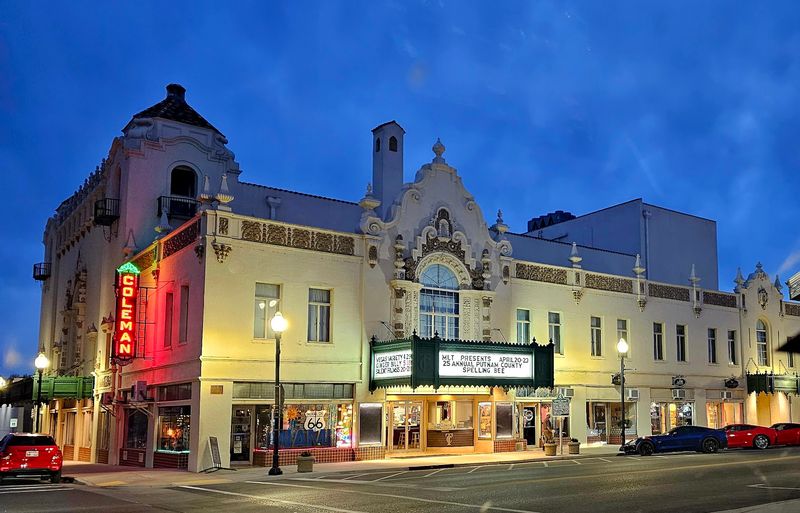
Right at the heart of downtown Miami, Oklahoma, the Coleman Theater stands at 103 N Main St, Miami, OK 74354, along the legendary Route 66 corridor. Miami is a small city in Ottawa County in the northeastern corner of the state, and the theater sits squarely on its main commercial strip.
The building is hard to miss. Its cream-colored facade is dressed in intricate terracotta detailing, and the vertical marquee sign reaches upward like a beacon calling travelers to stop and look twice.
Miami itself is a Route 66 town with genuine character, and the Coleman is its crown jewel. Many visitors only plan to slow down for a photo, but they end up staying for a full tour once they realize what is inside.
The theater is reachable by phone at +1 918-540-2425, and their website at thecolemantheatre.org has current showtimes, tour info, and event listings. Parking along Main Street is easy, and the building is walkable from several local spots worth exploring nearby.
A 1929 Origin Story Worth Knowing
The year was 1929, and lead and zinc mining baron George L. Coleman Sr. had a vision that went well beyond mineral extraction.
He wanted to give his community something lasting, something that would outlive the boom-and-bust cycles of the mining industry.
Coleman commissioned a theater that would rival the finest venues in major American cities. The result was a Spanish Mission Revival masterpiece designed by the Boller Brothers architectural firm, who were known for their elaborate movie palace designs across the Midwest.
The building cost approximately $600,000 to construct, which was an extraordinary sum at the time. Every dollar showed in the hand-carved woodwork, imported silk wall coverings, and the custom-designed carpets that graced the floors.
The theater opened on April 23, 1929, just months before the stock market crash that would reshape the nation. That timing made the Coleman’s survival even more remarkable.
It operated continuously for decades, then fell into disrepair before a dedicated community restoration effort brought it back to its original splendor.
The Spanish Mission Revival Architecture Up Close
The outside of the Coleman Theater is the kind of facade that makes you put your phone away and just look. The Spanish Mission Revival style gives the building a warmth and grandeur that feels almost theatrical before you even step through the doors, which is entirely appropriate.
Terracotta ornamental details cover the upper portions of the facade in repeating motifs of scrollwork, floral patterns, and decorative shields. The arched entryway frames the main entrance with a sense of ceremony that modern buildings rarely attempt.
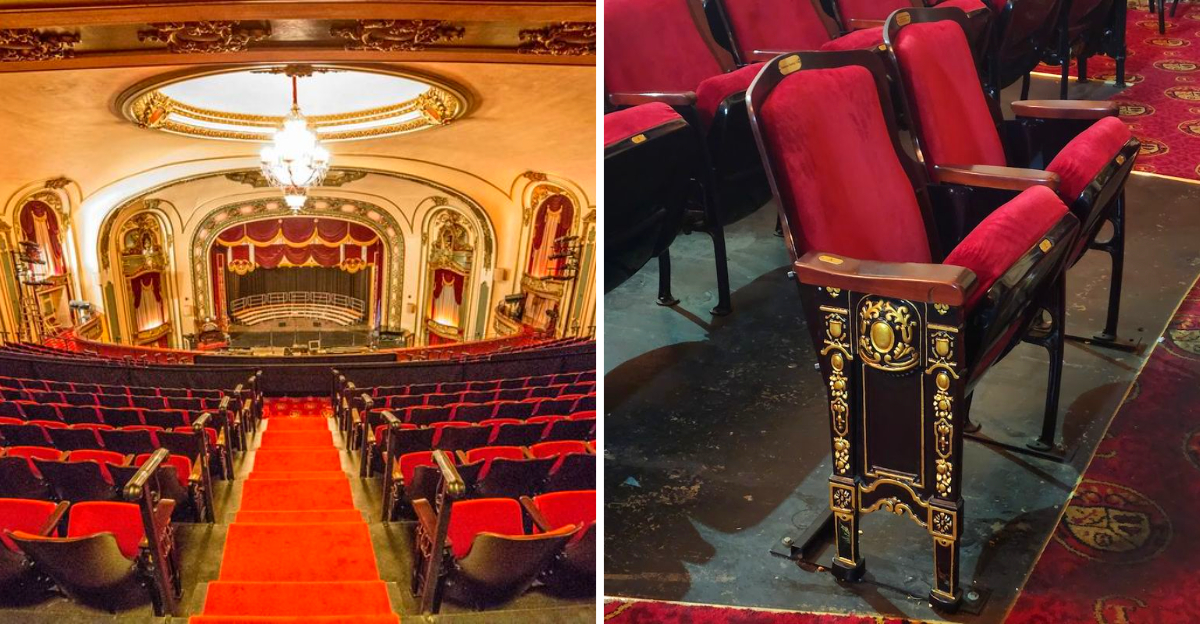
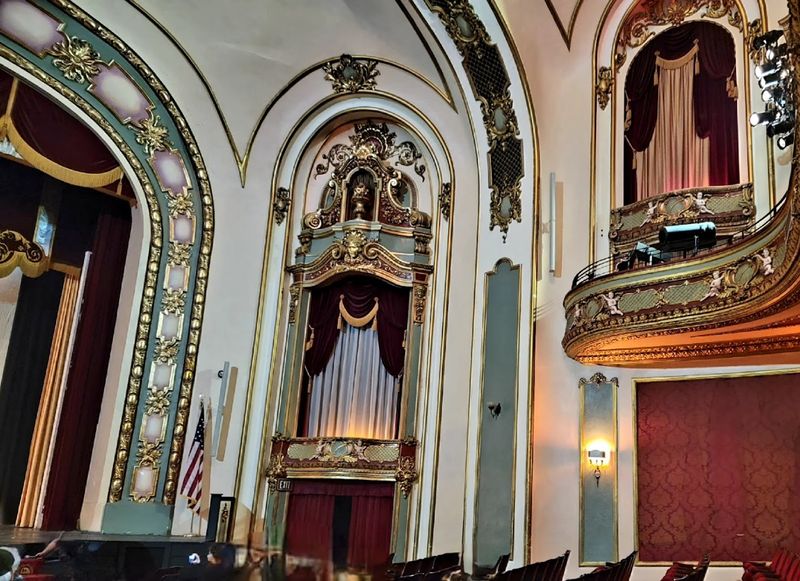
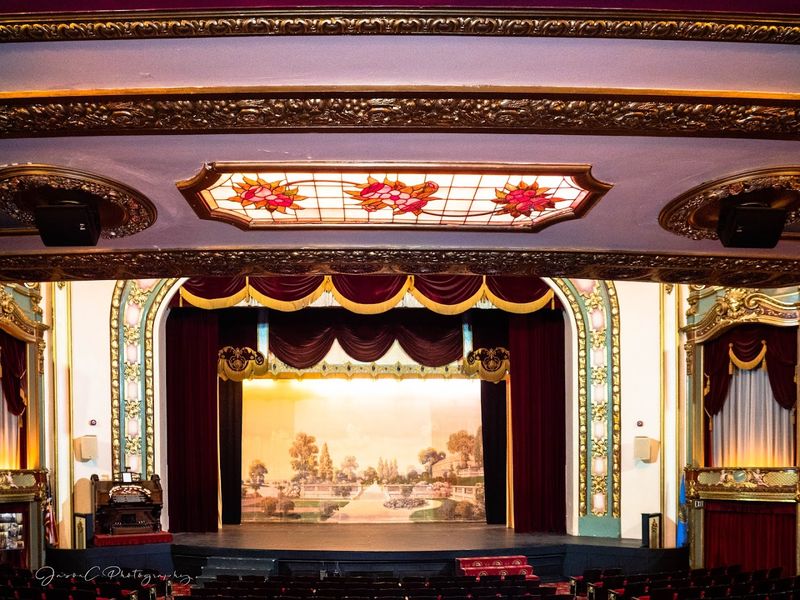
Inside, the architectural drama only intensifies. Gold-leafed accents catch the light across the ceiling and balcony edges.
Custom carpet patterns flow across the floors in rich colors that were specifically designed for this space.
The balcony railings feature carved details that reward close inspection. Stained glass panels glow beneath the balcony level, backlit to show off their full range of color.
The whole interior feels curated rather than constructed, as if someone spent years deciding exactly where every gilded curl and painted motif should land.
The Mighty Wurlitzer Organ and Its Legendary Sound
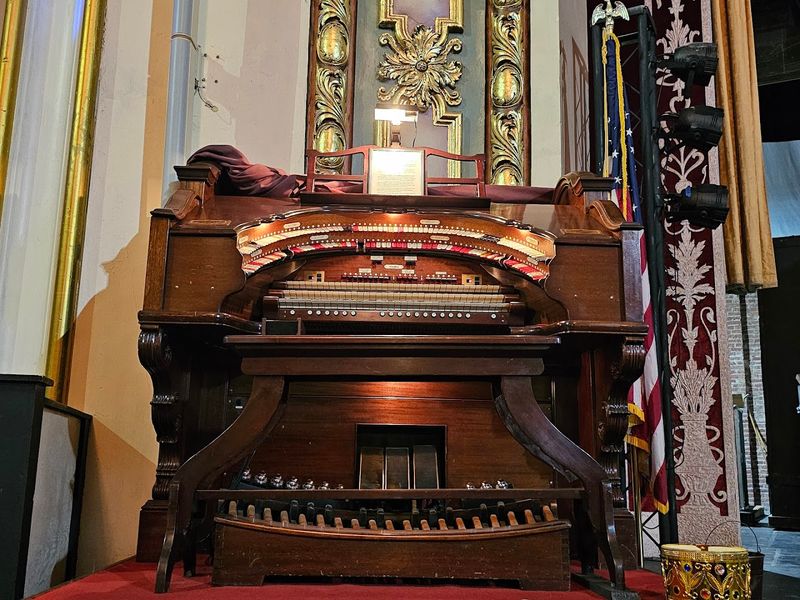
Few things at the Coleman Theater generate as much excitement as the Mighty Wurlitzer organ. This is not a small instrument tucked into a corner.
The pipes are hidden on both sides of the stage, concealed behind what visitors might initially mistake for decorative box seating.
The Wurlitzer was originally installed when the theater opened in 1929, and it was used to accompany silent films during that era. When the restoration of the theater took place, the organ was carefully recovered and brought back to full working condition, which is a rare achievement.
During tours, guides often treat visitors to a live demonstration of the organ, and the sound it produces fills the entire auditorium in a way that is genuinely surprising. The low notes vibrate in your chest while the higher registers float up toward the ornate ceiling.
Silent film screenings with live organ accompaniment are among the most beloved events on the Coleman’s calendar. Hearing the Wurlitzer play a Buster Keaton film score in that room is an experience that stays with you long after you leave Miami, Oklahoma.
Free Tours That Reveal Hidden Details
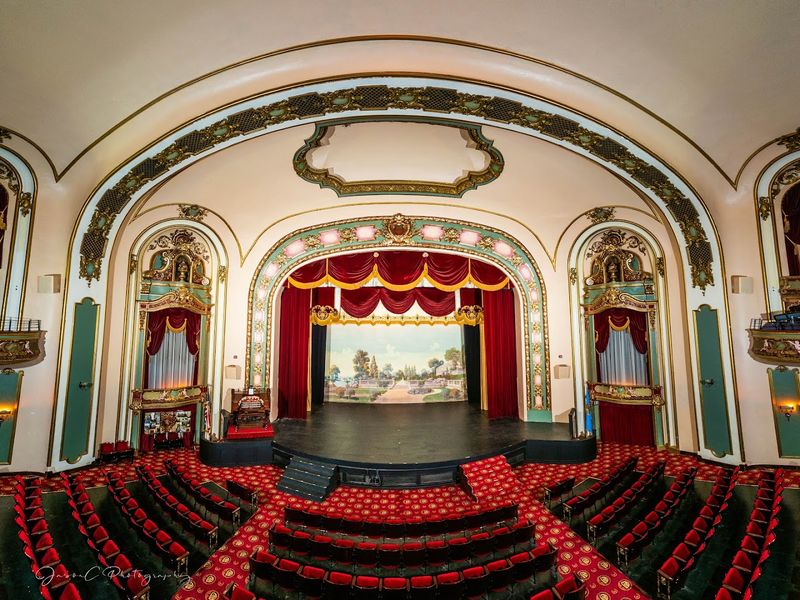
One of the best-kept secrets about the Coleman Theater is that tours are completely free, though donations are warmly welcomed and genuinely needed to keep the restoration work ongoing. The guides who lead these tours bring the building to life in ways that photographs simply cannot replicate.
Tour guides are deeply knowledgeable about both the architectural details and the human history of the space. They walk visitors through the auditorium, the balcony, and backstage areas, pointing out details that most people would walk right past on their own.
One of the more surprising stops on the tour is George Coleman’s personal safe, which is still in the building. Visitors are invited to try guessing the combination, and the standing legend is that whoever cracks it earns a kind of informal fame among Coleman regulars.
The imported silk wall coverings, the hand-carved woodwork, and the stories behind specific restoration choices all come alive during the guided experience. Even locals who have lived in Miami for decades often discover something new on their first official tour of this extraordinary Oklahoma landmark.
The Chandelier and the Ceiling That Demands Your Attention
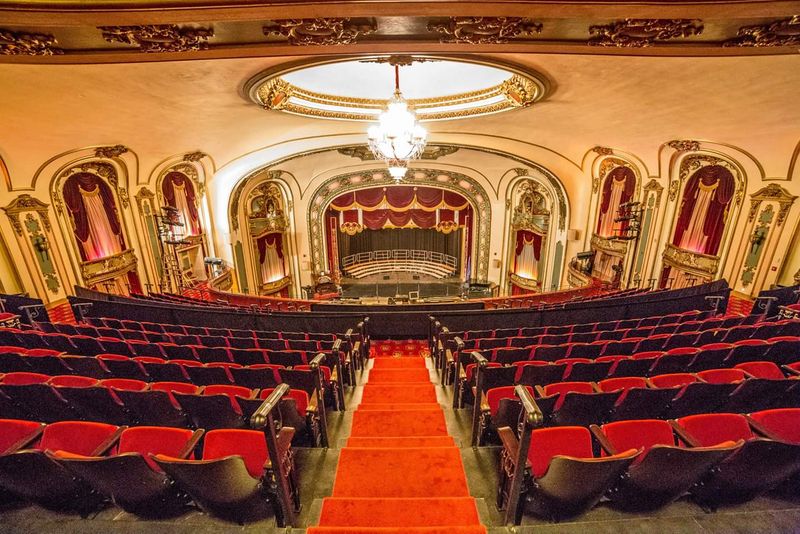
The moment you walk into the main auditorium and look up, the ceiling takes over your entire field of vision. The central chandelier hangs with a confident elegance, its light casting warm tones across the gilded plasterwork that surrounds it in concentric rings of decorative detail.
The ceiling is not just painted. It is layered with sculpted plaster relief work that creates depth and shadow, giving the room a three-dimensional quality that shifts depending on where you are standing.
From the back of the orchestra level, the whole ceiling reads almost like a painting.
The chandelier itself is a period piece that was part of the original 1929 design. Restorers worked carefully to preserve and restore it rather than replace it, which means what you see today is genuinely close to what audiences saw when the theater first opened nearly a century ago.
At night, when the house lights are fully lit before a show, the chandelier and ceiling together create an atmosphere of occasion. You feel the weight of all those years of performances happening in that same golden light, under that same spectacular ceiling.
Route 66 Travelers and the Coleman Connection
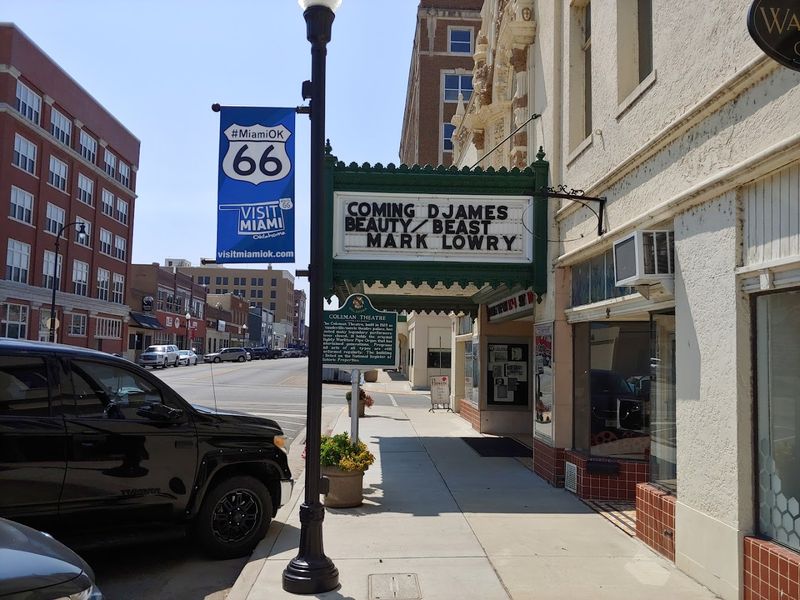
The Coleman Theater sits directly on Route 66, which is one of the most celebrated road trip routes in American history. For travelers making their way along the Mother Road, Miami, Oklahoma is a natural stop, and the theater is the anchor attraction that makes the detour worthwhile.
The Coleman is also an official stop on the Oklahoma Route 66 passport program, which means dedicated road trippers are specifically seeking it out as part of a larger journey through the state’s historic highway towns.
Many visitors arrive planning to spend ten minutes taking photos of the exterior and end up staying for a full tour. The staff has a reputation for being exceptionally welcoming, often opening the doors even when the theater is technically closed to let curious travelers sneak a quick peek inside.
The Route 66 connection adds a layer of American mythology to an already remarkable building. The theater opened the same year the highway was officially certified as a federal route, which means the Coleman and Route 66 grew up together, sharing the same era of American optimism and ambition that defined the late 1920s.
Live Performances That Keep the Tradition Alive
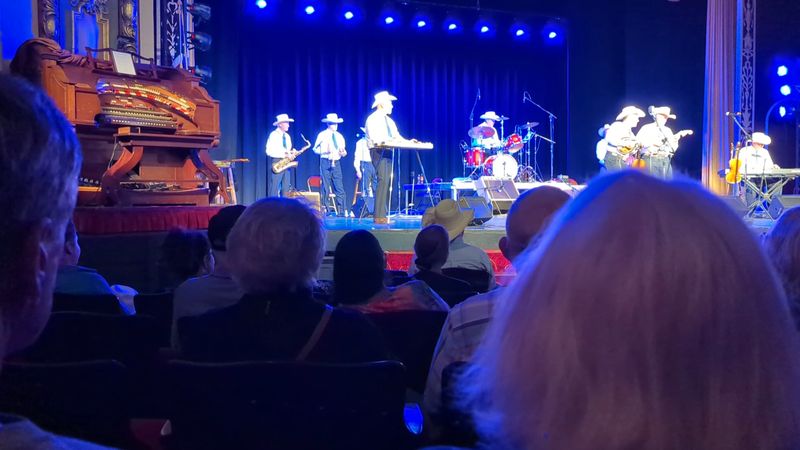
The Coleman Theater is not a museum that happens to have seats. It is a fully functioning performing arts venue that hosts musicals, plays, concerts, and film screenings throughout the year.
The calendar stays active, and the variety of programming reflects the theater’s commitment to serving both locals and visitors.
The intimate size of the auditorium is one of its greatest strengths as a performance venue. With the relatively modest seating capacity, there is no bad seat in the house, and the acoustics are designed in a way that makes live music feel especially present and warm.
Past events have included everything from classical concerts and operas to silent film nights with live Wurlitzer accompaniment. Community theatrical productions share the stage with touring acts, creating a program that spans generations and tastes.
Local families have deep roots with the Coleman. Senior proms have been held here, school performances have filled its seats, and holiday events draw crowds every year.
The theater functions as a genuine community gathering space, which is exactly what George Coleman intended when he built it for the people of Miami, Oklahoma back in 1929.
The Native American Chair Dedications Inside the Auditorium
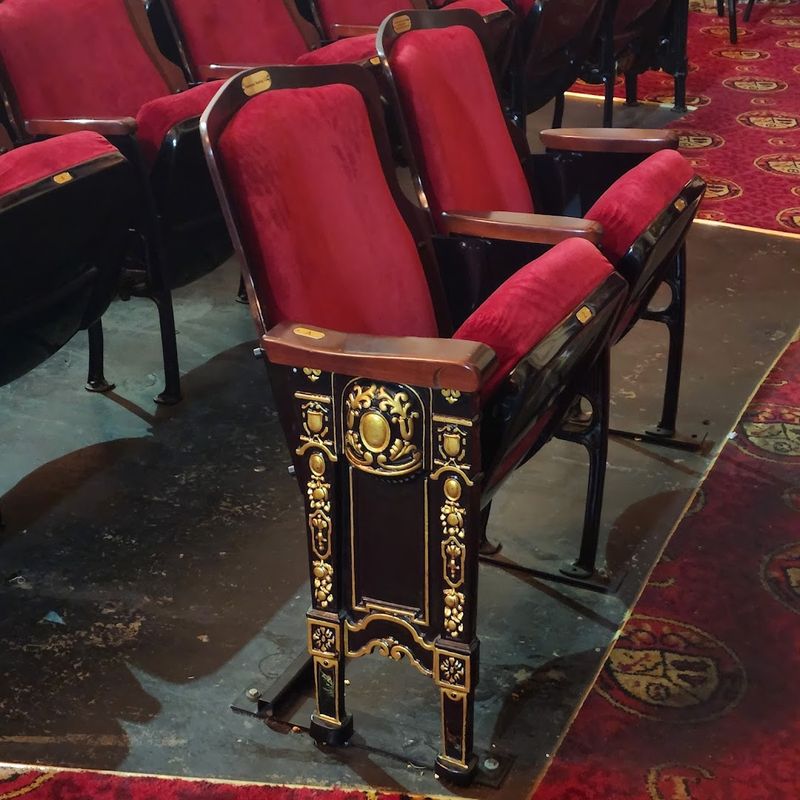
One of the most quietly moving details inside the Coleman Theater is easy to overlook if you are not paying close attention. Several of the auditorium seats carry name plates dedicating them to delegates representing the Native American tribes of the region.
Oklahoma has deep and complex ties to Native American history, and these chair dedications serve as a solemn acknowledgment of that legacy within the walls of the theater. The presence of those names in this ornate space creates a contrast that is genuinely thought-provoking.
Visitors who notice the dedications often pause and take a moment to reflect. The theater, for all its gilded grandeur and entertainment history, also carries this layer of historical weight that connects it to something much larger than one mining baron’s civic ambition.
The dedications are part of what makes a tour of the Coleman richer than a simple architectural walkthrough. The building holds multiple stories simultaneously, and the guides do a thoughtful job of honoring all of them.
It is a place that rewards quiet attention and a willingness to sit with the full complexity of Oklahoma’s past.
The Restoration Story and the Community Behind It
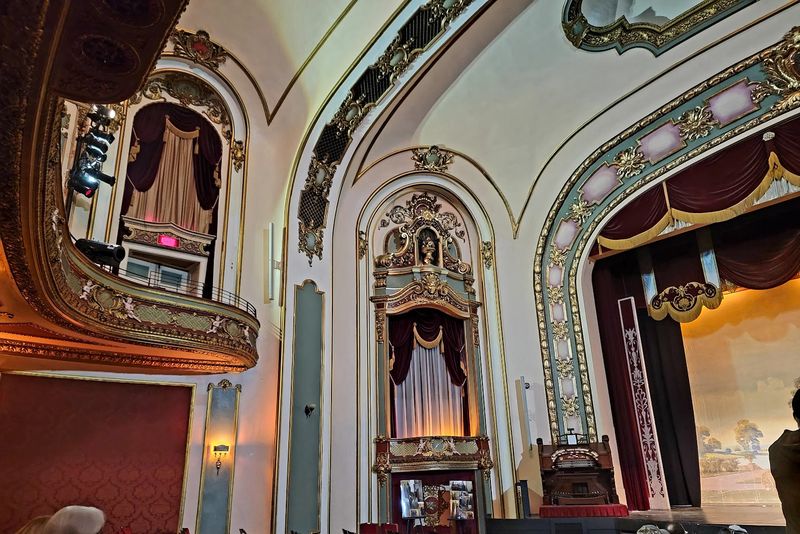
By the mid-twentieth century, the Coleman Theater had fallen into serious disrepair. The ornate plasterwork was crumbling, the silk wall coverings were deteriorating, and the Wurlitzer organ sat silent.
The building that George Coleman had built as a gift to his community was at genuine risk of being lost.
What happened next is a story about what a determined community can accomplish. Local residents, preservation organizations, and civic leaders rallied around the theater and launched a multi-decade restoration effort that eventually returned the building to something very close to its 1929 condition.
The work required sourcing period-appropriate materials, replicating original decorative elements, and carefully restoring the organ rather than replacing it. Craftspeople with specialized skills in historic preservation were brought in to handle the most delicate aspects of the project.
The result is a restoration that feels authentic rather than reconstructed. The patina of age is still present in places, which actually adds to the character rather than detracting from it.
The Coleman stands today as proof that community investment in cultural heritage can produce something genuinely extraordinary, and Oklahoma is richer for it.
Practical Tips for Planning Your Visit
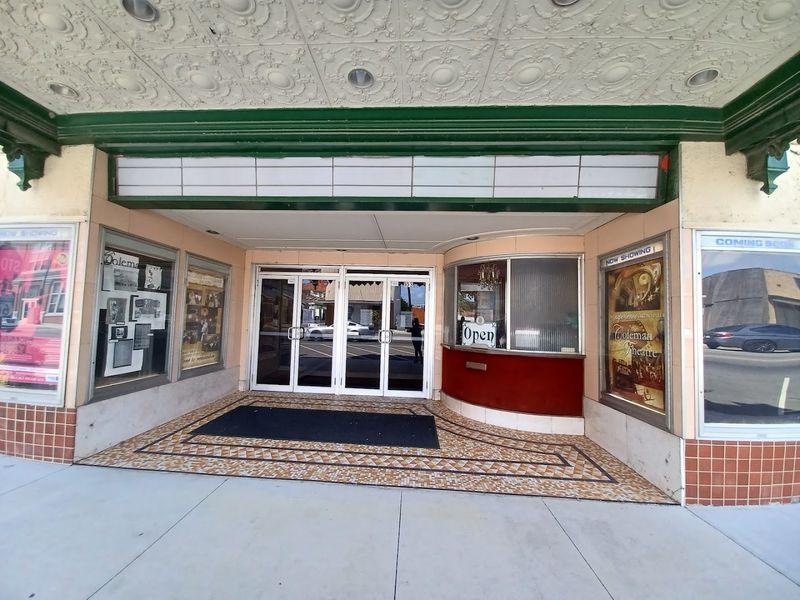
The Coleman Theater is open for tours on a regular schedule, but hours can vary depending on the season and event calendar, so checking thecolemantheatre.org or calling +1 918-540-2425 before you visit is a smart move. Tours are free, and the staff is genuinely welcoming to walk-ins when the building is open.
If you want to attend a live performance, booking tickets in advance is recommended since the intimate venue fills up quickly for popular shows. The seating is comfortable, and the sight lines from virtually every seat in the house are excellent thanks to the theater’s relatively compact design.
Miami is about 90 miles northeast of Tulsa, which makes it a solid day trip from the Tulsa metro area. If you are traveling Route 66, the Coleman fits naturally into a broader itinerary that includes other historic stops along the highway through northeastern Oklahoma.
Arriving during daylight hours gives you the best light for exterior photography, but the theater’s interior is warmest and most dramatic under its own house lighting. Either way, bring a camera with decent low-light capability, because the details inside deserve more than a quick phone snap.
Why the Coleman Stays With You Long After You Leave
There are buildings you visit and forget within a week, and then there are places that quietly take up residence in your memory. The Coleman Theater belongs firmly in the second category, and most visitors seem to feel that way based on how enthusiastically they talk about it afterward.
Part of what makes it linger is the combination of scale and detail. The theater is grand enough to impress but intimate enough to feel personal.
You do not feel lost inside it the way you might in a massive concert arena.
The human stories layered into the building also contribute to its staying power. The mining baron who built it, the community that saved it, the performers who have stood on its stage, and the families who have made memories in its seats all leave something behind in the atmosphere of the place.
Oklahoma has plenty of history worth exploring, but the Coleman Theater offers something rarer than mere history. It offers continuity, a living connection between 1929 and today, between a vision one man had for his town and the reality that his community chose to honor and preserve for everyone who walks through those ornate doors.



