 Unearth The Voyage
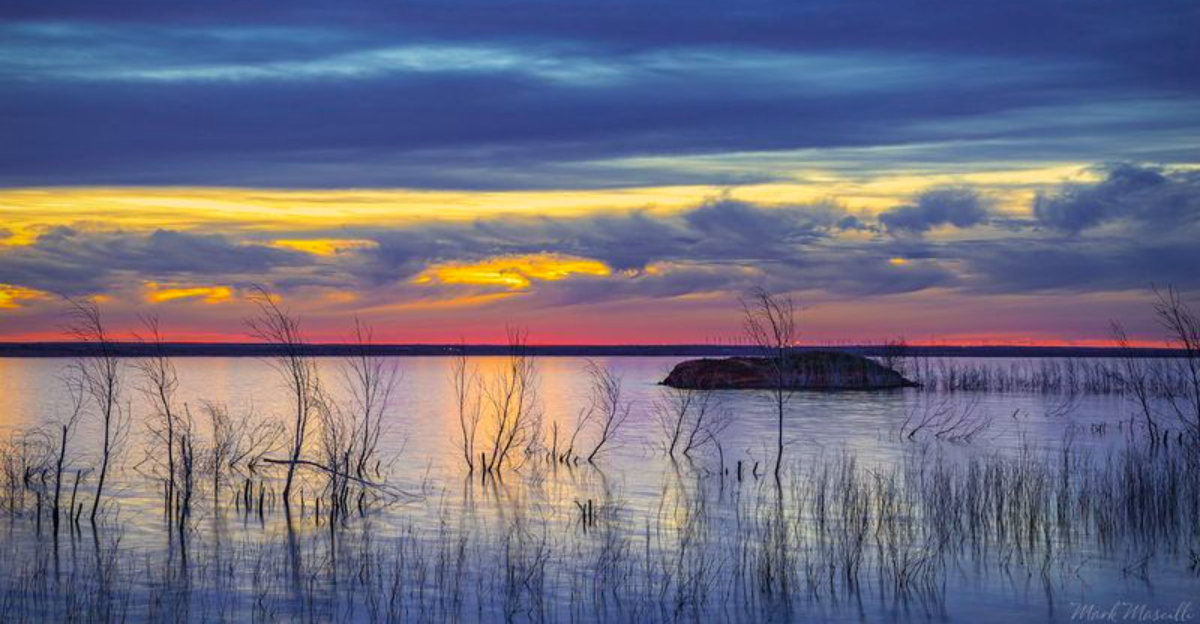
There is a spot in western Oklahoma where the sky stretches wide, the water shimmers in every direction, and the only thing on your to-do list is to relax. I stumbled across this place while planning a road trip through the region, and I honestly did not expect to be this impressed.
Trails wind through open meadows, a sandy beach waits for families with kids and dogs, and the sunsets over the reservoir are the kind you stop and stare at without saying a word. By the time I left, I was already thinking about when I could come back.
Keep reading, because this park checks every box you did not even know you had.
Where It All Begins: Address and Setting
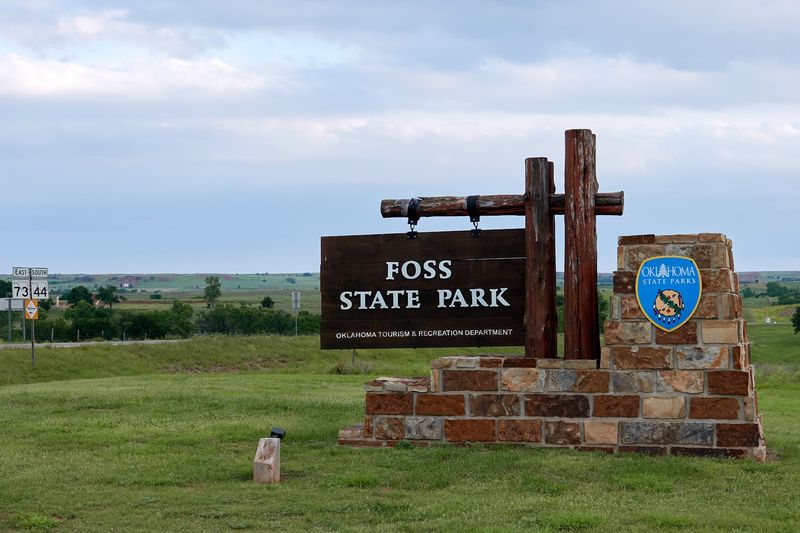
The drive out to Foss State Park already sets the mood. The address is 10252 Oklahoma, OK-44, Foss, OK 73647, and it sits roughly nine miles off Interstate 40 in western Oklahoma, near the small town of Foss.
The landscape shifts as you get closer, with flat plains giving way to rolling terrain and the glittering surface of Foss Lake peeking through the trees. The first thing I noticed pulling up was how big everything felt, the sky, the water, and the park itself.
The park covers a large stretch of shoreline around the reservoir, with multiple distinct campground areas, picnic zones, a visitor center, a marina, and a boat ramp. Each section of the park has its own feel, from wooded and tucked-away to wide open with panoramic water views.
The park opens at 8 AM daily and closes at 7 PM. You can reach the park by phone at +1 580-592-4433 or check out details at travelok.com.
Arriving early on a weekday gives you the best pick of spots and the most peaceful experience before the weekend crowd rolls in.
Cedar Point Campground: The Crown Jewel of the Park
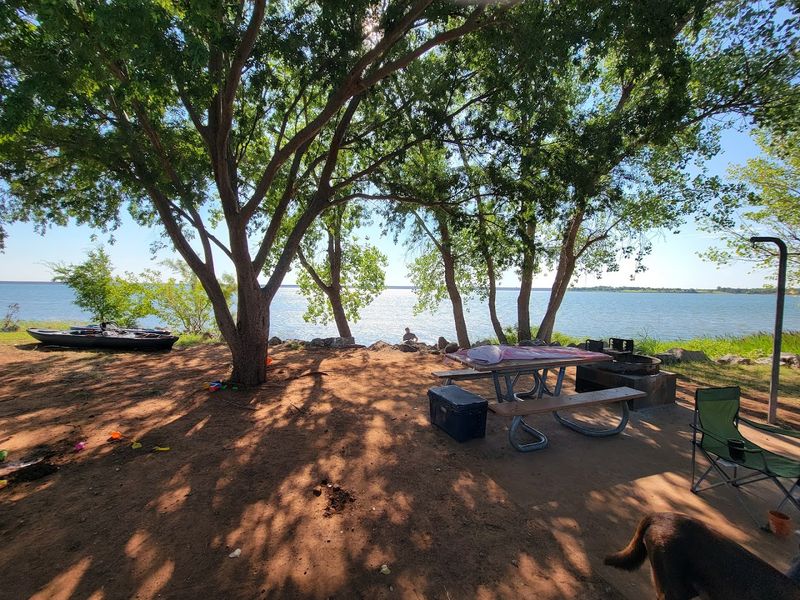
Ask anyone who has camped here and they will point you straight to Cedar Point, specifically site CP001, which perches right on the tip of the point overlooking the reservoir with its own private path down to the water.
The sites at Cedar Point are paved, level, and equipped with electric and water hookups. Each one comes with a solid picnic table and a well-built fire ring that makes evening campfires feel like a proper event rather than an afterthought.
The views from these sites are genuinely hard to beat. You wake up to the lake on three sides, watch the morning light spread across the water, and fall asleep to the sound of gentle waves.
Fruit trees dot the campground, adding a bit of unexpected color to the scenery.
One thing to note: flies can be active during the day but tend to disappear around dusk, so evenings at Cedar Point are especially pleasant. The bathhouse is clean, well-maintained, and has reliable water pressure, which matters more than you might think after a long day outdoors.
Book early, because this section fills up fast.
The Heart Healthy Trail: Easy Walking With Big Rewards
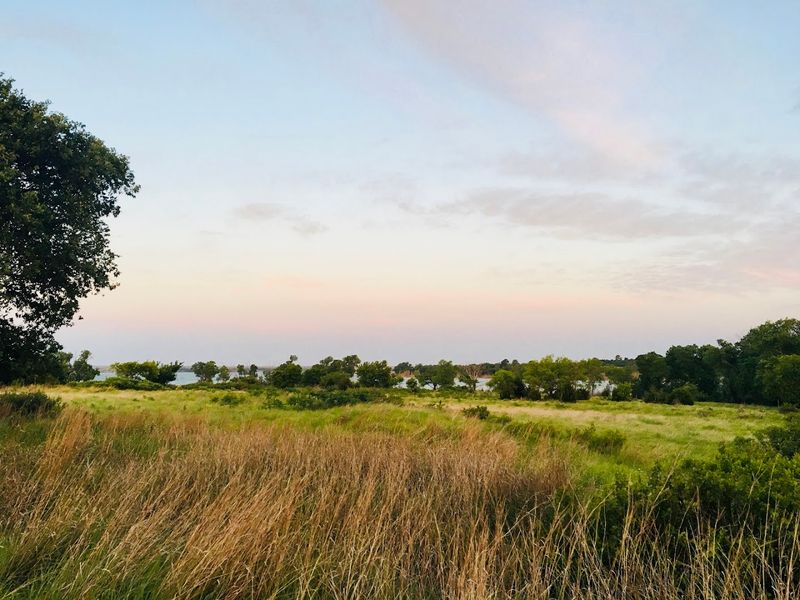
Not every trail needs to be a grueling uphill battle to be worth your time. The Heart Healthy Trail at this park is proof of that, offering a mostly level route that winds through open meadows and into shaded tree lines without asking too much of your knees.
The path is wide and easy to follow, making it a great choice for families, older visitors, or anyone who just wants a peaceful walk without scrambling over rocks. I spotted two white-tailed deer on the trail at dusk, which felt like a bonus I had not paid for.
Native grasses line the sides of the trail, and birds are active throughout the day, so bringing a pair of binoculars is not a bad idea. The trail connects you to different parts of the park and gives you a ground-level appreciation for the western Oklahoma landscape that you simply cannot get from a car window.
The trail is also a great morning option before the heat of the day sets in. Comfortable walking shoes are all you need, and the flat terrain means even younger kids can handle the full route without complaints.
It is a quiet, rewarding experience from start to finish.
Sandy Beach and the Swim Area: Fun in the Sun
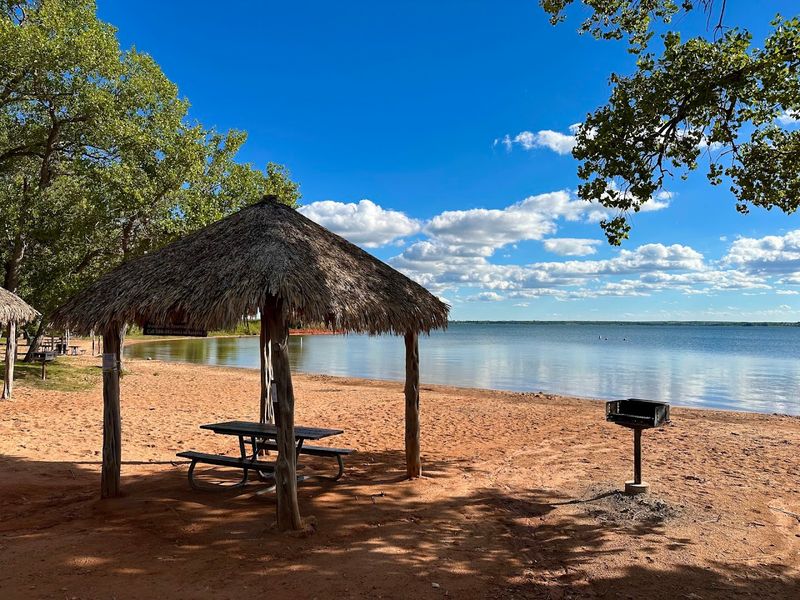
There is something genuinely fun about finding a proper sandy beach in the middle of western Oklahoma. The swim area at Foss State Park offers a sandy shoreline where the water stays clear and surprisingly cool, making it a solid spot for a summer afternoon.
Cabanas are set up near the beach, giving families a shaded place to rest between swims. The water is shallow enough near the shore for young kids to wade in safely, and the sand extends out a good distance before the bottom shifts.
My preschool-aged travel companion had an absolute blast here and refused to leave without a negotiation.
There is a day-use fee of around ten dollars to access the beach area, which is worth factoring into your budget. The beach can get busy on weekends and holidays, so a mid-week visit gives you more room to spread out and enjoy the space without the crowds.
Dogs are welcome in certain areas of the park, and several visitors brought their pups right down to the water for a swim. The combination of sand, clear water, and open sky makes this beach a genuine highlight of the park, especially for families looking for a low-cost, high-fun outing in Oklahoma.
Foss Lake: A Reservoir That Earns Its Reputation
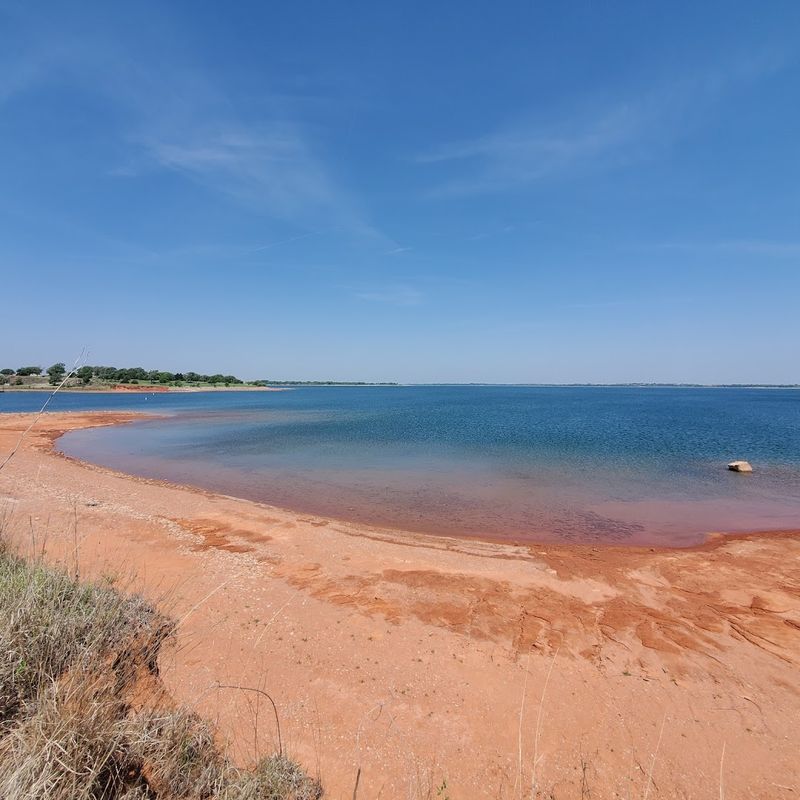
Foss Lake is massive, and that is not an overstatement. The reservoir covers thousands of acres and stretches in multiple directions, meaning no two spots along the shoreline offer quite the same view.
Boaters, anglers, and kayakers all share the water, and on calm mornings the surface is almost mirror-flat.
The lake is a central feature of the entire park experience. Almost every campsite, picnic area, and trail has some relationship to the water, whether it is a direct lakeside view or a path that winds toward the shoreline.
The clarity of the water is one of the most remarked-upon details, staying crystal clear in the shallows before deepening into cooler blue farther out.
Fishing is popular here, though busy holiday weekends can mean heavy boat traffic that makes casting a line a bit tricky. Early mornings and weekday visits tend to offer calmer conditions for anglers.
Sunrise and sunset views over the lake are legitimately beautiful, with the sky reflected across the wide water in shades of orange and pink.
The marina is available for boaters, though it was under construction during my visit and only partially operational. Even so, the boat ramp remained accessible, and the view from the ramp alone made the short detour worthwhile.
Foss Lake delivers on every visual promise the park makes.
The Visitor Center: Your First Stop for Maps and More
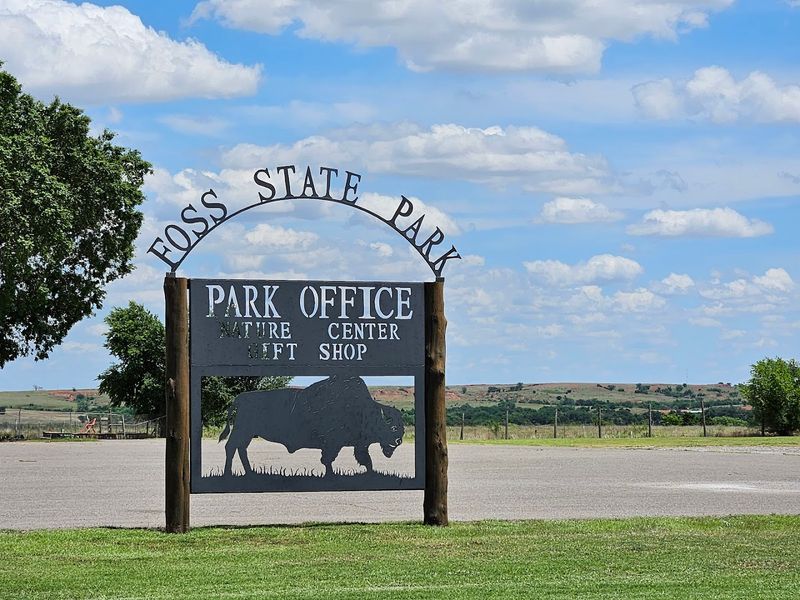
A good visitor center can set the tone for an entire park visit, and the one at Foss State Park does exactly that. The space is clean, well-organized, and staffed by knowledgeable rangers who seem genuinely happy to help you figure out where to go and what to do.
One of the first things you notice inside is a beautifully preserved white deer on display, which is a striking and unexpected sight. The center also carries maps, a small selection of souvenirs, and informational materials about the park’s natural history and local wildlife.
It is the kind of place where you go in for a map and end up staying twenty minutes longer than planned.
The staff takes real pride in the space and in the park overall. The ranger I spoke with knew the campground layouts by heart and gave me specific tips about which sites had the best lake views, which saved me a lot of guesswork.
That kind of personalized help is rare and genuinely useful.
If you arrive without a reservation, the visitor center is the right place to check on availability and get oriented before driving through the park. Oklahoma State Parks manages the booking system online, but the staff here can point you in the right direction for any last-minute needs.
Start here and you will not waste a single minute.
Picnic Areas and Family Spaces: Built for Slow Afternoons
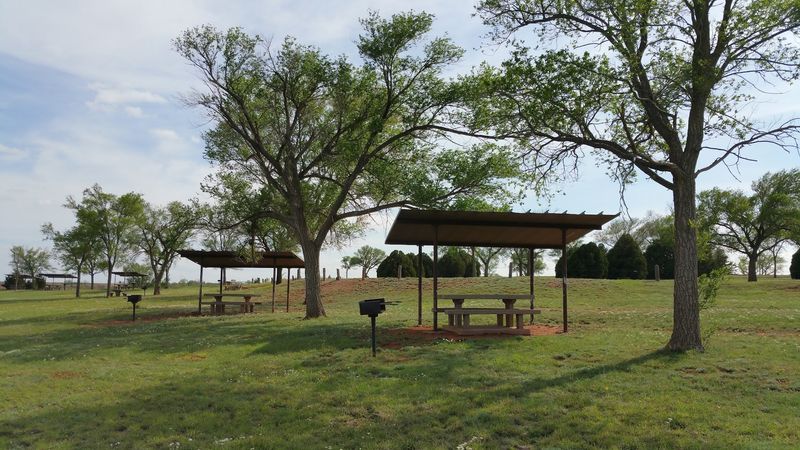
Some of the best moments at this park happen at a picnic table with nothing more pressing on the schedule than watching a heron land on the water. The picnic areas here are genuinely well-placed, offering shade, lake views, and enough space to spread out without feeling crowded.
Just outside the Cedar Point campground, there are dedicated picnic spots, tent camping areas, and a small playground for younger kids. A disc golf course is also set up nearby, which adds a fun, active option for groups who want something more than sitting still.
The whole area feels thoughtfully laid out rather than randomly assembled.
Tables are in good condition, and the grounds around the picnic zones are kept tidy. Bringing a cooler with lunch and spending a few hours at one of the lakeside tables is one of the simplest and most satisfying ways to enjoy the park, especially on a day when the weather cooperates.
Families with kids of different ages tend to do well here because there are enough varied activities within a short walk of each other. Younger children have the playground, older kids can tackle the disc golf course, and adults can simply sit and enjoy the view.
It is the kind of place that earns its reputation through small, well-considered details rather than flashy attractions.
Cottonwood Campground: A Quieter Alternative Worth Knowing
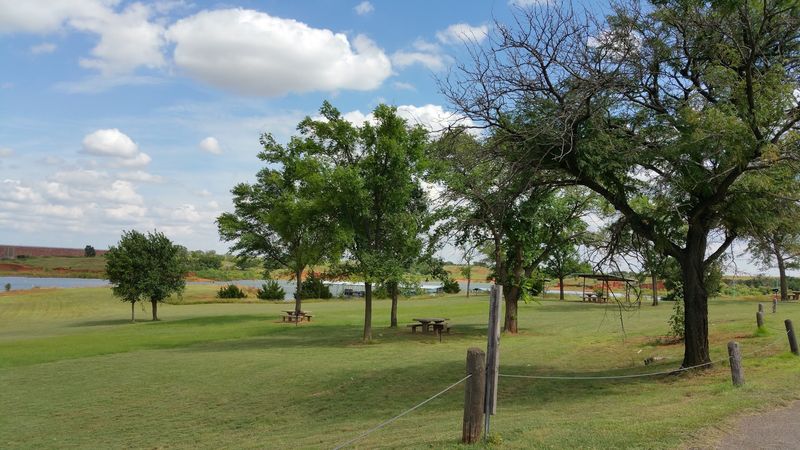
Not every visitor to this park is chasing the prime lakeside real estate at Cedar Point. Cottonwood campground offers a different kind of experience, one that trades panoramic water views for generous site size, heavy shade, and a notably quieter atmosphere.
The sites here are large drive-through spots, which makes arriving and leaving with a bigger rig much less stressful. Trees provide solid coverage throughout the campground, keeping temperatures more manageable during warmer months and giving the whole area a more enclosed, tucked-in feel.
One navigation tip worth passing along: the turn-off for Cottonwood is marked from the Cedar Point road rather than from the main park entrance road, so keep an eye out once you pass the Cedar Point sign. Missing the turn and looping back around is a minor inconvenience but easy to avoid with a heads-up.
The campground has its own personality, distinct from the more exposed waterfront sites elsewhere in the park. Campers who prefer waking up surrounded by trees rather than open sky tend to gravitate here and rarely seem disappointed.
Phone reception was surprisingly strong throughout the park, including this section, which is a small but welcome bonus when you are trying to stay connected. Cottonwood is a solid, underrated choice.
Sunrise and Sunset Views: The Park at Its Most Spectacular
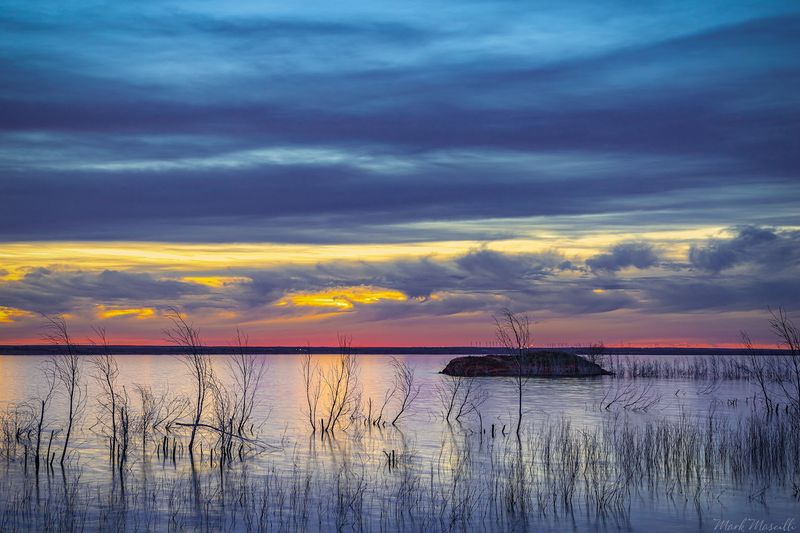
There are parks you visit for activities and parks you visit for scenery, and Foss State Park manages to be both. The sunrises and sunsets here are genuinely worth setting an alarm for, with wide open skies and a large reflective water surface that turns the whole scene into something worth photographing.
The western Oklahoma sky has a particular quality to it, vast and uninterrupted, which means the color shows up early and stays long during golden hour. From the Cedar Point campsites or the shoreline near the picnic areas, the view is unobstructed and the reflection on the lake doubles the impact of the whole display.
Sunset Beach, one of the named areas within the park, lives up to its label. Families and solo visitors alike tend to gather there in the early evening to catch the light as it fades over the water.
My preschool travel companion called it the prettiest sky she had ever seen, which is high praise from someone whose previous favorite was a cartoon.
Sunrise is equally rewarding and usually much quieter. The park has barely any noise in the early morning, and the combination of birdsong, still water, and soft light makes for a genuinely restorative way to start the day.
These views alone justify the trip out to this corner of Oklahoma.
Planning Your Visit: Practical Tips to Make the Most of It
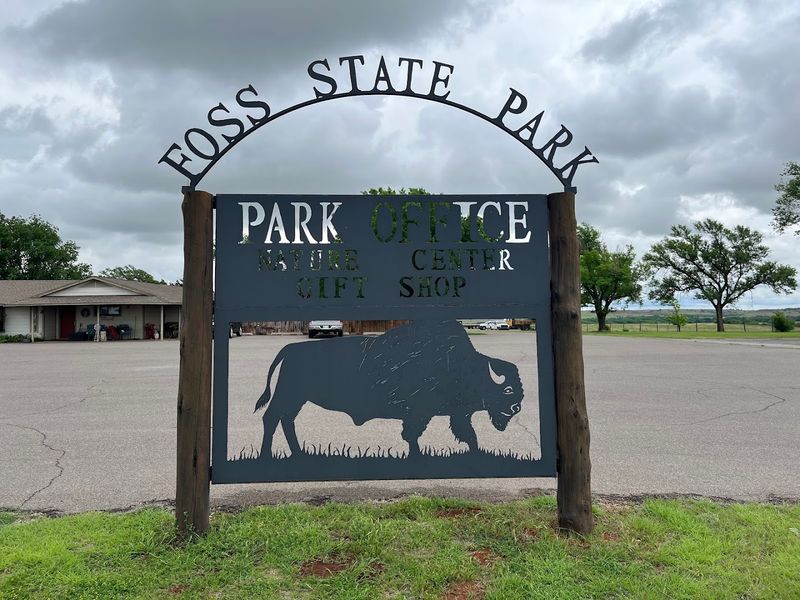
A little planning goes a long way at a park this size. Foss State Park is open daily from 8 AM to 7 PM, and the grounds cover enough area that you genuinely need more than one day to explore everything comfortably.
Booking a campsite in advance through the Oklahoma State Parks website is strongly recommended, especially for Cedar Point.
Camping fees run around thirty dollars per night for electric and water hookups, with a ten-dollar day-use fee for beach and lake access. Arriving without a reservation is possible but risky during peak season and holiday weekends, when the most desirable sites disappear quickly.
Ticks are active in the warmer months, so long pants and insect repellent are practical additions to your packing list. Flies can be present during the day but ease off noticeably after dusk.
Bringing a fan for your tent or RV is also a smart move during summer stays.
The park sits about nine miles from Interstate 40, making it an accessible stop on a longer road trip through the region. Cell service is surprisingly reliable throughout most of the park, so navigation and booking apps work without much trouble.
With the right preparation, a visit here is straightforward, relaxed, and genuinely memorable from the first hour to the last.



