 Unearth The Voyage
There is a place in southwestern Oklahoma where the sky fills with wings every single year, drawing birders from across the region with binoculars in hand and hope in their hearts. It sits quietly across thousands of acres of managed wetlands, grasslands, and shallow water flats, offering something that very few wildlife areas in the state can match.
On a good migration day, the sheer number and variety of birds moving through can make your jaw drop. This is not just another patch of public land.
It is one of Oklahoma’s most rewarding birding destinations, and once you visit, you will understand exactly why people keep coming back season after season.
Hackberry Flat Wildlife Management Area sits in Tillman County in southwestern Oklahoma, near the small town of Frederick. The official mailing address places it within Oklahoma 73530, and the area is managed by the Oklahoma Department of Wildlife Conservation.
To reach it, most visitors travel south from Lawton or west from Duncan along US-183 or connecting county roads. The roads leading into the area are mostly paved near the entrance, though some interior access routes can get rough after rain.
The GPS coordinates for the main entrance are approximately 34.278 degrees north, 98.924 degrees west, which puts you right in the heart of the Red River plains. This part of Oklahoma is flat, wide open, and feels genuinely remote compared to the busier wildlife areas in the central part of the state.
Cell service can be spotty, so downloading an offline map before your trip is a smart move. The Oklahoma Department of Wildlife Conservation website at wildlifedepartment.com has a dedicated Hackberry Flat page with current water conditions and access updates that are worth checking before you head out.
Hackberry Flat did not always look the way it does today. For much of the twentieth century, this land was drained and converted to agricultural use, which stripped away the natural wetland habitat that once supported enormous populations of migratory birds along the Central Flyway.
The restoration effort began in earnest in the late 1990s, when the Oklahoma Department of Wildlife Conservation partnered with federal agencies, conservation groups, and private landowners to bring the wetlands back. Water control structures were installed, native vegetation was reestablished, and the land was slowly coaxed back into something resembling its original character.
The project eventually covered more than 3,700 acres, making it one of the largest wetland restorations in Oklahoma history. What took decades to drain was rebuilt over years of careful, deliberate work.
Today, the results of that effort are visible every time a flock of pintails banks over the water or a shorebird probes the mudflats at the edge of a shallow pool. The comeback story of this land is as compelling as anything you will see flying through it.
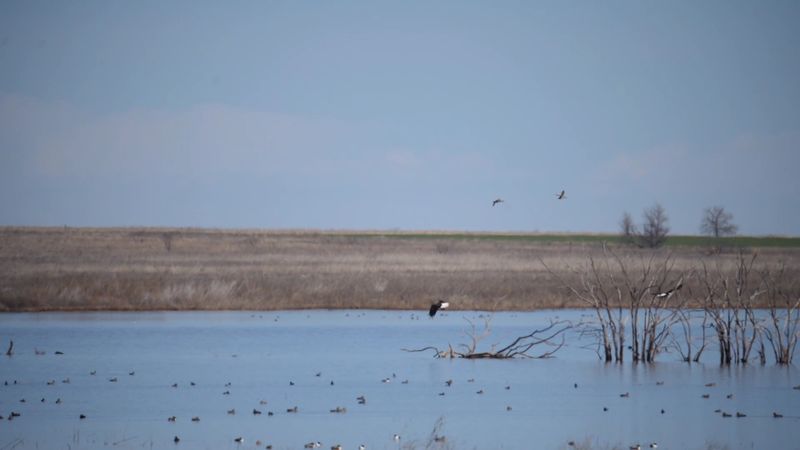
The main attraction here is waterfowl, and the numbers during peak migration can be staggering. Northern pintails are among the most celebrated visitors, and Hackberry Flat is considered one of the most reliable spots in the entire state to find them in large concentrations during the fall and winter months.
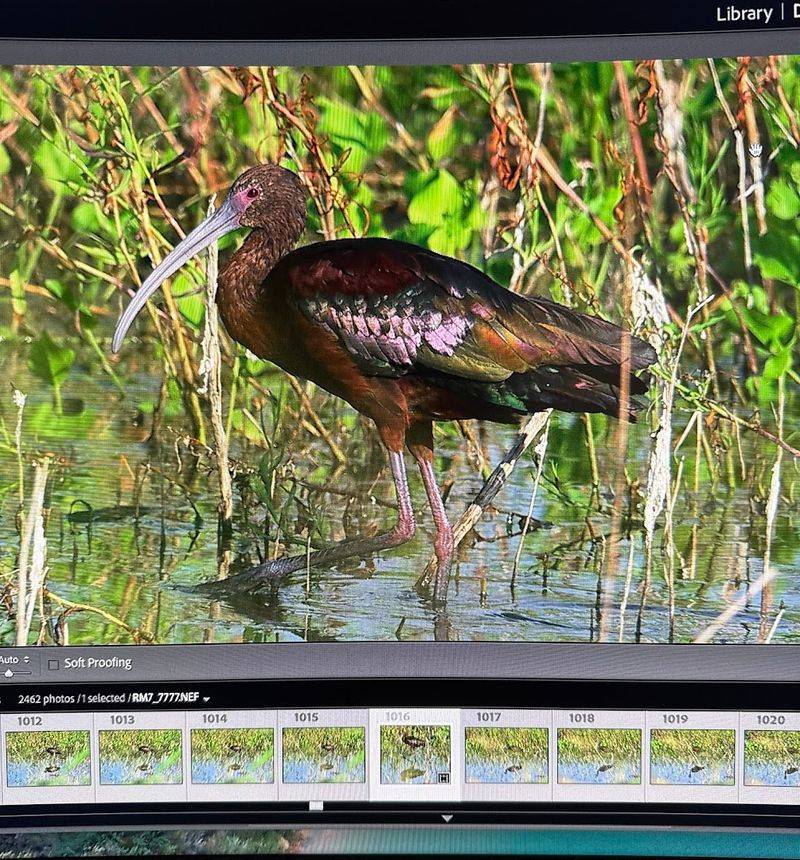
Canada geese, snow geese, and various species of dabbling ducks use the area regularly as a stopover during their journeys along the Central Flyway. Shorebirds are another highlight, with species like dowitchers, yellowlegs, sandpipers, and avocets showing up in the shallower sections when water levels are right.
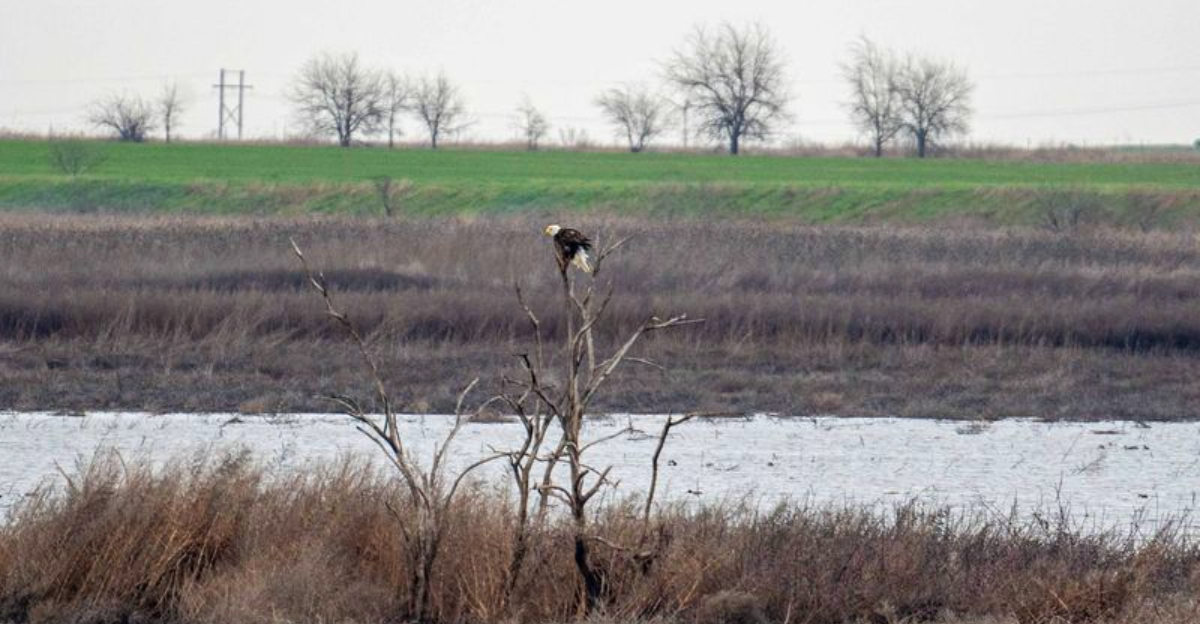
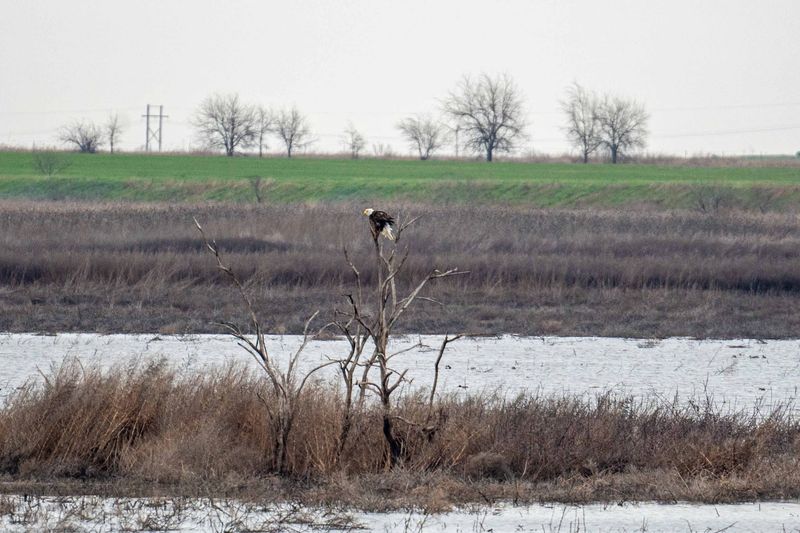
Bald eagles have been recorded here as well, with sightings documented as recently as March 2024. Raptors in general tend to hunt over the open grassland edges, and keen-eyed visitors have spotted rough-legged hawks and ferruginous hawks patrolling the fields during winter.
The diversity is not just impressive on paper. Standing at the water’s edge and watching species after species move through gives you a real sense of how vital this habitat is to birds traveling thousands of miles each year.
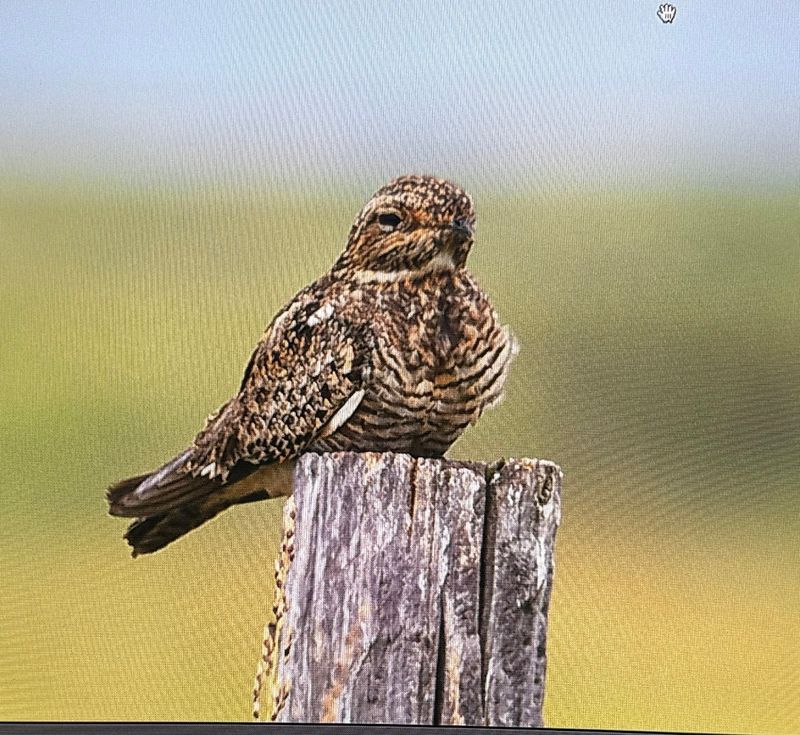
The terrain at Hackberry Flat is about as flat as the name suggests. The Red River plains stretch out in every direction, and the sky feels enormous here in a way that is hard to describe until you are standing in the middle of it.
The managed wetlands range from open water areas to mudflats and seasonally flooded grasslands. Depending on when you visit and how much rainfall the area has received, the landscape can shift dramatically from one trip to the next.
In dry years, the wetland pools shrink considerably, and some sections may hold little to no water at all. When water levels are high, the place transforms into a shimmering network of shallow pools that seem to attract every bird within a fifty-mile radius.
The surrounding upland areas feature native grasses and scattered shrubs, which provide cover for songbirds and small mammals. At sunset, the light hits the water and the grasses in a way that feels almost cinematic, and it is easy to understand why photographers make the long drive out here just to catch that golden hour over the flats.
Timing your visit to Hackberry Flat can make the difference between a memorable outing and a quiet walk with not much to show for it. Fall migration, which runs roughly from September through November, is widely considered the prime season for waterfowl and shorebirds.
October and November tend to bring the largest concentrations of pintails and geese as they funnel south through the Central Flyway. Shorebird activity peaks a bit earlier, often in late August and September, when mudflats are exposed and water levels are lower.
Spring migration, from March through May, brings a second wave of activity as birds push north again. Wading birds, shorebirds, and early neotropical migrants pass through during this window, and the warmer temperatures make for a more comfortable visit than the cold winter months.
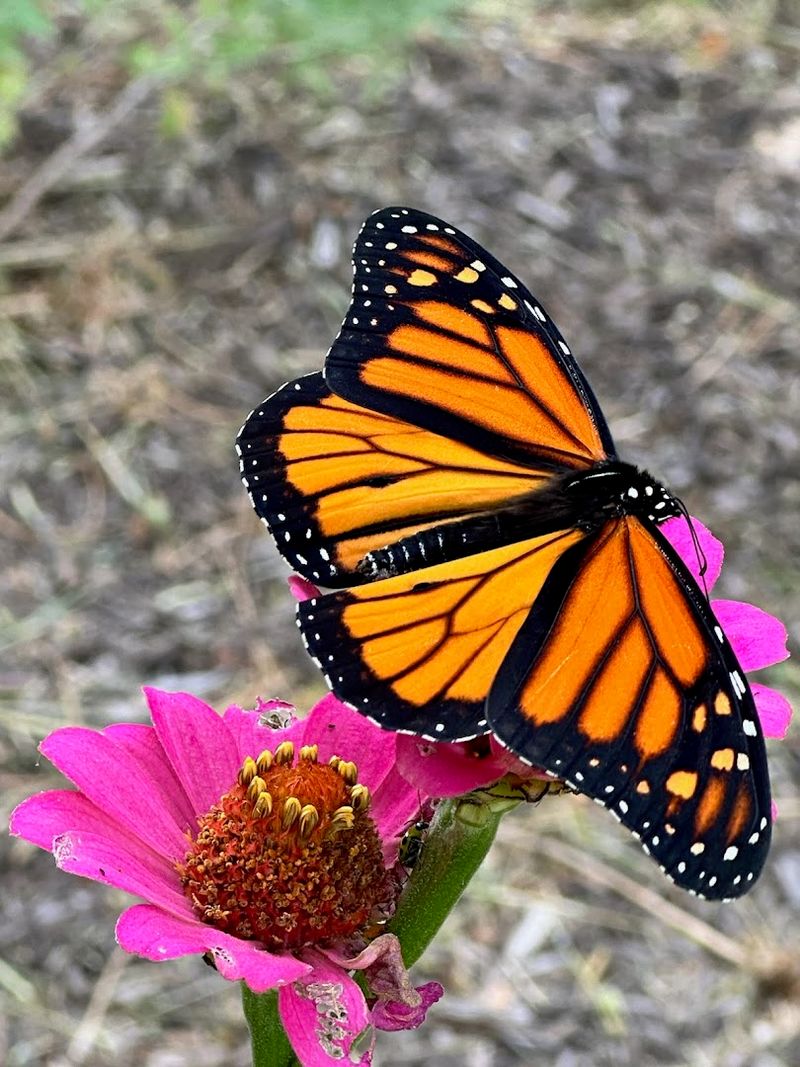
Summer is quieter in terms of migration, but the area still supports nesting species and offers a chance to spot Monarch butterflies during their own seasonal journey. Winter visits can be rewarding on cold clear days when waterfowl numbers are high and a bald eagle might just cruise overhead to complete the scene.
There is a visitor center at Hackberry Flat, and it is a genuinely nice facility for a rural wildlife management area in Oklahoma. The building is well-designed with interpretive displays about the wetland restoration, the bird species found on the property, and the broader ecology of the region.
The catch is that the visitor center is almost never open. This is a common reality at state-managed wildlife areas where staffing is limited, so do not count on it being accessible when you arrive.
The information on the displays is worth reading if you do catch it open, but the birding happens outside regardless.
Basic amenities on site include parking areas and access roads that allow you to drive or walk along the levees and water control structures. There are no overnight camping facilities, and the area is generally managed for day use.
Restroom facilities are minimal, so planning accordingly before you arrive is a good habit. The lack of amenities is a small trade-off for the complete absence of crowds, and on most visits, you will have the entire place essentially to yourself, which is a rare luxury in modern birding.
Before you load up the car and head to Hackberry Flat, there is one rule that catches many first-time visitors off guard. Entry into the refuge area requires a valid Oklahoma state fishing or hunting license, even if you are only there to watch birds and take photographs.
This is a statewide requirement for Oklahoma Wildlife Management Areas and applies to all visitors over a certain age. Licenses can be purchased online through the Oklahoma Department of Wildlife Conservation website, at sporting goods retailers, or at many local bait shops near the area.
The license requirement exists because the management of these areas is funded through hunting and fishing license fees, which means that every license purchase directly supports habitat work like the wetland restoration at Hackberry Flat.
Beyond the license rule, standard wildlife area conduct applies. Staying on designated roads and trails, respecting seasonal closures, and keeping noise levels low are all part of being a responsible visitor.
Dogs are permitted but should be kept under control to avoid disturbing nesting or resting birds. Knowing the rules before you arrive keeps the experience smooth for everyone.
One of the most talked-about variables at Hackberry Flat is water. The entire birding experience here is directly tied to how much water is present in the managed wetland units, and that can vary enormously from one visit to the next.
In wet years, the shallow pools fill up and the area buzzes with activity. Waterfowl stack up on the open water, shorebirds work the edges, and wading birds patrol the shallower sections with focused intensity.
The place earns its reputation easily under these conditions.
In dry years, the story is different. Some visitors have arrived to find the 3,700-acre wetland holding almost no water at all outside of the permanent sanctuary lake.
The sanctuary lake tends to hold water more consistently and still attracts geese and ducks even when the surrounding units are dry.
Checking the Oklahoma Department of Wildlife Conservation website before your visit is genuinely useful here. The Hackberry Flat page sometimes includes updates on current water conditions, and a quick call to the regional wildlife office can save you a long drive to a dry flat.
Flexibility and realistic expectations make the experience much more enjoyable.
Birds are the headline act at Hackberry Flat, but the supporting cast is worth paying attention to. The area supports a healthy population of white-tailed deer, and early morning or late afternoon drives along the levee roads often turn up deer feeding near the water’s edge.
Coyotes, raccoons, and river otters have all been documented on the property, and the upland areas provide habitat for wild turkey and bobwhite quail. Small mammals like muskrats and nutria are sometimes spotted in the wetland channels, going about their business without much concern for human observers nearby.
One of the more delightful surprises during a summer or early fall visit is the Monarch butterfly migration. These orange-and-black travelers pass through southwestern Oklahoma in significant numbers during September and October, and the open grasslands at Hackberry Flat can be absolutely covered with them on a good day.
Lightning bugs, known to scientists as fireflies, put on their own quiet light show in the warm months after dark. The combination of birds, butterflies, fireflies, and mammals makes Hackberry Flat a genuinely multi-layered wildlife experience that rewards visitors who slow down and pay attention to everything around them.
A few simple habits can dramatically improve a trip to Hackberry Flat. Arriving early in the morning is the single most effective strategy, since bird activity peaks in the first couple of hours after sunrise and the light is far better for photography during that window.
Wearing muted, earthy colors helps you blend into the landscape and approach birds without flushing them. Bright clothing stands out against the flat terrain and can scatter a flock before you even get a good look.
A spotting scope is a worthwhile addition to your kit here, since many of the birds sit far out on open water and binoculars alone may not give you the detail you want.
Driving the levee roads slowly and stopping frequently is more productive than walking the entire area, especially when it is hot. The roads allow you to cover more ground while staying inside the vehicle, which many birds treat as a mobile blind and are less likely to flush from.
Bringing water, snacks, sunscreen, and insect repellent is non-negotiable in the warmer months. The open terrain offers almost no shade, and the combination of heat and biting insects can cut a promising birding session short if you are not prepared for the conditions that southwestern Oklahoma delivers in summer.



