 Unearth The Voyage
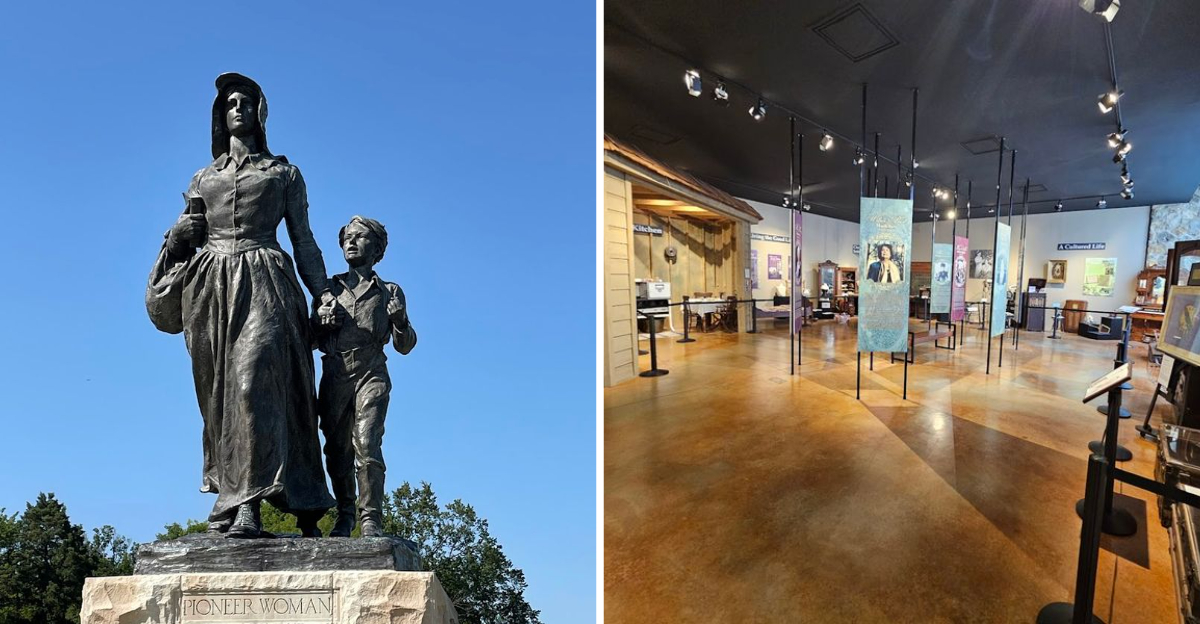
There is a place in north-central Oklahoma where the grit, courage, and quiet determination of women who helped shape an entire state finally get the spotlight they deserve. Long before Oklahoma became a state, women were plowing fields, raising families, running businesses, and holding communities together with very little recognition.
This museum changes that. From a striking bronze statue to rooms filled with artifacts, photographs, and personal stories, every corner of this place reminds visitors that history was never a one-person job.
Whether you have a deep love of Oklahoma history or you just happened to spot something interesting on the road, this stop in Ponca City will leave you thinking long after you have driven away.
Where It All Begins: Address and Location
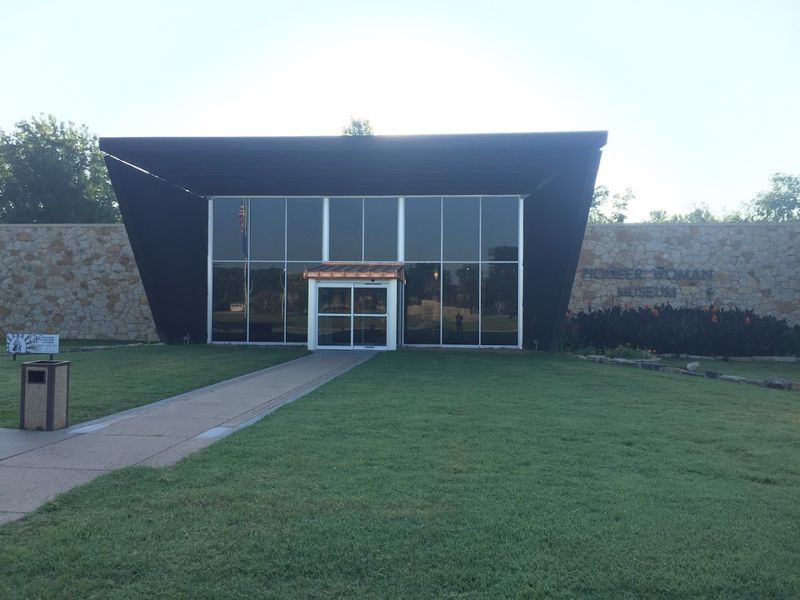
Right at 701 Monument Road in Ponca City, Oklahoma, the Pioneer Woman Museum sits just behind one of the most recognizable bronze statues in the entire state. Ponca City is located in Kay County in north-central Oklahoma, and the museum is easy to find once you spot the towering 17-foot bronze figure of a woman and child that has stood there since 1930.
The museum building itself is modest and welcoming, with a well-kept exterior that does not try too hard to impress you before you even walk through the door. That restraint is actually part of its charm.
You get the sense that the building knows the real story is inside.
Parking is free and plentiful, which is always a good start to any road trip stop. The museum is open Tuesday through Saturday from 10 AM to 5 PM, and it is closed on Sundays and Mondays.
The phone number is +1 580-765-6108 if you want to call ahead and confirm hours before making the drive.
The Story Behind the Statue
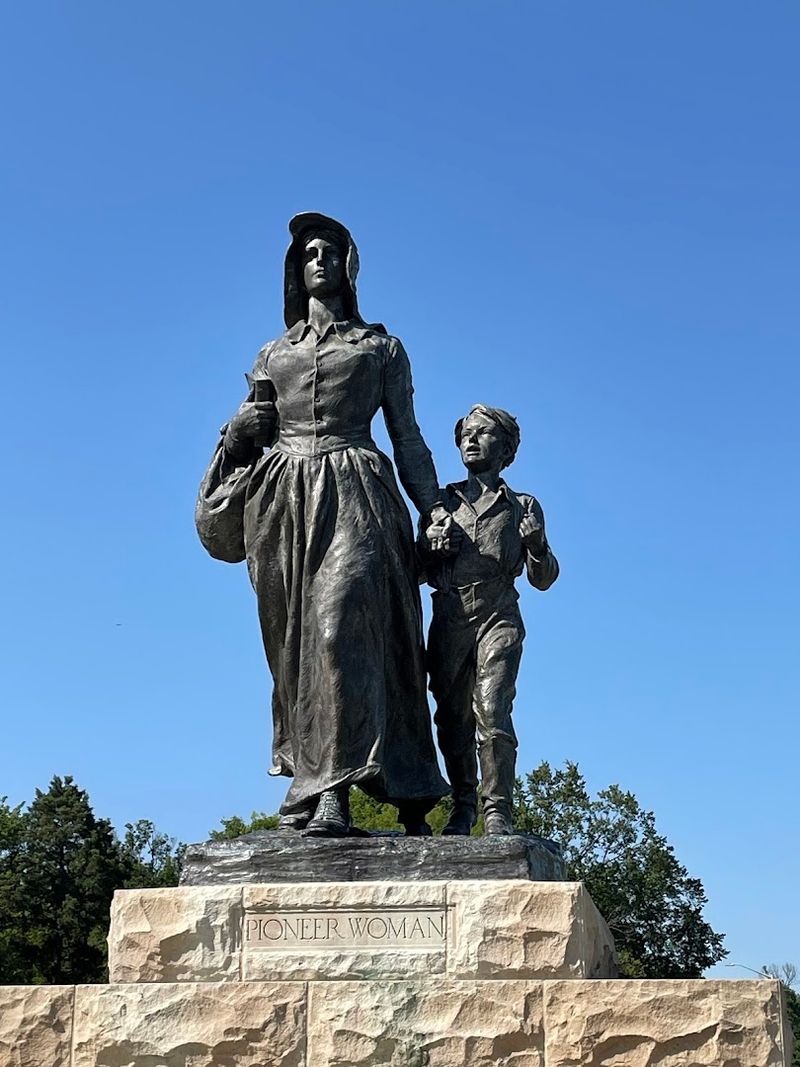
Before there was a museum, there was a statue, and that statue carries a story worth knowing. The Pioneer Woman statue was commissioned by oil tycoon E.W.
Marland in the late 1920s as a tribute to the women who helped settle the American West. Marland held a national competition, inviting twelve sculptors to submit small-scale models, and then sent those models on a tour across the country so the public could vote for their favorite design.
The winning design, created by sculptor Bryant Baker, depicts a determined woman striding forward with a young boy at her side. The statue was unveiled on April 22, 1930, in front of a crowd estimated at around 40,000 people, which was roughly twice the population of Ponca City at the time.
Will Rogers himself gave a speech at the unveiling, and a newsreel of that event was later discovered inside a coffee can and restored.
That piece of film history is now part of the museum collection and gives visitors a remarkable window into a day that felt, even then, like a turning point worth remembering.
What the Museum Actually Celebrates
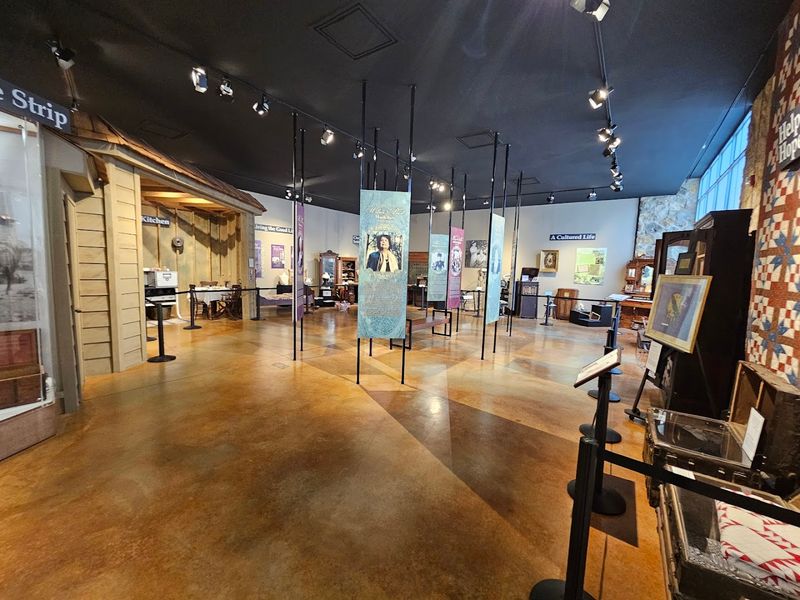
Not every history museum is brave enough to center its entire story on women, but this one does it without apology. The Pioneer Woman Museum in Ponca City, Oklahoma, is dedicated to honoring the women who helped build the state, from the earliest days of settlement through the twentieth century and beyond.
The exhibits cover a wide range of experiences, including farm life, family survival, professional careers, and community leadership. You will find displays about women who worked the land alongside their families, women who broke into fields like journalism and medicine, and women whose contributions were so local that their names never made it into any textbook until this museum put them on the wall.
That last part is what gives the place its real emotional weight. History museums often tell the story of people who were already famous.
This one digs deeper and finds the women who did extraordinary things without ever expecting a spotlight. The result is a collection that feels personal, specific, and genuinely surprising in the best way possible.
Artifacts That Bring the Past to Life
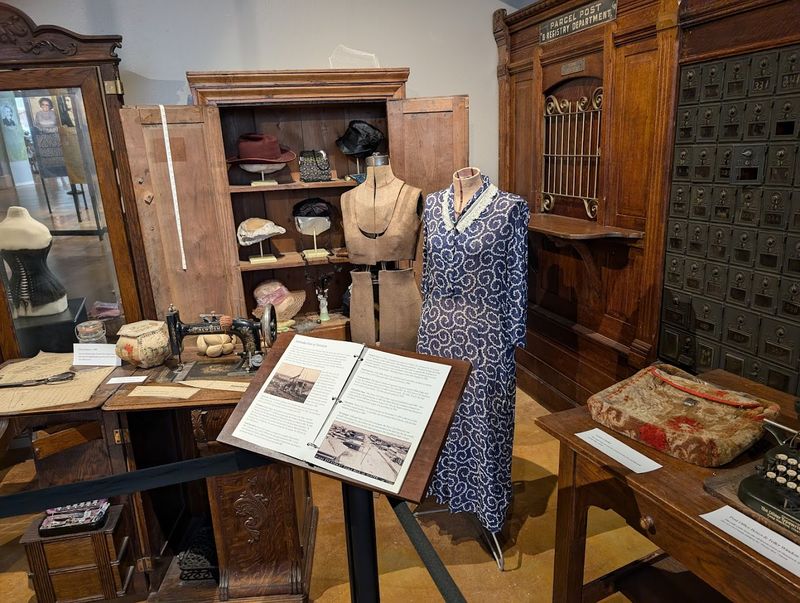
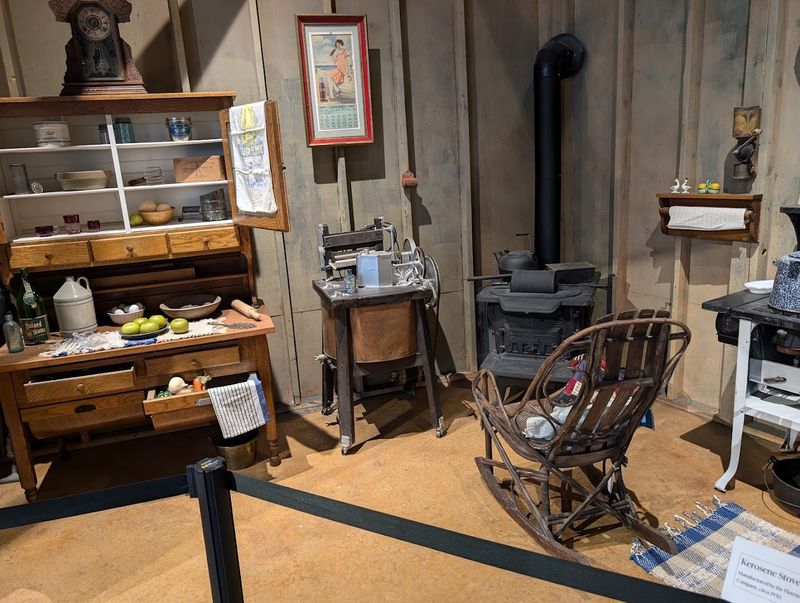
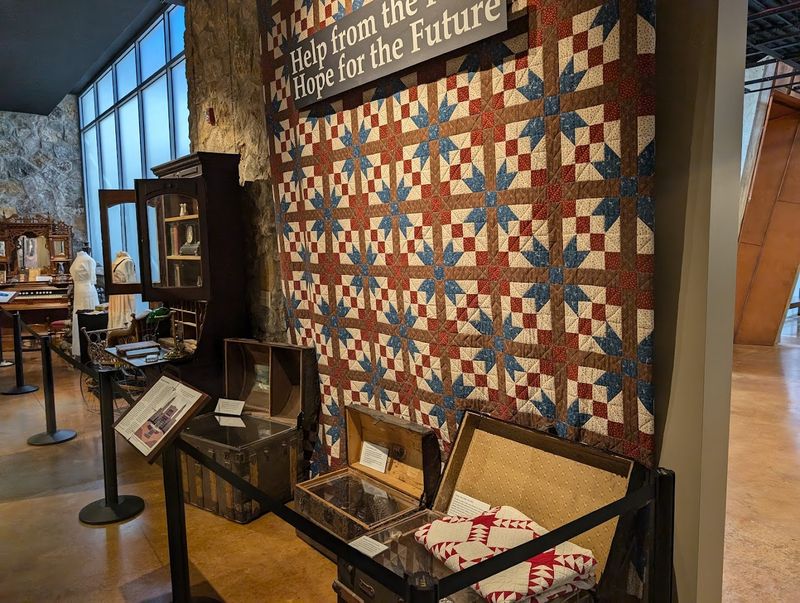
There is something quietly powerful about standing in front of an object that someone actually used a hundred years ago. The Pioneer Woman Museum has plenty of those moments, with a collection of artifacts that includes clothing, household tools, farm equipment, personal letters, and photographs from the pioneer era.
The items on display are not behind thick glass with tiny, unreadable labels. Most of the exhibits are well-organized and clearly explained, with placards that give you enough context to understand what you are looking at and why it matters.
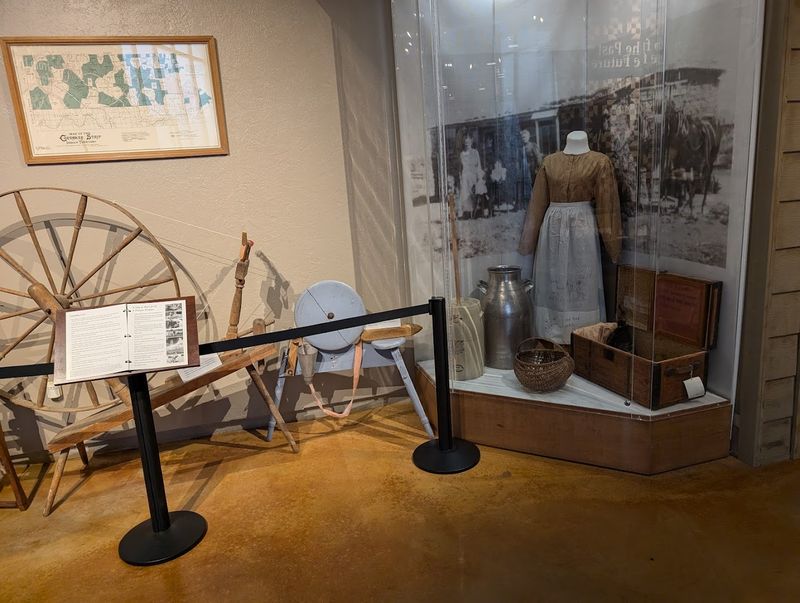
You get a real sense of the daily physical demands that pioneer women faced, from churning butter to managing a homestead with little outside help.
There are also items connected to the 101 Ranch, a legendary working ranch that once operated near Ponca City and played a major role in Oklahoma’s history. Seeing those pieces alongside more personal domestic artifacts creates an interesting contrast that shows just how varied women’s lives and contributions actually were during that era.
The Newsreel That Survived Decades in a Coffee Can
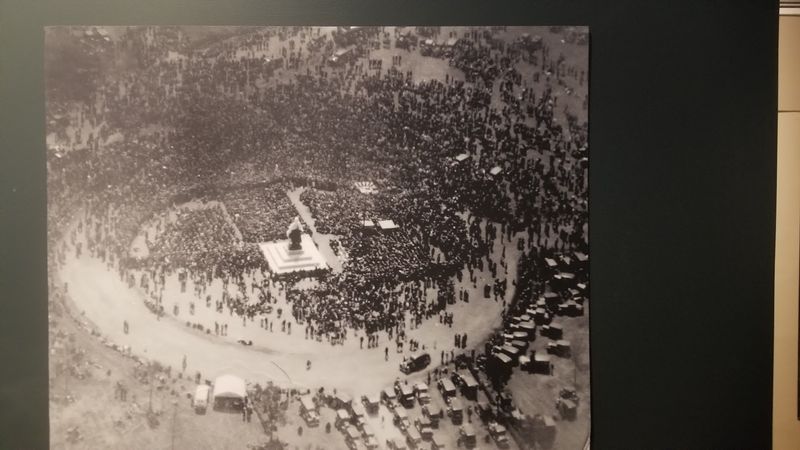
Some museum finds are planned, and some are pure luck. The discovery of an old film reel inside a coffee can is firmly in the second category, and it turned out to be one of the most remarkable things in the entire collection.
The reel contained original newsreel footage from the 1930 unveiling of the Pioneer Woman statue, and it survived in surprisingly good condition despite sitting in a can for decades.
The footage shows the massive crowd that gathered for the event and includes a speech by Will Rogers, the beloved Oklahoma humorist and entertainer. Rogers was known for his dry, witty delivery, and the speech holds up even now.
Watching it gives you a real feel for the energy of that day and the cultural significance of the statue’s unveiling.
The area around the statue looks completely different in the footage compared to how it looks today, which adds another layer of fascination. Seeing that transformation on screen, even briefly, makes the history feel closer and more real than any written description ever could.
Admission Price and What You Get for It
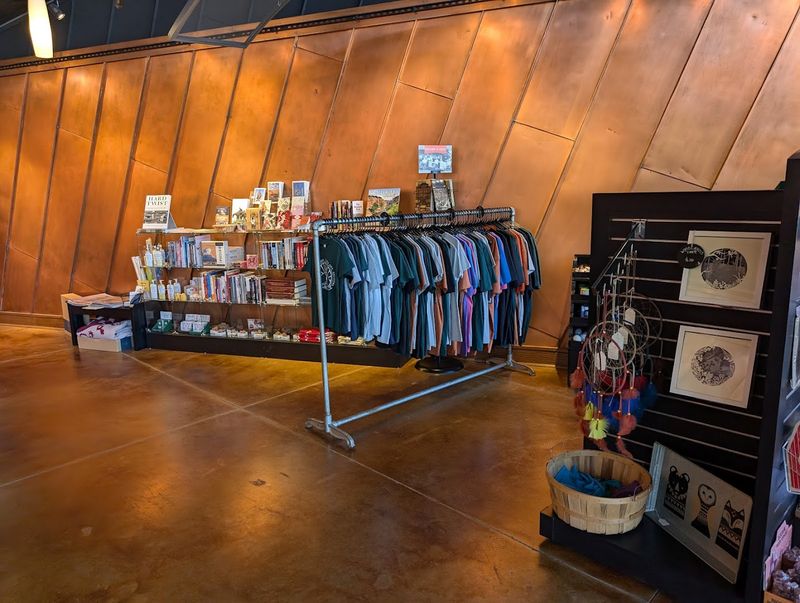
At just seven dollars per adult, the Pioneer Woman Museum is one of the more affordable history experiences you will find anywhere in the region. For a family road trip or a solo detour off the highway, that price point removes any hesitation about stopping in.
The museum also has a play area for younger children, which makes it a more practical stop for parents traveling with kids who have limited patience for reading placards.
The gift shop is small but well-stocked with reasonably priced items, including books, postcards, and souvenirs that connect to the museum’s themes. It is a good place to pick up something meaningful rather than a generic trinket that you will forget about by the time you get home.
Most visitors spend between thirty minutes and an hour inside, depending on how carefully they read each display. That makes it an ideal stop rather than a full-day commitment, and it pairs well with a visit to the statue outside and a drive through the rest of Ponca City.
The value for the price is genuinely hard to argue with.
The Knowledgeable Staff Who Make It Memorable
A museum is only as good as the people inside it, and the staff at the Pioneer Woman Museum tend to leave a real impression. Several visitors have noted that the staff members on duty went out of their way to explain the history of specific artifacts, share context that is not written on any placard, and make the visit feel more like a guided conversation than a self-directed walk-through.
One staff member in particular was praised for taking time to walk visitors through the significance of certain items and sharing details about the history of the statue and the museum’s founding. That kind of personal touch is harder to find than you might think, and it genuinely elevates the experience.
That said, the self-guided tour works just as well if you prefer to move at your own pace. The exhibits are organized clearly enough that you do not need a guide to understand the flow of the story.
Either way, the staff presence adds a layer of warmth to the visit that makes the museum feel less like an institution and more like a place where people genuinely care about the history they are sharing.
Women Who Pioneered Careers, Not Just Homesteads
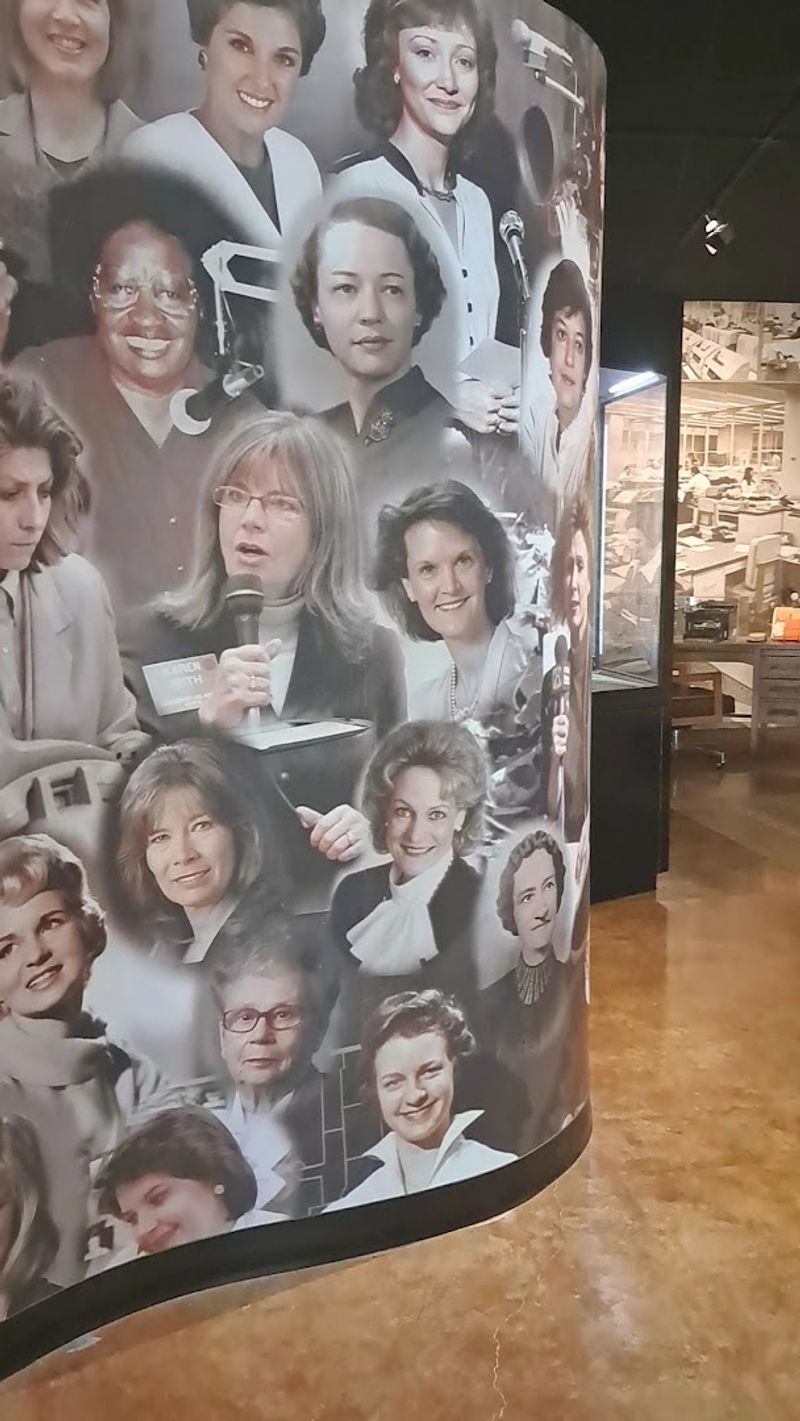
One of the most unexpected parts of the Pioneer Woman Museum is how far it stretches beyond the image of a woman in a sunbonnet tending a garden. The exhibits give serious attention to women who built careers in fields that were largely closed to them at the time, including journalism, education, medicine, and public service.
There are displays dedicated to women who ran newspapers, women who worked in advertising, and women who pushed their way into professional spaces that had never seen a female face before. These stories sit alongside the more traditional pioneer narratives, and the contrast makes both sets of stories richer and more interesting.
Seeing a woman’s handwritten byline on a newspaper clipping from 1910 next to a butter churn from the same era creates a kind of quiet argument about what the word “pioneer” actually means. It does not just mean someone who crossed a prairie in a covered wagon.
It also means someone who showed up somewhere they were not expected and did the work anyway. That broader definition is what gives this museum its staying power long after you leave Ponca City.
The Building Layout and How It Flows
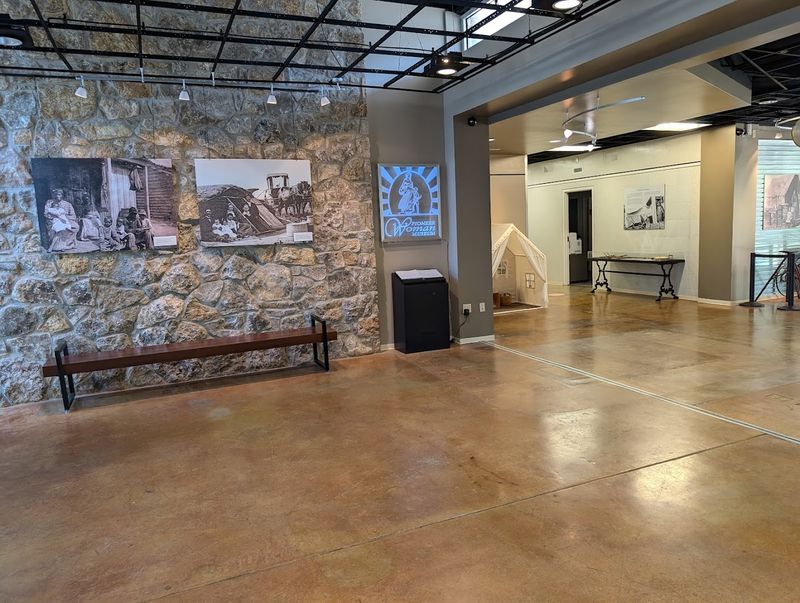
The museum is not large, and it does not pretend to be. The layout moves you from room to room in a way that feels natural, with each space dedicated to a different theme or time period.
You are never quite sure what the next room will hold, which keeps the experience from feeling predictable.
Some sections focus on domestic life and the physical demands of running a frontier household. Others shift to professional achievements and community leadership.
The transitions between rooms are smooth enough that the overall story holds together even though the individual exhibits cover very different ground.
Wall placards carry most of the narrative weight, and they are written clearly enough for younger visitors to follow without getting lost. Video collections in certain areas add another dimension, letting you hear and see history rather than just read about it.
The museum does not overwhelm you with information, but it gives you enough to walk away feeling like you actually learned something. That balance between depth and accessibility is genuinely one of the harder things to get right in a small museum, and this one manages it well.
A Stop That Works for All Ages
History museums sometimes struggle to hold the attention of younger visitors, but the Pioneer Woman Museum has a few things working in its favor on that front. The play area for children gives younger kids a place to engage with the themes of the museum in a more hands-on way, which takes some pressure off parents who are trying to read the exhibits without managing a restless five-year-old at the same time.
Older children and teenagers tend to connect with the personal stories in the collection, particularly the accounts of women who were close to their own age when they faced the challenges of frontier life. Those stories have a way of landing differently when you realize the person in the photograph was not much older than you are now.
For adults, the museum offers the kind of quiet, unhurried experience that is increasingly hard to find. There are no flashing screens or interactive installations competing for your attention.
The focus stays on the artifacts and the stories, and that simplicity turns out to be exactly what the subject deserves. Every generation finds something worth taking home from this place.
Visiting Tips and Practical Information
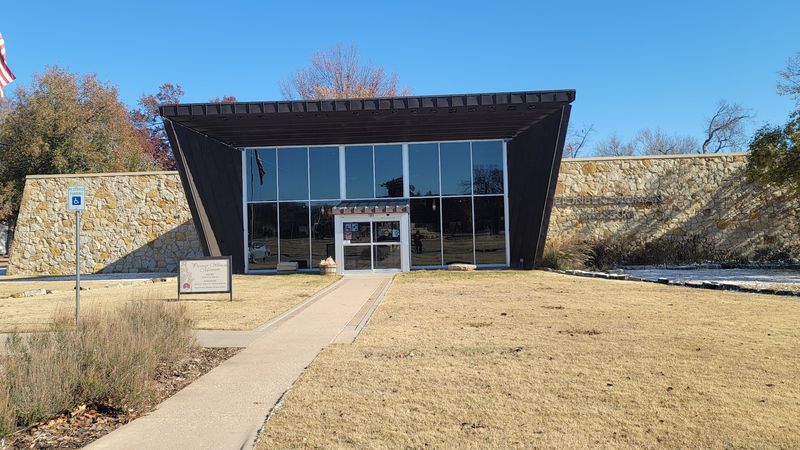
A few practical notes can make the difference between a smooth visit and a frustrating one. The museum is open Tuesday through Saturday from 10 AM to 5 PM and is closed on Sundays and Mondays.
It is worth calling ahead at +1 580-765-6108 if you are making a special trip, since the museum has occasionally been closed on days when the website did not reflect that change.
The visit typically takes between thirty minutes and an hour, so plan accordingly if you are building an itinerary around it. Ponca City has enough nearby attractions, including the Marland Mansion and the surrounding historic district, to fill out a half-day or full-day visit without any trouble.
Arrive early if possible, since the staff tends to be most engaged and available in the first part of the day. Comfortable shoes are helpful since you will be standing and walking through multiple rooms.
The museum’s website at pioneerwomanmuseum.com has additional information about special events and temporary exhibits that rotate throughout the year, so it is worth checking before you go. A little preparation goes a long way here.
Why This Museum Deserves More Attention
Small museums in mid-sized towns rarely get the national attention they deserve, and the Pioneer Woman Museum is a clear example of that gap. The collection is thoughtfully curated, the admission price is fair, the location is accessible, and the subject matter matters in a way that goes well beyond regional interest.
The story of women building Oklahoma is also the story of women building America, and that makes it relevant to anyone, not just visitors from the Sooner State.
The museum has earned a 4.5-star rating from over 200 reviewers, which is a strong signal that most people leave feeling the stop was worth their time. The occasional criticism tends to focus on the size of the museum rather than the quality of the content, and that is a pretty minor complaint given the depth of what is on display.
Oklahoma has a rich and layered history, and places like this one make sure that the full story gets told rather than just the parts that have always been easy to find. The Pioneer Woman Museum is a reminder that the most important stories are sometimes the ones that took the longest to get the wall space they always deserved.



