 Unearth The Voyage
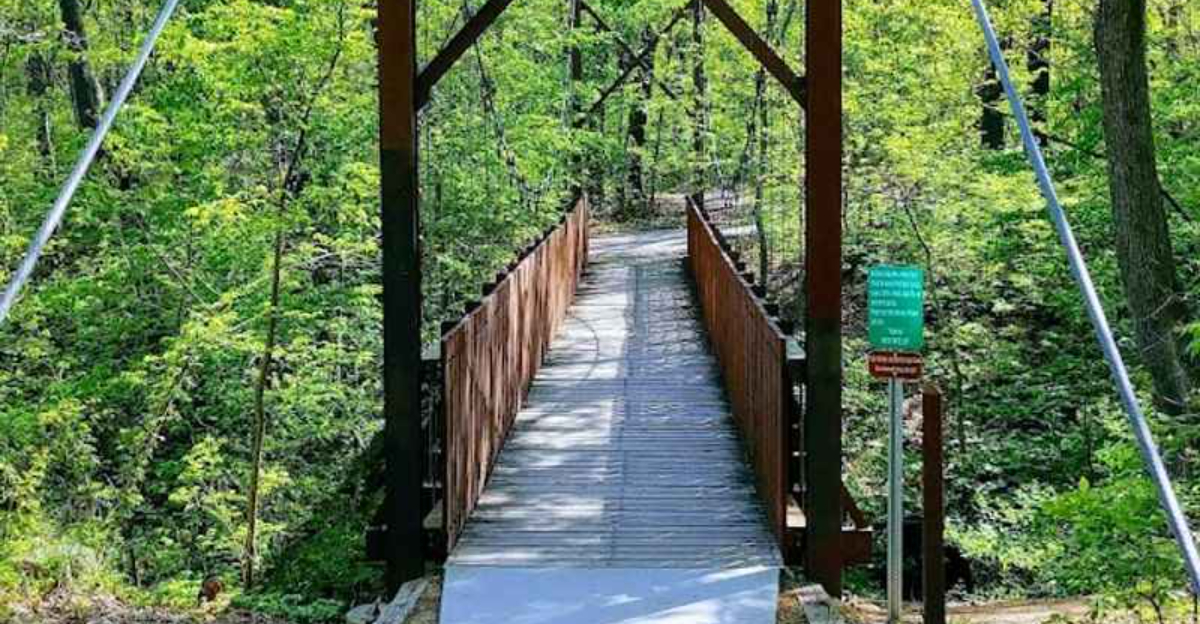
There is a spot in northeastern Oklahoma where the trees close in around you, the trail goes quiet, and the rest of the world feels very far away. Most people drive right past it without a second thought, which is honestly their loss and your gain.
Ray Harral Nature Park in Broken Arrow sits tucked into a stretch of woodland that feels almost out of place in a busy suburb, and yet there it is, waiting patiently for anyone curious enough to wander in. The trails wind through dense forest, past creek crossings and wildlife sightings that make you feel like you stumbled onto something special.
This article walks you through everything worth knowing before your first visit, from the layout and the landscape to the best ways to make the most of your time there.
Where Exactly You Will Find This Place
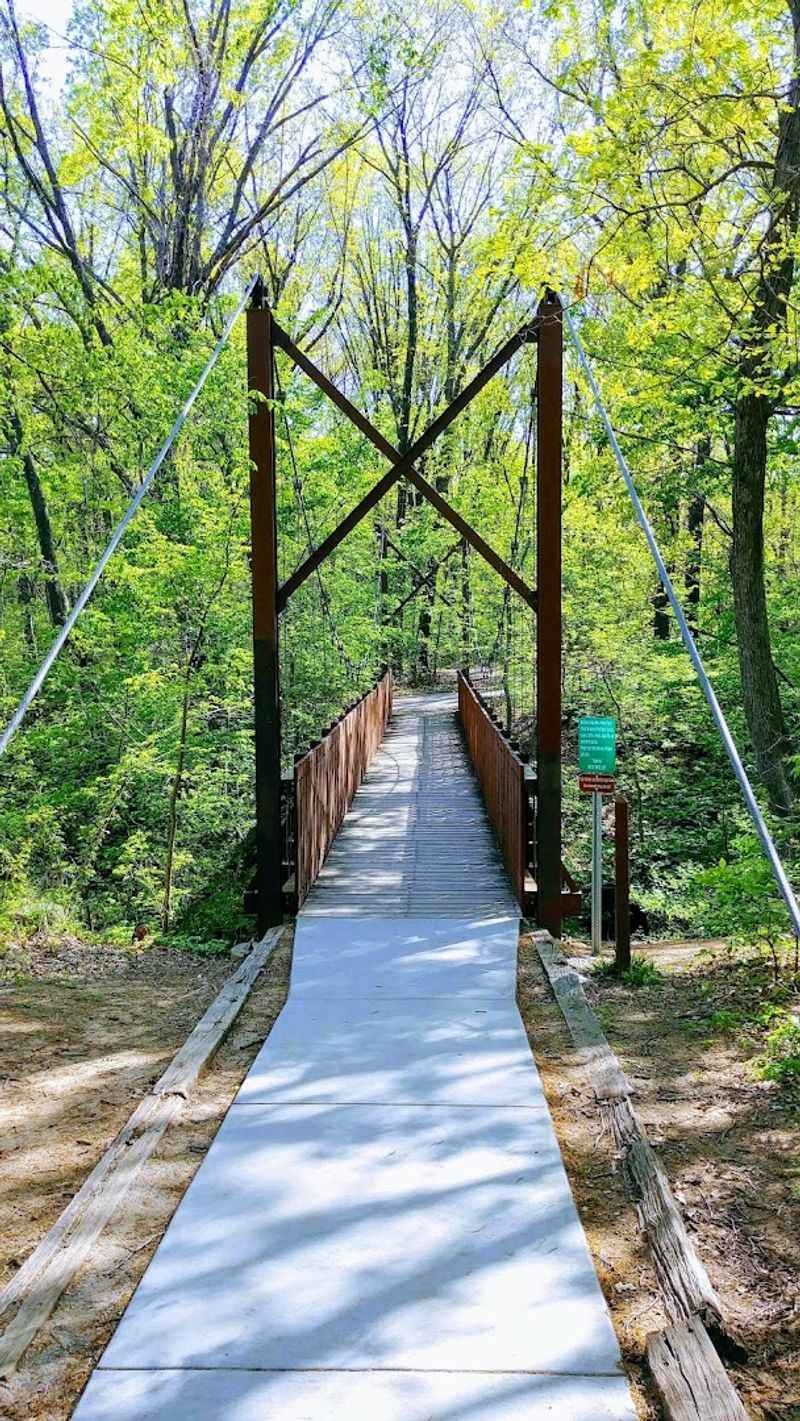
Ray Harral Nature Park is tucked into the city of Broken Arrow, Oklahoma, at the address listed as the 3500 block of South Elm Place, Broken Arrow, OK 74011. It sits within Tulsa County, making it an easy day trip from the greater Tulsa metro area without requiring any serious travel planning.
The park is managed as a natural area rather than a groomed recreational facility, which means you will not find manicured lawns or flashy amenities here. What you will find is a genuine patch of Oklahoma woodland that has been preserved specifically so people can experience nature close to home.
The coordinates place it at roughly 35.98 degrees north, 95.78 degrees west, which puts it in the rolling, tree-covered terrain that defines this part of the state. Parking is available near the trailhead, and the entry point is clearly marked.
First-time visitors sometimes underestimate how secluded the park feels despite being surrounded by suburban neighborhoods. The moment you pass the trailhead marker, the noise fades and the canopy takes over, making the location feel far more remote than it actually is.
The Story Behind the Park’s Name
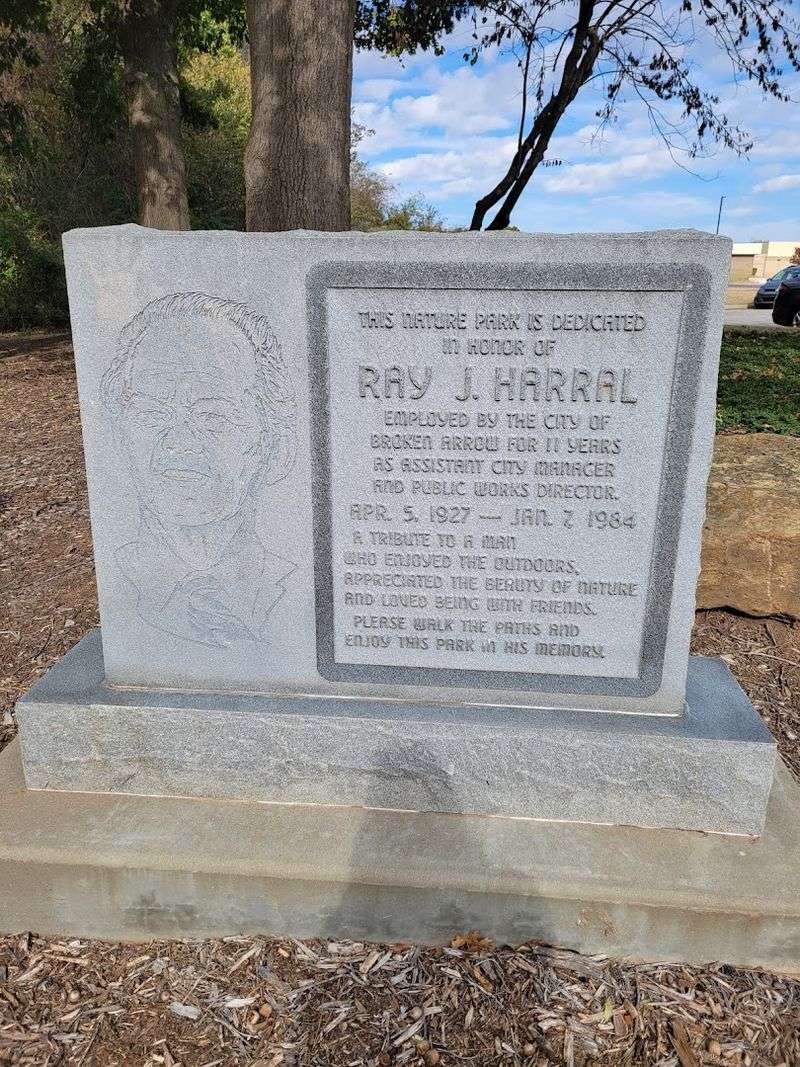
Ray Harral was a local figure in Broken Arrow whose connection to this land helped shape the park into what it is today. The naming of a nature park after a person often signals that someone fought hard to protect that space, and that is very much the spirit attached to this place.
Broken Arrow has grown rapidly over the decades, and natural areas like this one have faced real pressure from development. The preservation of this woodland was not accidental.
It took community effort and local advocacy to keep these trees standing while neighborhoods spread around them.
Oklahoma has a long tradition of honoring individuals who champion conservation, and Ray Harral Nature Park fits that tradition well. The name serves as a small but meaningful reminder that green spaces in urban areas do not just happen on their own.
Knowing that history adds a layer of appreciation when you walk the trails. Every oak and cedar you pass exists because someone cared enough to protect it, and that awareness has a quiet way of making the whole experience feel more grounded and worthwhile.
What the Landscape Actually Looks Like
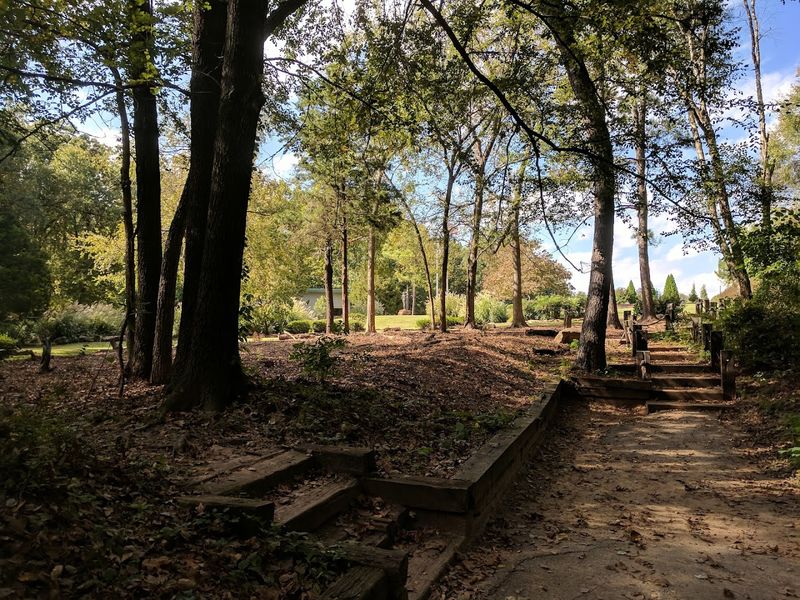
The terrain at Ray Harral Nature Park is a classic example of Cross Timbers woodland, the scrubby, dense forest type that runs through central and eastern Oklahoma. Post oaks and blackjack oaks dominate the canopy, their gnarled branches creating a thick overhead cover that filters sunlight into soft, shifting patterns on the trail below.
The ground layer is rich with native understory plants, and in spring the forest floor comes alive with wildflowers and new growth. By midsummer, the canopy fills in so completely that the trails feel almost tunnel-like, shaded and cool even on warm afternoons.
A small creek runs through part of the park, adding the kind of gentle water sounds that make a walk feel genuinely restorative. The creek crossing is a highlight for most visitors, especially kids who cannot resist stopping to look for crawdads and small fish in the shallow water.
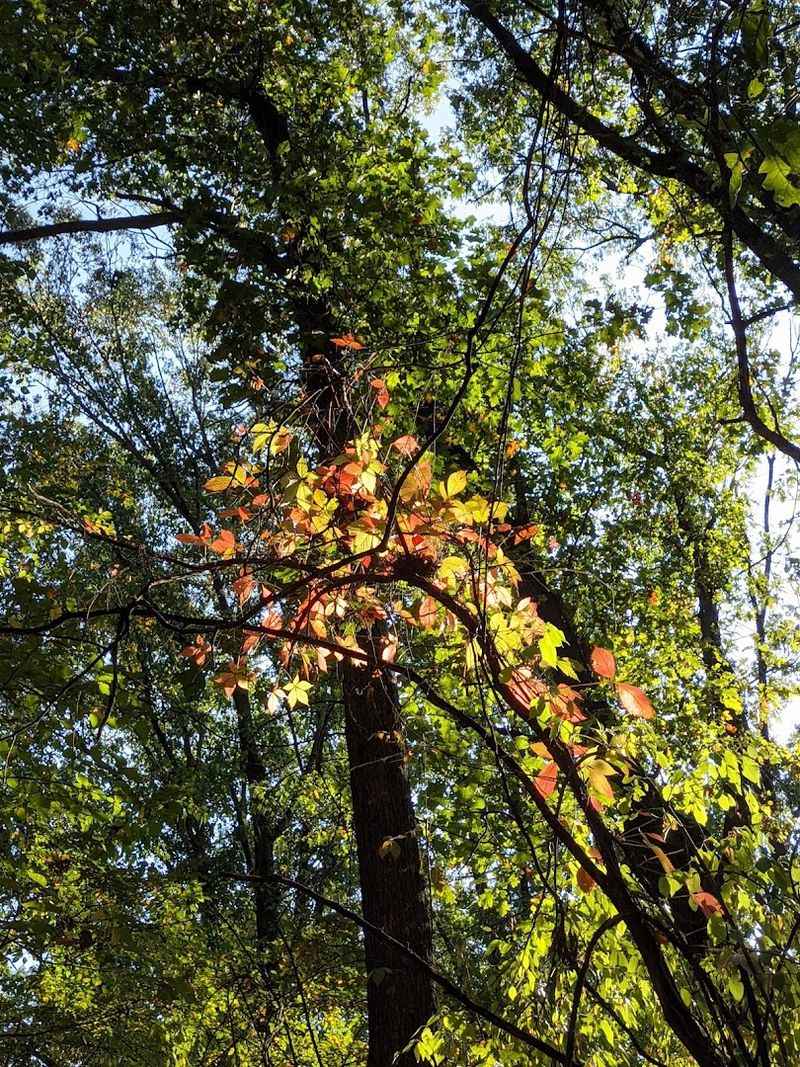
Fall brings a color show that surprises first-timers who assume Oklahoma forests are too scrubby to put on a real display. The oaks turn deep rust and gold, and the combination of color and crisp air makes autumn arguably the best season to visit this park.
The Trail System and How to Navigate It
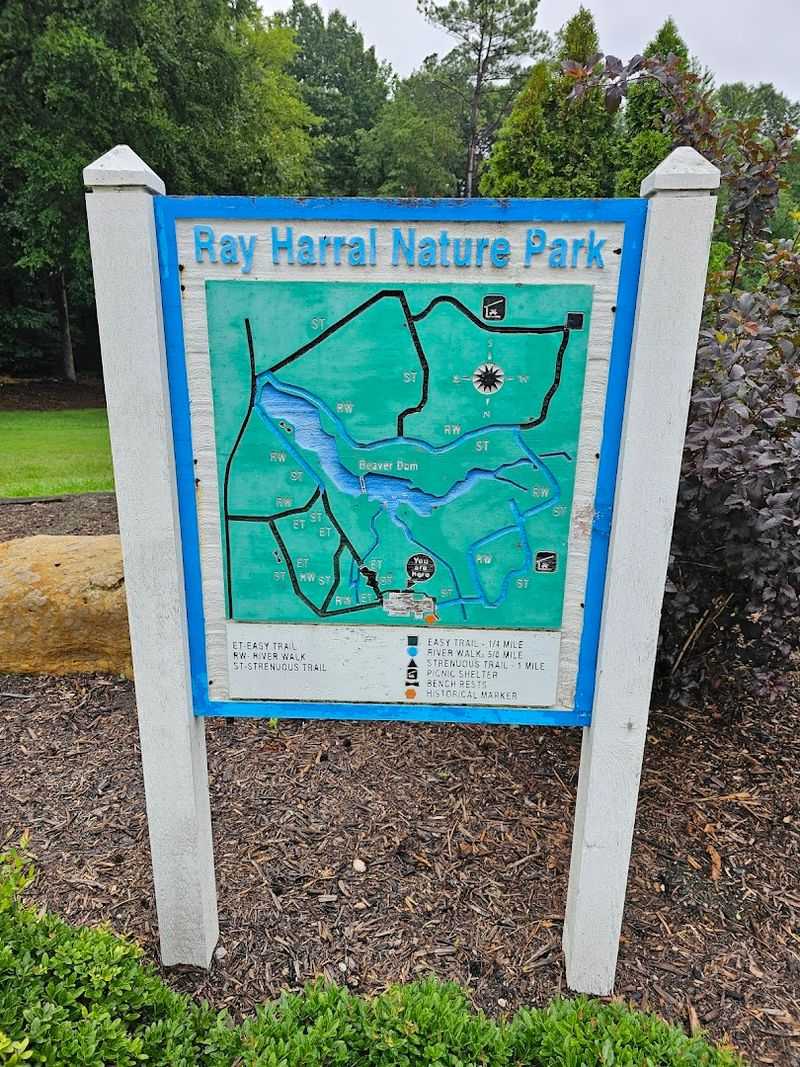
The trail network at Ray Harral Nature Park is modest in length but surprisingly varied in feel. The paths wind through the forest in loops that allow you to explore different sections of the woodland without retracing your steps the whole way, which makes the experience feel more like a genuine adventure than a simple out-and-back walk.
Trail surfaces are natural dirt and leaf litter, with exposed roots and uneven ground in places. Sturdy shoes are a smart choice here because the terrain can get slippery after rain, and the roots have a habit of catching toes that are not paying attention.
The trails are not heavily signed, so a basic sense of direction helps. Most of the loops are short enough that getting seriously turned around is unlikely, but first-time visitors should take a moment at the trailhead to orient themselves before heading in.
The overall distance available is well suited to a one to two hour visit, which makes the park a realistic option even on a busy day. You get enough trail to feel like you actually explored something, without committing to a full-day hike that requires advance planning or packed lunches.
Wildlife You Might Spot Along the Way
The wildlife activity at Ray Harral Nature Park is one of its quiet selling points. White-tailed deer move through the woodland regularly, and sightings are common enough that a slow, patient walk almost always turns up some sign of them, whether that is a glimpse through the trees or fresh tracks in soft soil near the creek.
Bird life is particularly rich here. The dense oak canopy attracts woodpeckers, nuthatches, and Carolina wrens year-round, while spring migration brings warblers and other songbirds passing through.
Birders who visit in April and May often come away with impressive lists without covering much ground at all.
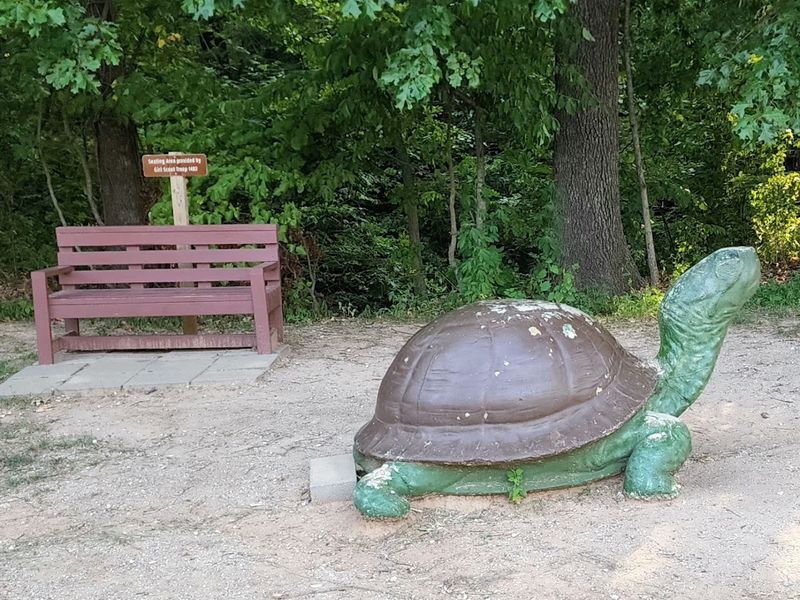
Reptiles are part of the picture too. Eastern box turtles are a regular find on the trails, especially after rain, and various skink species sun themselves on logs near the creek.
The park is a good place to introduce younger kids to the idea that not all wildlife is large and dramatic.
Squirrels and raccoons are constants, as expected in any Oklahoma woodland, but the real reward is the occasional unexpected encounter, like a great horned owl sitting low in a tree or a red fox trotting across the trail without a care in the world.
Best Times to Visit and What to Expect Each Season
Spring is genuinely spectacular at Ray Harral Nature Park. The combination of blooming understory plants, returning migratory birds, and mild temperatures creates conditions that feel almost purpose-built for a relaxed morning walk.
Trails can be muddy in March after heavy rains, but by April the ground firms up and the forest hits its stride.
Summer is warm, as Oklahoma summers tend to be, but the tree canopy at this park does a remarkable job of keeping the trails shaded. Early morning visits in June and July are comfortable, and the creek adds a refreshing element to the experience.
Avoid midday in August unless you enjoy testing your heat tolerance.
Fall earns its reputation here. The oak trees color up in October and November, and the cooler temperatures make longer walks genuinely enjoyable.
Weekend mornings in October are particularly popular with local families, so arriving early gives you a better chance of having the trails to yourself.
Winter is underrated. The bare canopy opens up long sightlines through the forest that are impossible in leafy seasons, and the park is quiet enough in January and February that you can walk the trails in near total silence, which is its own kind of reward.
Practical Tips for Making the Most of Your Visit
A few simple preparations make a real difference at Ray Harral Nature Park. Water is the obvious one.
The trails are short, but Oklahoma heat can be deceptive, and having a bottle on hand keeps the experience comfortable rather than draining.
Bug repellent is worth throwing in your bag, especially from late spring through early fall. The woodland environment near the creek creates ideal conditions for mosquitoes, and a quick application before hitting the trail saves a lot of swatting and scratching later on.
The park does not have restroom facilities on site, so plan accordingly before you arrive. It is a small inconvenience that surprises first-time visitors who are used to more developed parks, but it is easy to manage with a little advance awareness.
Bringing a camera or even just using your phone for photos is highly recommended. The light filtering through the oak canopy creates genuinely beautiful conditions throughout most of the day, and the creek crossing in particular tends to produce images that look far more dramatic than the modest surroundings might suggest.
Dogs are welcome on leash, and the trails are well suited to a casual dog walk that doubles as a proper nature experience for both owner and pet.
Why This Park Matters to the Broken Arrow Community
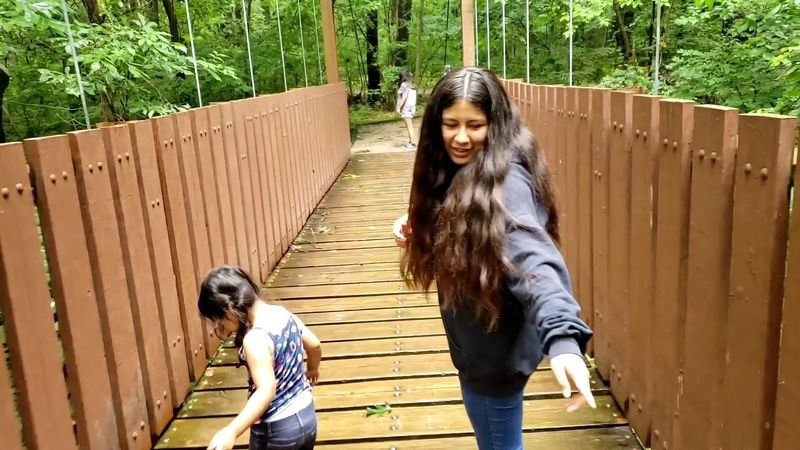
Urban green spaces carry more weight than most people realize, and Ray Harral Nature Park is a clear example of why they matter. Broken Arrow is one of the fastest-growing cities in Oklahoma, and that growth puts constant pressure on the natural areas that remain within city limits.
Parks like this one give residents a place to decompress without driving an hour to reach a state park. The accessibility factor is significant.
When nature is within a few miles of home, people use it regularly rather than treating it as a special occasion, and that regular contact with the outdoors has real benefits for mental and physical health.
The park also serves an educational function. Local schools use it for outdoor learning, and the variety of plant and animal life makes it a practical classroom for topics ranging from ecology to geology to basic trail navigation.
Community attachment to Ray Harral Nature Park runs deep, and that attachment is part of what keeps it protected. When residents feel personally connected to a green space, they tend to advocate for it when development pressures arise.
The park is a reminder that Oklahoma cities can grow and still choose to hold onto the wild edges that make them worth living in.



