There is a trail in eastern Oklahoma that quietly earns its reputation every single season, drawing hikers, nature lovers, and weekend wanderers back year after year. Tucked into the hills above Lake Tenkiller near Park Hill, the Burnt Cabin Trail rewards those who make the drive with sweeping views that genuinely stop you in your tracks.
I had heard good things, but nothing quite prepared me for the moment the treeline opened up and the lake stretched out below me in every shade of blue imaginable. This trail is not just a walk in the woods; it is one of those rare outdoor experiences that reminds you why Oklahoma deserves far more credit than it usually gets.
Where the Trail Begins: Location and Access
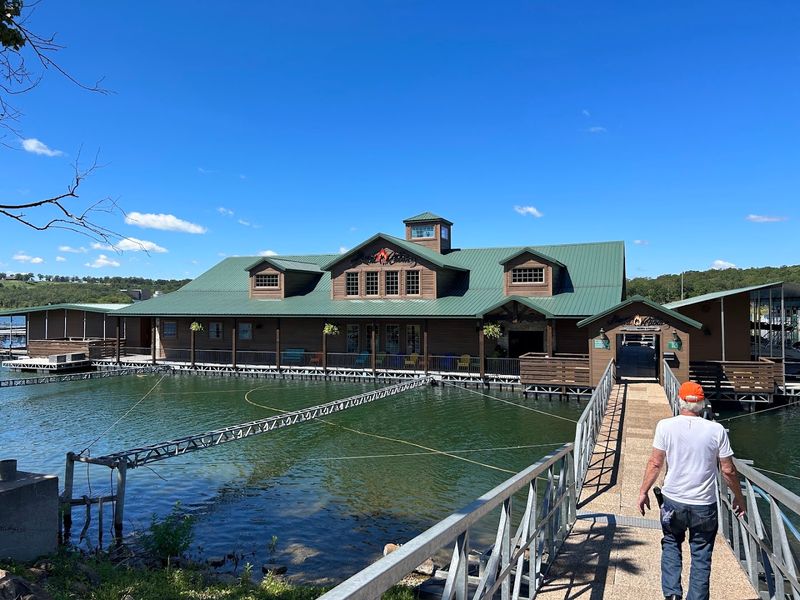
The trailhead for the Burnt Cabin Trail sits close to the Burnt Cabin Marina and Resort area, accessed via 35190 S 497 Rd, Park Hill, OK 74451, in the heart of Cherokee County in eastern Oklahoma. Getting there involves winding through rolling countryside on roads that feel like they were designed to slow you down on purpose, and honestly, that is not a bad thing.
The approach sets the mood well before you ever lace up your boots. The surrounding landscape is a mix of dense oak and hickory forest, with the occasional cedar adding some year-round green to the palette.
Parking near the trailhead is relatively straightforward, with enough room for several vehicles. I arrived on a Saturday morning and found a handful of other hikers already gearing up, which told me word had spread but had not yet turned this spot into a crowded mess.
The accessibility here is one of the trail’s quiet strengths.
The Story Behind the Name
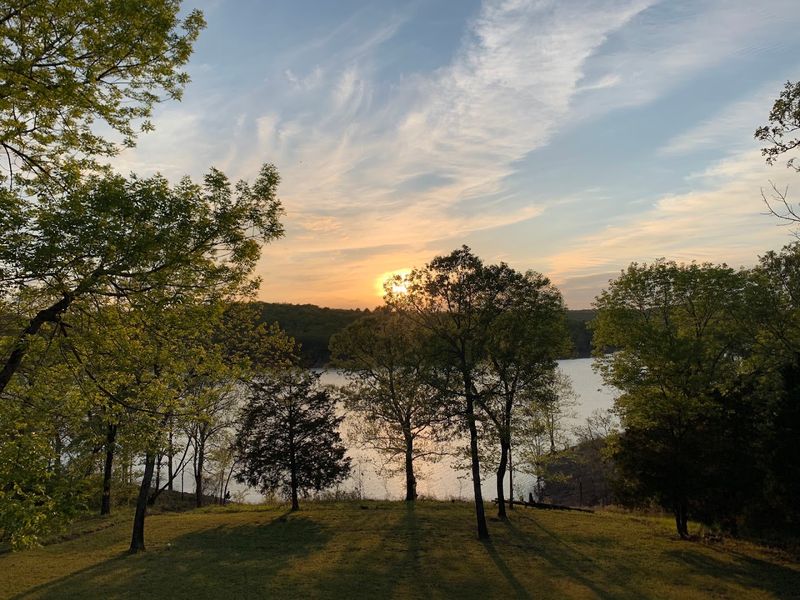
A trail name like “Burnt Cabin” carries weight, and the history behind it is rooted in the broader story of the Cherokee Nation, who were forcibly relocated to Indian Territory in the 1800s. The Park Hill area of Cherokee County became one of the cultural centers of the Cherokee people after removal, and the land around Lake Tenkiller carries layers of that history beneath its scenic surface.
The name itself reflects the kind of rugged, frontier-era past that shaped this corner of Oklahoma. Early settlers and tribal communities built homesteads throughout these hills, and remnants of that era linger in place names scattered across the region.
Hiking through this area with that context in mind adds a dimension that purely scenic trails sometimes lack. You are not just walking through pretty woods; you are moving through land that has witnessed centuries of human story.
That awareness made each step feel a little more grounded and a little more meaningful to me personally.
The Forest Canopy: What You Walk Through
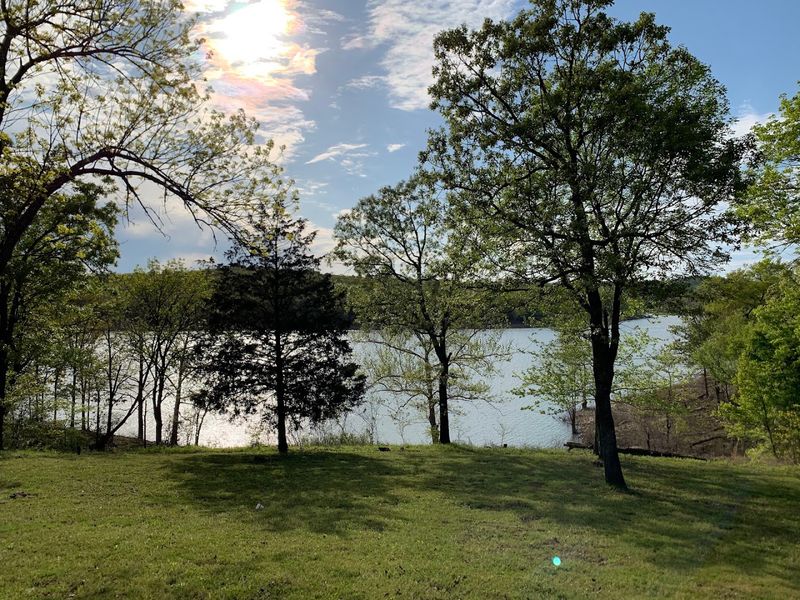
The forest along the Burnt Cabin Trail is genuinely impressive in a way that sneaks up on you. Eastern Oklahoma sits in a transitional zone between the Great Plains and the Ouachita highlands, which means the tree diversity here is richer than most people expect from this state.
Post oak, blackjack oak, hickory, and shortleaf pine all share space along the trail, creating a layered canopy that filters sunlight into something almost theatrical on clear mornings. In autumn, this stretch of trail turns into a slow-motion color show that would make any leaf-peeper happy.
The understory is lively too, with native shrubs and wildflowers popping up in the gaps between larger trees. I spotted what looked like wild columbine near a rocky outcrop, and the birdsong throughout my hike was constant and varied.
The forest does not feel manicured or managed; it feels alive and slightly wild, which is exactly what you want from a trail like this.
The Terrain: What to Expect Underfoot
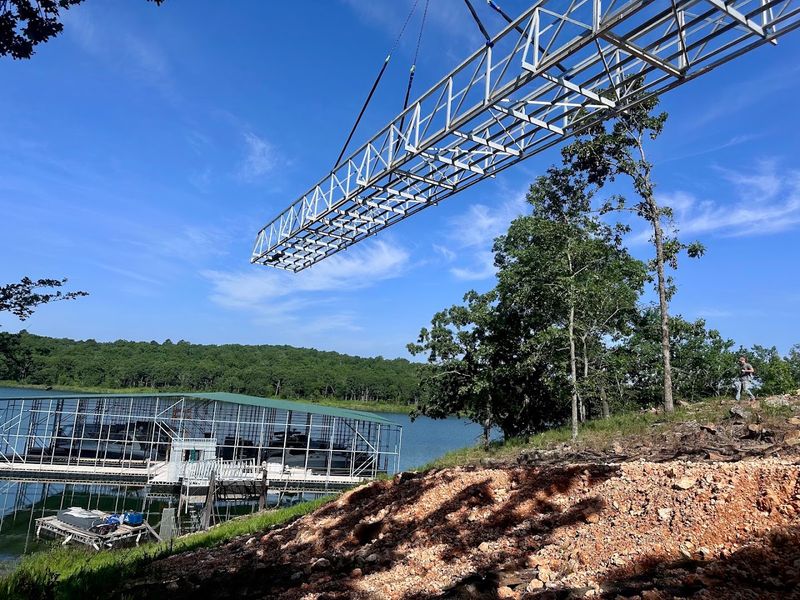
The Burnt Cabin Trail is not a casual flat walk, and that is part of what makes the payoff feel earned. The terrain involves a mix of packed earth, exposed root systems, and rocky outcrops that keep your feet and your attention fully engaged throughout the hike.
Elevation changes are moderate but consistent, with enough uphill stretches to get your heart rate up without crossing into punishing territory. Hikers with a basic level of fitness should handle it comfortably, though trail runners and poles are a smart choice for those who prefer extra stability on the descents.
I noticed the trail surface shifts depending on the section you are on. Some stretches feel almost cushioned with leaf litter, while others are harder limestone shelf that requires careful foot placement.
Wearing sturdy hiking shoes rather than sneakers is genuinely good advice here, not just the usual cautious recommendation. The variety in terrain keeps the hike interesting from start to finish.
The Scenic Overlook: The Moment That Makes It All Worth It
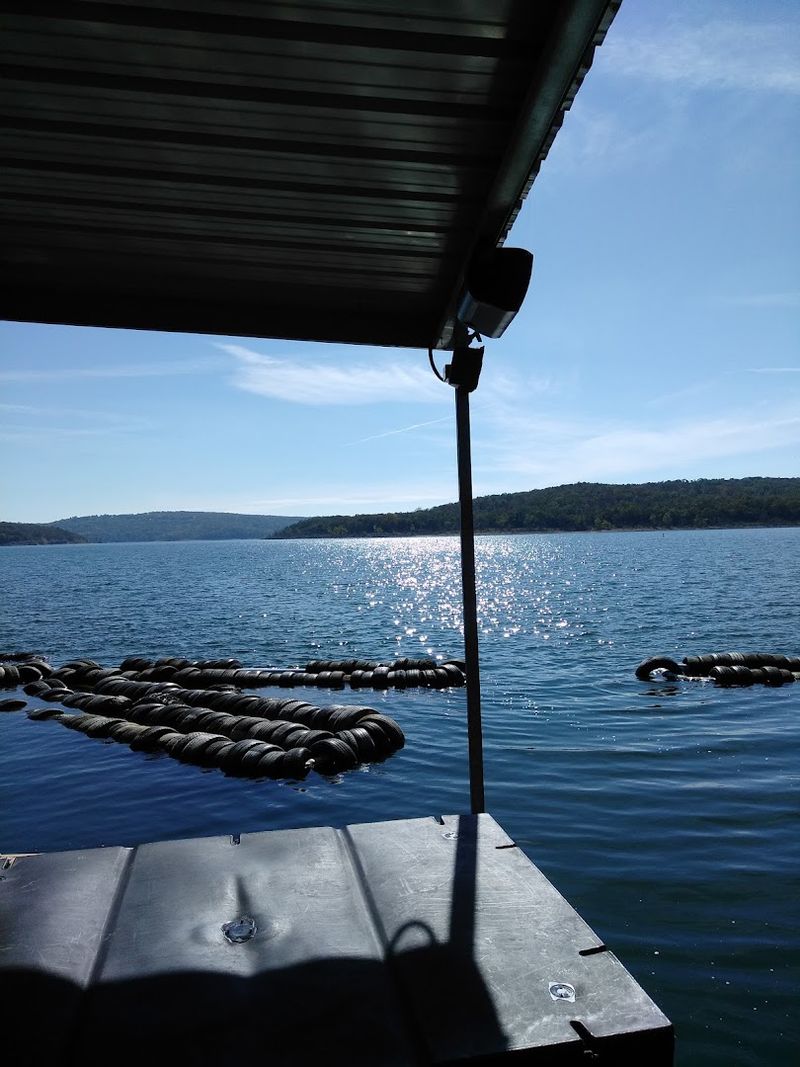
There is a specific moment on the Burnt Cabin Trail when the trees pull back and the view opens up, and it is the kind of sight that makes you stop walking and just stand there for a minute. Lake Tenkiller spreads out below in a deep, clear blue-green that looks almost unreal against the surrounding green hills.
Tenkiller is known among Oklahoma locals as one of the clearest lakes in the state, and from the overlook, that reputation is easy to believe. The water color shifts depending on the light, moving from turquoise near the shallower coves to a deeper sapphire in the main channel.
The overlook itself offers enough space to sit, take photos, eat a snack, and simply absorb what you are looking at without feeling crowded. I sat there for about twenty minutes, watching a boat trace a slow arc across the water far below.
Honestly, that view alone justifies the entire drive to Park Hill, regardless of how the rest of your day goes.
Wildlife Along the Trail
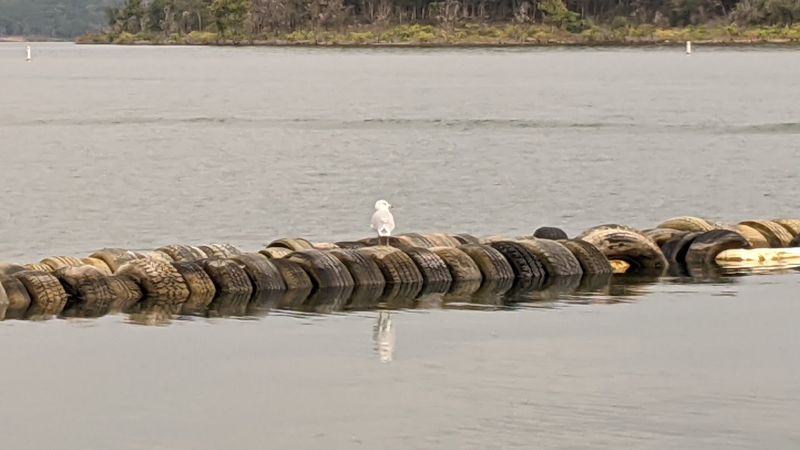
The wildlife presence along the Burnt Cabin Trail is one of those pleasant surprises that turns a good hike into a great one. Eastern Oklahoma supports a remarkably diverse range of animals, and the forested hills around Lake Tenkiller are no exception to that rule.
White-tailed deer are common sightings, especially in the early morning and late afternoon hours when they move through the understory with a calm confidence that suggests they are not particularly worried about hikers. Wild turkey also frequent this area, and their sudden bursts from the brush have a way of testing your composure.
Birdwatchers will find plenty to keep their binoculars busy. Red-tailed hawks ride the thermals above the ridge, and smaller woodland species like Carolina wrens and red-bellied woodpeckers fill the trees with sound.
I also spotted a five-lined skink on a sunny rock near the overlook, which felt like a small bonus reward for paying attention to the details around me.
Best Times of Year to Visit
Timing a visit to the Burnt Cabin Trail makes a real difference in what you experience, and the good news is that this trail delivers something worthwhile in nearly every season. Spring is arguably the most dynamic time to visit, when wildflowers bloom along the trail edges and the lake sits at high water levels that make the overlook even more dramatic.
Autumn runs a close second in terms of visual appeal. The oak and hickory forest ignites with color from mid-October through early November, and the cooler temperatures make the uphill sections far more comfortable than they are in the heat of July.
Summer hiking here requires an early start. By mid-morning, the humidity and heat in eastern Oklahoma can make the trail feel considerably harder than it actually is.
Winter visits are quieter and offer a stripped-down view of the landscape that has its own stark appeal, with bare branches revealing rock formations and distant ridgelines that the summer canopy hides. Each season brings a genuinely different character to the same trail.
Lake Tenkiller: The Star of the View
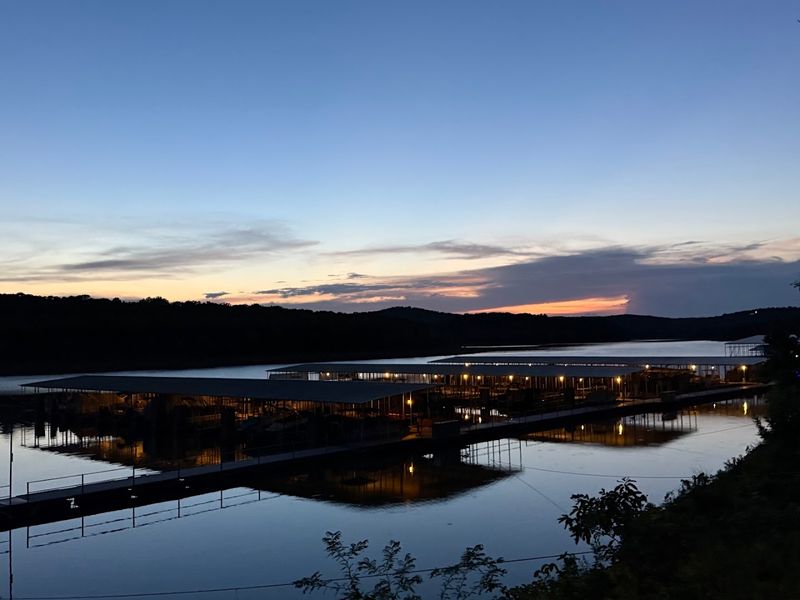
Lake Tenkiller is the reason the overlook on this trail is so spectacular, so it is worth understanding a bit about what you are actually looking at. The lake was created in 1952 when the Illinois River was dammed by the Army Corps of Engineers, forming a reservoir that stretches across roughly 12,900 acres in Cherokee and Sequoyah counties.
What makes Tenkiller stand apart from most Oklahoma lakes is the clarity of the water. The Illinois River runs through limestone country before feeding the lake, which gives the water a natural filtration that results in visibility reaching several feet below the surface in many spots.
Divers and snorkelers actually come to Tenkiller specifically for that underwater visibility.
From the trail overlook, the lake’s geography becomes clear in a way that a lakeside view does not reveal. You can see how the coves cut into the hillsides, how the main channel curves, and how the surrounding forest rolls right down to the water’s edge.
That bird’s-eye perspective is genuinely something you cannot get any other way.
Trail Length, Difficulty, and What to Bring
The Burnt Cabin Trail is generally considered a moderate hike, suitable for most adults and older children who are comfortable with uneven terrain and some elevation gain. The trail length runs a few miles in total, making it manageable as a half-day outing without requiring an overnight commitment or serious athletic preparation.
Water is the single most important thing to pack, especially if you visit between May and September. The trail offers no water sources or facilities along the route itself, and the combination of heat and humidity in this part of Oklahoma can catch unprepared hikers off guard.
I brought more water than I thought I needed and was glad I did.
Sunscreen and insect repellent round out the essentials, particularly in warmer months when ticks are active in this region. A small first aid kit, a trail map downloaded offline, and a fully charged phone cover the practical bases.
Snacks that do not melt or crush easily are a good idea, since the overlook is an ideal spot to sit and refuel before heading back down the trail.
Photography Opportunities Along the Route
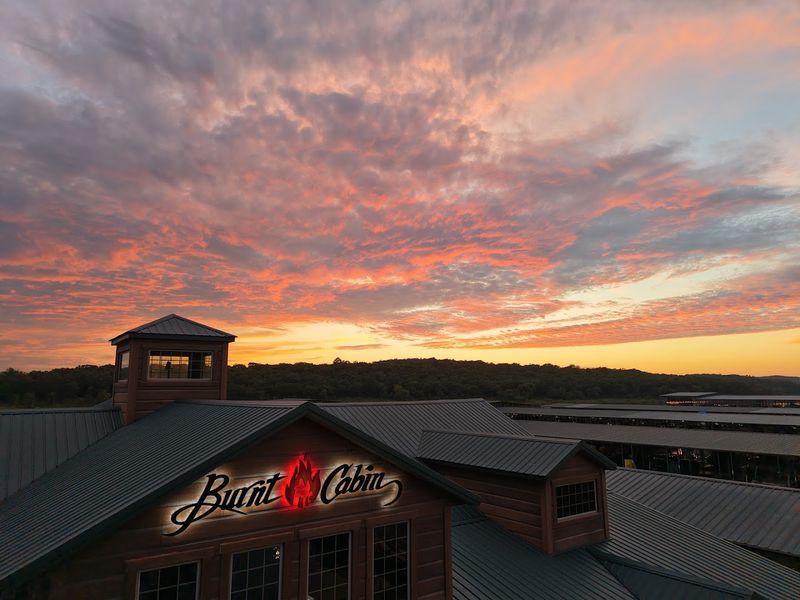
The Burnt Cabin Trail is a genuinely rewarding location for photography, and not just at the overlook. The forest sections offer strong opportunities for close-up nature shots, with interesting textures in bark, lichen-covered rocks, and the occasional wildflower that rewards a macro lens or even a patient smartphone camera.
The overlook itself is the obvious highlight for landscape photographers. Golden hour visits, either just after sunrise or in the hour before sunset, produce light that transforms the lake’s surface into something almost painterly.
Midday light is harsher but can still work well if there are clouds adding texture to the sky above the ridge.
Composition on the overlook benefits from using the foreground tree branches as natural framing elements, which adds depth to wide shots and keeps the eye moving toward the water. I took more photos than I planned to, which is usually the sign of a location that genuinely delivers.
Even casual phone photographers will come away with shots that look impressive enough to make friends ask where on earth you found this place.
The Broader Burnt Cabin Area: What Else Is Nearby
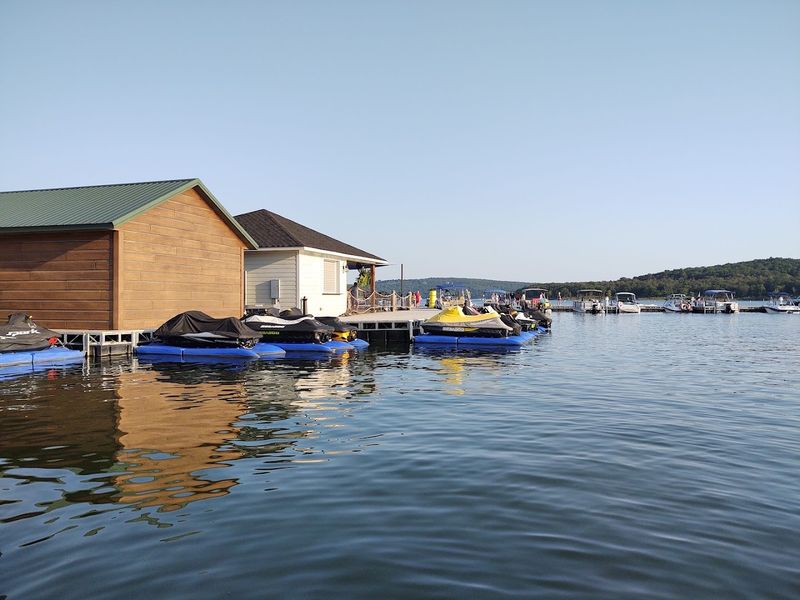
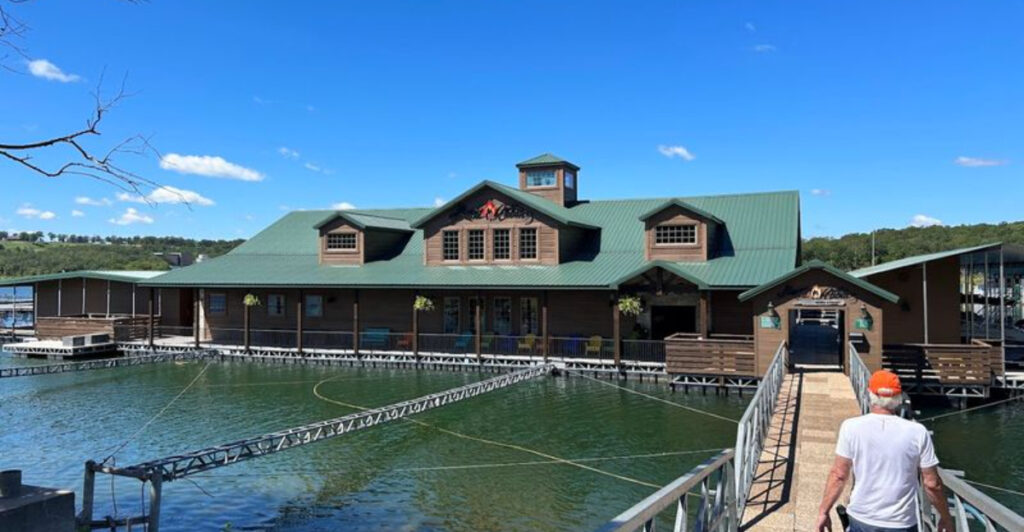
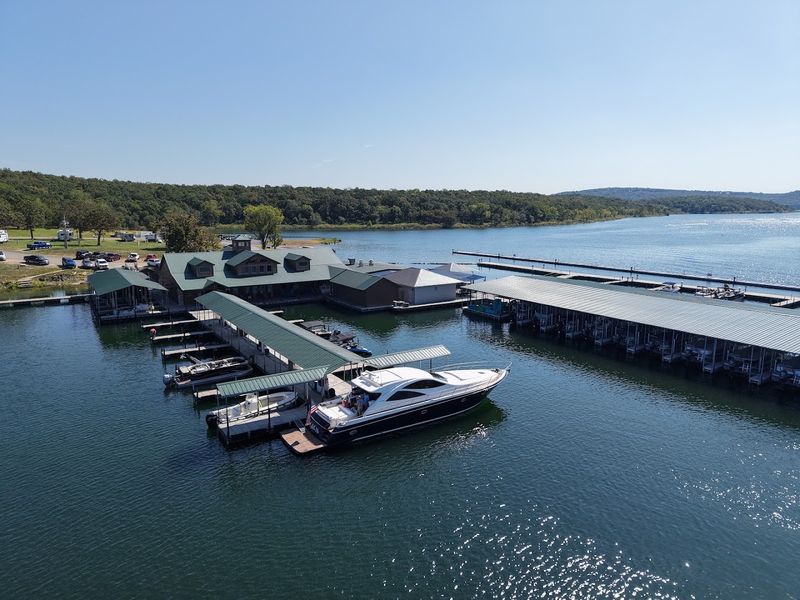
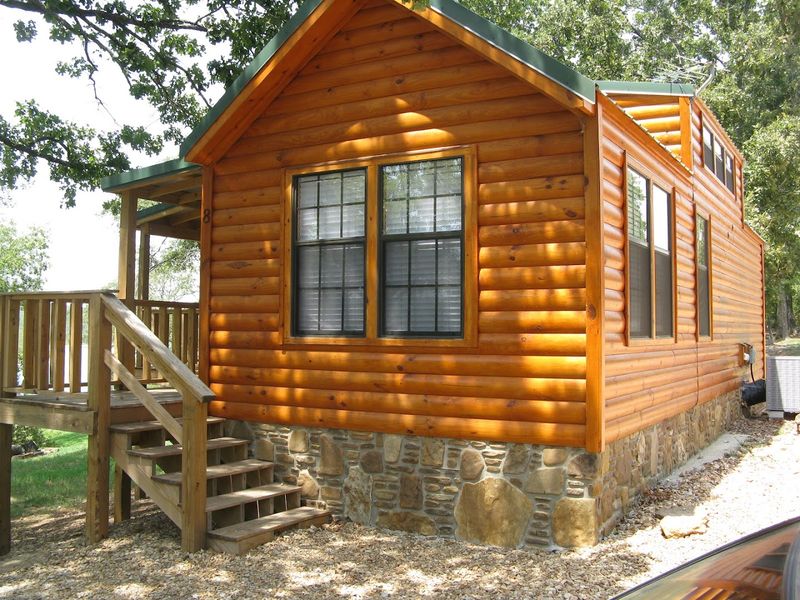
The trail does not exist in isolation, and the broader Burnt Cabin area around Park Hill offers enough to fill an entire weekend without much effort. The Burnt Cabin Marina and Resort at 35190 S 497 Rd sits right on the lake and provides boat rentals, cabin accommodations, a marina store, and a restaurant with lakeside views that make a post-hike meal feel like a proper reward.
Pontoon boat rentals through the marina give you a chance to see the lake from the water after spending the morning looking down at it from the trail. That combination of perspectives, first from above and then from the surface, gives you a genuinely complete picture of Tenkiller’s scale and beauty.
The surrounding Cherokee County area also offers access to Tenkiller State Park, additional hiking options, and the historic town of Tahlequah, which serves as the capital of the Cherokee Nation. Spending two days in this corner of Oklahoma gives you enough time to layer the outdoor experience with some genuine cultural and historical depth that makes the trip feel more substantial.
Why This Trail Deserves More Recognition
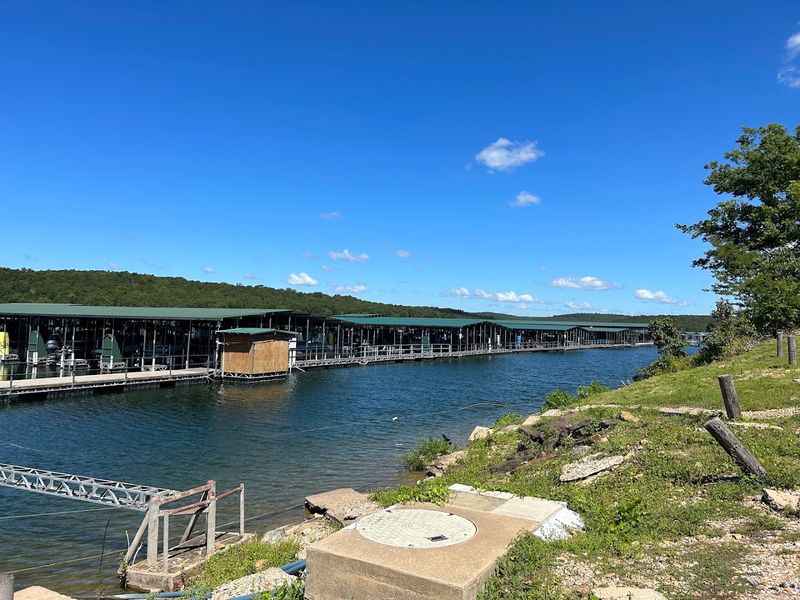
Oklahoma does not always make the top of people’s hiking lists, and that is a genuine oversight that trails like this one work quietly to correct. The Burnt Cabin Trail combines accessible terrain, rich forest character, abundant wildlife, and a payoff overlook that genuinely competes with viewpoints in states that get far more outdoor tourism attention.
The trail attracts a mix of serious hikers and casual visitors, and it handles both groups well without feeling too developed or too rough. There are no crowds fighting for the best photo spot, no entrance fees that require planning, and no sense that the experience has been packaged and sold back to you.
What you get instead is a trail that feels honest, a forest that feels real, and a view that feels earned. Eastern Oklahoma has been delivering experiences like this for generations to the people who live nearby, and it is about time the wider hiking community started paying attention.
The Burnt Cabin Trail is not a secret that needs protecting; it is a place that deserves to be found.
Share this story