 Unearth The Voyage
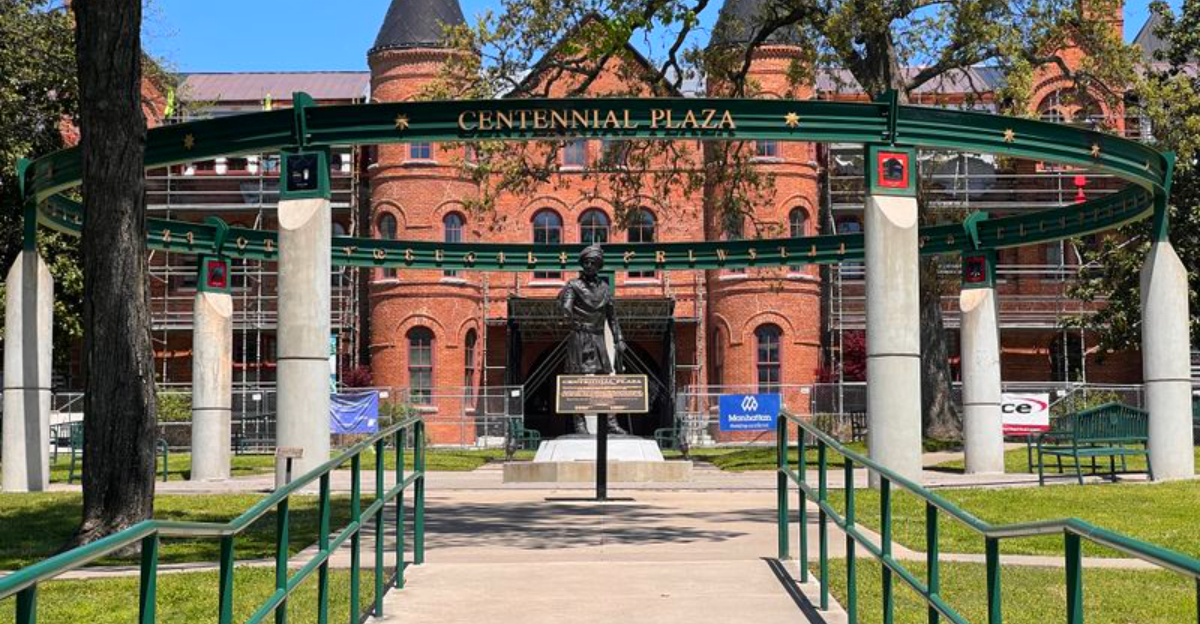
Tahlequah sits quietly in the green hills of northeastern Oklahoma, but this small city carries a big story. As the capital of the Cherokee Nation, it holds centuries of Native American history, culture, and resilience that continue to shape the community today.
Visitors from all over come to walk historic trails, explore fascinating museums, and hear stories that bring the past to life in meaningful ways.
Cherokee Heritage Center
Walking through the Cherokee Heritage Center feels like stepping into a living history book where every exhibit tells a powerful story. This remarkable museum complex showcases the journey of the Cherokee people through interactive displays, authentic artifacts, and reconstructed villages that transport you back in time.
The center sits on 44 acres of beautiful land, giving visitors plenty of space to explore both indoor galleries and outdoor historical sites.
Inside, you will find exhibits covering everything from ancient Cherokee life to the painful Trail of Tears journey and the tribe’s remarkable rebuilding in Oklahoma. The Adams Corner Rural Village recreates life in a 1890s Cherokee community, complete with original buildings moved to the site.
You can peek inside homes, a schoolhouse, and even a working print shop to see how families lived over a century ago.
The Diligwa village takes you even further back, showing traditional Cherokee life before European contact. Costumed interpreters demonstrate ancient crafts, cooking methods, and daily activities that kept communities thriving for generations.
This hands-on approach makes history feel real and relatable, especially for younger visitors who learn best by seeing and doing rather than just reading.
Trail of Tears National Historic Trail
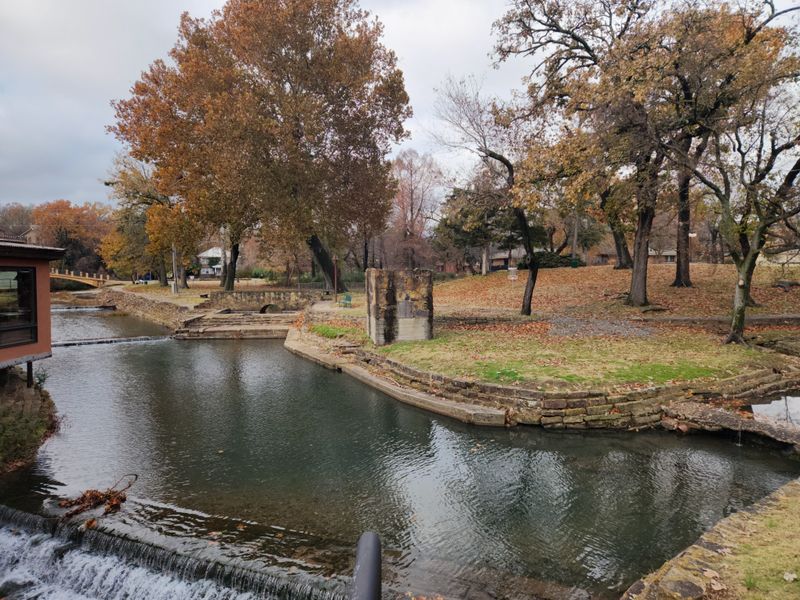
Few places in America carry the emotional weight of the Trail of Tears routes that lead to Tahlequah. This national historic trail commemorates the forced removal of Cherokee people from their southeastern homelands in the 1830s, a journey that cost thousands of lives and changed the nation forever.
Walking even a small section of this trail helps visitors understand the resilience and strength of the Cherokee people who rebuilt their nation after unimaginable loss.
The trail does not follow just one path but traces multiple routes taken by different groups during the removal. In and around Tahlequah, you will find marked sections with interpretive signs explaining what happened at specific locations.
Some spots mark campsites where exhausted families rested, while others note river crossings or places where people died and were buried far from home.
Local guides and Cherokee Nation citizens sometimes lead walking tours that bring these sites to life with personal stories passed down through generations. Hearing a descendant share their great-great-grandmother’s experience makes history feel immediate and personal.
The trail serves as both a memorial to those who suffered and a testament to the Cherokee Nation’s survival and continued strength in their new capital.
Cherokee National Capitol Building
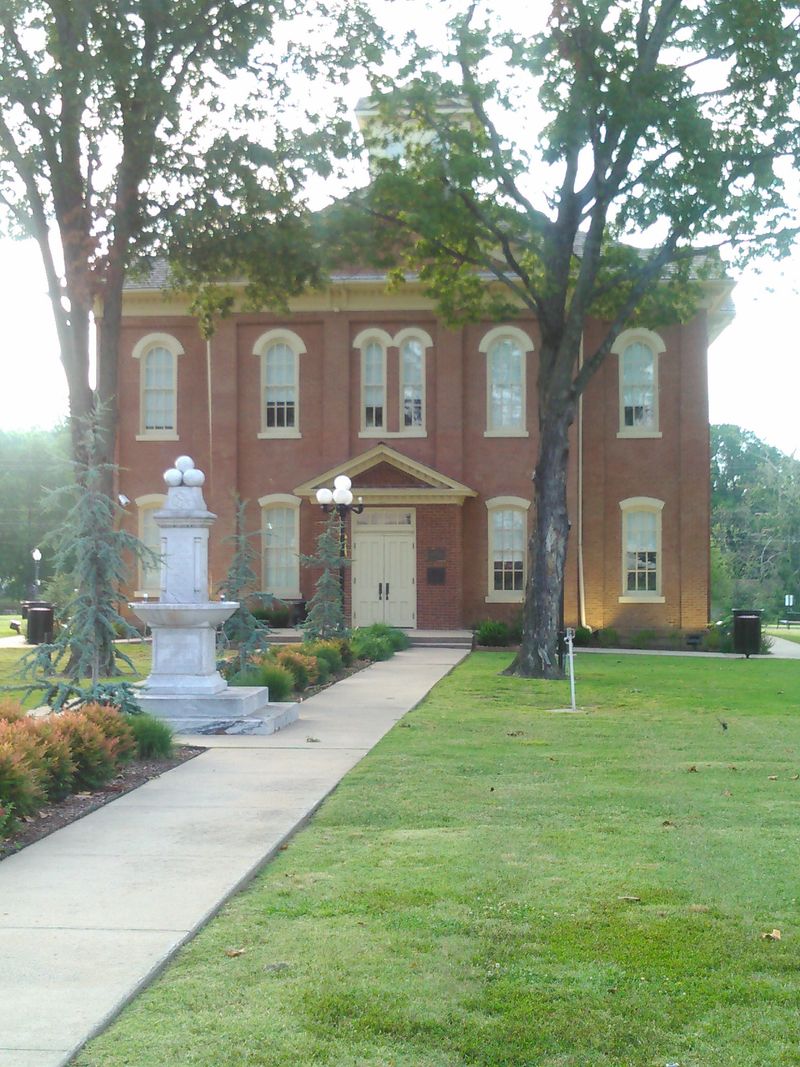
Standing proudly in downtown Tahlequah since 1870, the Cherokee National Capitol Building represents democracy, determination, and cultural survival all rolled into one beautiful structure. This red brick building with white columns served as the seat of Cherokee government for decades and continues to symbolize the nation’s sovereignty today.
The architecture blends traditional governmental styles with unique Cherokee touches, creating something distinctly special.
Tours of the building take you through rooms where important tribal laws were debated and passed by Cherokee leaders elected by their people. The Supreme Court chamber, legislative halls, and executive offices all remain preserved, giving visitors a clear picture of how the Cherokee Nation governed itself.
Original furnishings, documents, and photographs line the walls, telling stories of the leaders who shaped tribal policy during challenging times.
Outside, the grounds feature monuments and markers explaining the building’s significance in Cherokee and American history. The capitol stopped serving as the government seat in 1907 when Oklahoma became a state, but it reopened as a museum in the 1960s.
Today it stands as a powerful reminder that the Cherokee Nation maintained its own government, laws, and leadership even after being forced from their homeland.
Cherokee National Prison Museum
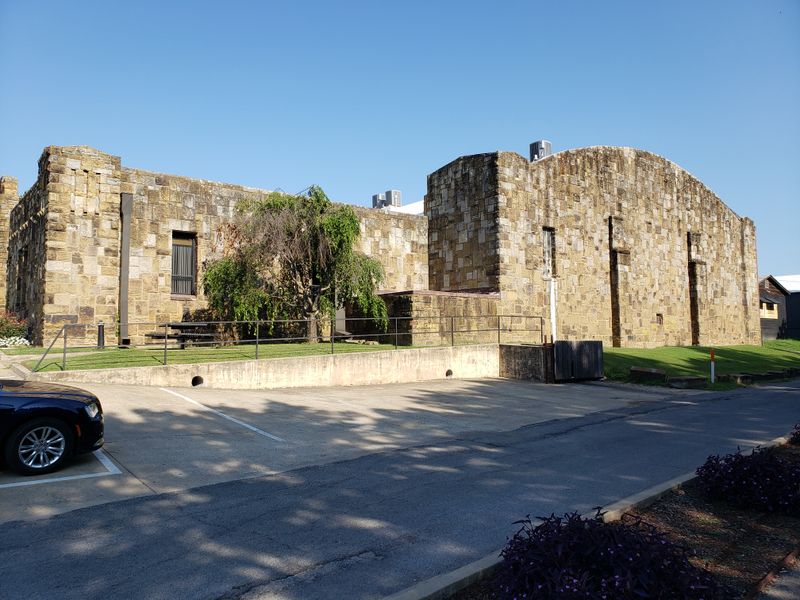
Most people do not expect a prison to be a museum highlight, but the Cherokee National Prison tells a fascinating story about tribal law and justice. Built in 1874, this stone building housed criminals convicted under Cherokee law, proving that the tribe maintained its own complete legal system separate from state or federal courts.
The thick walls and barred windows still look imposing today, just as they did when the facility operated.
Inside, exhibits explain how Cherokee law worked and what crimes landed people behind these bars. Theft, murder, and other serious offenses were tried in Cherokee courts by Cherokee judges applying Cherokee law.
The prison held both Cherokee citizens and non-Cherokee people who committed crimes within tribal territory, showing the nation’s broad legal authority during that era.
Original cells remain intact, giving visitors a sobering look at 19th-century prison conditions. The small, dark spaces held multiple prisoners at once, with minimal comfort or privacy.
Information panels share stories of specific inmates and the crimes that brought them there. The museum also explores how Cherokee law differed from American law in some interesting ways, including different approaches to punishment and rehabilitation that reflected Cherokee cultural values about justice and community responsibility.
Tsa-La-Gi Ancient Village
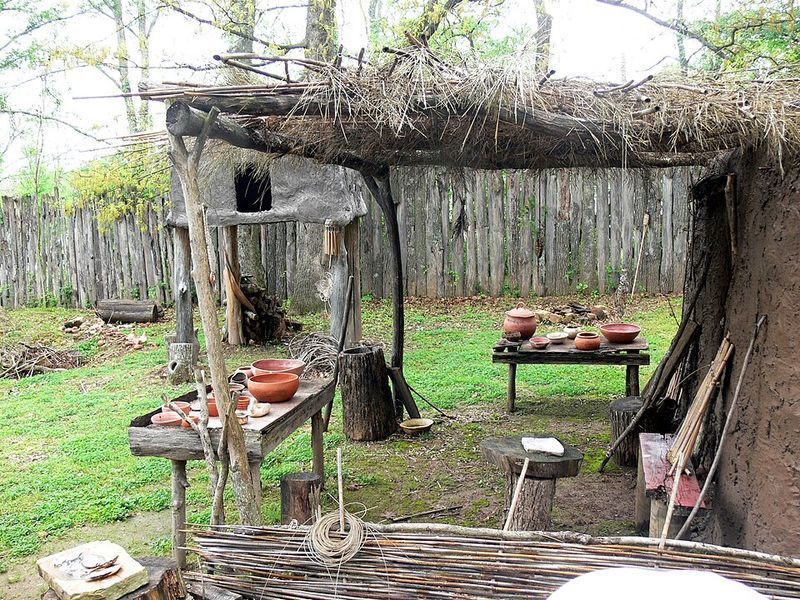
Smoke rises from cooking fires at Tsa-La-Gi Ancient Village, where the Cherokee world of the 1500s comes alive through careful reconstruction and passionate storytelling. This living history village sits within the Cherokee Heritage Center grounds and recreates daily life before European contact changed everything.
Visitors wander through authentic dwellings, watch traditional crafts being made, and taste foods prepared using centuries-old methods.
Costumed interpreters who often have Cherokee heritage themselves demonstrate skills their ancestors used to thrive in southeastern woodlands. You might see someone weaving river cane into baskets, shaping clay pots without a pottery wheel, or preparing traditional dishes like bean bread over an open fire.
They explain not just how things were done but why certain methods worked best and how skills passed from grandparents to grandchildren.
The village layout shows how Cherokee communities organized themselves, with homes positioned to create gathering spaces and work areas. Gardens grow the three sisters crops of corn, beans, and squash that formed the foundation of Cherokee agriculture.
A council house stands at the center, representing the importance of community decision-making. This immersive experience helps visitors understand that Cherokee culture was sophisticated, organized, and deeply connected to the natural world long before European arrival.
Cherokee National Museum
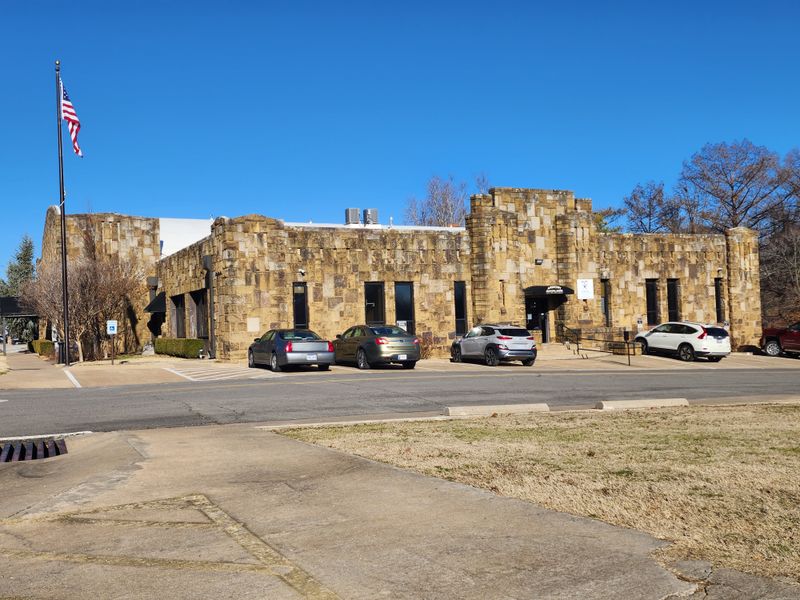
Art, history, and culture blend seamlessly at the Cherokee National Museum, where permanent and rotating exhibits showcase both ancient traditions and contemporary Cherokee life. Unlike museums that treat Native culture as something frozen in the past, this space celebrates the Cherokee Nation as a living, evolving community with modern artists, leaders, and innovations.
The collection spans thousands of years but never loses sight of the present and future.
Permanent exhibits trace Cherokee history from ancient times through removal and into the present day. You will see everything from prehistoric pottery shards to modern Cherokee art that challenges stereotypes and explores contemporary Native identity.
Artifacts like traditional clothing, tools, and ceremonial objects sit alongside photographs, documents, and multimedia presentations that tell complex stories about survival, adaptation, and cultural preservation.
The museum frequently hosts special exhibitions featuring Cherokee artists working in various mediums from painting and sculpture to digital art and film. These shows prove that Cherokee culture is not stuck in history books but continues to grow and change.
Educational programs, lectures, and workshops connect visitors with Cherokee knowledge keepers who share language, stories, and traditions. Whether you spend an hour or a whole day here, you leave with a deeper understanding of Cherokee people as real, multidimensional individuals rather than historical footnotes.
Northeastern State University’s Cherokee History and Culture
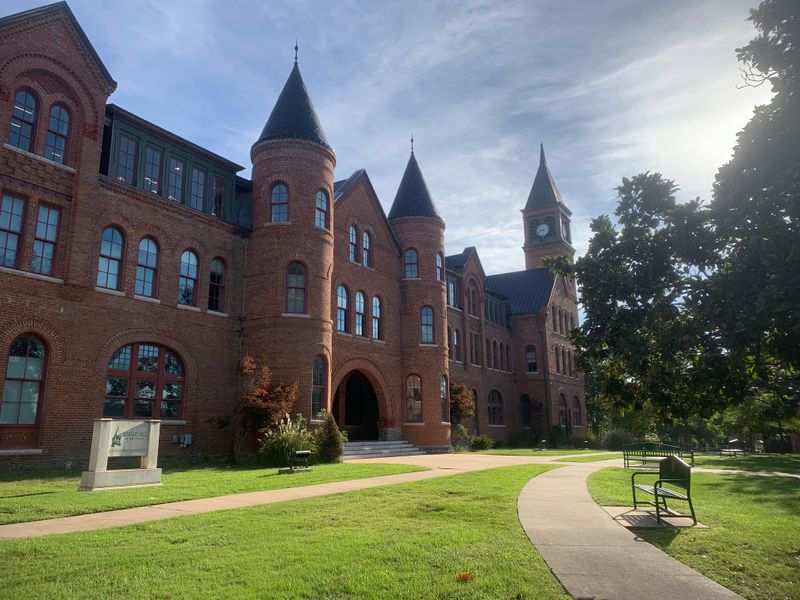
Higher education and Cherokee heritage intersect beautifully at Northeastern State University, which began as the Cherokee Female Seminary in 1851. This makes it one of the oldest institutions of higher learning west of the Mississippi River and a proud symbol of the Cherokee Nation’s commitment to education.
The campus itself holds layers of history, with some buildings dating back over a century and stories embedded in every corner.
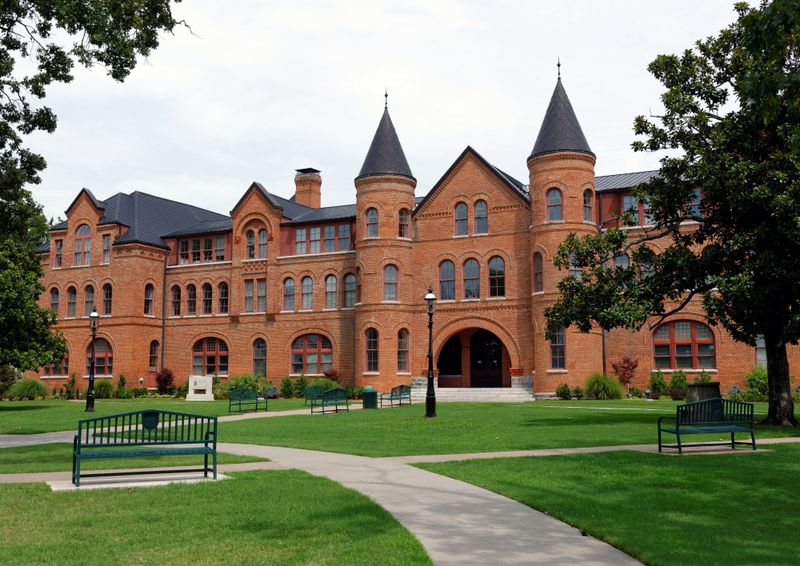
Seminary Hall, the most iconic building on campus, once housed Cherokee girls receiving an education comparable to the best eastern schools of that era. The Cherokee Nation valued education highly and invested significant resources in schools even while rebuilding after forced removal.
Today, the building serves as a museum where visitors can tour rooms that once held classrooms, dormitories, and dining halls for students whose determination to learn helped preserve Cherokee culture.
The university now serves students of all backgrounds but maintains strong connections to its Cherokee roots through special programs, scholarships for Cherokee citizens, and cultural events throughout the year. The campus hosts lectures, powwows, and ceremonies that keep Cherokee traditions visible and vibrant.
Walking these grounds, you feel the weight of history and the hope that education represented for a nation rebuilding itself against enormous odds.
Downtown Tahlequah Historic District
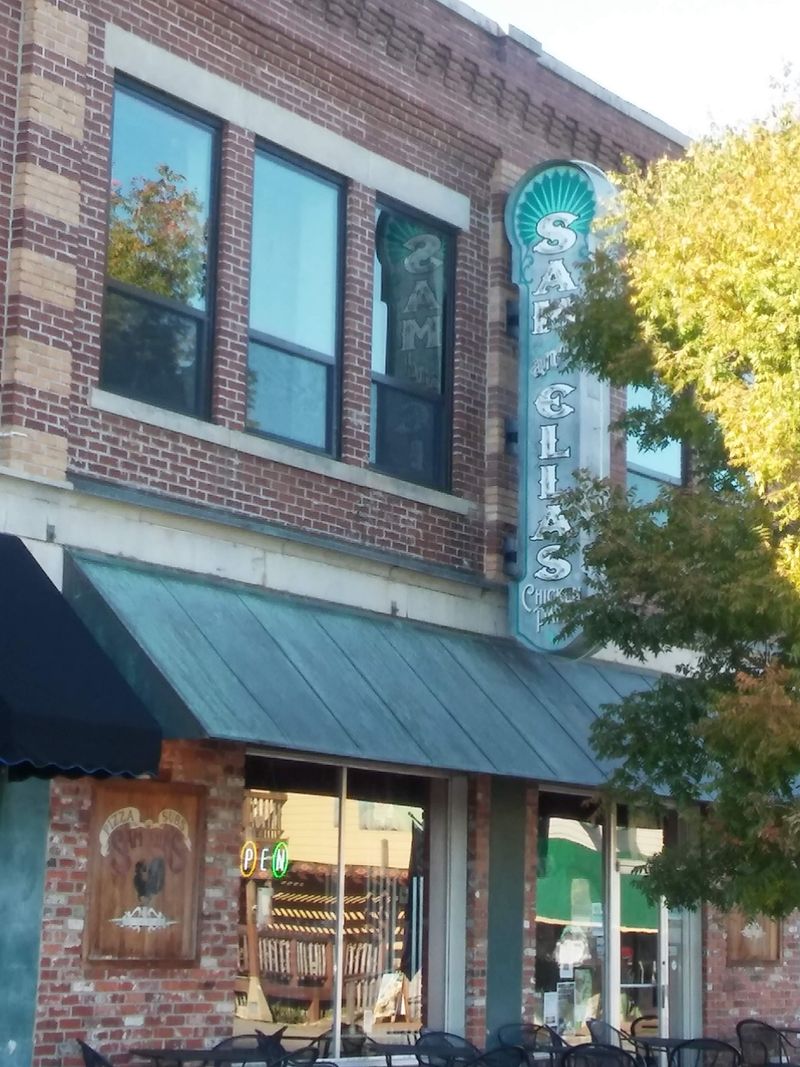
Brick buildings line the streets of downtown Tahlequah, each one holding stories about the Cherokee capital’s evolution from frontier town to modern city. This historic district preserves architecture from the late 1800s and early 1900s when Tahlequah served as both the Cherokee Nation capital and a bustling commercial center.
Walking these streets, you pass buildings that housed tribal offices, newspapers, shops, and gathering places where Cherokee citizens conducted business in their own language.
Many buildings feature historical markers explaining their significance and the people who worked or lived there. You might spot the location of the Cherokee Advocate newspaper office, which published in both Cherokee and English, or buildings where tribal leaders met to discuss important matters.
Some structures still show original details like hand-carved woodwork, vintage signage, and architectural flourishes that reflect both Cherokee and American influences.
Today, these historic buildings house modern businesses including restaurants, shops, galleries, and offices that serve both residents and visitors. Local owners often know the history of their buildings and happily share stories with curious customers.
The district proves that historic preservation and modern life can coexist beautifully. Special events like festivals, art walks, and cultural celebrations regularly fill these streets with music, food, and community spirit that honors the past while embracing the future.
Illinois River and Natural Beauty
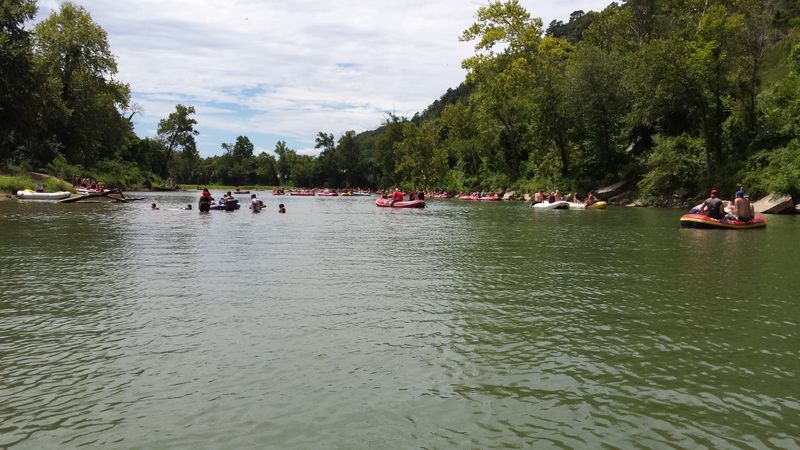
Crystal-clear water rushes over smooth stones as the Illinois River winds through the Ozark foothills surrounding Tahlequah, offering natural beauty that has drawn people to this area for thousands of years. The Cherokee people chose this region partly because of its rivers, forests, and fertile land that could support their rebuilt nation.
Today, the same natural features that sustained Cherokee communities continue to attract visitors seeking outdoor recreation and peaceful scenery.
Floating the Illinois River has become a beloved summer tradition, with outfitters renting canoes, kayaks, and rafts for lazy trips downstream. The gentle current makes it perfect for families and beginners, while the clear water lets you spot fish swimming below.
Wooded banks provide shade and wildlife viewing opportunities, with herons, turtles, and occasionally deer appearing along the shore.
Beyond recreation, the river holds spiritual and cultural significance for Cherokee people who have lived alongside it for generations. Traditional stories connect Cherokee history to specific locations along the waterway, and some families still gather medicinal plants and materials for traditional crafts from riverside areas.
Respecting the river means understanding it is not just a playground but a living part of Cherokee homeland. Local guides sometimes share these deeper connections, helping visitors appreciate the landscape through Cherokee eyes rather than just as a pretty backdrop.
Cherokee Art Market and Local Artists
Creativity flows through Tahlequah in the form of talented Cherokee artists who keep traditional arts alive while pushing boundaries with contemporary work. The annual Cherokee Art Market brings dozens of artists to Tahlequah to display and sell their creations, from traditional pottery and beadwork to modern paintings, sculpture, and jewelry.
This event celebrates Cherokee artistic heritage as something dynamic and constantly evolving rather than frozen in time.
Traditional Cherokee art forms like basket weaving, pottery, and beadwork require skills passed down through families for generations. Master artists often learned from grandparents or great-grandparents who learned from their elders in an unbroken chain reaching back centuries.
Watching these artists work, you see techniques and patterns that Cherokee people have used for hundreds of years, each piece carrying cultural knowledge and meaning beyond its physical beauty.
Contemporary Cherokee artists blend traditional elements with modern styles and materials, creating work that speaks to current Native experiences and challenges stereotypes. Their paintings might address identity, sovereignty, or environmental issues using symbolism rooted in Cherokee culture.
Sculptors work in everything from traditional wood and stone to modern metals and found objects. These artists prove that Cherokee culture is not stuck in the past but continues to grow, change, and respond to the modern world while maintaining connections to ancestral knowledge and values.
Cherokee Language Revitalization Efforts
Street signs in downtown Tahlequah display words in both English and Cherokee, using the unique syllabary writing system invented by Sequoyah in the 1820s. This visible presence of Cherokee language represents ongoing efforts to preserve and revitalize a tongue that nearly disappeared under decades of forced assimilation policies.
Today, the Cherokee Nation invests heavily in language programs, and Tahlequah serves as the center for these crucial cultural preservation efforts.
The Cherokee Nation operates immersion schools where children learn subjects like math, science, and history entirely in Cherokee, becoming fluent speakers in a language their great-grandparents might have been punished for speaking. Adult language classes welcome anyone wanting to learn, from Cherokee citizens reconnecting with their heritage to non-Cherokee people supporting preservation efforts.
Technology plays a role too, with Cherokee language apps, online courses, and social media accounts making learning accessible to people anywhere.
Visitors to Tahlequah encounter Cherokee language in unexpected places like restaurant menus, museum labels, and public announcements. Sequoyah’s syllabary, which represents Cherokee sounds with 85 symbols, appears on buildings, signs, and artwork throughout town.
Learning even a few words like “osiyo” for hello or “wado” for thank you shows respect for Cherokee culture. The language carries traditional knowledge, stories, and ways of understanding the world that cannot be fully translated into English, making its preservation vital for maintaining Cherokee identity and worldview.
Cherokee National Holiday Celebration
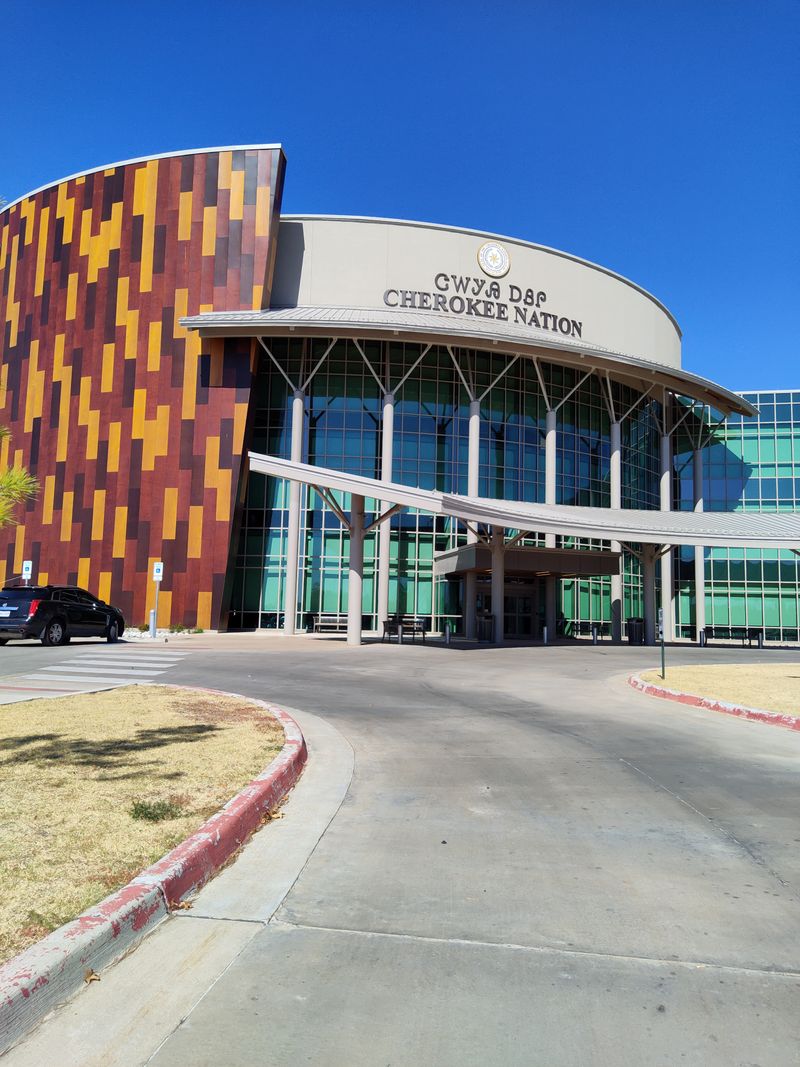
Every Labor Day weekend, Tahlequah transforms into the heart of Cherokee celebration as tens of thousands gather for Cherokee National Holiday, one of the largest tribal gatherings in the United States. This multi-day event commemorates the signing of the Cherokee Nation Constitution in 1839, just years after the devastating Trail of Tears, marking the tribe’s determination to rebuild and govern themselves.
The celebration mixes solemn remembrance with joyful festivities that showcase Cherokee culture in all its forms.
A massive parade winds through downtown featuring tribal leaders, community groups, and representatives from all corners of Cherokee Nation territory. Traditional stomp dance demonstrations, contemporary powwow competitions, and stickball games showcase both ancient and evolving Cherokee traditions.
Food vendors serve everything from traditional fry bread and bean bread to modern fusion dishes that blend Cherokee and other culinary traditions.
The holiday also includes serious governmental business, with the Principal Chief delivering a State of the Nation address outlining priorities and challenges facing the Cherokee people. Art markets, concerts, historical lectures, and cultural workshops fill every corner of town with activity.
For Cherokee citizens, the holiday offers a chance to reconnect with relatives, celebrate shared identity, and participate in tribal community. For visitors, it provides an incredible opportunity to experience living Cherokee culture and hospitality while learning about the nation’s past, present, and future.
Cherokee Nation Film Festivals and Storytelling
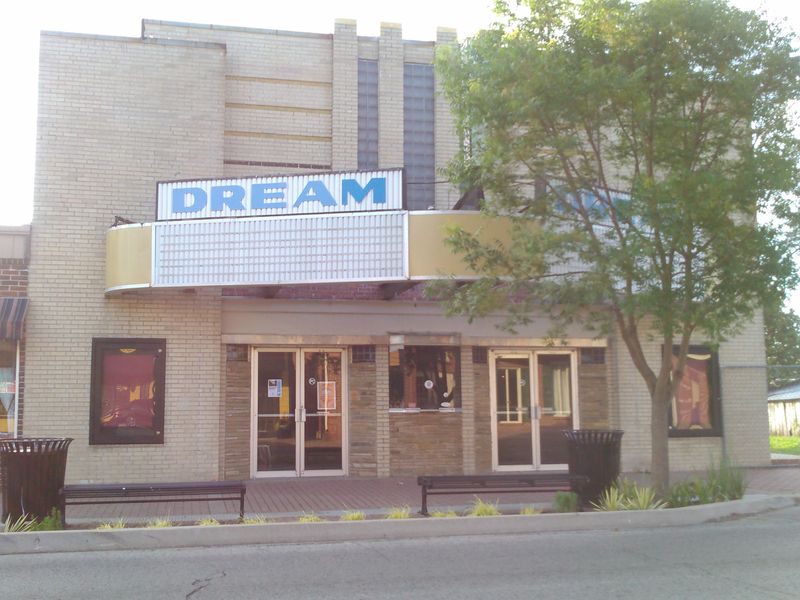
Stories have always been central to Cherokee culture, and today those stories are being told through film, theater, and digital media as well as traditional oral narratives. Tahlequah hosts film festivals and storytelling events that showcase Native filmmakers, actors, and stories that challenge Hollywood stereotypes and present authentic Native perspectives.
These events draw audiences from across the country interested in cinema that reflects real Native experiences rather than tired clichés.
Cherokee filmmakers produce everything from documentaries about historical events and contemporary issues to comedies that find humor in modern Native life. Their work often addresses identity, sovereignty, family, and the complexities of being Cherokee in the 21st century.
Seeing Native people portrayed as multidimensional characters rather than historical props or mystical stereotypes feels revolutionary for audiences tired of inaccurate representations.
Traditional storytelling continues alongside modern media, with elders sharing creation stories, historical accounts, and moral tales passed down through generations. These oral traditions carry cultural knowledge, values, and history in ways that books and films cannot fully capture.
The Cherokee Nation supports both traditional storytellers and modern media makers, recognizing that stories in all forms help preserve culture and shape how Cherokee people see themselves and how others see them. Attending these events in Tahlequah gives visitors access to Cherokee perspectives rarely seen in mainstream media.
Cherokee Nation Businesses and Economic Development

Beyond museums and historical sites, modern Cherokee Nation success appears in thriving businesses, healthcare facilities, and social services that make Tahlequah a model for tribal economic development. The Cherokee Nation operates as one of the largest employers in northeastern Oklahoma, running everything from manufacturing plants and retail stores to technology companies and hospitality ventures.
Revenue from these enterprises funds programs that serve Cherokee citizens and contribute to the broader community.
Cherokee Nation businesses range from traditional enterprises like gaming facilities to high-tech manufacturing and aerospace components production. The tribe’s diversified economic approach creates jobs for both Cherokee citizens and other residents while building financial stability that supports cultural programs, language preservation, healthcare, and education.
This economic strength allows the tribe to invest in its people and future rather than depending on federal funding alone.
Visitors staying in Cherokee Nation hotels, eating at tribal restaurants, or shopping at Cherokee-owned businesses directly support programs that preserve culture and improve lives. The tribe’s success challenges stereotypes about Native poverty and dependence, demonstrating that tribal sovereignty includes economic self-determination.
Cherokee Nation’s approach to development balances profit with cultural values, ensuring that economic growth does not come at the expense of traditions, language, or environmental stewardship. This model inspires other tribes across the country working toward similar goals of prosperity with cultural integrity.
Hunter’s Home and Historic Sites

Tucked away near downtown sits Hunter’s Home, a beautifully preserved house that once belonged to a prominent Cherokee family in the late 1800s. This white frame house with its wrap-around porch looks like it stepped out of a period photograph, offering visitors a glimpse into how successful Cherokee families lived during the rebuilding years after removal.
The home belonged to George Washington Gunter Hunter, a Cherokee citizen who served as tribal treasurer, showing that Cherokee people quickly reestablished stable communities and government in their new territory.
Inside, period furnishings and family belongings create an intimate portrait of Cherokee domestic life in the Victorian era. The rooms contain original furniture, dishes, clothing, and personal items that humanize history by showing the everyday objects families used.
Unlike grand mansions that feel distant and untouchable, Hunter’s Home feels like a real family residence where children played, meals were cooked, and important conversations happened around the dinner table.
The home also illustrates how Cherokee families blended traditional values with adopted American customs during this period. Some rooms reflect Victorian American style popular at the time, while other elements show Cherokee cultural continuity.
Guides explain how families like the Hunters maintained Cherokee identity and community connections while adapting to changed circumstances. The house stands as a testament to Cherokee resilience and the determination to create stable, prosperous lives despite enormous challenges and losses.



