 Unearth The Voyage
Schools used to be very different places where teachers had strict control and students faced harsh consequences for breaking rules. Many old-fashioned punishments were considered normal back then, but they would be illegal or shocking by today’s standards. Understanding how classroom discipline has changed helps us appreciate modern approaches that focus on respect and safety instead of fear.
1. Corporal Punishment (Paddling or Strapping)
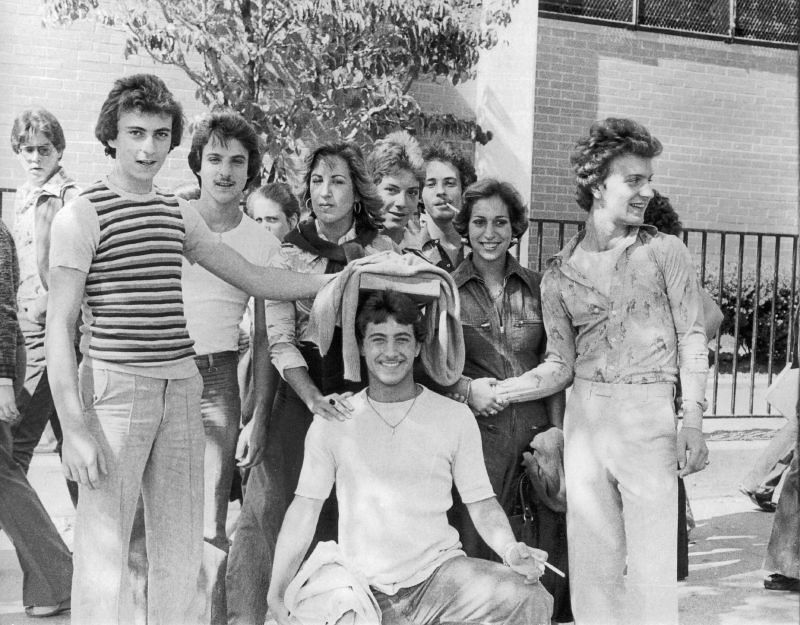
Physical discipline was once the backbone of classroom control across America. Teachers kept wooden paddles, thick leather straps, or long rulers within easy reach, ready to use whenever students misbehaved. The sound of wood striking skin echoed through hallways as a reminder to everyone nearby.
Many schools performed these punishments publicly, forcing the entire class to watch. This created an atmosphere of fear where students constantly worried about making mistakes. Parents rarely questioned these methods since corporal punishment was also common at home.
The physical pain was just one part of the punishment. Students also endured deep embarrassment and psychological trauma that could last for years. Today, this practice is banned in most states and considered child abuse. Modern research shows that physical punishment damages the trust between teachers and students while teaching children that violence solves problems.
2. Ruler or Pointer on the Knuckles
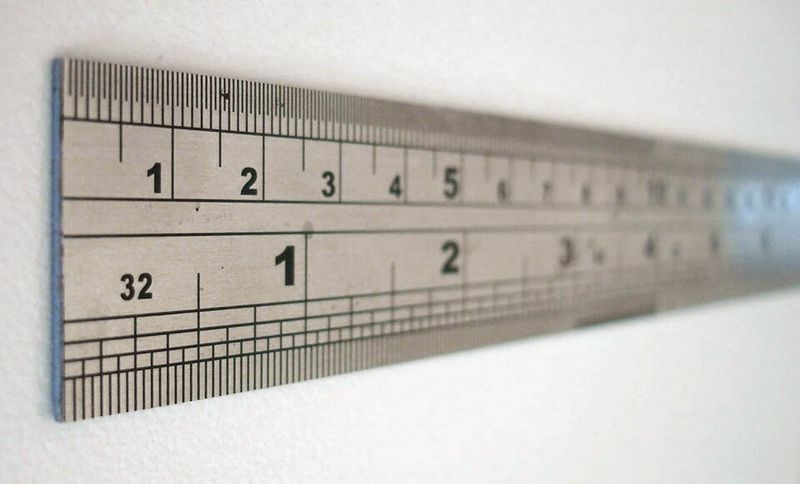
Wrong answers came with a price that students could feel for hours afterward. Teachers would command children to extend their hands palm-down on the desk, then strike their knuckles sharply with a wooden ruler or metal-tipped pointer. Messy handwriting, spelling errors, or math mistakes all warranted this swift punishment.
The pain was immediate and intense, sometimes causing bruises or swollen joints. Students learned to dread being called on in class, knowing that any mistake could result in physical pain. Some children developed trembling hands whenever they had to write or answer questions.
This method targeted the very tools students needed for learning, their hands. Fear replaced curiosity, and many students began associating education with punishment rather than growth. Current teaching methods recognize that mistakes are essential for learning, not crimes deserving physical consequences.
3. Standing in the Corner for Hours
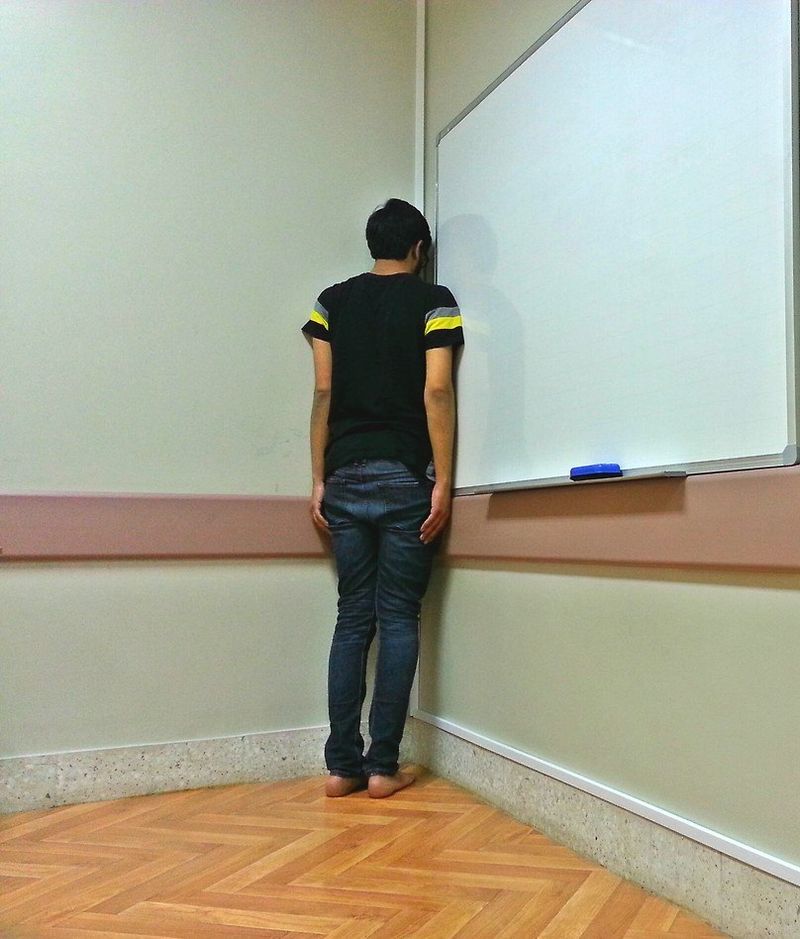
Corner time wasn’t just a brief timeout in the old days. Students who talked too much, daydreamed, or questioned authority found themselves facing the wall for hours at a stretch. Their classmates continued lessons behind them while they stood frozen in place, feeling isolated and humiliated.
Teachers often added extra challenges to increase the discomfort. Balancing heavy books on their heads forced perfect posture and stillness. Any movement caused the books to fall, resulting in additional punishment or extended corner time.
Standing motionless for such long periods caused leg cramps, backaches, and dizziness. Students missed important lessons while staring at blank walls, falling further behind in their studies. The psychological impact included feelings of worthlessness and exclusion from the classroom community. Modern educators understand that removing students from learning opportunities creates more problems than it solves.
4. Dunce Cap

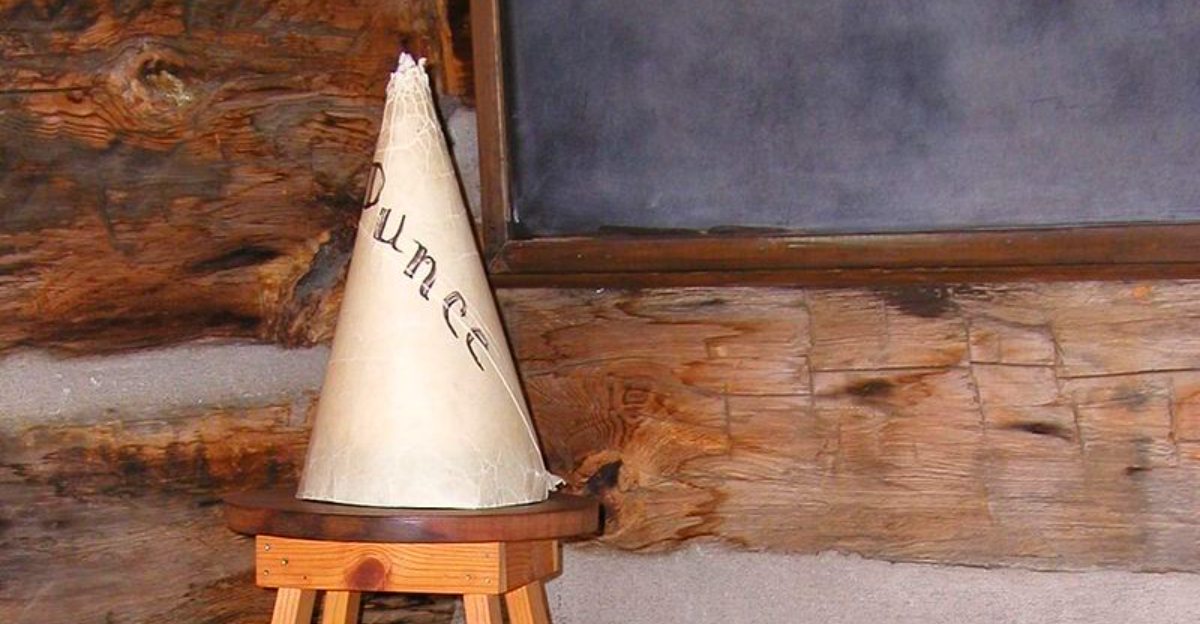
Struggling students faced public mockery through a tall, cone-shaped paper hat. Teachers placed this humiliating headpiece on children who answered incorrectly, learned slowly, or needed extra help. The word DUNCE was written in large letters so everyone could see the label clearly.
Wearing the dunce cap meant sitting isolated in a corner or at the front of the room while classmates stared and sometimes laughed. This punishment assumed that shame would motivate students to try harder. Instead, it destroyed confidence and made learning even more difficult.
Children who already struggled academically were singled out and branded as stupid in front of their peers. Many developed lasting self-esteem issues and came to hate school entirely. We now understand that students learn at different paces and have various learning styles. Shaming slow learners prevents them from getting the support they actually need to succeed.
5. Public Humiliation in Front of the Class
Teachers wielded embarrassment as a weapon to control student behavior. They would read failing grades aloud to the entire class, announce who scored lowest on tests, or force students to stand and repeat their mistakes multiple times. Mispronounced words, incorrect math problems, or grammatical errors became entertainment for classmates.
Some teachers went further by comparing struggling students to successful ones, creating competition and resentment. They might display failing papers on bulletin boards or make students explain why they performed poorly. This approach assumed that peer pressure would inspire improvement.
The reality was far different. Public humiliation crushed spirits and created hostile learning environments where students feared participation. Many children developed anxiety around speaking in class or asking questions. Today’s educators recognize that learning requires a safe space where mistakes are viewed as stepping stones rather than sources of shame.
6. Writing Lines Hundreds of Times

Repetition was supposed to drill lessons into misbehaving students. Teachers assigned sentences like I will not talk in class or I will respect my teacher to be written anywhere from 100 to 1,000 times. Students spent hours, sometimes days, filling page after page with the same words until their hands cramped.
This punishment consumed time that could have been spent on actual learning. Students fell behind in homework and regular assignments while completing their lines. The mindless repetition rarely taught anything except resentment toward school and authority figures.
Many children developed hand pain, poor handwriting from rushing, and a deep hatred for writing itself. The punishment targeted the physical act of writing rather than addressing the actual behavior problem. Modern discipline focuses on understanding why students misbehave and teaching better choices through conversation and problem-solving rather than meaningless busy work.
7. Detention That Lasted All Day
Breaking minor rules could cost students their entire day. Extended detention meant missing lunch, recess, physical education, and sometimes staying hours after school ended. Students sat in silent rooms with nothing to do except contemplate their mistakes, often without food or breaks.
Teachers believed that boredom and isolation would prevent future misbehavior. Instead, students grew increasingly resentful and disconnected from school. Missing meals left them hungry and unable to concentrate. Losing recess time eliminated their only opportunity for physical activity and social interaction.
These marathon detention sessions ignored basic human needs for movement, nutrition, and rest. Students returned to regular classes exhausted and further behind in their work. Research now shows that reasonable consequences combined with restorative practices work far better than excessive punishment. Students need to understand the impact of their actions while maintaining their dignity and connection to the school community.
8. Soap in the Mouth

Foul language or talking back to teachers earned an unpleasant taste that lingered for hours. Adults forced bars of soap into children’s mouths, sometimes holding them there while the child gagged and struggled. The bitter, chemical taste was meant to wash away bad words and teach respect through discomfort.
This punishment was physically unpleasant and potentially dangerous. Soap contains chemicals never meant for consumption, and forcing it into mouths could cause choking, vomiting, or allergic reactions. Students experienced not just the awful taste but also the violation of having adults force something into their bodies.
The practice taught children that authority figures could physically dominate them rather than teaching actual communication skills or respect. Many students simply learned to hide their language rather than understanding why certain words were inappropriate. Today, this would be considered assault and child abuse, as educators recognize healthier ways to address disrespectful language.
9. Kneeling on Hard Surfaces
Pain compliance took many forms, including forcing students to kneel for extended periods. Bare classroom floors were uncomfortable enough, but some teachers escalated the punishment by making children kneel on gravel, dried corn kernels, or uncooked rice. Sharp edges pressed into tender knees, causing intense discomfort that increased with every passing minute.
Students remained in these painful positions for fifteen minutes to over an hour, depending on the severity of their offense. Their knees developed red marks, bruises, and sometimes broke skin. The physical pain was accompanied by humiliation as classmates witnessed their suffering.
This form of discipline served no educational purpose whatsoever. It simply inflicted pain to enforce obedience through fear. Long-term kneeling can cause joint damage and circulation problems. Modern understanding of child development recognizes that pain-based punishments create trauma rather than teaching responsibility or improving behavior.
10. Suspension for Minor Infractions

Zero tolerance policies existed long before the term became popular. Students faced immediate suspension for offenses that seem trivial today, like chewing gum, wearing incorrect uniform pieces, or politely questioning a teacher’s statement. Principals exercised absolute authority with little consideration for circumstances or proportional consequences.
Being sent home meant missing classes, falling behind academically, and carrying a permanent mark on school records. Parents often had to leave work to pick up suspended children, creating family stress and potential job problems. The punishment rarely fit the crime.
Suspensions removed students from the learning environment they needed most. Rather than correcting behavior, this approach pushed struggling students further toward academic failure and dropout. Current research shows that keeping students in school with appropriate interventions produces far better outcomes. Removing education as punishment for minor rule-breaking creates cycles of failure rather than opportunities for growth and learning.
11. Being Locked in a Closet or Small Room

Unruly students sometimes disappeared from classrooms into isolation spaces. Teachers or administrators locked children in supply closets, small storage rooms, or designated timeout spaces with no windows or supervision. The darkness and confinement were meant to calm them down and teach compliance through fear.
These isolation rooms were incredibly dangerous. Students could injure themselves, experience panic attacks, or face medical emergencies with no one watching. The psychological impact of being locked in dark, small spaces created lasting trauma. Children felt abandoned, terrified, and worthless.
This practice would now result in criminal charges and immediate termination of school staff. We understand that isolation increases anxiety and teaches children that adults cannot be trusted to keep them safe. Students with behavioral challenges need support, not imprisonment. Modern approaches involve trained professionals who help children regulate emotions and develop coping strategies in safe, supervised environments.
12. Zero Tolerance for Left-Handedness

Natural left-handed children faced systematic persecution in old classrooms. Teachers viewed left-handedness as a defect that needed correction, sometimes even associating it with evil or poor character. They forced left-handed students to write with their right hands through various cruel methods.
Some tied children’s left hands behind their backs or to chair legs. Others struck left hands with rulers whenever students instinctively reached for pencils. Teachers publicly shamed left-handed children, calling them stubborn or stupid when they struggled with unnatural movements.
This forced switching caused numerous problems including poor handwriting, academic struggles, stuttering, and emotional distress. Students developed anxiety around writing and school in general. We now know that hand dominance is neurological and cannot be changed without causing harm. Left-handed people are simply wired differently, not defectively. Modern classrooms celebrate diversity and provide left-handed scissors, desks, and support rather than trying to force everyone into the same mold.
13. Collective Punishment
When teachers couldn’t identify the actual troublemaker, they punished everyone. Entire classes lost recess, received extra homework, or faced detention because one student misbehaved. Teachers believed that peer pressure would force the guilty party to confess or that classmates would police each other’s behavior.
This approach created toxic classroom environments filled with resentment and distrust. Innocent students felt victimized by unfair treatment and grew to resent both the teacher and the actual culprit. Instead of building community, collective punishment destroyed it by turning students against each other.
Children learned that justice didn’t matter and that authority figures would punish them regardless of their actions. This bred cynicism and disconnection from school values. Modern educational psychology recognizes that holding individuals accountable for their specific actions teaches responsibility, while group punishment teaches that fairness doesn’t exist. Building positive classroom communities requires trust, not tactics that pit students against each other.
14. Manual Labor as Discipline

Physical work became punishment for various infractions. Students scrubbed bathroom floors with toothbrushes, cleaned toilets, washed windows, chopped firewood, or performed groundskeeping duties. These tasks were assigned not as community service but as degrading consequences meant to humiliate and exhaust.
The work was often deliberately unpleasant, dirty, or physically demanding beyond what was age-appropriate. Students missed academic instruction while performing janitorial duties, falling behind their peers. The message was clear: misbehavior would reduce them to the status of servants.
This approach taught students that manual labor was shameful rather than honorable, creating harmful class distinctions. It also exploited child labor under the guise of discipline. Today, we recognize that all honest work deserves respect and that using physical labor as punishment demeans both the work and the worker. When schools involve students in maintaining their environment, it should be framed as shared responsibility and community building, never as degrading punishment.
15. Expulsion Without Due Process
Principals and teachers once held absolute power to expel students instantly. There were no hearings, no chances to explain, and often no notification to parents until after the decision was made. Students could be permanently removed from school for questioning authority, breaking dress codes, or simply being labeled troublemakers.
Expelled students had limited options since other schools often refused to accept them. Many ended up with no education at all, their futures severely limited by a single authority figure’s decision. Families had no recourse or appeals process.
This system disproportionately affected poor students, minorities, and those with learning differences who were seen as inconvenient. Education, which should be a right, became a privilege that could be revoked on a whim. Current laws require due process, parental involvement, and consideration of special circumstances before expulsion. Students now have rights and protections that ensure education remains accessible even when behavior problems arise.



