 Unearth The Voyage
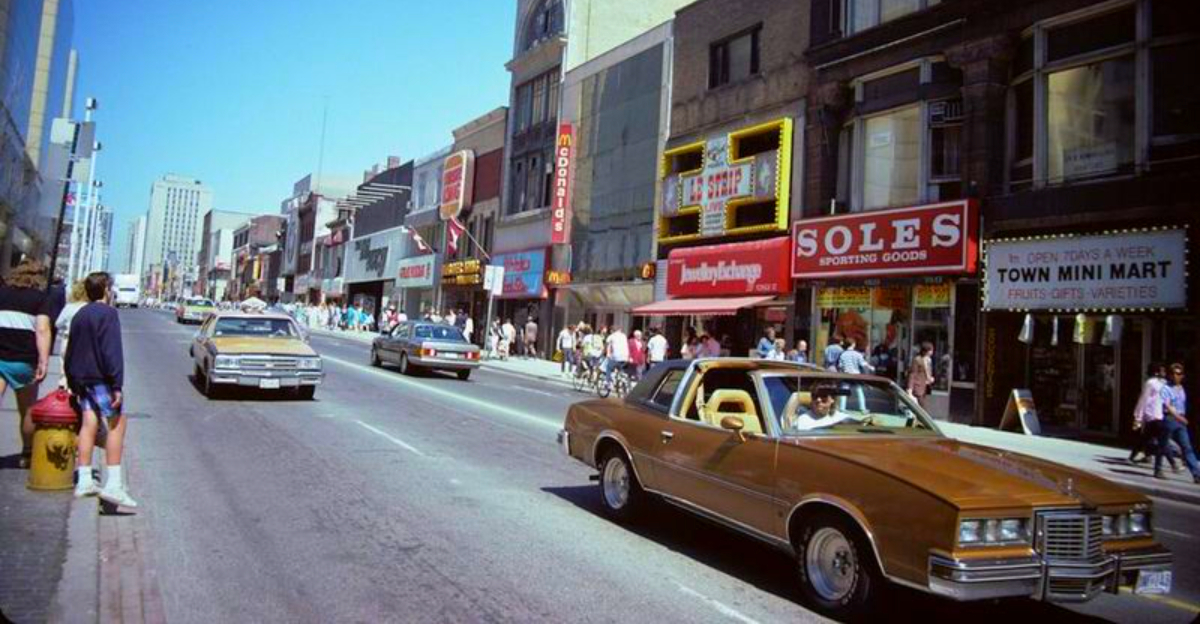
Your parents meant well, but some of their road wisdom belongs in the glove box of history. What used to feel normal now risks tickets, repairs, or worse, real danger. Let’s revisit those nostalgic habits and see why modern traffic rules flipped the script. You will spot a few you still do without thinking, and you will be ready to swap them for safer moves today.
1. Not Wearing Seatbelts for Short Trips
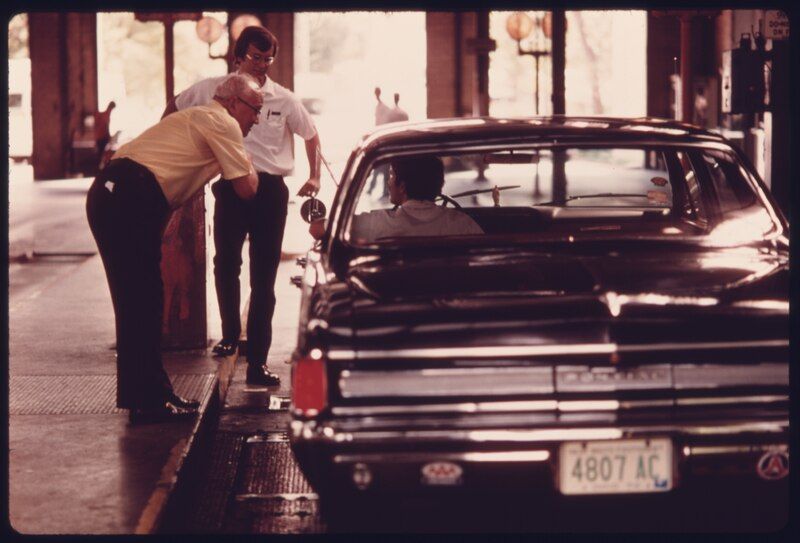
That quick milk run felt harmless, and seatbelts seemed optional if the store was around the corner. Today we know crashes can happen within seconds, on the quietest streets, at low speeds. Buckling up is non negotiable because seatbelts reduce serious injury risk dramatically.
You will not get a pass for short distances anymore, and enforcement reflects that reality. Modern cars chirp and flash when belts are undone, and cops take it seriously. Do the easy, proven thing every single time. Click, adjust, and go.
2. Eating or Drinking While Driving
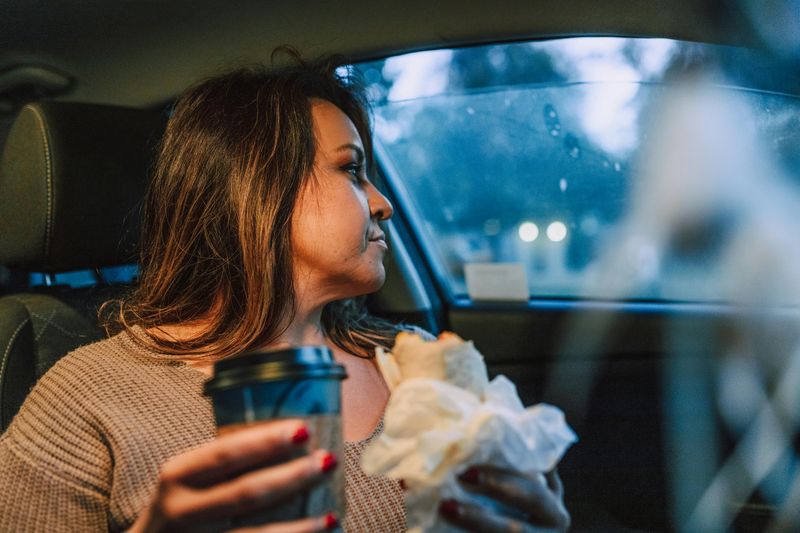
Balancing a sandwich while merging looks harmless until something unexpected happens. Food slips, sauce drips, attention wanders, and your reaction time shrinks. Distracted driving laws increasingly cite eating and drinking because your hands, eyes, and brain are split.
If hunger hits, pull over and enjoy properly. You will feel calmer, less messy, and far safer. Keep drinks sealed and foods stowed until parked. Your future self will thank you for the clean seats and clean record.
3. Overtaking Anywhere When the Road Looks Clear
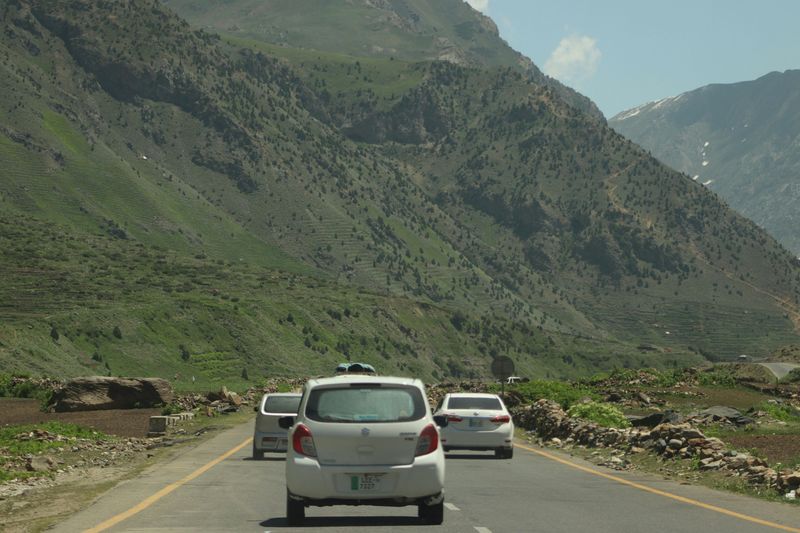
Old advice said pass when it felt right. Modern rules say do it only where markings permit and visibility is guaranteed. Solid lines, blind crests, and curves are hard no zones because misjudging speed or distance turns seconds into tragedy.
Use clear passing lanes, check mirrors and blind spots, and commit only with ample room. You are not just gauging your car, but every driver around you. When in doubt, hang back and breathe. Arriving late beats not arriving.
4. Driving Barefoot or in Slippers
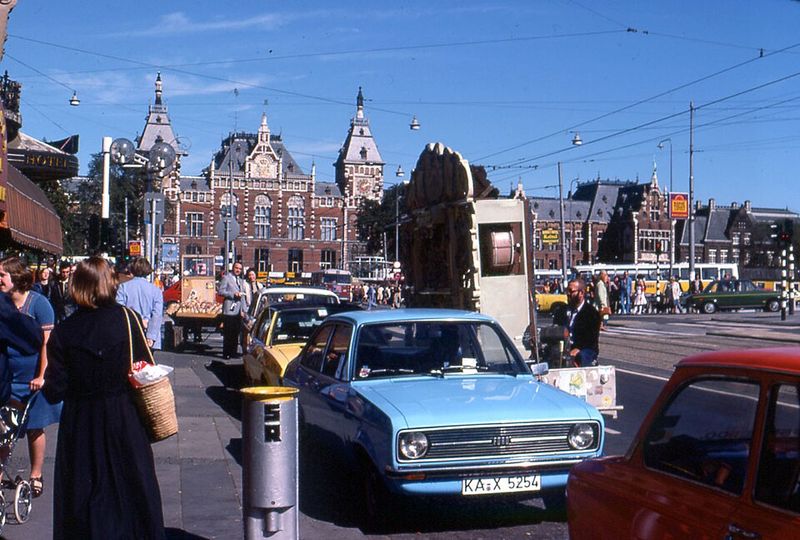
Some folks swear barefoot pedals offer better feel. Reality says slippery soles, sweaty skin, or floppy sandals can slide, snag, or delay braking. Emergency stops demand predictable pressure and sturdy grip underfoot.
Choose closed heel, thin soled shoes that will not slip or fold. Keep an extra pair in the trunk for spontaneous trips. You deserve consistent pedal feedback when things get tense. Your reflexes are only as good as the contact patch below your toes.
5. Letting a Child Sit on Your Lap to Help Drive

It once felt cute to let little hands steer through the neighborhood. Today we know airbags, sudden stops, and unpredictable traffic turn that moment into severe danger. Child seats exist for a reason, and every state codifies their use by age and size.
Strap kids into the right restraint in the back seat. You can teach road rules while parked in the driveway instead. Safety beats nostalgia every single time. The best memory is getting home together, every trip.
6. Turning Without Using Indicators on Empty Roads
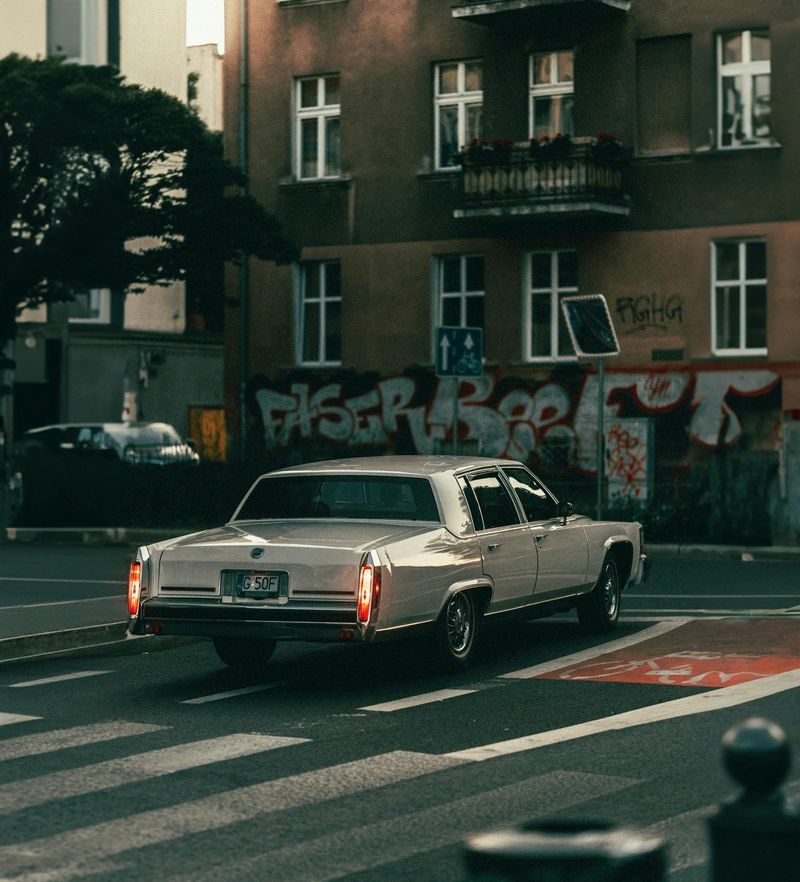
No one around, so why signal. Because you cannot see everyone, and timing matters for those you did not notice. Indicators are language for roads, and skipping them scrambles the message.
Flip the stalk early, around three seconds before turning or changing lanes. You will help drivers, cyclists, and pedestrians predict your path. It is a tiny habit that prevents huge misunderstandings. Make signaling automatic, not optional.
7. Steering With One Finger on Straight Roads
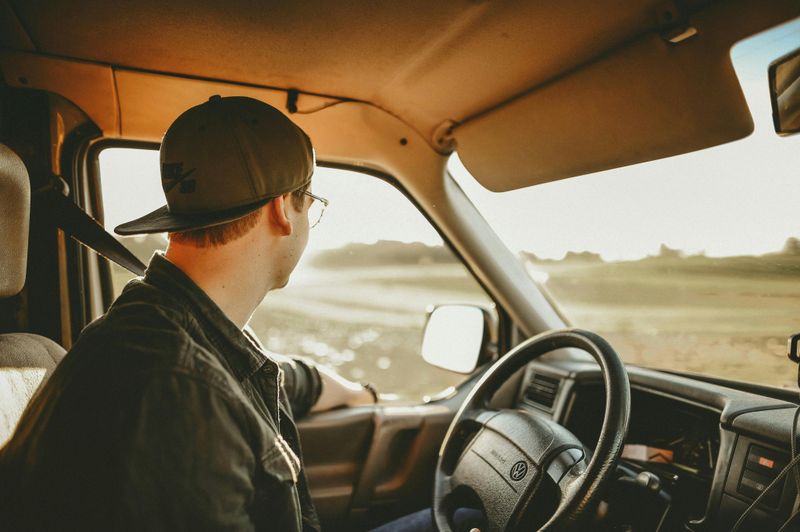
That cool one finger glide felt effortless on smooth highways. But crosswinds, potholes, or sudden moves from others can yank the wheel faster than you can react. Two hands mean quicker corrections and steadier tracking.
Grip lightly at nine and three, and stay ready without white knuckles. Stability systems help, but they are not magic. When the unexpected shows up, you want full control, not a lazy pivot point. Confidence is preparation, not posture.
8. Backing Out Without Proper Blind Spot Checks
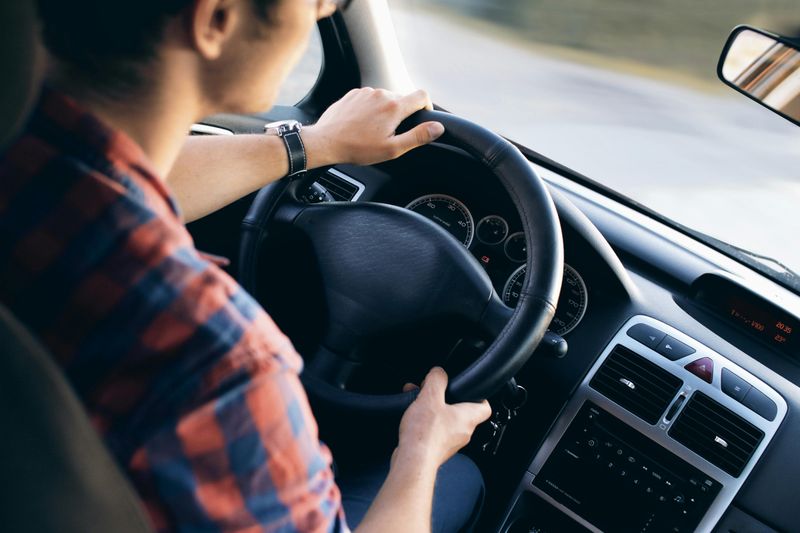
Mirrors alone miss chunks of space where kids, pets, or cyclists appear suddenly. That is why shoulder checks and slow rolling exits matter. Backup cameras and sensors add coverage, but your eyes and patience seal the gaps.
Pause, look both ways, and creep back with foot hovering the brake. Angle mirrors to slice blind zones, then verify with a glance. You will prevent fender benders and heartbreaking close calls. Low speed does not mean low risk.
9. Honking Just to Say Hello
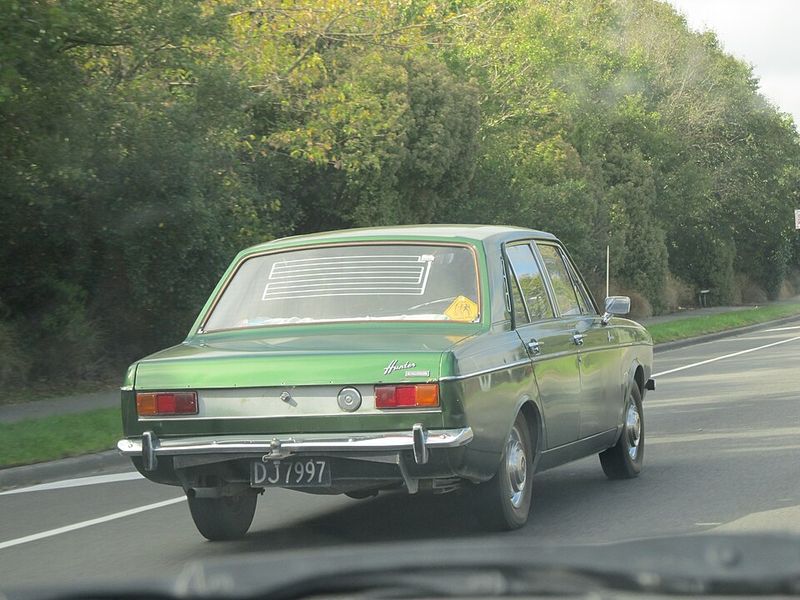
A quick toot used to feel friendly. In dense traffic it spikes stress, startles vulnerable road users, and can escalate tensions. Many cities ticket unnecessary horn use because noise becomes a safety issue.
Wave, flash hazards briefly when parked, or text later after you stop. Save the horn for true warnings only. You will look considerate and avoid drawing unwanted attention. Quiet roads are safer roads.
10. Resting Your Hand on the Gear Shift
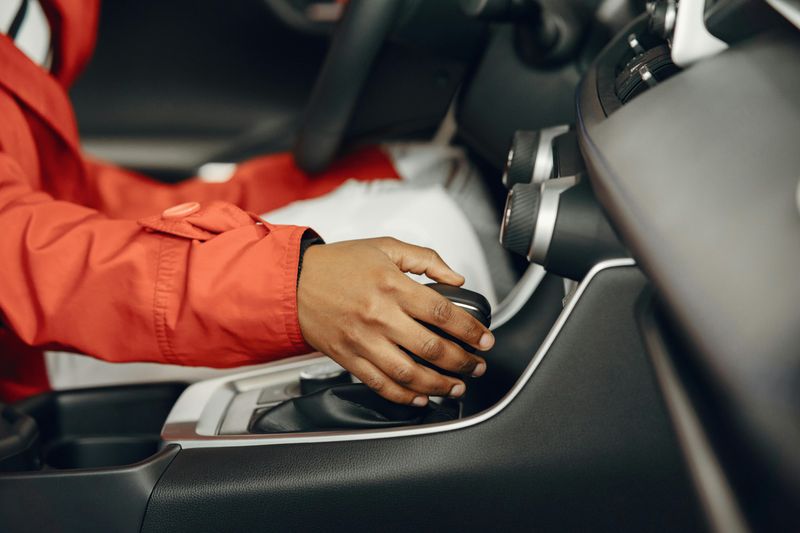
It looks casual to ride the shifter between changes. Inside the gearbox, that habit can preload components and wear selector forks early. Mechanics see the bill, and it is not pretty.
Shift, release, and return your hand to the wheel. Automatic drivers should avoid leaning on the selector too. Keeping both hands up boosts control and protects hardware. Smooth inputs, smooth wallet.
11. Idling to Warm Up the Engine
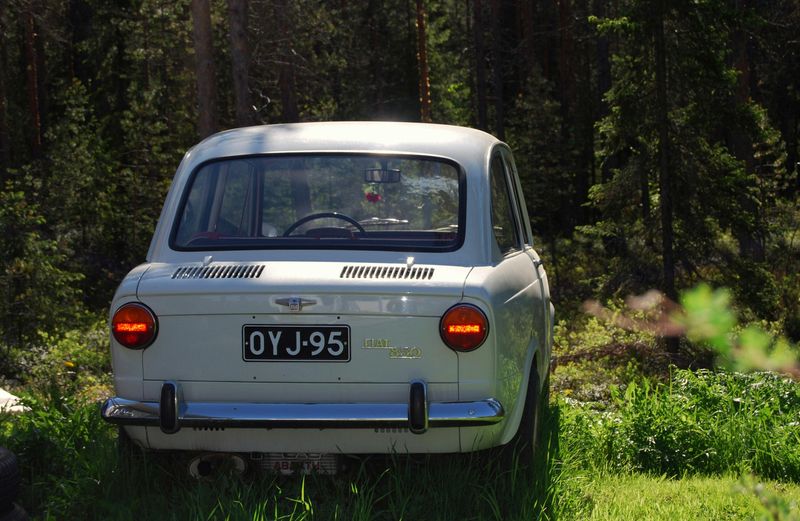
Carburetor days are gone, and long idles just waste fuel and invite pollution. Modern engines and oils warm best under gentle driving within seconds. Idling forever also fogs windows and burns time you cannot recover.
Start, scrape, belt in, and roll smoothly while avoiding hard revs until temperature stabilizes. You will get heat faster, protect components, and save money. Extreme cold may need a brief minute, not ten. Move smart, not stationary.
12. Using the Horn as a General Alert or Thank You
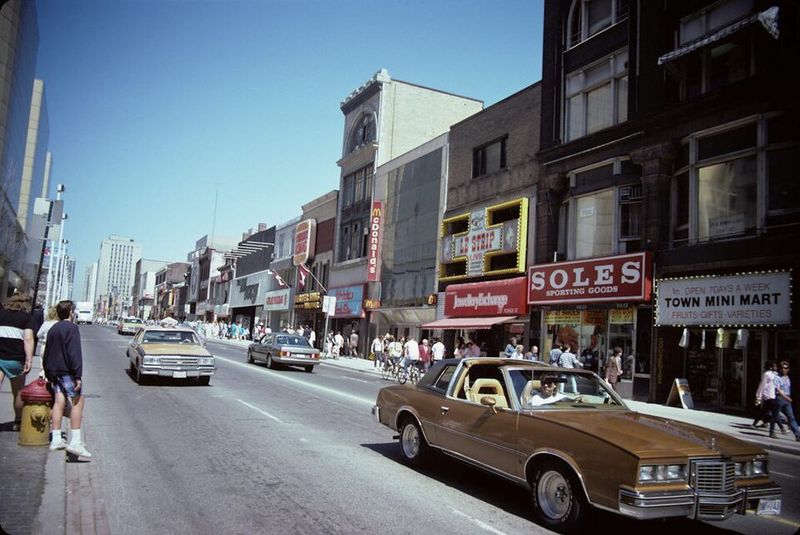
Horns are not conversation tools anymore. Casual taps can be misread as aggression, sparking needless confrontations. Reserve that sound for imminent hazards only, where clarity saves seconds and lives.
Offer gratitude with a quick wave or hazard flash after stopping safely. If you must warn, use one firm press, then disengage. You will communicate cleanly and keep tempers cool. Precision beats noise every time.



