 Unearth The Voyage
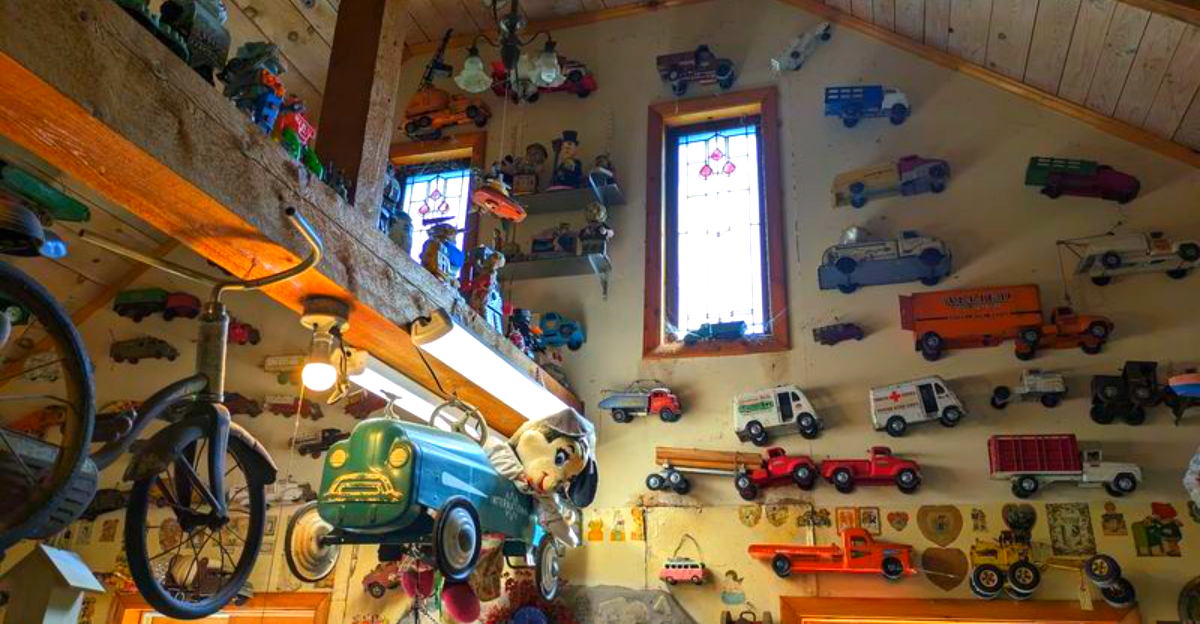
Some places make you smile before you even reach the door, and this little island museum does exactly that. Tucked among trees near the harbor, it delivers the kind of cheerful overload that makes adults point at shelves like excited kids.
Inside, vintage toys, tiny treasures for sale, local art, and a wonderfully handmade atmosphere create a stop that feels far more memorable than a typical sightseeing break. Keep reading, because this spot is more than a quick look at old playthings – it is a full-on nostalgia trip with plenty of quirky charm.
A playful stop in St James
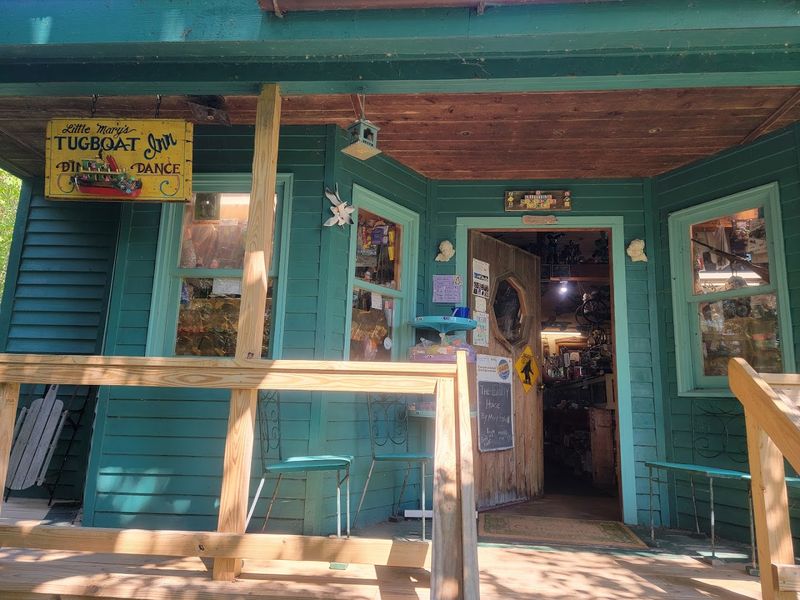
My first look at the Beaver Island Toy Museum came at 37970 Michigan Ave, St James, MI 49782, and the address somehow felt perfectly ordinary for a place that is anything but ordinary. On remote Beaver Island in Michigan, near the harbor by Whiskey Point, this small museum sits in a lovely grove that already hints you are about to see something wonderfully offbeat.
I liked that the setting never tries too hard, because the charm arrives naturally.
The building has a storybook quality, but it also feels rooted in the island rather than staged for tourists. That mix matters, especially on Beaver Island, where authenticity is part of the appeal and a polished production would miss the point.
Here, the museum feels hand-shaped, personal, and deeply connected to its surroundings.
Before I even crossed the threshold, I had the distinct sense that this place would reward slow looking. It turned out to be the kind of stop where every corner quietly asks you to stay a little longer.
The delight of first impressions
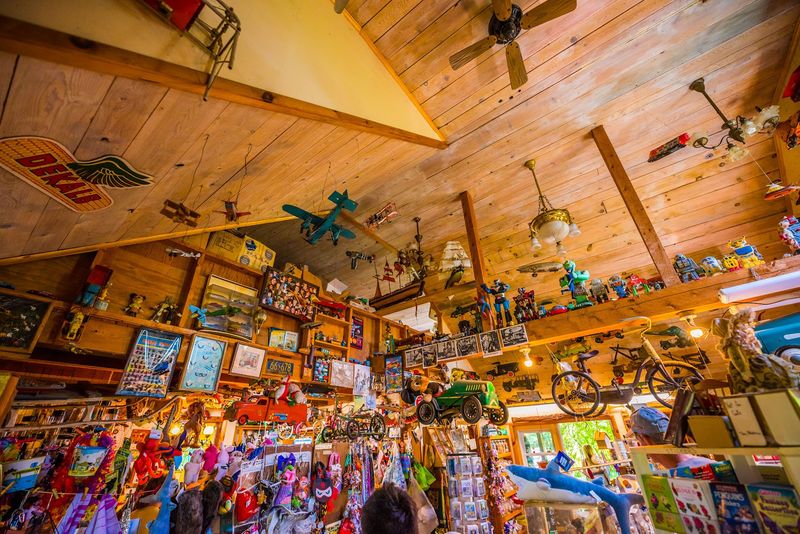
The first few minutes inside are pure sensory fun, and I mean that in the best, least chaotic way possible. Shelves, walls, and displays are packed with bright objects, old favorites, odd little finds, and enough color to make your eyes bounce happily around the room.
Instead of feeling cluttered, the place feels curated by a person who understands exactly how curiosity works.
I noticed almost immediately that this is not a museum in the stiff, hands-off sense. It has the heart of a collection, the energy of a toy shop, and the warmth of a place built for conversation and discovery.
That blend keeps it lively, because adults can admire the vintage displays while younger visitors stay fully engaged.
What I loved most was the instant emotional reaction the room creates. You do not need a deep knowledge of collectibles to enjoy it, because the joy comes from recognition, surprise, and the simple thrill of finding something you did not expect.
Vintage toys overhead and everywhere
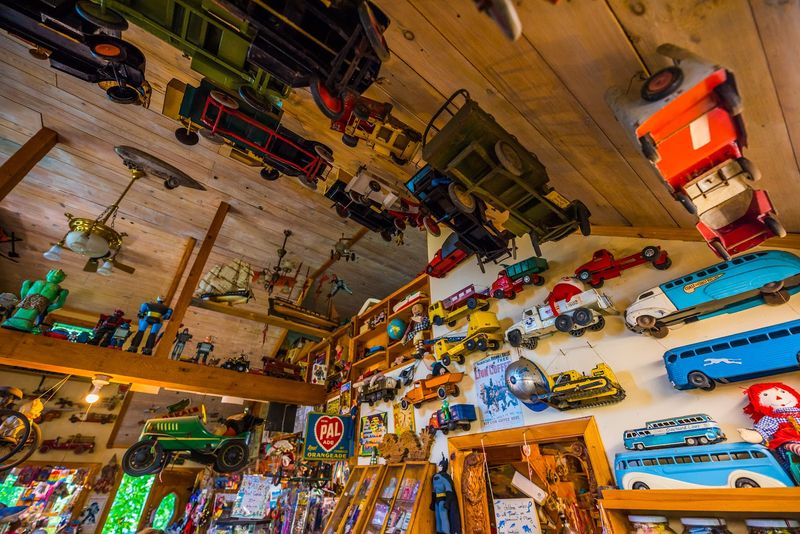
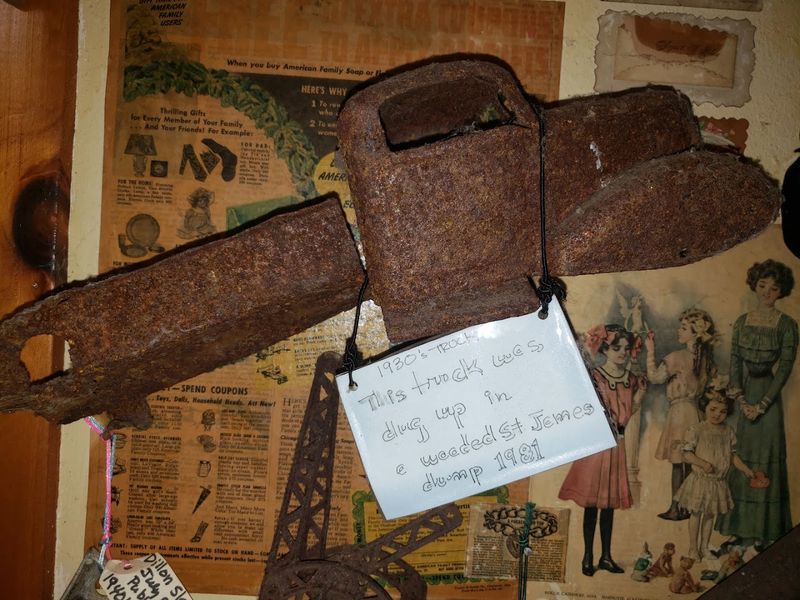
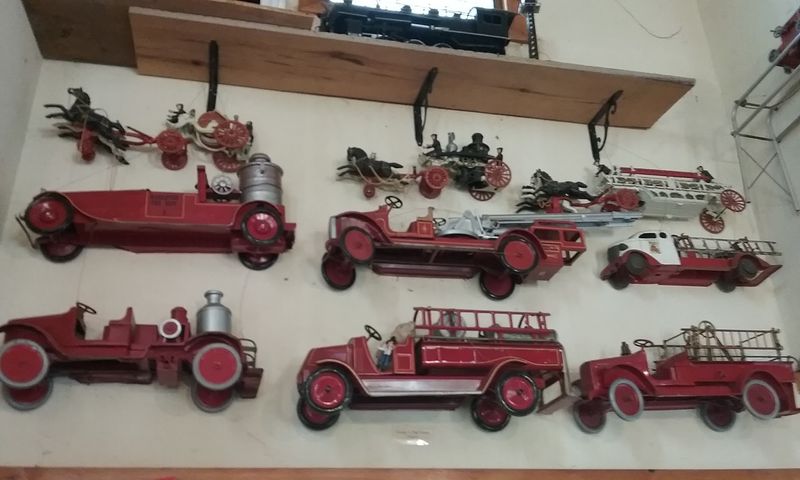
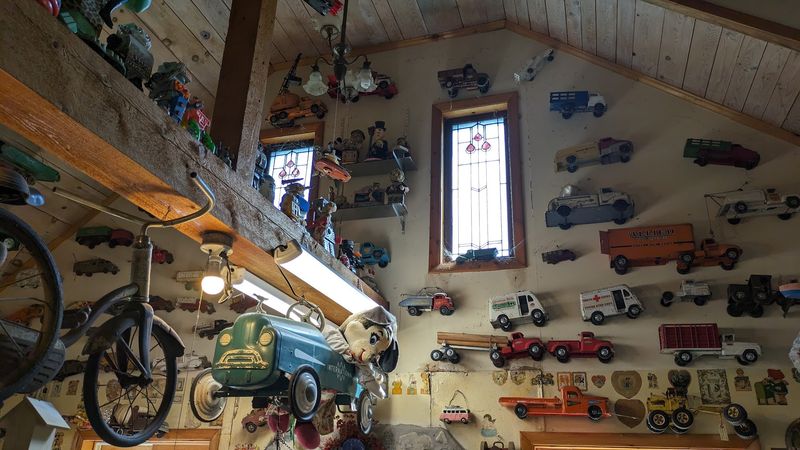
Look up in this museum and the ceiling gets in on the act, which is a sentence I do not get to write often. One of the standout details is the display of old metal cars and trucks from the 1920s and 1930s, arranged on the roof beams in a way that turns the whole room into part exhibit, part treasure hunt.
I spent a ridiculous amount of time scanning overhead, and I regret nothing.
Those antique vehicles give the museum serious depth beyond simple nostalgia. They connect childhood play to design history, manufacturing style, and the way durable toys once looked and felt before blinking lights took over the planet.
Even if you are not a collector, their presence gives the space real character.
The best part is that the eye never settles in one place for long. A shelf catches your attention, then a wall, then the rafters, then some tiny object tucked between bigger memories, and suddenly you are grinning at a ceiling like it personally told a joke.
More than toys on the shelves
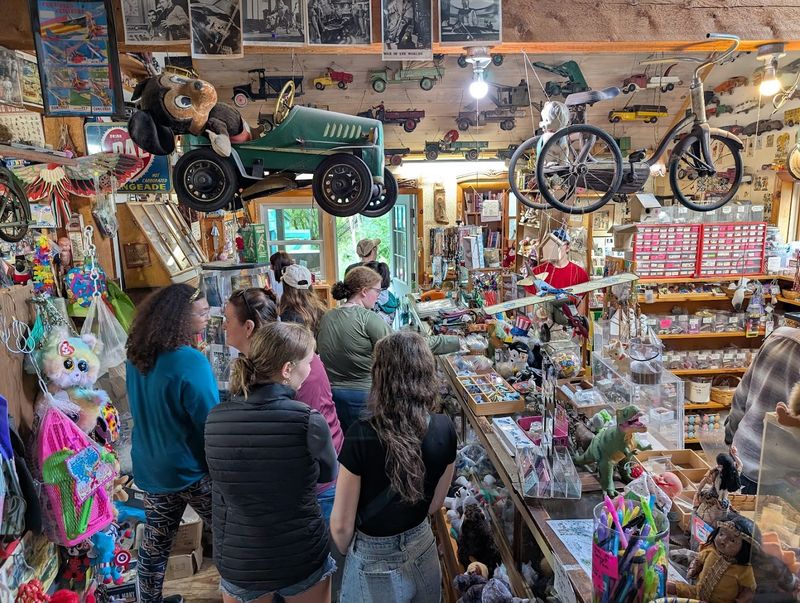
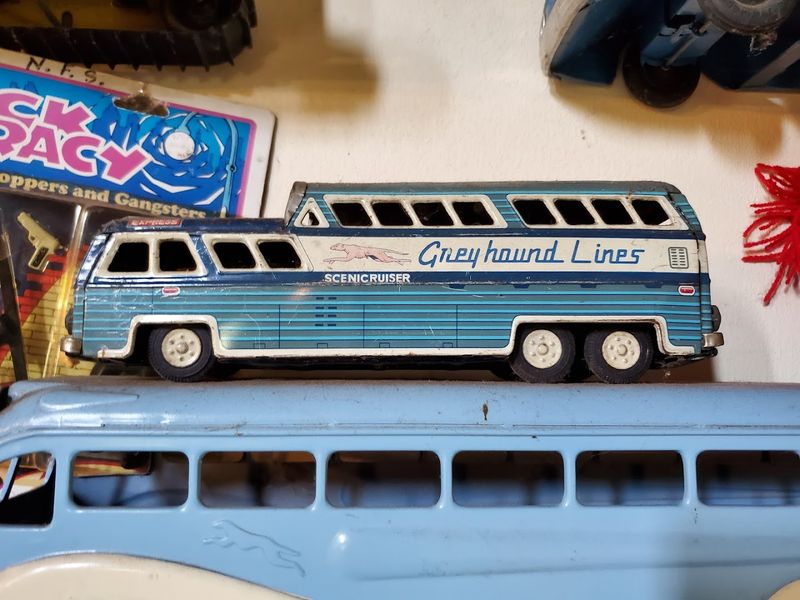
What keeps this place fresh is that it refuses to stick to one category. Alongside the toys, I found candy jars, vintage postcards, rubber figures, stencils, paper doll books, polished stones, Disney characters, cowboys, trolls, beads, and all sorts of small collectibles that make browsing feel wonderfully unpredictable.
The range turns every shelf into a new chapter instead of a repeat of the last one.
I appreciated that the collection does not feel precious or overly academic. It is playful, accessible, and full of objects that invite memory without demanding that you know a date, brand, or backstory before you can enjoy them.
That approach makes the museum welcoming to casual visitors, families, and serious collectors at the same time.
There is also a practical bonus to all this variety. If one display does not speak to your personal childhood, the next one probably will, and the one after that might send you home wanting to frame a postcard or start a tiny collection of your own.
The personality behind the place
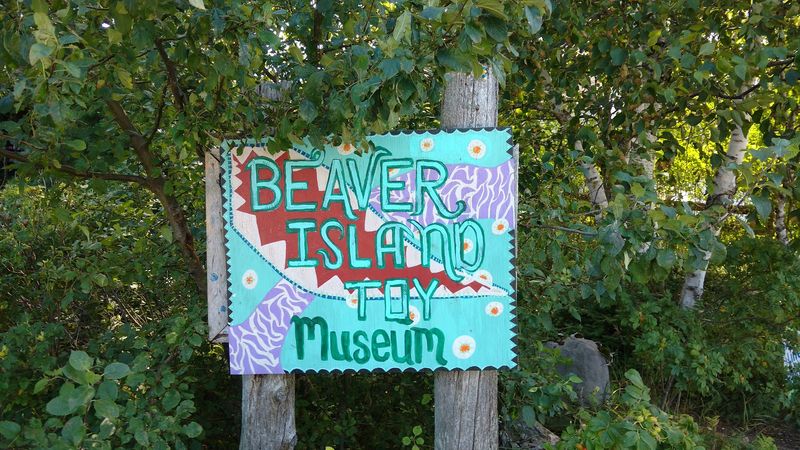
Places like this do not happen by accident, and you can feel the personal touch almost immediately. The museum was founded by artist Mary Rose, and that creative spirit is present in the displays, the atmosphere, and the way the whole place balances humor, memory, and visual detail.
It feels less like a business model and more like a life project that grew naturally over time.
I think that matters because personality is the secret ingredient here. The museum is not trying to imitate a polished urban attraction with slick labels and perfect spacing.
Instead, it offers something rarer: a sense that a real person shaped it according to genuine interests, island life, and a clear affection for small wonders.
That human scale changes the experience for visitors. You are not just passing through a room full of stuff, but entering a creative world built by someone who clearly believes that delight deserves space, and that belief gives the whole museum its quiet glow.
An art alcove with extra surprises
Just when I thought I had the museum figured out, the art side of the experience stepped in and changed the rhythm. Beyond the toy displays, there is an art alcove featuring paintings by various artists, including work associated with former art teacher Shirley Gladish, and that addition broadens the visit in a meaningful way.
It keeps the museum from being only nostalgic and gives it another creative layer.
I liked how naturally the art fits the setting. Nothing feels bolted on or included as an afterthought, because the visual conversation between toys and paintings actually works.
Both invite you to look closely, notice color and shape, and appreciate how everyday joy can become something worth preserving.
For me, this section also reinforced the local character of the museum. On an island known for its independent spirit, it makes perfect sense to find a place where old toys, personal collecting, and visual art share the same roof and somehow make each other more interesting.
A whimsical garden outside

The fun does not stop at the door, which is excellent news for anyone who enjoys a museum with a little breathing room. Outside, the property includes a whimsical sculpture garden framed by plantings, cherry trees, and the kind of handmade touches that make you slow down and look twice.
I found it especially appealing after the busy visual energy indoors.
The outdoor setting gives the museum a softer second act. Instead of ending the visit with a gift counter and a goodbye, the space opens outward into something more reflective and playful at the same time.
That transition works beautifully, because it lets the imagination linger rather than snapping you back into practical travel mode too quickly.
I also appreciated how well the garden suits Beaver Island itself. This is a place where weather, trees, and harbor views are part of every outing, so an outdoor creative space feels completely natural.
It adds freshness to the visit and gives the museum a wider personality than four walls alone could manage.
A place that works for all ages
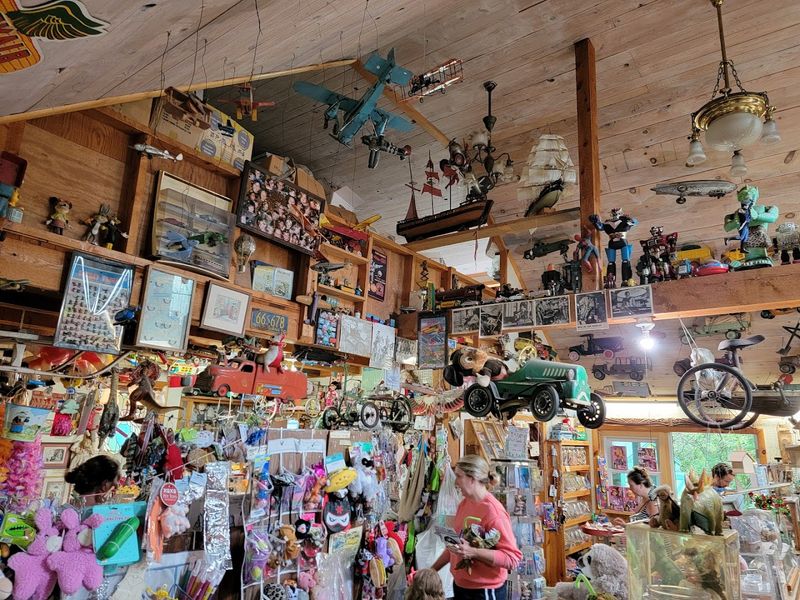
Some attractions lean hard toward children and leave adults checking the time, but this museum pulls off a neat balancing act. Kids can browse small affordable toys and trinkets, while adults drift into memory lane through vintage displays, postcards, and collectibles that spark instant recognition.
I watched the room function as both playground for curiosity and archive of everyday childhood culture.
That multigenerational appeal is one of the strongest reasons to visit. A grandparent, a parent, and a child can all find different points of connection without anyone feeling left out or talked down to.
On a family trip, that kind of shared enjoyment is worth its weight in ferry tickets.
The scale of the place helps too, because it feels intimate instead of overwhelming. Children can focus on small discoveries, adults can browse patiently, and conversations happen naturally over objects that might otherwise have stayed buried in memory.
By the time I left, I had heard more happy recognition in one room than at many larger museums.
Practical tips before you go
A little planning makes this stop even better, especially because island travel always rewards people who check the details first. The museum generally operates seasonally from Memorial Day weekend into early fall, with typical hours around 11 a.m. to 4 p.m., though hours can vary, so I would confirm before heading over.
The listed phone number is 231-448-2480, which is handy if your schedule is tight.
Admission is free, and that makes the experience feel wonderfully welcoming from the start. Many items are available to purchase, and several visitors note that bringing cash or change is smart, particularly if small treasures catch your eye.
I love a practical tip that also sounds like a scavenger hunt mission.
Space inside can feel tight during busier periods, so a calmer time of day may make browsing easier if you like to linger. In a place built on careful looking, elbow room is not a luxury, but part of the fun.
Why the island setting matters

This museum would be charming almost anywhere, but on Beaver Island it gains an extra layer of meaning. Reaching a remote island in Lake Michigan already puts you in a different frame of mind, one that is slower, more observant, and more open to places that do not fit neat categories.
By the time I arrived, the museum felt like a perfect extension of that island rhythm.
The birch grove setting near the harbor reinforces the mood without needing grand scenery or flashy design. You get a sense of quiet around the edges, then a burst of color and memory once you step inside.
That contrast is part of the pleasure, and it makes the museum feel rooted in St James rather than dropped in from somewhere else.
I kept thinking that this is exactly the kind of place people hope to discover when traveling somewhere remote. It is personal, specific, a little quirky, and impossible to confuse with a generic attraction designed to look the same in every town.
Why nostalgia lands so well here
Nostalgia can be overdone, but here it feels honest and surprisingly fresh. The displays do not push you into one narrow decade or one polished version of childhood.
Instead, they offer a mix of humble objects, oddball collectibles, and familiar toys that let different generations find their own doorway into memory. I liked that the feeling arrived naturally, without a single heavy-handed attempt to manufacture sentiment.
Part of the magic comes from scale. Many objects are small, everyday, and easy to miss in another context, yet here they become stars simply because they have been noticed, kept, and arranged with care.
That attention makes ordinary childhood artifacts feel newly worth examining.
The result is emotional without becoming syrupy. You remember things, laugh a little, point a lot, and maybe realize that the smallest objects often hold the strongest connection to earlier years.
This museum understands that truth, then quietly lets the shelves do the talking.
A memorable final stop
By the end of my visit, the Beaver Island Toy Museum had done something many larger attractions fail to do. It gave me a clear sense of place, a strong memory of atmosphere, and plenty of specific details that still pop into my mind long after leaving St James.
That combination is rare, and it is why this spot feels worth seeking out rather than simply fitting in if you have spare time.
I would recommend it to collectors, families, casual wanderers, and anyone who enjoys travel experiences with real personality. The museum is compact, but its impact is bigger than its footprint because every shelf, beam, and garden corner carries intention.
You can browse quickly, but the place gently encourages a slower pace.
For me, that is the real charm of this island favorite. It is nostalgic without becoming dusty, quirky without becoming confusing, and welcoming without trying too hard.
In a world full of forgettable stops, this one still feels playfully, stubbornly, and delightfully itself.



