Some trips are just vacations. Others change the way you see the world forever.
The places on this list belong in that second category, the kind that make you rethink everything you thought you knew about this planet. Whether you are a seasoned traveler or just starting to dream big, these destinations deserve a permanent spot on your bucket list.
Machu Picchu, Peru
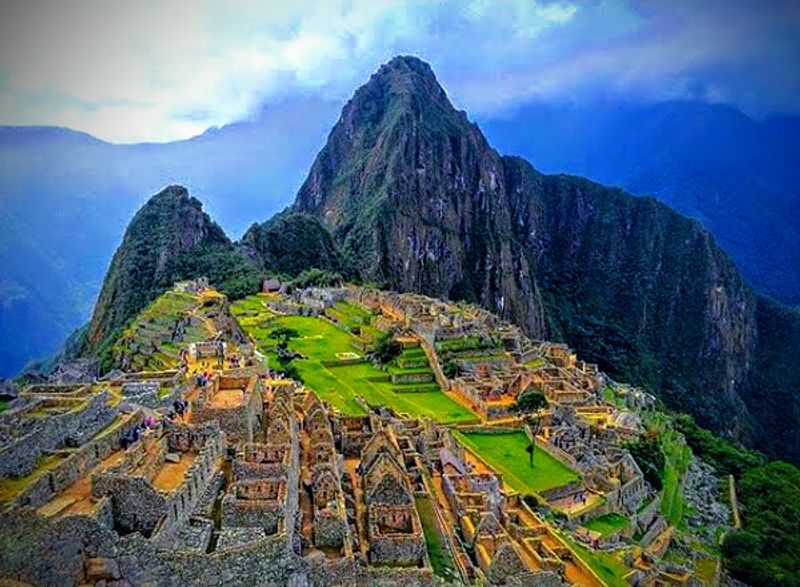
Nobody warns you that your legs will shake when you first see Machu Picchu, and not just from the hike. Built by the Inca in the 15th century, this ancient citadel sits 7,970 feet above sea level, surrounded by cloud-draped mountain peaks.
The altitude alone feels like a plot twist.
You can reach Machu Picchu via the legendary Inca Trail, a four-day trek through stunning Andean scenery. Prefer something less grueling?
A scenic train ride from Cusco drops you right at the base. Either way, the approach builds serious anticipation.
Once inside, the stone terraces, temples, and plazas tell a story that historians are still piecing together. Archaeologists believe it served as a royal estate for the Inca emperor Pachacuti.
Hiring a local guide is worth every penny since the history here runs deep. Go early to beat the crowds and catch the morning mist rolling off the mountains.
Antarctica: The Last Wilderness
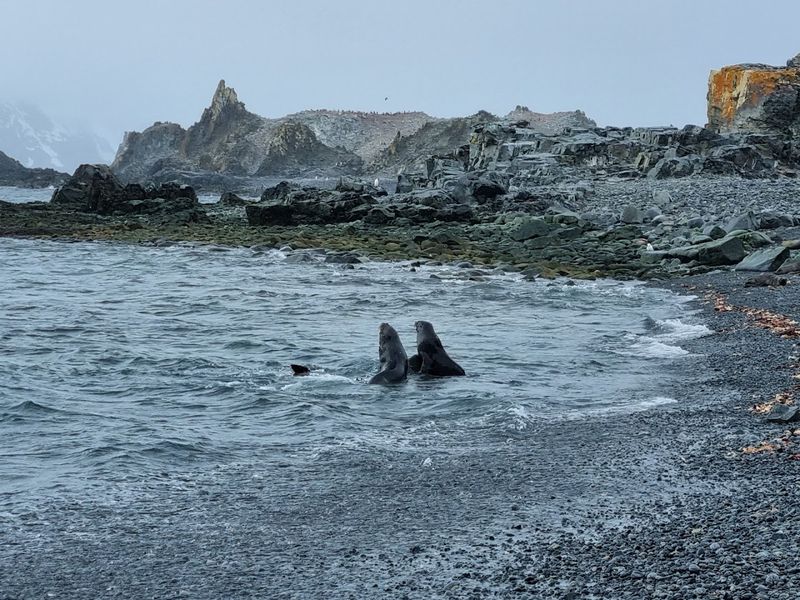
Antarctica is the only continent with no permanent human residents, no countries, no traffic jams, and honestly, no bad views. Getting here requires an expedition cruise across the Drake Passage, which is either thrilling or terrifying depending on your relationship with seasickness.
Once you arrive, the scale of everything is almost hard to process. Icebergs the size of apartment buildings float past your ship.
Thousands of penguins waddle along the shore like they own the place, which, technically, they do. Humpback whales surface close enough to make your jaw drop.
Fewer than 60,000 tourists visit Antarctica each year, making it one of the least-visited places on the planet. That exclusivity is a big part of its appeal.
Strict environmental rules mean travelers must keep a respectful distance from wildlife and leave absolutely nothing behind. If you want a destination that genuinely humbles you, this is it.
Serengeti National Park, Tanzania
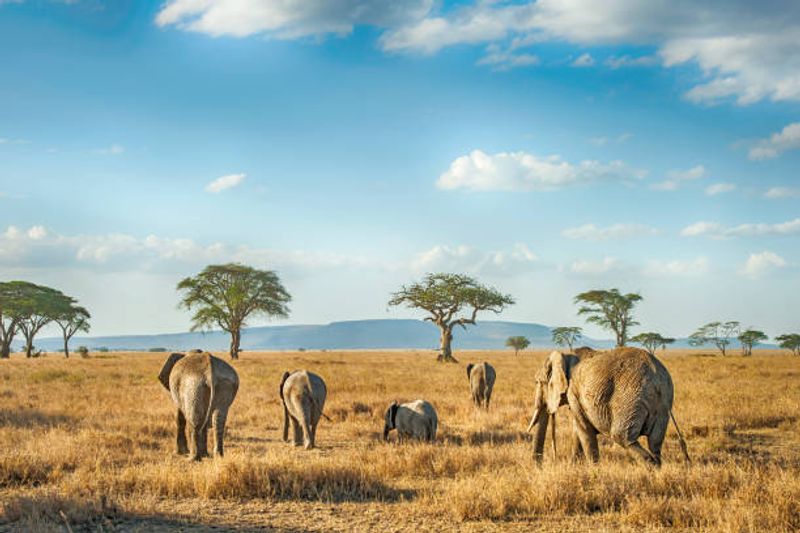
Over two million wildebeest, zebras, and gazelles move across the Serengeti every year in what scientists call the Great Migration. No choreographer planned it.
No director called action. It just happens, raw, chaotic, and completely spectacular.
The Serengeti covers nearly 5,700 square miles of open savanna in northern Tanzania. Safari jeeps weave through acacia trees while lions lounge in the shade nearby, completely unbothered by the audience they have gathered.
Leopards drape themselves over branches like living rugs. Elephants move in slow, dignified herds.
The best time to witness river crossings, where wildebeest brave crocodile-filled waters, is between July and October. Luxury tented camps let you sleep under canvas with the sounds of the bush all around you.
I once woke up to a hyena sniffing around our camp perimeter. Terrifying?
A little. Unforgettable?
Absolutely. Book your safari at least six months in advance for peak season.
Great Barrier Reef, Australia
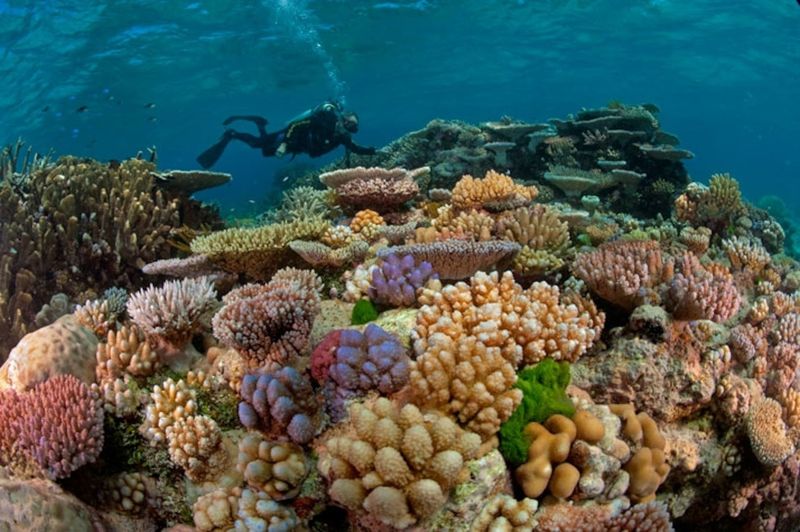
The Great Barrier Reef is so large it can be seen from space, which puts your average snorkeling trip in some pretty serious perspective. Stretching over 1,400 miles along Australia’s Queensland coast, it is the largest living structure on Earth, made up of roughly 2,900 individual reefs.
Below the surface, the colors are almost unreal. Staghorn corals in shades of purple, orange, and gold shelter clownfish, parrotfish, and reef sharks.
Sea turtles glide past with an effortless calm that makes the whole underwater world feel like a nature documentary you somehow stepped into.
Climate change has caused significant coral bleaching in recent years, which means visiting now carries a sense of urgency. Responsible tourism operators run reef-friendly tours that prioritize conservation.
Choosing a certified eco-operator makes a real difference. Whether you snorkel from a pontoon or scuba dive with a guide, the Great Barrier Reef delivers one of those rare experiences that stays with you long after you dry off.
Petra, Jordan: The Rose-Red City
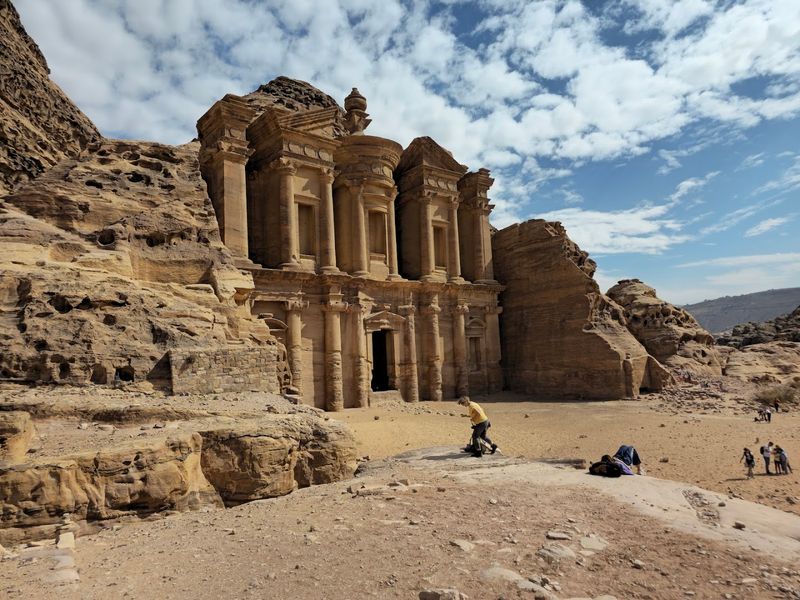
Petra was hidden from the Western world for centuries, and honestly, the Nabataeans had the right idea keeping it to themselves. This ancient city in southern Jordan was carved directly into rose-colored sandstone cliffs over 2,000 years ago.
The craftsmanship is staggering.
The approach through the Siq, a narrow one-mile gorge flanked by towering rock walls, is pure theater. The canyon twists and turns, slowly building suspense, until the famous Treasury suddenly appears at the end like a punchline worth waiting for.
Its intricate facade stands 40 meters tall.
Beyond the Treasury, Petra keeps revealing itself. The Street of Facades, the Royal Tombs, and the Monastery require serious walking but reward every step.
Petra by Night is an experience worth adding, where candles line the Siq and traditional music fills the air. Comfortable walking shoes are non-negotiable here.
The site is enormous and a single day barely scratches the surface.
Galapagos Islands, Ecuador
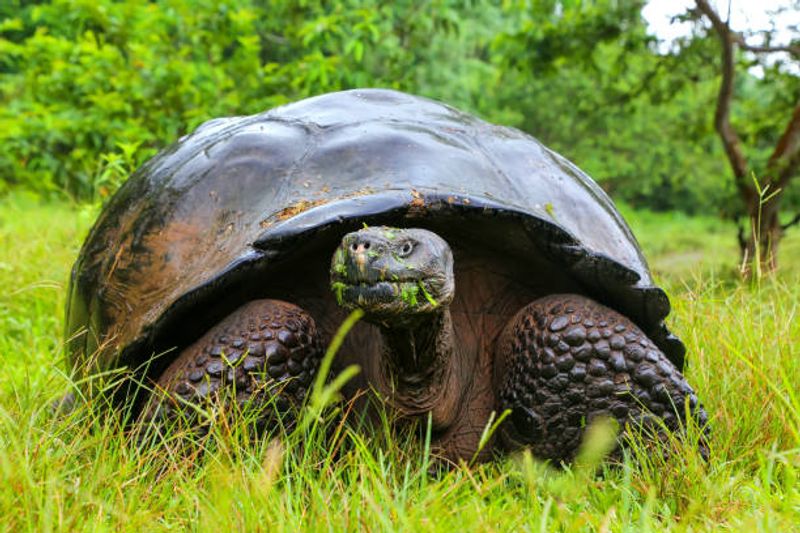
Charles Darwin visited the Galapagos in 1835 and left with the building blocks of one of science’s greatest theories. After spending time here yourself, you will completely understand why.
The wildlife on these islands has almost no fear of humans, which makes every encounter feel surreal.
Marine iguanas sneeze salt from their nostrils on black lava rocks. Blue-footed boobies perform elaborate foot-stomping dances to impress potential mates.
Giant tortoises, some over 100 years old, lumber past with the unhurried confidence of creatures who know they have all the time in the world.
The islands sit about 600 miles off the coast of Ecuador and are strictly protected by conservation laws. Visitor numbers are controlled, and all tours must be led by certified naturalist guides.
Snorkeling with sea lions and swimming alongside penguins are highlights most travelers rank as life-changing. Book through a licensed tour operator and follow all wildlife guidelines to help protect this extraordinary place.
Angkor Wat, Cambodia: Sunrise Over Spires
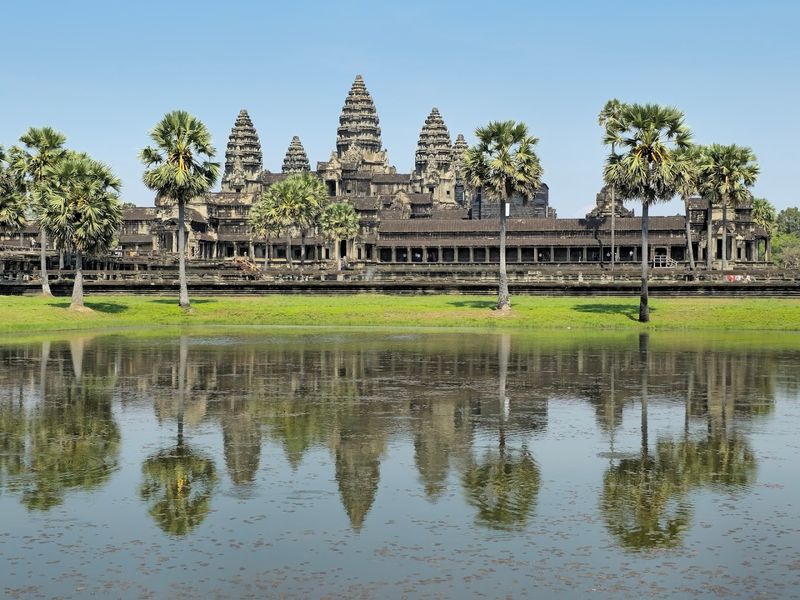
Angkor Wat is the largest religious monument ever built, covering over 400 acres of jungle in northwestern Cambodia. That fact alone earns it a spot on this list, but the sheer beauty of the place seals the deal completely.
Built in the 12th century for the Khmer king Suryavarman II, the temple was originally dedicated to the Hindu god Vishnu before later becoming a Buddhist site. Its five towers represent the peaks of Mount Meru, the mythological home of the gods.
The detail in the bas-relief carvings covering the walls is genuinely jaw-dropping.
Sunrise at Angkor Wat is the stuff of travel legend. Arriving before dawn and watching the sky turn pink above the spires while their reflection shimmers in the surrounding moat is a moment that photographs will never fully capture.
Stay for multiple days to explore the wider Angkor Archaeological Park, which contains dozens of other incredible temple ruins hiding in the surrounding forest.
Northern Lights in Tromsø, Norway
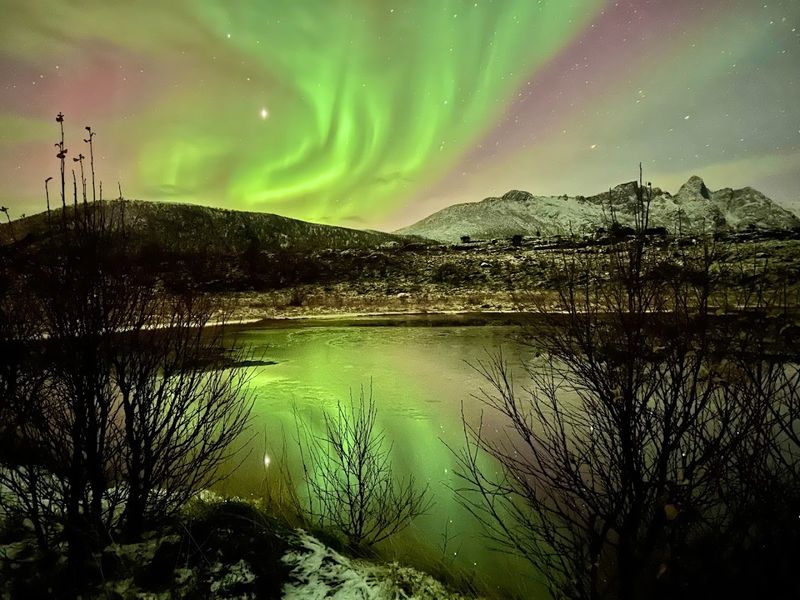
The Northern Lights have been inspiring myths, legends, and very cold travel itineraries for thousands of years. Tromsø, sitting 217 miles above the Arctic Circle, is one of the best places on Earth to witness the Aurora Borealis in all its glowing, color-shifting glory.
The lights appear between late September and late March, with peak activity in the darkest winter months. Clear, cold nights offer the best conditions.
Colors range from pale green to vivid purple and pink, rippling across the sky in patterns that feel almost deliberate, like the atmosphere is showing off.
Tromsø itself is a lively Arctic city with great restaurants, a vibrant cultural scene, and surprisingly good coffee for somewhere so far north. Dog sledding, snowshoeing, and reindeer encounters fill the daylight hours.
For the best aurora odds, book a guided chasing tour with a local expert who tracks forecasts and drives you to dark-sky locations away from city lights. Layers are mandatory.
Seriously, pack more than you think you need.
Taj Mahal, India: Love in Marble
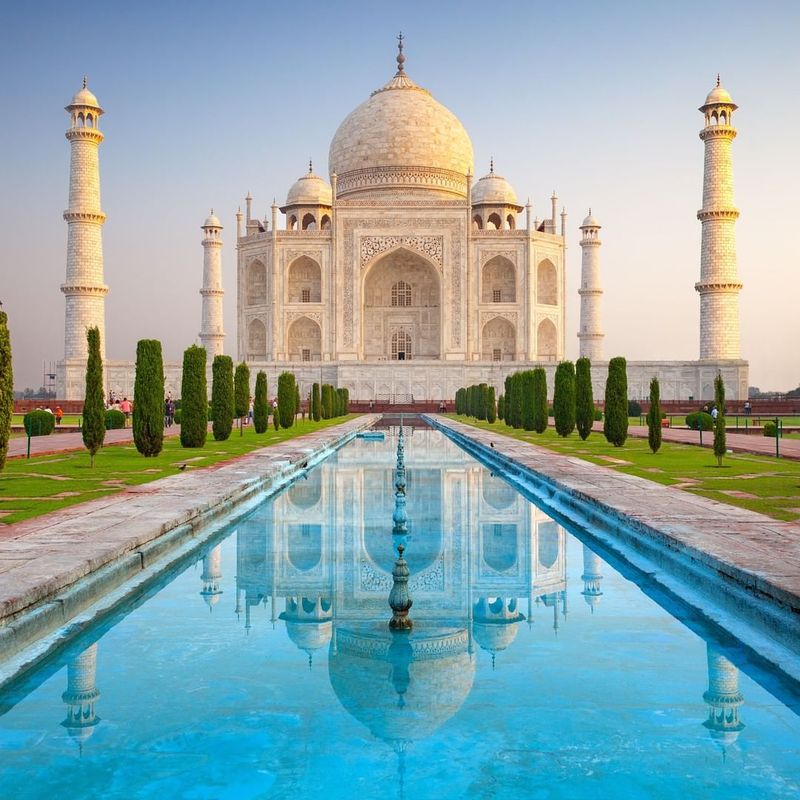
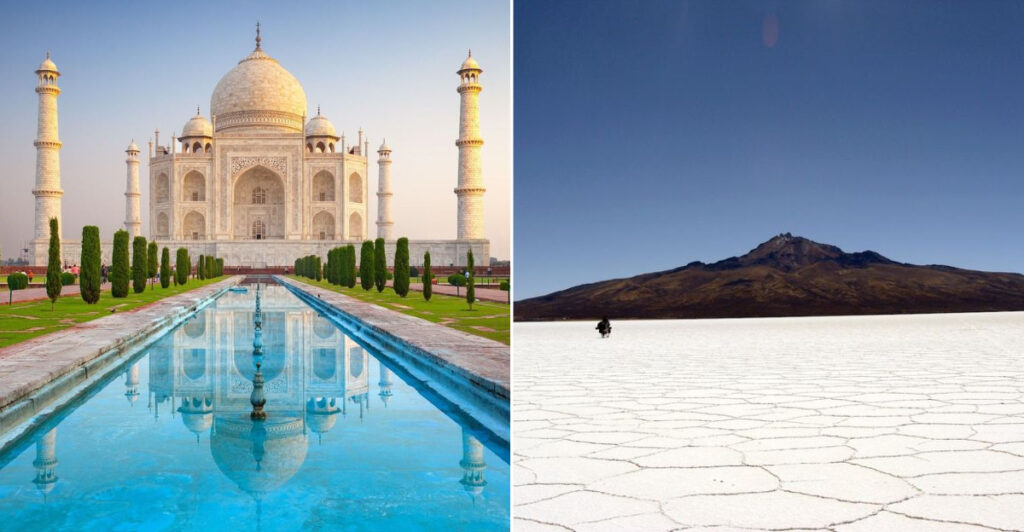
Emperor Shah Jahan built the Taj Mahal as a monument to grief, and somehow it became one of the most beautiful buildings ever constructed. After his wife Mumtaz Mahal died in 1631, he commissioned a mausoleum so grand that it took 22 years and 20,000 workers to complete.
The white marble shifts color throughout the day, appearing pale pink at dawn, bright white at noon, and warm gold at sunset. Inlaid with 28 types of precious and semi-precious stones in intricate floral patterns, every surface rewards close inspection.
The symmetry is so precise it almost feels mathematical.
Agra can be reached by a fast train from Delhi in about two hours. Arrive at opening time to avoid the largest crowds and catch the soft early light on the marble.
Skip the main gate photo and walk around to the riverside view for a perspective most tourists miss. The Taj Mahal is proof that human beings, when properly motivated, can do extraordinary things.
Cappadocia, Turkey: Float Above Fairy Chimneys
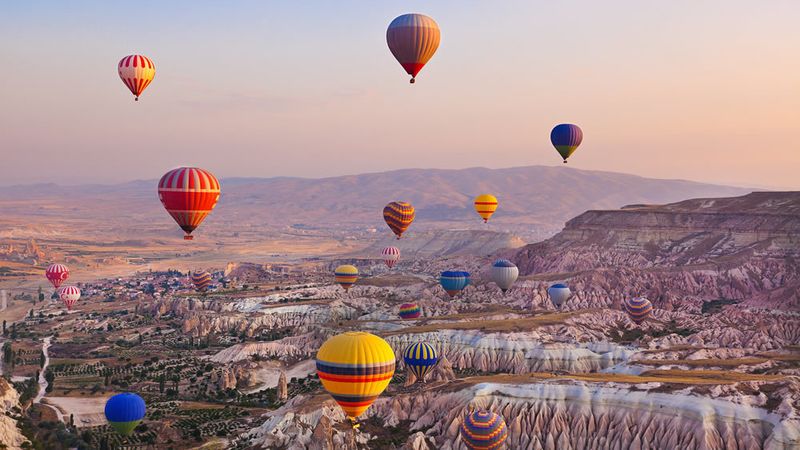
Cappadocia looks like someone designed a landscape specifically for a fantasy novel and then forgot to tell the rest of Turkey about it. Thousands of cone-shaped rock formations called fairy chimneys rise from the valley floors, carved by millions of years of volcanic activity and erosion.
The hot air balloon rides here are world-famous for good reason. Every morning around sunrise, hundreds of balloons fill the sky above the valleys, drifting silently over ancient cave churches, underground cities, and terraced vineyards.
It is one of those scenes that makes you question whether you are actually awake.
Beyond ballooning, Cappadocia rewards explorers. The underground city of Derinkuyu descends eight levels below the surface and once sheltered thousands of early Christians from persecution.
Cave hotels carved directly into the rock offer some of the most unique accommodation experiences available anywhere. Book balloon rides well in advance since they sell out fast, especially during spring and autumn when conditions are ideal.
Pyramids of Giza, Egypt
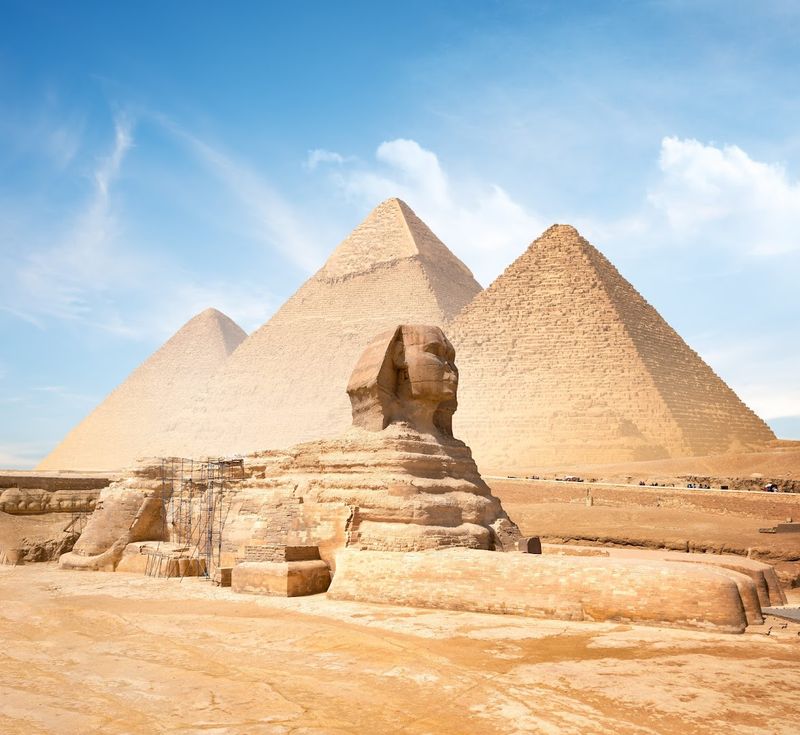
The Great Pyramid of Giza was the tallest man-made structure in the world for 3,800 years. Let that sink in.
Built around 2560 BCE without cranes, machinery, or power tools, it still stands with a precision that baffles modern engineers.
Standing at the base of these colossal limestone blocks is a genuinely humbling experience. Each block weighs an average of 2.5 tons.
The Pyramid of Khufu alone contains an estimated 2.3 million of them. No wonder it took about 20 years to build.
The nearby Sphinx guards the plateau with quiet authority, its face worn smooth by thousands of years of desert wind. Cairo is a short drive away, offering excellent Egyptian museums, chaotic bazaars, and some seriously good street food.
Visit the pyramids at dawn before the tour buses arrive for a quieter, more atmospheric experience. A camel ride around the plateau is completely optional but thoroughly entertaining.
Bring sunscreen. The Egyptian sun does not negotiate.
Banff National Park, Canada
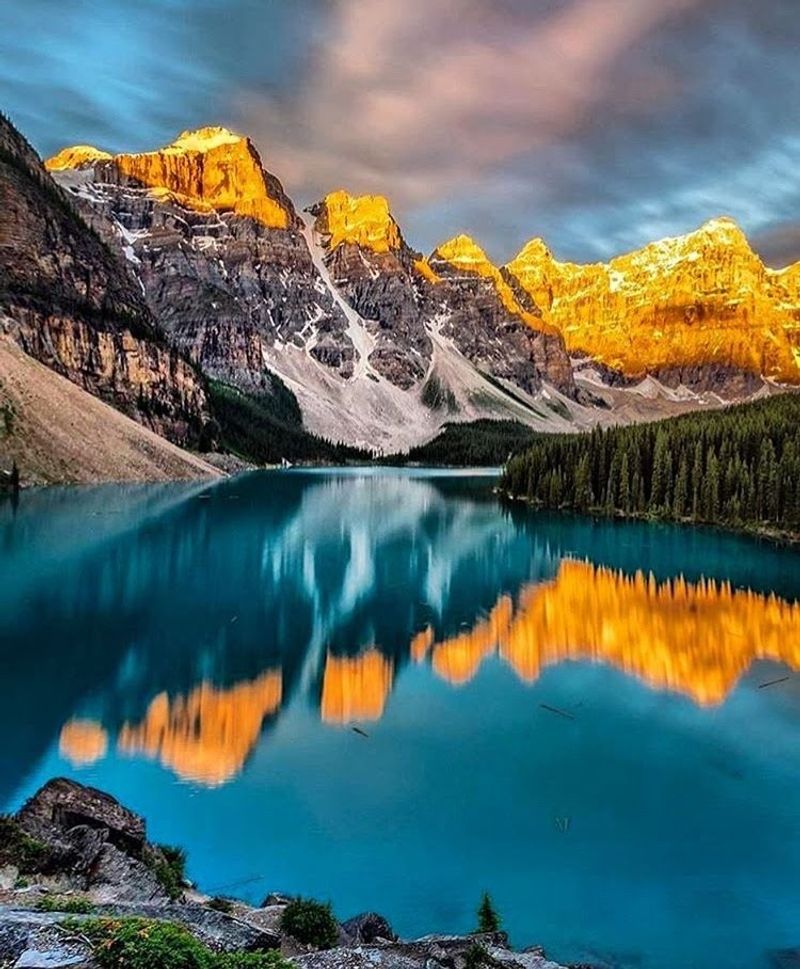
Banff National Park is Canada’s oldest national park, established in 1885, and it has been making jaws drop ever since. Located in the heart of the Canadian Rockies in Alberta, the park covers over 2,500 square miles of some of the most dramatic mountain scenery on the continent.
Lake Louise is the crown jewel, its impossibly turquoise water fed by glacial melt and framed by towering peaks. Moraine Lake, a short drive away, gives Lake Louise serious competition with its ten glacier backdrop and electric blue color.
Both get crowded, so arriving early is genuinely good advice rather than just a cliche.
Wildlife sightings are common and thrilling. Grizzly bears, elk, wolves, and mountain goats roam freely throughout the park.
Hiking trails range from gentle lakeside strolls to demanding summit routes. Winter brings world-class skiing at Banff and Lake Louise ski resorts.
The Icefields Parkway, a 144-mile drive connecting Banff to Jasper, ranks among the most scenic road trips on the planet.
Salar de Uyuni, Bolivia: The World’s Biggest Mirror
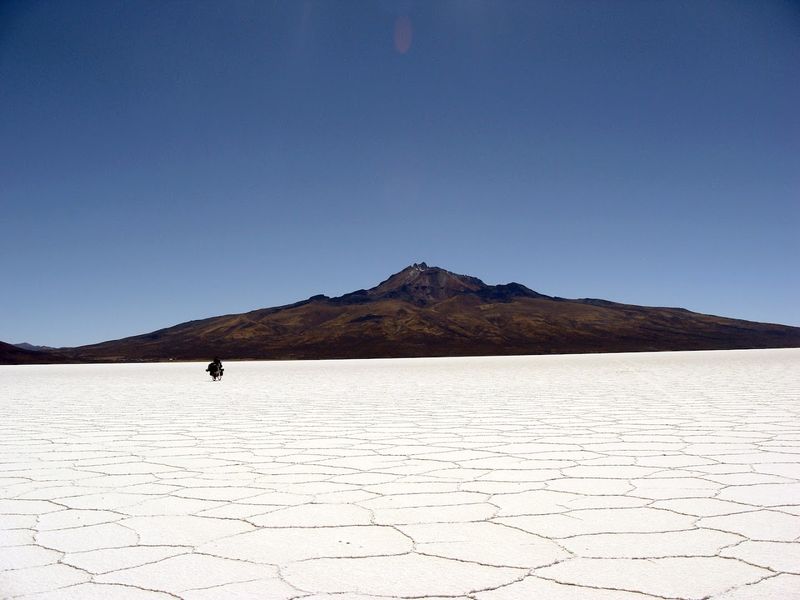
At 4,086 square miles, the Salar de Uyuni is the largest salt flat on Earth, and during the rainy season it becomes something even more remarkable. A thin layer of water turns the entire surface into a flawless mirror, reflecting the sky so perfectly that the horizon disappears entirely.
The effect is disorienting in the best possible way. Standing on the salt flat during reflection season, you feel surrounded by sky on all sides.
Perspective tricks become irresistible, resulting in some of the most creative travel photos you will ever see. Tiny figures appearing to balance on a person’s hand are practically a Salar de Uyuni tradition.
Located in southwestern Bolivia at 11,995 feet above sea level, the altitude is worth planning around. Spend a day or two in nearby Uyuni town acclimatizing before heading out.
Guided tours typically include visits to the train cemetery, cactus-covered islands, and flamingo-filled lagoons. The dry season offers a different appeal, with endless white salt crust stretching to the horizon under brilliant blue skies.
Bora Bora, French Polynesia
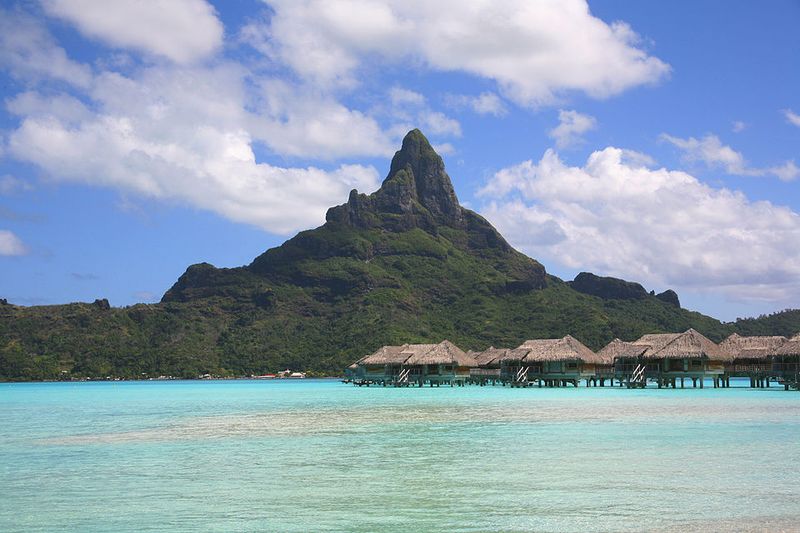
Bora Bora has a geography that seems almost deliberately designed to make the rest of the world feel inferior. A dramatic volcanic peak called Mount Otemanu rises from the center of the island, surrounded by a turquoise lagoon and an outer barrier reef that keeps the water calm and impossibly clear.
The famous overwater bungalows here are exactly as good as they look in every travel magazine you have ever flipped through. Waking up and stepping directly from your room into a warm, shallow lagoon is an experience that ruins regular hotel rooms forever.
Several luxury resorts offer private glass-floor panels in the bungalow floors for viewing fish below.
Snorkeling and diving in the lagoon reveal blacktip reef sharks, manta rays, and dense coral gardens. Outrigger canoe tours, shark and ray feeding excursions, and sunset cruises fill the days between serious relaxation sessions.
Bora Bora is undeniably expensive, but many travelers say it is worth every single cent. Start saving now.
Future you will send a very grateful postcard.
Santorini, Greece: Cliffs, Sunsets, and Caldera Views
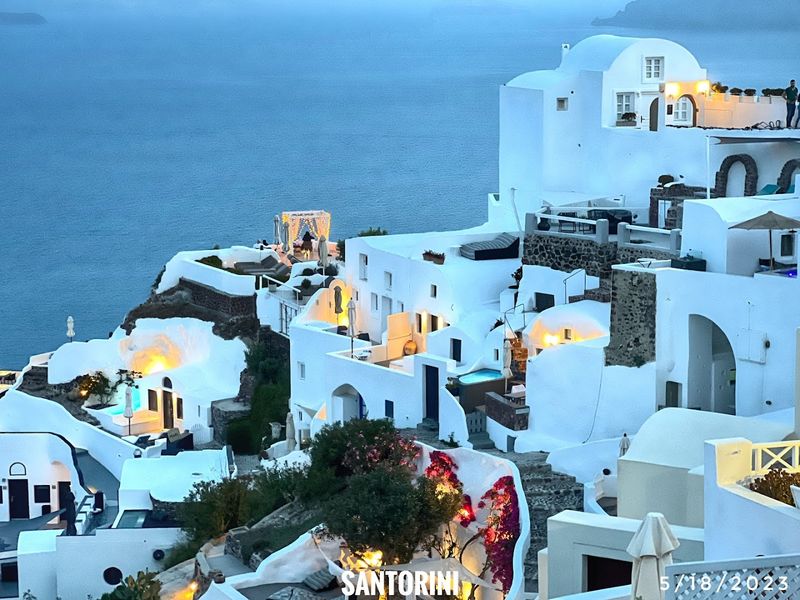
Santorini sits inside the rim of an ancient volcanic caldera, which explains both the dramatic cliff-top villages and the unsettling fact that the island is essentially a very scenic natural disaster waiting to happen. That tension only adds to the atmosphere.
The village of Oia is ground zero for the world-famous Santorini sunset. Every evening, crowds gather on the clifftop terraces to watch the sun drop into the caldera, painting the sky in shades of orange and gold.
It sounds touristy because it is, and it is still completely worth it.
Beyond the postcard scenery, Santorini offers genuine depth. The prehistoric site of Akrotiri, buried by a volcanic eruption around 1600 BCE, is often called the Greek Pompeii.
The island produces excellent local wines from Assyrtiko grapes grown in volcanic soil. Black and red volcanic beaches at Perissa and Kamari offer a striking alternative to the typical Greek island experience.
Ferry connections make island hopping easy and highly recommended.
Share this story