 Unearth The Voyage
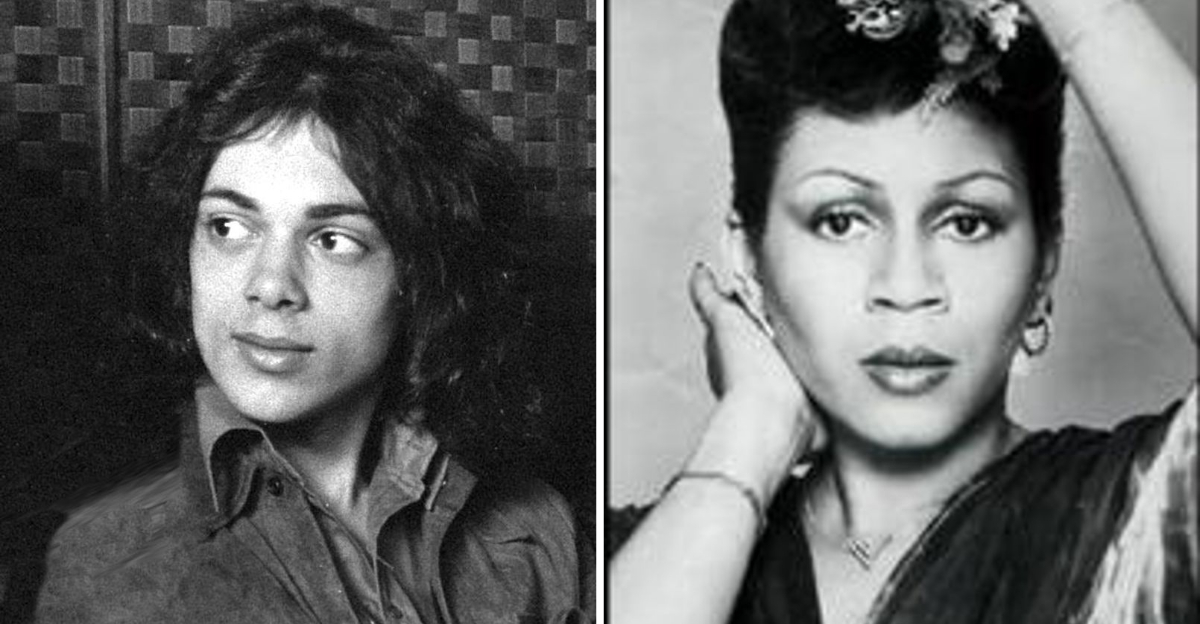
One-hit wonders often feel like lightning in a bottle, sparkling bright before vanishing from view. Behind those catchy choruses and unforgettable hooks, though, lurk stories shaped by loss, illness, and sudden fame. This list explores chart-topping moments that hid devastating turns, where success collided with heartbreak.
The songs remain timeless, but the histories behind them can be hard to shake.
Blind Melon — “No Rain” (1992)

“No Rain” felt like sunshine bottled in a jangly riff, the perfect early 90s daydream. The “bee girl” video became pop culture shorthand for outsider joy, while Shannon Hoon’s elastic voice danced with a carefree lilt. The radio loved it, and the song turned into the band’s passport to festivals, late-night TV, and a brief moment where anything seemed possible.
Behind the scenes, Hoon fought a consuming battle with addiction that shadowed every mile of the tour. He entered rehab, relapsed, and tried again, a cycle that tired friends and rattled management. In 1995, at just 28, he died of a drug-related heart attack on the band’s tour bus, transforming the group’s unlikely anthem into a memorial.
“No Rain” still shimmers, but it now lands with a pang that never quite fades. The song’s sunny bounce feels like a postcard from the life that could have been, stamped with lost potential. Bandmates drifted, fans mourned, and the melodies acquired a new gravity, proof that the brightest hooks can hide the darkest storms.
Minnie Riperton — “Lovin’ You” (1975)
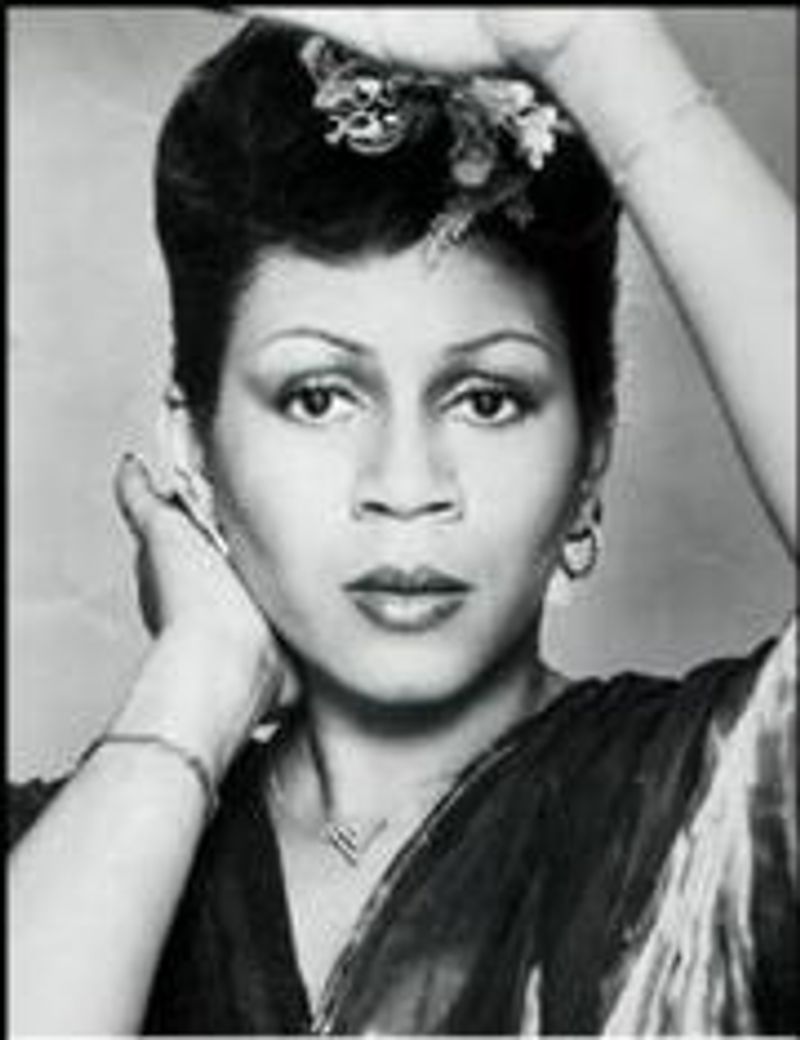
“Lovin’ You” floats like a lullaby from a cloud, every whistle note blooming into air as if nature itself were singing. Minnie Riperton’s voice sounded boundless, a cathedral of breath and light built over butterfly-delicate instrumentation. The song carried innocence and intimacy, as if whispered straight across a kitchen table.
Not long after its success, a diagnosis changed everything. Riperton faced breast cancer in 1976, sharing her journey publicly while continuing to perform with grace and resolve. A mastectomy and touring followed, but the disease advanced, compressing years of artistry into months of courage.
She died in 1979 at 31, leaving behind a song that now feels like a benediction. That final sustained note lands like a prayer, reminding listeners of beauty shaped by defiance and fragility. The hit survives as both a cradle song and a farewell wave, a delicate petal preserved between the pages of time.
Andy Fraser — “All Right Now” with Free (1970)
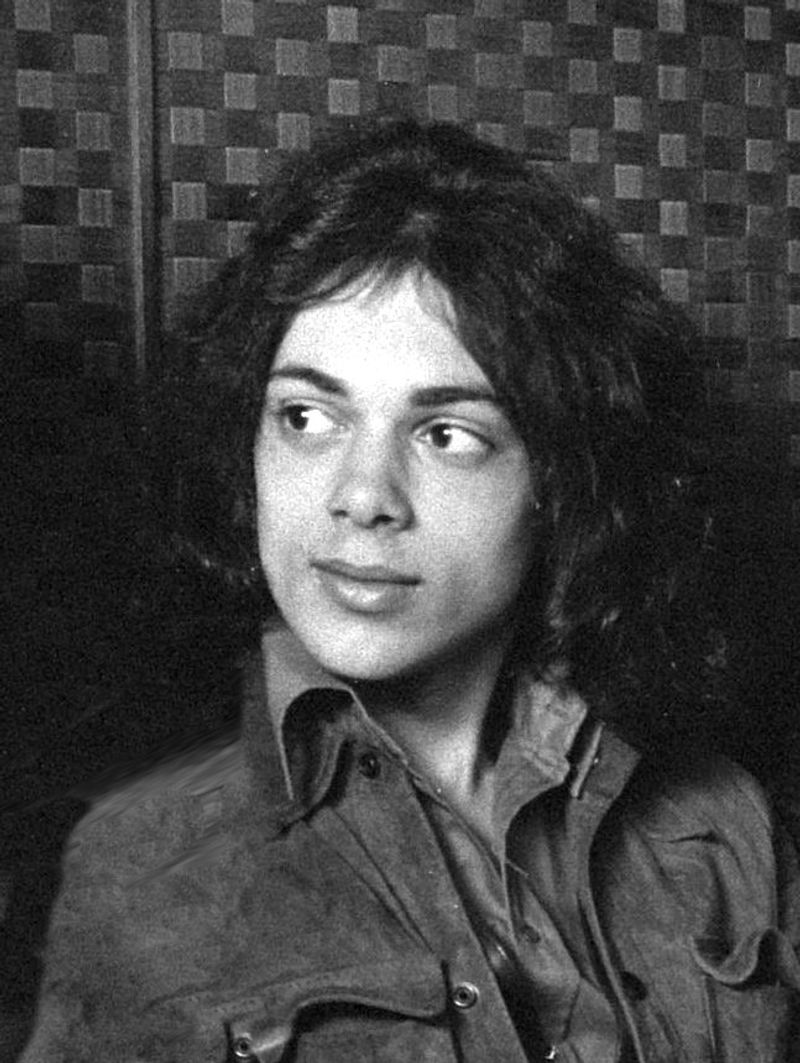
“All Right Now” might be the distilled shout of youth, a riff that turns strangers into a chorus by the second verse. Co-writer and bassist Andy Fraser helped forge that swagger, anchoring Free’s punch with muscle and melody. The track became a rite of passage for air guitars and pub jukeboxes everywhere.
Fame never guaranteed an easy road. Fraser later confronted health struggles, including HIV and cancer complications, while continuing to write and advocate. The industry moved on in trends and cycles, but the song outlasted fashions, echoing back the teenager that world once felt.
He died in 2015, and the anthem’s title now lands with layered irony and grace. The chorus still kicks doors open, while the backstory whispers about resilience through pain. That bassline feels like a heartbeat heard across decades, steadying a world that could not remain all right.
Biz Markie — “Just a Friend” (1989)
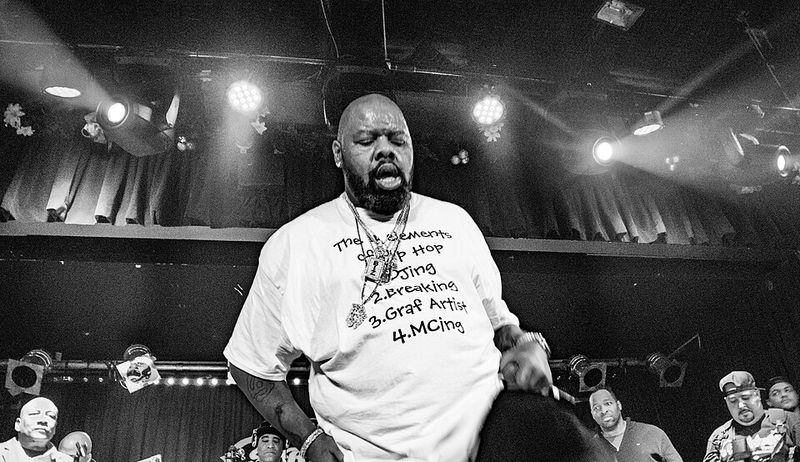
“Just a Friend” is part comedy, part confession, and entirely unforgettable. Biz Markie’s off-key hook made the heartbreak feel realer than perfection ever could, a wink that turned into a singalong stamped on generations. The track felt like a neighborhood story told on a stoop as the streetlights clicked on.
Behind the laughs lived grit and health battles. Markie navigated changing industry tides, sample lawsuits, and later life with diabetes, showing up for stages and fans even when energy flagged. His presence stayed buoyant, the kind of charm that makes a crowd feel like old friends.
He died in 2021 at 57, and the chorus now lands with a tug at the ribs. The joke has an echo, like laughter heard from a room already closing its door. Still, the song’s heartbeat persists, proof that vulnerability can outlast polish.
Tiny Tim — “Tip-Toe Thru’ the Tulips” (1968)
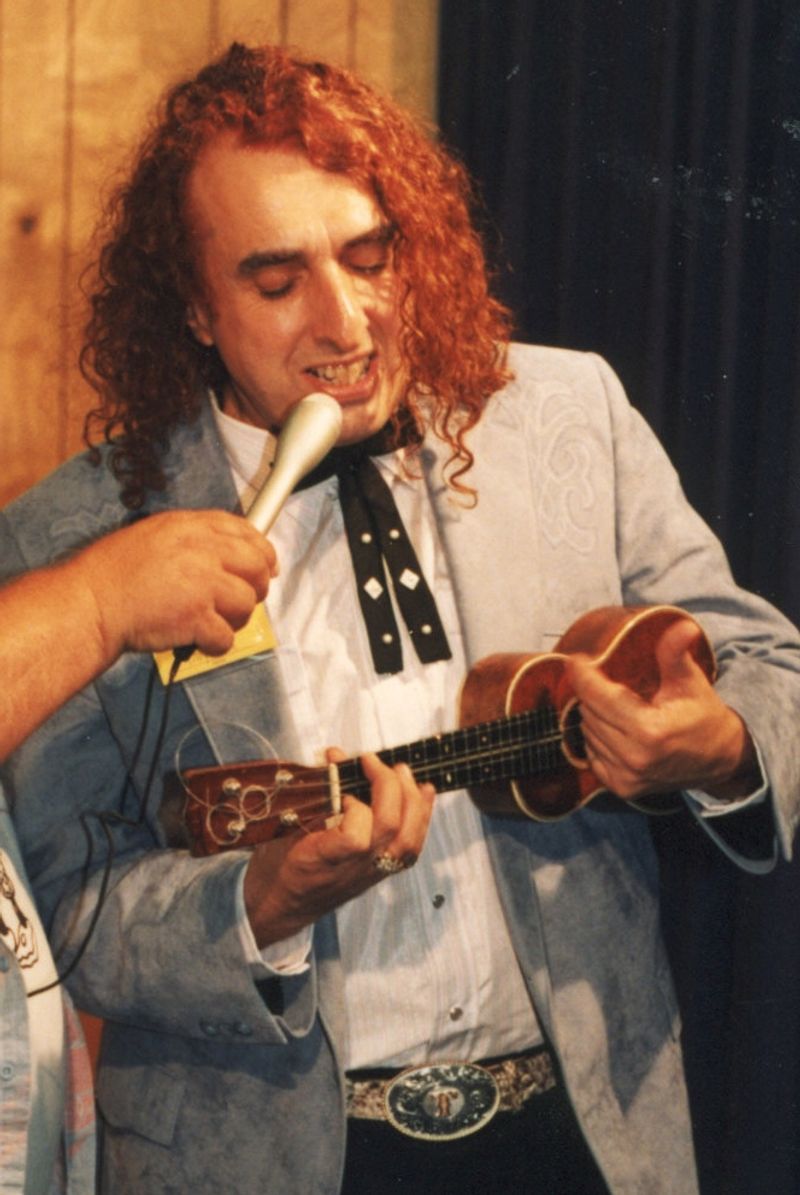
Tiny Tim’s falsetto made novelty into theater, turning “Tip-Toe Thru’ the Tulips” into a winking curio that somehow stuck. The ukulele felt like a secret passed hand to hand, playful and a little haunted. He became a fixture, equal parts camp and sincerity, on variety shows and late-night lists.
After the initial rush, gigs thinned and bills thickened, but the performer kept moving toward the next stage. Years later, health warnings mounted, yet the show must go on reflex outpaced caution. The body, tired of compromise, finally refused to keep time with the applause.
In 1996, Tiny Tim suffered a fatal heart attack during a performance, collapsing under the lights he loved. The scene reads like folklore, a curtain drop written in real time. The song remains a strange blossom, a bloom preserved under glass.



