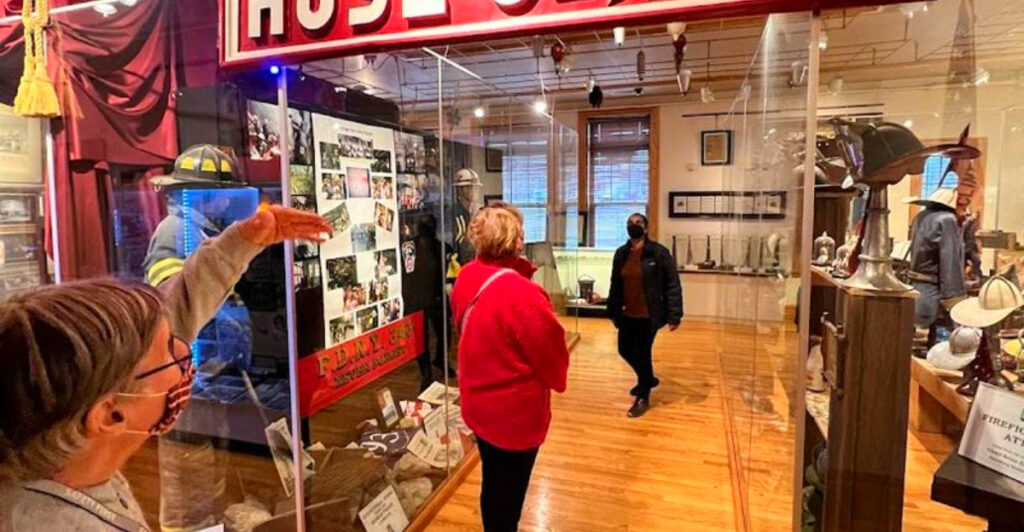
There is a building in Harrisburg, Pennsylvania, that still smells faintly of history and hard work, where vintage fire trucks sit polished and proud under high ceilings, and where the stories of brave men and women who fought flames for generations come alive in a way no textbook ever could. Most people drive past old firehouses without a second thought, but this one has a secret worth stopping for.
Behind its grand Victorian facade is one of the most fascinating museums in the entire state, ranked among the top five fire museums in the country by the Fire Museum Network. Whether you are a history lover, a curious traveler, or someone who simply wants to see a jaw-dropping collection of antique firefighting gear, this place is going to surprise you in the best possible way.
Read on, because the story of how this museum came to be is almost as remarkable as the building that houses it.
A Victorian Firehouse That Time Did Not Forget
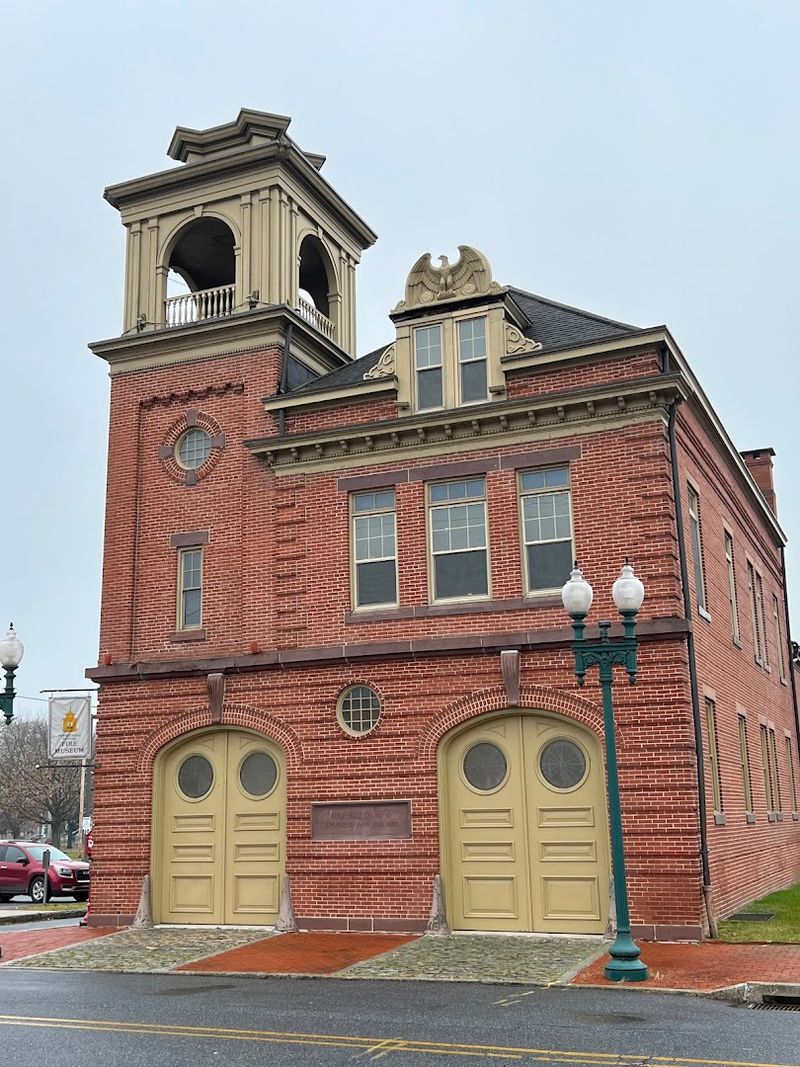
Some buildings carry history in their bones, and the Pennsylvania National Fire Museum, at 1820 N 4th St, Harrisburg, PA 17102, is one of them. The structure itself is a stunning 1899 Romanesque Revival firehouse, originally built for the Reily Hose Fire Co.
No. 10 of Harrisburg.
The thick brick walls, arched windows, and ornate stonework are not modern reproductions. They are original features that survived more than a century of use, neglect, and eventual rescue.
The building is one of only eleven old firehouses still standing in Harrisburg, which makes it a genuine architectural rarity.
After falling into disrepair, it was purchased in 1993 and carefully renovated before officially opening as a museum in 1995. The restoration team made sure to preserve as many original details as possible, so the firehouse still feels authentic rather than sanitized.
You can reach the museum by phone at 717-232-8915 or visit pnfm.org for current hours and admission details before your trip.
From Personal Archive to National Treasure
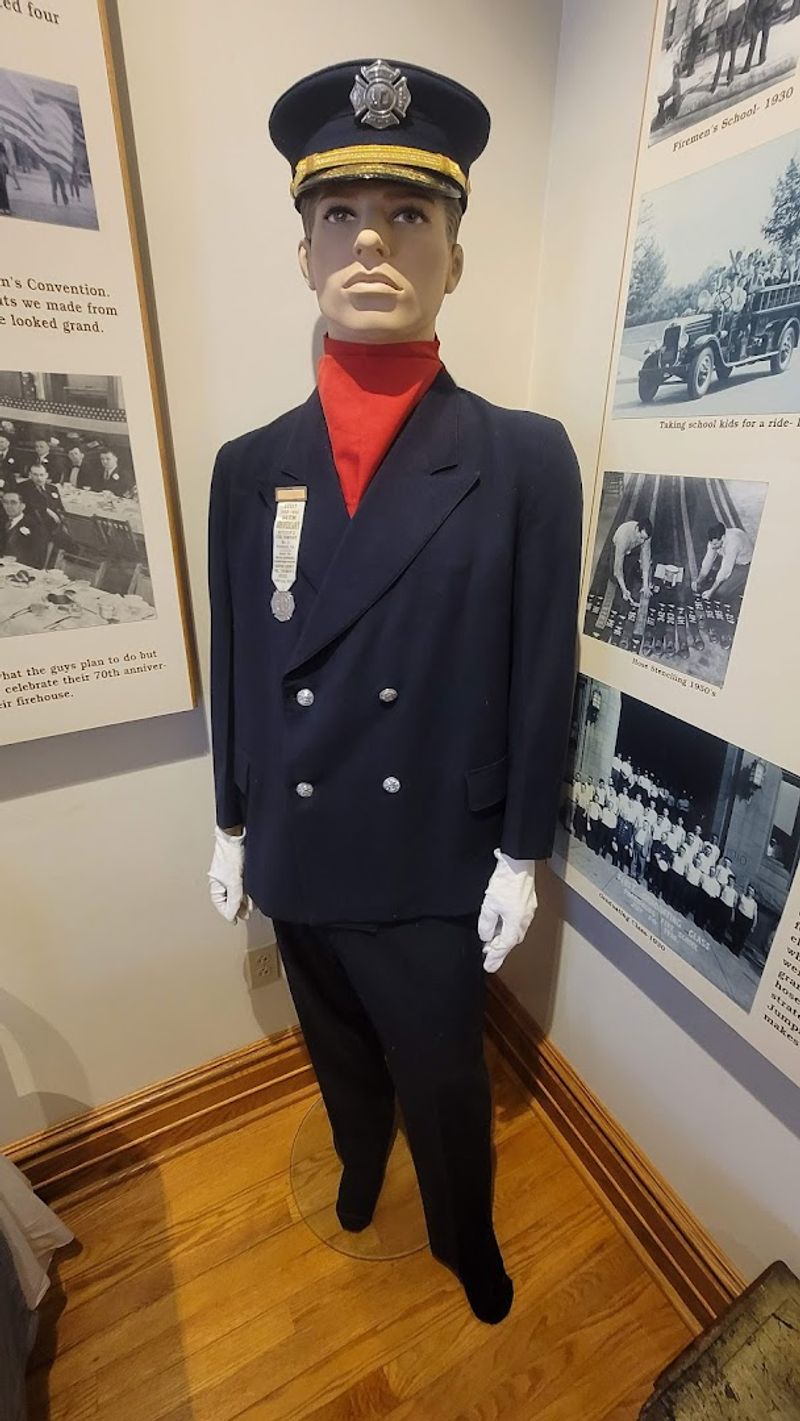
Every great museum has an origin story, and this one begins with a firefighter named Dave Houseal. A third-generation Harrisburg firefighter and passionate historian, Houseal expanded his father’s personal archive of fire department records into something far bigger than a family collection.
That archive became the foundation for the entire museum, which is a remarkable thing when you think about it. What started as one family’s dedication to preserving local firefighting history eventually grew into a nationally recognized institution.
Houseal’s commitment to accuracy and detail shaped the museum’s approach from the very beginning.
The exhibits do not feel like random objects thrown into glass cases. They feel curated, intentional, and deeply personal, because they were built on decades of careful research and genuine passion.
The museum now carries that spirit forward through its all-volunteer staff, many of whom are former firefighters themselves. The personal connection between the people running this place and the history they are sharing makes every conversation inside these walls feel meaningful.
Hand-Pulled Hose Reels and Horse-Drawn Engines
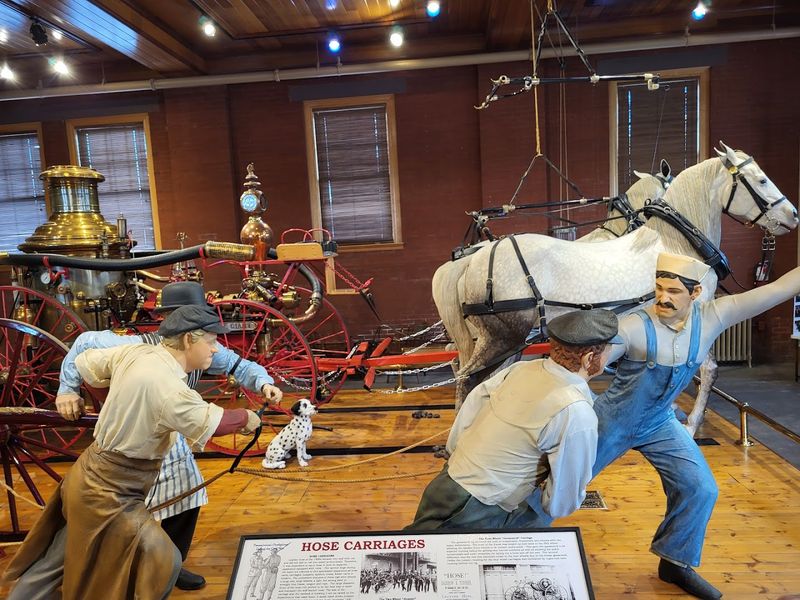
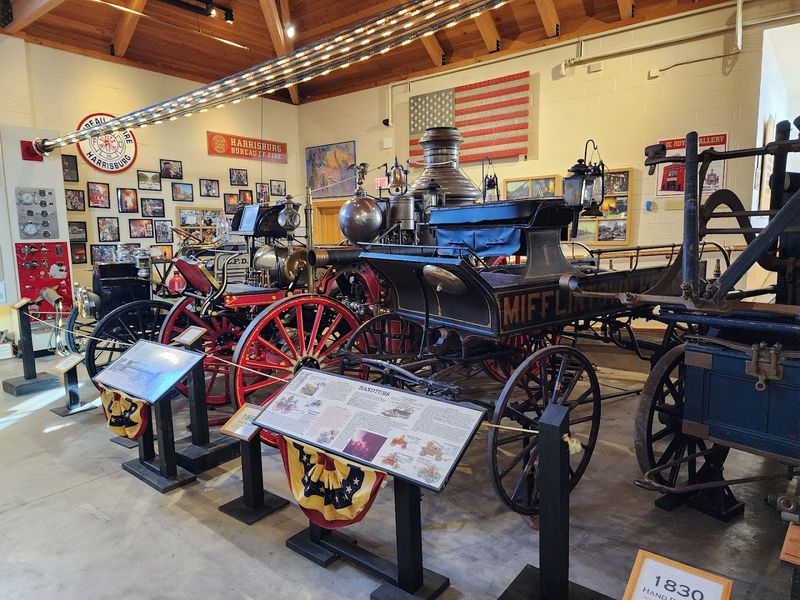
Long before sirens and diesel engines, firefighting was a matter of muscle and grit. The museum walks visitors through the earliest days of organized fire response in America, starting with equipment that was pulled by hand through city streets.
Seeing a hand-drawn hose reel up close puts things into perspective fast. These were not lightweight gadgets.
They were heavy iron and wood contraptions that teams of volunteers hauled at a run toward burning buildings, often in the middle of the night. The physical demand alone is staggering to consider.
From there, the collection moves into horse-drawn steam fire engines, which represented a genuine technological leap in their time. The craftsmanship on these machines is extraordinary, with polished brass fittings and intricate metalwork that speaks to how seriously fire companies took their equipment.
This progression from human-powered to horse-powered firefighting is one of the most compelling narratives in the museum, and it sets up the next chapter in the collection beautifully.
The Buskey Apparatus Room and Its Motorized Marvels
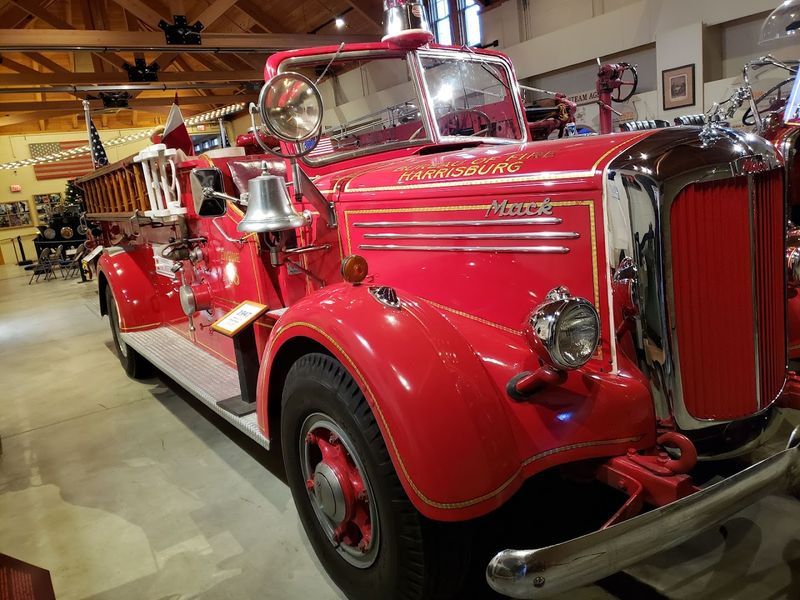
There is something undeniably exciting about a room full of old fire trucks, and the Buskey Apparatus Room delivers exactly that kind of excitement. This dedicated space showcases motorized fire apparatus dating from 1911 through 1947, representing a period when firefighting technology changed faster than almost any other field.
Each vehicle in the room has its own personality. Some are boxy and utilitarian, built for function over form.
Others have a certain elegance to them, with sweeping lines and gleaming chrome that make them look almost too beautiful to have ever fought a fire.
The volunteers stationed nearby are genuinely enthusiastic about these machines and happy to share the specific history of each one. Knowing which company used a particular truck, which fires it responded to, and how it eventually made its way into this museum adds a layer of meaning that transforms the experience from sightseeing into storytelling.
The apparatus room alone is worth the price of admission, and there is still plenty more to discover upstairs.
The Gamewell Alarm System That Still Works
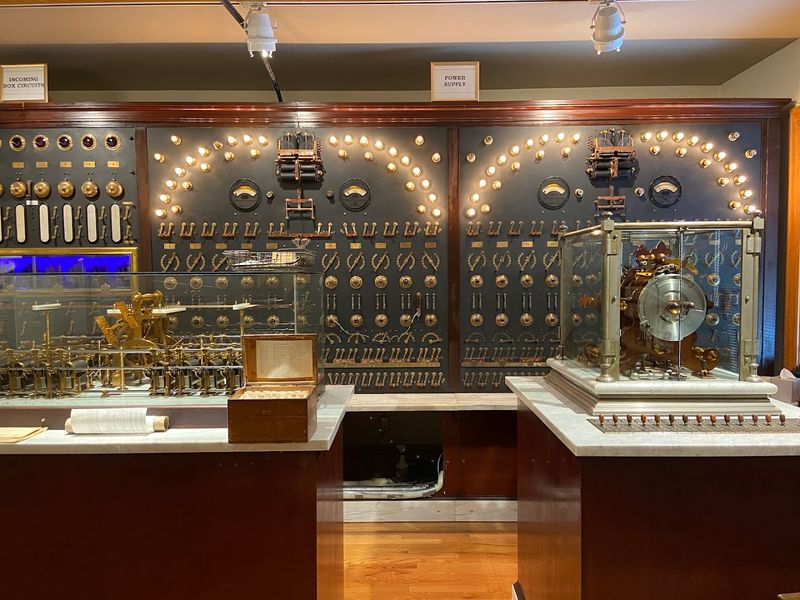
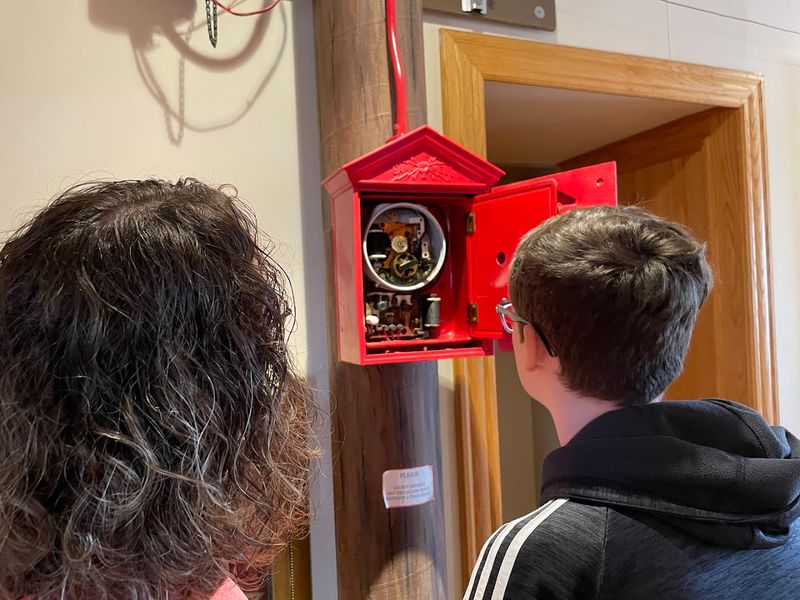
Upstairs, an entire wall is dedicated to one of the most fascinating pieces of communication technology you will ever encounter: a working Gamewell alarm system headquarters from Johnstown, Pennsylvania, dating to the 1920s. This is not a replica or a static display.
Visitors can actually pull the alarm and experience how fire departments received emergency calls before telephones became widespread.
The system uses a telegraph-based network of street-corner fire alarm boxes connected to a central dispatch. When someone pulled a box handle on the street, the signal traveled back to headquarters and identified the exact location of the emergency.
It was faster and more reliable than shouting for help, and it saved countless lives.
Hearing a volunteer explain how the whole system worked, and then actually getting to interact with it, is the kind of hands-on moment that makes a museum visit stick in your memory long after you leave. Many visitors say this exhibit alone justifies the trip, and honestly, it is hard to argue with them.
A Dispatch Console From One of History’s Most Tense Moments
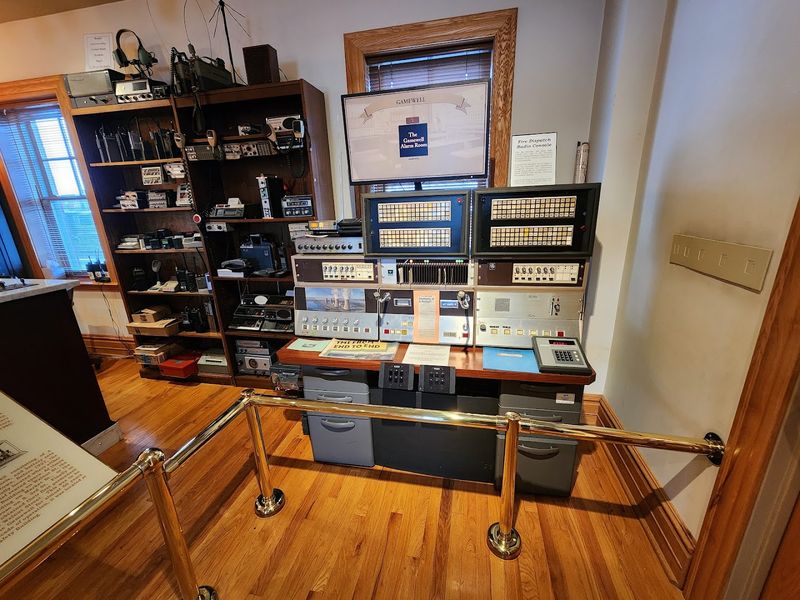
Few artifacts in the museum carry as much historical weight as the Dauphin County Fire Dispatch Console. This is the actual console that was in service during the 1979 Three Mile Island nuclear incident, one of the most significant emergency events in American history.
Three Mile Island sits just south of Harrisburg, and the local fire and emergency services were directly involved in the response and coordination efforts during those tense days. The console represents the real, human side of that crisis, the dispatchers who stayed at their stations and kept communication lines open when the situation was deeply uncertain.
Seeing this piece of equipment in person brings that moment in history down to a very human scale. It is not an abstract headline or a documentary clip.
It is a physical object that sat in a real room where real people made real decisions under extraordinary pressure. The museum presents it without sensationalism, letting the object speak for itself, which is exactly the right call.
Nearly 3,000 Patches and the Stories Behind Them
Color, variety, and a surprising amount of personality fill the patch collection at this museum. With nearly 3,000 patches representing fire companies from across the United States, this display is one of the largest of its kind anywhere in the country.
Each patch is a tiny piece of graphic design history, featuring shields, flames, axes, helmets, and local imagery that reflects the identity of the department it represents. Some are bold and graphic.
Others are intricate and detailed. A few are genuinely quirky in ways that make you stop and look twice.
What makes this collection more than just a visual spectacle is the context it provides. Every patch represents a community that organized itself to protect its neighbors, often with volunteer labor and limited resources.
The sheer number of patches on display is a reminder of just how widespread and deeply rooted the culture of firefighting is across America. It is one of those exhibits that rewards slow, careful looking rather than a quick glance.
Antique Parade Hats and the Volunteer Tradition
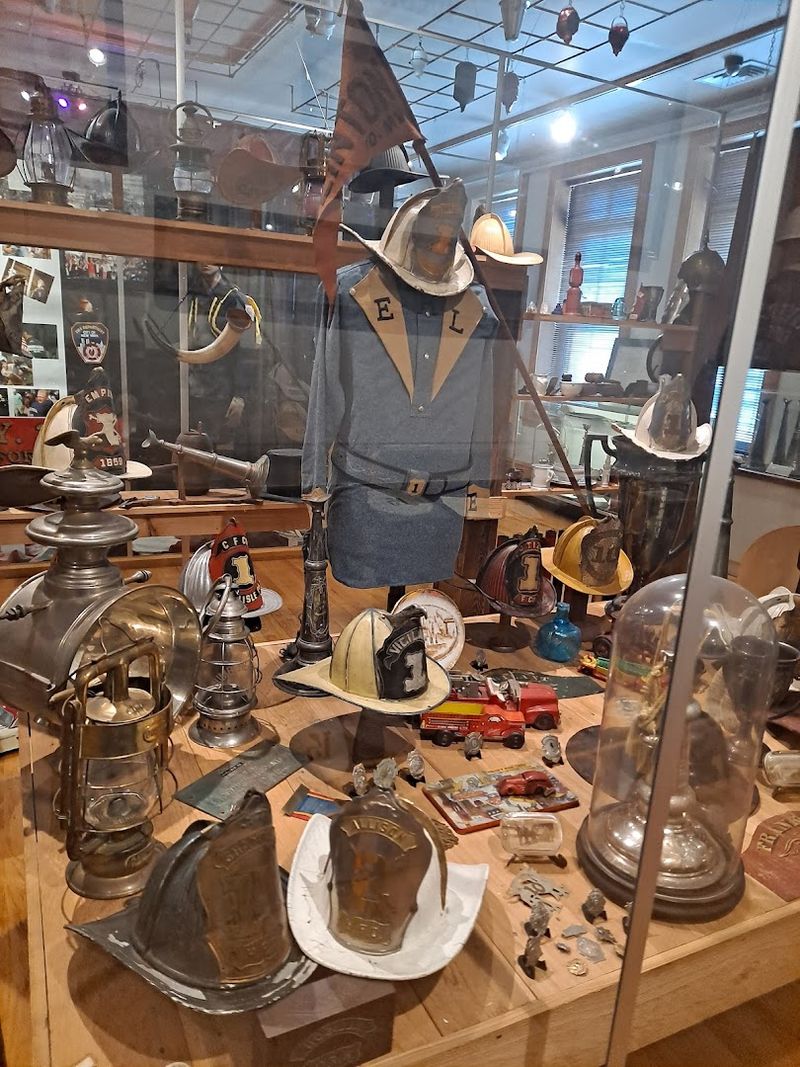
Before fire departments had official dress uniforms, volunteer firefighters expressed their company pride through elaborate parade hats. The museum holds one of the largest displays of antique parade hats in the country, and they are genuinely spectacular objects.
These hats were not simple headgear. They were hand-painted with detailed scenes, decorated with gilded trim, and crafted to make a visual statement during public parades and civic events.
Volunteer fire companies competed fiercely for recognition and reputation, and their parade gear reflected that competitive spirit in the most colorful way imaginable.
The tradition of the volunteer fire company is central to American civic life, and this collection captures that spirit better than almost any other exhibit in the building. Many of the hats date back to the 1800s, which makes their survival alone something worth appreciating.
Seeing them arranged together gives a real sense of how much pride and craftsmanship went into the identity of early American fire companies. The next section takes a more somber but equally important turn.
The Memorial Wall and the Weight of Service
Not every part of this museum is about equipment and innovation. One of the most quietly powerful spaces is the memorial wall, where plaques honor firefighters who gave their lives in the line of duty.
The wall asks visitors to slow down and acknowledge the human cost of the profession being celebrated throughout the building.
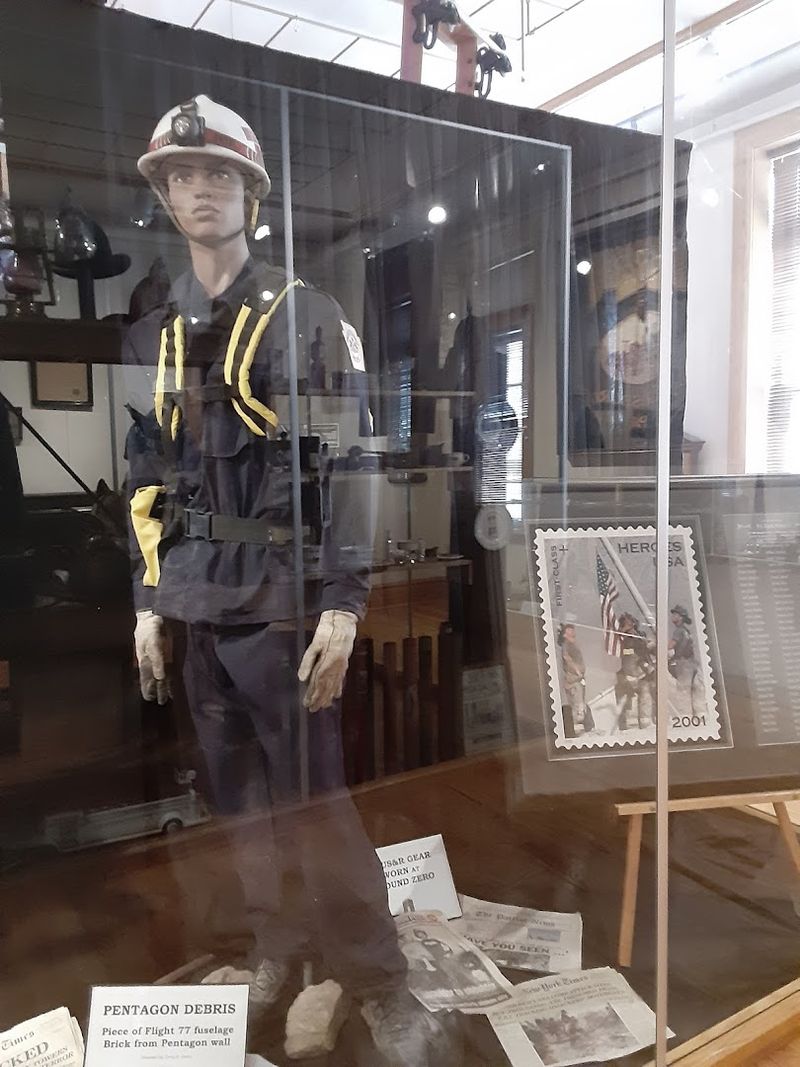
The museum also features a special display dedicated to the firefighters who responded to the September 11, 2001 attacks, honoring those who rushed toward danger when every instinct might have said otherwise. The display is presented with dignity and restraint, which makes it all the more affecting.
Standing in front of these memorials puts the rest of the museum into a different perspective. The trucks and tools and uniforms are impressive on their own, but the memorial wall reminds you that all of that equipment was operated by real people who accepted serious risk as part of their daily work.
It is a moment of genuine reflection in the middle of a fascinating visit.
The Volunteer Staff Who Bring Everything to Life
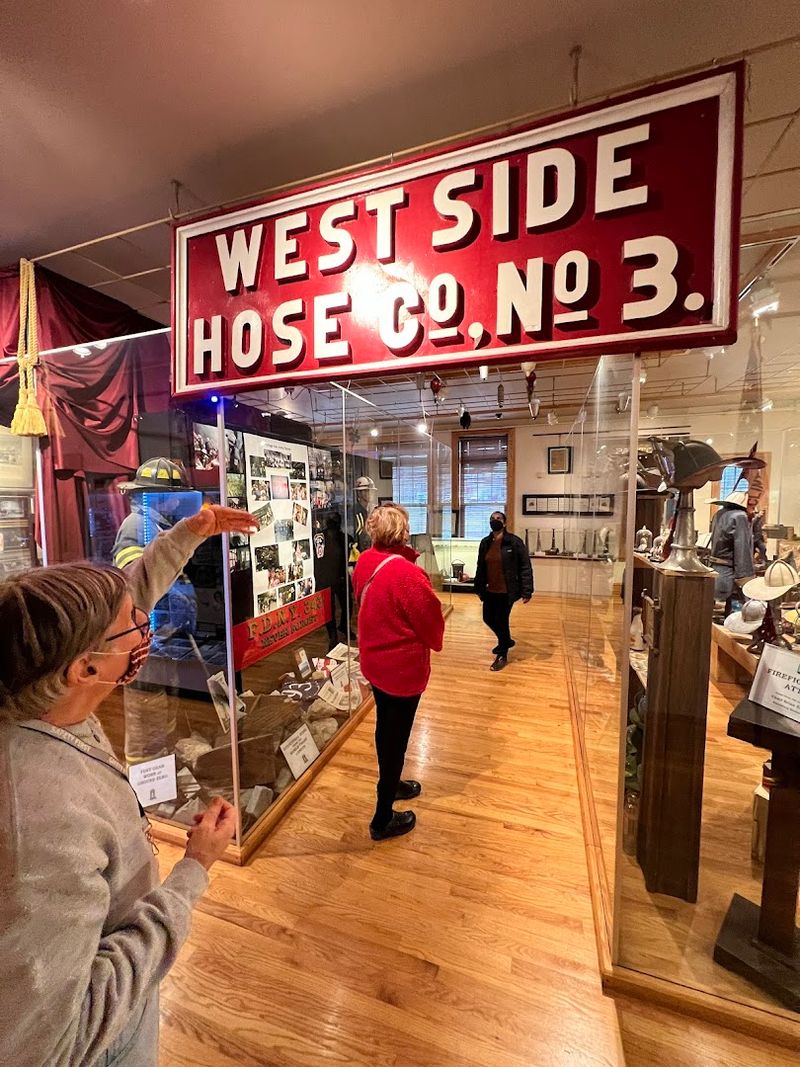
The exhibits at this museum are impressive, but the people running the place are what truly set it apart. Nearly every person you encounter is a volunteer, and a significant number of them are former firefighters with firsthand knowledge of the profession they are helping to preserve.
The conversations that happen naturally during a visit here are unlike anything you get at a standard museum with recorded audio tours. Ask a question about a particular piece of equipment and you might end up in a twenty-minute discussion about how fire response protocols changed over the decades, complete with personal anecdotes that no exhibit label could ever capture.
The warmth is genuine and immediate. Visitors are greeted at the door not with a ticket counter but with a friendly introduction to the building and its history, with the admission handled at the end of the tour.
That small detail says a lot about the philosophy of the place: the experience comes first, and the transaction is an afterthought. That kind of hospitality is increasingly rare.
Practical Tips for Planning Your Visit
A little planning goes a long way when visiting this museum. The Pennsylvania National Fire Museum is open Thursday through Saturday from 10 AM to 4 PM and on Sundays from 1 to 4 PM.
It is closed Monday through Wednesday, so double-check the schedule before heading over.
Free parking is available right next to the building, which is a genuine convenience in a city where parking can sometimes be a puzzle. Admission prices are very reasonable, making this an accessible outing for families, couples, or solo travelers watching their budget.
The gift shop near the end of the tour offers a solid selection of firefighting-themed merchandise at fair prices, including apparel available in a range of sizes. One practical note worth knowing: due to the historic nature of the 1899 building, wheelchair accessibility may be limited in certain areas, so it is worth calling ahead at 717-232-8915 if that is a concern.
The museum’s website at pnfm.org also has updated information on any seasonal programming or special events.
Share this story