The Museum of the American Revolution offers one of the most immersive looks at the nation’s founding anywhere in the country. Located in the heart of Philadelphia, it brings the Revolutionary era to life through interactive exhibits, personal stories, and one of its most remarkable artifacts: George Washington’s original wartime tent.
Rather than focusing only on famous figures, the museum explores the experiences of soldiers, civilians, women, Native Americans, and enslaved people whose lives were shaped by the conflict. The result is a broader and more engaging portrait of the Revolution and its lasting impact.
What makes this museum stand out is its depth. Visitors can easily spend hours exploring galleries that trace the path from colonial unrest to the creation of a new nation.
Here’s why it has become one of Philadelphia’s most compelling historical attractions.
Where the Story Begins: Address, Location, and First Impressions
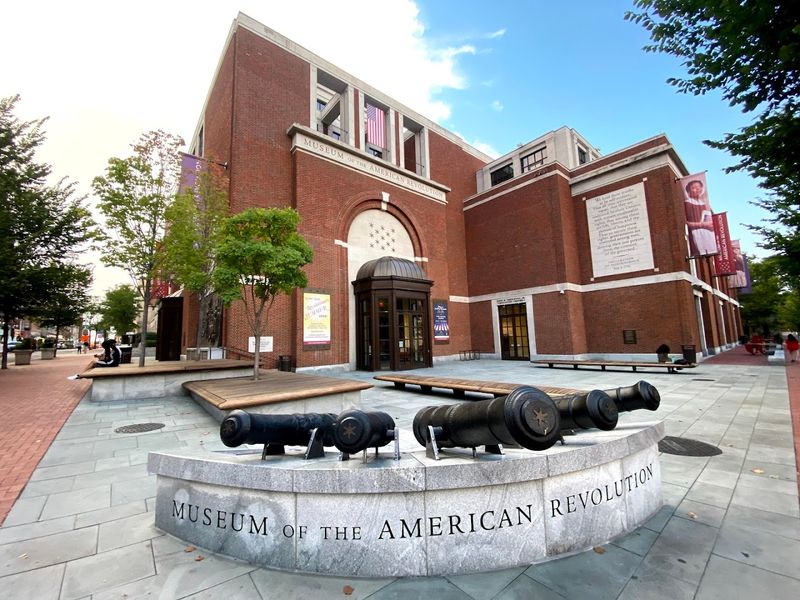
Two blocks from Independence Hall, at 101 S 3rd St, Philadelphia, PA 19106, the Museum of the American Revolution opened its doors on April 19, 2017, the 242nd anniversary of the Battles of Lexington and Concord. That date was not chosen by accident, and that kind of intentionality runs through every corner of the building.
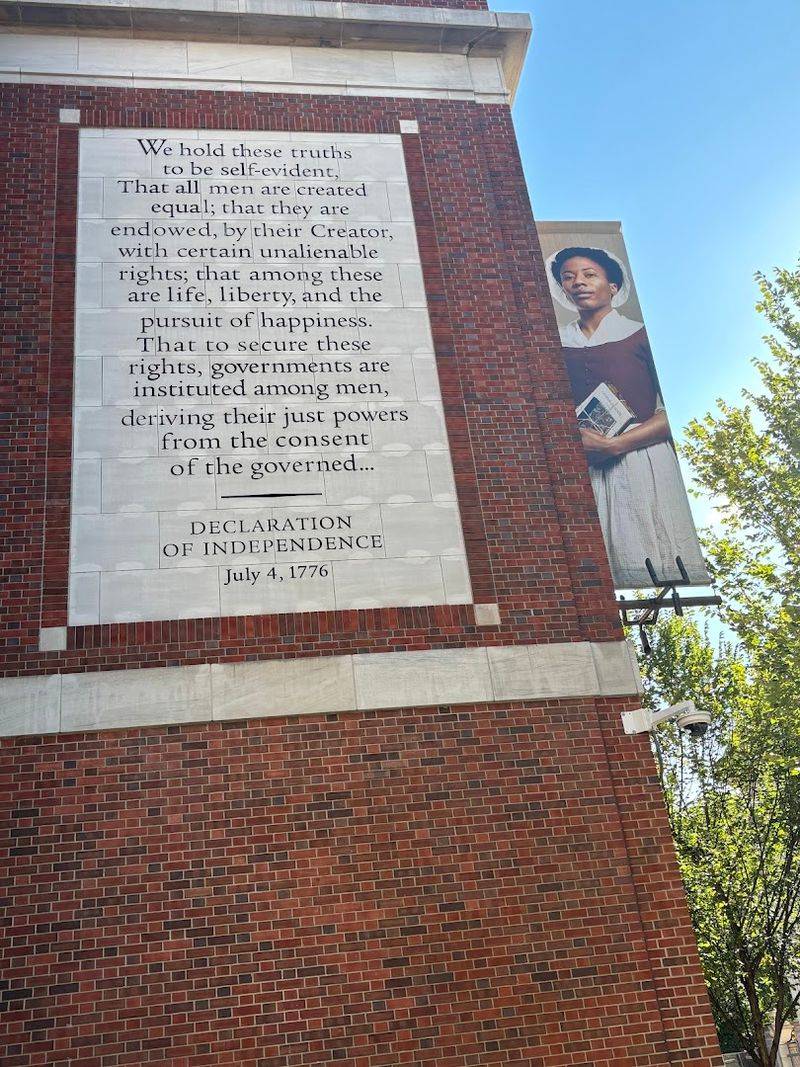
The exterior alone earns a long look before you even buy a ticket. Two massive bronze relief sculptures cover the facade, one depicting Washington crossing the Delaware on Christmas night, the other showing the signing of the Declaration of Independence.
Notably, not every face in the signing scene is fully rendered, because the likenesses of some signers were simply never recorded, and the museum chose accuracy over convenience.
Inside, the building feels open and airy rather than cramped, which makes the hours pass without the fatigue that smaller, darker museums can cause. The ticket desk staff greet you warmly, setting a tone that carries through the entire visit.
The museum is open daily from 10 AM to 5 PM, and you can reach them at +1 215-253-6731.
The Chronological Journey That Actually Makes Sense
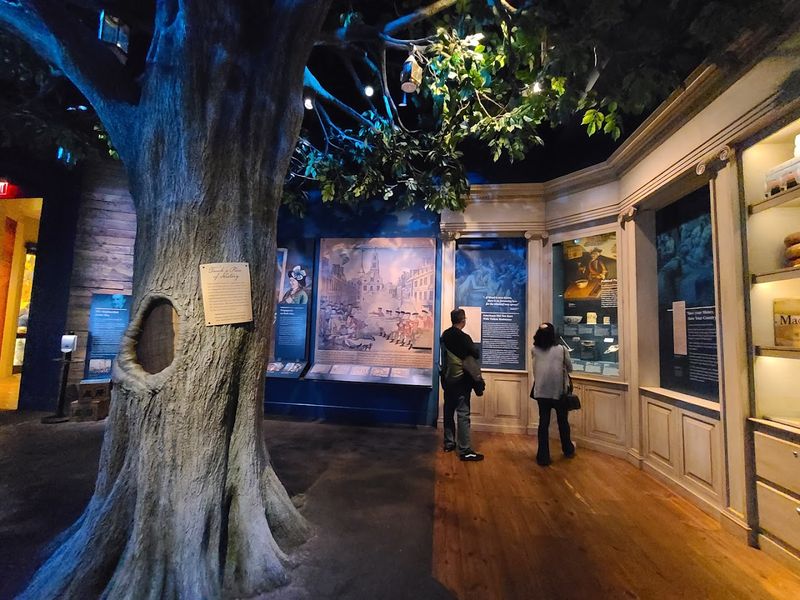
Most history museums hand you a map and wish you luck, but this one guides you through time in a way that feels almost like reading a well-paced novel. The path moves chronologically, starting with the roots of colonial frustration in the 1760s and carrying you all the way through the final struggles of establishing a government that could actually hold together.
Each gallery section introduces a new chapter without overwhelming you with dates and statistics. The balance between artifact, text, interactive screen, and audiovisual presentation keeps the pace moving so that you never feel stuck in one era for too long.
What surprised me most was how the exhibit handles the messy middle chapters of the war, the moments when the Revolution looked like it might simply fall apart. Those sections feel honest rather than triumphant, and that honesty is what gives the whole journey its weight.
Plan for at least four hours if you want to cover the full path without rushing, and budget more if you tend to linger.
Washington’s Headquarters Tent and the Theater That Reveals It
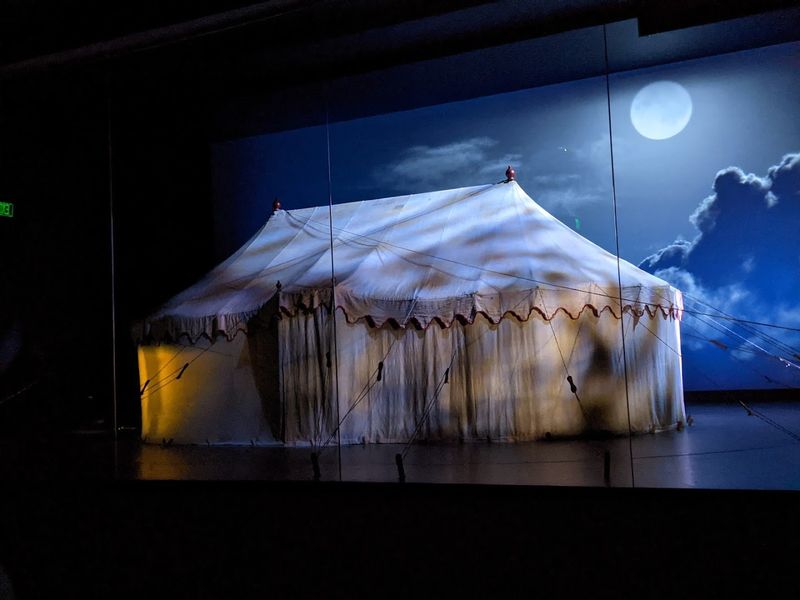
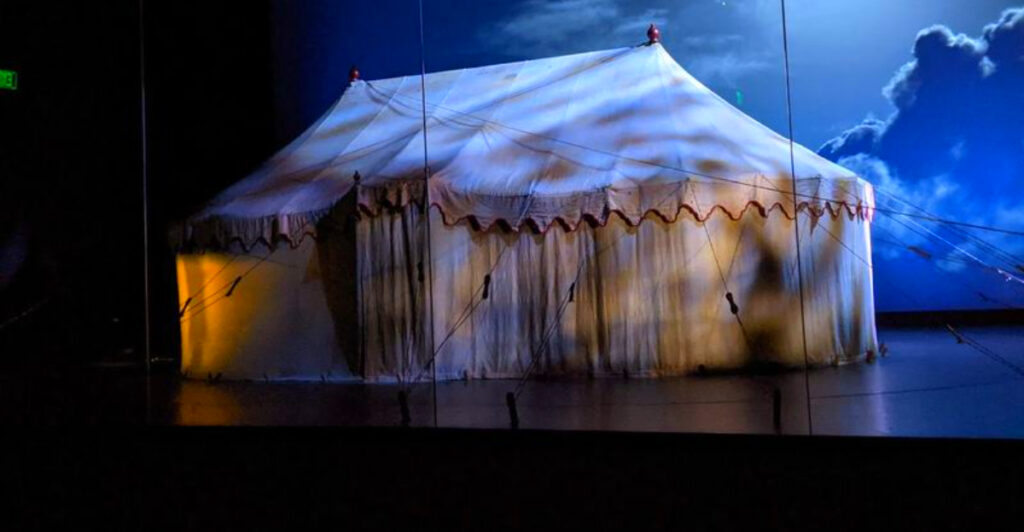
No single artifact in this museum carries more emotional weight than George Washington’s Headquarters Tent, and the museum knows it. Rather than simply placing it in a case, the museum built an entire theater experience around its reveal, and the storytelling that leads up to the moment the tent appears is genuinely moving.
Manufactured in Reading, Pennsylvania, in 1778, this canvas structure served as Washington’s office, meeting space, and sleeping quarters for much of the war. Some historians have called it the first Oval Office, and standing in front of it, that description does not feel like a stretch at all.
The theater dims, the narration builds, and then the tent is there, preserved and real, carrying the weight of every winter campaign it survived. Visitors regularly go quiet in that room, and a few have been known to tear up.
One particularly memorable feature: on select visits, a small piece of the tent fabric is passed among guests, which is the kind of tactile connection to history that no photograph can replicate.
The Battlefield Theater Experience That Puts You in the Fight
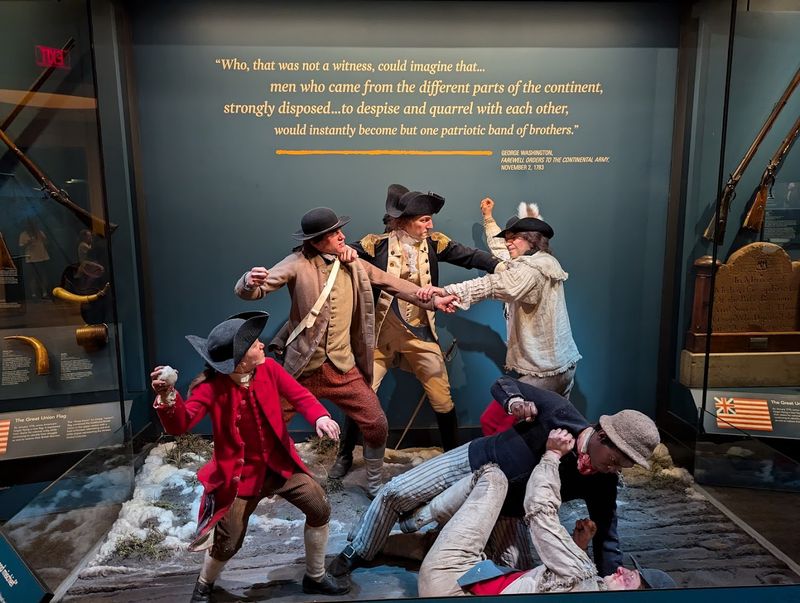
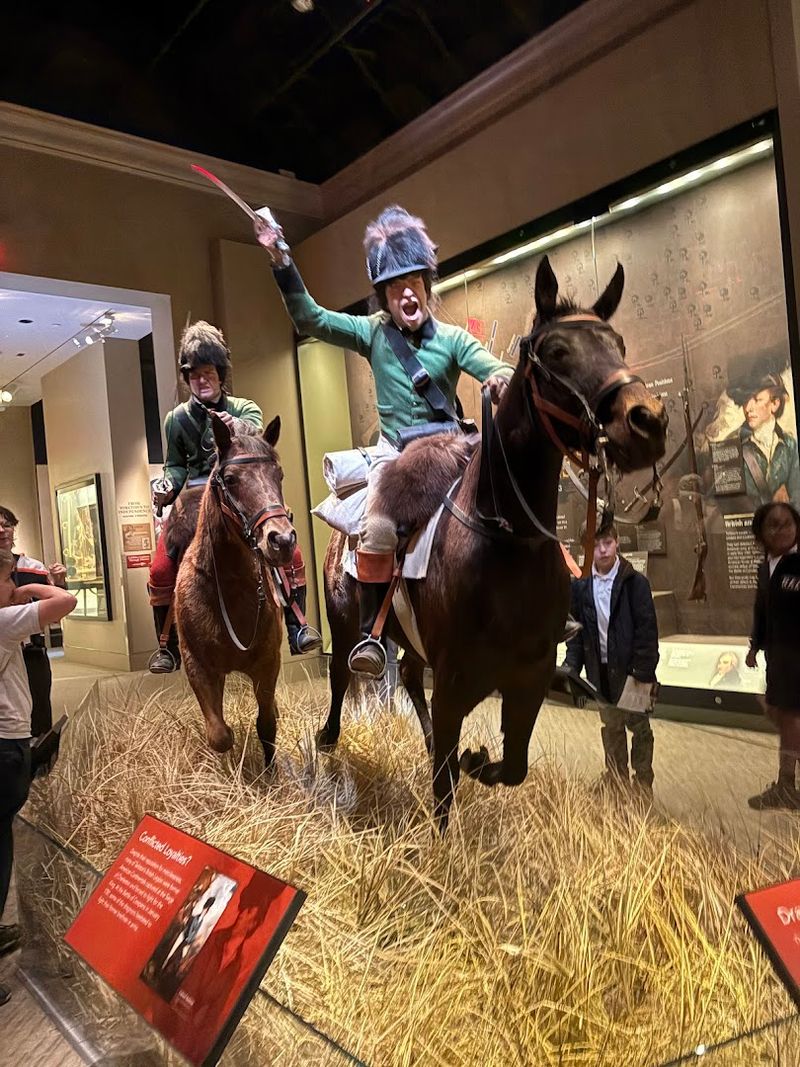
History has a way of feeling abstract until something shakes the floor beneath your feet. The Battlefield Theater at this museum does exactly that, placing visitors on the front lines of a Continental Army attack with environmental effects that include gunshots, shaking floors, strobe lights, and smoke.
The experience lasts only a few minutes, but those minutes land hard. You are not watching the battle from a comfortable distance; you are standing in it, or at least as close to standing in it as any museum can responsibly put you.
The recreation draws on the Battle of Brandywine, one of Washington’s most difficult defeats, and the exhibit does not soften that outcome.
Families with younger children should know in advance that the effects are intense, and some kids find the darkness and noise startling. For older visitors and history enthusiasts, though, this is the kind of immersive moment that stays with you long after you have left the building.
Keep reading, because the diverse stories this museum tells are just as powerful as any battle scene.
Voices That History Books Often Left Out
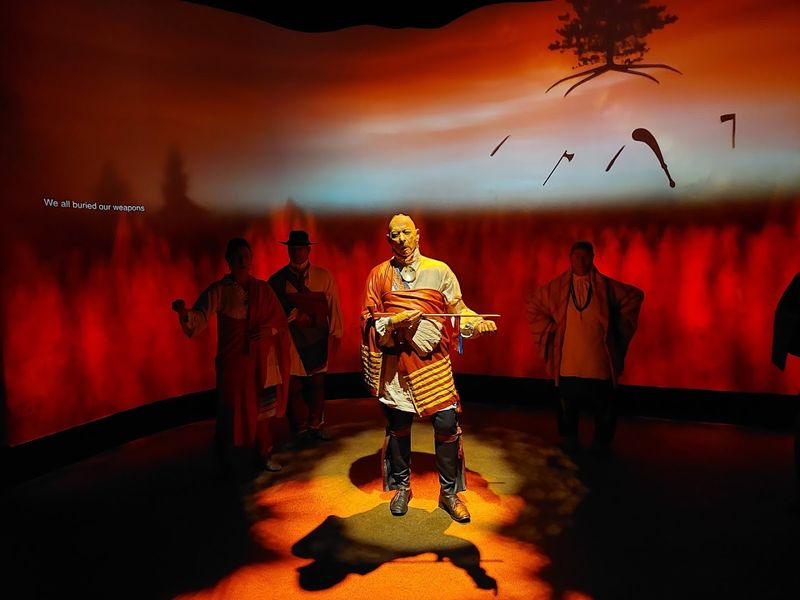
One of the most meaningful things about this museum is its refusal to tell only one version of the Revolution. The exhibits give real, sustained attention to the people whose contributions were historically minimized or ignored entirely, including enslaved and free Africans, Native Americans, and women of every background.
The story of a young Black man who chose to side with the Loyalists, calculating that doing so offered his best chance at personal freedom, is presented with the complexity it deserves. There is no villain framing, just a human being making a desperate calculation in impossible circumstances, and that nuance is exactly what separates this museum from simpler, more celebratory institutions.
The Oneida Nation exhibit has drawn particular praise from visitors, including teachers who specialize in this period of history. Seeing the Revolution through Indigenous eyes, rather than as a backdrop to European conflict, reframes the entire story in ways that feel overdue and essential.
These exhibits alone justify the admission price for many visitors who come expecting a conventional patriotic narrative.
Artifacts That Carry Real Weight in Your Hands and Your Imagination
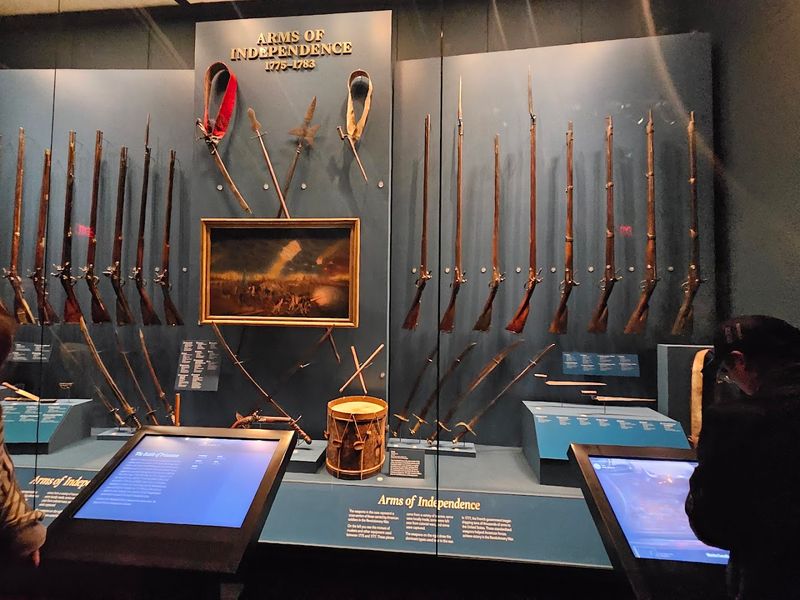
Beyond the tent, the collection is stacked with objects that feel genuinely surprising to encounter in person. A powder horn engraved with the words “Liberty or Death,” carried by Virginia rifleman William Waller, sits in a case that you could walk past too quickly if you are not paying attention.
General Hugh Mercer’s sword, carried during the Battle of Princeton, has the kind of worn, practical look that reminds you these were working objects, not ceremonial ones.
A timber from Concord’s North Bridge, the site of the first fighting of the Revolutionary War, is another artifact that stops you mid-step. There is something about touching history through its physical remnants that no documentary can replicate, and this museum understands that instinct deeply.
Washington’s blue silk sash, a symbol of his authority as commander-in-chief, and a 6-foot-10-inch fowling piece used by minutemen in the war’s earliest days round out a collection that rewards slow, careful attention. Every object here has a story attached, and the museum tells those stories well.
The Declaration’s Journey and the Newspaper That Broke the News
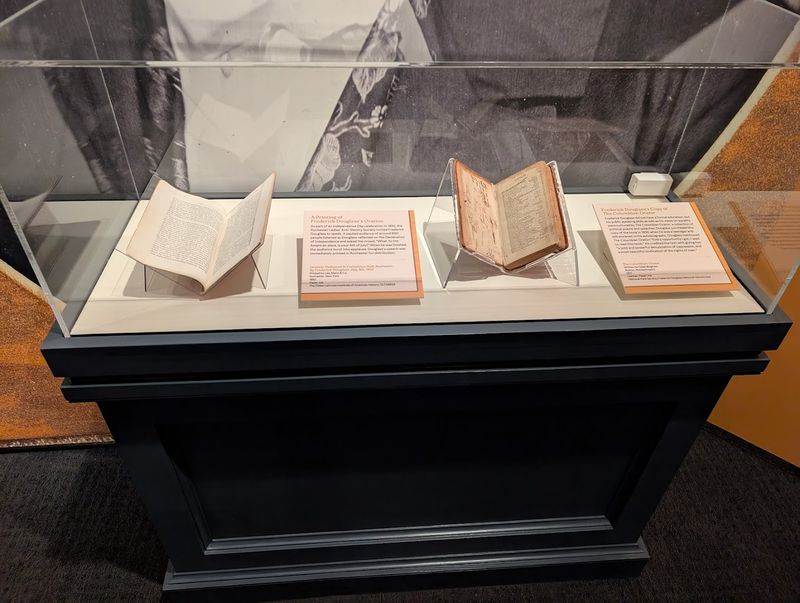
Most people know the Declaration of Independence from the famous parchment in Washington, D.C., but the Museum of the American Revolution holds something that tells a different part of the same story. An original newspaper printing of the Declaration, from the July 6, 1776, issue of the Pennsylvania Evening Post, is on display here, and seeing it in newsprint format makes the document feel suddenly, urgently human.
This was how most colonists first encountered the Declaration, not as a formal state document but as something printed on the same pages that carried local advertisements and shipping news. That context changes how you read it, or at least how you imagine reading it in 1776.
The museum also hosts a special exhibition called “The Declaration’s Journey,” which explores how the document’s ideas spread and were interpreted far beyond American borders. The global ripple effect of those 1,320 words is traced across continents and centuries, and by the end of that exhibit, the Declaration feels less like a historical artifact and more like an ongoing argument the world is still having.
Phillis Wheatley and the First Published Work by an African American Woman Poet
Among the artifacts that most surprised me on my visit was a signed, first-edition copy of Phillis Wheatley’s “Poems on Various Subjects, Religious and Moral,” published in 1773. This is the first published work by an African American woman poet, and the museum places it in the context of the Revolutionary era with care and intelligence.
Wheatley was enslaved in Boston and yet corresponded with George Washington, who praised her writing. Her presence in this museum is not a footnote; it is a full chapter in the story of what the Revolution meant to people who were not free, and what freedom meant to someone who wrote about it while living without it.
The exhibit surrounding the volume explores how ideas of liberty, rights, and self-determination played out differently depending on who was doing the asking. For visitors who come primarily for military history, this section often turns out to be the one they remember most vividly when they get home.
It is a quiet, powerful corner of an already powerful museum.
Revolution Place: Where Younger Visitors Become Part of the Story
History museums have a complicated relationship with young visitors, and the Museum of the American Revolution has clearly thought hard about how to solve that problem. Revolution Place is a dedicated discovery center designed specifically for children, featuring recreated historical environments that include a military encampment, a tavern, and an 18th-century home.
Kids can handle reproductions, try on period clothing, and move through spaces that give them a physical sense of what daily life looked and felt like during the Revolutionary era. The hands-on approach works because it trusts children to engage seriously with history when given the right tools, rather than dumbing the material down into something unrecognizable.
Guided tours led by museum educators keep even restless seven and eight year olds focused and curious, which is no small achievement when you consider that the subject matter involves political philosophy and military strategy. Families with children across a range of ages consistently report that everyone found something to connect with, which is the real test of whether a children’s exhibit actually works.
The theatrical performances available on select days add another layer entirely, and those are worth planning around.
Practical Tips for Getting the Most Out of Your Visit
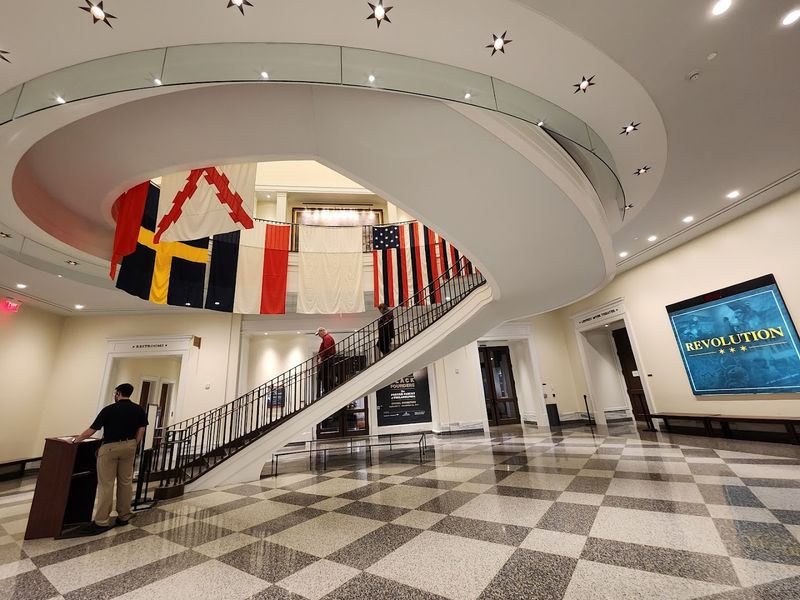
A few practical notes can make the difference between a good visit and a genuinely great one. The museum recommends budgeting at least four to five hours, and visitors who spend seven hours and still feel like they missed things are not exaggerating.
The building is fully accessible, with more seating throughout the galleries than most museums of this size provide.
Some exhibit rooms use low lighting to protect artifacts and create atmosphere, so if you have difficulty seeing in dim spaces, bring a small flashlight or plan to take your time. The $5 audio headset is optional, and many visitors find that the wall text and displays are thorough enough to make it unnecessary, though guides and tours add considerable depth for those who prefer a narrated experience.
The museum’s website is genuinely well designed and easy to navigate, with current exhibition information, ticketing, and event calendars all clearly organized. Parking is limited in Old City Philadelphia, so public transit or rideshare drop-off on 3rd Street tends to be the smoothest approach.
The gift shop carries some solid finds, and the cafe is a welcome stop midway through a long visit.
Share this story