 Unearth The Voyage
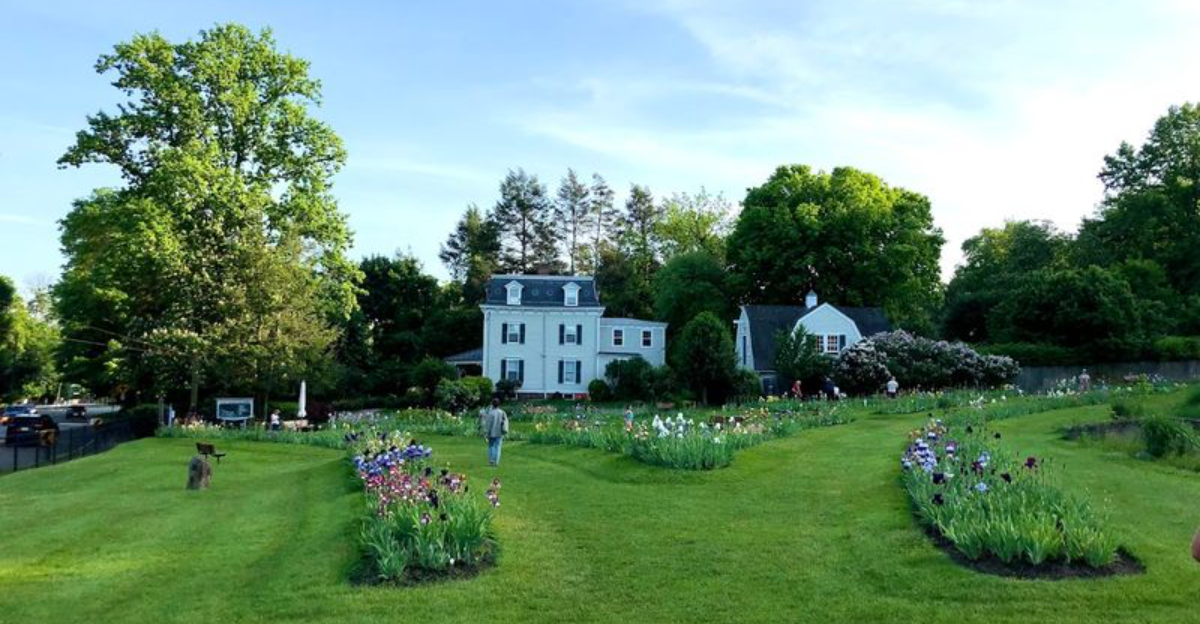
Most people drive through Montclair, New Jersey without knowing that one of the most extraordinary garden collections in the entire country sits just off Upper Mountain Avenue. Every spring, thousands of iris varieties burst into color across more than 30 carefully tended beds, turning an otherwise quiet suburban hillside into something that stops people mid-stride.
This is not a formal botanical garden with steep entry fees or roped-off exhibits. It is a public space built on passion, volunteerism, and over a century of horticultural history, and it rewards anyone willing to show up at the right time of year.
The garden draws photographers, families, plant collectors, and curious first-timers who all leave with the same reaction: they had no idea something like this existed so close to home. What follows is everything worth knowing before your first visit.
Where the Garden Actually Is
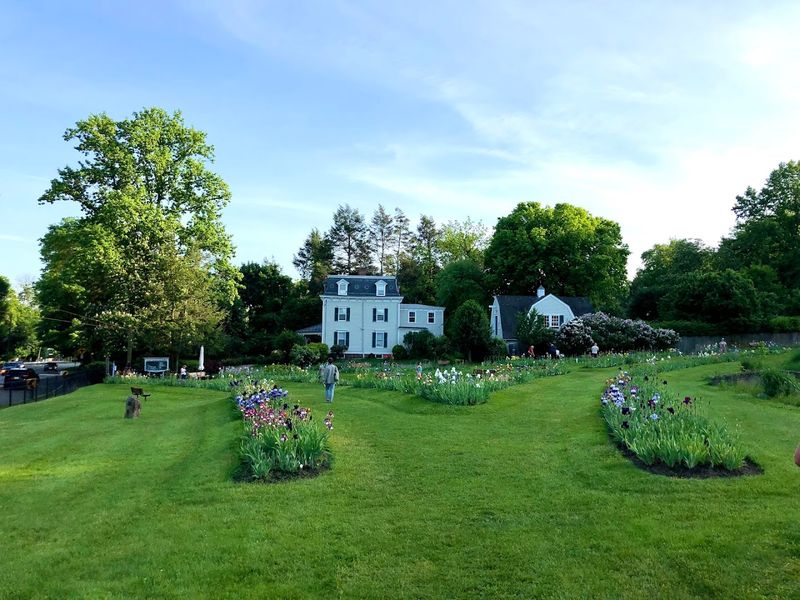
Presby Memorial Iris Gardens sits at 474 Upper Mountain Ave, Montclair, NJ 07043, tucked into a residential neighborhood that gives almost no hint of what waits behind the tree line.
The garden occupies a gently sloping hillside in Essex County, with the upper lawn offering a clear sightline toward the New York City skyline on clear days.
Parking is limited to parallel street spots along Upper Mountain Avenue, and on busy spring weekends those fill up fast. A useful trick is to park on the street above the garden, which most first-timers overlook entirely.
The grounds are open daily from 11 AM to 4 PM throughout the week. The website at presbyirisgardens.org carries updated bloom information and event announcements, which makes it worth checking before heading out.
A small donation is requested at the entrance during peak season, and that contribution goes directly toward maintaining the collection.
The History Behind the Blooms
Frank H. Presby was a prominent horticulturist and iris enthusiast who helped shape the American Iris Society in the early 1900s.
After his passing, the garden was established in 1927 as a living memorial to his dedication, making it one of the oldest public iris collections in the United States.
The original plantings were chosen to honor not just Presby’s legacy but also the broader tradition of iris cultivation, which stretches back centuries across Europe and Asia. Some varieties growing in the garden today trace their lineage to the early 1500s, which puts the sheer age of this collection into a perspective that most modern gardens simply cannot match.
Volunteers and the New Jersey Federation of Garden Clubs have kept the garden running for nearly a century, navigating everything from harsh winters to vandalism that destroyed rare specimens years ago.
That resilience is woven into every bed on the property.
What 14,000 Varieties Actually Looks Like
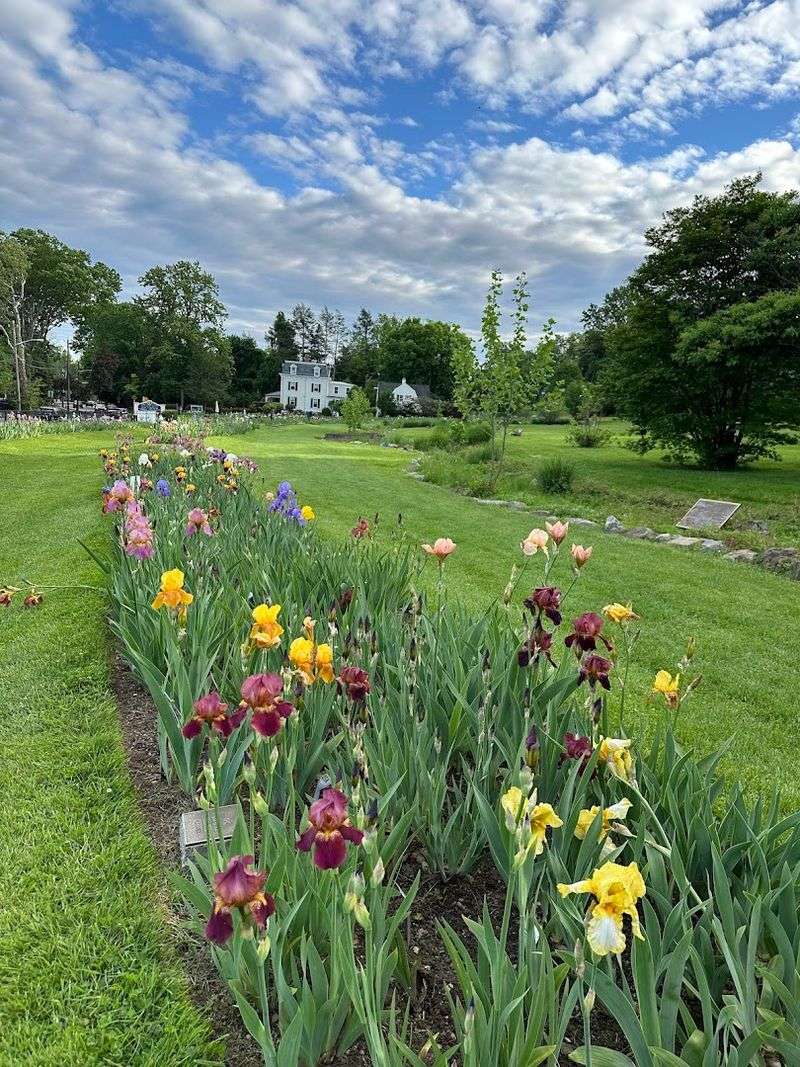
The number 14,000 is hard to process until you are actually walking between the beds and watching the colors shift from one row to the next.
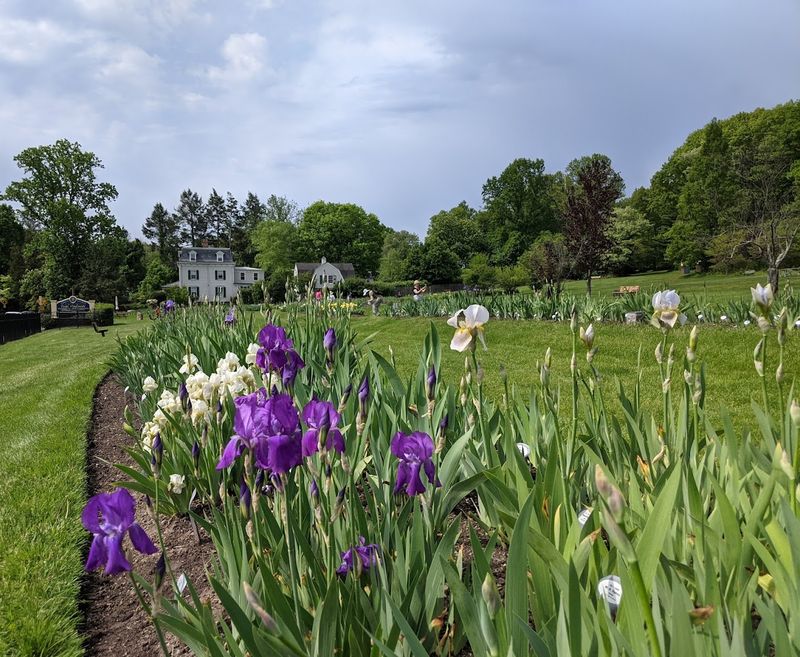
Presby holds one of the largest iris collections in the world, with varieties organized by category and labeled with both the cultivar name and the year they were introduced.
Bearded irises dominate the collection, and their range is genuinely striking. Deep black-purple varieties grow alongside pale lemon yellows, coral-edged whites, and bi-toned blooms with ruffled falls that look almost too detailed to be real.
The beds are arranged across more than 30 sections, each one dedicated to a specific type or era of iris cultivation. Walking through them in order creates a kind of timeline of breeding history.
One of the more unexpected finds is the Fringe Tree near the garden, which blooms at the same time as the irises and is well worth seeking out during a visit.
When to Visit for Peak Color
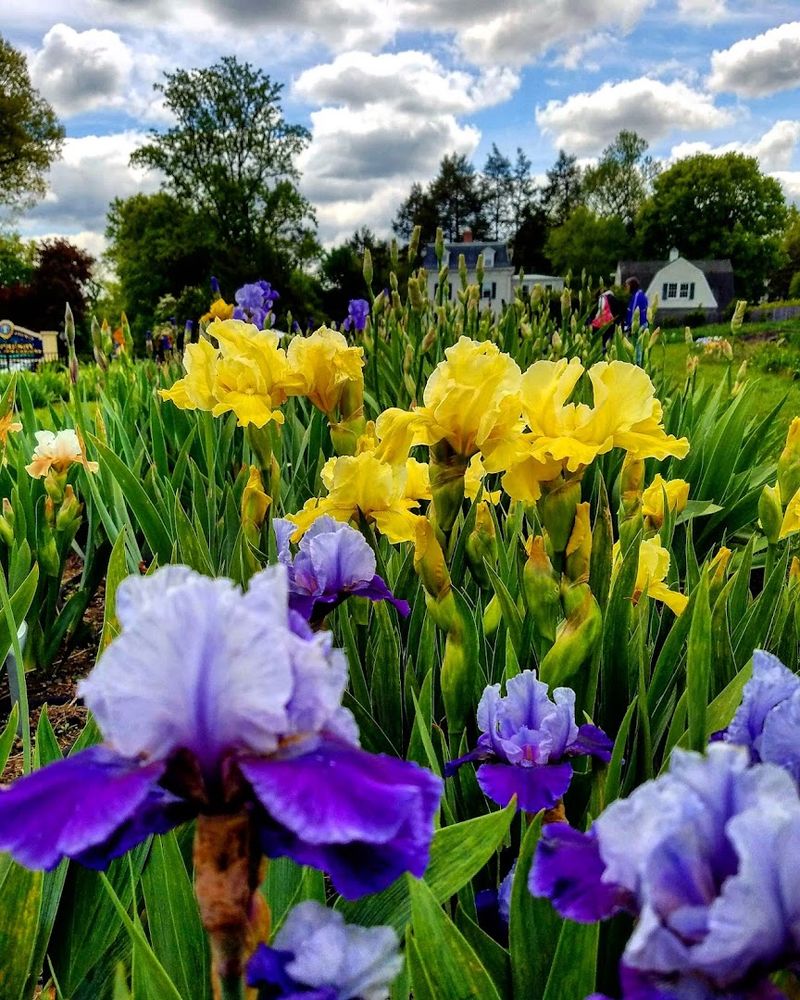
Timing a visit to Presby requires a bit of planning because the peak bloom window is narrow, typically lasting less than a month.
Mid-May through early June is the general target, but the exact timing shifts depending on how warm the spring has been. A cool spring can push peak bloom closer to Memorial Day weekend, while a warmer season may bring it a week or two earlier.
What makes the garden especially rewarding for repeat visitors is that different varieties bloom at different times. A visit in the third week of May will look noticeably different from one taken just seven days later, with entirely new cultivars opening while earlier ones begin to fade.
The garden’s website and social media pages typically post bloom updates during the season, which takes the guesswork out of planning. Checking those before driving out is a small step that makes a big difference in what you actually see.
The Best Time of Day to Go
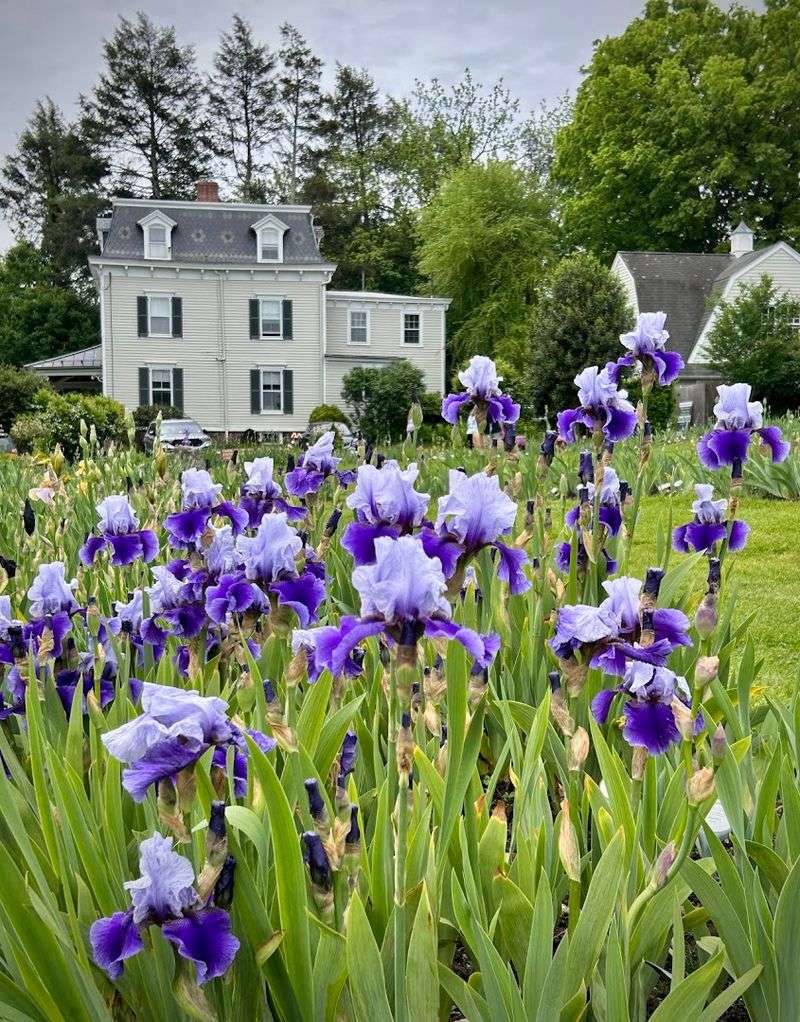
Midday on a Saturday during peak bloom is the single most crowded window at Presby, and while the garden handles it reasonably well, the paths get tight and the experience feels rushed.
Early evening on a weekday is the opposite. The crowds thin out considerably, the light shifts to a warmer angle that changes how the colors read, and there is space to actually stop and read the variety labels without anyone waiting behind you.
The garden closes at 4 PM, so planning an early afternoon arrival on a weekday gives enough time to walk every section without feeling pressured.
Weekend mornings right at opening are also a solid option, especially earlier in the bloom season before word spreads about how good the display looks that year.
Bug spray is worth bringing regardless of when you go, particularly during the warmer weeks of late May when the garden is at its most active.
A Garden Built by Volunteers
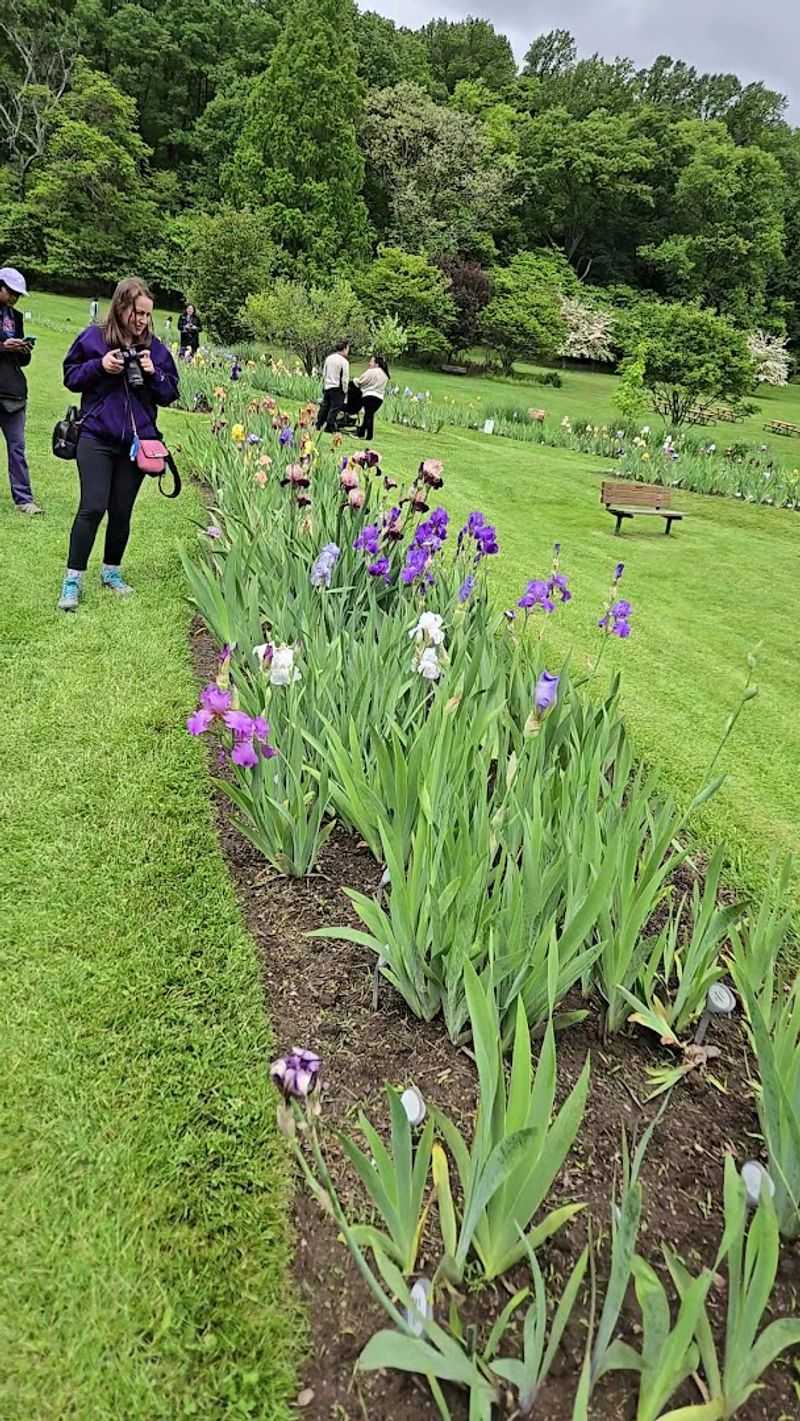
Almost everything that keeps Presby running is powered by volunteers, and that fact becomes obvious the moment you arrive during peak season.
At virtually any hour the garden is open, someone is working in the beds, whether pulling weeds, staking tall stalks, or replacing labels that have shifted after a rain. The level of care that goes into maintaining 14,000 varieties across more than 30 beds is genuinely significant, and the results show in how clean and organized the collection stays even during the busiest weeks.
The New Jersey Federation of Garden Clubs has played a central role in supporting the garden for decades, and the volunteer culture runs deep in the community around it.
A donation station near the entrance collects contributions that go directly toward operational costs, plant care, and ongoing restoration. The suggested amount is modest, but the impact on a garden of this scale is considerable.
Giving generously here is one of the more meaningful things a visitor can do.
Irises That Predate Modern Horticulture
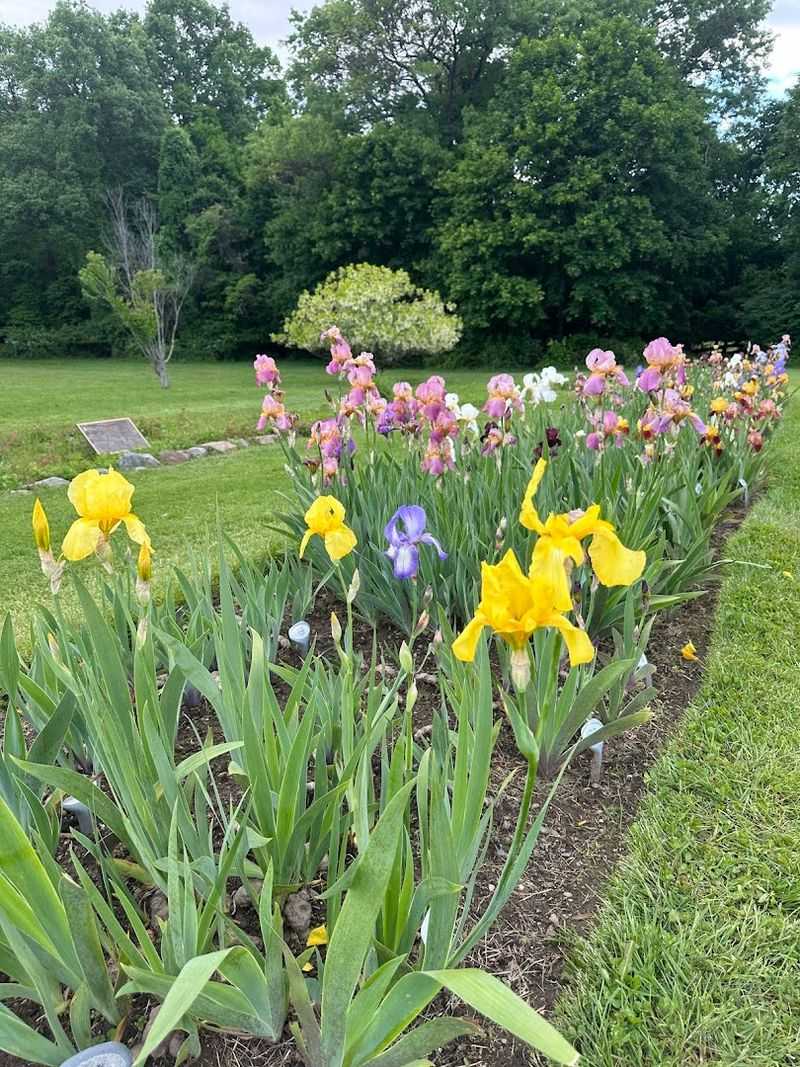
Among the most striking parts of the collection are the heirloom varieties that trace back centuries, with some cultivars at Presby dating to the 1500s.
These older irises look noticeably different from the large, heavily ruffled modern hybrids grown in most home gardens today. The blooms are smaller and more compact, with simpler petal shapes and colors that feel closer to what you might find in a medieval botanical illustration than in a modern catalog.
Seeing them planted side by side with contemporary cultivars makes the progression of iris breeding visible in a way that no book or photograph can fully replicate.
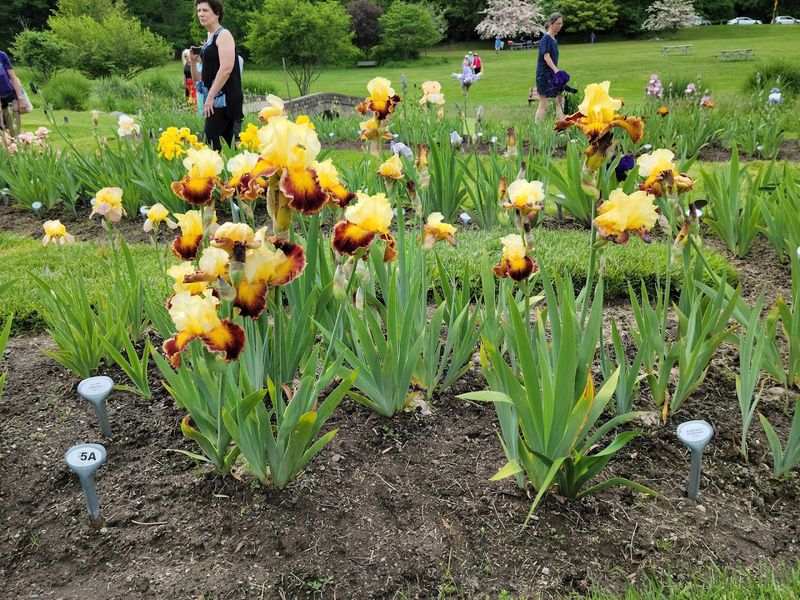
Each plant carries a label with its name and introduction year, which turns a casual walk through the beds into something closer to a timeline of horticultural history.
For anyone with an interest in plant history or heritage varieties, this part of the collection alone is worth the trip to Montclair regardless of what else is in bloom.
Beyond the Bloom Season
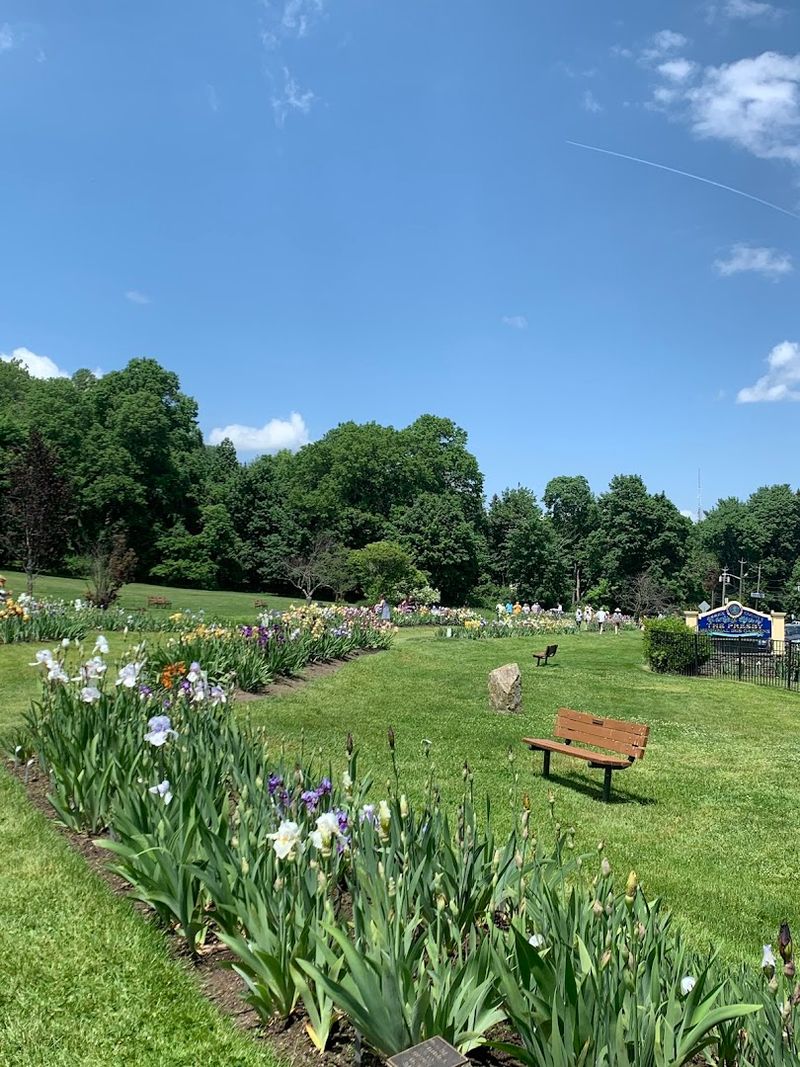
The iris bloom at Presby lasts less than a month, but the garden itself stays open year-round and offers a quieter kind of appeal outside of peak season.
The grounds are well-kept and genuinely pleasant for a walk even when the irises are not flowering. The sloping lawn above the beds is a popular spot for sitting, reading, or watching the view toward the New York City skyline on clear days.
A small play area across the road from the garden makes the off-season visit more practical for families with younger children who need more space to move around than the garden paths allow.
During spring, the upper lawn doubles as a picnic area, and on certain weekends live music has been known to accompany the bloom season, adding a relaxed, community-event atmosphere to the visit.
The garden holds a different kind of value in every season, which makes it worth returning to more than once a year.
Photography at Presby
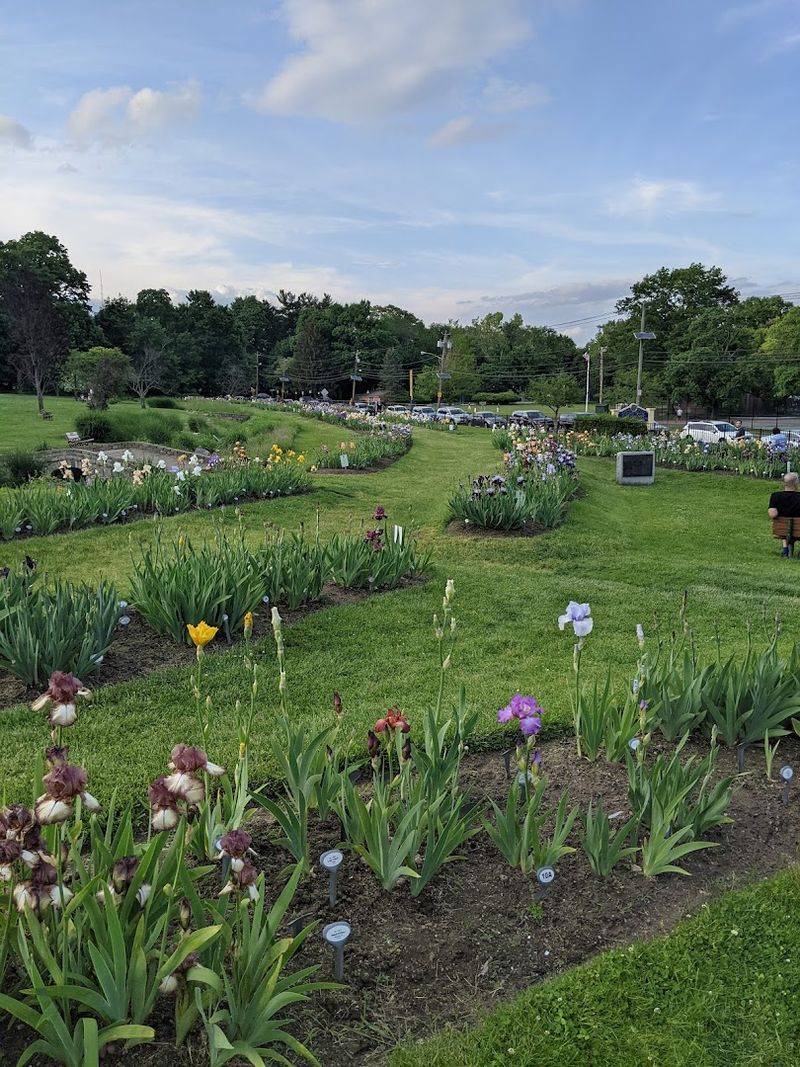
The garden draws a steady stream of photographers during bloom season, and it is easy to understand why once you see the variety of colors and forms packed into a relatively compact space.
The labeled beds make it straightforward to track down a specific cultivar for a targeted shot, and the organization of the garden by type means that backgrounds can be controlled more easily than in a wild or informal planting.
Morning and early evening light both work well here, though the angle and quality differ significantly. Morning tends to produce cooler, crisper tones, while late afternoon brings warmer color that flatters the purple and orange varieties especially well.
The sloped terrain means that shooting slightly uphill or downhill through a row of irises creates natural depth without needing a wide lens.
A sturdy pair of flat shoes is worth wearing since the grass paths between beds can be uneven, and heeled footwear makes navigating the slopes considerably more difficult.
Practical Tips Before You Go
A few practical details make the difference between a smooth visit and a frustrating one at Presby.
Parking is street-only, with parallel spots along Upper Mountain Avenue filling up quickly on spring weekends. The street above the garden has additional parking that many visitors miss, and it is worth trying there first if the main stretch looks full.
Portable restrooms are available on the grounds near the far end of the garden during peak season, so that is one less concern for longer visits.
Flat, comfortable shoes are genuinely recommended since the garden paths slope in several areas and the grass can be slippery after morning dew or light rain.
Bug spray is a practical addition to any bag, especially in late May when the weather is warm and the garden is at its most active.
The donation at the entrance is voluntary but meaningful, and the garden relies on it to keep the collection in the condition it maintains year after year.
Why This Garden Keeps Drawing People Back
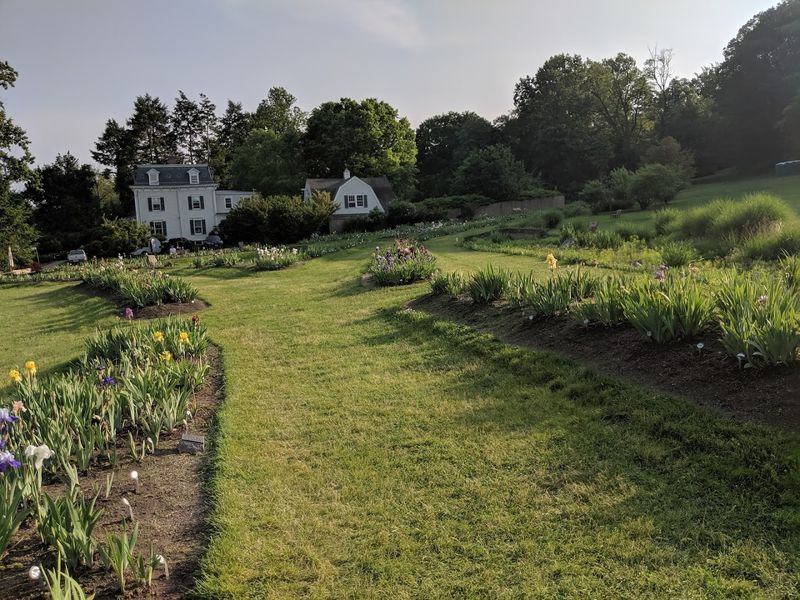
There are plenty of public gardens in the northeastern United States, but very few combine the depth of a specialized collection with the accessibility and community feel that Presby has built over nearly a century.
The fact that every plant is labeled with its name and year turns a casual walk into something genuinely educational without ever feeling like a lecture. Children can follow the numbers, adults can track down varieties they recognize, and photographers can plan return visits around specific cultivars they want to catch at peak.
The garden is free to enter, with only a voluntary donation requested, which removes the barrier that keeps many people from exploring smaller cultural attractions in their own region.
What keeps people coming back year after year is partly the bloom itself and partly the realization that the garden always has something slightly different to offer depending on the week, the weather, and the light.
That kind of reliable variation is rare, and Presby has it in abundance.



