Most people drive past Weston, Massachusetts without giving it a second thought. But tucked onto a college campus in this quiet New England town sits one of only two philately museums in the entire United States.
That alone is worth slowing down for. This museum holds thousands of stamps that double as tiny windows into world history, social movements, and artistic achievement.
From Confederate postal history to LGBTQ rights milestones, the exhibits here cover far more ground than anyone might expect from a stamp collection. Whether someone has been collecting since childhood or has never given a postage stamp a second glance, this museum has a way of pulling people in and keeping them genuinely curious.
The story of this place is one worth telling from start to finish.
One of Only Two Philately Museums in the Country
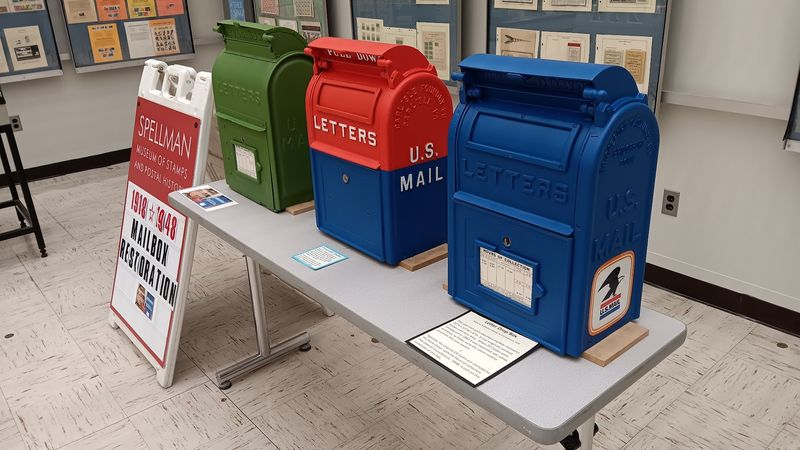
There are thousands of museums across the United States, but only two are dedicated specifically to philately, which is the collection and study of postage stamps and postal history. The Spellman Museum is one of them.
That distinction alone puts it in a category that very few institutions in the country can claim.
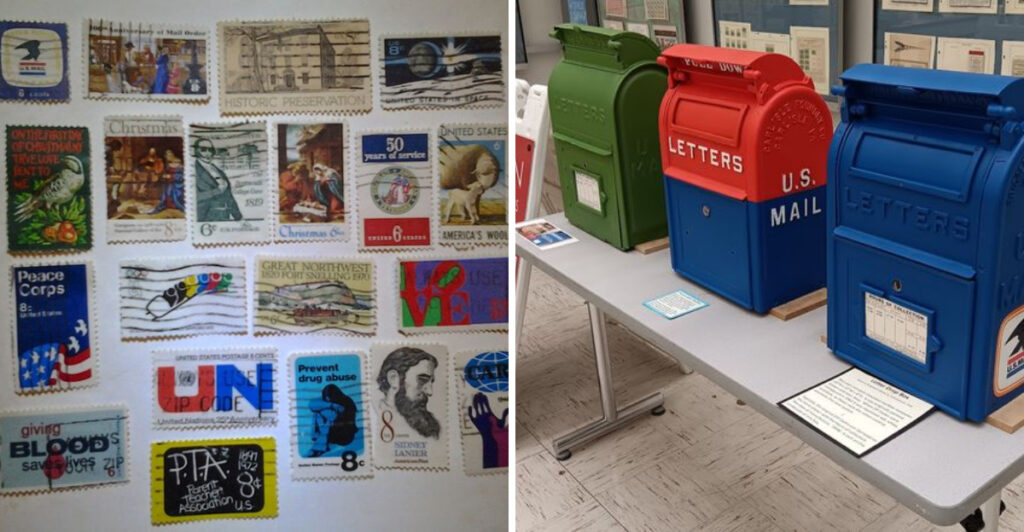
Philately might sound like a niche hobby, but stamps have documented nearly every major event in human history. Wars, scientific discoveries, social movements, and cultural milestones have all been commemorated on stamps at one point or another.
The Spellman Museum takes that idea seriously, building exhibits around themes rather than simply displaying stamps behind glass. The result is a collection that functions more like a layered history lesson than a traditional museum tour.
For anyone curious about how small objects can carry enormous stories, this place delivers in ways that are genuinely hard to replicate anywhere else in the country.
A Collection That Tells Stories, Not Just Shows Stamps
What separates the Spellman Museum from a simple archive is its commitment to storytelling. The core collection is comprehensive, covering stamps from dozens of countries and spanning well over a century of postal history.
But the way those stamps are organized turns browsing into a genuine learning experience.
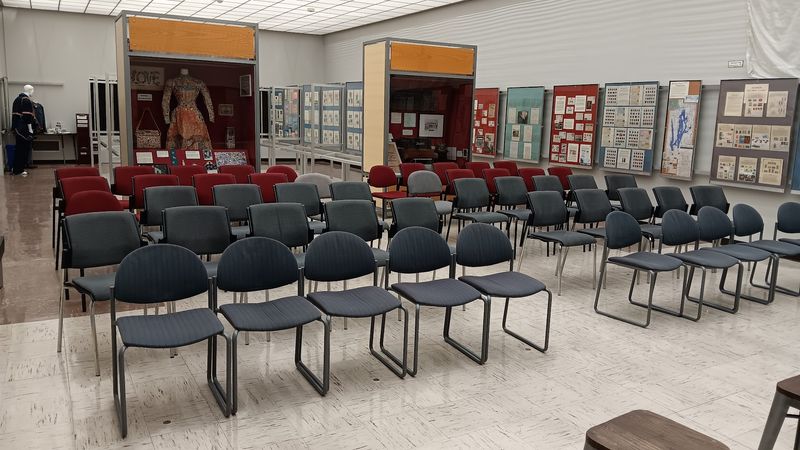
Exhibits are built around themes and narratives, so a visitor might move from a display about early American postal routes directly into a section covering how stamps have reflected social change over the decades. The transitions feel intentional and thoughtful.
The rotating exhibits keep things fresh for repeat visitors too. Past exhibits have explored topics ranging from disability representation on U.S. stamps to the history of LGBTQ rights as reflected through postal imagery.
Each rotating show brings a new angle to material that could otherwise feel static.
The museum treats stamps as primary sources, not decorations, and that approach makes all the difference in how the collection lands with people of all ages.
Confederate Postal History: A Section That Surprises People
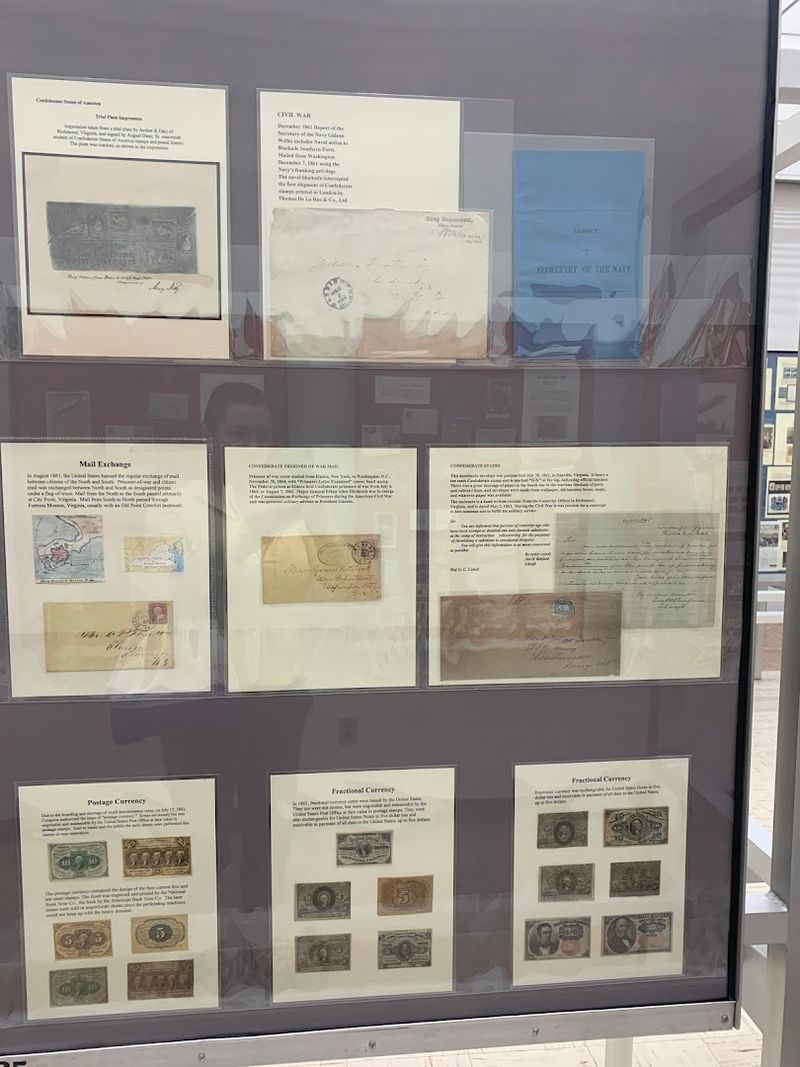
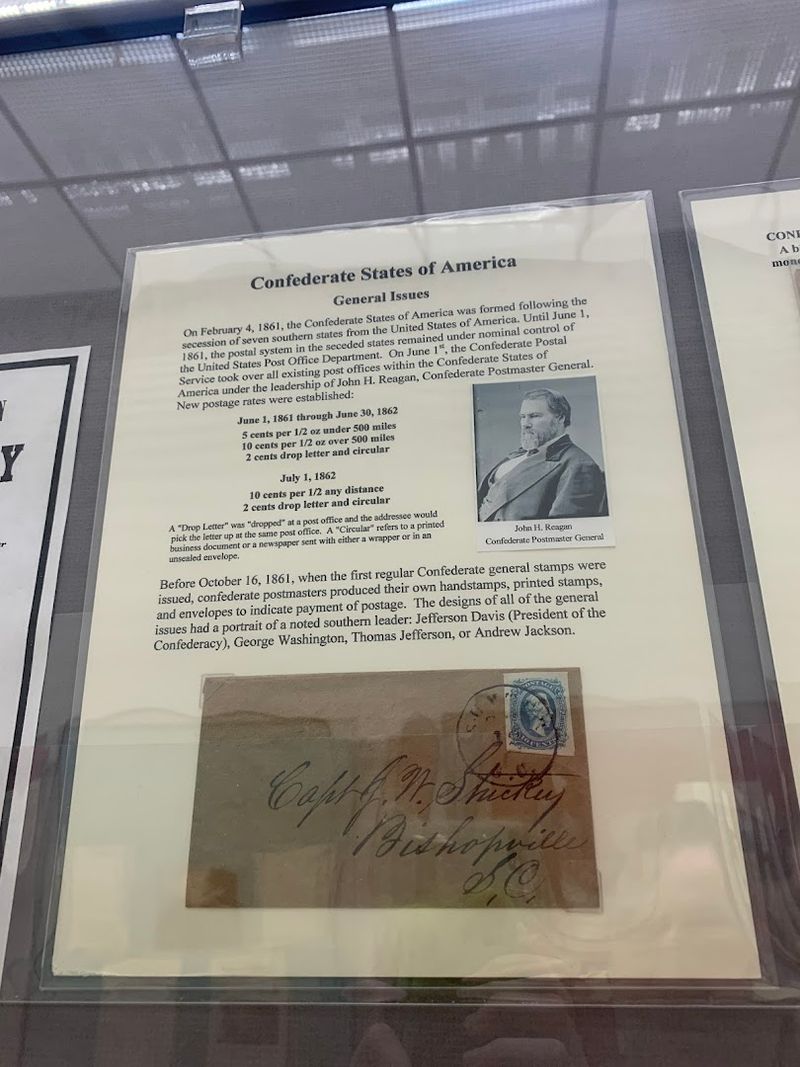
One of the more unexpected sections in the museum covers Confederate postal history from the American Civil War era. Many people are unaware that the Confederate states operated their own separate postal service during the conflict, complete with their own stamp designs and distribution systems.
Seeing those stamps up close puts the scale of secession into a different kind of perspective. It is one thing to read about the Confederacy in a history book, but holding that history to a physical object, something as ordinary as a postage stamp, makes the reality of that period feel more concrete and immediate.
The exhibit does not shy away from the complexity of what those stamps represent. The museum presents the material with historical context rather than glorification, allowing the artifacts to speak for themselves within the broader story of American history.
For history enthusiasts, this section alone can turn a casual visit into a much longer afternoon of genuine discovery.
Disability Representation on U.S. Stamps
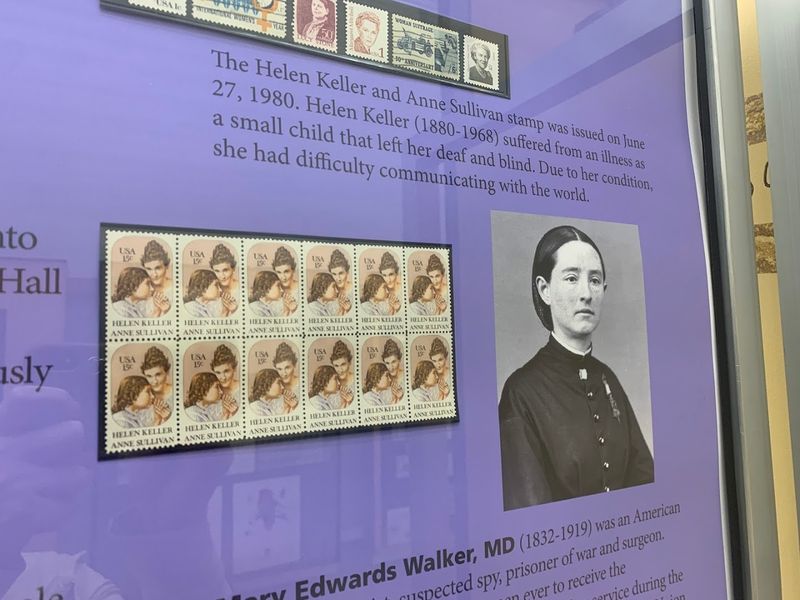
Another exhibit that tends to catch people off guard covers disability representation on American postage stamps. The collection includes stamps tied to the Special Olympics, mental health awareness, and mobility accessibility, among other themes.
What makes this exhibit particularly compelling is how it traces the gradual shift in how disability has been portrayed in official U.S. imagery over the decades. Early stamps often ignored the subject entirely, while more recent issues have worked to reflect a broader and more inclusive view of American life.
The museum uses this collection to spark conversations about representation, visibility, and the role that government-issued art plays in shaping public perception. For anyone who has a personal connection to disability, whether through their own experience or through family, this section of the museum carries real weight.
It is a reminder that the decision to put something on a stamp is never purely aesthetic.
It is always, in some way, a statement about who counts and who gets to be seen.
The Museum Library: An Underrated Resource for Collectors
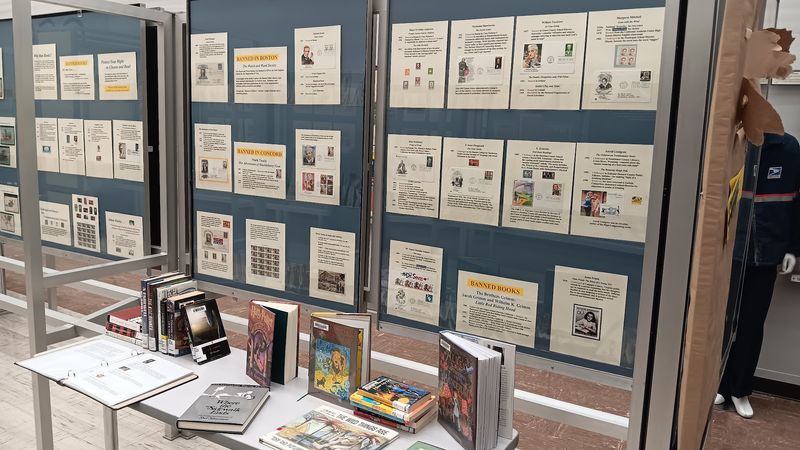
Beyond the exhibit halls, the Spellman Museum houses a library that is considered one of the best philatelic reference collections in the country. The shelves hold an extensive range of catalogues, reference books, and historical documents related to stamps and postal systems from around the world.
For serious collectors, the library is often the main draw. It provides access to resources that are simply not available online or in general libraries, making it a genuinely useful destination for research rather than just a recreational stop.
The library is staffed by knowledgeable team members who can help guide research and point collectors toward relevant materials. Whether someone is trying to identify a rare stamp from a grandparent’s collection or researching the printing history of a particular series, the library offers real, practical help.
It is the kind of resource that serious hobbyists tend to discover and then return to repeatedly, often describing it as one of the most underappreciated parts of the entire museum experience.
The Museum Store: Where Collections Get Started
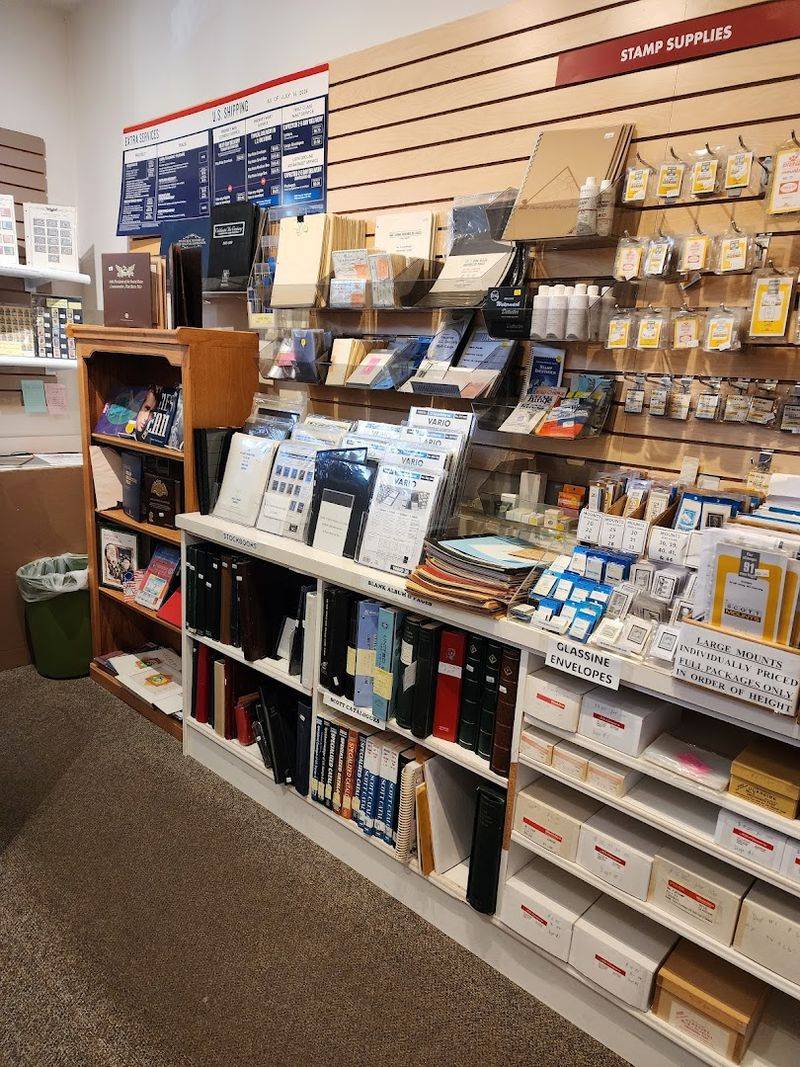
The museum store at the Spellman is more than a souvenir stop. It functions as a genuine resource for collectors at every level, stocking actual stamps available for purchase alongside books, albums, and collecting supplies.
Pricing is reasonable, which makes the store accessible for younger collectors or people who are just getting started with the hobby. The staff in the store share the same depth of knowledge as the rest of the museum team, so questions get real answers rather than blank stares.
The store also participates in membership perks, including a monthly stamp mailing program that sends new stamps directly to subscribers. For someone who has just walked through the exhibits and caught the collecting bug for the first time, stepping into the store immediately afterward is a natural next move.
It bridges the gap between admiring stamps behind glass and actually holding them in your hands as part of a growing personal collection.
That transition is a satisfying one.
Family-Friendly Programming That Goes Beyond the Exhibits
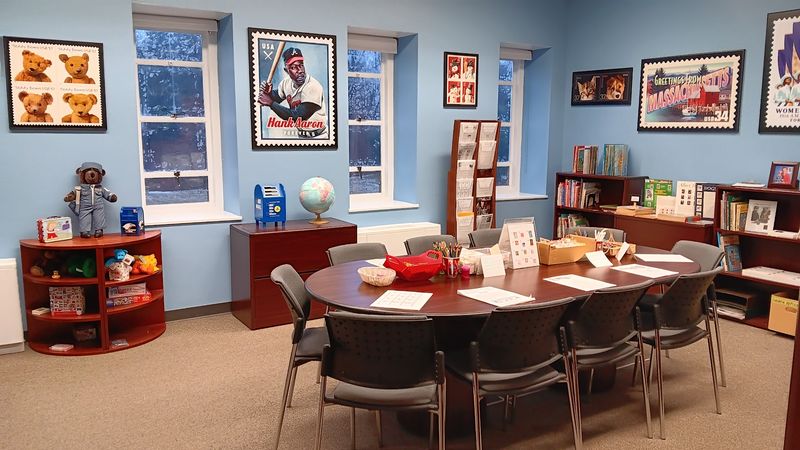
The Spellman Museum runs an active calendar of programming designed to bring in families and younger audiences. Events like the annual Valentine’s Day stamp craft program have become local favorites, drawing families who return year after year for the hands-on activities.
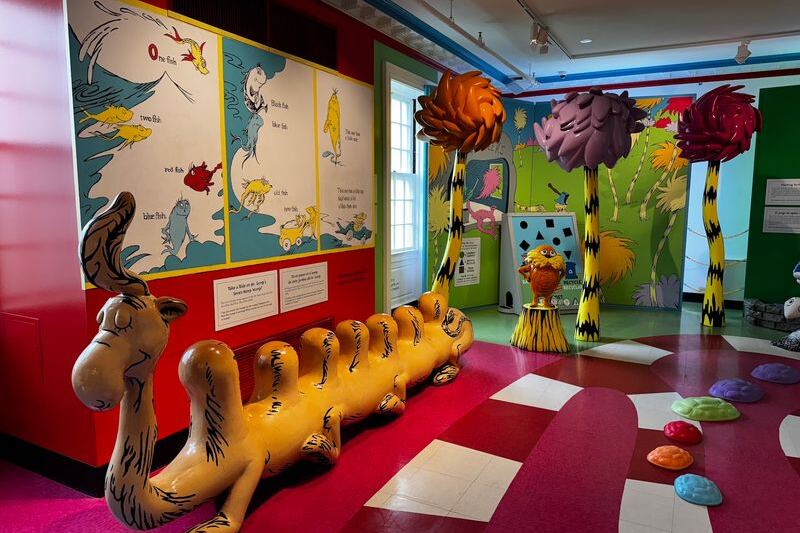
There is also a dedicated kids’ play area inside the museum that incorporates stamps into interactive play. It is designed to make the subject approachable for children who might otherwise tune out in a traditional museum setting.
Treasure hunts are another feature that younger visitors tend to enjoy, with quiz-style activities built around the exhibits where correct answers earn stamp-themed prizes. The museum also runs a speakers series for adults and more advanced collectors, covering topics in postal history and philatelic research.
The range of programming reflects a deliberate effort to make the museum work for multiple audiences simultaneously, rather than catering exclusively to experienced collectors while leaving everyone else to wander without direction.
Stamps as Miniature Art: A New Way to Look at the Collection
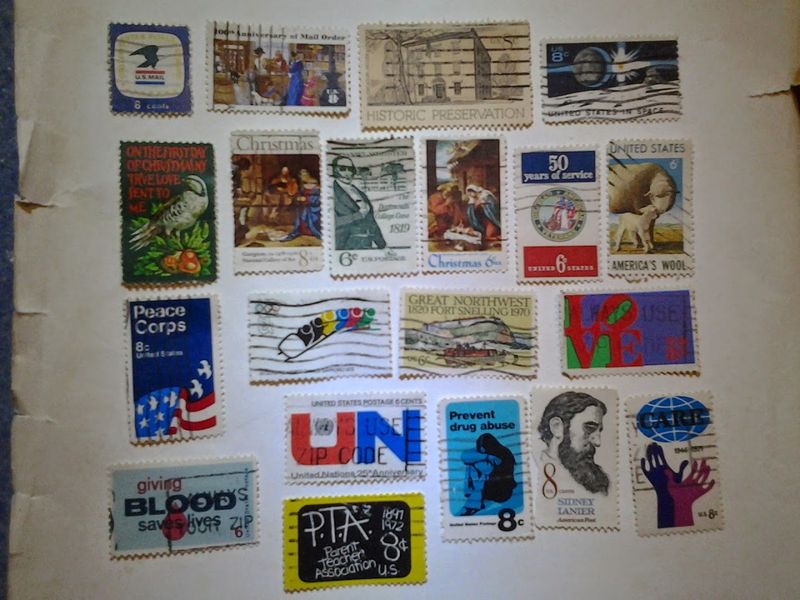
One of the more memorable takeaways from a visit to the Spellman Museum is the realization that stamps are, at their core, miniature works of art. The engraving, color work, and compositional detail that goes into a single stamp design is easy to overlook when stamps are just tools for mailing letters.
The museum frames the collection in a way that highlights this artistic dimension, encouraging visitors to look closely at the craftsmanship behind individual stamps rather than simply cataloguing them by country or date.
Some stamps in the collection are genuinely striking as visual objects, with intricate border work, detailed portraiture, and rich color palettes that hold up even under magnification. The museum occasionally offers stamp trophies as rewards for quiz participation, which gives visitors a tangible piece of that artistry to take home.
Thinking of stamps as affordable miniature art rather than just collectible paper changes the way people engage with the hobby, and the Spellman makes that shift feel entirely natural.
Planning Your Visit: What to Know Before You Go
A few practical details can make the difference between a smooth visit and a frustrating one. The museum is open Wednesday through Friday from noon to 5 PM, Saturday from 11 AM to 4 PM, and Sunday from noon to 4 PM.
Monday and Tuesday are closed, so timing matters.
Parking on the Regis College campus is plentiful, which removes one of the more common headaches associated with museum trips in the greater Boston area. The campus itself is quiet and easy to navigate.
One thing worth knowing is that the building currently does not have an elevator, so visitors with mobility needs should call ahead to arrange accessible entry, which the staff are prepared to assist with. The museum website at spellmanmuseum.org has current information on exhibits, upcoming events, and membership options.
A membership that includes monthly stamp mailings is available and worth considering for anyone who leaves the museum with a renewed interest in the hobby, which happens more often than one might expect.
Where to Find This Hidden Campus Treasure
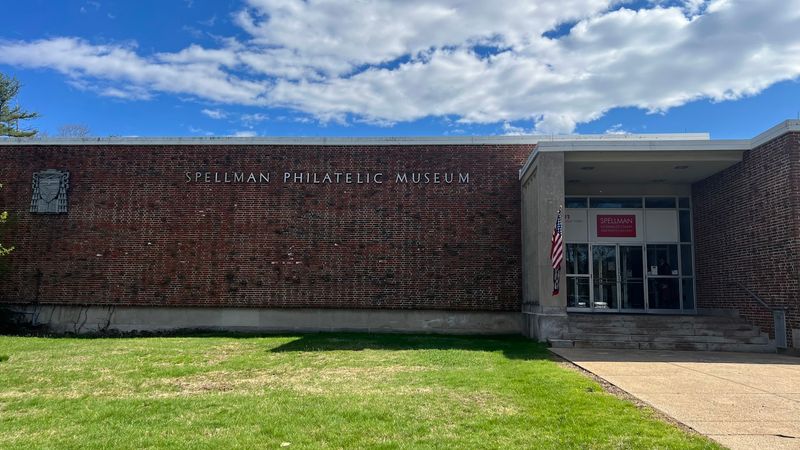
Sitting at 241 Wellesley St, Weston, MA 02493, the Spellman Museum of Stamps and Postal History occupies a building on the Regis College campus, right next door to Cochituate State Park. The location itself sets a calm, unhurried tone before anyone even walks through the door.
Weston is a small, leafy town west of Boston, and the campus grounds are quiet and spacious. Parking is plentiful, which takes some of the stress out of the visit before it even begins.
The museum is open Wednesday through Friday from 12 to 5 PM, Saturday from 11 AM to 4 PM, and Sunday from 12 to 4 PM. It is closed on Mondays and Tuesdays.
Planning around those hours makes the trip smooth and worthwhile.
The setting alone, surrounded by green space and collegiate calm, already makes this feel like a place that operates on its own quiet, deliberate schedule.
Share this story