Kansas is not a state most people associate with arboretums, which is part of what makes this destination so surprising. Home to thousands of trees, seasonal gardens, a historic railroad depot, and more than 40,000 tulips each spring, it offers one of the most distinctive landscapes in the region.
The arboretum traces its roots to 1910, when a local physician began transforming an unlikely piece of land into a place dedicated to trees and conservation. Today, visitors can explore winding paths, see champion trees, watch wildlife around the lake, and experience a living collection that has grown for more than a century.
It is a remarkable example of how vision and persistence can completely reshape a landscape and create one of Kansas’s most rewarding hidden gems.
A Prairie Doctor’s Dream: How It All Began
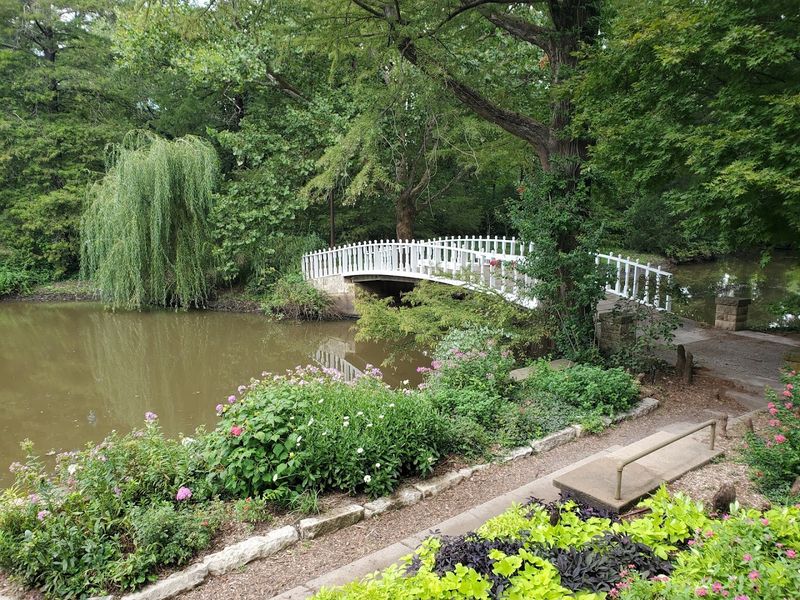
Back in 1910, a physician named Dr. Walter E. Bartlett looked at a stretch of treeless Kansas prairie along Euphrates Creek and saw something most people would have ignored: potential.
The land had previously served as a town dump, which makes what it became even more remarkable.
Dr. Bartlett purchased the property, which ranged from 15 to 40 acres, and set out to build a recreational park and conservation area from scratch. His goal gradually shifted toward creating what he called a “tree museum,” a living collection of species from around the world planted and tested in the Kansas climate.
The name Bartlett Arboretum was officially adopted in 1926, giving the project a formal identity. By the 1930s, the United States Department of Agriculture had designated it an approved test site for studying plant hardiness.
That scientific recognition transformed a personal passion project into a place of genuine national significance, and the story was only just beginning.
Right in the Heart of Belle Plaine: Finding the Address
The arboretum sits at 301 N Line St, Belle Plaine, Kansas 67013, a small but surprisingly easy address to find once you know what you are looking for. Belle Plaine is a quiet town in Sumner County, roughly 30 miles south of Wichita, making it a very manageable day trip from the city.
A parking lot is located across the street from the main entrance, which is a practical detail worth knowing before your first visit. The surrounding neighborhood is calm and residential, so the transition from ordinary street to extraordinary garden happens almost instantly once you pass through the gate.
Hours vary by season, with the arboretum typically open from March through June and again in August. During April, it welcomes visitors Tuesday through Sunday from 9 a.m. to 5 p.m., with extended Thursday hours until 7 p.m.
Admission is $10 per person, and children under 12 get in free, which makes it a genuinely affordable outing for families.
Thirteen Terraces and a Lake: The Layout That Surprises Everyone
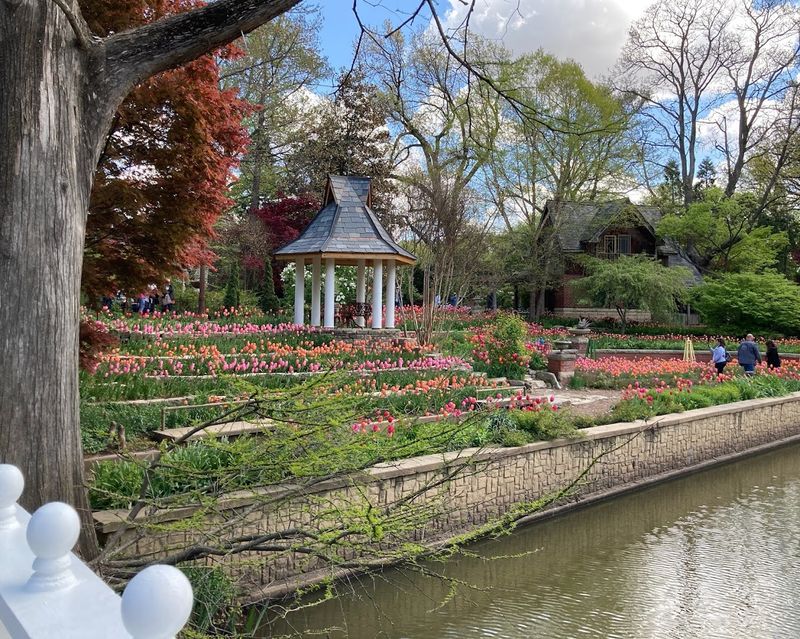
One of the first things that catches visitors off guard is the sheer architectural ambition of the grounds. The arboretum is organized across thirteen levels of terraced gardens, which means the landscape rises and falls in a way that constantly reveals something new around each corner.
Dr. Bartlett also created a lake on the property, which now serves as a quiet haven for waterfowl. Seeing ducks and other birds gliding across the water while surrounded by mature trees gives the whole place a layered, almost storybook quality that photographs cannot fully capture.
Swings, picnic spots, and chairs are scattered throughout the grounds, so there is no pressure to rush. Tiny wooden structures and small bridges add charm at every turn, and labeled plants make the experience genuinely educational for curious visitors of all ages.
The layout rewards slow exploration far more than a quick walk-through, and most people find themselves staying much longer than they originally planned.
The Tulip Tradition That Honors a Lost Sister
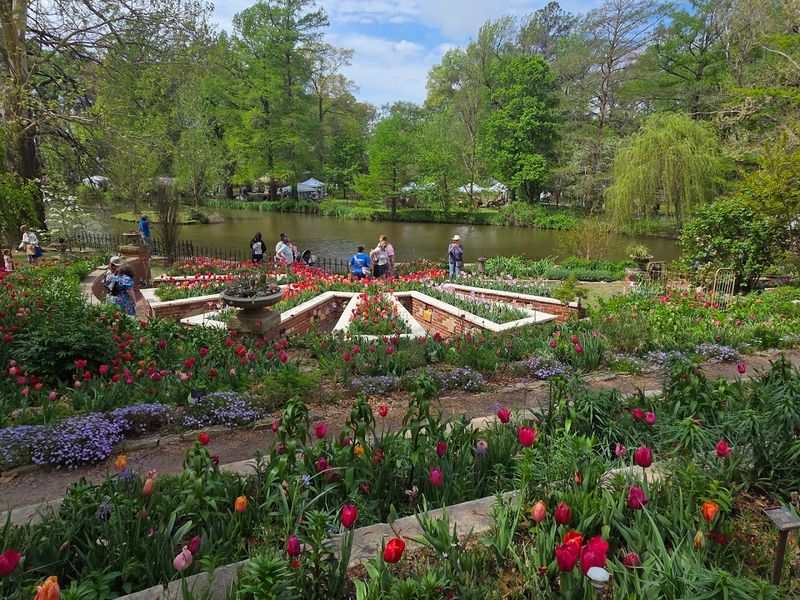
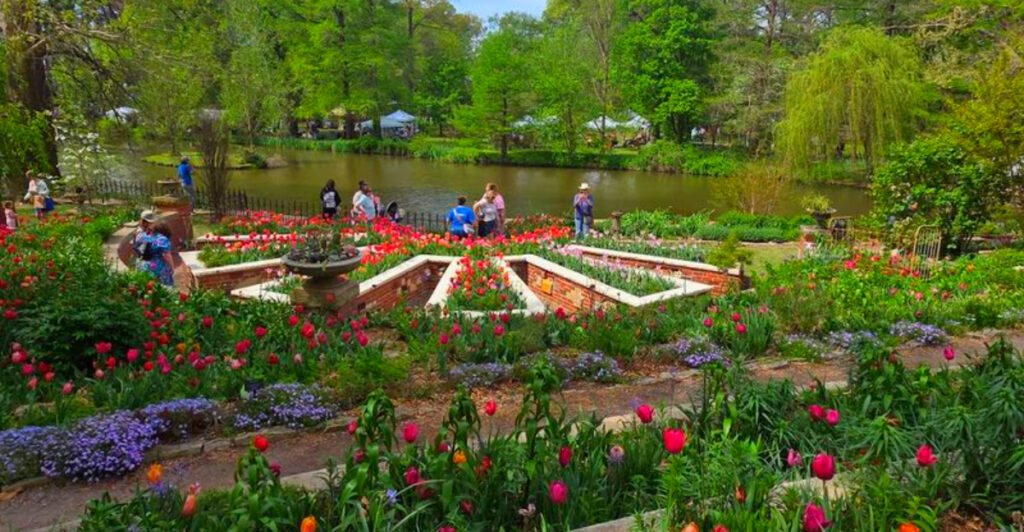
Every spring, the arboretum transforms into one of the most colorful spectacles in the entire state of Kansas. More than 40,000 tulip bulbs representing over 90 varieties bloom across the grounds, joined by daffodils and hyacinths, creating a display that typically peaks in April and early May during the annual Tulip Time event.
What many visitors do not know is that this tradition carries a deeply personal meaning. The tulip plantings honor Maxine, the younger sister of Glenn Bartlett, who passed away during the Spanish flu pandemic.
Planting beauty in her memory turned grief into something that now brings joy to thousands of people each year.
The rows of blooms stretch in every direction, framed by the towering trees that give the arboretum its structure. Photographers, families, and nature lovers make the trip from Wichita and beyond specifically for this window of color.
If spring visits are on your radar, the tulips alone are reason enough to plan the drive south.
Champion Trees and Rare Species: What Grows Here
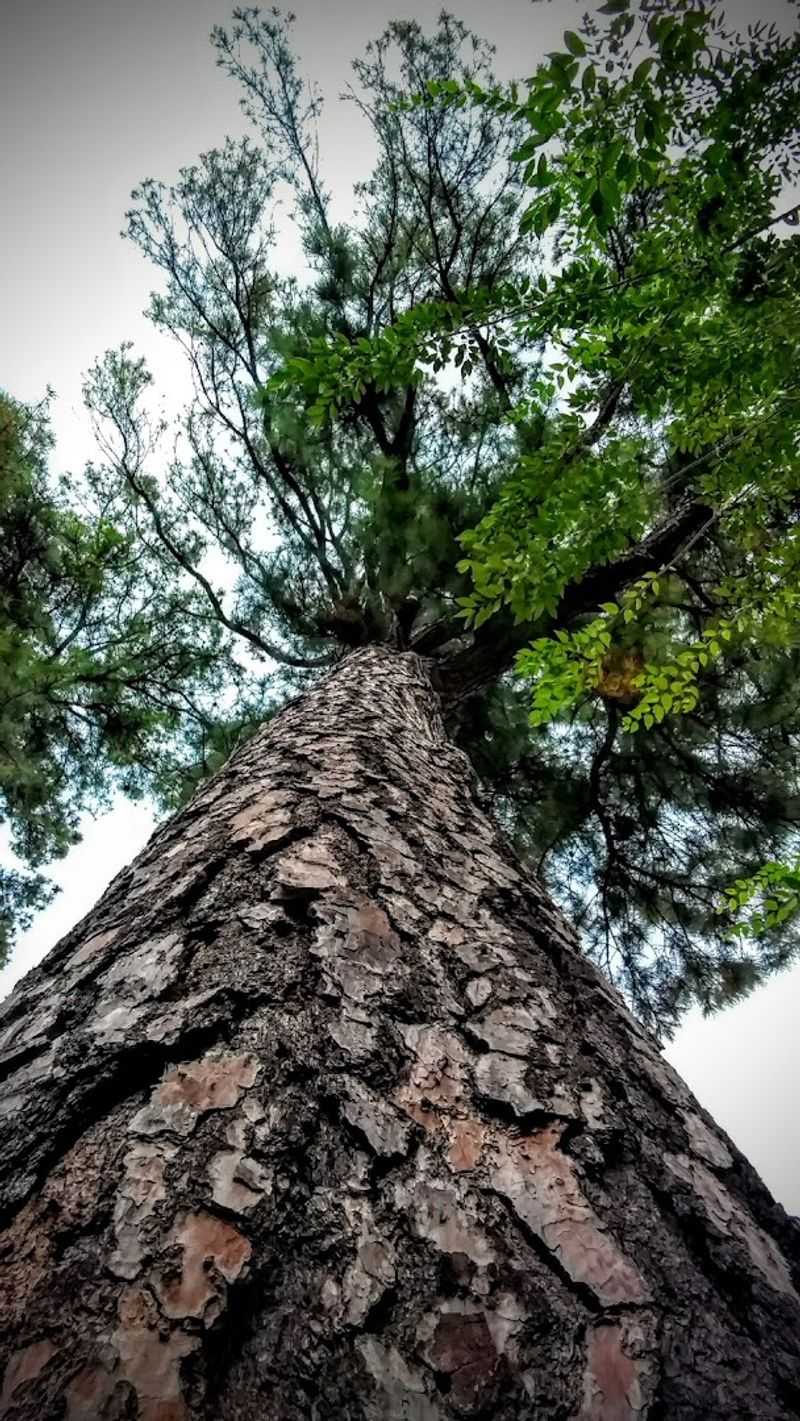
The arboretum holds 11 Kansas Champion Trees, a designation that recognizes the largest known specimens of specific species in the entire state. That is not a small distinction, and standing beneath some of these giants makes the title feel completely earned.
The collection includes massive cypress, sprawling oaks, and Japanese maples, alongside hundreds of other native and exotic varieties. Unlike many arboretums that focus exclusively on woody plants, this one also features an impressive display of herbaceous flowering plants, which adds color and texture throughout the growing season beyond just the spring tulip peak.
All plants are labeled, which turns a casual walk into an impromptu botany lesson without feeling like homework. The arboretum also functions as a scientific resource, having served as a USDA test site for plant hardiness since the 1930s.
That research legacy means some of the trees growing here were specifically chosen to push the boundaries of what can survive and thrive on the Kansas prairie.
The Rock Musician Who Became a Steward of the Trees
In 1997, the arboretum found an unlikely new chapter when Robin Macy, a founding member of the Dixie Chicks, and her husband Ken White purchased the property and took on the role of stewards. It is a detail that tends to stop people mid-sentence when they hear it for the first time.
Rather than a dramatic reinvention, Macy and White chose to honor what the Bartlett family had built while expanding the arboretum’s community role. Their approach has been hands-on and deeply personal, and that energy is felt throughout the grounds in the care given to every corner of the property.
The volunteer crew, affectionately known as the Soil Sisters and Brothers, reflects the same spirit. Visitors consistently describe the staff and volunteers as welcoming and genuinely enthusiastic about sharing the space.
It is rare to find a place where the people caring for it seem just as interesting as the destination itself, and the arboretum pulls that off effortlessly.
The Old Railroad Depot That Found a Second Life
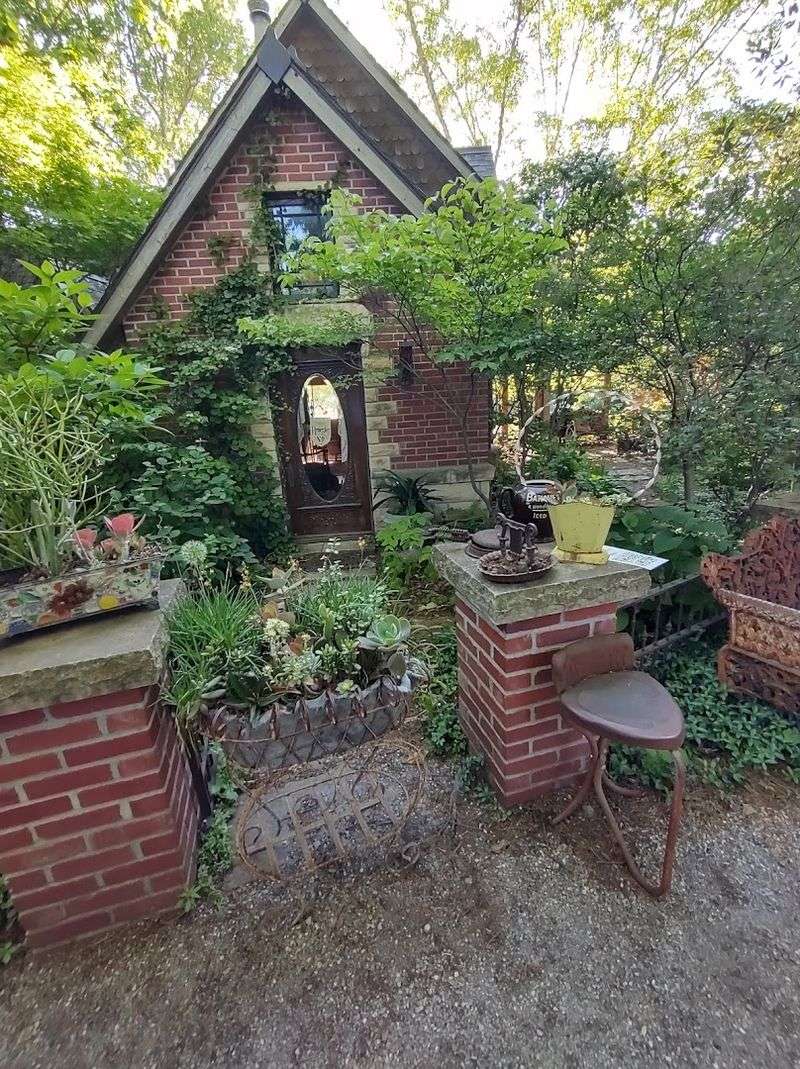
Tucked within the arboretum grounds is a piece of Kansas transportation history that most visitors do not expect to find. A 135-year-old Santa Fe Railroad Depot stands on the property, its weathered structure giving the garden an extra layer of historical texture that a simple plant collection could never provide on its own.
The depot has been converted into a studio space, giving it a practical second act while preserving its original character. It sits near the railroad tracks that still see regular train traffic, which is one of the more surprising sensory details of a visit: the occasional rumble of a passing train mixing with birdsong and rustling leaves.
That contrast between the industrial and the natural is part of what makes the arboretum feel so layered and alive. History does not sit behind glass here.
It is woven into the landscape, repurposed with intention, and given room to breathe alongside the living things that surround it. The depot alone is worth a slow look.
Bees, Food, and the Arboretum’s Living Ecosystem
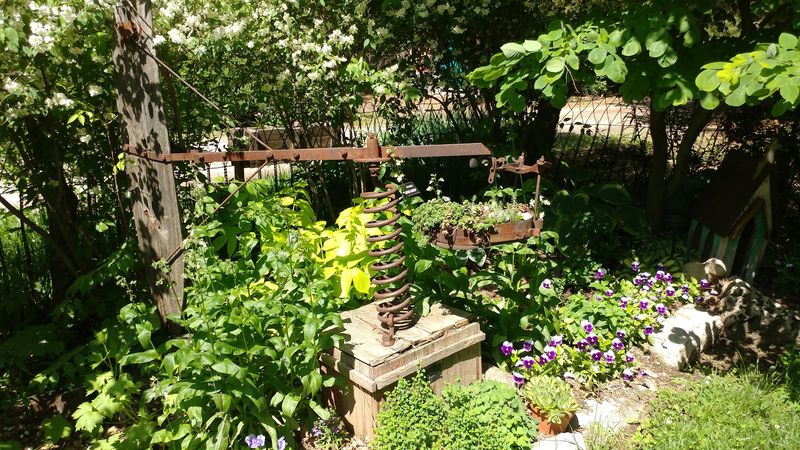
Beyond its role as a beautiful garden, the arboretum operates as a functioning, productive ecosystem. An on-site apiary supports pollination across the grounds, keeping the plants healthy while also contributing to the broader local environment in a meaningful way.
A hoop house on the property is used to grow food locally, and that produce is both sold and donated to the surrounding community. That detail shifts the arboretum from a purely aesthetic destination into something with genuine social purpose, which is a refreshing quality in a world where beauty and function do not always coexist so naturally.
The arboretum is also registered as an Agritourism Business, a designation that reflects its dual identity as both a conservation site and a working piece of land. Visitors who pay attention to these smaller details leave with a much richer understanding of what the property actually does day to day.
The bees, the food, and the gardens are all connected in ways that reward curiosity.
Events That Turn the Garden Into a Gathering Place
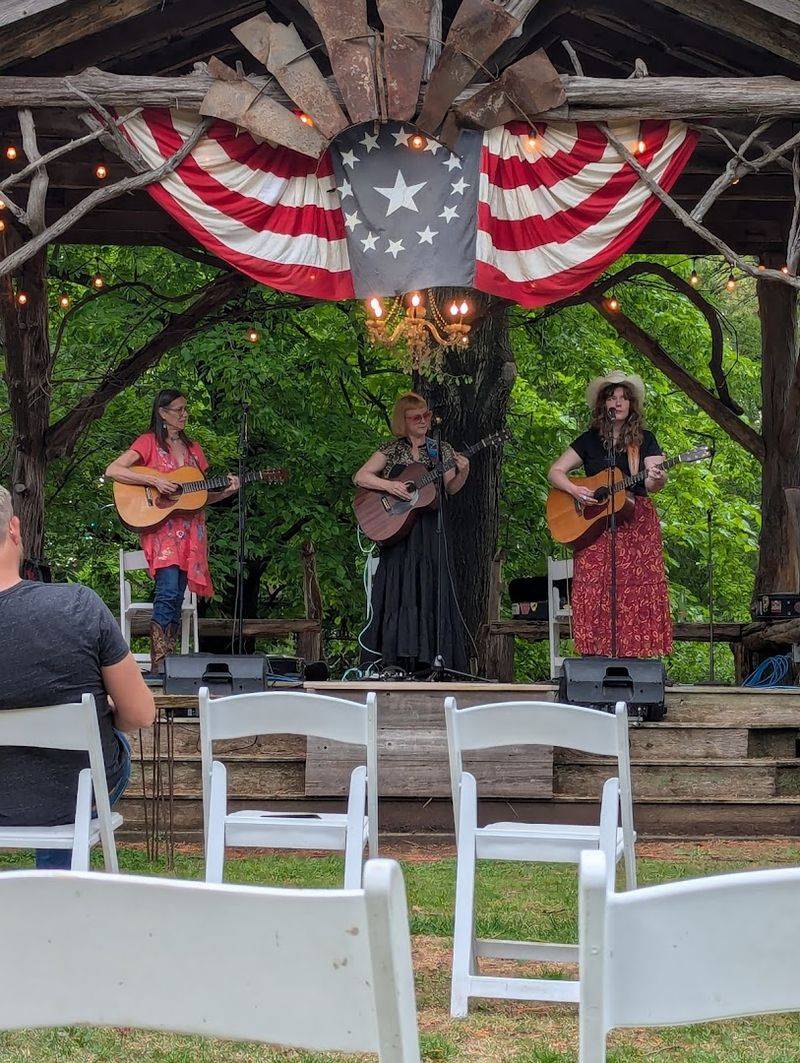
The arboretum is not just a place to walk quietly among trees. Throughout the year, it hosts a calendar of events that draw people together in ways that feel completely at home in such a setting.
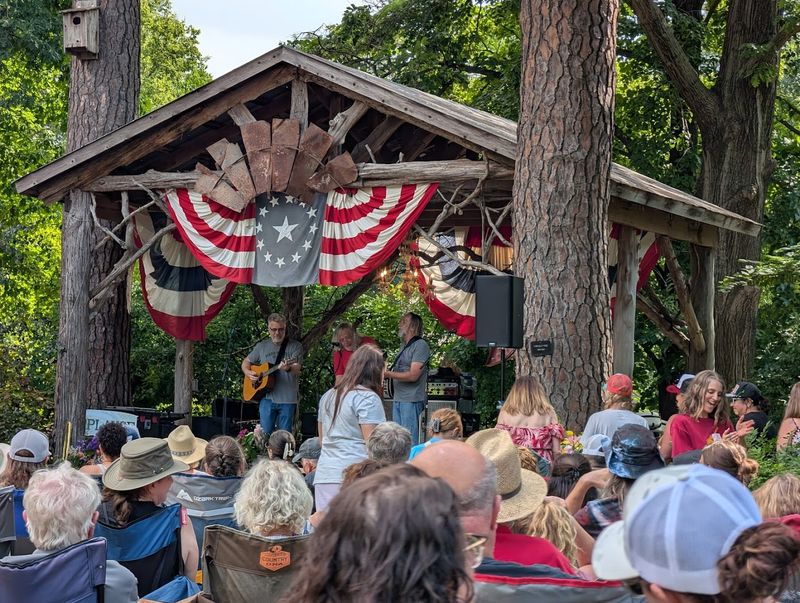
The Tree House Concert Series brings live music into the garden, and past performances have included everything from Irish bands to full ensembles playing in the meadow.
Other events include Art at the Arb, TreeFest, EcoFest, and a Great Gatsby-inspired garden party fundraiser that sounds as fun as it looks. Weddings and corporate outings also take place here, with the grounds providing a backdrop that no rented event hall could replicate.
One visitor described a June concert where the temperature outside was 85 degrees, but sitting in the meadow surrounded by trees made it feel noticeably cooler. That kind of natural climate effect is the sort of thing you have to experience to fully appreciate, and it makes every outdoor event here feel like a small gift from the landscape itself.
On the National Register: Why This Place Matters Beyond Kansas
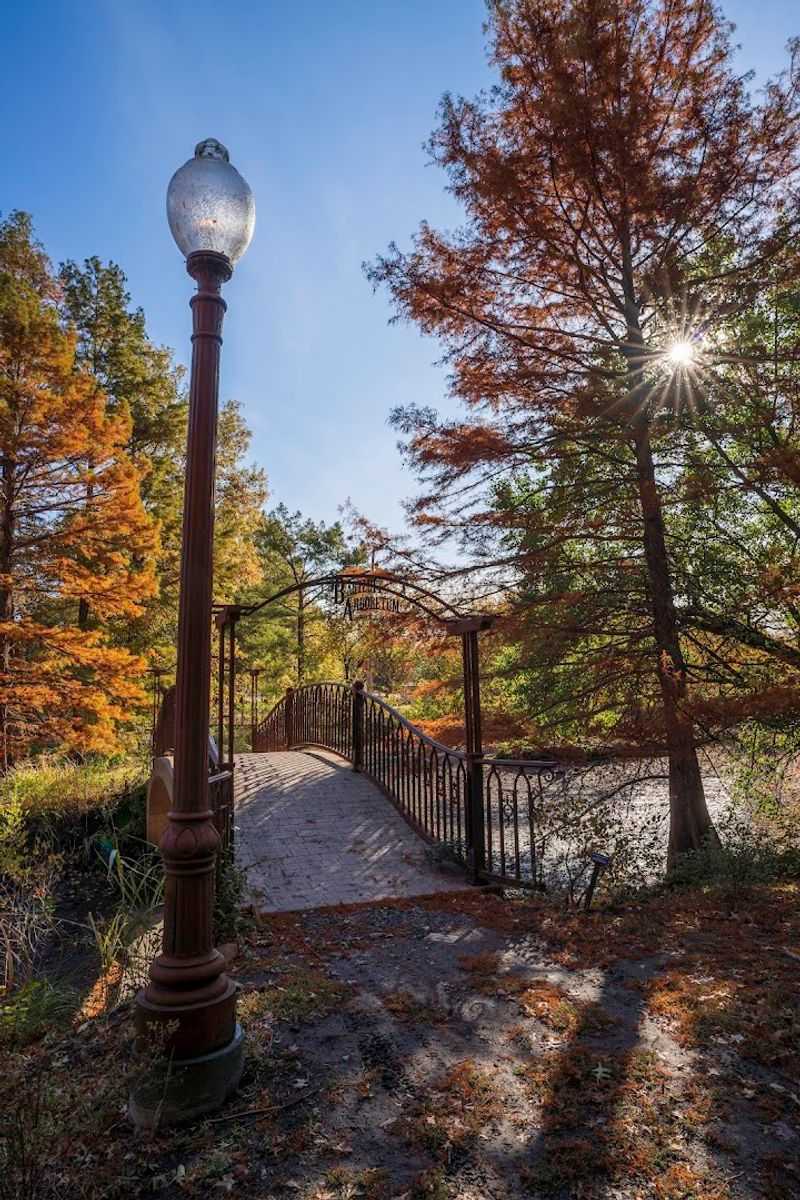
On April 19, 2010, the Bartlett Arboretum was added to the U.S. National Register of Historic Places, a recognition that placed it in the company of the country’s most significant cultural and natural landmarks.
That centennial milestone was not just symbolic; it confirmed what generations of visitors had already known through experience.
The arboretum holds a distinction that is genuinely rare: it is recognized as one of the oldest and only arboretums of maturity located between the Mississippi River and the Rocky Mountains. That geographic context matters.
Across a vast stretch of the American interior, this is one of very few places where you can walk among trees of this age, variety, and scale.
Its role as a site for preserving endangered plant species and promoting native plant propagation adds a conservation dimension that goes well beyond aesthetics. The arboretum is a scientific and cultural resource that happens to also be one of the most beautiful places in Kansas, which is a combination worth protecting for generations to come.
Planning Your Visit: What to Know Before You Go
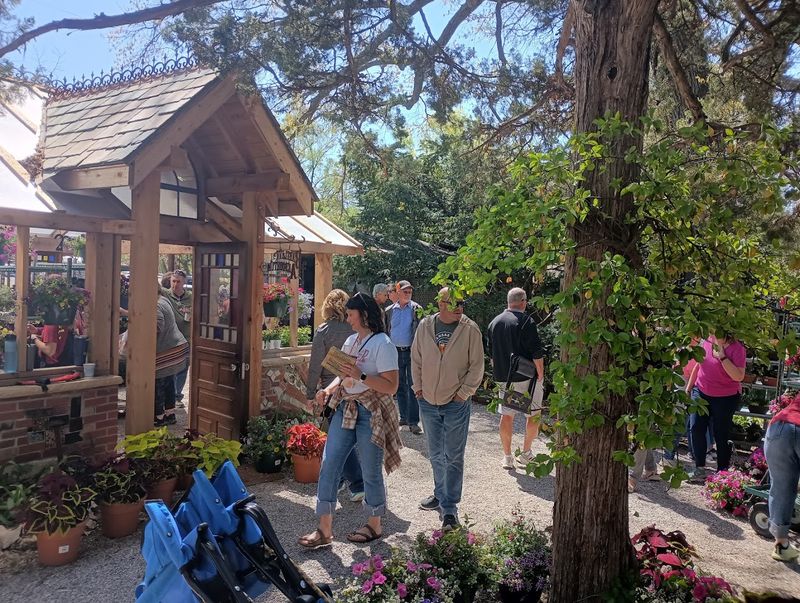
A few practical details can make the difference between a good visit and a great one. The arboretum is open seasonally, with its primary window running from March through June and reopening in August.
April offers the most generous hours, with Tuesday through Sunday access from 9 a.m. to 5 p.m., and Thursdays extending until 7 p.m. Weekend-only hours apply in May and June.
Admission is $10 per person, with children under 12 entering free. Visits outside regular hours can sometimes be arranged by appointment, which is worth a phone call if your schedule does not align with the standard calendar.
The phone number is +1 620-488-3451, and the website at bartlettarboretum.com keeps the event calendar updated.
Bringing a snack and a drink is a smart move, since the grounds reward lingering. The shaded picnic areas, scattered seating, and easy pace of the place make it the kind of afternoon that quietly stretches longer than you planned, and nobody who has been there seems to mind that at all.
Share this story