 Unearth The Voyage
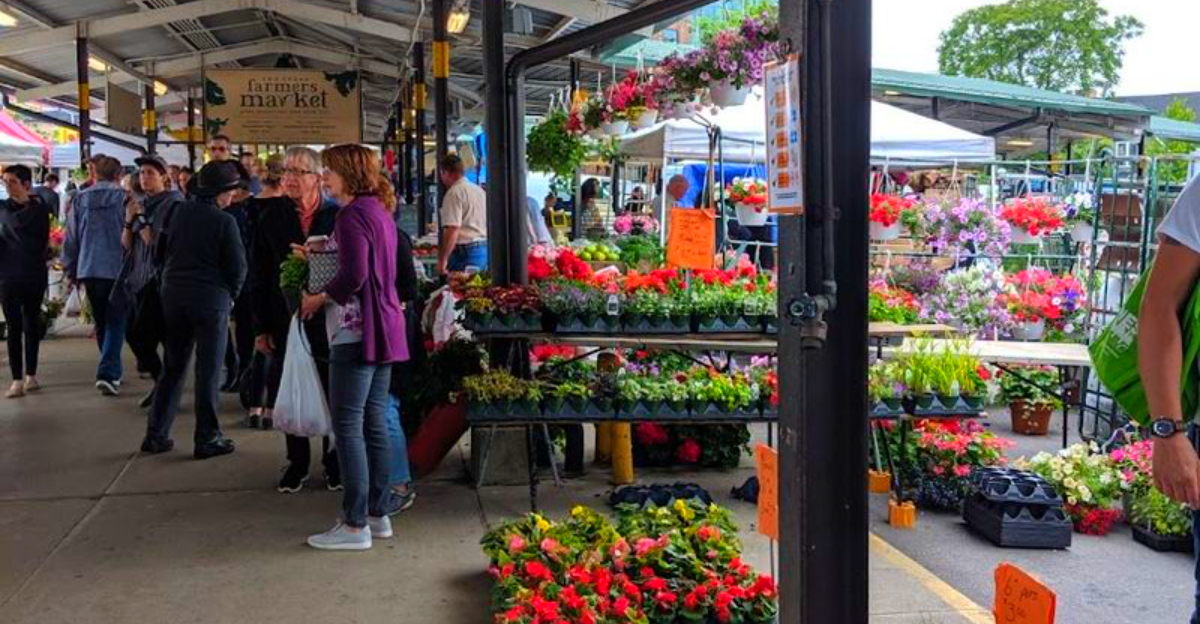
Some places make a first impression with grand entrances, and some win you over with a stack of just-baked bread, a bucket of bright flowers, and the kind of Saturday buzz that says you picked the right town. This market does the second one beautifully, and after spending time here, I understood why locals keep coming back with tote bags, coffee cups, and very serious opinions about tomatoes.
It feels old in the best way, not dusty or performative, but settled, useful, and woven into daily life, with farmers, bakers, makers, and regulars all sharing the same compact, cheerful space. Keep reading and I will show you why this long-running Ann Arbor institution still feels fresh, how to time your visit, what makes the setting so appealing, and why even a quick stroll here can turn into one of the most satisfying hours you spend in Michigan.
Where the story begins
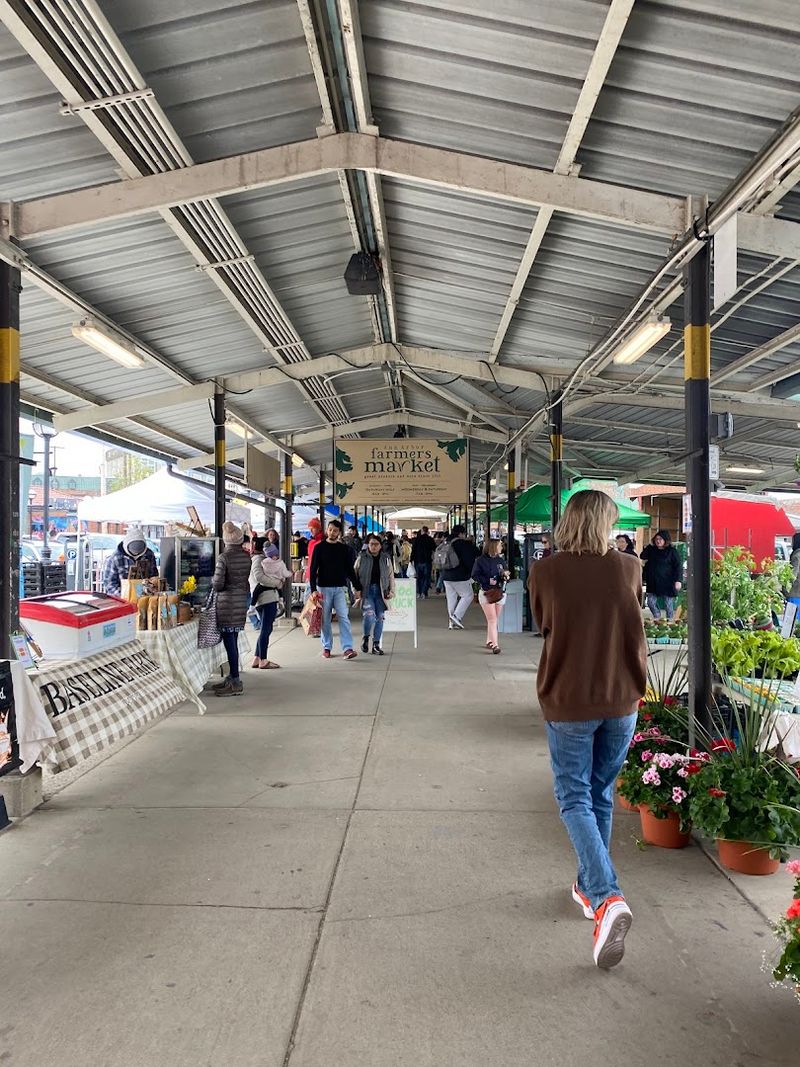
The first thing I want you to know is exactly where this beloved spot lives: Ann Arbor Farmers Market, 315 Detroit St, Ann Arbor, MI 48104, in the Kerrytown district of Ann Arbor, Michigan, United States. That address matters because the market is woven right into one of the city’s most walkable, most character-filled corners, where brick buildings, local shops, and side streets make even a quick errand feel pleasantly unhurried.
I liked that the setting never felt oversized or staged. Instead, it felt practical and lived-in, with covered stalls, easy browsing lanes, and enough visual charm to keep me drifting from produce to flowers to bread without needing much of a plan.
Even before I bought anything, I could tell this was the kind of place that earns loyalty through routine. You arrive for a few apples or a loaf, then somehow leave with herbs, jam, and the smug satisfaction of having spent your morning very well.
A market with real history
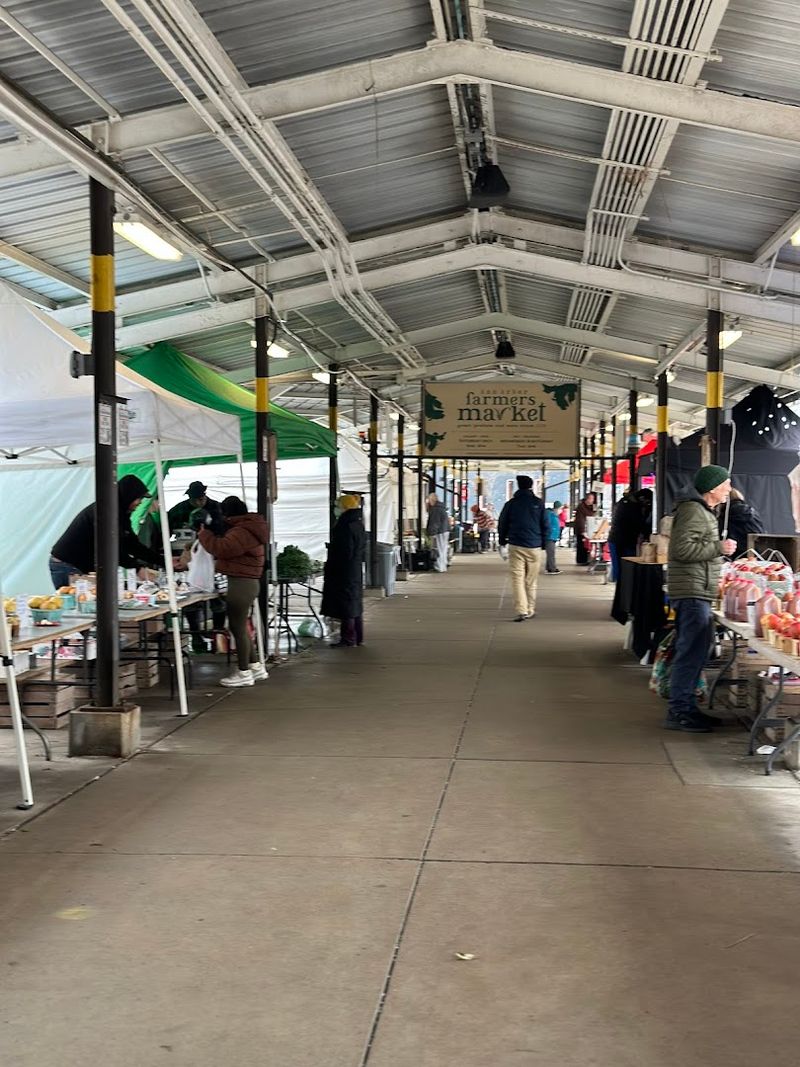
Age gives some places bragging rights, but here it gives the market a sense of purpose. Founded in 1919, the Ann Arbor Farmers Market is one of Michigan’s oldest continuously operating public markets, and that history is not tucked away in a plaque you ignore on your way to the peaches.
I could feel it in the rhythm of the place. Vendors seemed settled, customers moved with quiet confidence, and the whole market carried itself like somewhere that has seen many seasons, many harvests, and many regulars returning with the same favorite bags and the same favorite orders.
What impressed me most was how little of that history felt dusty. The market does not survive because it is old.
It survives because it still functions as a real weekly anchor, connecting local farms and city shoppers in a way that remains useful, social, and surprisingly fun, which is a pretty good trick for a place more than a century into the job.
Why Kerrytown suits it so well
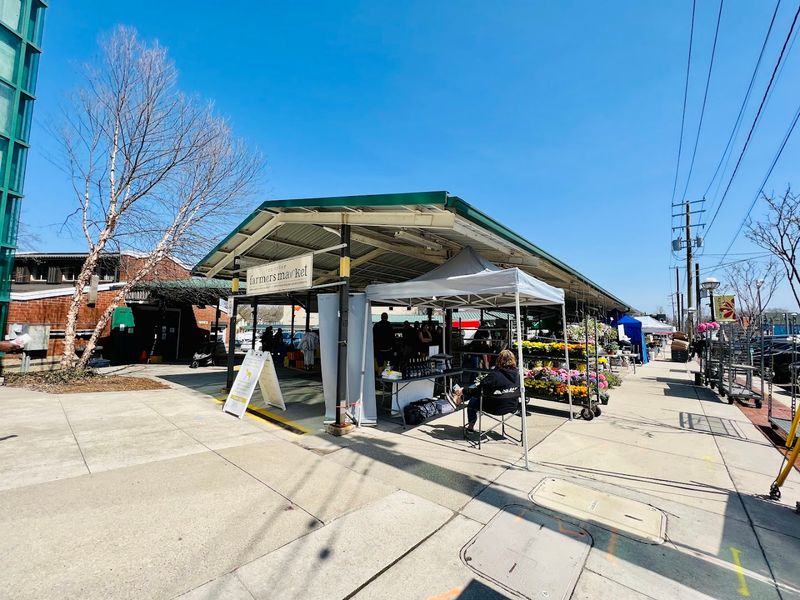
Neighborhood chemistry is hard to fake, and Kerrytown gives this market exactly the right backdrop. The surrounding area has enough texture to make the trip feel like more than a shopping stop, with independent stores, older buildings, and streets that invite wandering instead of rushing.
I found that the market benefits from this setting in a practical way too. After a lap past the stalls, it is easy to keep the morning going nearby, and that makes the whole experience feel fuller without requiring a packed itinerary or a heroic level of planning.
There is also something pleasing about how the market fits the scale of the district. It does not dominate the neighborhood, and the neighborhood does not overshadow the market.
They work together, creating a visit that feels compact but rich, which is a combination I always appreciate when I want a place to feel lively without turning into a logistical puzzle wrapped in parking stress.
The Saturday rhythm
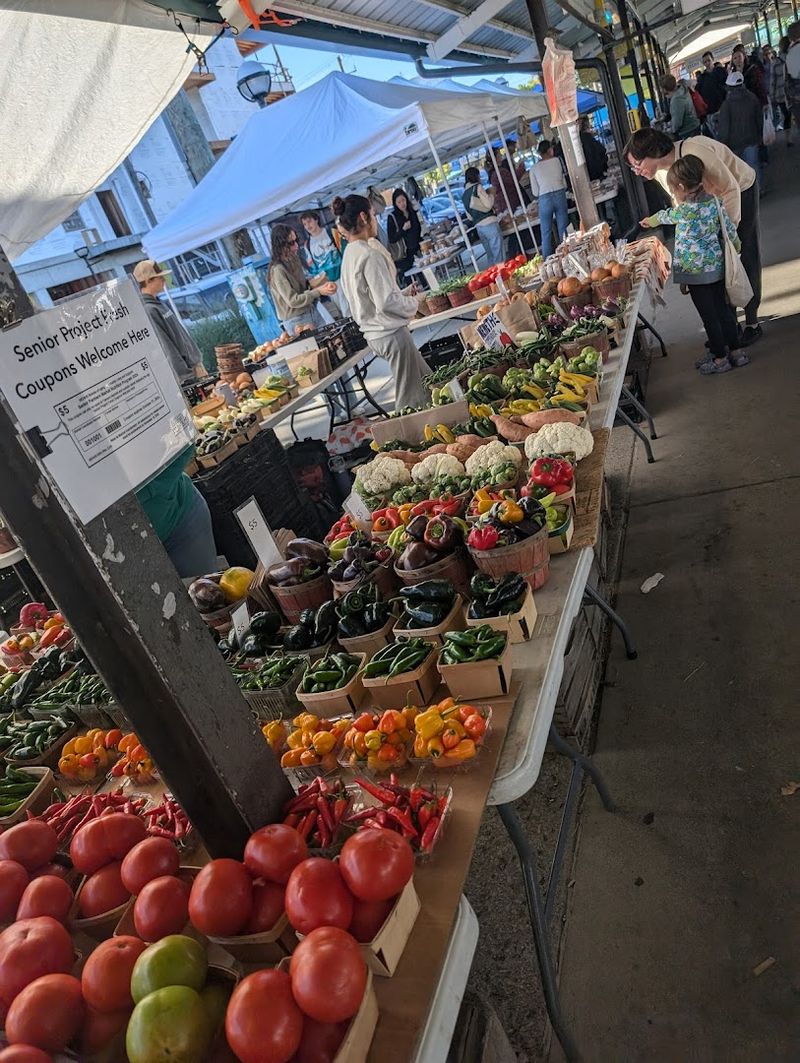
Saturday is when the market really shows off its personality. Official hours currently run 8 AM to 3 PM on Saturdays, and I found that arriving earlier gives you the nicest mix of full displays, friendly energy, and enough elbow room to browse without performing tiny cartography moves around other shoppers.
By mid-morning, the place can get busy, but not in a way that feels overwhelming. The flow is usually easy to read, and the compact layout means you can circle back to compare tomatoes, bread, flowers, or honey without feeling like you just completed a fitness challenge in produce form.
I liked that a visit can be quick or leisurely depending on your mood. You can sweep through in half an hour, or stretch it into a slower routine of chatting, choosing, and people-watching.
Either way, the market rewards attention, and Saturday gives it the best stage for showing why locals keep penciling it into the week.
What you will actually find
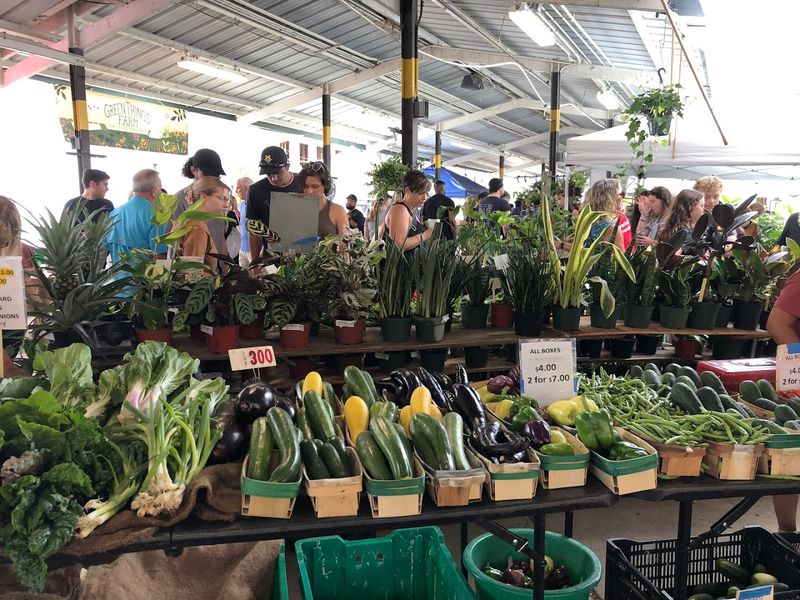
Variety is one of the market’s strongest cards, and that is part of what keeps it from feeling repetitive. On my visit, the appeal was not just produce, though there was plenty of that, but also baked goods, flowers, local honey, soaps, and handmade items that gave each aisle a little change of pace.
The mix matters because it broadens the experience beyond a strict shopping mission. You can come needing fruit and greens, then get distracted by bouquets, preserves, or something small and giftable that solves a future birthday problem before it has the chance to annoy you.
I also appreciated that the selection still felt grounded in the market’s identity. It was not trying to be everything at once.
Fresh food remained the backbone, while the specialty items added interest rather than clutter. That balance made the market feel thoughtful, with enough surprises to keep browsing fun and enough essentials to justify making it part of a real routine.
The produce deserves the spotlight
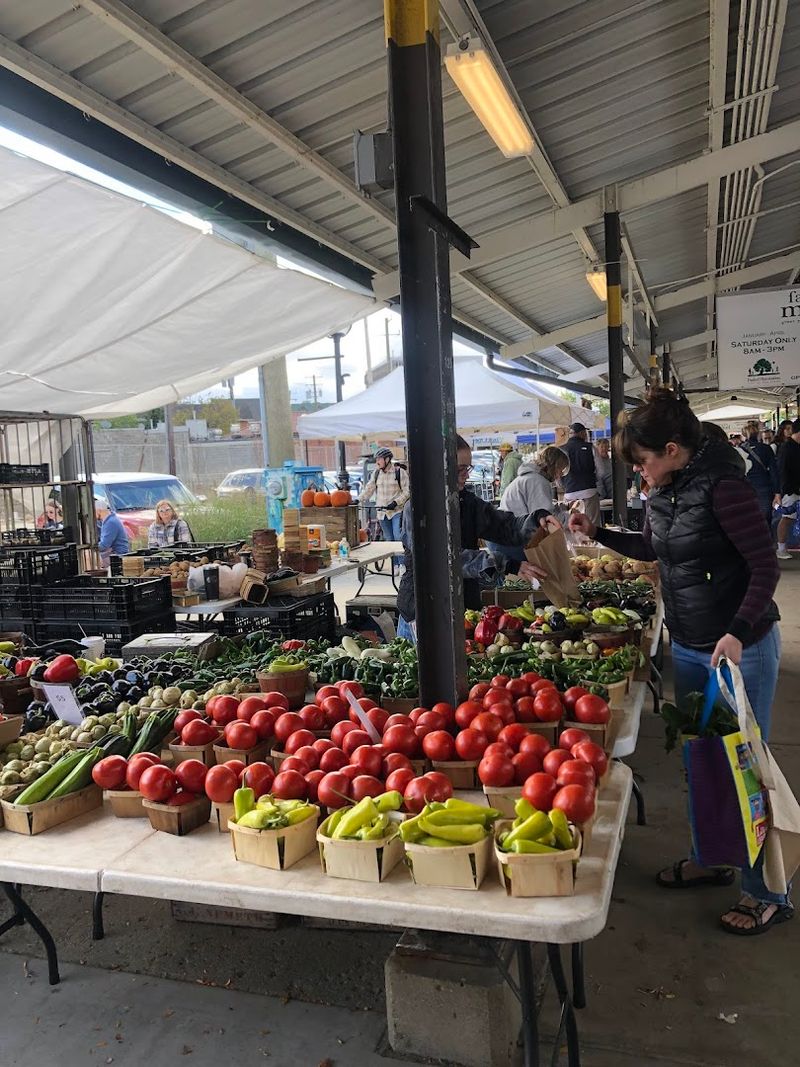
Plenty of markets claim freshness, but here the produce actually makes you slow down and look. I noticed displays that felt carefully arranged without becoming precious, and the overall quality gave the stalls a confidence that said the vegetables could do the talking, even if the tomatoes were clearly enjoying the attention.
Season matters here, especially in late summer and fall when Michigan produce really gets to flex. Apples, tomatoes, berries, greens, and other seasonal offerings tend to draw the most attention, and I understood why after one walk through the aisles and several moments of pretending I only needed one thing.
What made the experience work for me was the chance to compare. Different booths might have similar items, but the small differences in appearance, price, and growing style make browsing feel useful rather than repetitive.
For shoppers who enjoy choosing with care, this market turns ordinary grocery decisions into a pleasant little strategy game with better colors.
Friendly without the hard sell
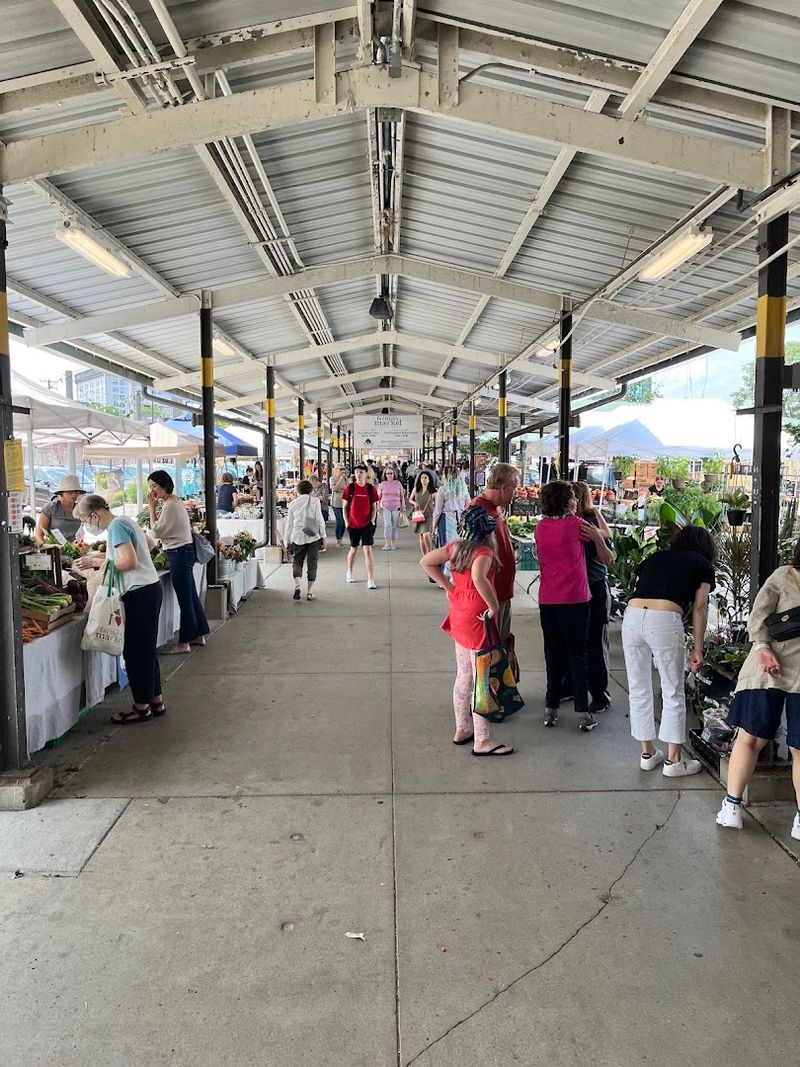
One reason I stayed longer than planned was the tone of the place. Vendors here often come across as friendly and approachable, but not pushy, which sounds like a small detail until you realize how much easier it makes the whole visit when you can ask questions, browse slowly, and not feel cornered by a sample spoon or a sales pitch.
I liked the market’s human scale because it made conversation feel natural. You can ask about produce, get a quick recommendation, or simply exchange a few words while paying, and those brief moments add up to a place that feels social without becoming performative.
That atmosphere also helps first-time visitors. You do not need insider knowledge, a chef’s vocabulary, or a basket of linen napkins to feel comfortable here.
Curiosity is enough. The market rewards people who want to learn, compare, and taste the seasons a little more carefully, and it does that with a refreshingly low level of fuss.
Covered comfort in every season
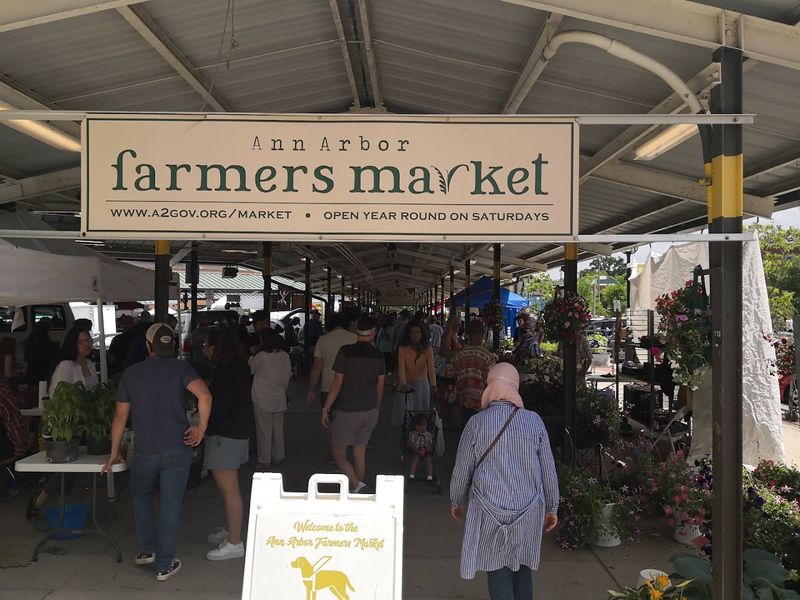
Michigan weather likes to keep everyone humble, so I was glad this market has a covered setup that makes browsing more comfortable in less-than-perfect conditions. That practical design does not make the place feel closed off.
Instead, it gives the market a dependable rhythm and helps it remain useful well beyond postcard weather.
Year-round operation is another reason the market stands out. Even in colder months, there are vendors and regulars willing to show up, and that continuity adds to the sense that this is not just a seasonal attraction for visitors but an ongoing part of local life.
I found that reliability appealing because it changes how you think about the place. You are not trying to catch a fleeting event before it disappears.
You are visiting a market with staying power, one that can anchor a winter errand or brighten a chilly Saturday. In a state with serious seasons, that kind of consistency deserves a warm round of applause.
Price, value, and smart shopping
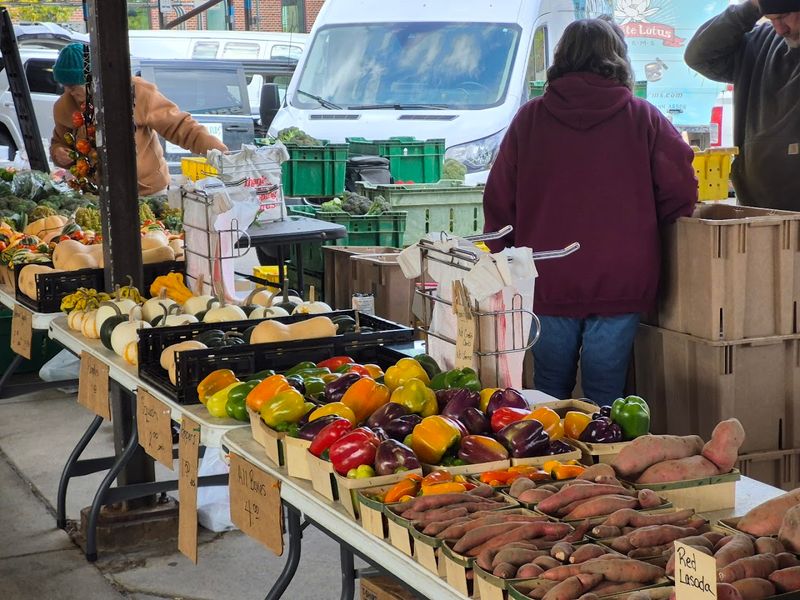
Let me be honest about one thing: this is not the place I would choose for a bargain-hunter fantasy. Some items can cost more than grocery store versions, and I noticed that the value here often comes from freshness, locality, and quality rather than sticker-shock savings that make you want to frame the receipt.
That said, shopping smart helps. I saw enough variety across stalls to make comparison worthwhile, and markets like this often reward patience, especially when you are open to seasonal abundance, seconds, or buying what looks best instead of chasing a rigid list written before coffee.
For me, the best approach was to mix practical buys with one or two treats. A loaf of bread, excellent produce, maybe flowers if I was feeling optimistic about keeping them alive.
That balance made the visit feel satisfying rather than splurgy. You leave with things that are useful, a little special, and much more memorable than another fluorescent supermarket lap.
Parking and planning your visit

No charming market visit is complete without at least a brief thought about parking, and this one is no exception. The good news is that getting here is manageable.
The less thrilling news is that you may need a few extra minutes, especially on busy Saturday mornings when everyone else has the same clever plan.
I found it easiest to treat parking as part of the outing instead of a personal insult. Arriving early helps, and being willing to park a little farther away can save time spent circling the same block while pretending this next pass will definitely reveal a miraculous empty spot.
Once you are on foot, the market’s compact layout works in your favor. You do not need an elaborate route, and you can see the whole place fairly quickly before deciding where to double back.
That simplicity makes the planning piece less daunting. A little patience at the start pays off, and then the rest of the visit gets to be about peaches, pastries, and pleasant decisions.
Best times and best seasons
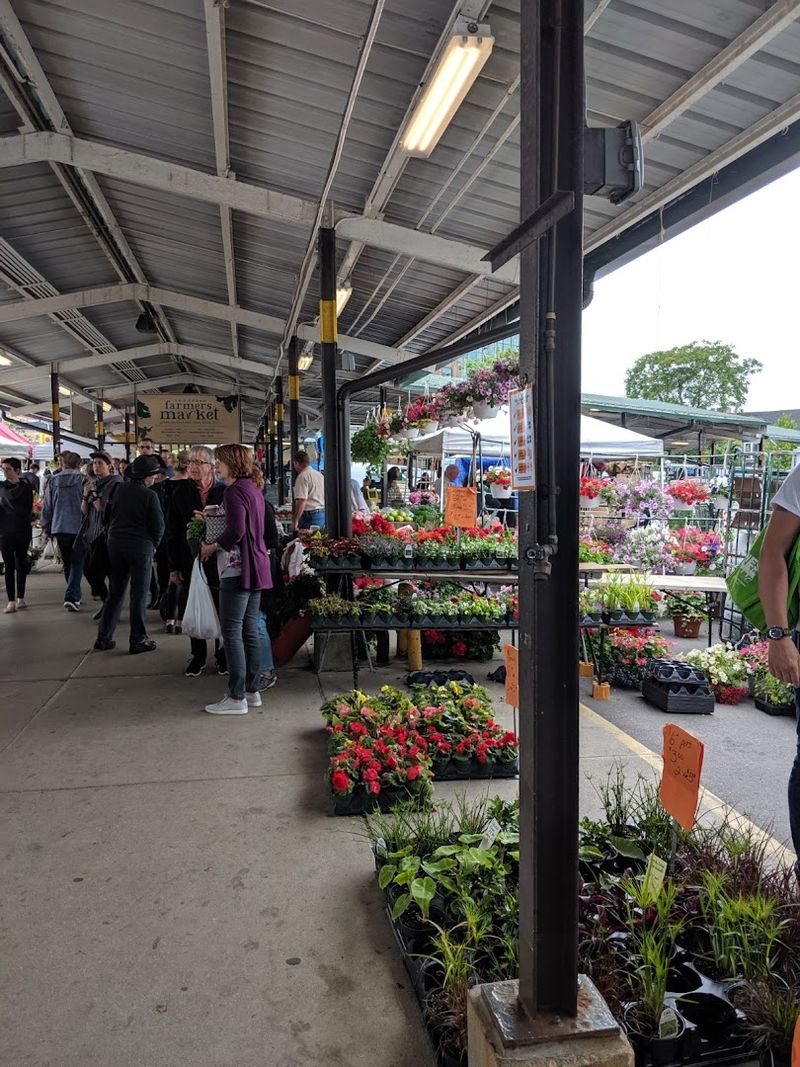
Timing shapes the experience here more than you might expect. Early Saturday morning gives you the fullest displays and the calmest browsing, while later hours bring more buzz and more people-watching.
Neither is wrong. It just depends on whether you want first pick of the produce or a livelier market soundtrack.
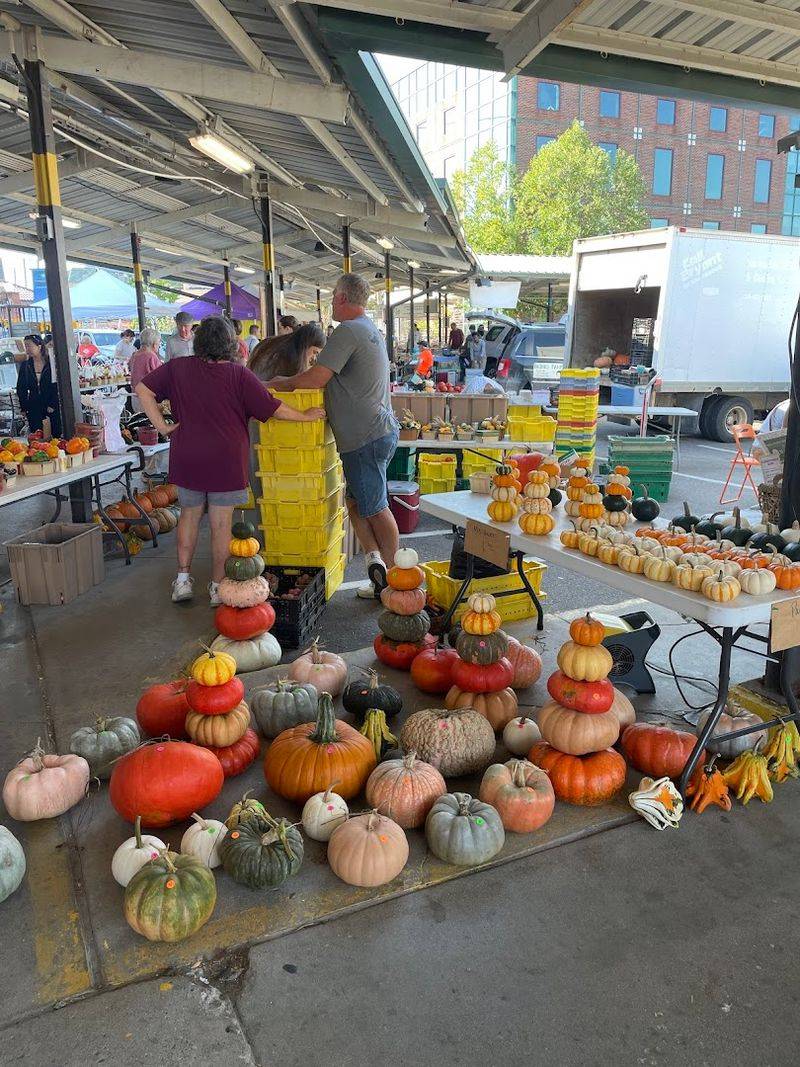
Seasonally, fall may be the easiest time to fall in love with the place. Michigan produce is especially strong then, and the market takes on that satisfying abundance that makes every table look like it has been rehearsing for weeks.
Apples, late tomatoes, flowers, and cooler air make a convincing case for repeat visits.
Still, I would not limit the market to one season. Spring has anticipation, summer has color, and winter has grit and continuity.
Each period reveals a slightly different personality. That variety is part of the market’s charm, and it turns a single good visit into the kind of place you start checking on repeatedly, just to see what changed this week.
Why it still feels essential
After spending time here, I understood why this market still ranks among Michigan’s most rewarding long-running public markets. It is not the largest place you will ever visit, and it does not need to be.
Its strength comes from proportion, personality, and the way history, convenience, and local commerce fit together without much wasted motion.
I left with groceries, yes, but also with the feeling that I had seen a useful slice of Ann Arbor rather than a staged attraction. The market serves residents first, and visitors get the benefit of stepping into something real.
That authenticity gives even a simple browse more staying power than many bigger, flashier stops.
If you are building a day in Ann Arbor, this is one of the easiest smart choices you can make. Come ready to look closely, buy selectively, and linger a little.
You may arrive thinking you are just visiting a farmers market, then leave realizing you found one of the city’s most convincing arguments for getting out of bed early.



