Most people think of waterfalls as something you have to drive hours into the wilderness to find. But tucked right inside a major American city, there is a cascading natural wonder that stops first-time visitors in their tracks.
The rush of water, the canopy of trees, and the winding trails feel worlds away from downtown traffic, yet you are only minutes from the city center. This place has drawn nature lovers, families, hikers, and curious travelers for generations, and once you see it for yourself, you will completely understand why the locals are so proud of it.
Keep reading to find out everything worth knowing before your first visit.
Where Exactly You Will Find This Urban Waterfall
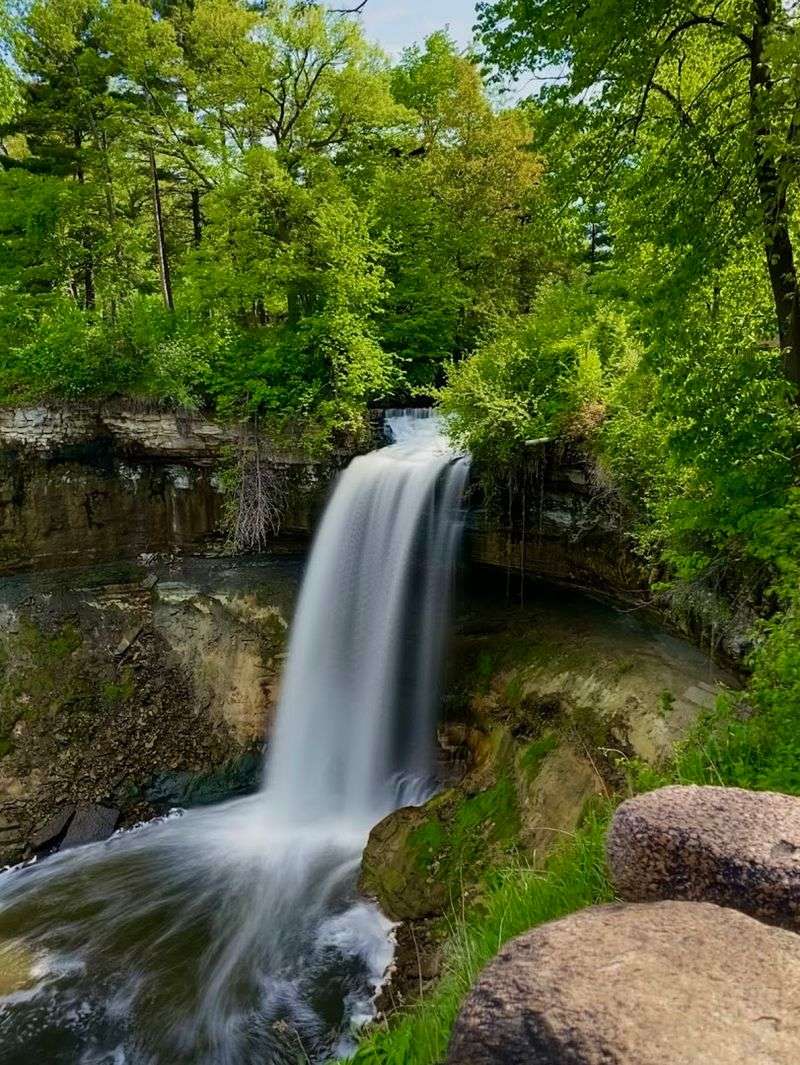
Right in the middle of a bustling city, Minnehaha Falls sits at Minnehaha Regional Park in Minneapolis, Minnesota, with the mailing address of Minneapolis, MN 55417.
The park borders the Mississippi River on the city’s south side, making it one of the most uniquely positioned natural landmarks in the entire Midwest.
You are not trekking into remote backcountry to find this waterfall. It is accessible by car, bicycle, rental scooter, or even public transit, which makes it genuinely easy for almost anyone to visit.
Paid street parking runs about $2.50 per hour, and the meters are enforced, so plan accordingly. If you prefer free parking, spots exist a short walk away.
The combination of city convenience and genuine natural beauty is exactly what makes this destination so special and worth a spot on any Minneapolis itinerary.
The Story Behind the Falls and Their Famous Name
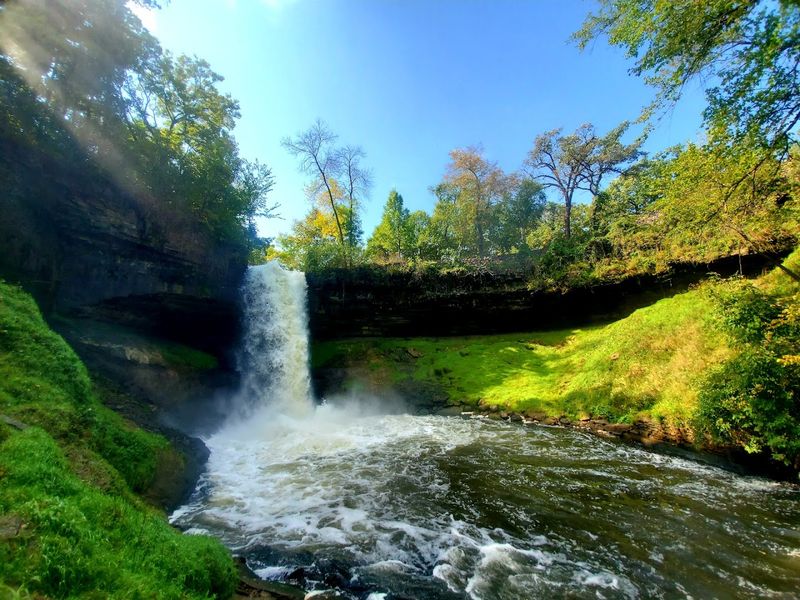
The name Minnehaha comes from the Dakota language and translates roughly to “laughing water” or “curling water,” which is one of the most fitting names any waterfall has ever received.
The falls gained national fame largely thanks to Henry Wadsworth Longfellow’s 1855 epic poem “The Song of Hiawatha,” in which Minnehaha is a central character. Longfellow never actually visited the falls himself, but his vivid descriptions sparked nationwide curiosity.
The area also holds deep historical significance as the homeland of the Dakota people long before European settlers arrived. The first European-American settler in Minneapolis, John H.
Stevens, had close ties to this area.
President Andrew Johnson visited the falls in 1865 during a tour of the region, which added to its growing reputation as a must-see American landmark.
That rich layering of Indigenous history, literary fame, and presidential visits makes every trip here feel like a walk through living history.
What the Waterfall Actually Looks Like Up Close
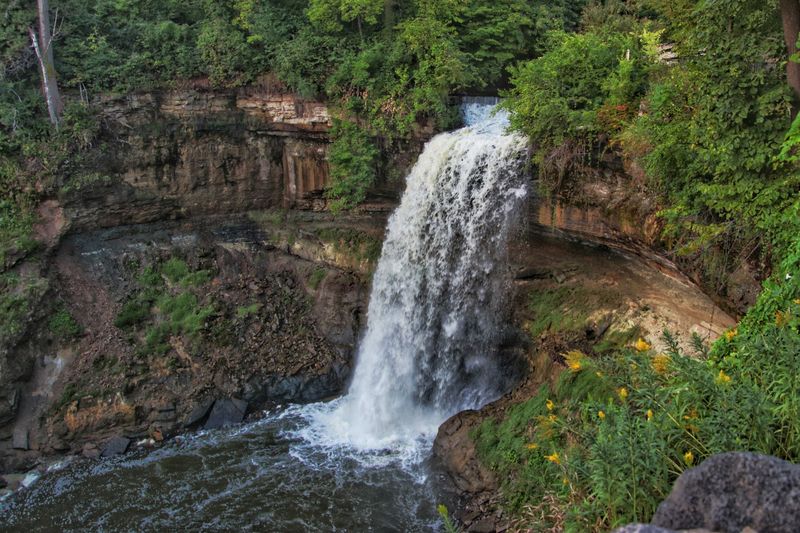
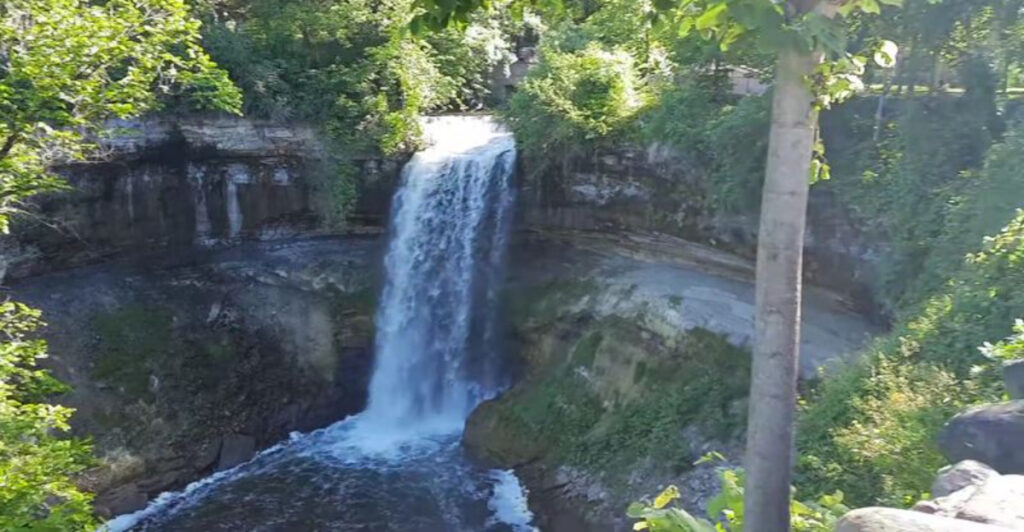
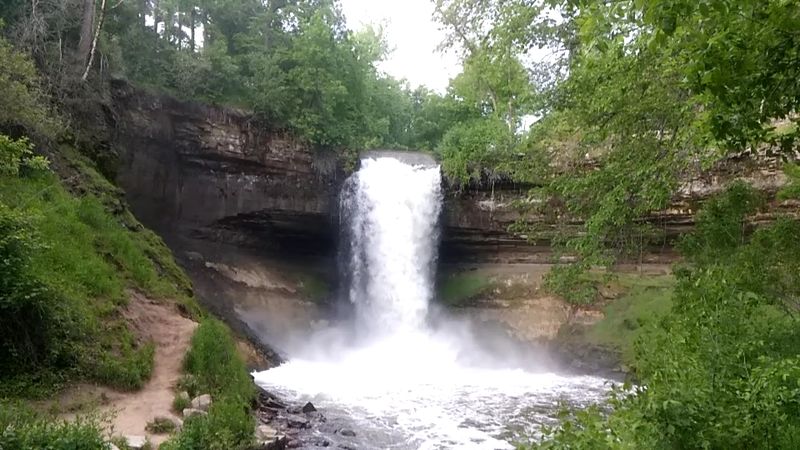
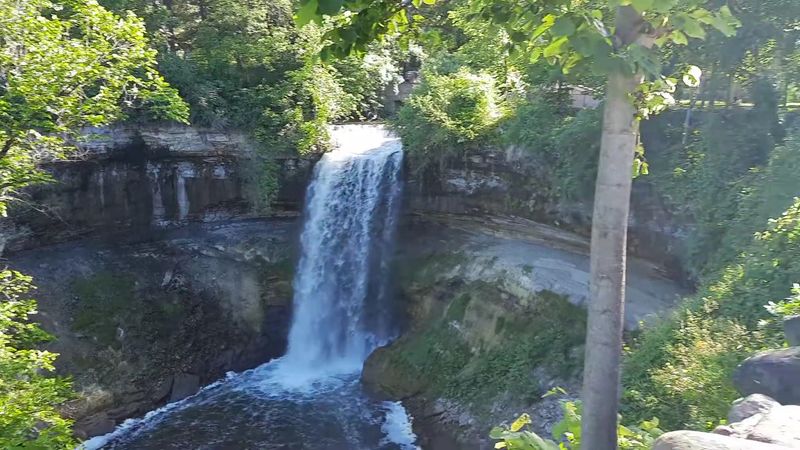
Minnehaha Falls drops about 53 feet over a limestone ledge into a narrow gorge below, creating a curtain of white water that is genuinely impressive no matter how many waterfalls you have seen before.
The surrounding gorge walls are lined with exposed rock and thick vegetation, which frames the falls beautifully and gives the whole scene a wild, untamed quality that feels surprising for an urban park.
After heavy rainfall, the volume of water increases dramatically, and the roar of the falls becomes something you feel in your chest as much as hear with your ears.
During drier summer stretches, the flow can slow to a more gentle cascade, but the setting remains striking regardless of water levels.
One important note: the area directly behind and beside the falls is closed off for safety reasons, so keep to the designated viewing areas and railings for the best and safest experience.
A Winter Transformation That Looks Almost Unreal
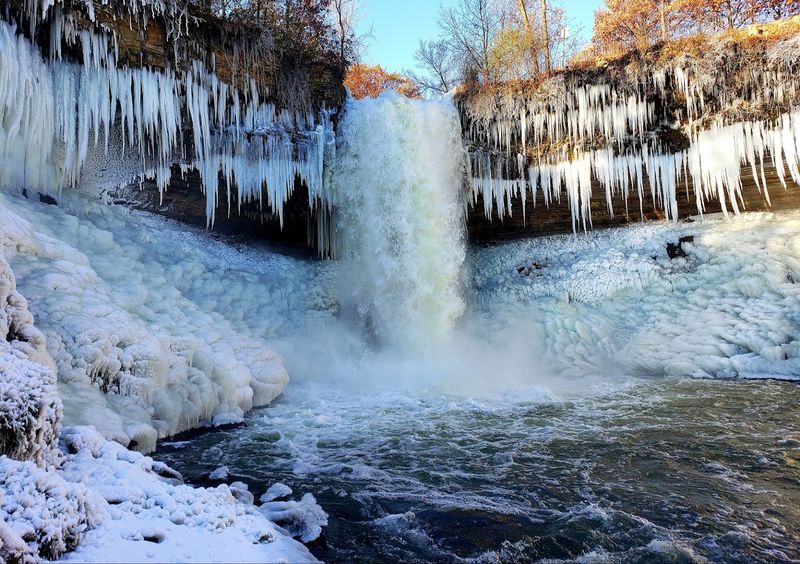
When temperatures drop in Minneapolis, Minnehaha Falls does something that most waterfalls simply cannot do: it freezes into a towering sculpture of ice that looks almost too dramatic to be real.
The flowing water slows and gradually builds into enormous ice formations that cling to the gorge walls and frame the remaining trickle of water still pushing through underneath.
Winter visitors often describe the frozen falls as one of the most visually stunning things they have ever seen in Minnesota, and that is saying something in a state full of natural beauty.
The park trails remain accessible in winter for those who dress appropriately, and the bare trees actually open up the views in ways that summer foliage hides.
Just be cautious on icy paths and never attempt to climb the frozen falls or enter the closed-off areas, as the ice can be unpredictable and the drop is significant.
The Trails That Wind Through the Park
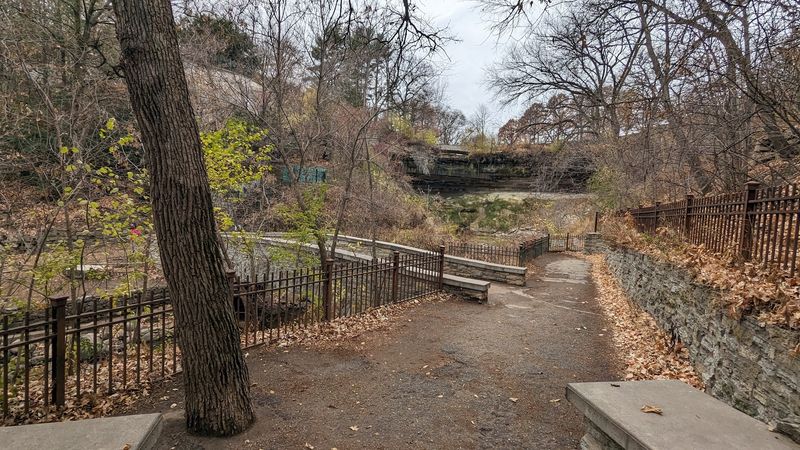
Beyond the waterfall itself, Minnehaha Regional Park offers a genuinely varied trail network that appeals to walkers of every fitness level and interest.
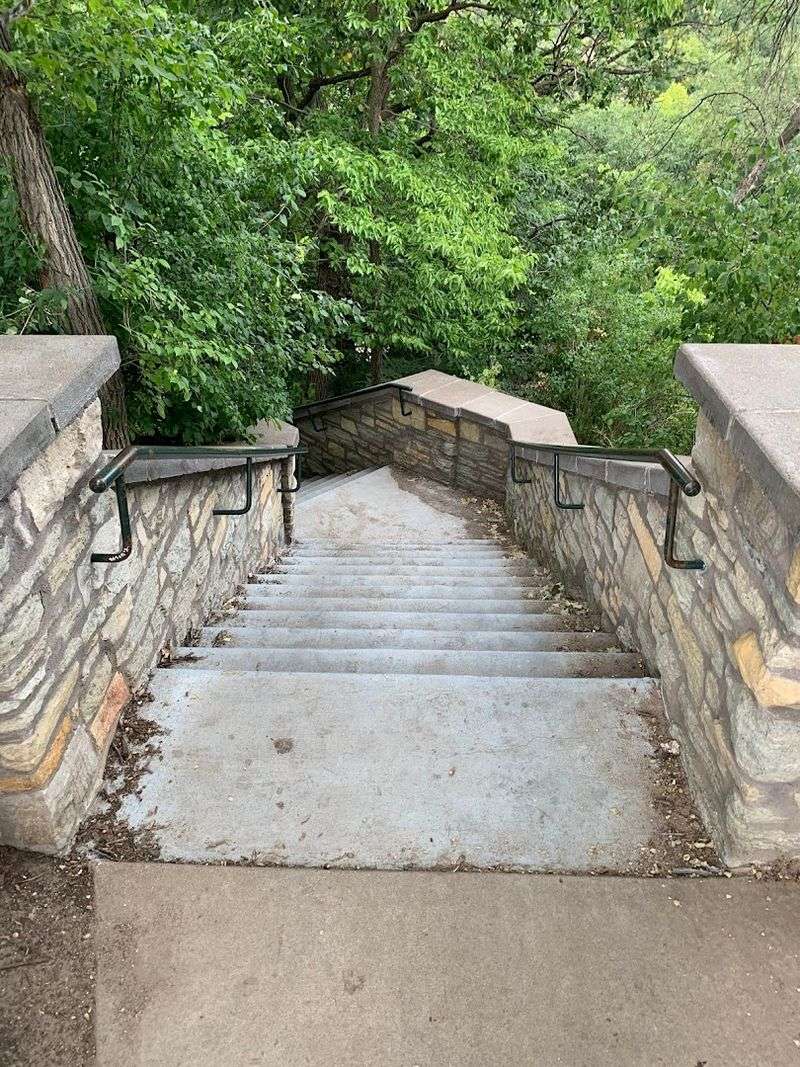
Paved paths near the upper park make for easy, flat strolling that is accessible to wheelchairs and strollers, while the lower gorge trails involve steeper terrain, 109 steps, and a more adventurous feel.
One of the best trail options follows Minnehaha Creek all the way down to where it meets the Mississippi River, passing through quiet woodland stretches that feel remarkably remote given the urban surroundings.
Along the way, you might spot multiple species of squirrels, various birds, and native plant life that thrives in the sheltered gorge microclimate.
The trail conditions are generally well maintained, though some sections can get muddy after rain. Wearing supportive shoes is a smart call, especially if you plan to explore the lower gorge rather than just the paved overlook area.
Sea Salt Eatery: The Beloved Outdoor Restaurant in the Park
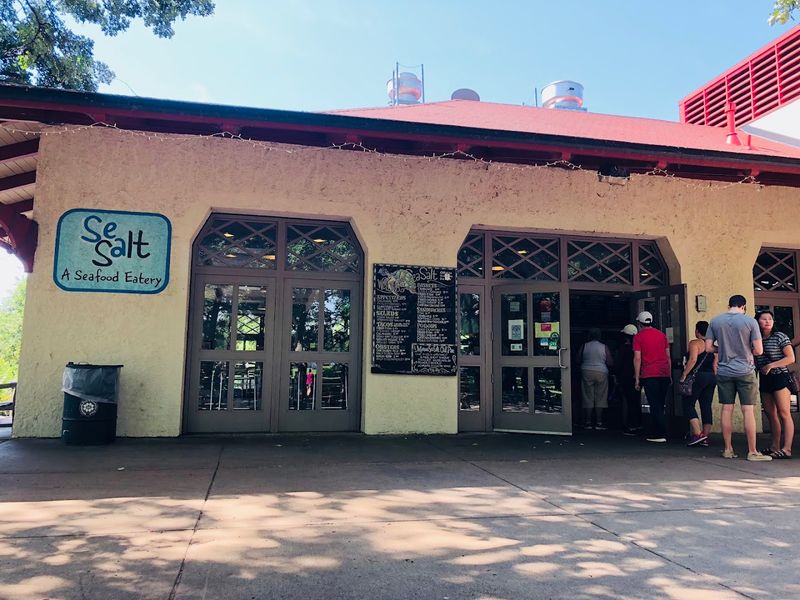
One of the most talked-about features of the park has nothing to do with water at all: it is the Sea Salt Eatery, a seasonal seafood restaurant tucked right inside the park grounds.
The menu leans heavily on fresh seafood, including oysters, fish tacos, and other coastal-inspired dishes that feel wonderfully out of place in the middle of landlocked Minnesota, and that contrast is a big part of its charm.
On warm days, the line outside Sea Salt can stretch 30 people long or more, which tells you everything you need to know about how popular it has become with both locals and out-of-town visitors.
The outdoor seating area is casual and lively, often accompanied by live music on weekends, which turns a simple lunch into a full afternoon event.
If the main line looks too long, a smaller bar area on the other side of the restaurant offers another option for grabbing a bite without the extended wait.
Biking, Scooters, and Other Ways to Explore
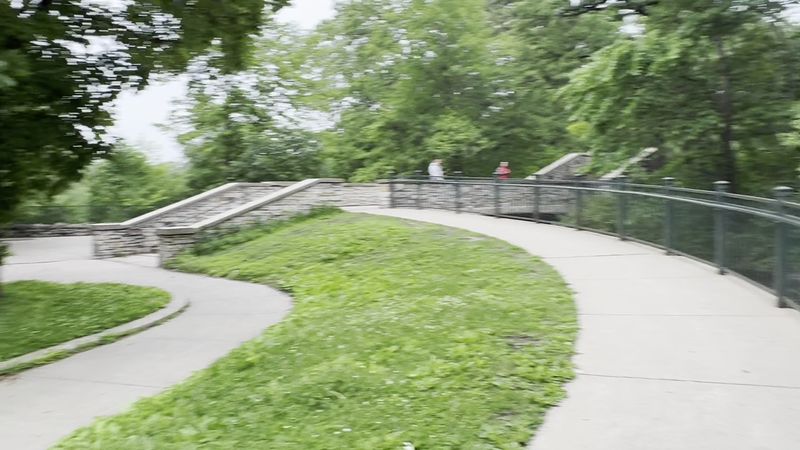
Not everyone wants to explore the park on foot, and Minnehaha has thought of that. Bike rentals are available right in the park, including multi-person pedal bikes that can carry the whole family at once.
The first hour of a multi-person rental runs around $29, which climbs with additional time, so it is worth planning your ride duration before you commit. Solo bike rentals are also available for those who prefer their own pace.
Electric scooter rentals offer another option for covering more ground with less effort, which is especially useful if you want to explore both the upper and lower sections of the park without too much exertion.
The paved trail network connects seamlessly with Minneapolis’s broader cycling infrastructure, meaning confident riders can extend their route well beyond the park boundaries.
Whether you prefer two wheels or your own two feet, the park’s layout rewards exploration and makes it easy to discover new corners every time you visit.
Events and Festivals That Bring the Park to Life
The park does not just sit quietly waiting for casual visitors. Throughout the warmer months, Minnehaha Regional Park hosts a rotating calendar of events that add an extra layer of energy to an already lively space.
A bluegrass festival draws crowds who spread out on the grass and enjoy live music against the backdrop of the park’s natural beauty, which is the kind of unexpected combination that makes for a genuinely memorable afternoon.
Art in the Park is another popular annual event that brings local artists and their work into the outdoor setting, turning the park into an open-air gallery for the day.
The NAMI Walk, a mental health awareness fundraiser, also uses the park as its course, reflecting the community’s deep connection to this green space as more than just a scenic destination.
Checking the park’s event calendar before your visit is always a good idea, since arriving on a festival day turns a regular outing into something far more memorable.
The Historic Structures and Memorials Worth Noticing
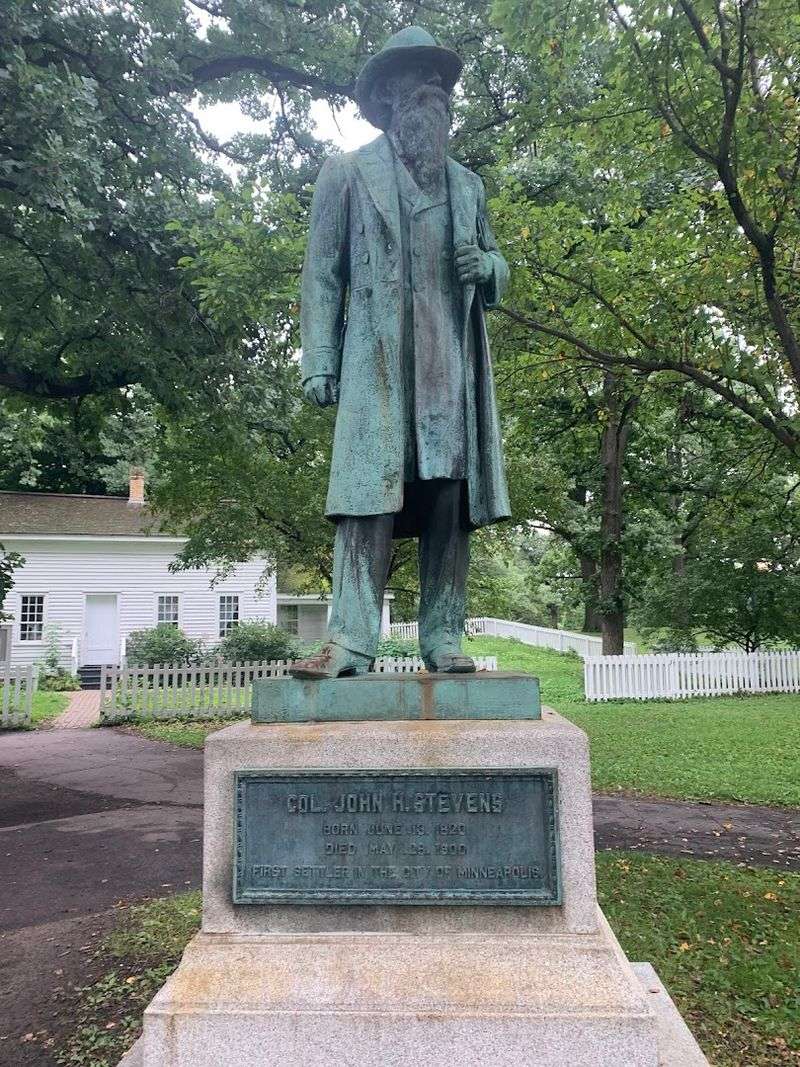
The park is not only a natural attraction. It also holds several historic structures that give visitors a tangible connection to Minneapolis’s earliest days as a city.
The John H. Stevens House, considered the first frame house built by a European-American settler on the west bank of the Mississippi in Minneapolis, has been relocated to the park and is open for visits.
An old railway station also stands within the park grounds, serving as a quiet reminder of the era when the Milwaukee Road railroad brought passengers directly to the falls as a popular leisure destination.
Various memorials and monuments are scattered through the upper park area, adding a more formal and reflective tone to what is otherwise a relaxed outdoor space.
Taking a slow walk through the upper park with attention to these historical markers adds a completely different dimension to the visit that purely nature-focused visitors sometimes miss entirely.
Practical Tips for Getting the Most Out of Your Visit
A few practical details can make the difference between a smooth visit and a frustrating one. Paid parking is the most convenient option and runs about $2.50 per hour, with enforcement taken seriously, so feeding the meter matters.
The top viewing area near the falls overlook is fully wheelchair accessible, which is a genuine plus for visitors with mobility considerations. Getting to the base of the falls requires descending 109 steps, which is worth knowing in advance.
The park has clean, well-maintained restrooms available near the main areas, and trash cans are placed at regular intervals, which helps keep the grounds tidy.
Summer and fall visits are the most popular, but water levels can be lower during dry stretches. Visiting after a period of rainfall typically rewards you with a much more dramatic flow.
Arriving on a weekday morning rather than a weekend afternoon is the easiest way to enjoy the falls with fewer crowds and more breathing room on the trails.
Why This Waterfall Keeps Pulling People Back Again and Again
There is something about Minnehaha Falls that is genuinely hard to explain until you have stood at the overlook and let the sound of rushing water wash over you on a warm afternoon.
The falls are free to visit, the park is enormous and varied, and the combination of natural scenery, historical depth, family amenities, and food options creates a destination that works for almost every type of visitor.
People travel from Kansas, from across the Midwest, and from far beyond just to stand at this waterfall for a few minutes, and nearly all of them leave wishing they had more time.
The fact that it sits inside a major American city and still manages to feel like a genuine escape from urban life is the kind of quiet magic that keeps locals coming back season after season.
Whether it is your first visit or your fifteenth, Minnehaha Falls has a reliable way of reminding you that beauty does not always require a long drive to find.
Share this story