 Unearth The Voyage
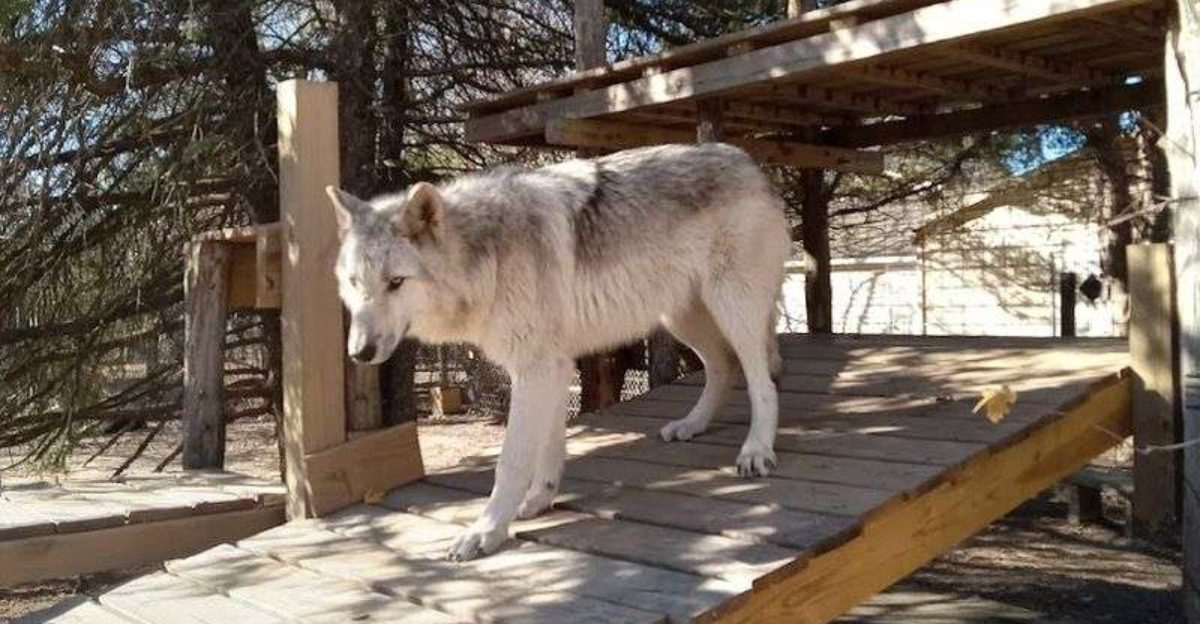
Jackson Township has a place that turns an ordinary day trip into a story people keep retelling long after the drive home. Instead of another predictable stop with a ticket booth and a quick lap around the grounds, this experience centers on rescue, education, and close attention to animals that are often misunderstood.
The result is a visit that feels far more personal than a standard attraction, with volunteers guiding guests through the real differences between wolves, wolfdogs, and the myths that usually follow them around. Readers who keep going will get the full picture: where this nonprofit sits, how the tours work, what makes the animals so memorable, and why this quiet corner of New Jersey has built such a loyal following among families, animal advocates, photographers, and anyone who likes a day out with a little more substance than a gift shop and a parking lot.
A Hidden Address With a Big Mission
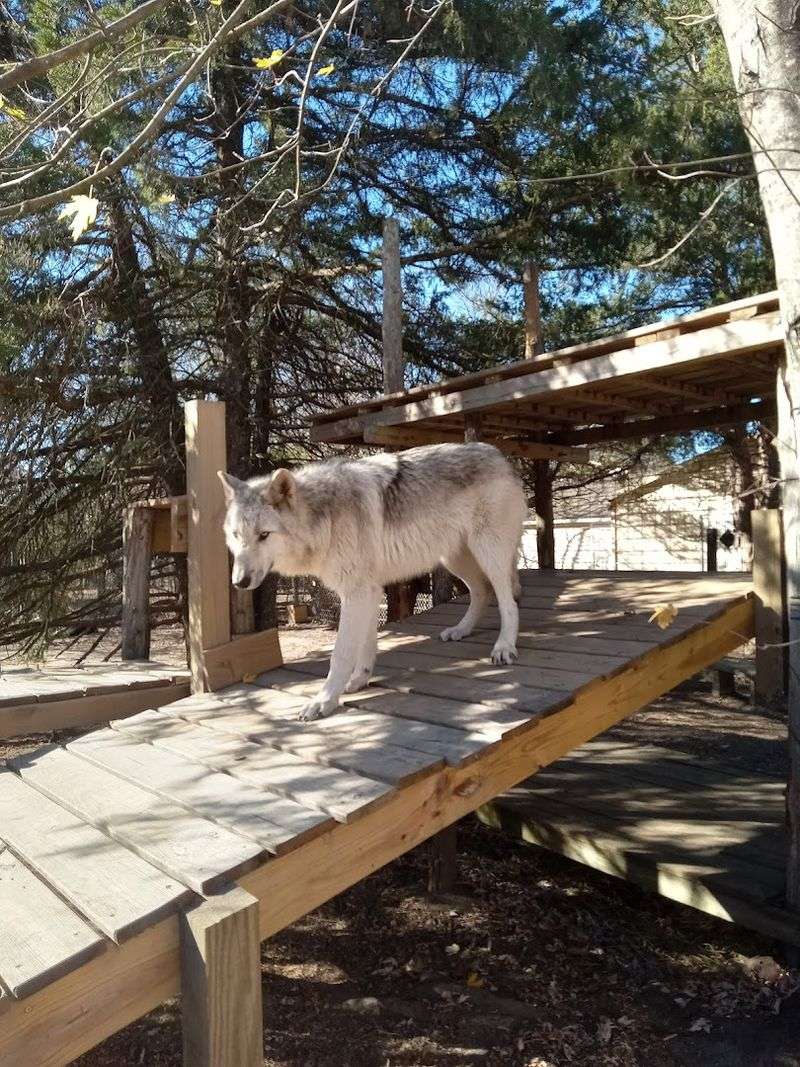
Tucked into Ocean County, Howling Woods Farm stands at 1371 W Veterans Hwy, Jackson Township, NJ 08527, in the United States, and it is not the kind of place that tries to compete with flashy attractions. This education center keeps the focus on rescued wolfdogs and on teaching visitors what responsible care actually looks like.
That mission matters because the farm is not presented as a novelty stop. It works best for travelers who want a meaningful visit built around learning, respectful interaction, and a nonprofit model that supports the animals living there.
Jackson is better known for bigger entertainment options, which makes this stop feel even more surprising. A place devoted to rescued canines, guided tours, and myth busting has a way of changing the entire tone of a local itinerary, and that twist is exactly the point.
Why This Place Feels Different
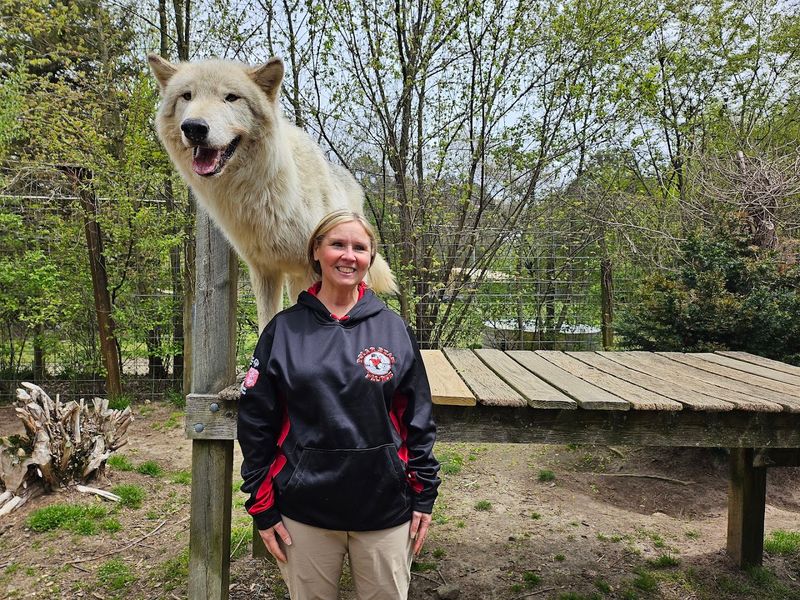
Plenty of animal attractions promise an experience, but this one leans hard into education first. The setting revolves around rescued wolfdogs, volunteer guides, and practical information about how these animals differ from common pets and why that distinction matters.
That approach gives the visit a stronger backbone than a casual meet and greet. Guests are there to learn about behavior, habitat needs, responsible ownership, and the rescue work required when people underestimate what wolfdog care involves.
It also helps that the atmosphere comes across as organized rather than gimmicky. Reviews consistently point to knowledgeable guides, clear explanations, and a sense that every part of the tour exists to support the animals rather than to turn them into props, which is a refreshing choice in a world full of shortcuts.
The Rescue Story at the Center
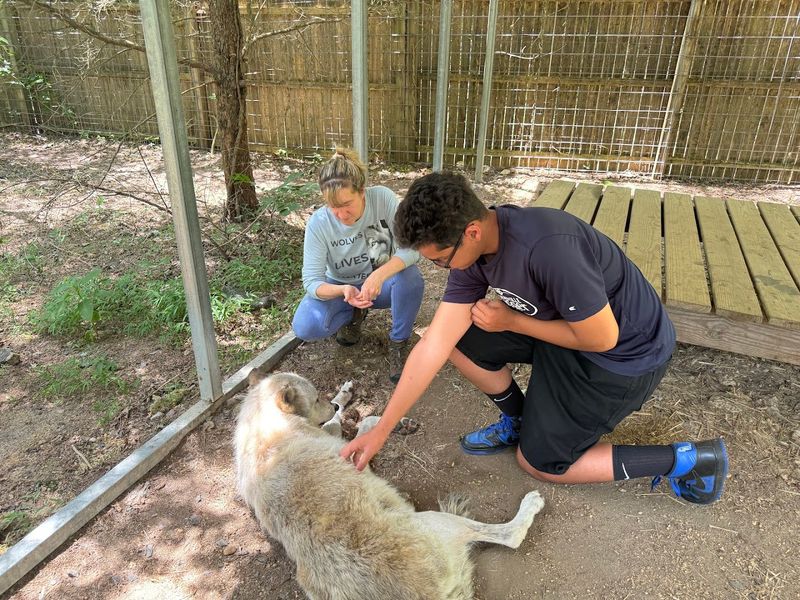
The real heart of Howling Woods Farm is rescue. The animals here are not presented as collectibles or curiosities, but as wolfdogs that need knowledgeable handling, stable routines, and an environment built around long term care.
That focus changes how the whole property reads to visitors. Instead of a simple outing, the tour becomes a window into what happens when animals with complex needs end up in situations their owners were never prepared to manage.
It also explains why people leave talking about more than photos. A visit here introduces the bigger issue behind wolfdog ownership, including how quickly fascination can turn into a welfare problem, and the farm addresses that reality without turning the experience into a lecture, which is a very tricky balance to pull off.
Tours That Actually Teach
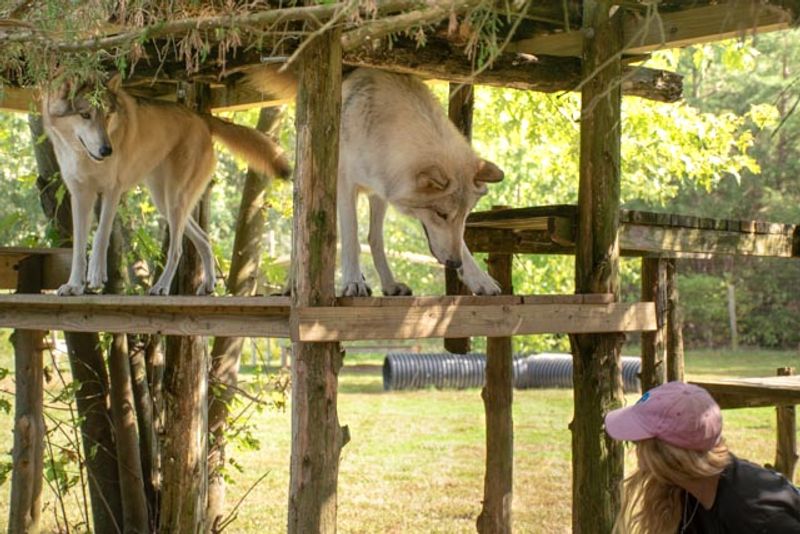
Guided tours are the backbone of the visit, and that is good news for anyone who likes a destination with some structure. Rather than wandering around guessing what is happening, guests move through the property with volunteers who explain the animals, the rescue work, and the rules that keep everyone comfortable.
Those guides seem to be one of the place’s strongest assets. Visitor feedback repeatedly highlights how informed, patient, and engaged the volunteers are, and that kind of consistency usually says more about an organization than any polished brochure ever could.
The tour format also keeps the experience grounded in context. Questions are part of the rhythm, the answers are part of the value, and by the end the farm feels less like a stop on a map and more like a class that happened to include some very famous four legged residents.
Meeting the Residents Respectfully
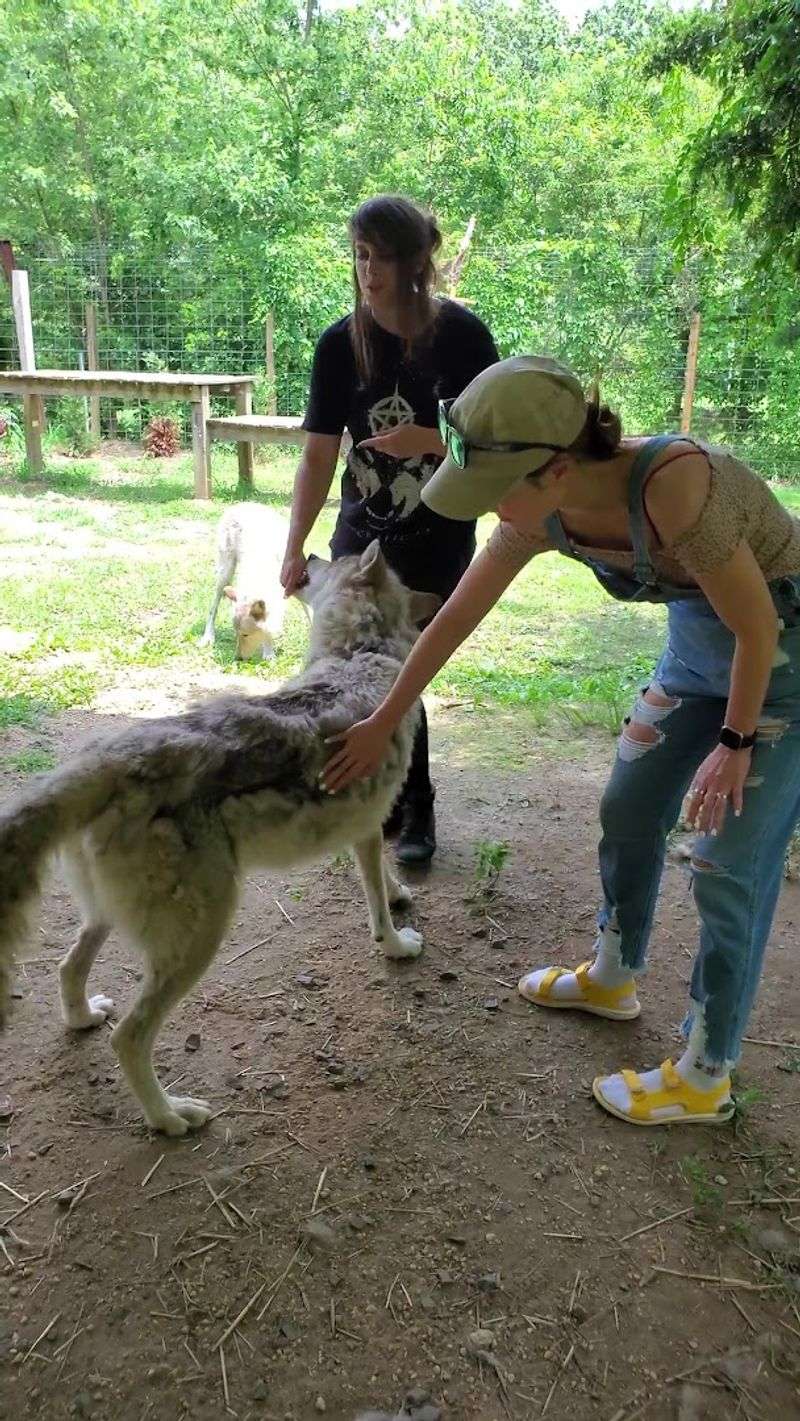
One reason people talk about Howling Woods Farm so enthusiastically is the possibility of close interaction with some of the wolfdogs. The key word is some, because the farm appears to handle contact in a supervised, animal centered way rather than treating every encounter as guaranteed entertainment.
That distinction matters. Reviews suggest visitors may have opportunities for photos or gentle contact when the animals approach on their own terms, which keeps the emphasis on respect and appropriate boundaries instead of forced performance.
For travelers, that makes the experience more memorable and more credible at the same time. Nothing feels more reassuring than a place willing to let the moment depend on the animals rather than on a sales pitch, and that policy probably explains why so many guests leave feeling both thrilled and unexpectedly better informed.
A Volunteer Powered Experience
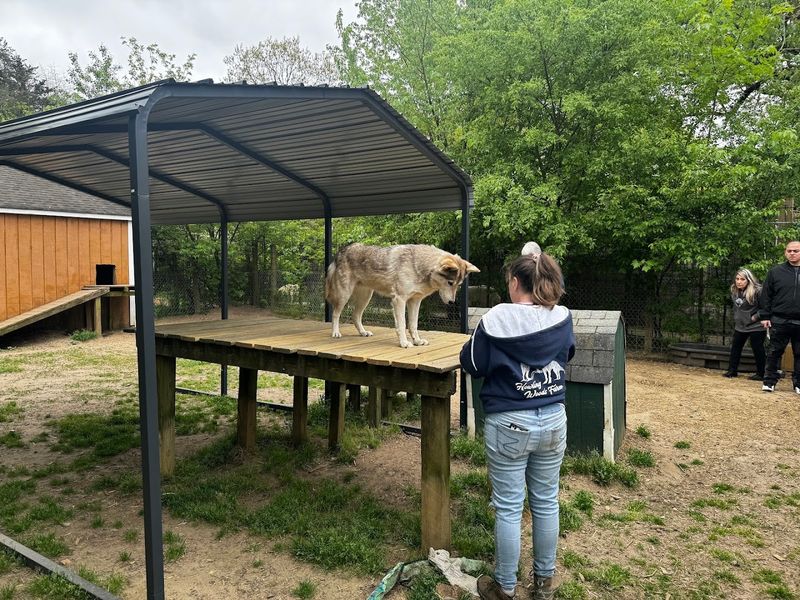
Behind the tours and public visits, volunteer energy seems to hold the whole operation together. Guest comments regularly praise the people leading the walks, answering questions, and making sure visitors of different ages and mobility levels feel included rather than rushed along.
That kind of attention does not happen by accident. It reflects a culture that values patience, communication, and consistency, which are especially important in a place built around rescue animals and educational programming.
The volunteer presence also gives the farm a community based identity that fits its nonprofit mission. Visitors are not just meeting animals, they are seeing what organized care looks like when people genuinely invest their time in it, and that can make a stronger impression than any polished attraction built mainly for crowd control.
What Families and First Timers Should Know
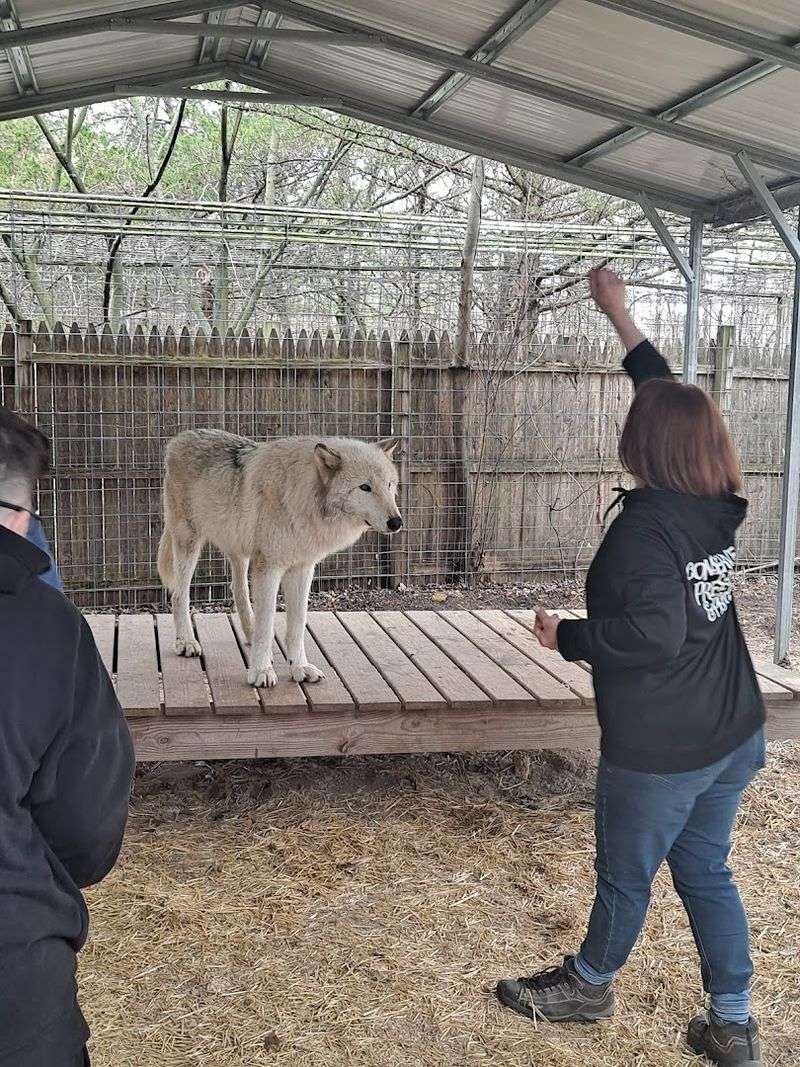
For families, first timers, and anyone bringing a friend who thinks this will be a quick roadside stop, a little expectation setting helps. Howling Woods Farm works best as an educational visit with a calm pace, guided walking, and plenty of attention to rules and animal behavior.
That makes it suitable for people who enjoy learning as much as looking. Children who are curious and willing to listen will probably get more out of the tour than those expecting nonstop action, because the experience relies on observation, conversation, and patience.
It is also wise to treat the visit as a focused outing rather than part of a packed schedule. When a place is built around rescue work and live animals, the best moments are rarely the rushed ones, and this farm seems designed for guests who can slow down long enough to let the details do the heavy lifting.
Why Animal Lovers Keep Returning
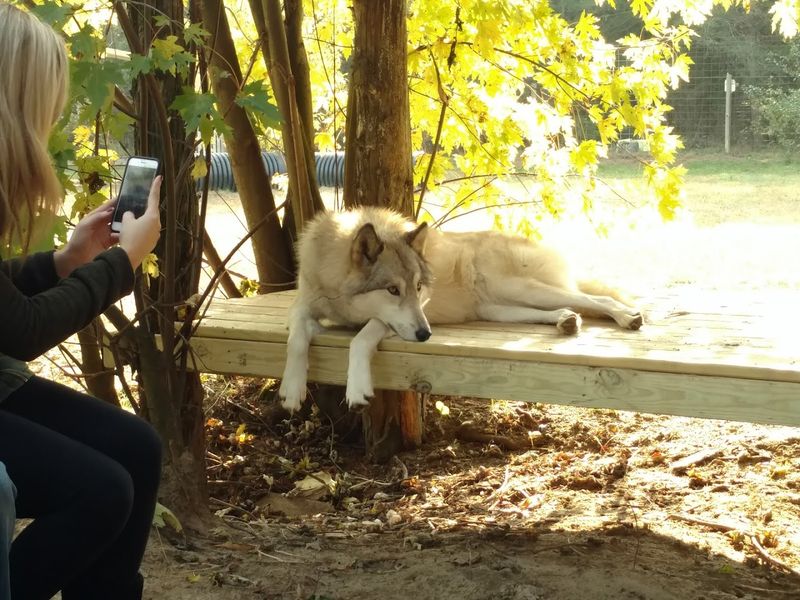
Repeat visits come up again and again when people describe Howling Woods Farm, and that says a lot about its staying power. A destination does not earn return trips simply by being unusual once; it earns them by offering substance, warmth, and enough depth that a second tour still feels worthwhile.
Part of that appeal seems to come from the personalities of the animals and the guides. Even when the overall format stays familiar, the interactions can change, the educational details can land differently, and the nonprofit mission gives each visit a renewed sense of purpose.
There is also a comfort in knowing the experience supports ongoing care rather than a disposable attraction model. Guests are not just buying a brief memory for a phone gallery, they are helping sustain a place many people clearly want to revisit, recommend, and fold into their New Jersey routine.
Best Time to Plan a Visit
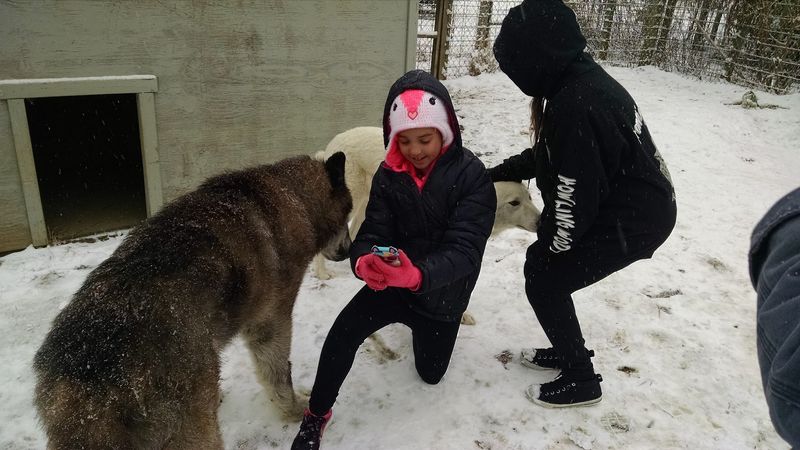
Seasonal timing can shape the day, so planning ahead is worth the effort. Reviews mention visits in late spring, winter, and colder conditions, which suggests the farm operates as a year round destination with tours that remain worthwhile across different parts of the calendar.
That said, weather will naturally influence comfort and pace because the experience is outdoors and guided on foot. Visitors who prefer easier walking conditions may lean toward mild days, while others may enjoy returning in cooler months for a different backdrop and energy.
The smart move is to think less about chasing a perfect date and more about choosing a day that suits the group. Since the real draw is education, rescue work, and respectful time around the animals, this is one of those places where good planning matters more than trying to outsmart the forecast.
The Gift Shop With a Purpose
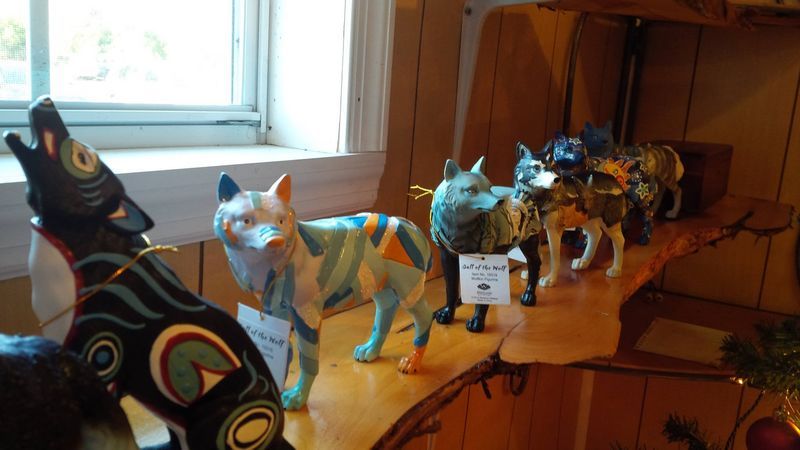
Not every gift shop deserves a paragraph, but this one does because it appears tied closely to the mission. Visitors mention finding thoughtful items there, and the important detail is that purchases support the care of the animals rather than just filling shelf space for the sake of souvenirs.
That gives the shop a practical role in the overall experience. A small purchase becomes another way to contribute, which fits neatly with the nonprofit model and keeps the retail side from feeling detached from the educational side.
For travelers who like to leave with something concrete, this is a better ending than the usual forgettable trinket rack. The merchandise matters because the purpose behind it is clear, and that clarity makes the final stop feel less like an exit strategy and more like one last way to support the farm.
Practical Tips Before You Go
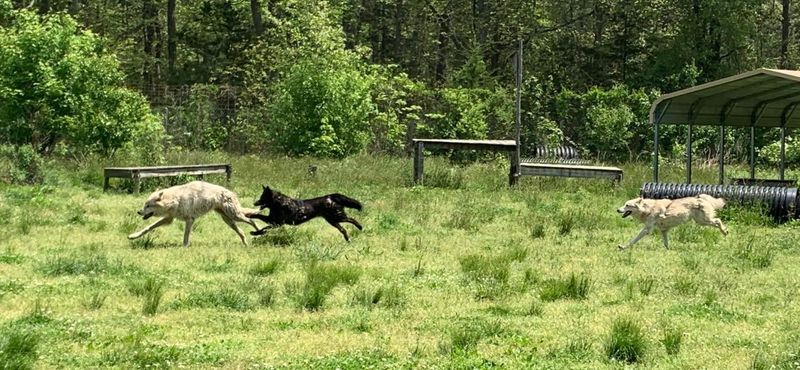
A few practical notes can make the day smoother. Since tours are central to the experience, checking current scheduling through the farm’s website before heading out is a smart move, and visitors should expect an organized visit rather than a drop in style attraction.
Comfortable footwear and a little time buffer are also useful because the property is explored on foot. Guests should arrive ready to listen, follow staff guidance, and let the pace of the tour set the tone instead of treating the farm like a race between photo opportunities.
Most of all, it helps to arrive with the right mindset. This is a rescue focused education center in Jackson Township, not a stage set, and people who lean into that distinction usually leave with a better experience, a clearer understanding of wolfdogs, and far more to talk about on the ride home.
A New Jersey Stop Worth Talking About
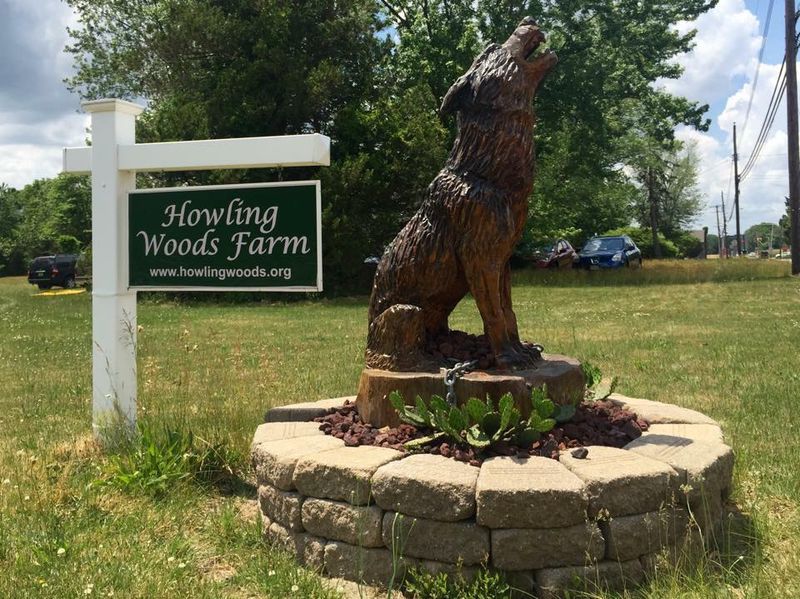
By the end of a visit, Howling Woods Farm stands out for something increasingly rare: it knows exactly what it is. This Jackson Township destination is not trying to be a theme park, a roadside stunt, or a vague animal attraction with a big sign and a thin purpose.
Instead, it delivers a focused combination of rescue work, education, volunteer commitment, and carefully managed access to animals that people are naturally curious about. That mix gives the farm real substance and helps explain why so many guests describe it as both meaningful and fun.
For anyone building a New Jersey itinerary with room for one truly unusual stop, this place earns strong consideration. The setting is modest, the mission is clear, and the experience leaves people with more than a few photos, which is a pretty impressive trick for a quiet spot off West Veterans Highway.



