 Unearth The Voyage
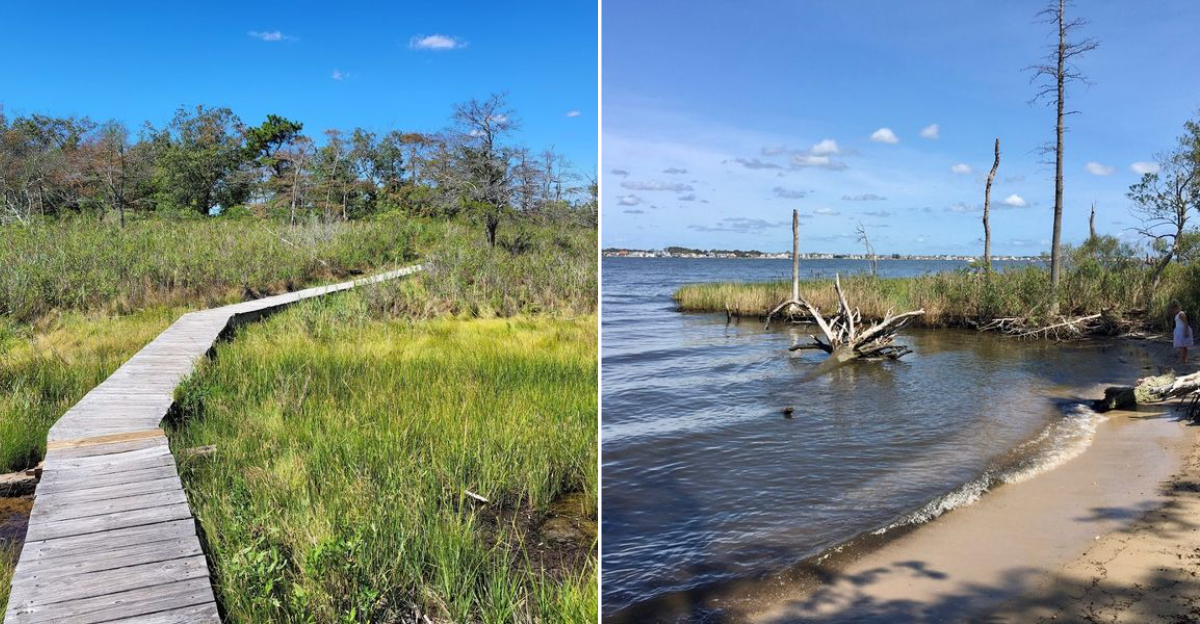
Toms River has a way of surprising people, and this park may be its smartest plot twist. It offers the kind of outing that feels organized by nature and edited by practical planners: clear trails, strong bay access, family-friendly features, and enough variety to keep a casual stroller and a devoted birder equally happy.
Instead of flashy attractions, the appeal comes from preserved wetlands, broad walking routes, a nature center, and those satisfying moments when the town seems to fall away. Keep reading, because this is the rare coastal park that works for a quick afternoon, a longer weekend ramble, or a reset when regular routines start acting like unpaid interns.
Where It Actually Is
Hidden in plain sight, Cattus Island County Park sits at 1170 Cattus Island Blvd, Toms River, NJ 08753, in Ocean County, New Jersey, United States. That full address matters because the park feels much farther from busy roads than the map suggests, which is part of its appeal.
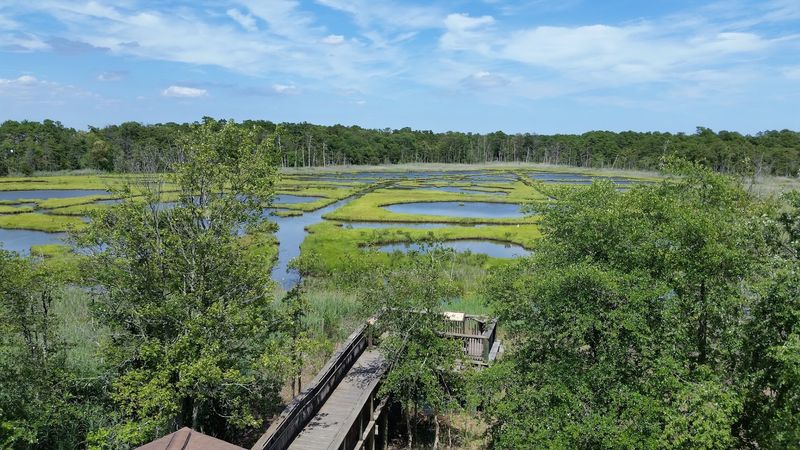
The setting places visitors near Barnegat Bay, with preserved marshland, woodland, and shoreline all shaping the experience. It is not a tiny neighborhood green space pretending to be bigger than it is; this park covers substantial ground and gives Toms River a quieter side that many people do not expect.
For travelers planning a stop, the location is straightforward, the destination is public, and the purpose is refreshingly simple: get outside and slow down. In a state full of competing weekend plans, this address quietly makes a strong case for itself.
Why It Feels Removed

Some parks announce themselves loudly, but this one prefers a lower profile. The road in narrows the focus, and by the time visitors reach the main trail area, Toms River starts to feel less like a busy township and more like a gateway to protected coastal land.
That sense of removal comes from the layout as much as the landscape. Wide paths, stretches of woods, marsh edges, and bay-facing segments create a layered route that separates the park from nearby development without asking anyone to drive far or commit to a rugged expedition.
The result is a place that feels useful in several ways at once. It can serve as a short break, a steady walk, a family outing, or a repeat destination for people who want the same park to show a slightly different side each time, which is a neat trick for one address.
Trails That Keep It Simple
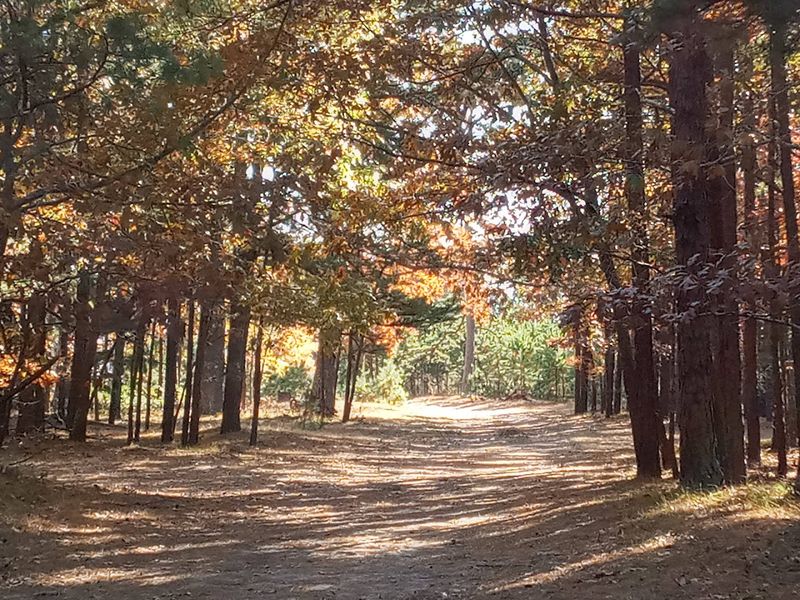
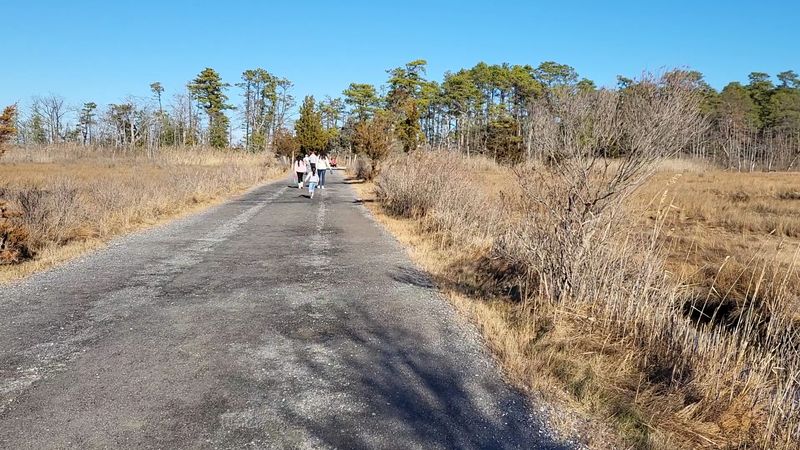
Trail systems can sometimes feel like puzzles designed by overly confident cartographers, but Cattus Island keeps things mostly approachable. Visitors regularly mention the wide main route, clearly maintained paths, and loop options that allow a walk to stay short or stretch into something more substantial.
Color markers help guide the way, and the overall network supports different styles of visits. A stroller-friendly outing, a casual bike ride, a dog walk, or a longer ramble can all fit here without making the park feel overly engineered or stripped of its natural setting.
There is one practical note worth taking seriously: pay attention to the trail markings. A few people have found navigation less obvious in spots, especially when turning onto side loops, so this is a park where glancing up at the markers is smarter than pretending to be a wilderness expert for the afternoon.
Boardwalks and Bay Views
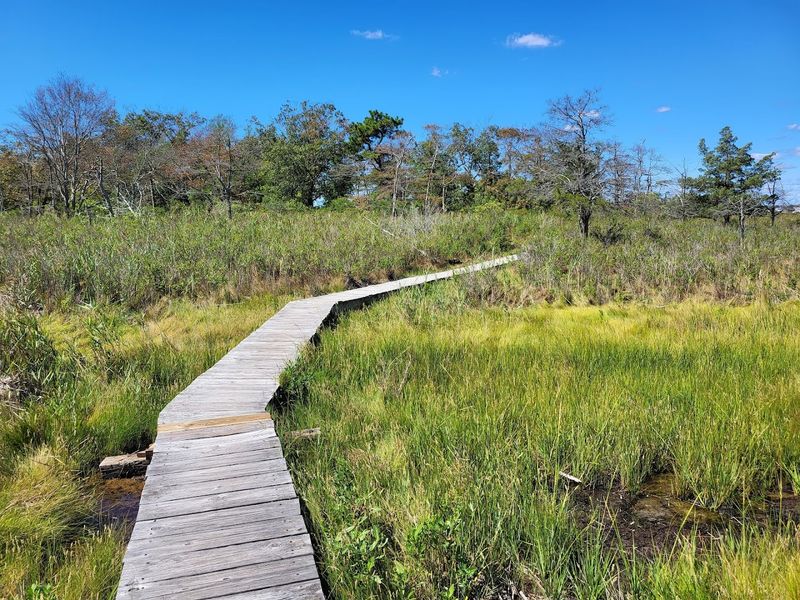
Then the park changes gears and trades solid ground for raised pathways over wetlands. The boardwalk sections are among the most memorable parts of Cattus Island County Park because they open up the marsh landscape and lead attention toward the water without turning the visit into a strenuous hike.
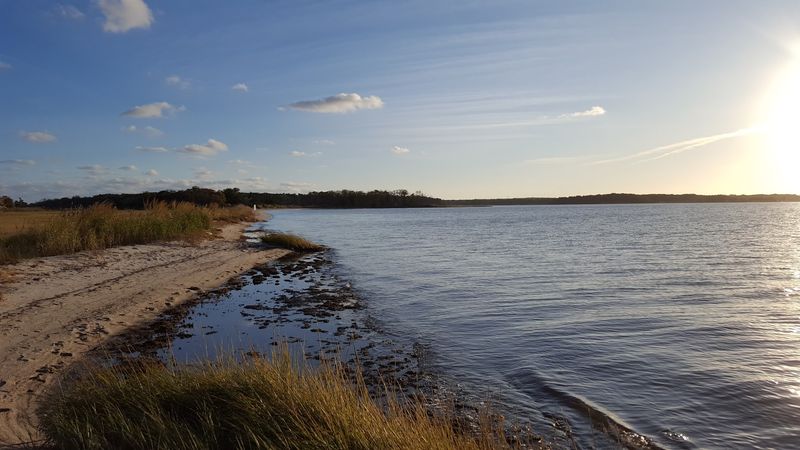
Bay views are a major part of the reward. Several trails bring visitors toward open stretches near Barnegat Bay, and those transitions from wooded sections to shoreline outlooks give the park a wider, more varied character than many inland walking areas can offer.
This is also where the park’s personality sharpens. It is not only about logging steps or checking a box on a local outing list; it is about following a route that keeps shifting between woods, marsh, and water, as if the park politely refuses to stick to a single category.
A Strong Pick for Birding
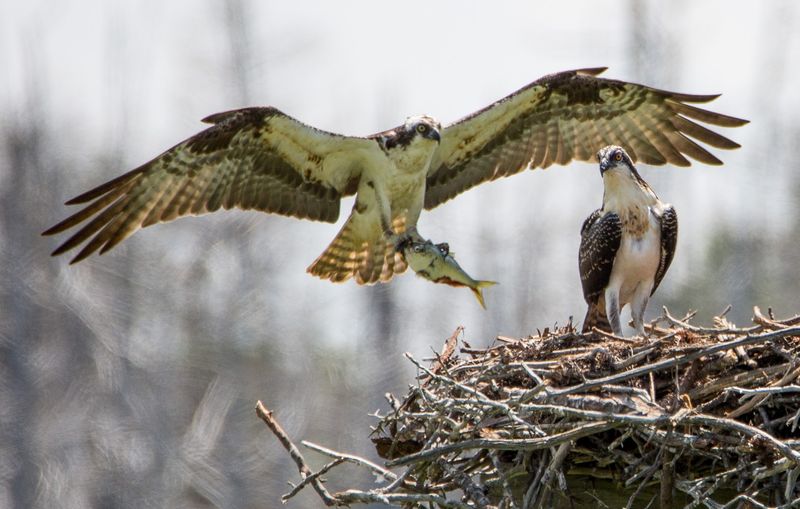
Birders do not need much convincing here, because the park’s habitats do a lot of the work. Marshland, shoreline, wooded areas, and open water edges create the kind of variety that attracts attention from anyone who carries binoculars or simply knows an osprey nest when they see one.
Ospreys are a recurring highlight, and visitors also mention egrets and blue herons around the trails and water. The park gives birdwatching a practical setup rather than a theatrical one, with overlooks, boardwalk segments, and open areas that make observation part of an ordinary walk.
Even for people who cannot identify every feathered resident on sight, the appeal lands easily. The fun comes from realizing this is not a decorative landscape with occasional wildlife appearances; it is functioning habitat, and the human visitor is the one who briefly drops into the schedule.
The Nature Center Bonus
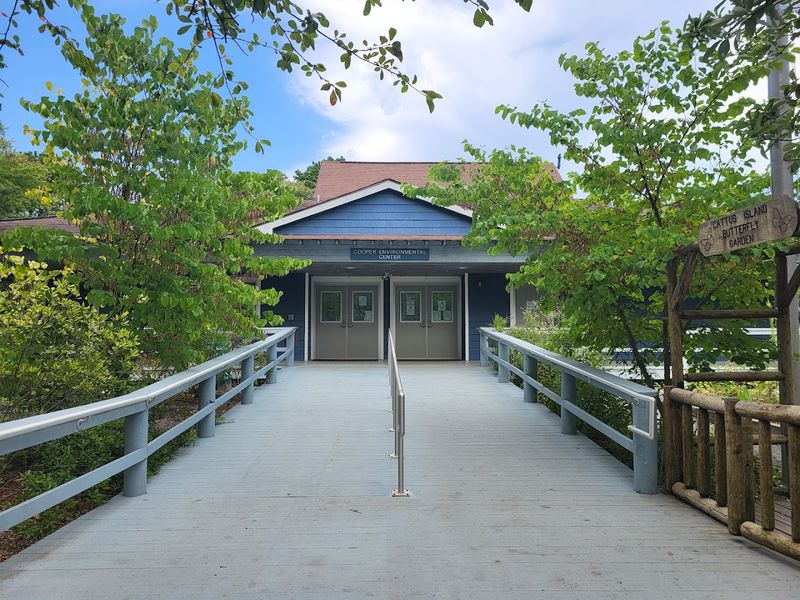
Just when the park could coast on trails alone, the nature center adds another reason to stay longer. Educational exhibits and displays featuring local wildlife, gives families and curious adults an indoor-orientation point that deepens the outdoor experience.
This feature matters because it broadens the audience. A visitor does not need to be committed to a long walk to enjoy the park, and children get a destination that mixes movement with learning instead of treating education like homework disguised as recreation.
The nature center also helps explain why this place works so well for repeat visits. A park can offer scenery once, but a well-used environmental center gives context, encourages questions, and makes the surrounding marshes and trails feel less like random open space and more like a living system with its own local cast.
Butterflies, Gardens, and Small Details

Not every memorable feature here involves distance or big views. Near the nature center, the butterfly garden gives the park a smaller-scale point of interest that fits neatly with its educational mission and rewards visitors who like parks with thoughtful details instead of nonstop motion.
Native plantings and pollinator-focused spaces help connect the main walking experience to the broader ecology of the site. That is useful for families with children, casual gardeners, and anyone who appreciates seeing a county park do more than provide a loop trail and call it a day.
The garden also changes the rhythm of a visit. After marsh paths and shoreline stretches, this area brings attention back to how carefully the park interprets its environment, proving that Cattus Island is not trying to win attention through spectacle when patient design will do the job perfectly well.
Good for Families Without Trying Too Hard
Family-friendly parks often promise too much and then offer one bench and a patch of grass, but this one earns the label honestly. Cattus Island County Park includes easy walking routes, a playground, picnic areas, restrooms, and the nature center, which gives parents several ways to build a visit around attention spans that may shift quickly.
The layout helps, too. A group can commit to a short outing, spend time at the playground, stop by the exhibits, and still get a meaningful look at the marsh and bay landscape without needing a heavily planned schedule or advanced hiking ambition.
That flexibility is one of the park’s strongest qualities. It supports different ages without splitting the experience into separate worlds, so adults are not stuck pretending the playground is the entire attraction and kids are not forced into a lecture disguised as leisure, which is a diplomatic win for everyone involved.
Dogs, Bikes, and Easy Motion
Plenty of parks claim to welcome everyone, but the practical details here make that statement believable. Visitors regularly describe Cattus Island as dog friendly, and the wide, packed main path also makes it comfortable for biking, easy walking, and a pace that does not require special gear or trail bravado.
That combination matters because accessibility is not only about ramps and parking spaces. It is also about whether a place allows different users to share the same route without constant bottlenecks, awkward terrain, or the feeling that someone chose the wrong outing for their group.
The park handles that balance well. More rustic side paths still exist for people who want variation, but the central routes keep the experience open to a broad range of visitors, proving that a county park can be practical and interesting at the same time without turning into a paved compromise.
Best Seasons and Smart Timing
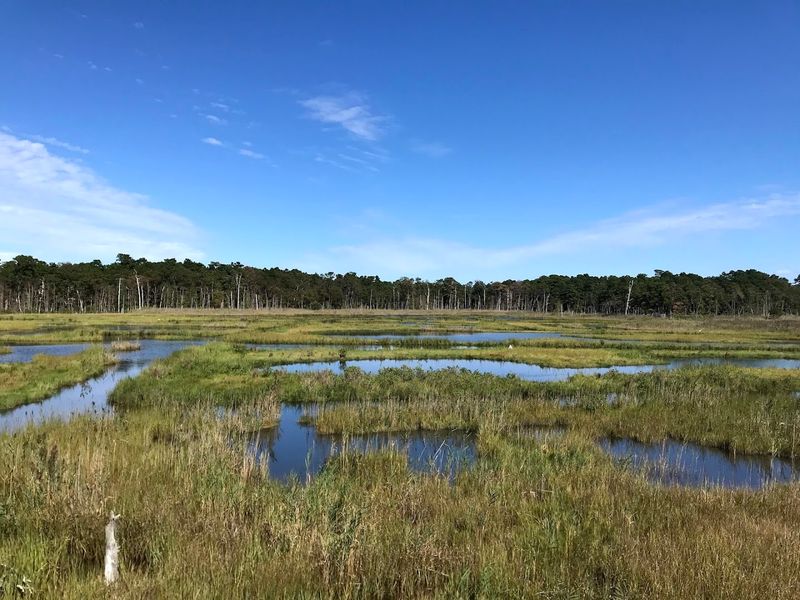
Timing can shape this visit more than people expect, and local experience points to a useful pattern. The park works year-round, but cooler months often make longer walks easier, while summer requires more planning thanks to insects and exposed sections near marsh and water.
That does not mean warm-weather visits are off the table. It means visitors should arrive prepared with practical clothing, repellent, and a realistic sense of how coastal environments behave, especially on trails that move between woodland edges, boardwalks, and shoreline areas.
Off-season visits also come with a quieter atmosphere that many people appreciate. Fall and winter can make the park feel more spacious, while spring and summer highlight gardens, wildlife activity, and family use, so the best season really depends on whether the goal is extended walking, birding, or simply claiming a calm afternoon before the calendar fills up again.
A Place for Photos and Patience
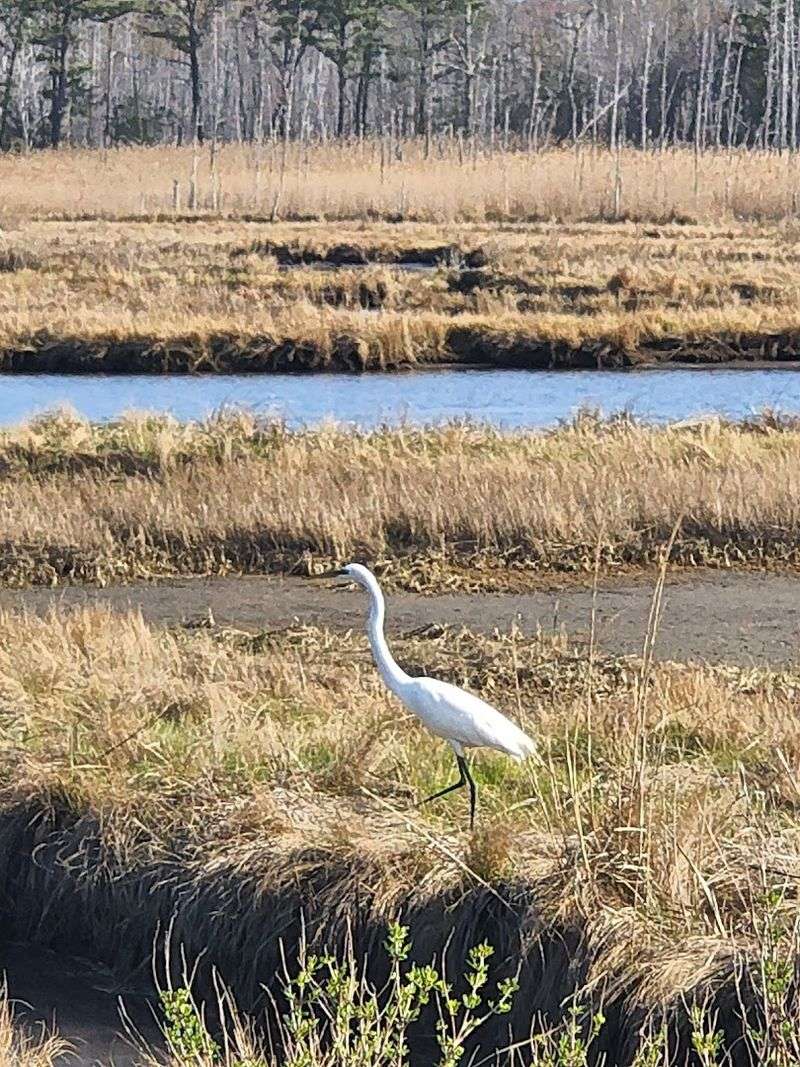
Photographers tend to like places that do not force the issue, and this park qualifies. Its appeal comes from composition-friendly basics: boardwalk lines through marsh, open water at the end of trails, osprey structures, seasonal changes, and broad paths that create clear vantage points without much effort.
Because the scenery shifts across short distances, casual phone shots and more deliberate camera work can both pay off. Visitors can move from wooded trails to bay overlooks and then back toward gardens or the nature center area without feeling like every frame is repeating the last one.
There is also a useful lesson in the park’s pace. Good photographs here usually come from attention rather than speed, which suits the site perfectly, and it means the outing can stay enjoyable even for companions who are less interested in cameras and more interested in getting to the next boardwalk before anyone starts giving lens advice.
History in the Landscape

Beyond recreation, the park carries a quiet lesson about preservation. Cattus Island County Park protects a substantial stretch of coastal habitat, and that gives the site significance beyond a pleasant walk, especially in a region where development often competes hard for space and attention.
The educational signs and environmental programming support that larger story. Visitors are not just passing through pretty scenery; they are moving across wetlands, woods, and shoreline that continue to matter for local ecology, wildlife, and public understanding of how these systems fit together.
This gives the park a sturdier identity than many casual day-trip stops. It works as leisure, certainly, but it also functions as a reminder that preserved land inside a populated area is not accidental, and that every boardwalk, trail marker, and protected marsh edge represents planning that deserves more credit than it usually gets.
Practical Tips Before You Go
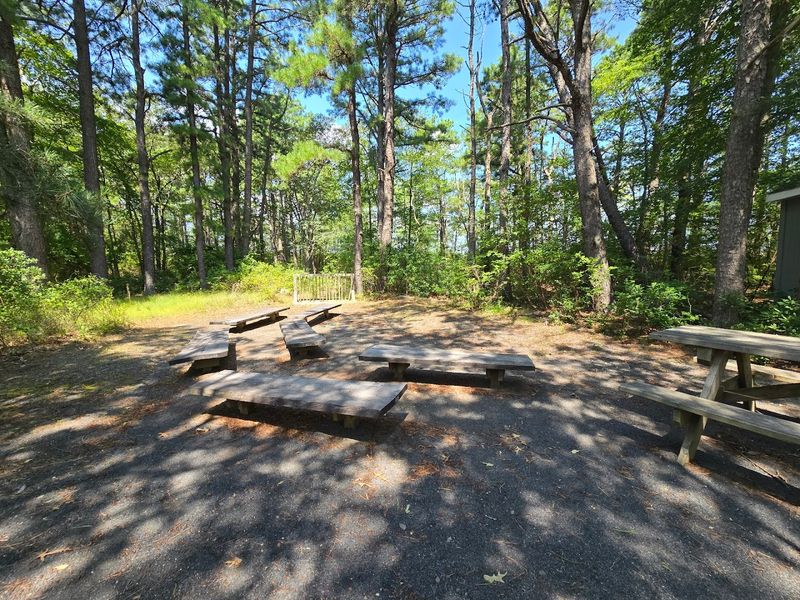
A little planning makes this park much easier to enjoy. Parking is available on site, restrooms are part of the setup, and the trail system offers options for short or longer visits, so most people can shape the outing around time, weather, and energy rather than forcing an all-day commitment.
Comfort matters here more than dramatic gear choices. Supportive shoes, water, bug protection in warmer months, and attention to trail markers are the basics, while families may want to pair the walk with the playground, picnic tables, and nature center to keep the visit balanced.
It is also wise to check expectations at the gate. This is not a commercial attraction packed with concessions or nonstop programmed entertainment, and that restraint is part of the park’s charm, so the best approach is to arrive ready for walking, watching, learning, and letting the landscape do the heavy lifting without a marketing team.
Why Locals Keep Returning
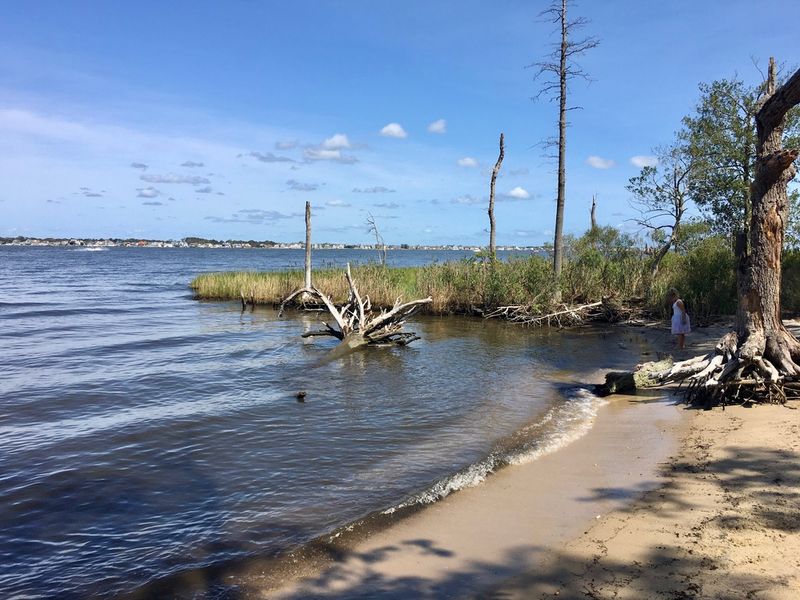
Repeat visits are often the real test of a place, and this park seems to pass that test with ease. People come back for different reasons: a dependable dog walk, another look at the bay, a family stop with the kids, a seasonal walk, or a chance to spend time outdoors without dealing with a crowded destination.
That staying power comes from balance. The park is maintained but not overbuilt, educational but not stiff, accessible but still varied, and quiet without becoming empty or dull, which is a combination many public spaces aim for and fewer actually achieve.
Toms River has no shortage of nearby activity, yet Cattus Island County Park keeps winning return visits by offering something simpler and more durable. It gives people room to move, reasons to look closely, and enough variety to feel familiar without becoming routine, which may be the most reliable definition of a local favorite.



