There is a small city in North Carolina where two rivers meet, colonial history lines the streets, and a humble drugstore once changed the beverage world forever. Most people have never heard of it, but those who visit tend to come back.
The streets are shaded by old trees, the waterfront is genuinely beautiful, and the stories packed into this place could fill a library. From a reconstructed colonial palace to a national forest full of wild creatures, this town punches far above its weight, and the fact that it gave the world one of its most famous soft drinks is almost just a bonus.
The Heart of It All: New Bern’s Location and Layout
New Bern sits at the junction of the Neuse and Trent rivers in Craven County, North Carolina, roughly 35 miles from the Atlantic coast. The city’s official address is New Bern, NC 28560, and its website at newbern-nc.org is a solid starting point for trip planning.
The layout of the city is easy to navigate on foot, especially in the historic downtown core. Streets are organized in a grid pattern that dates back to the town’s founding in 1710 by Swiss and German settlers, making New Bern one of the oldest towns in the state.
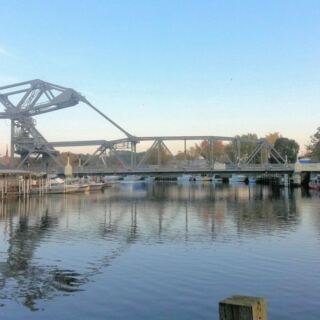
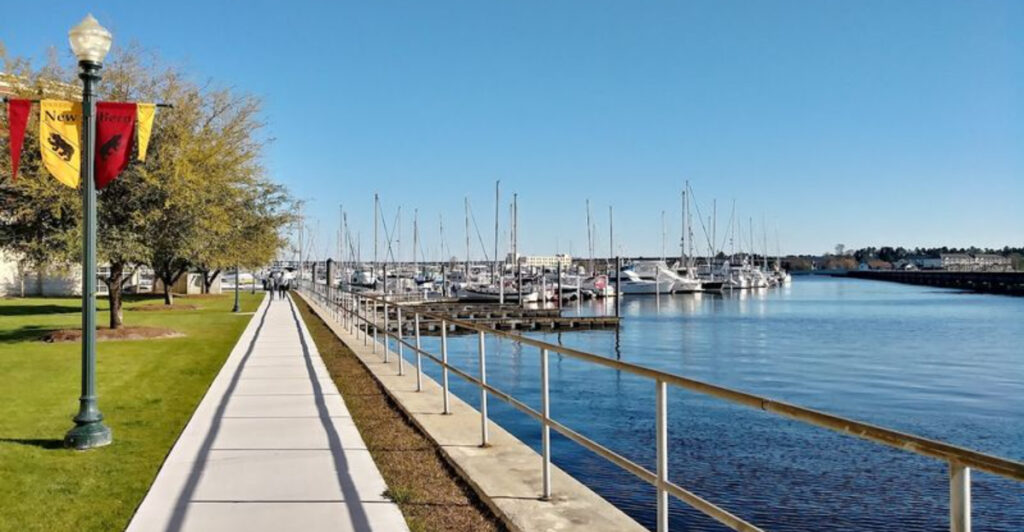
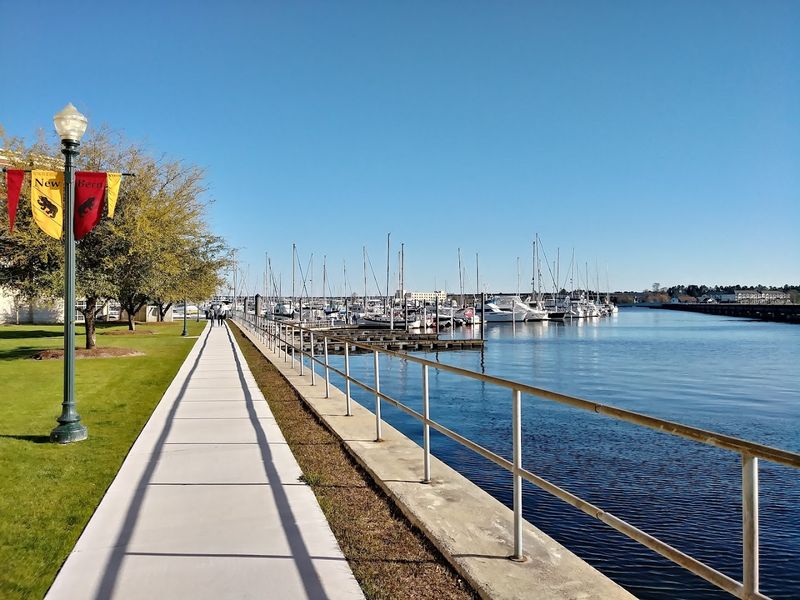
The waterfront is the natural anchor of the city. Benches, green spaces, and boat docks line the edge of the Trent River, and on a clear afternoon the view across the water is the kind that makes you put your phone away for a while.
Unlike sprawling cities where you need a car for everything, New Bern’s key attractions are clustered close together. That walkability is one of its most underrated qualities, and it makes the whole visit feel relaxed rather than rushed.
Where Pepsi Got Its Start: The Birthplace of a Global Brand
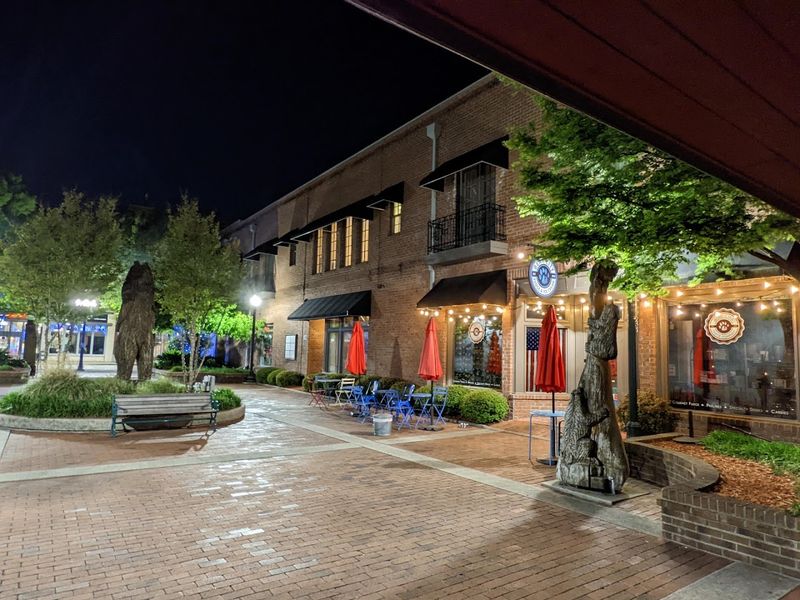
Back in 1893, a pharmacist named Caleb Bradham mixed up a drink at his drugstore counter that he called “Brad’s Drink.” By 1898, he had renamed it Pepsi-Cola, and the rest is carbonated history.
The Birthplace of Pepsi is now a re-created drugstore and gift shop at 256 Middle Street in downtown New Bern. The space leans into its legacy with vintage signage, old-fashioned soda fountain aesthetics, and a collection of Pepsi memorabilia that spans more than a century of branding evolution.
Visitors can browse collectibles, pick up branded merchandise, and learn about Bradham’s story through displays that walk through the drink’s origin in a genuinely engaging way. The shop is free to enter, which makes it an easy stop even if you are just passing through.
What makes this spot special is not just the nostalgia but the specificity of it. This is the actual location where the idea took shape, not a corporate recreation built miles away.
Standing there, you get a real sense that big things sometimes start in very small rooms, and that a small-town pharmacist in North Carolina quietly shaped global pop culture.
Tryon Palace: A Colonial Masterpiece Worth Every Minute
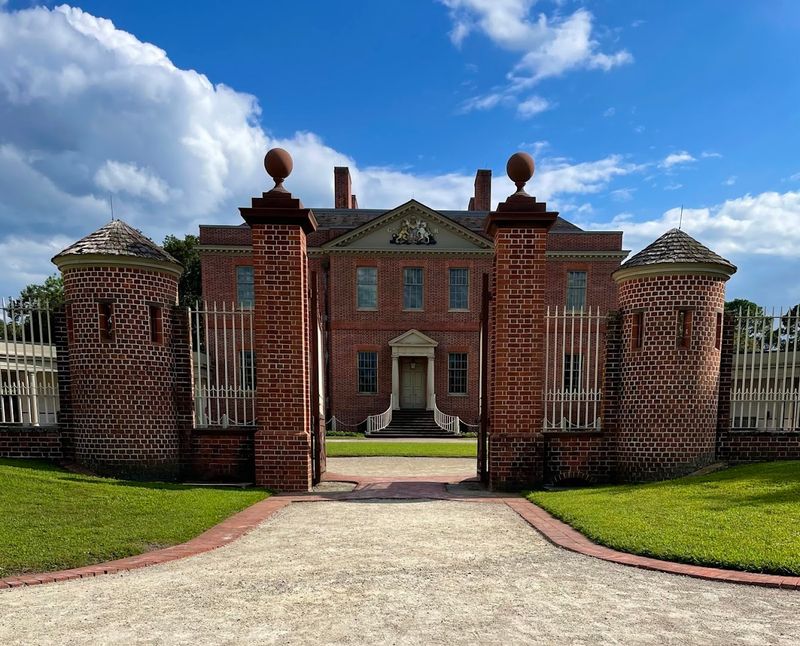
Few historic sites in the American South carry the weight of Tryon Palace, a stunning reconstruction of North Carolina’s first colonial capitol building. The original structure was completed in 1770 under Royal Governor William Tryon and was considered one of the finest buildings in colonial America.
After the original burned in 1798, the palace was painstakingly rebuilt and reopened to the public in 1959. Today the Tryon Palace complex at 529 South Front Street includes the main palace, several historic homes, manicured English gardens, and the North Carolina History Center.
The gardens alone are worth a visit. Geometric hedgerows, seasonal flowers, and brick pathways create a formal landscape that contrasts beautifully with the natural riverfront just beyond the property’s edge.
Inside, costumed interpreters bring the 18th century to life with demonstrations, guided tours, and hands-on activities for visitors of all ages. The North Carolina History Center attached to the complex adds modern museum-quality exhibits about the state’s broader story, from Indigenous history through the colonial era and beyond.
It is the kind of place where a two-hour visit can quietly stretch into an entire afternoon without anyone complaining.
The New Bern Firemen’s Museum: Small Space, Big Stories
The New Bern Firemen’s Museum is one of those places that looks modest from the outside but completely surprises you once you walk through the door. Tucked at 408 Hancock Street, this compact museum holds a collection of 19th and early 20th century firefighting equipment that is genuinely impressive in its detail and preservation.
The centerpiece of the collection is a hand-drawn fire engine from 1884, kept in remarkable condition. Alongside it sit helmets, hoses, badges, and photographs that document the long history of firefighting in the city.
A significant portion of the museum is dedicated to the Great Fire of 1922, which destroyed a large section of New Bern and left thousands of residents without homes. The exhibits covering that event are sobering and well-presented, with maps and photographs that help visitors understand the scale of the disaster.
New Bern is also recognized as the home of one of the oldest volunteer fire departments in the United States, and the museum does a thorough job of honoring that legacy. For history lovers who appreciate the kind of stories that do not always make it into mainstream textbooks, this museum delivers a rewarding and surprisingly emotional experience.
The Waterfront District: Where the City Breathes
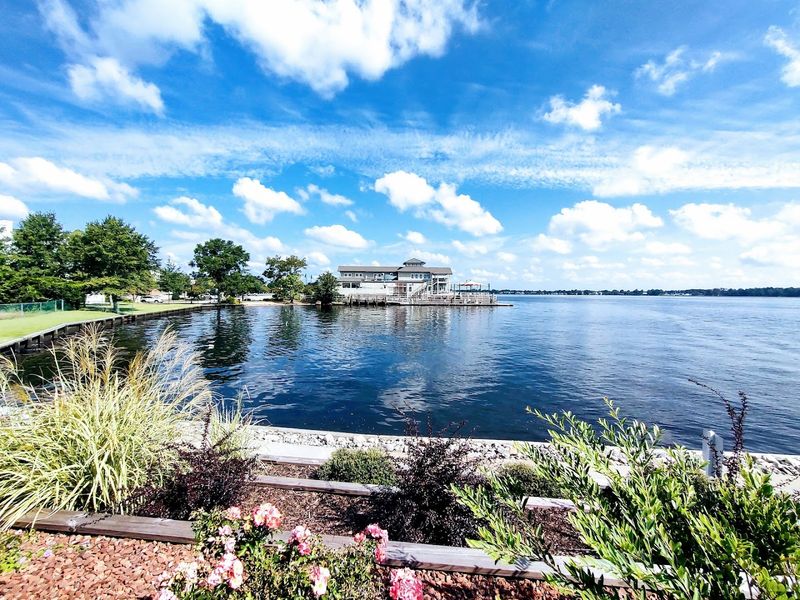
The waterfront area of New Bern is the social pulse of the city. Running along the Trent River near Union Point Park, this stretch of open green space and dock-lined walkways draws locals on their lunch breaks, families on weekend afternoons, and visitors who just want to sit still for a moment.
Union Point Park itself sits right at the confluence of the Neuse and Trent rivers, which means the views from the benches there are genuinely panoramic. On busy weekends, the park fills with picnickers, kayakers launching from the public ramp, and kids chasing the resident Canada geese with varying degrees of success.
The marina nearby accommodates everything from small recreational boats to larger vessels passing through on the Intracoastal Waterway. Watching the boat traffic from the dock on a quiet morning has a certain meditative quality that is hard to replicate anywhere else.
Several waterfront restaurants and cafes line the nearby streets, making it easy to grab a meal with a river view. The whole district feels unhurried and genuinely welcoming, the kind of place that reminds you why small-city living has such enduring appeal for people who have grown tired of constant noise and congestion.
Croatan National Forest: Wild North Carolina at Its Best
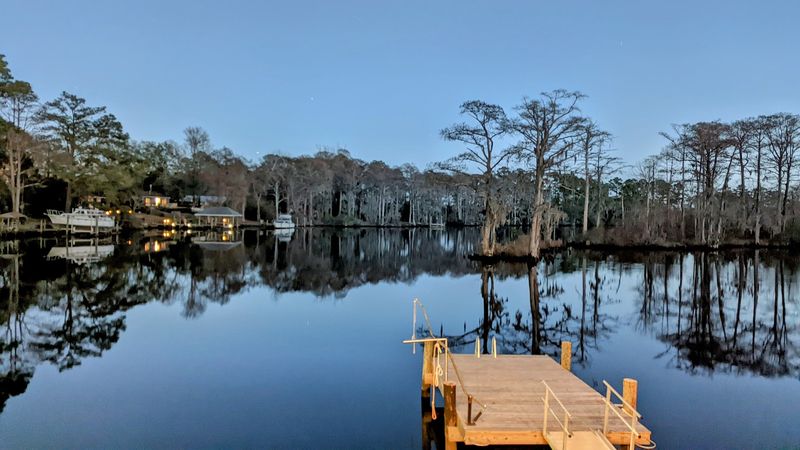
South of New Bern, the Croatan National Forest stretches across more than 160,000 acres of coastal plain, and it is one of the most ecologically diverse national forests in the eastern United States. The forest is home to an unusual mix of habitats including longleaf pine savannas, pocosins, and tidal estuaries that support an impressive range of wildlife.
Alligators, black bears, red-cockaded woodpeckers, and a variety of migratory birds all share this landscape. The forest also contains four carnivorous plant species, including the Venus flytrap, which grows naturally in very few places in the world outside of the Carolinas.
Hiking trails wind through the forest at varying difficulty levels, and the waterways offer excellent opportunities for kayaking and canoeing. The Neusiok Trail, a 20-mile route through the forest, is a favorite among serious hikers who want a full backcountry experience without traveling to a remote mountain range.
Camping is available at several sites within the forest, and the combination of fresh air, natural sounds, and near-total darkness at night makes for a restorative experience. After a day in the historic downtown, spending an evening under the Croatan’s pine canopy feels like a natural and satisfying counterbalance.
Historic Architecture: A Walking Tour You Did Not Know You Needed
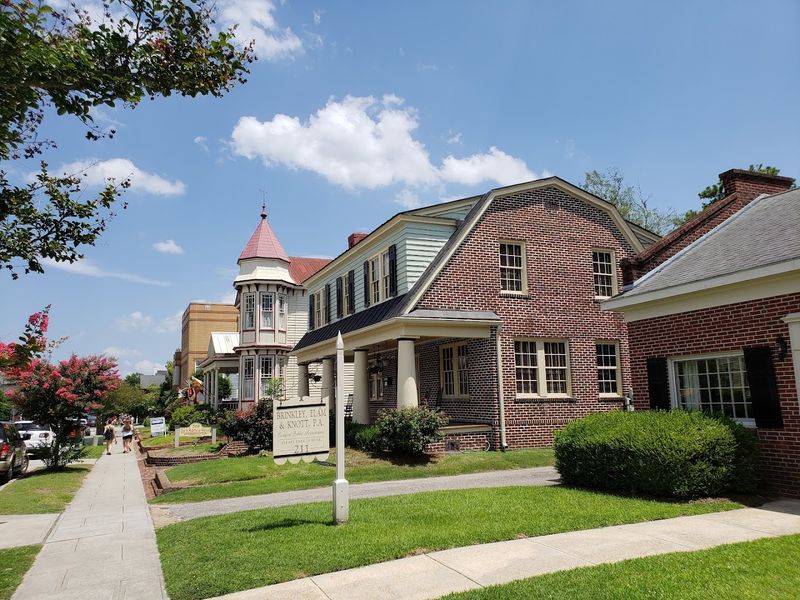
New Bern’s historic district is one of the most intact collections of colonial and Federal-period architecture in North Carolina, and walking through it feels like flipping through a very well-preserved history book. The neighborhood contains more than 150 individually listed historic structures, and many of them are still private residences.
The variety of architectural styles on display is genuinely interesting. Colonial brick buildings sit beside Federal-style townhouses, which in turn neighbor Victorian-era homes with wraparound porches and decorative woodwork.
Each block tells a slightly different chapter of the city’s story.
Self-guided walking tour maps are available from the New Bern Historical Society and from several visitor centers in town. The maps point out notable buildings with brief histories attached, which makes the walk educational without feeling like a classroom exercise.
Cedar Grove Cemetery, located near the historic core, is another architectural and historical point of interest. The cast-iron gate at the entrance dates to the 1800s, and the grounds contain the graves of notable early residents alongside intricate Victorian-era monuments.
It is the kind of quiet, thoughtful space that rewards slow exploration rather than a quick glance from the sidewalk.
The Bear Around Town: New Bern’s Beloved Symbol
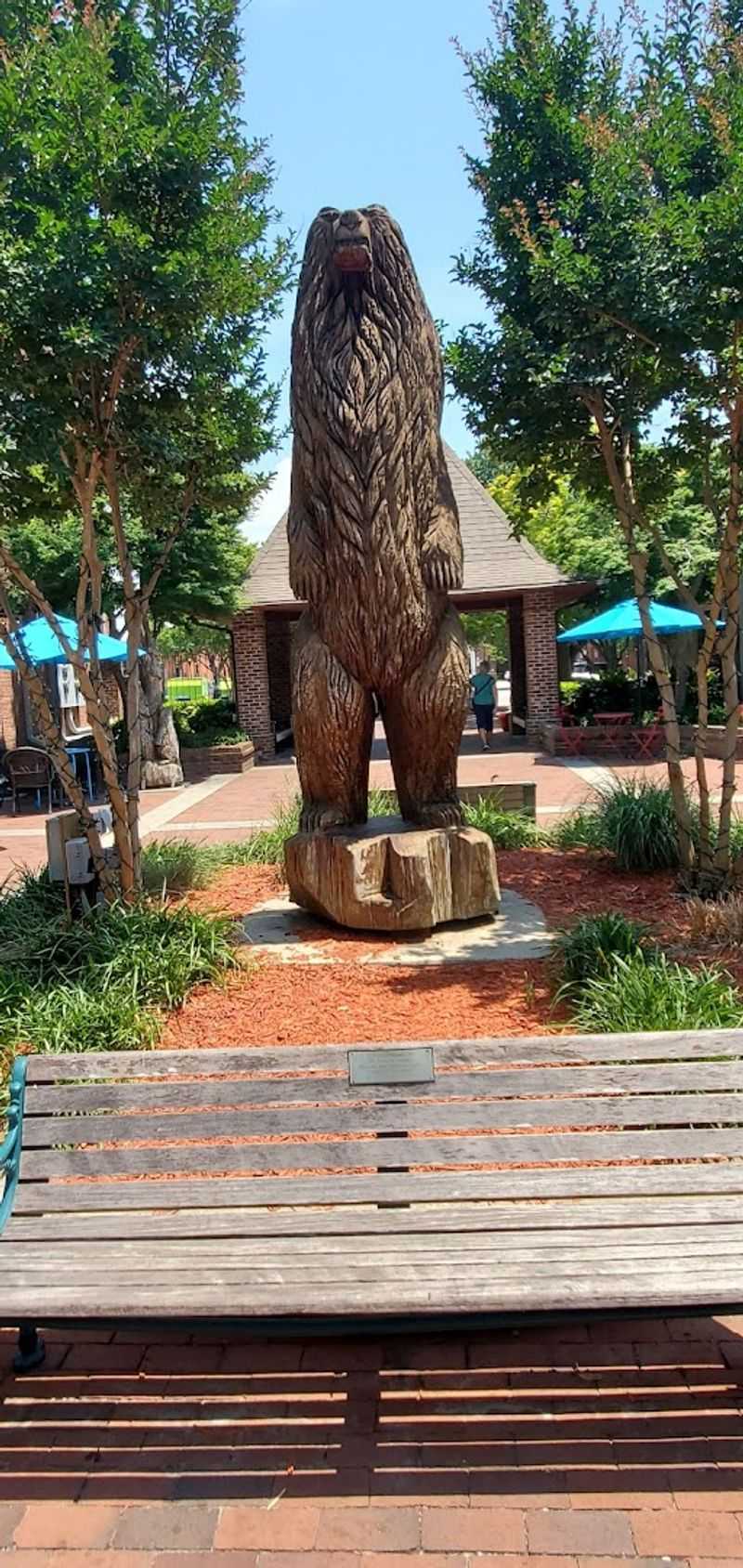
New Bern has a bear problem, and it is absolutely delightful. The city’s name translates from Swiss German as “new bear,” a nod to the coat of arms of Bern, Switzerland, where the town’s founder Christoph de Graffenried came from.
As a result, the bear has become New Bern’s official mascot and shows up everywhere.
Decorative bear sculptures are scattered throughout the downtown area, each one painted and decorated by local artists with unique designs. The bear trail has become an informal but genuinely fun attraction, especially for families with children who enjoy spotting each new design around corners and outside storefronts.
The bears also appear on signage, merchandise, and municipal branding throughout the city. The New Bern Riverfront Convention Center even has a large bear sculpture near its entrance that visitors consistently stop to photograph.
Beyond the public art, the bear theme gives the city a cohesive and charming identity that feels organic rather than manufactured. Towns that lean into their history and heritage with this kind of consistency tend to have a stronger sense of place, and New Bern’s bear culture is a good example of local identity done right.
It is quirky, historical, and genuinely lovable all at once.
Local Food Culture: Flavors That Reflect the Region
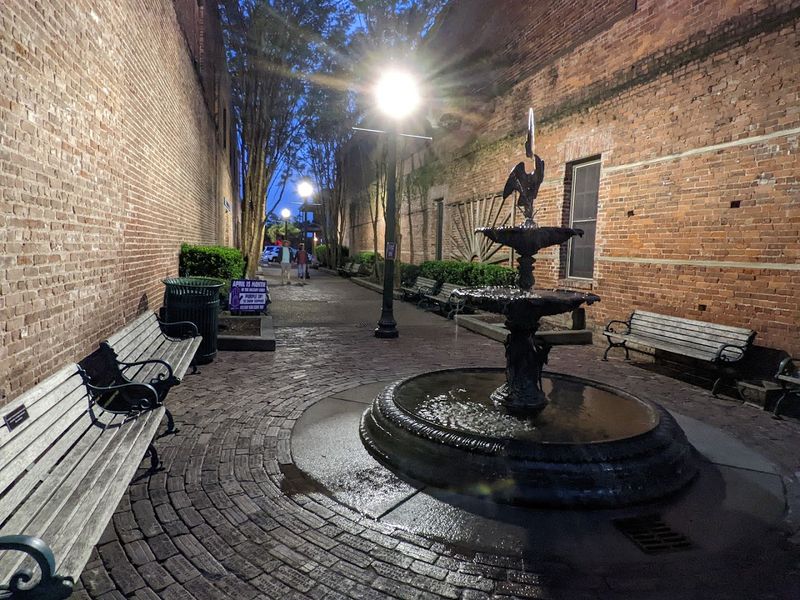
The food scene in New Bern draws heavily from its coastal North Carolina roots, and that means seafood takes center stage on most menus. Fresh shrimp, local fish, and crab sourced from nearby waters appear regularly at the restaurants clustered around the downtown and waterfront areas.
Several long-standing local spots serve traditional Southern comfort food alongside coastal staples, and the combination of fried chicken, collard greens, cornbread, and fresh-caught fish on the same menu is a very North Carolina thing. The portions tend to be generous and the prices tend to be reasonable, which is a combination that is increasingly rare in tourist-friendly towns.
Bakeries and coffee shops fill the gaps between meals, and a few have become genuine neighborhood institutions over the years. The morning crowd at some of these spots includes a mix of locals, boaters passing through the marina, and visitors who discovered the place by wandering off the main tourist path.
Farmers markets operate seasonally and bring local produce, baked goods, and handmade items together in a relaxed outdoor setting. The food culture here is not trying to impress anyone with trend-chasing menus.
It is simply good, honest, regional cooking that reflects where it comes from, and that kind of authenticity is hard to fake.
Arts and Culture: A Creative Community Hiding in Plain Sight
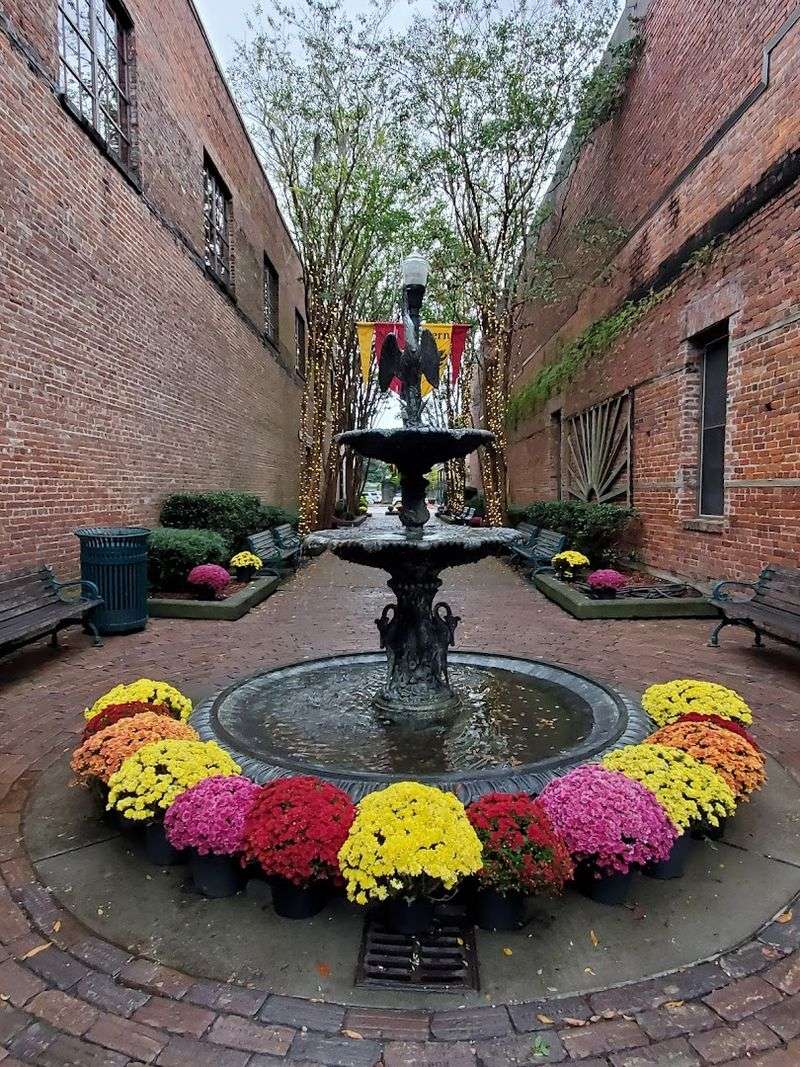
For a city of roughly 30,000 people, New Bern supports a surprisingly active arts community. Galleries, studios, and performance venues are spread throughout the downtown area, and local artists have found the city’s historic buildings to be ideal backdrops for creative work.
The Bank of the Arts, operated by the Craven Arts Council at 317 Middle Street, is one of the central hubs of this creative life. Housed in a beautifully restored 1912 neoclassical bank building, it hosts rotating exhibitions, workshops, and events that draw both locals and visitors throughout the year.
Theater productions, live music performances, and literary events round out the cultural calendar. The city’s proximity to the coast and its layered history give local artists a rich well of material to draw from, and that influence shows up clearly in the work on display.
Public murals have also become more prominent in recent years, adding color and narrative to building facades that might otherwise go unnoticed. The arts community here has a collaborative and welcoming energy, and it is the kind of place where a visitor can wander into an opening reception on a Friday evening and feel genuinely included rather than like an outsider looking in.
Outdoor Recreation Beyond the Forest: Paddling, Fishing, and More
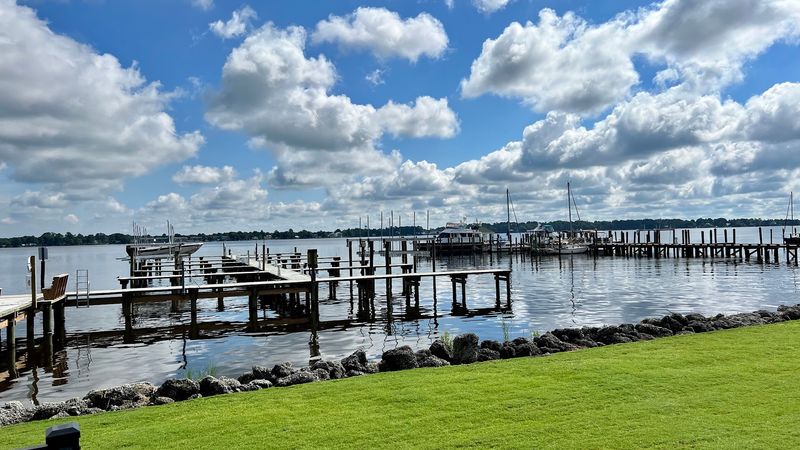
The rivers and waterways surrounding New Bern make outdoor recreation a core part of daily life for residents and a major draw for visitors. The Neuse River, one of the widest rivers in the United States at its mouth, offers extensive opportunities for fishing, boating, and paddling.
Kayak and canoe rentals are available in town, and several outfitters offer guided paddle tours through the marsh areas and tidal creeks that branch off the main rivers. These slower-paced tours are excellent for wildlife spotting, particularly for birders who want to see herons, egrets, ospreys, and the occasional bald eagle in their natural habitat.
Fishing is serious business on these waters. Red drum, flounder, speckled trout, and striped bass are among the species that draw anglers from across the region.
Charter fishing trips depart from the marina area and range from half-day excursions to full-day offshore adventures.
Cycling routes through the historic district and along the riverfront provide a gentler form of outdoor activity, and several parks within the city limits have open fields and playgrounds that fill up on weekends. The outdoor options here are varied enough to satisfy both the serious adventurer and the visitor who just wants a pleasant walk along the water without committing to anything more strenuous.
Planning Your Visit: What to Know Before You Go
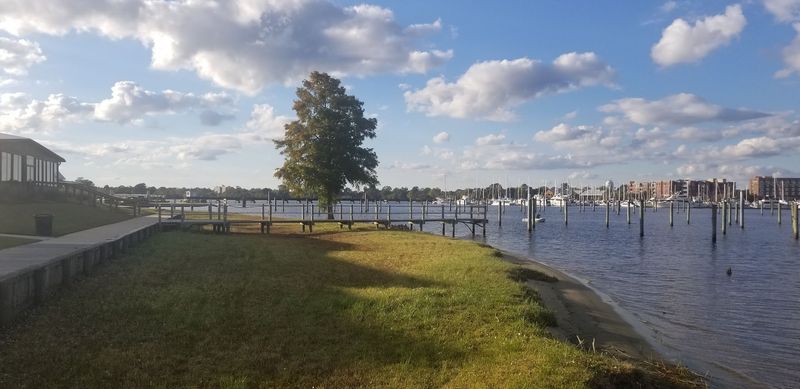
New Bern is accessible by car via US Highway 70, which connects the city to Raleigh to the west and the Outer Banks region to the east. The drive from Raleigh takes roughly two hours, making it a very manageable day trip or weekend destination from the state capital.
Spring and fall are the most comfortable seasons to visit. Spring brings blooming gardens at Tryon Palace and mild temperatures perfect for walking the historic district, while fall offers cooler air and the kind of golden light that makes the riverfront especially photogenic.
Accommodation options include historic bed-and-breakfasts, chain hotels near the highway corridors, and short-term rentals throughout the downtown area. Booking ahead is wise during festival weekends, as the city hosts several annual events that draw regional crowds.
It is worth noting that New Bern is not Oklahoma, and the climate reflects that coastal Carolina reality. Summers can be hot and humid, and hurricane season runs from June through November, so checking weather forecasts before a late-summer visit is always a smart move.
Most of the city’s major attractions are indoors or partially sheltered, which helps on days when the weather does not cooperate. The city’s compact size means even a short visit covers a lot of meaningful ground.
Share this story