There is a place on the Oregon coast where history seeps out of the ground like morning fog, and where every crumbling concrete wall seems to have a story it is dying to tell. Fort Stevens State Park in Hammond, Oregon sits at the very tip of the northwest corner of the state, guarding the mouth of the Columbia River with the quiet confidence of a place that has seen a lot.
This park has bunkers, a ghost trail, a shipwreck from 1906, and the kind of haunted history that makes the hair on the back of your neck stand up. If you have ever wanted to walk where soldiers once stood watch during World War II and feel the weight of all that time pressing down on you, this is the adventure you have been waiting for.
Fort Stevens State Park: The Haunted Ground at 1675 Peter Iredale Rd
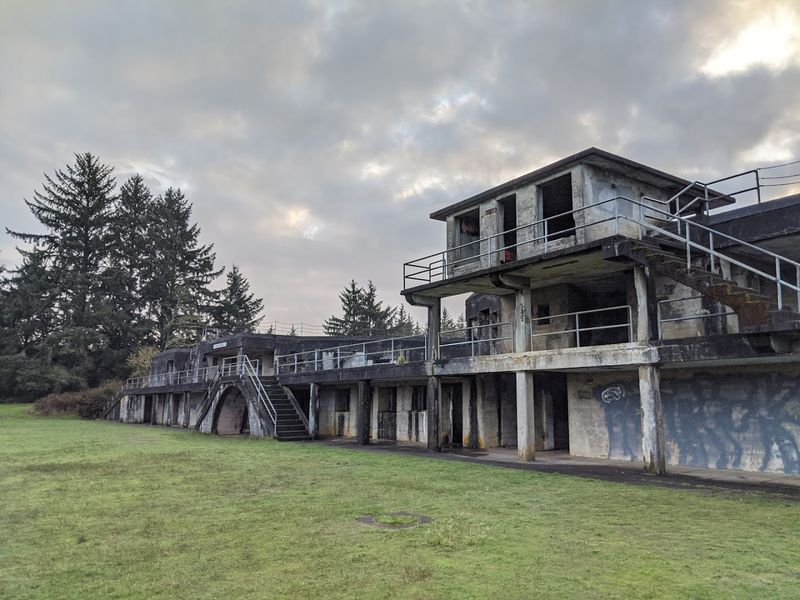
Right at the edge of the continent, where the Columbia River meets the Pacific Ocean, Fort Stevens State Park sits at 1675 Peter Iredale Rd, Hammond, OR 97121, and it carries more history than most places three times its size. The park covers 3,763 acres and offers beaches, hiking and biking trails, a historic military fortress, and one of the most talked-about ghost hunt trails on the entire West Coast.
The whole atmosphere here is thick with something hard to name. The trees are tall and close together, the fog rolls in without warning, and the old concrete structures scattered throughout the grounds look like they belong in a different century, because they do.
Fort Stevens was an active military post from the Civil War era all the way through World War II, which means generations of soldiers called this place home. That layered human history is exactly what makes the ghost hunt trail so compelling for visitors who are curious about what, or who, might still be lingering here.
The park is open daily from 6 AM to 10 PM and can be reached at 503-861-3170.
The Ghost Hunt Trail: Walking Through Oregon’s Most Spine-Tingling Path
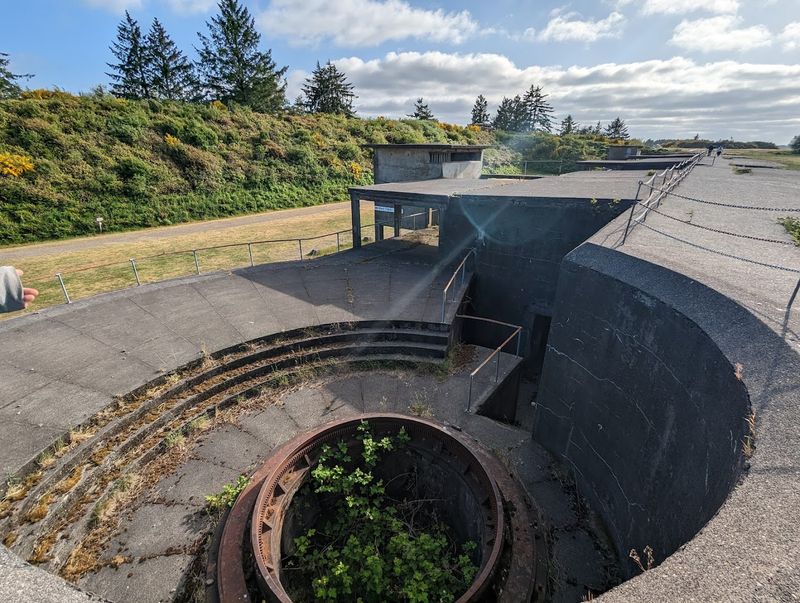
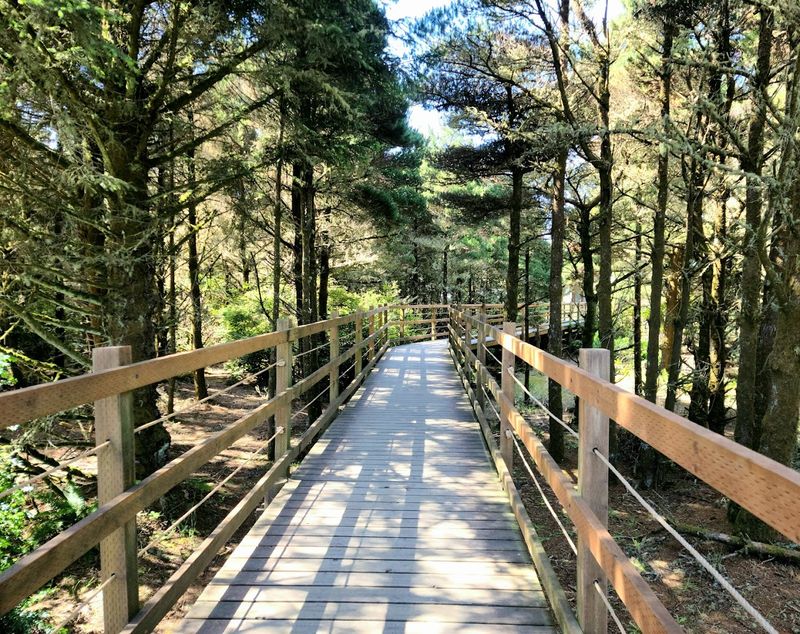
Not every state park dares to offer a ghost hunt trail, but Fort Stevens is not every state park. The self-guided ghost hunt experience winds visitors through some of the oldest and most atmospheric sections of the park, passing crumbling military installations, dark tunnel-like passages, and stretches of trail where the tree canopy blocks out almost all light.
The trail leans into the park’s reputation for strange sightings and unexplained sounds, which visitors have been reporting for years. Some say they have heard footsteps on empty paths.
Others describe an odd feeling of being watched near the old batteries, even when no one else is around.
Whether you believe in the supernatural or prefer a more grounded explanation, the trail delivers a genuinely thrilling experience. The combination of dense Pacific Northwest forest, crumbling wartime structures, and the steady sound of distant ocean waves creates a sensory mix that is hard to shake.
Much like the famously spooky destinations found in states like Oklahoma, the ghost trail here taps into deep local history to give visitors chills that feel earned rather than manufactured.
Battery Russell and the WWII Attack: The Only Mainland US Site Shelled by a Foreign Nation
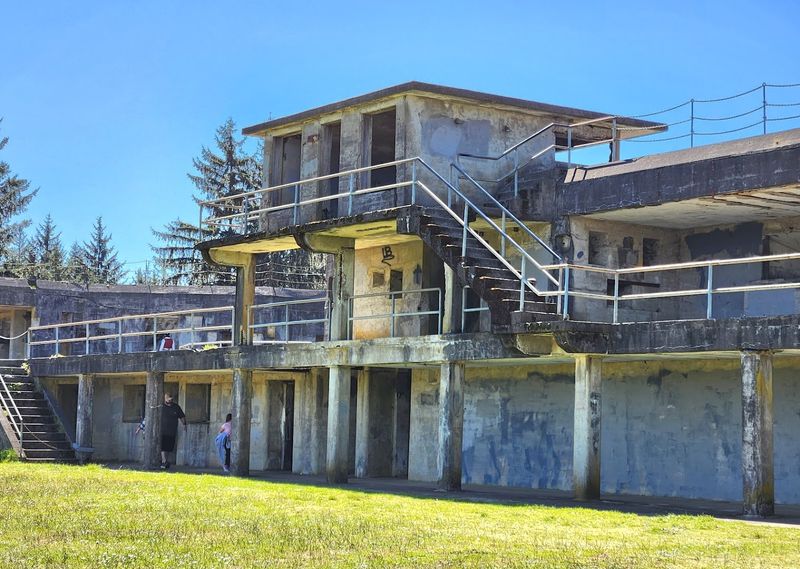
Battery Russell holds a distinction that no other place on the continental United States can claim. On June 21, 1942, a Japanese submarine surfaced offshore and fired shells at Fort Stevens, making it the only military installation on the US mainland to be attacked by a foreign power since the War of 1812.
That fact alone is enough to stop most visitors in their tracks.
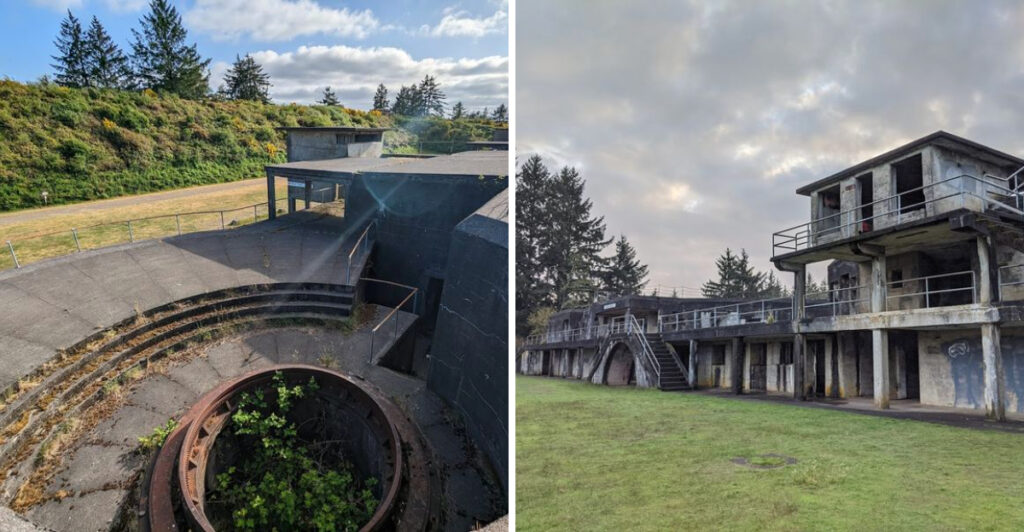
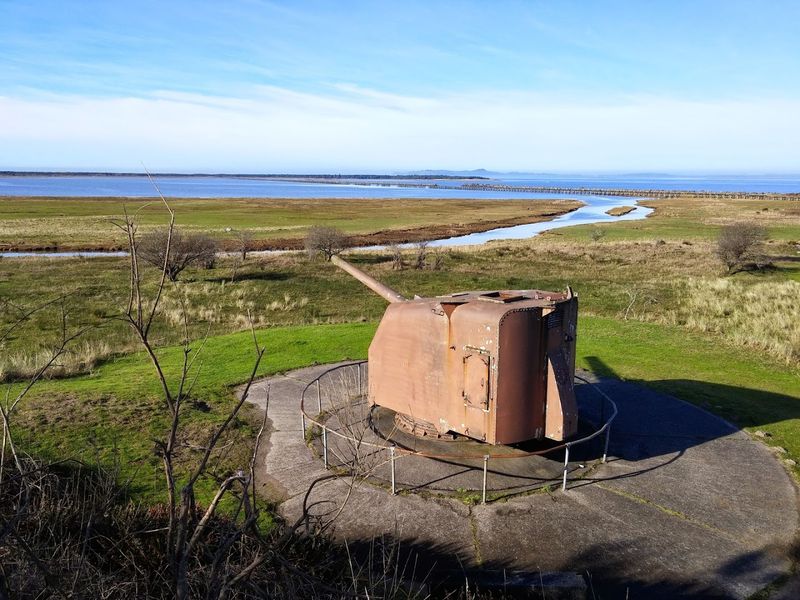
The battery itself is a massive concrete structure, now open to the public and free to explore. You can walk through the dark interior rooms, run your hand along walls that absorbed actual enemy fire, and stand on top of the gun emplacements where soldiers once scrambled to respond to a real wartime threat.
The attack caused minimal physical damage, but the psychological weight of what happened here is palpable. Standing inside Battery Russell, surrounded by that heavy silence, it is easy to understand why this spot anchors the ghost hunt trail experience.
History this dramatic leaves a mark on a place, and Fort Stevens wears that mark openly, much the way certain legendary sites in Oklahoma carry their own undeniable sense of the past.
The Peter Iredale Shipwreck: A Rusty Skeleton on the Sand
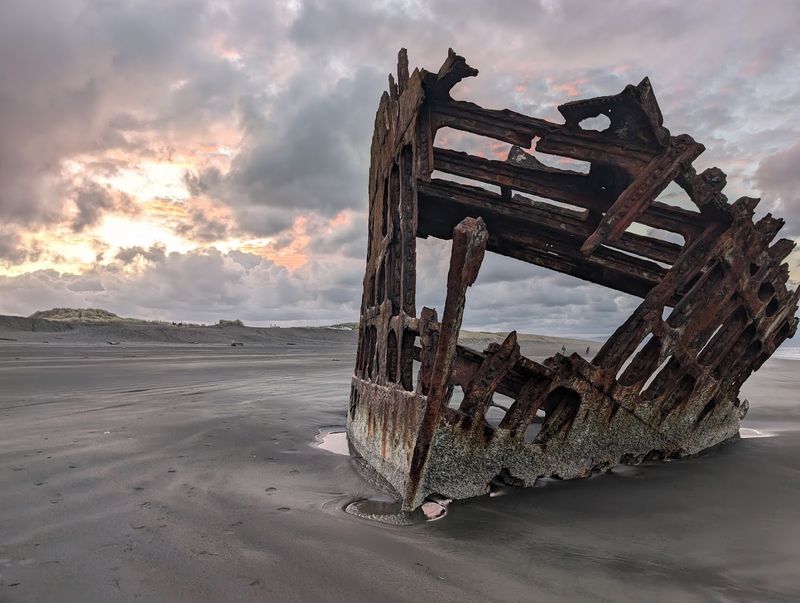
Few things set a ghost-hunt mood quite like a shipwreck, and the Peter Iredale delivers in spectacular fashion. This British four-masted sailing ship ran aground on October 25, 1906, and has been slowly sinking into the dark sand of Clatsop Beach ever since.
What remains is a hauntingly beautiful iron skeleton that juts from the sand at dramatic angles, especially at low tide when more of the frame is exposed.
The sand on this beach is unusually dark, almost black in certain light, which gives the wreck an even more dramatic appearance than it would have on a typical white-sand beach. Visitors regularly describe the scene as otherworldly, and it is not hard to see why the wreck has become a centerpiece of the park’s spooky reputation.
The best time to visit is at low tide, when the most of the iron ribs are visible above the waterline. You can walk right up to the wreck and touch the rust-covered metal, which has been battered by over a century of Pacific storms.
It is a reminder that the ocean is patient and powerful, and that it always wins in the end.
The Historic Military District: Bunkers, Batteries, and Battlefield Silence
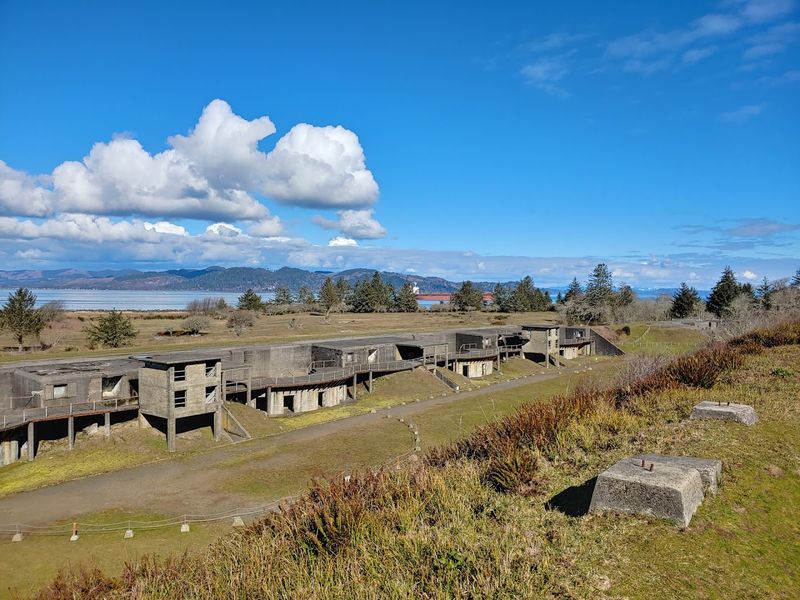
The historic military district at Fort Stevens is one of the most well-preserved collections of coastal defense structures in the country. The complex includes multiple gun batteries, ammunition storage rooms, observation towers, and underground passages, all connected by paved trails that make it surprisingly easy to move between sites.
Each battery has its own character. Some are partially collapsed, with vegetation creeping through the cracks in the concrete.
Others are in solid enough condition that you can walk deep inside and let your eyes adjust to the dark before exploring the interior chambers. The contrast between the natural beauty of the surrounding forest and the stark military architecture creates a visual tension that stays with you.
Ghost hunt participants often spend the most time in this district, and it is easy to understand why. The acoustics inside the bunkers are strange, sounds echo in unexpected ways, and the darkness in the deeper rooms is total without a flashlight.
Rangers at the visitor center hand out maps and can point you toward the most historically significant stops. The district draws comparisons to preserved military sites in states like Oklahoma, where history is treated as a living, breathing part of community identity.
Wildlife on the Trail: Elk, Whales, and the Unexpected Wild
The ghost hunt trail at Fort Stevens does not just deal in human history. The park is also home to a resident herd of Roosevelt elk, and spotting them on or near the trail adds an entirely different kind of thrill to the experience.
These animals are large, wild, and completely unbothered by human visitors, which makes encounters feel both magical and slightly humbling.
The key is to keep a respectful distance. Elk are strong animals with unpredictable behavior, and getting too close is never a good idea, no matter how calm they appear.
The park staff make this point clearly, and most visitors are happy to observe from a safe spot while the herd moves through the trees.
Out on the beach near the Peter Iredale, whale sightings are surprisingly common, particularly in the summer months. Standing on the dark sand, watching a whale surface offshore while the rusted shipwreck looms nearby, is one of those travel moments that does not need any embellishment to sound extraordinary.
The wildlife here adds a living, breathing layer to an already rich experience, reminding you that Fort Stevens is not just a relic but a thriving natural ecosystem.
Biking and Hiking the Trail System: Getting Around the Haunted Landscape
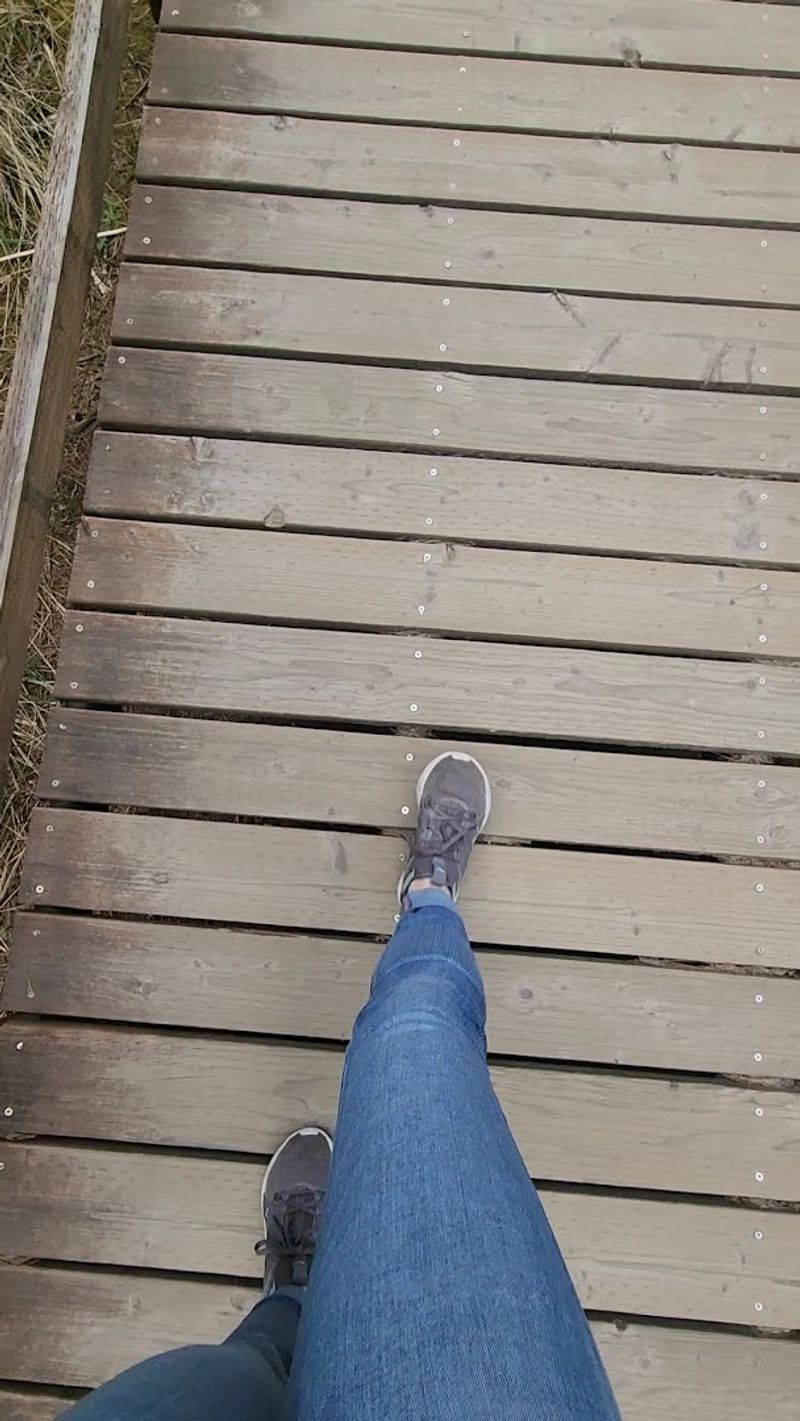
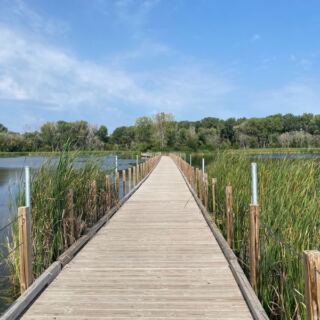
One of the most practical and enjoyable ways to experience the full scope of Fort Stevens is by bike. The park has an extensive trail system that connects all the major sites, including the historic batteries, the beach access points, and the campground, through a network of paved paths that wind through woods, over bridges, and along wetlands.
Bike rentals are available right across from the visitor center, so you do not need to bring your own equipment to take advantage of the trails. The paved surface makes it accessible for riders of most skill levels, and the relatively flat terrain through most of the park means you can cover a lot of ground without wearing yourself out before the ghost hunt even starts.
Hikers are equally well served, with trails ranging from easy beach walks to longer routes through the denser sections of the forest. The campground is roughly a thirty-minute walk from the beach, and the trail between them passes through some genuinely atmospheric stretches of Pacific Northwest woodland.
Getting around the park on foot or by bike gives you a much more intimate connection to the landscape than driving between sites, and that intimacy is exactly what the ghost hunt experience is built on.
Planning Your Visit: Practical Tips for the Creepiest Day Trip on the Oregon Coast
Fort Stevens State Park is open every day from 6 AM to 10 PM, which means you can time your ghost hunt trail visit for the golden hour just before closing, when the light drops and the atmosphere in the bunkers gets genuinely dramatic. The park phone number is 503-861-3170, and the website at oregonstateparks.org has current information on trail conditions and any ongoing renovation work.
Camping reservations fill up fast, sometimes a full year in advance, so plan ahead if you want to stay overnight. The yurts are a popular option for visitors who want comfort without sacrificing the outdoors experience.
Day visitors should note that a parking fee applies, though campground guests have their fees covered for all other areas within the park.
The Oregon Coast Pass is worth considering if you plan to visit multiple coastal state parks along Highway 101, and it can be purchased right at the Fort Stevens visitor center. Pack layers regardless of the season, because the coast here runs cool and foggy even in summer.
Much like planning a trip to a historically rich destination in Oklahoma, a little preparation goes a long way toward making your Fort Stevens visit feel effortless and fully rewarding from the first step to the last.
Share this story