Most people driving through downtown Tulsa do not expect to turn a corner and find themselves staring at a cathedral that looks like it belongs in a medieval European city. The stone towers, pointed arches, and stained glass windows stop you in your tracks.
This is a place where centuries of Catholic tradition meet the heart of the American Southwest, and it has been quietly anchoring its neighborhood for well over a hundred years. Whether you are a devoted parishioner, a history enthusiast, or simply someone who appreciates stunning architecture, this cathedral has something that will stay with you long after you leave.
A Downtown Tulsa Landmark With Deep Roots
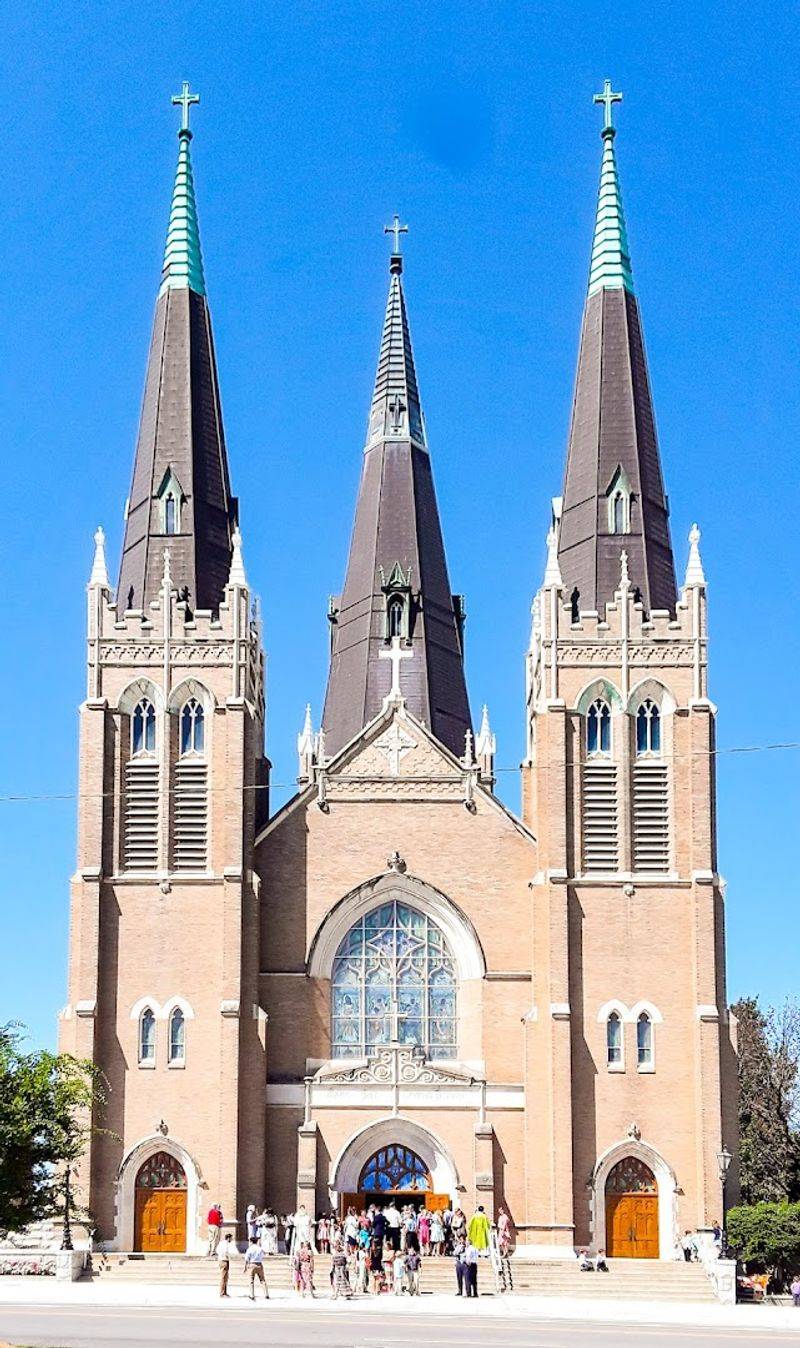
Right in the heart of downtown Tulsa, at 820 South Boulder Ave W, Tulsa, OK 74119, Holy Family Cathedral stands as one of the most striking buildings in the entire state of Oklahoma. The cathedral sits in a busy urban neighborhood, yet the moment you approach it, the noise of the city seems to fade.
Holy Family Cathedral was established over a century ago, and some families in the parish trace their membership back more than 100 years. That kind of continuity is rare anywhere, but especially in a mid-sized American city.
The building itself is a bold statement in Gothic Revival design, with tall towers, arched entryways, and decorative stonework that sets it apart from everything around it. The address is easy to reach from most parts of Tulsa, and parking is available nearby, making a visit practical as well as rewarding.
This is a place that rewards a slow, curious approach from every angle.
The Gothic Revival Style Up Close
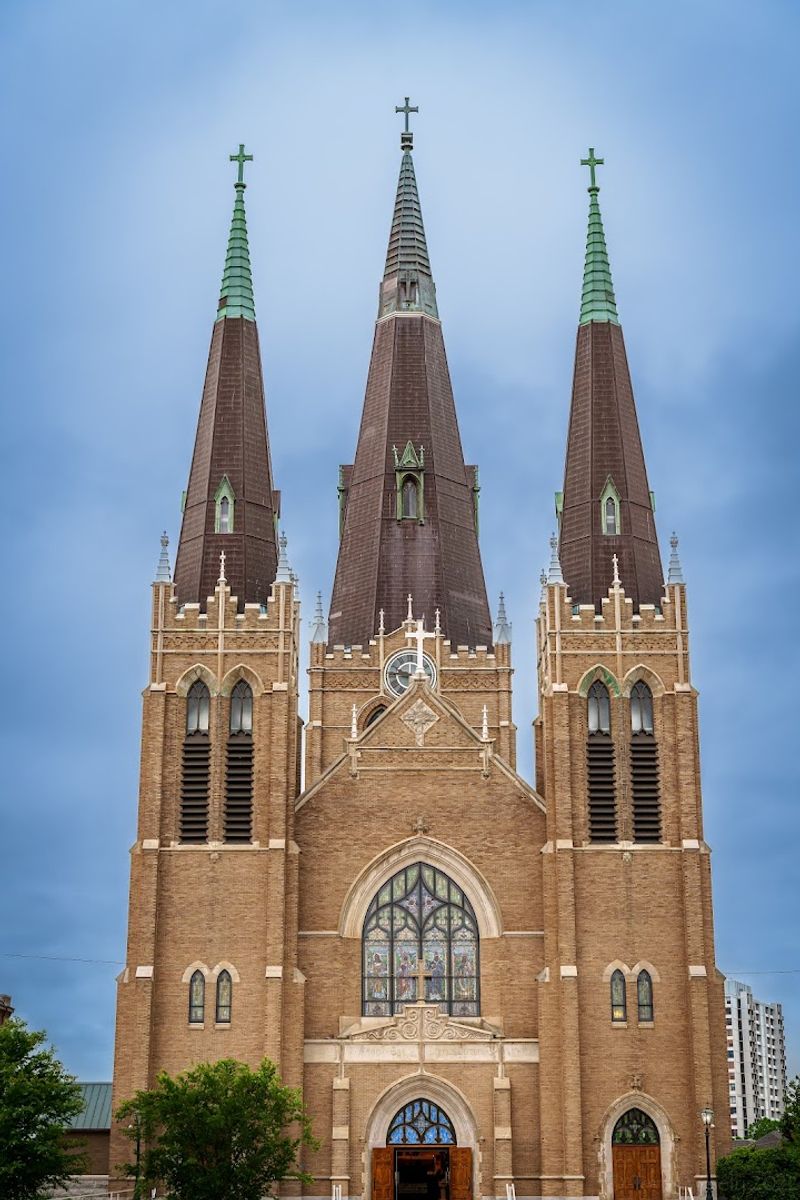
Gothic Revival architecture is all about reaching upward, both literally and symbolically. The style borrows from medieval European cathedrals, using pointed arches, steep rooflines, and detailed stonework to create a sense of height and reverence that feels almost theatrical.
Holy Family Cathedral delivers every one of those elements with conviction. The exterior features the kind of careful stone detailing that takes skilled craftsmen years to complete, and the proportions of the building feel genuinely monumental even by the standards of larger American cities.
Many visitors are surprised to find architecture this ambitious in Tulsa. The city has a rich architectural history tied to its oil boom years, but the cathedral predates much of that wealth and represents a different kind of ambition entirely.
It was built by a community that wanted their faith expressed in enduring, beautiful stone.
Standing outside and letting your eyes travel up the facade is a genuinely impressive experience, one that photographs well but feels even better in person on a clear Oklahoma afternoon.
The Marble Altar That Stops Everyone Cold
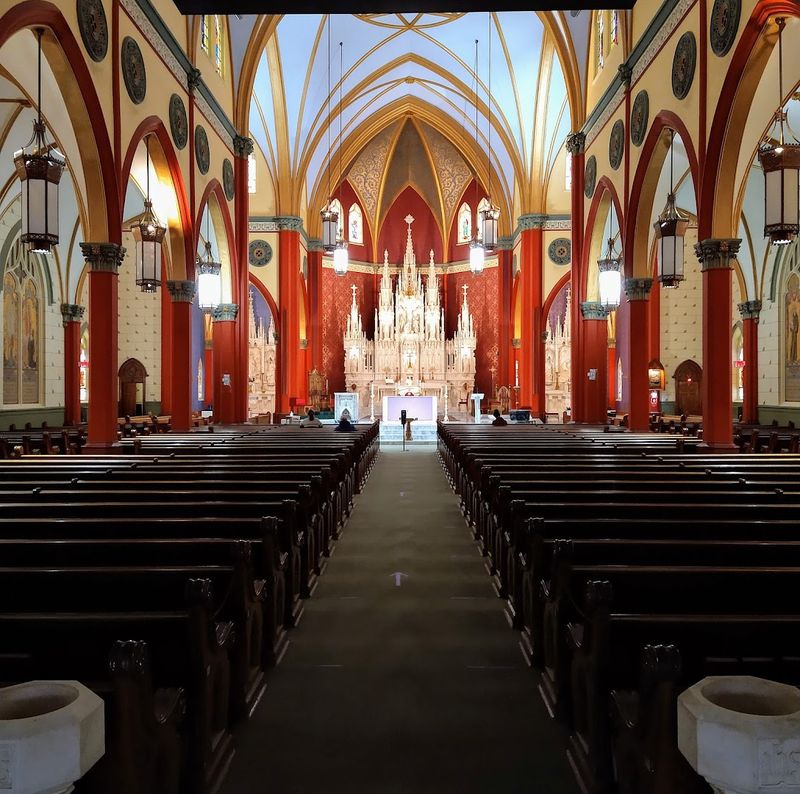
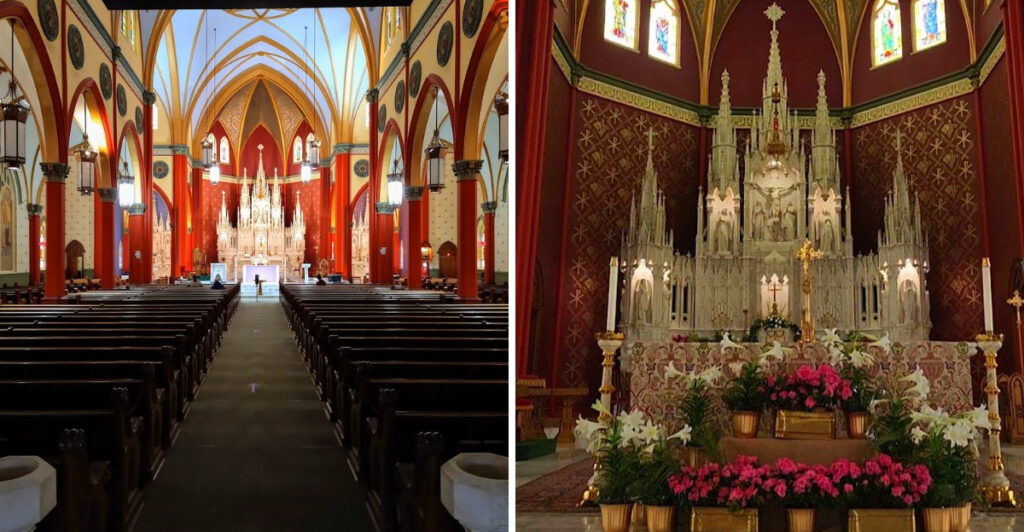
There is one interior feature that visitors mention again and again, and it is the altar. Crafted entirely from marble, the altar is a masterwork of detail and proportion that feels completely unexpected inside a cathedral in the American Midwest.
Every surface is carved with precision. The patterns, figures, and decorative motifs reflect a level of craftsmanship that connects this Oklahoma church directly to the great ecclesiastical art traditions of Europe.
Nothing about it feels like a shortcut was taken.
The contrast between the relatively modest street outside and the grandeur of this altar is genuinely striking. First-time visitors often pause at the entrance of the sanctuary and just take it in before moving any closer.
Marble altars of this quality are not common in American cathedrals outside of major coastal cities, which makes this one feel like a well-kept secret that more people deserve to know about. The altar alone makes the trip to Holy Family Cathedral worth every mile of the drive.
Stained Glass That Tells a Story in Light
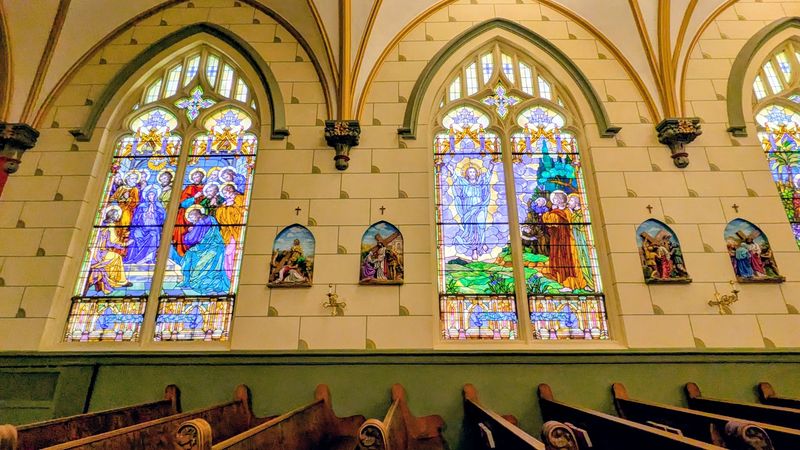
The stained glass windows inside Holy Family Cathedral are among the most colorful and detailed in the region. Each window is a composition of rich blues, deep reds, warm golds, and earthy greens that shift and glow as the natural light changes throughout the day.
The windows depict scenes from scripture and Catholic tradition, giving the interior a narrative quality that rewards careful attention. Spending time moving from window to window is its own kind of quiet tour through centuries of religious storytelling.
Light plays a huge role in how the sanctuary feels at different times of day. Morning Mass catches the early sun in a way that makes the eastern windows practically luminous, while the afternoon light softens the whole space into something warm and contemplative.
Photography enthusiasts will find the windows endlessly interesting as subjects, though the experience of simply sitting in a pew and watching the light move across the stone floor is something no camera can fully capture. This is one of those places that rewards patience.
A Community With Over a Century of History
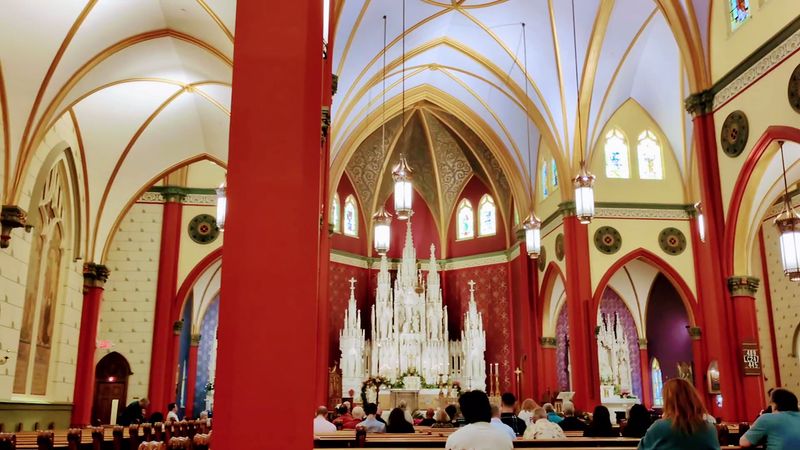
Some churches feel like buildings. Holy Family Cathedral feels like a living community, and that distinction matters.
The parish has been active for well over 100 years, and the sense of continuity is palpable the moment you interact with anyone connected to the place.
The congregation is genuinely diverse in age and background. Families who have worshipped here across multiple generations sit alongside newer members who discovered the cathedral recently, and the mix creates an atmosphere that is both rooted and open.
Programs like the Becoming Catholic group offer structured, welcoming entry points for people who are curious about the faith but not sure where to start. Tours and community dinners are part of how the parish introduces itself to newcomers, and those events carry a warmth that feels authentic rather than rehearsed.
The parish’s history is also connected to the broader story of Tulsa itself, reflecting waves of growth, change, and resilience that the city has experienced over its lifetime. Learning about the cathedral means learning something real about Oklahoma’s past.
What the Mass Experience Actually Feels Like
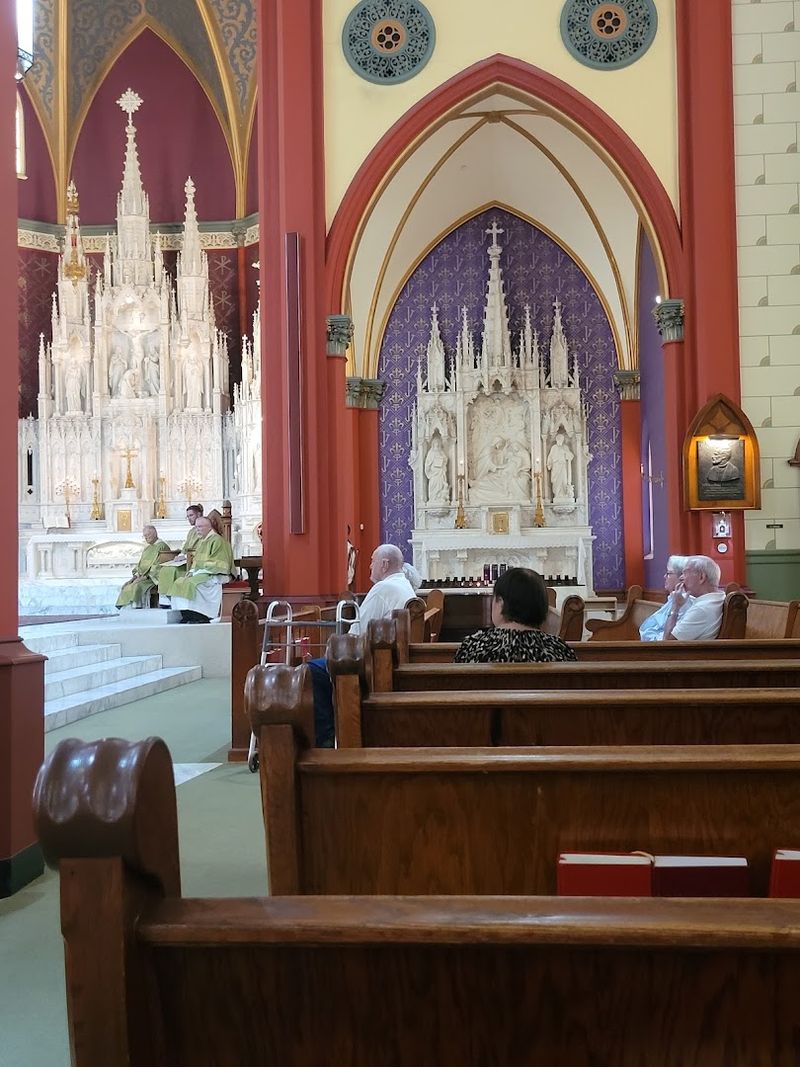
Attending Mass at Holy Family Cathedral is a full sensory experience in the best possible way. The organ fills the entire space with sound that resonates in the stone walls, and the choir adds a layer of musical richness that elevates even a quiet weekday service.
The liturgy is conducted with care and reverence. The priests are known for being welcoming and approachable, and the homilies tend to be thoughtful and accessible rather than abstract or distant.
Confession times are generous, with priests known to stay until every person in line has been heard.
Sunday Masses draw the largest crowds, and the 10 AM service in particular fills the pews in a way that makes the cathedral feel fully alive. Even Christmas Mass, which packs the sanctuary completely, manages to feel personal rather than overwhelming.
Non-Catholics who attend out of curiosity consistently report feeling welcome and engaged rather than out of place. The ceremony and music carry a power that does not require any prior knowledge to appreciate, just an open and willing presence.
The Renovation Story and What It Means
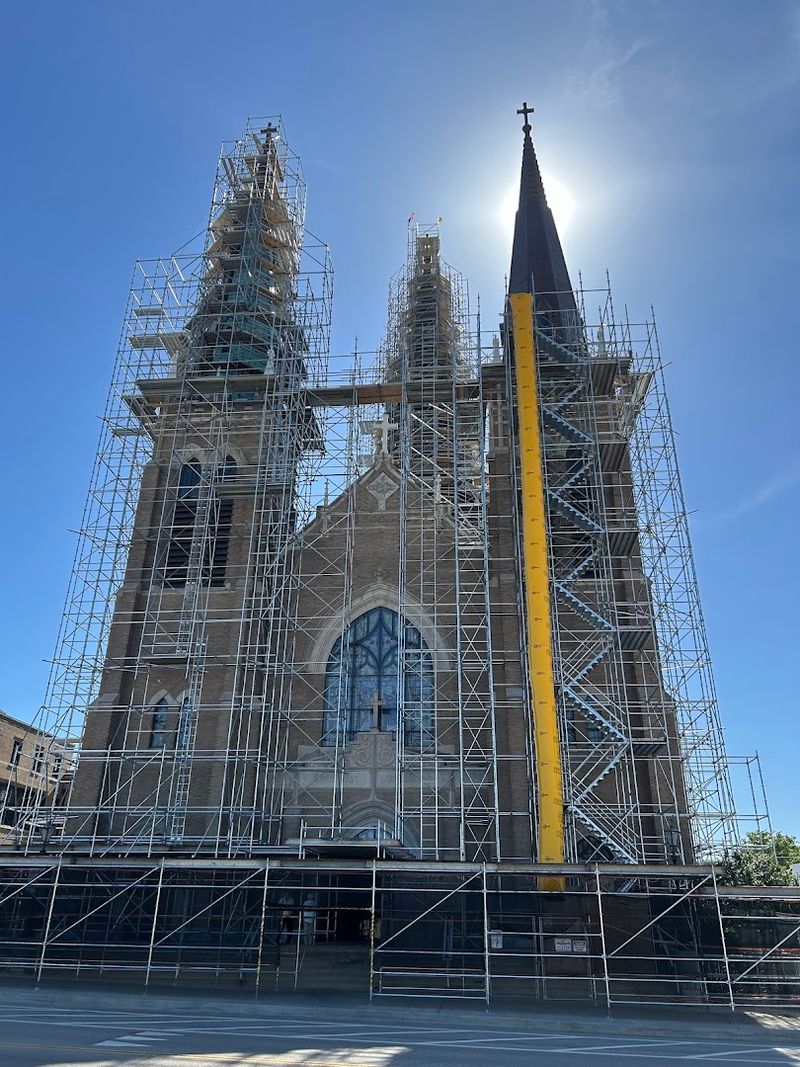
Holy Family Cathedral is currently undergoing exterior renovation work, which means scaffolding and construction equipment are part of the view from the street right now. That context is worth knowing before you visit so it does not catch you off guard.
The renovation is a sign of the parish’s commitment to preserving the building for future generations. Maintaining a Gothic Revival cathedral of this scale requires serious investment, and the work being done reflects both the community’s dedication and the building’s cultural significance to Tulsa.
The good news is that the interior remains fully intact and beautiful throughout the renovation period. The sanctuary, the marble altar, the stained glass, and the vaulted ceilings are all accessible and unaffected by the exterior work happening outside.
Historically minded visitors might actually find the renovation interesting in its own right. Watching craftsmen work on century-old stone gives you a sense of just how much skill and care goes into keeping a building like this standing and looking its best for another hundred years in Oklahoma.
Practical Tips for Planning Your Visit
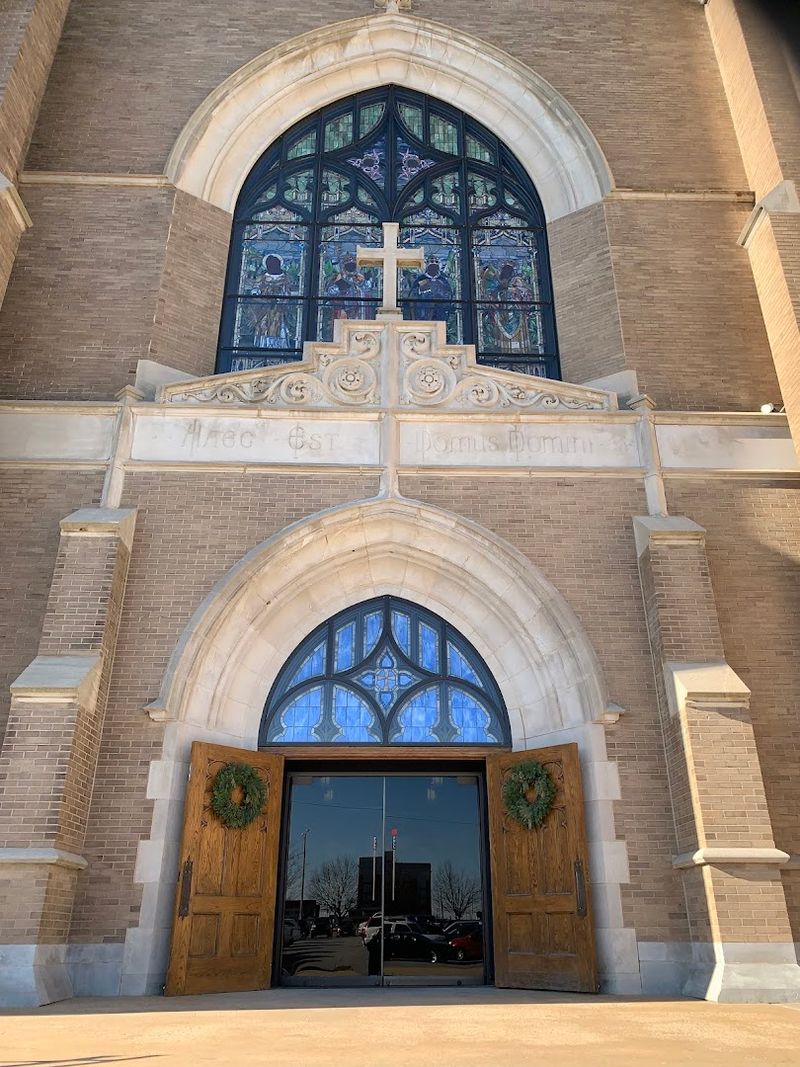
Holy Family Cathedral is located at 820 South Boulder Ave W in downtown Tulsa, and getting there is straightforward from most parts of the city. Parking is available in the area and is described by regular attendees as genuinely adequate, which is not always the case for urban churches of this size.
The cathedral’s operating hours vary by day. Daily Mass is typically held in the early morning from 7 to 7:30 AM on weekdays, with Saturday Mass at 8 AM and Sunday services running from 7:30 AM through early afternoon.
Monday Mass is held at 11:30 AM, which is a convenient option for those who cannot make early morning services.
The phone number for the parish office is +1 918-582-6247, and the website at tulsacathedral.com provides updated schedules, event listings, and information about programs like RCIA for those exploring the Catholic faith.
Clean restroom facilities are available inside the building, which is a small but appreciated detail for visitors who plan to spend extended time exploring the space. Come with comfortable shoes and a fully charged camera.
Why Architects and History Lovers Should Make the Trip
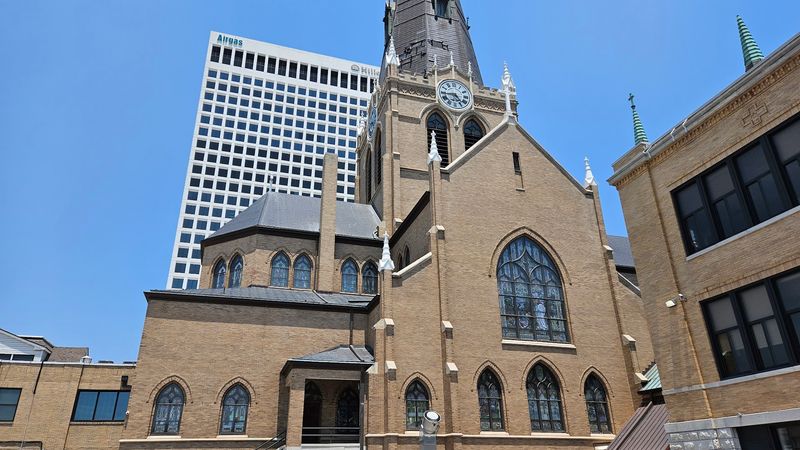
Gothic Revival architecture reached its peak in the 19th and early 20th centuries, and Holy Family Cathedral is one of the finest surviving examples of that style in the entire south-central United States. For anyone interested in architectural history, that fact alone makes a visit worthwhile.
The building demonstrates how European ecclesiastical design traditions were transplanted and interpreted in the American context. The proportions, the material choices, and the decorative program all reflect a specific moment in Catholic church building that was deeply intentional and culturally ambitious.
Local historians will find additional layers of interest in how the cathedral connects to Tulsa’s development as a city. The parish’s founding predates the oil boom that transformed Oklahoma, giving it a perspective on the city’s growth that is different from most other institutions downtown.
Photography of the building is rewarding from multiple angles, and the interplay of the cathedral’s vertical lines against the surrounding urban skyline makes for genuinely striking compositions. Early morning light hits the stone facade in a way that brings out textures and details that disappear in harsher midday sun.
A Quiet Place That Stays With You
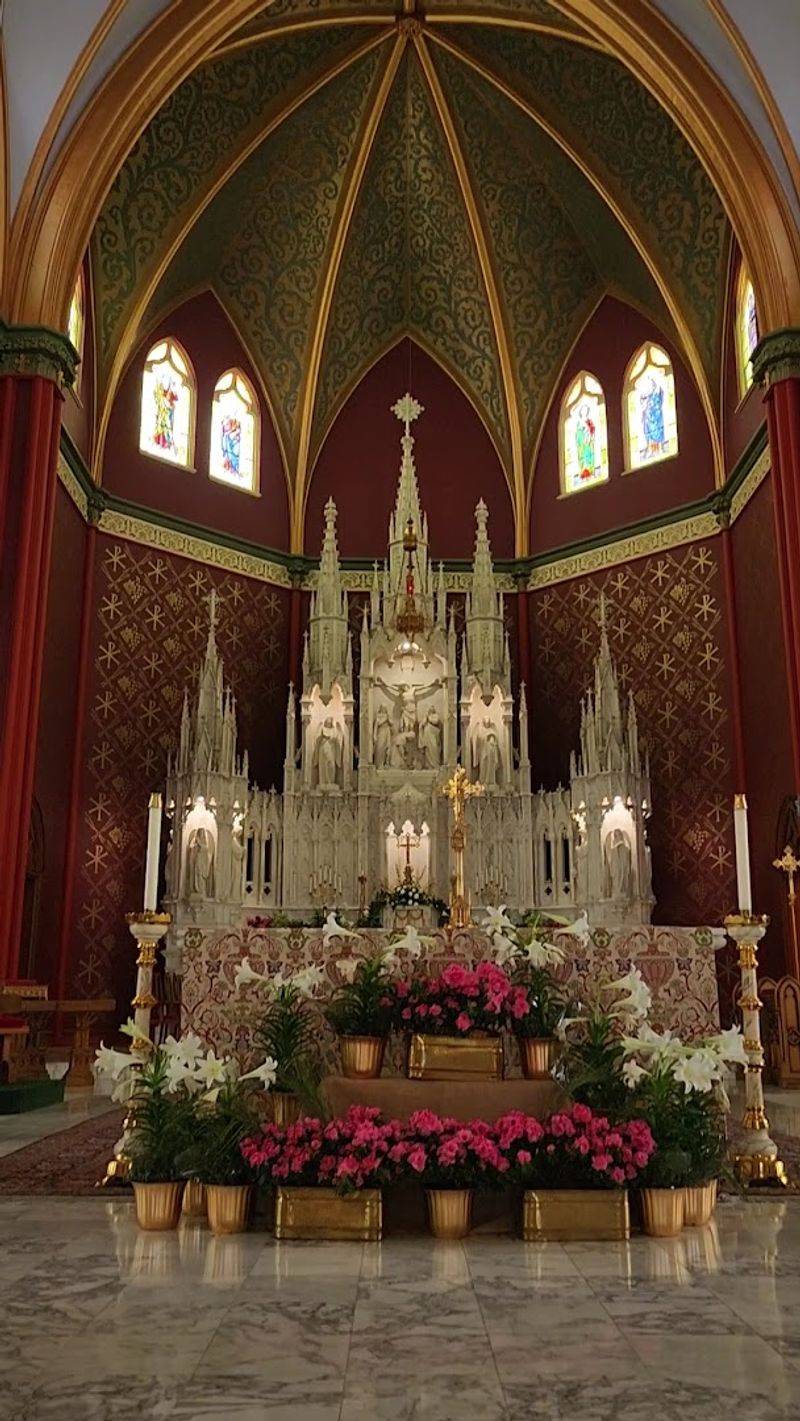
Beyond the architecture and the history, what Holy Family Cathedral offers most reliably is a sense of stillness. The thick stone walls filter out the sounds of the city, and the interior has the kind of acoustic quality that makes even silence feel full and present.
Visitors who come outside of Mass hours often describe the experience of sitting quietly in the sanctuary as unexpectedly moving. The scale of the space, the filtered colored light, and the careful craftsmanship of every surface combine to create an atmosphere that is hard to find anywhere else in Oklahoma.
The cathedral holds a 4.8-star rating across more than 525 reviews, and the consistency of that praise across people of different backgrounds and beliefs says something real about the place. It earns its reputation not through spectacle but through a kind of quiet excellence that compounds over time.
A first visit often turns into a return visit, and then another. The building reveals itself gradually, and each time you look more carefully, there is something new to notice, some detail in the stonework or the glass that you missed before.
Share this story