 Unearth The Voyage
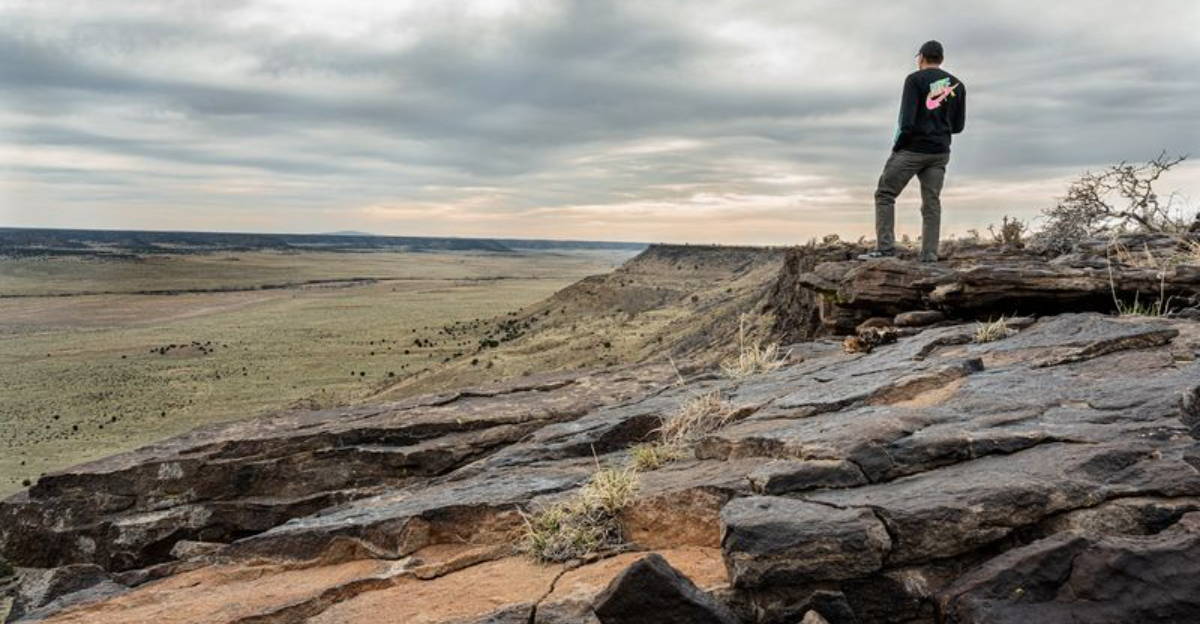
There is a place in the far western corner of Oklahoma where the land rises higher than anywhere else in the state, the sky turns ink-black at night, and the Milky Way stretches overhead like a river of light. Most people have never heard of it, and that is exactly what makes it so special.
Black Mesa sits quietly at 4,972.97 feet above sea level, drawing hikers, stargazers, and curious travelers who are willing to make the drive to one of the most remote and rewarding spots in the entire country. By the time you finish reading this, you will want to pack your bag and point your car toward the Oklahoma panhandle.
Where Exactly Black Mesa Is and How to Get There
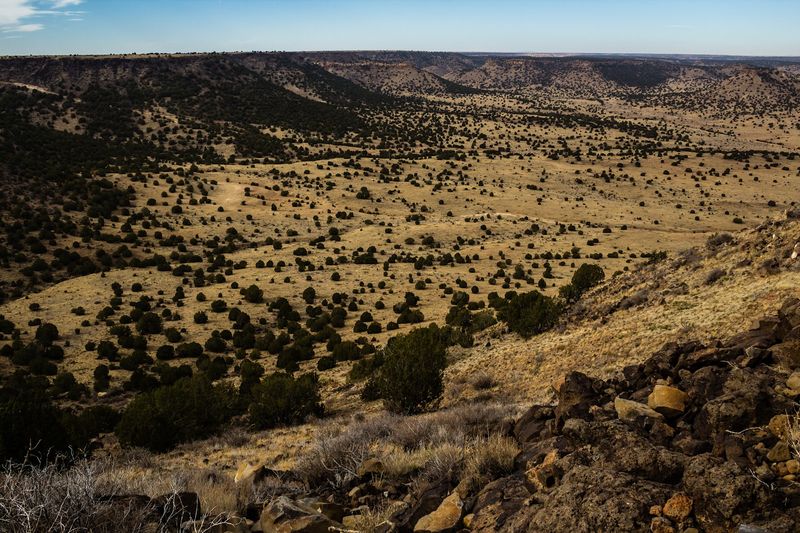
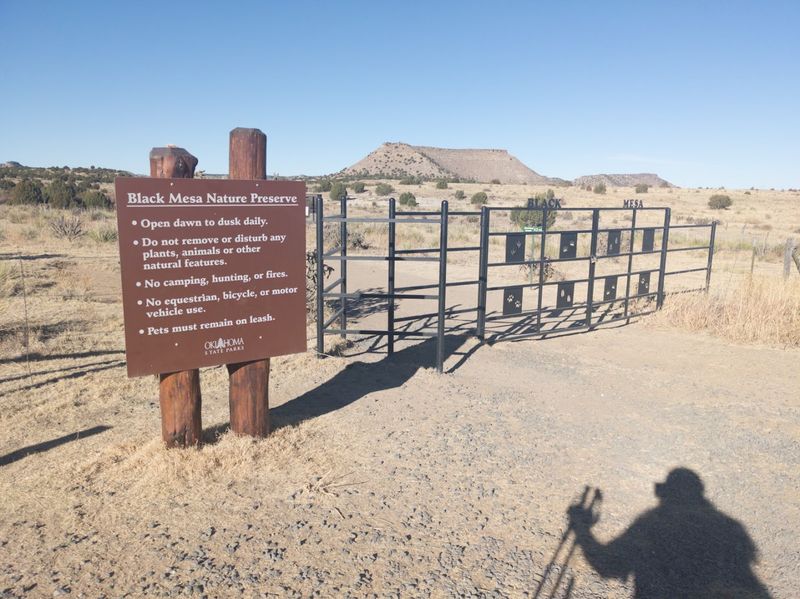
Getting to Black Mesa is genuinely part of the adventure. The trailhead sits near Kenton, Oklahoma, in Cimarron County, right along the border where Oklahoma, New Mexico, and Colorado meet.
The official address for the area is Oklahoma 73946, and the GPS coordinates place it at 36.93185 latitude and -102.99737 longitude, putting you deep in the panhandle.
The drive out there is long and largely unpaved in sections, so a full tank of gas is not optional. Some visitors have discovered the hard way that the next gas station can be well over a hundred miles away, so topping off before you head out is one of the smartest moves you can make.
Cell service disappears completely as you approach the trailhead, which means downloading offline maps ahead of time is a real necessity. From the parking lot, turning right gets you back to paved road, while turning left puts you on roughly 25 miles of dirt roads.
The remoteness is not a flaw here. It is the whole point, and arriving prepared turns what could be stressful into something genuinely thrilling.
The Volcanic Origins That Shaped This Landscape
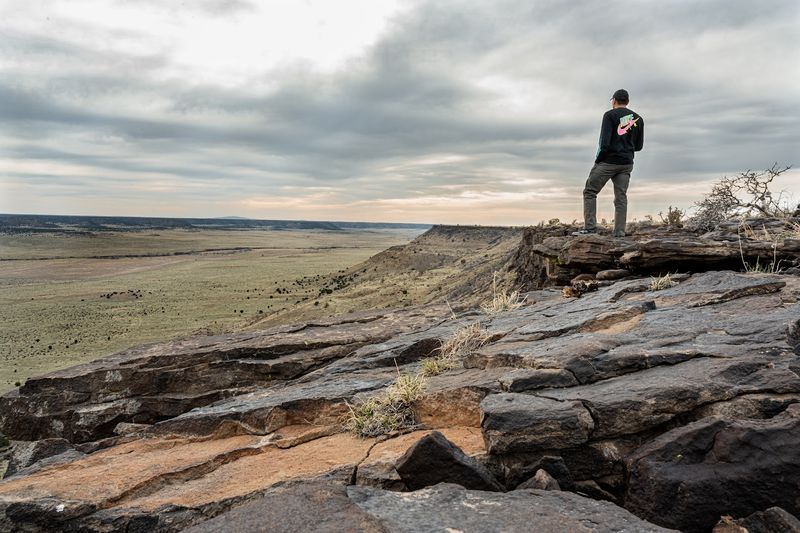
Long before anyone hiked a single mile of this trail, a volcano did the heavy lifting. Black Mesa was formed millions of years ago when lava flowed across the landscape and hardened into the dark basalt rock that gives the mesa its name.
The black rock on top of the plateau is the remains of that ancient eruption, and standing on it feels like walking on something that has been there forever.
From the summit, hikers can actually see the Capulin Volcano in nearby New Mexico sitting quietly on the horizon, a visual reminder of the geological forces that shaped this entire region. The black basalt surface near the top is mostly flat, which creates a striking contrast with the steep, dramatic climb that gets you there.
The landscape carries a haunting, silent quality that is hard to put into words. There are no trees, very little shade, and a stillness that feels ancient.
The geology here is not just a backdrop. It is the story, written in hardened lava and open sky, and it makes every step on that dark rock feel oddly significant.
Oklahoma’s Highest Point and What That Actually Means for Hikers
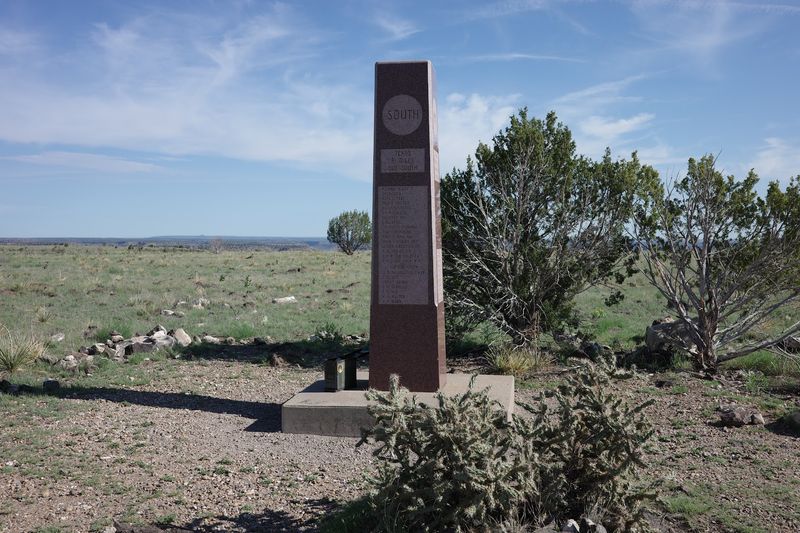
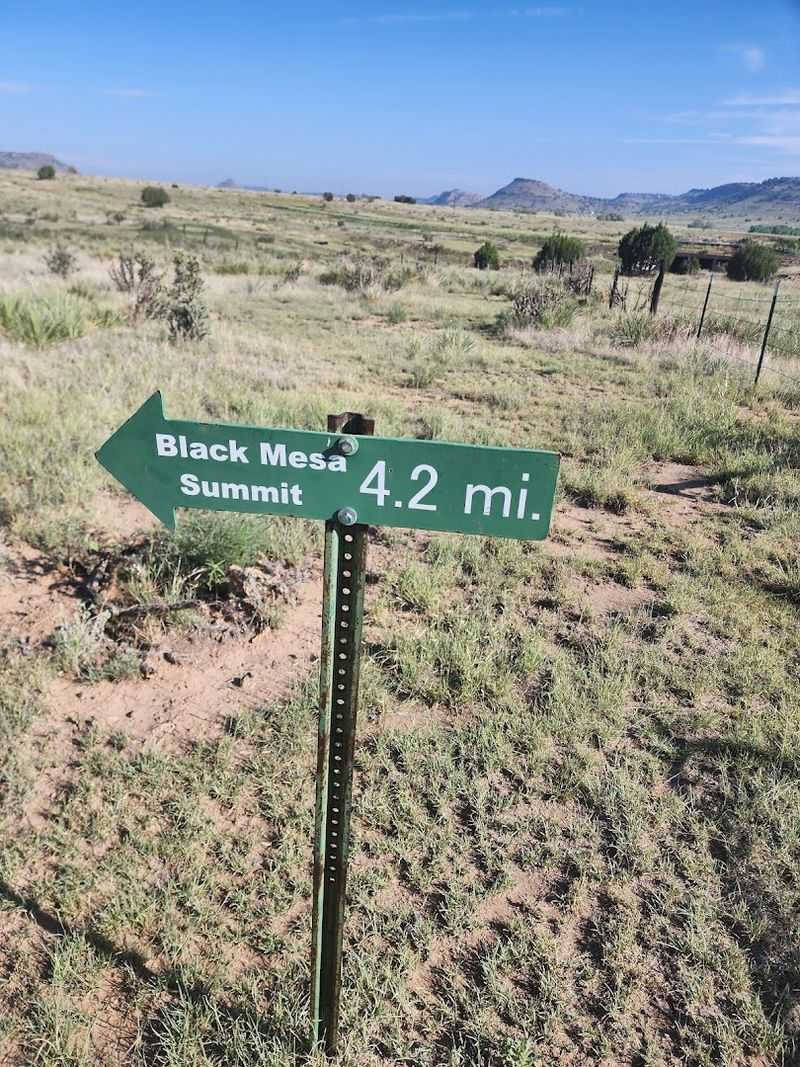
At 4,972.97 feet above sea level, Black Mesa holds the title of the highest point in Oklahoma, and that fact tends to stick with people long after the hike is over. The summit marker is a stone monument that hikers reach after completing roughly 4.2 miles from the trailhead, with the full out-and-back trail coming in at about 8.4 to 8.5 miles total.
The trail breaks down into a few distinct phases. The first two and a half miles are mostly flat desert terrain with benches placed at each mile marker, which sounds easy until the sun is blazing and there is zero shade in sight.
Then comes the steep ascent up the mesa, roughly a mile of serious climbing that pushes most hikers to their limits.
After the climb, another mile and a half of flat trail leads to the summit monument. The bench at mile three is widely considered the best resting spot on the entire route, offering both shade and some of the most open views on the trail.
Reaching that marker after everything the trail throws at you feels genuinely earned, and the view from the overlook makes every tough step worth it.
The Night Sky That Puts City Stars to Shame
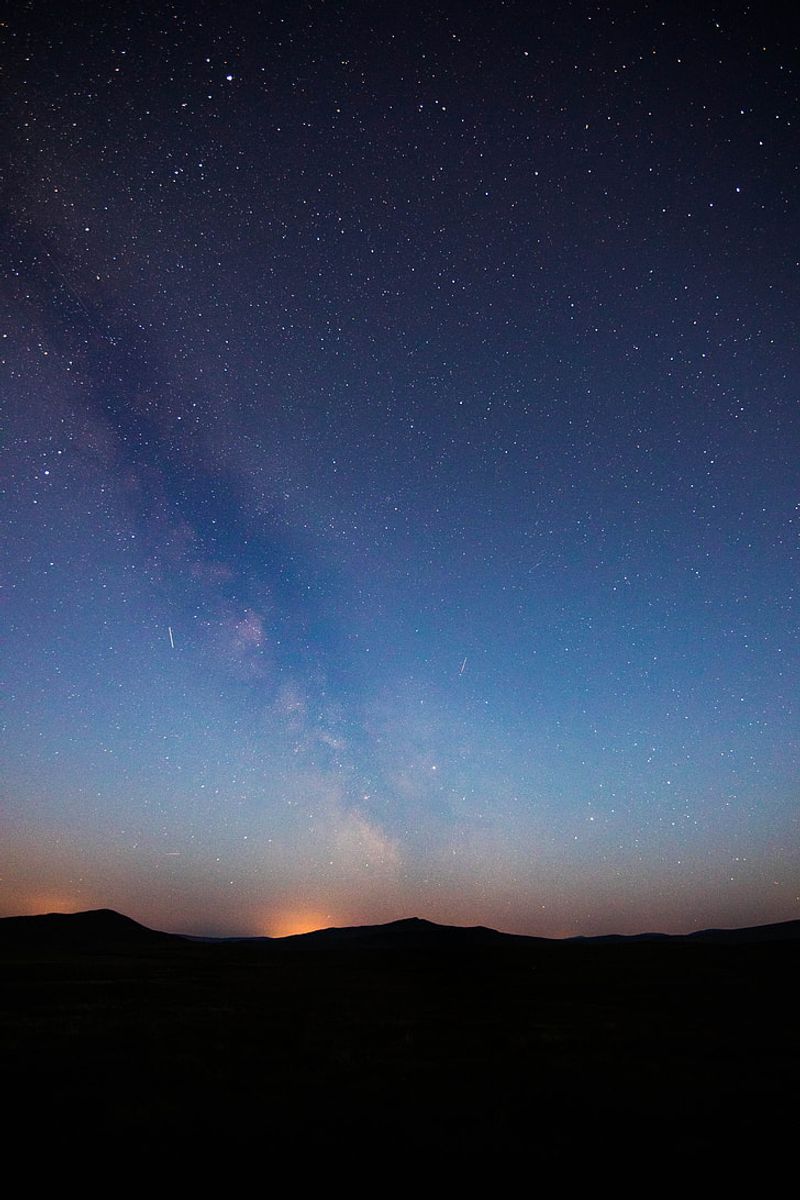
The reason Black Mesa has earned recognition as one of the world’s largest remote dark sky parks comes down to one simple fact: there is almost no artificial light for miles in any direction. The Oklahoma panhandle is one of the least populated stretches of land in the entire country, and that emptiness translates directly into some of the darkest, most star-packed skies you will ever see with your own eyes.
The Milky Way does not just appear as a faint smudge here. It stretches across the full dome of the sky in a wide, detailed band that looks almost too vivid to be real.
Visitors who camp overnight consistently describe the experience as something that changes how they think about the night sky entirely.
The International Dark-Sky Association has recognized this region for its exceptional darkness, and the sheer size of the dark sky area around Black Mesa sets it apart from smaller designated parks. Arriving before dark is strongly recommended, both to set up camp safely and to let your eyes adjust gradually as the stars begin to appear.
The show starts slowly and then becomes absolutely overwhelming in the best possible way.
What to Expect on the Trail Itself
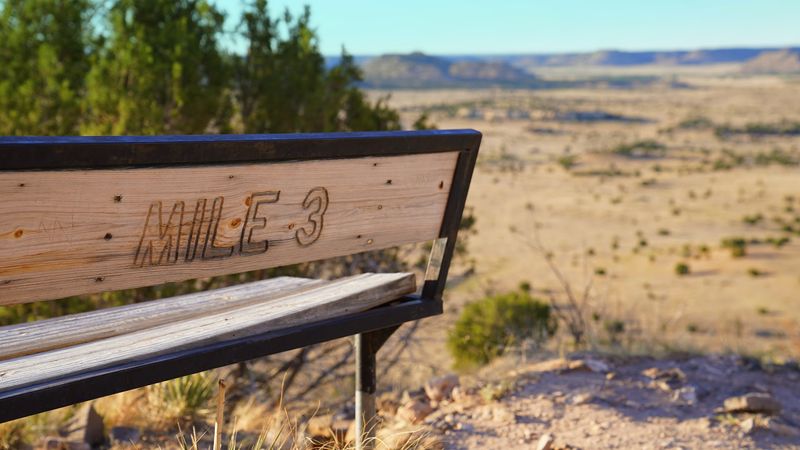
The trail at Black Mesa is one of those routes that tricks you in the best way. The first couple of miles feel almost too easy, flat and open with benches every mile and a landscape that is quietly dramatic without demanding much from your legs.
Then the mesa climb arrives and completely resets your expectations.
The ascent is steep, exposed, and relentless for about a mile, and it happens under a sun that has no intention of hiding behind clouds. Hikers have reported taking over 30 minutes just to complete that single climbing mile, stopping frequently to catch breath and take in the expanding views behind them.
Coming prepared with plenty of water is not just advice here. It is a genuine requirement for finishing safely.
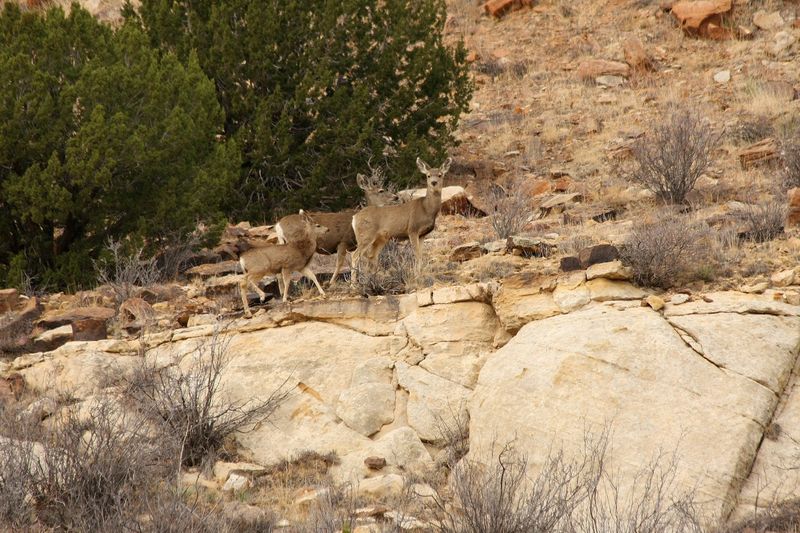
Some trail sections have shaded rest stations with water bottles available around the two-mile mark, though that is not guaranteed on every visit. Wildlife appears regularly along the route, including deer that materialize out of nowhere near dusk.
The trail offers very little in the way of cell service, shade, or crowds, which is precisely the combination that makes it feel like a real backcountry experience even without a permit or technical gear.
Camping Under the Stars at Black Mesa State Park
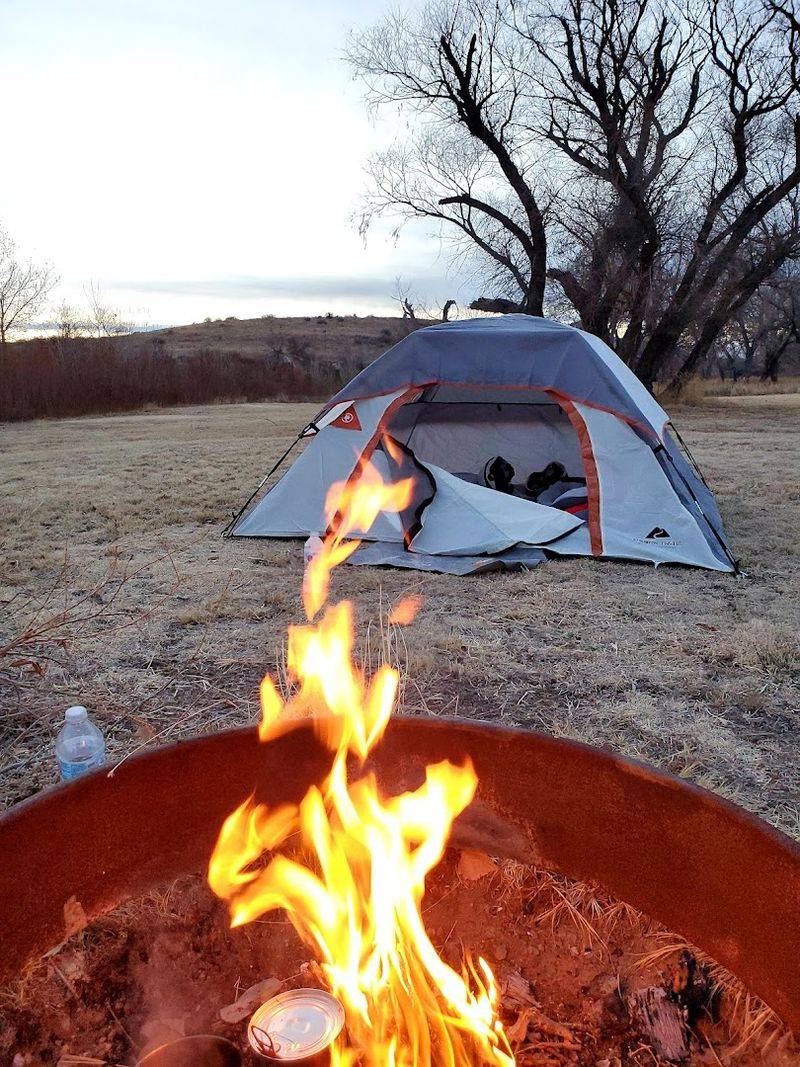
Spending the night at Black Mesa State Park turns the experience from a day hike into something far more memorable. The park offers RV spots and primitive camping options, and car camping near the base of the mesa puts you in the perfect position to watch the sky go dark and stay out as long as you want without worrying about a long drive home in the dark.
The campground sits in a setting that is genuinely quiet in a way that urban and suburban life rarely allows. No traffic noise, no distant hum of city lights, just wind, crickets, and the occasional sound of wildlife moving through the brush nearby.
Prairie dogs are common in the area and often visible in the early morning hours near the road.
Arriving before dark is a strong recommendation from nearly everyone who has stayed here, both for safety on the unfamiliar roads and to get your campsite sorted before the sky turns completely black. The payoff for that preparation is a night sky experience that most people only see in photographs.
Waking up the next morning with the mesa right outside your tent is a genuinely peaceful way to start any day.
The Rare Flora and Fauna You Might Actually Spot
Black Mesa is not just a geological landmark. It sits within a state park that protects a genuinely unusual mix of plant and animal life, shaped by the convergence of three states and several distinct ecosystems.
The mesa sits at the crossroads of the Southern Rockies, the Chihuahuan Desert, and the Great Plains, which means species from all three zones show up here in combinations you would not find anywhere else in Oklahoma.
Rare plant species cling to the rocky slopes and plateau surface, adapted to the thin soil and intense sun. Hikers have reported encounters with deer, coyotes, prairie dogs, and various hawk species along the trail.
The landscape may look barren at first glance, but the biological diversity packed into this remote corner of the panhandle is quietly impressive.
The cows that wander through the trail area are also worth mentioning, as they occasionally act territorial and can surprise hikers who are not expecting livestock on a backcountry route. The combination of domestic animals, wild creatures, ancient lava rock, and rare plants creates an ecological snapshot that feels entirely unique.
Bringing binoculars adds a whole new layer to the experience and gives you a reason to slow down and actually look around.
The Views Into New Mexico From the Mesa Top
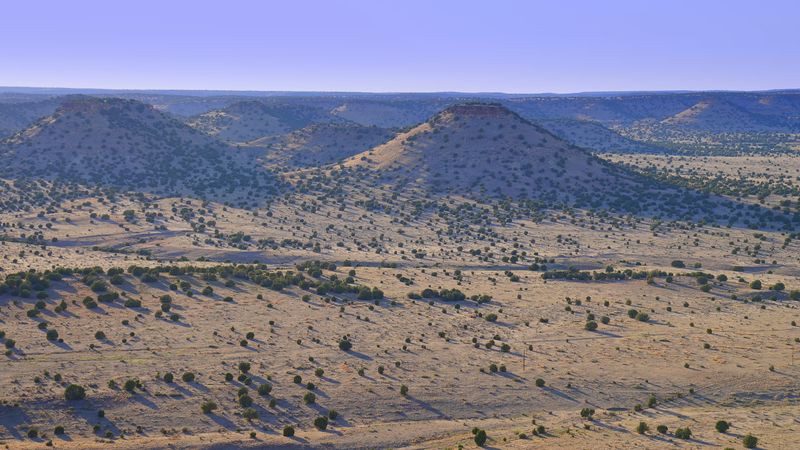
One of the quieter rewards of reaching the top of Black Mesa is the view that opens up toward the west. From the plateau edge, on a clear day, you can see directly into New Mexico, where the landscape rolls out in shades of tan, rust, and deep green scrub.
The Capulin Volcano sits on the horizon like a perfectly shaped cone, a dormant reminder of the same volcanic activity that created the mesa beneath your feet.
The sense of standing at a tri-state boundary adds an interesting mental layer to the physical experience. Oklahoma, New Mexico, and Colorado all converge within a short distance of this spot, and the open sightlines from the mesa top make it easy to feel that geographic reality in a way that a map never quite captures.
The views back toward the east are equally striking, showing the flat desert terrain you crossed to get there and putting the scale of the hike into perspective. Spending a few quiet minutes at the overlook before turning back is something most hikers agree is non-negotiable.
The photos you take from up there carry a depth and openness that is hard to replicate anywhere else in Oklahoma.
Essential Gear and Preparation Tips
Preparation for a Black Mesa hike is not something to treat casually. The trail offers no shade for most of its length, temperatures regularly climb above 90 degrees in summer, and the nearest gas station or store can be over a hundred miles away depending on your route.
That combination rewards careful planning and punishes casual oversight.
Water is the single most important thing to bring, and bringing more than you think you need is always the right call. Sunscreen, a hat, and light but long-sleeved clothing protect against a sun that has nothing to block it out here.
Sturdy hiking shoes with good grip make the steep mesa climb significantly more manageable than trail runners or casual sneakers.
Snacks with real caloric density help sustain energy across the roughly five hours a full hike typically takes. Offline maps downloaded before you leave cell range are essential since there is no service anywhere near the trailhead.
Checking that your car lights are working before the drive out is also worth doing, since the roads get genuinely dark after sunset and deer appear with very little warning. A small first aid kit and a backup phone battery round out a sensible packing list for this remote destination.
The Best Time of Year to Visit Black Mesa
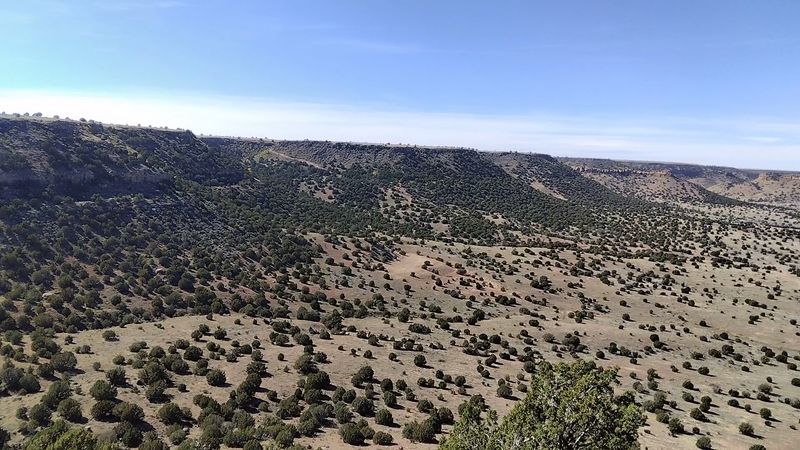
Timing a visit to Black Mesa makes a real difference in how enjoyable the experience ends up being. Spring and fall are widely considered the best seasons, with temperatures in the 50 to 70 degree range making the 8.5-mile round trip far more comfortable than a summer outing in 90-plus degree heat.
April and October tend to be particularly pleasant, with manageable temperatures and clear skies that favor both hiking and stargazing.
Summer visits are absolutely possible but demand an early start, ideally before sunrise, to cover the flat sections before the heat builds. Several hikers have completed the trail in October and described the weather as close to perfect, with a light breeze and full sun that felt energizing rather than punishing.
Winter visits are less common but offer their own appeal, particularly for serious stargazers who want the longest possible nights and the coldest, clearest air. Snow can occasionally dust the mesa top in winter months, turning the black volcanic rock into a striking contrast of dark and white.
Whatever season you choose, arriving with flexibility and a willingness to adjust plans based on conditions is the mindset that tends to produce the best memories at this remote Oklahoma landmark.
The Solitude Factor and Why It Matters
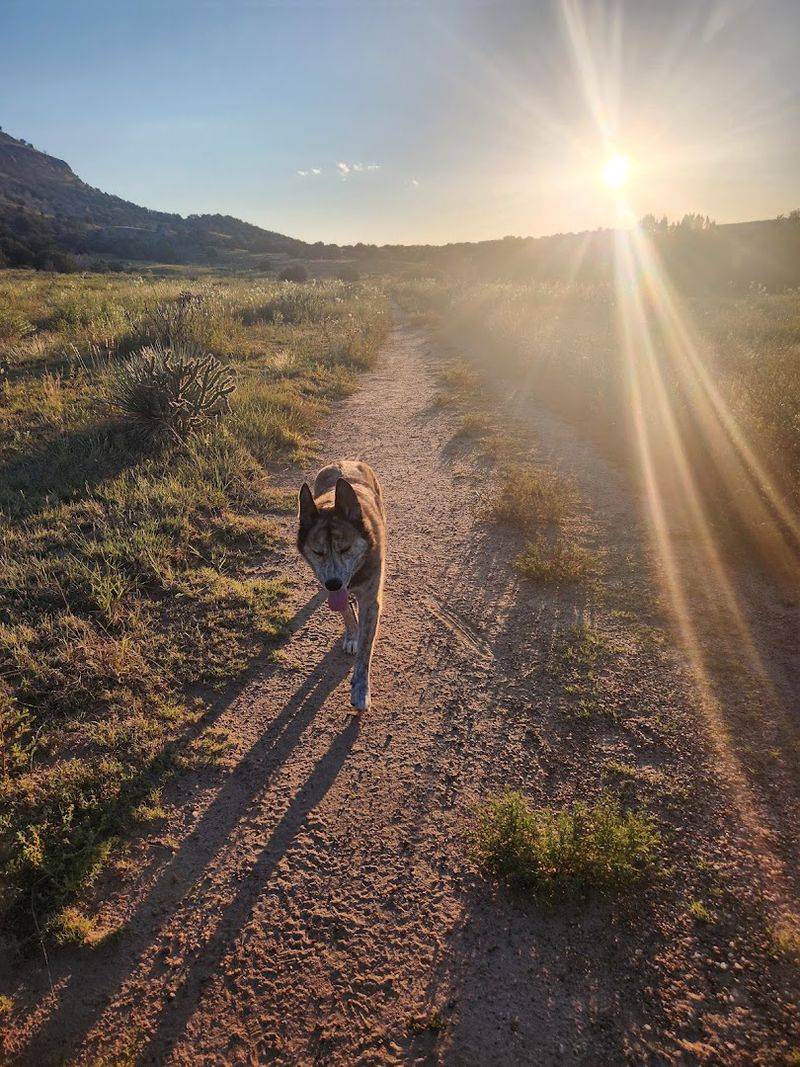
There is something genuinely rare about a place where you can hike nearly nine miles and encounter only one or two other groups of people the entire time. Black Mesa offers that level of solitude on a fairly consistent basis, and for anyone who has grown tired of crowded national parks and busy trailheads, that quietness is a major part of the appeal.
The absence of cell service reinforces the disconnection in a way that feels deliberate rather than inconvenient. Without notifications, maps, or background noise, the attention naturally settles onto the landscape, the sound of wind, and the physical reality of moving through a place that has remained largely unchanged for a very long time.
Hikers who have completed the trail solo describe the experience as both challenging and clarifying in equal measure. The physical difficulty of the mesa climb, combined with the visual reward at the top and the deep quiet of the surrounding terrain, creates a kind of focused presence that is hard to find in more accessible places.
Oklahoma does not always get credit for its wild and remote landscapes, but Black Mesa makes a strong and quiet argument for itself with every mile of trail.
Why Black Mesa Deserves a Spot on Your Travel List
Black Mesa earns its reputation not through flashy amenities or easy access but through the kind of raw, honest experience that is getting harder to find. The combination of Oklahoma’s highest peak, ancient volcanic geology, world-class dark skies, and genuine remoteness puts this place in a category that very few destinations in the entire country can claim.
The hike is tough enough to feel meaningful without requiring technical skills or specialized equipment. The night sky is dark enough to genuinely shift your perspective on light pollution and what the natural world is supposed to look like after sunset.
The landscape is strange and beautiful in a way that photographs only partially capture.
Planning a trip here takes effort. The roads are long, the gas stations are sparse, and the cell service is nonexistent.
But every one of those friction points is also the reason the place feels so untouched and so worth the trip. Oklahoma holds a lot of quiet surprises for travelers willing to look past the obvious routes, and Black Mesa sits at the very top of that list, both literally in terms of elevation and figuratively in terms of the experience it delivers.



