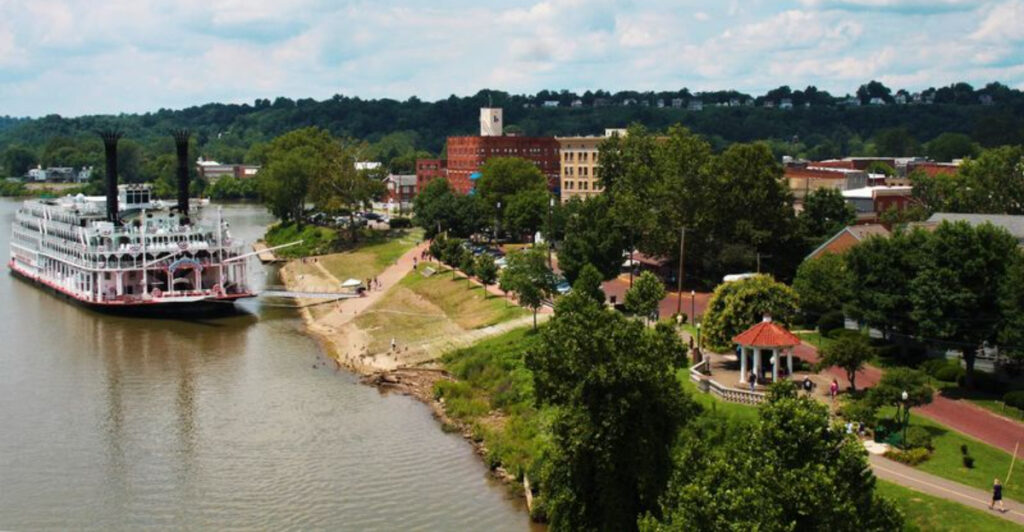
There is a place in Ohio where two rivers meet, and the ground beneath your feet holds more than two centuries of American history. The first permanent settlement in the Northwest Territory was established here in 1788, making it one of the oldest cities in the entire Midwest.
Standing at the riverfront, watching the Ohio River roll past the same banks where settlers once arrived by flatboat, you get a real sense of how much this place has shaped the country. That combination of living history and natural beauty is exactly why people keep coming back.
The First Permanent Settlement in the Northwest Territory
Most people drive through southeastern Ohio without realizing they are passing one of the most historically significant cities in the entire United States. Marietta, Ohio, located at 169 Front Street, Marietta, Ohio 45750, was founded in 1788 as the first permanent American settlement in the Northwest Territory.
That distinction is not just a footnote. It shaped the laws, land policies, and governance of every state that followed in the region.
The city was named after Marie Antoinette in recognition of French support during the American Revolution.
General Rufus Putnam led the group of settlers who arrived by boat and established Campus Martius, a fortified settlement that still has a preserved presence in the city today. Walking through Marietta, you feel that founding energy in the street layout, the old buildings, and the pride locals carry about their city’s place in American history.
Where the Muskingum and Ohio Rivers Converge
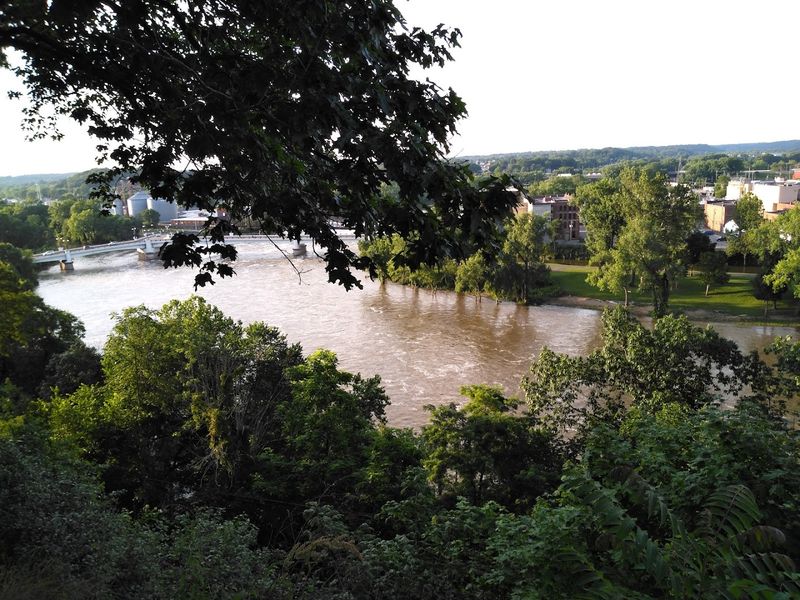
Two rivers meeting in one spot is always a spectacle, and in Marietta the convergence of the Muskingum and Ohio Rivers creates a waterfront scene that is genuinely hard to forget. The Ohio River forms the state border with West Virginia just across the water, while the Muskingum winds inland through the heart of southeastern Ohio.
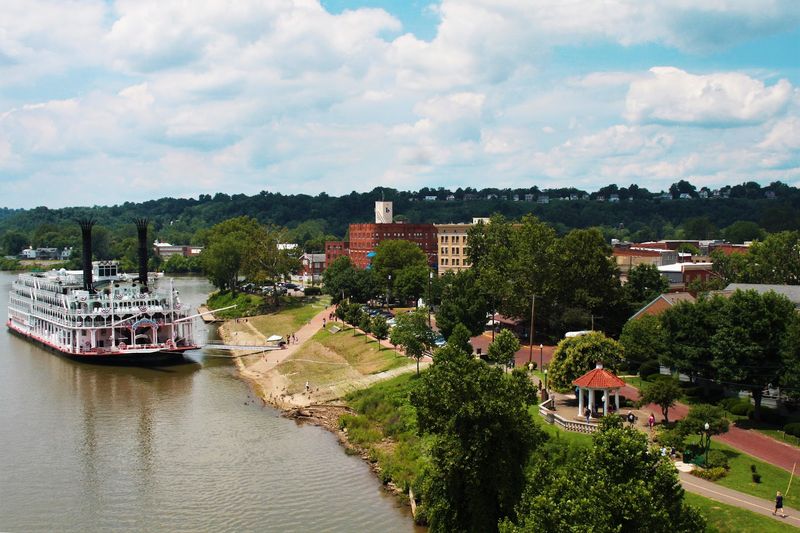
Standing at the confluence point, you can watch towboats pushing barges downstream while smaller pleasure craft cross in the opposite direction. The rivers have always been central to Marietta’s identity, serving as the original highways that brought settlers, supplies, and commerce to the region.
The riverfront area today has been developed into an accessible, walkable space with benches, open views, and a genuine connection to the water. It is one of those spots where you can simply sit and watch the current move and feel completely settled.
Campus Martius Museum and the Rufus Putnam House
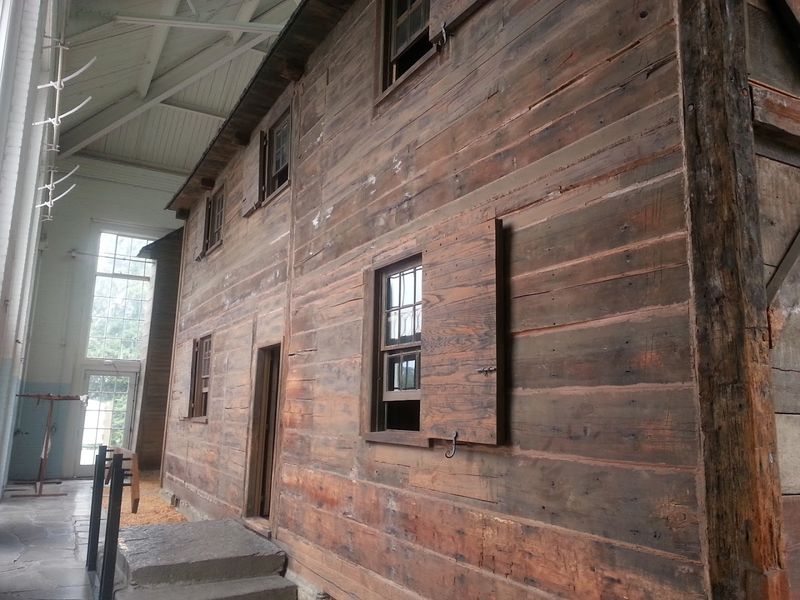
Campus Martius Museum is the kind of place that makes history feel immediate rather than distant. Built around the actual preserved home of General Rufus Putnam, one of the original founders of Marietta, the museum tells the story of the Ohio frontier with artifacts, documents, and exhibits that span the earliest days of American westward expansion.
The Rufus Putnam House, still standing inside the museum structure, is one of the oldest surviving buildings in Ohio. Visitors can walk through rooms that were part of the original fortified settlement from 1788, which is a rare and remarkable experience.
The museum also houses the Ohio River Museum nearby, which covers the history of river travel and commerce. Together, these two institutions give visitors a deep, layered understanding of how Marietta grew from a frontier outpost into a thriving Ohio city.
It is genuinely one of the most educational stops in the state.
The Ohio River Museum and Sternwheeler Heritage
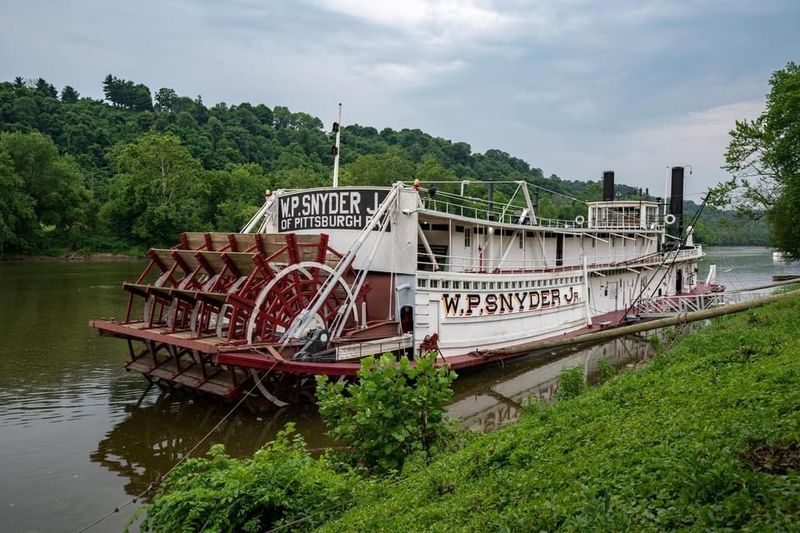
Few cities in the Midwest can claim the kind of deep connection to river travel that Marietta holds. The Ohio River Museum, operated by the Ohio History Connection, celebrates the full sweep of river life from Native American canoe travel through the golden age of the sternwheel steamboat.
One of the centerpieces of the museum experience is the W.P. Snyder Jr., a steam-powered sternwheel towboat that is listed on the National Register of Historic Places.
It is the last surviving steam-powered sternwheel towboat in the United States, and you can board and explore it during your visit.
Marietta has long celebrated its sternwheeler heritage through the annual Sternwheel Festival, which draws large crowds to the riverfront each fall. The boats, the sounds, and the whole atmosphere of that event feel like a genuine tribute to the river culture that built this part of Ohio.
The Mound Cemetery and Ancient Earthworks
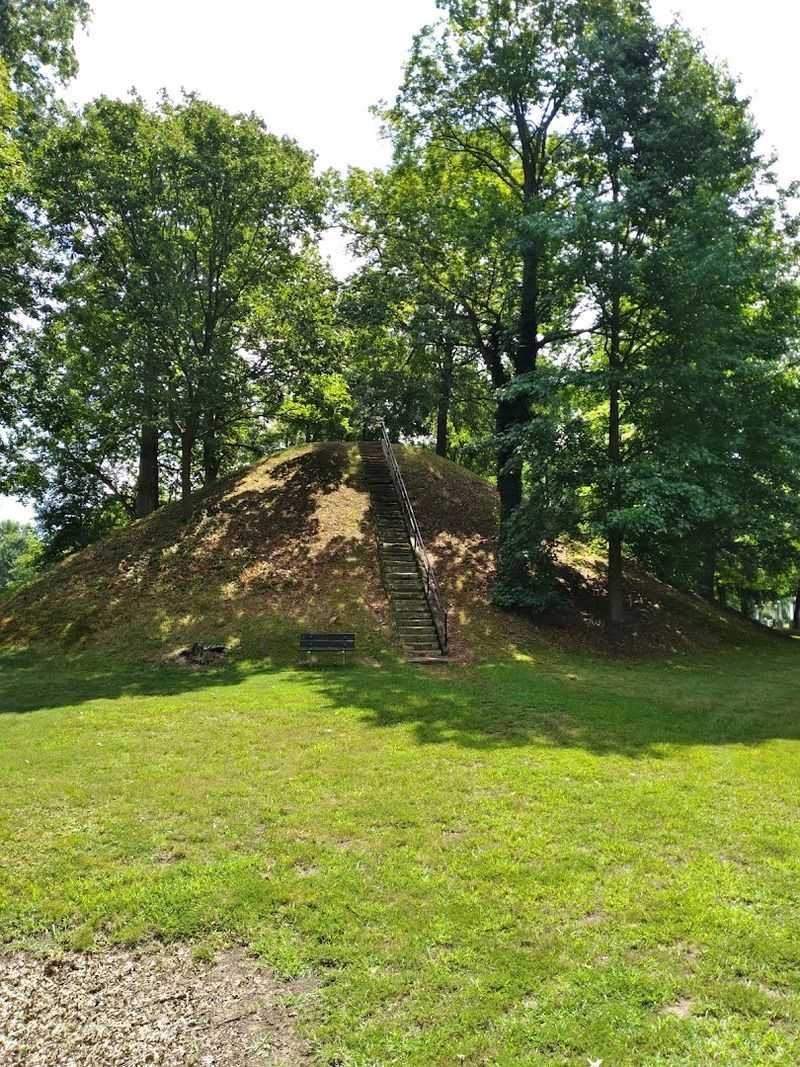
Right in the middle of a historic cemetery in downtown Marietta sits a large conical earthen mound built by the Hopewell culture more than 2,000 years ago. Conus Mound, as it is known, rises about 30 feet and stands inside Mound Cemetery, where many of the city’s earliest settlers and Revolutionary War veterans are buried.
The presence of ancient earthworks alongside colonial-era graves creates an unusual layering of history that you rarely encounter in a single location. Marietta was actually built around and among several of these prehistoric mounds, which were recognized and deliberately preserved by the original settlers.
The earthworks here were part of a larger complex that early Ohio historians documented in detail. Visiting the cemetery gives you a quiet, reflective moment to think about the thousands of years of human activity that this land has witnessed.
It is one of the more unexpected and moving experiences Marietta offers.
Sacra Via and the Ancient Earthwork Avenues
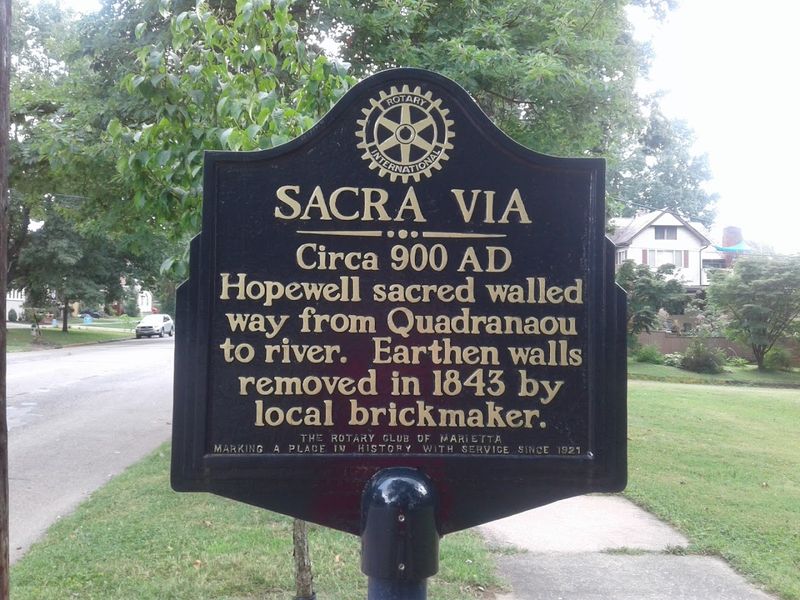
When the founders of Marietta arrived in 1788, they discovered an elaborate network of ancient earthworks built by the Hopewell culture. Rather than destroying them, they named the features and incorporated them into the city’s layout.
One of the most remarkable was Sacra Via, a broad, raised avenue flanked by parallel walls that led from the main earthwork enclosure down to the Muskingum River.
The name, Latin for Sacred Way, was given by the educated New England settlers who recognized the ceremonial significance of the structure. Most of the earthworks were gradually lost as the city grew, but the story of their original presence is well documented and still discussed by local historians.
Learning about Sacra Via adds a fascinating prehistoric layer to any Marietta visit. The city essentially grew up on top of one of the most significant ancient earthwork complexes in North America, which is a detail that most visitors never expect to discover.
The Historic Levee District and Downtown Architecture
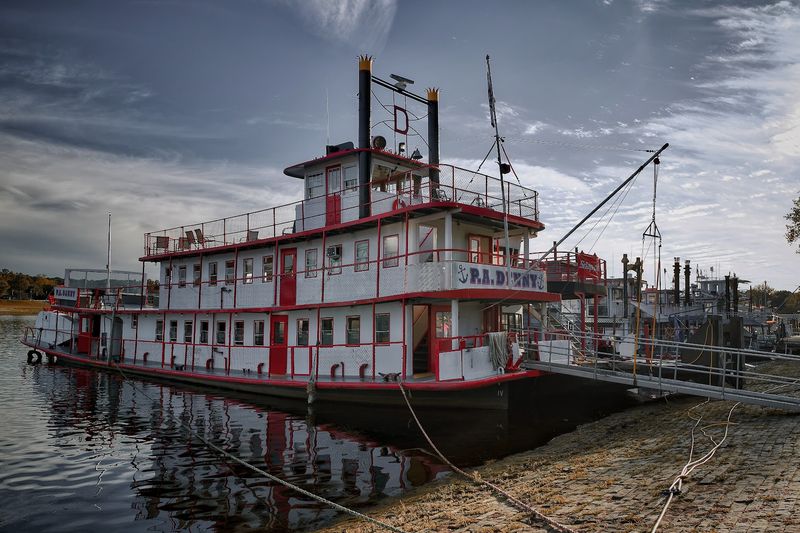
Downtown Marietta has a walkable, lived-in quality that a lot of Ohio river towns have lost over the decades. The historic levee district runs along the waterfront and is lined with 19th-century brick commercial buildings that have been preserved and repurposed into shops, restaurants, and small businesses.
The architecture tells a story of prosperity that came from river trade. Marietta was a significant commercial hub during the 19th century, and the buildings downtown reflect that confidence.
Wide sidewalks, detailed facades, and a generally unhurried pace make it easy to spend an afternoon just wandering.
The area around Front Street and the Ohio River gives you a clear sense of how the city was originally oriented toward the water. Everything faced the river because the river was the lifeblood of commerce.
That relationship between the built environment and the waterfront still feels intact today, which makes downtown Marietta genuinely distinctive.
Harmar Village Pedestrian Bridge and Neighborhood
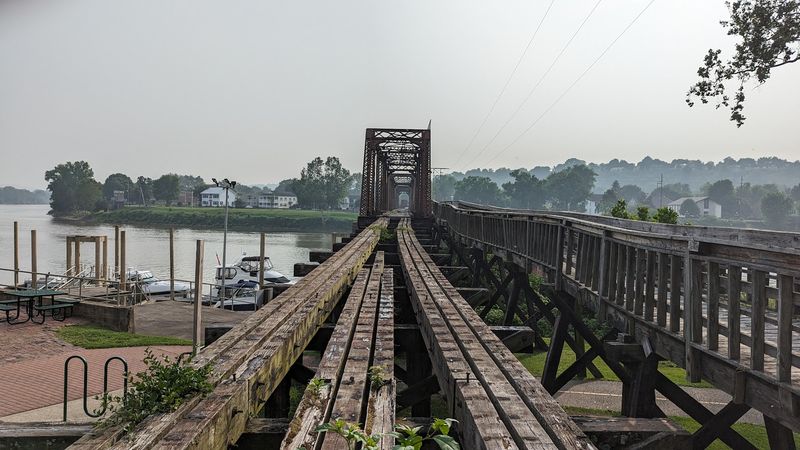
Cross the Muskingum River on the pedestrian bridge and you step into Harmar Village, a quiet neighborhood on the opposite bank that feels like a step back in time. The area was originally a separate settlement from Marietta and still has its own distinct character, with Victorian-era homes, narrow streets, and a slower pace than the main downtown.
The pedestrian bridge itself is a pleasant crossing with river views in both directions. On a clear day you can see the Ohio River in the distance and watch the current of the Muskingum moving beneath you.
It is a simple pleasure that a lot of visitors overlook in favor of the museums.
Harmar Village has a small collection of local shops and eateries worth exploring. The neighborhood gives Marietta an added layer of texture and makes a riverside walk feel genuinely rewarding rather than just a way to get from one attraction to another.
The Lafayette Hotel and Its Riverfront Presence
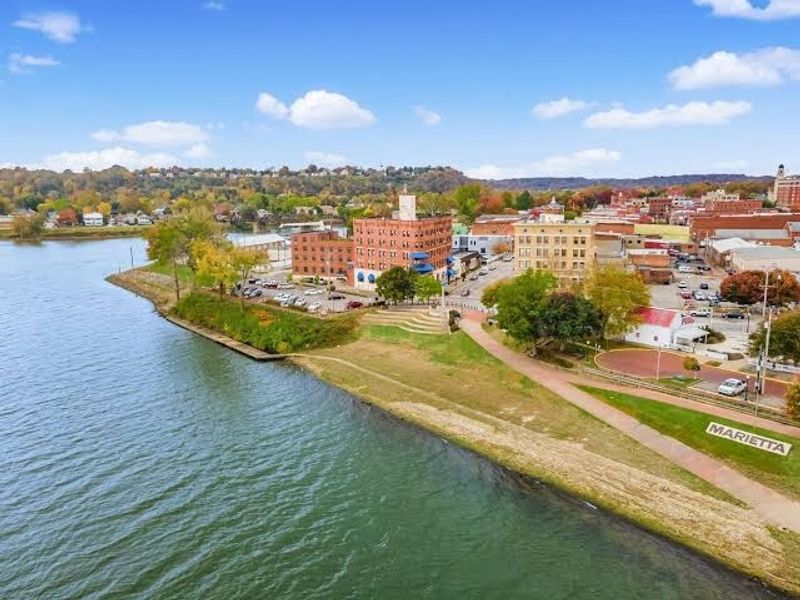
The Lafayette Hotel has been a fixture on the Marietta riverfront since 1918, and its position overlooking the Ohio River is one of the best vantage points in the entire city. The building itself carries the architectural confidence of the early 20th century, with brick construction and a presence that anchors the downtown waterfront.
Staying at the Lafayette puts you within easy walking distance of the major museums, the riverfront, and the historic downtown district. The hotel has hosted generations of travelers passing through southeastern Ohio, and that accumulated history gives it a character that newer properties simply cannot replicate.
The views from the riverfront side of the hotel are particularly good at dawn and dusk when the light hits the water and the West Virginia hills across the river. It is one of those places where the location does as much work as the building itself, and both deliver something genuinely worth experiencing.
Marietta’s Connection to the Underground Railroad
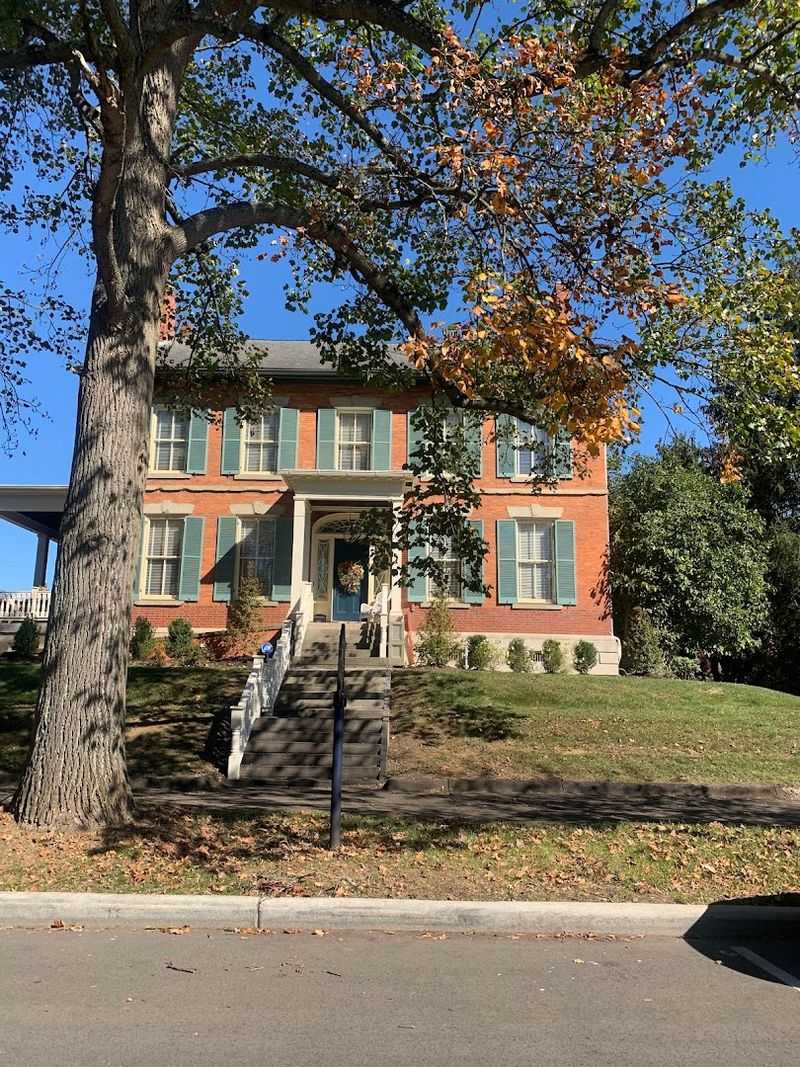
Marietta’s position on the Ohio River, directly across from the slave state of Virginia, made it a significant point along the Underground Railroad during the antebellum period. The river was both a barrier and a crossing point, and the city’s free Black community and abolitionist residents played active roles in helping freedom seekers reach safety.
That history is part of what makes Marietta more than just a pretty river town. The same waterway that brought settlers west also carried people toward freedom, and local historical organizations have worked to document and preserve those stories.
Several sites in and around Marietta have been identified as connected to Underground Railroad activity. Learning about this chapter of the city’s past adds real depth to any visit and connects Marietta to one of the most important moral struggles in American history.
It is a part of the story that deserves more attention than it typically receives.
Fenton Art Glass and Local Craftsmanship Legacy
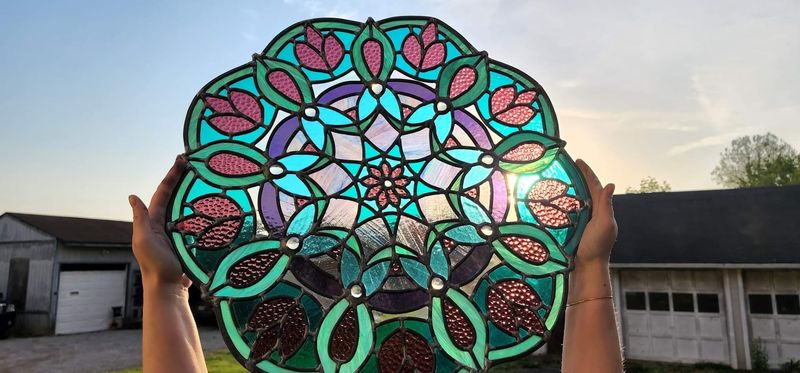
The Ohio River Valley has a deep tradition of glassmaking, and while Fenton Art Glass was based across the river in Williamstown, West Virginia, its influence and reputation extended strongly into the Marietta area. For generations, families in this region built their lives around the craft glass industry that flourished along the Ohio River corridor.
Marietta itself has long appreciated that handcraft heritage, and local antique shops and galleries often carry examples of regional art glass that reflect the area’s connection to this tradition. Visiting the antique district in downtown Marietta, you will frequently come across pieces that speak to that legacy.
The broader craft culture of the region gives Marietta a creative undercurrent that complements its historical identity. Whether you are a serious collector or simply someone who appreciates handmade objects with a story behind them, the art and antique scene here rewards careful exploration with genuinely interesting finds.
Seasonal Sternwheel Festival on the Riverfront
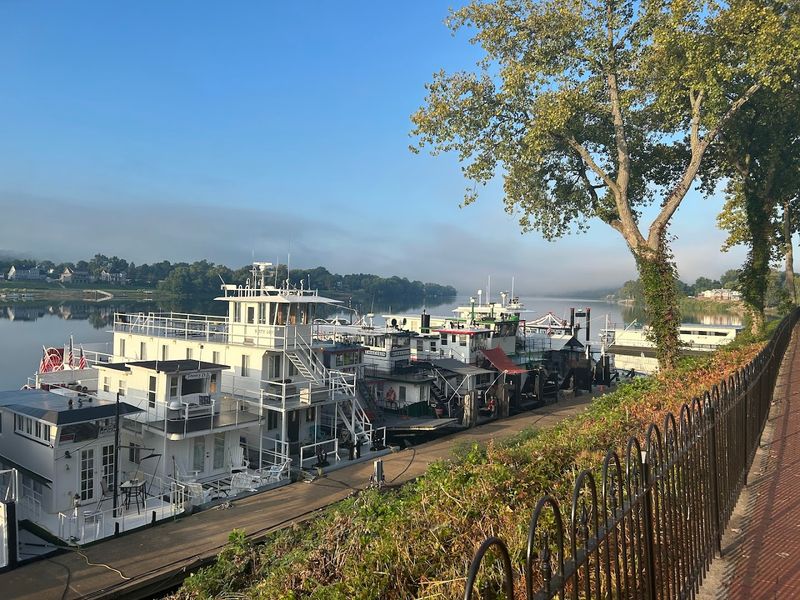
Every fall, Marietta’s riverfront transforms into one of the most lively celebrations of American river heritage anywhere in the Midwest. The Ohio River Sternwheel Festival brings historic sternwheel boats to the waterfront, drawing visitors from across the region who come to see these grand vessels up close and celebrate the culture of the Ohio River.
The festival has been a Marietta tradition for decades and remains one of the city’s signature events. Beyond the boats themselves, the event features live music, food vendors, and a general atmosphere of community pride that feels entirely authentic rather than manufactured for tourism.
Timing a visit to coincide with the festival adds a completely different energy to the Marietta experience. The riverfront fills with people, the boats line up along the banks, and the whole city seems to orient itself toward the water in a way that reminds you exactly why this place was built where it was.
Hiking and Natural Scenery Around the Surrounding Hills
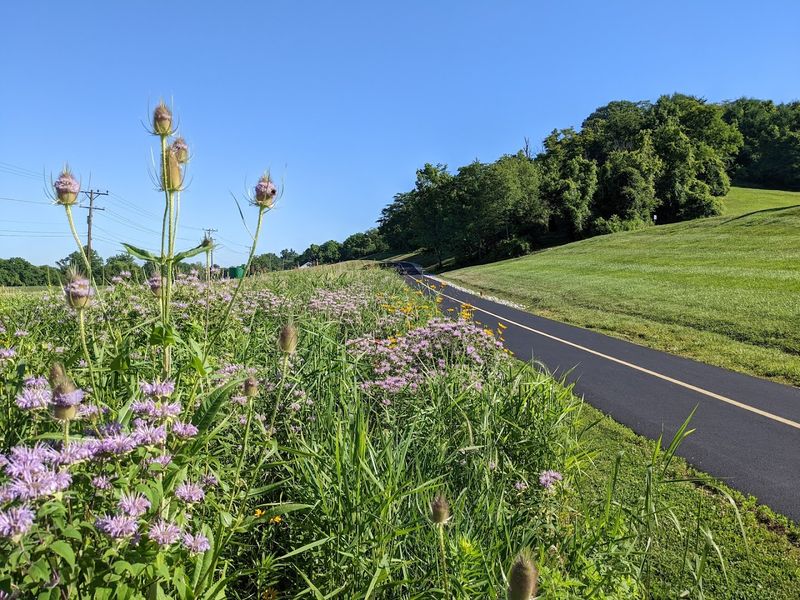
The landscape around Marietta is defined by the rolling hills of southeastern Ohio, and getting out into that terrain on foot adds a natural dimension to any visit. The area sits within the unglaciated Allegheny Plateau, which gives it a more rugged, forested character than the flatter parts of Ohio further north and west.
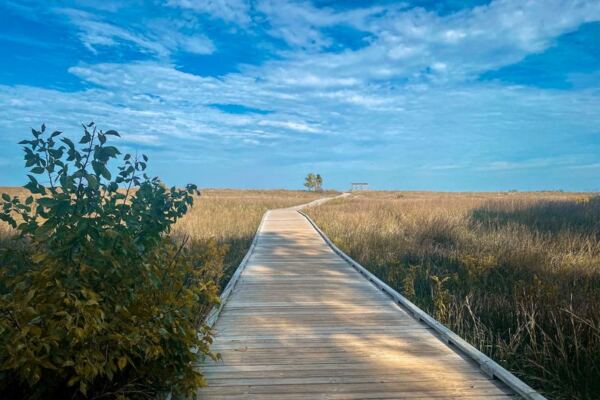
Several parks and natural areas within a short drive of downtown offer hiking trails with views of the river valley that feel genuinely rewarding. The combination of hardwood forests, creek hollows, and elevated ridgelines makes the terrain interesting for walkers of most fitness levels.
Fall is a particularly good time to explore the hills around Marietta, when the foliage turns and the views from higher ground stretch across the Ohio River into West Virginia. The natural setting and the historic city together form a pairing that gives the whole visit a satisfying sense of completeness.
Local Dining Along the Riverfront and Downtown
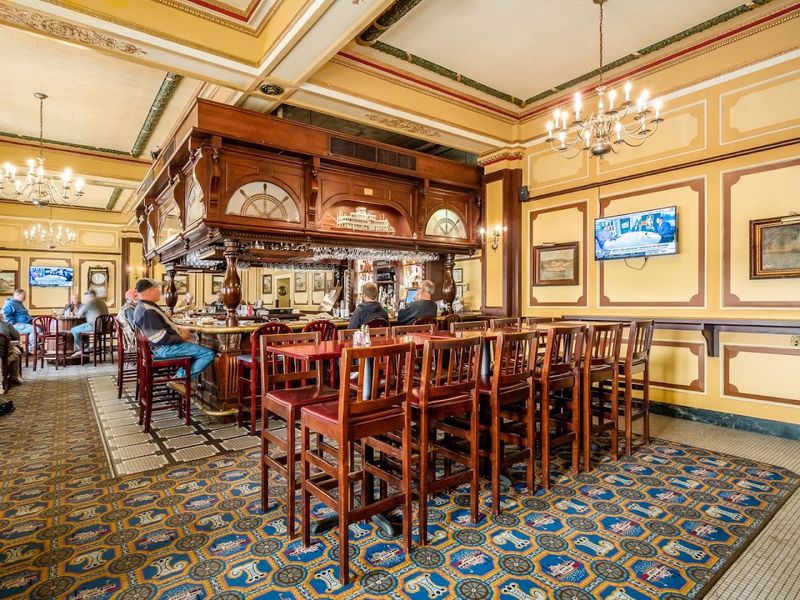
Eating well in Marietta does not require much searching. The downtown and riverfront areas have a solid collection of locally owned restaurants that reflect the city’s straightforward, unpretentious character.
Comfort food, fresh river-region ingredients, and friendly service tend to define the dining experience here.
Several spots along the levee and in the historic district offer outdoor seating with views toward the river, which makes a meal feel like part of the overall experience rather than a pause between attractions. On a warm evening, eating outside with the Ohio River in view is one of those simple pleasures that Marietta does particularly well.
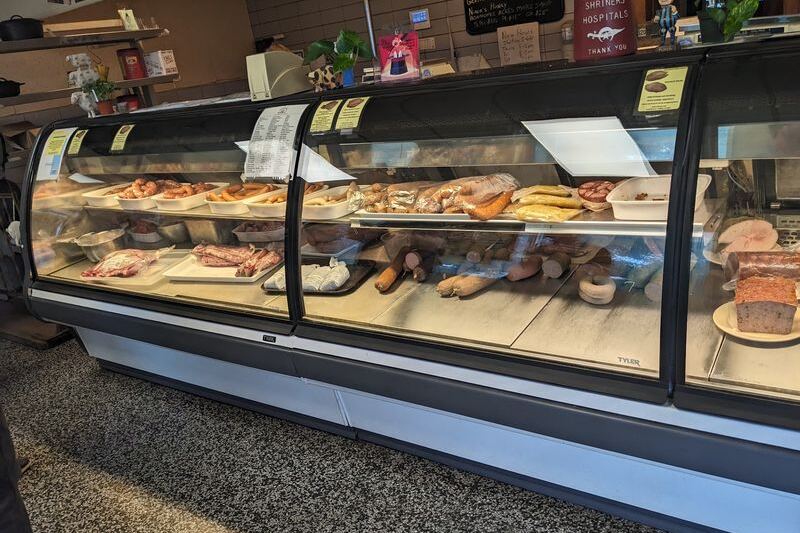
The local food culture is not flashy, but it is honest and satisfying. You will find homemade soups, regional specialties, and the kind of baked goods that actually taste like someone made them that morning.
For a city of its size, Marietta’s dining scene consistently delivers more than visitors expect.
Why Marietta Rewards Visitors Who Take Their Time
Some places reveal themselves quickly, and some ask you to slow down. Marietta is firmly in the second category.
The more time you give it, the more layers you find, from the ancient earthworks beneath the city streets to the 19th-century commercial buildings to the living river culture that still shapes daily life here.
A single afternoon visit will give you the highlights, but a full weekend lets you absorb the rhythm of the place. Morning walks along the river, afternoons in the museums, evenings watching the light fade over the Ohio, all of it builds into something that feels genuinely restorative.
Marietta also sits close enough to other southeastern Ohio and West Virginia attractions that it works well as a base for broader regional exploration. But honestly, the city itself gives you more than enough reason to stay put, look around carefully, and let more than 235 years of American history settle in around you.
Share this story