 Unearth The Voyage
Some people collect stamps or coins, but one man from Oklahoma took collecting to a whole new level. John Monroe Davis spent decades gathering firearms, turning his passion into something truly remarkable.
Today, his collection sits in Claremore, waiting for visitors to explore thousands of pieces that tell stories spanning hundreds of years. What started as a simple hobby became the world’s largest privately held firearms collection, and it’s all housed in a museum that welcomes guests for free.
The displays stretch across an entire building, showcasing everything from Revolutionary War muskets to Wild West six-shooters. This isn’t just a bunch of old weapons sitting in cases; it’s a journey through American history, one trigger pull at a time.
The Man Behind the Collection
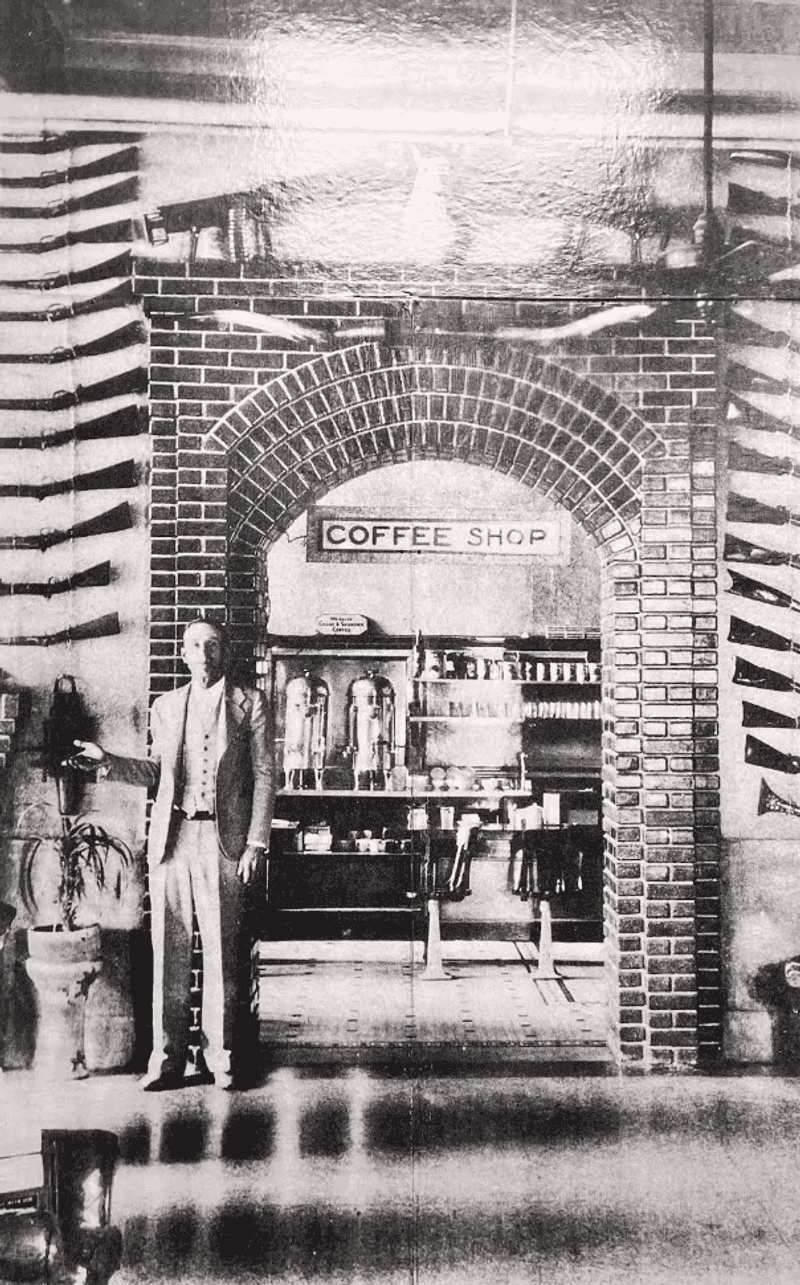
John Monroe Davis didn’t set out to create a world-famous museum. Born in 1888, he started collecting firearms as a young man working at the Mason Hotel in Claremore.
His interest grew from simple curiosity into a lifelong mission. Every paycheck meant another opportunity to add something special to his growing arsenal.
Davis traveled across the country, attending auctions and visiting private sellers. He had an eye for quality and historical significance that few collectors possessed.
His wife supported his passion, even when their home began overflowing with rifles, pistols, and revolvers from every era imaginable.
By the time of his passing in 1973, Davis had accumulated over 20,000 items. The collection included more than 12,000 firearms alone, representing centuries of craftsmanship and innovation.
He wanted future generations to appreciate these pieces, so he arranged for everything to become public property. The state of Oklahoma took ownership, ensuring his legacy would continue educating visitors.
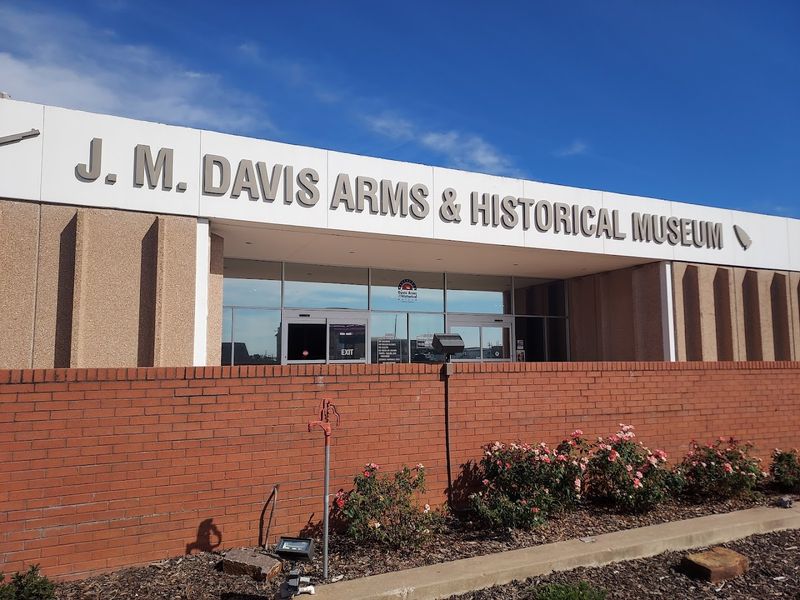
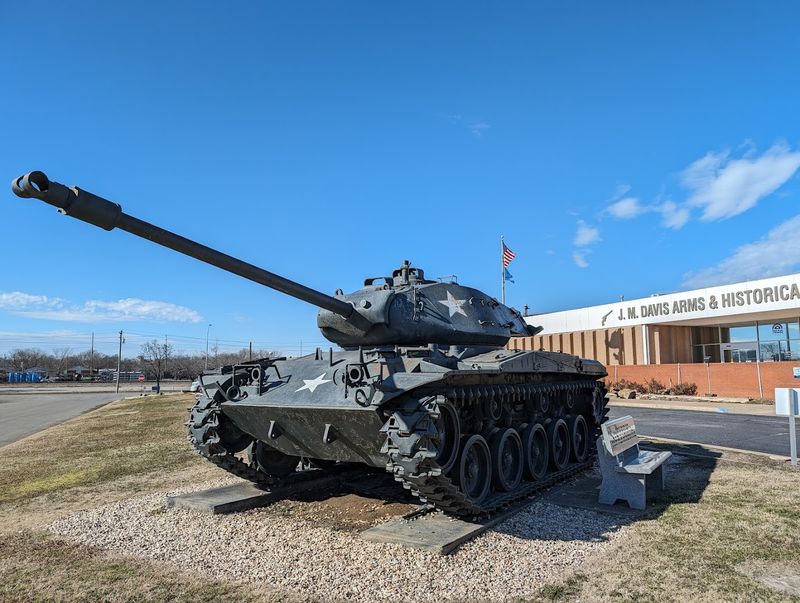
Today, his name graces the building at 330 N J M Davis Blvd in Claremore, Oklahoma. His dedication transformed a personal hobby into an educational treasure that draws enthusiasts from around the globe.
Walking Through Centuries of Firearm History
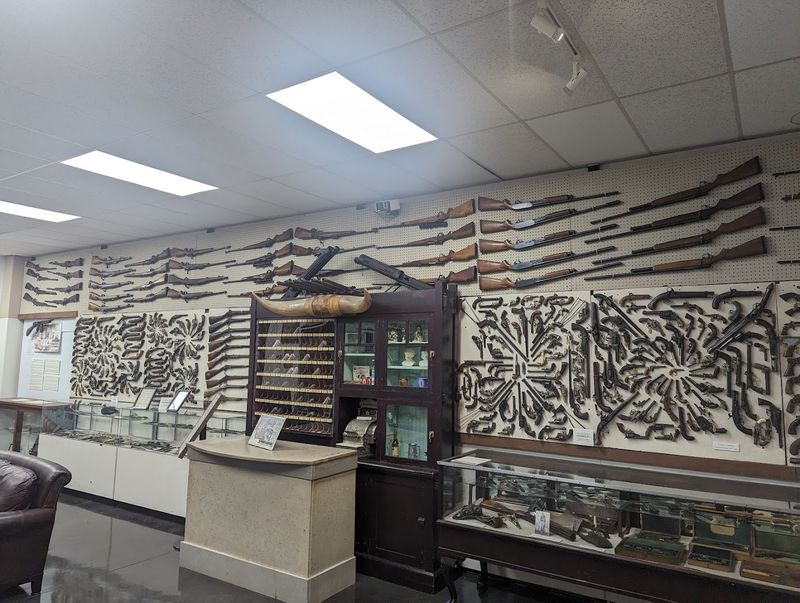
The museum layout takes you on a chronological journey through firearm development. Starting with early flintlock mechanisms from the 1700s, you’ll see how technology evolved through the centuries.
Each display case presents weapons from specific time periods, making it easy to understand how designs changed. The progression from single-shot muskets to repeating rifles becomes crystal clear as you move through the exhibits.
Revolutionary War-era pieces sit near cases featuring Civil War firearms. The craftsmanship visible in these antique weapons shows incredible attention to detail, even in an age before modern manufacturing.
Moving forward in time, you’ll encounter the firearms that shaped the American West. Winchester rifles, Colt revolvers, and Remington firearms fill multiple cases, each one representing a piece of frontier history.
The collection doesn’t stop at the 1800s. Modern semi-automatic weapons show how far technology has advanced in just a few generations.
What makes this museum special is its focus on civilian firearms rather than just military pieces. Hunting rifles, target pistols, and sporting arms dominate the collection, giving visitors insight into everyday American life across different eras.
Spending two to three hours here barely scratches the surface of what’s available to see.
Beyond Firearms: Unexpected Treasures
Visitors expecting only firearms get a pleasant surprise. Davis collected far more than just weapons during his lifetime, and the museum showcases these diverse interests.
Beer stein enthusiasts will find themselves mesmerized by an extensive collection of German and European drinking vessels. These ornate pieces feature intricate designs, hand-painted scenes, and elaborate lids that represent true folk art.
The Old West comes alive through displays of authentic saddles and spurs. These aren’t replicas; they’re genuine artifacts that cowboys once used on the open range.
The leather shows wear from years of use, and the silver decorations tell stories of craftsmanship and pride.
John Rogers statuary fills another section, presenting small plaster sculptures that were popular in American homes during the late 1800s. These pieces depicted everyday life scenes and famous literary moments.
World War I posters cover the walls in one area, showing propaganda and recruitment materials from that era. The artwork and messaging provide fascinating insight into how governments communicated with citizens during wartime.
Musical instruments, knives, swords, and even toy guns round out the collection. Each category receives thoughtful presentation, making this much more than just a firearms museum.
The variety ensures that even visitors who aren’t particularly interested in weapons find plenty to enjoy.
The Outlaw Gallery: Infamous Weapons
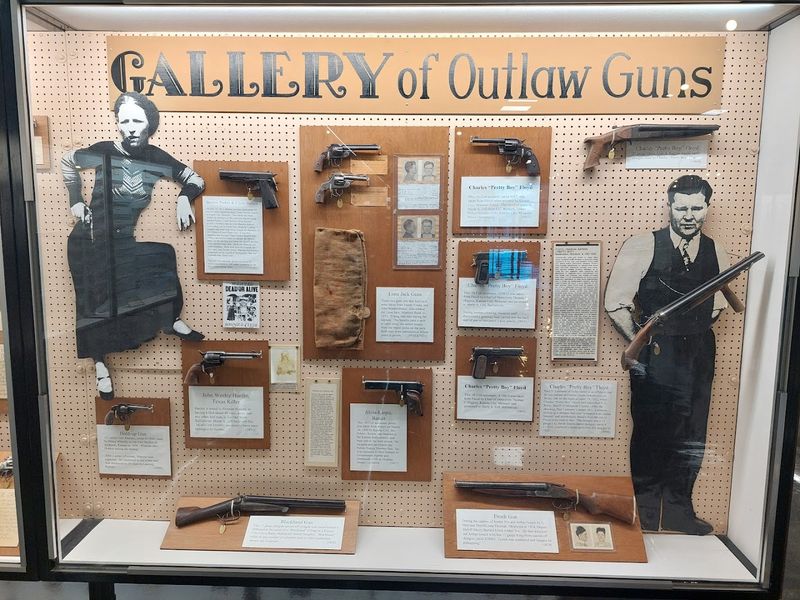
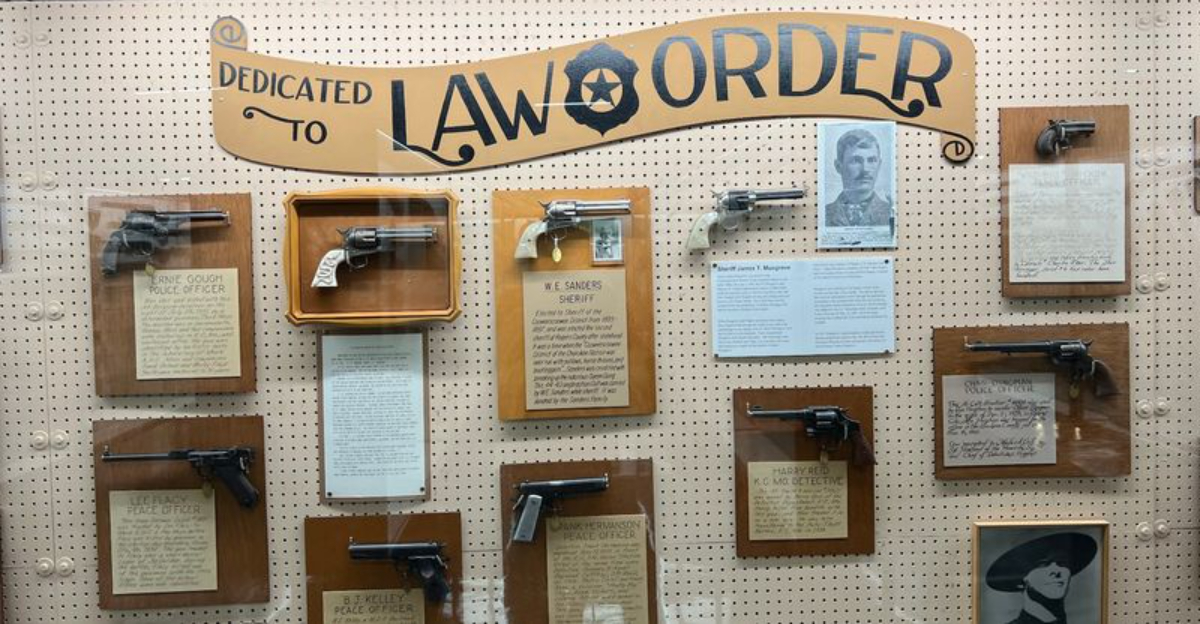
One of the most captivating sections focuses on the darker side of American history. The outlaw gallery displays weapons actually used by famous criminals from the 1920s and 1930s.
These aren’t replicas or similar models. The museum houses actual firearms carried by notorious gangsters during that violent era of American history.
Machine guns, sawed-off shotguns, and concealed pistols sit behind glass, each with detailed information about their criminal connections. The display puts you face-to-face with tools of violence that shaped law enforcement policies and public perception.
Perhaps most striking is the collection of used hangman’s nooses. These authentic execution devices served their grim purpose in Oklahoma’s justice system.
The display handles this sensitive subject matter respectfully while acknowledging an important part of state history.
Photographs accompany many items, showing the criminals who wielded these weapons. Seeing the actual hardware makes these historical figures feel more real than any textbook description could.
The section doesn’t glorify criminal behavior. Instead, it presents factual information about how law enforcement eventually caught these outlaws and what happened afterward.
This gallery proves especially popular with history buffs interested in the Prohibition era and the FBI’s early days. The artifacts provide tangible connections to stories that shaped American culture and law enforcement practices.
Free Admission with Suggested Donation
Here’s something rare in today’s world: the museum doesn’t charge mandatory admission. Visitors can walk through the entire collection without paying a set entrance fee.
The suggested donation stands at five dollars per adult or ten dollars per family. This keeps the museum accessible to everyone, regardless of financial situation.
However, the donation really does matter for keeping the doors open.
Staff members at the front desk greet visitors warmly without being pushy about contributions. They explain the donation system clearly and answer questions about the collection.
Most guests choose to donate because they recognize the value of maintaining such an extensive historical resource.
The building is state-owned, which helps with operating costs. Still, donations support ongoing preservation efforts, display improvements, and educational programming.
Every dollar contributed helps protect these artifacts for future generations.
Cash remains the preferred donation method, though the museum has adapted to modern payment needs. It’s worth bringing a few dollars if you can spare them, especially considering that similar museums elsewhere charge twenty dollars or more for admission.
The gift shop offers another way to support operations. Route 66 merchandise dominates the inventory, perfect for travelers passing through on the historic highway.
The donation-based model makes this museum an incredible bargain for the amount of history you’ll experience.
Plan for More Time Than You Think
First-time visitors consistently underestimate how long they’ll spend here. What seems like a quick stop turns into hours of fascinated browsing.
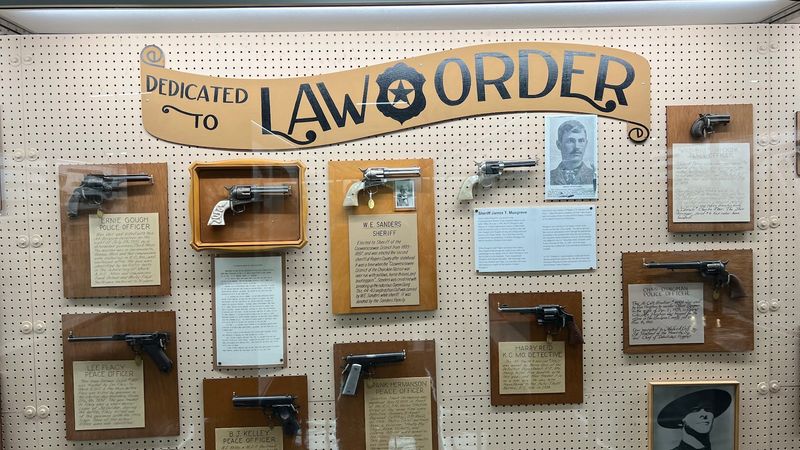
The sheer volume of items on display demands time. Over 12,000 firearms alone fill case after case, and that’s before you even consider the non-firearm collections.
Each display deserves attention, especially if you appreciate craftsmanship and historical context.
Rushing through defeats the purpose. Many weapons feature unique modifications or rare variations that you’ll miss if you’re hurrying.
Taking time to read the information cards enhances understanding and appreciation.
Most visitors report spending at least two hours, with many staying closer to three or four. Serious firearms enthusiasts could easily return multiple times without seeing everything in detail.
The museum’s single-level layout makes it easy to take breaks and return to where you left off.
Comfortable seating appears throughout the space, recognizing that standing and walking for hours can tire anyone. These rest spots let you pause, reflect on what you’ve seen, and recharge before continuing.
Weekday visits typically offer more relaxed viewing than weekends. You’ll have more space to examine displays closely without crowds blocking your view.
The museum opens Tuesday through Saturday from 10 AM to 5 PM, staying closed on Sundays and Mondays. Arriving when doors open gives you maximum time before any afternoon crowds arrive.
Accessibility and Visitor Comfort
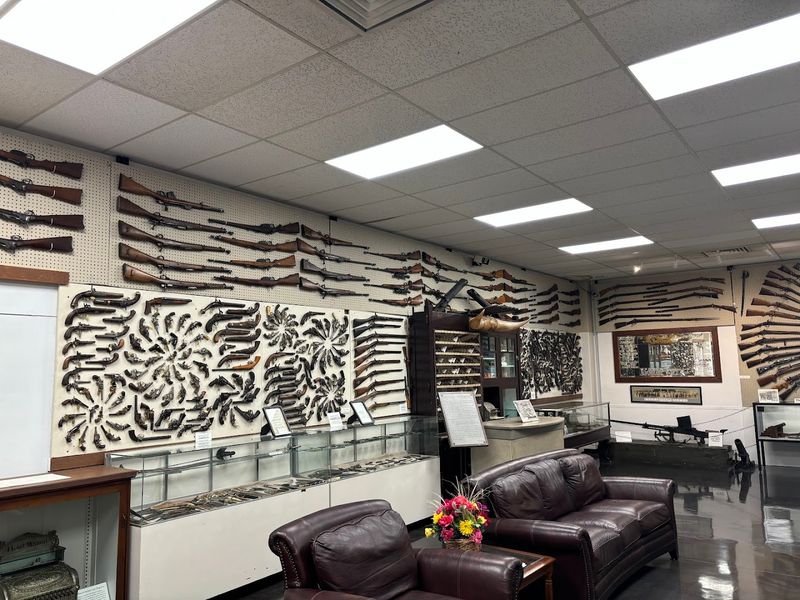
The museum’s designers clearly considered visitor comfort and accessibility. Everything sits on a single level, eliminating stairs and multiple floors that can challenge some guests.
Wheelchair users find the space completely navigable. Wide aisles between display cases provide plenty of room for mobility devices, and all exhibits sit at viewable heights for everyone.
The building meets modern accessibility standards while preserving its historical character.
Lighting throughout the space creates a pleasant viewing environment. While some reviews mention occasional burnt-out bulbs in display cases, the overall illumination lets you see details clearly without harsh glare or dark corners.
Temperature control keeps the interior comfortable year-round. Oklahoma summers can be brutal, making the air-conditioned museum a welcome respite.
Winter visits offer warmth and shelter from cold weather.
Restroom facilities are clean and well-maintained. The staff takes pride in keeping the entire building presentable for guests.
Benches positioned throughout the galleries provide rest spots for tired feet. This thoughtful touch acknowledges that viewing thousands of items requires stamina, and taking breaks helps visitors enjoy the experience more fully.
The front desk staff demonstrates knowledge and friendliness. They’re happy to answer questions, provide directions to specific exhibits, and share interesting facts about the collection.
Their welcoming attitude sets a positive tone for your entire visit.
Educational Value for All Ages
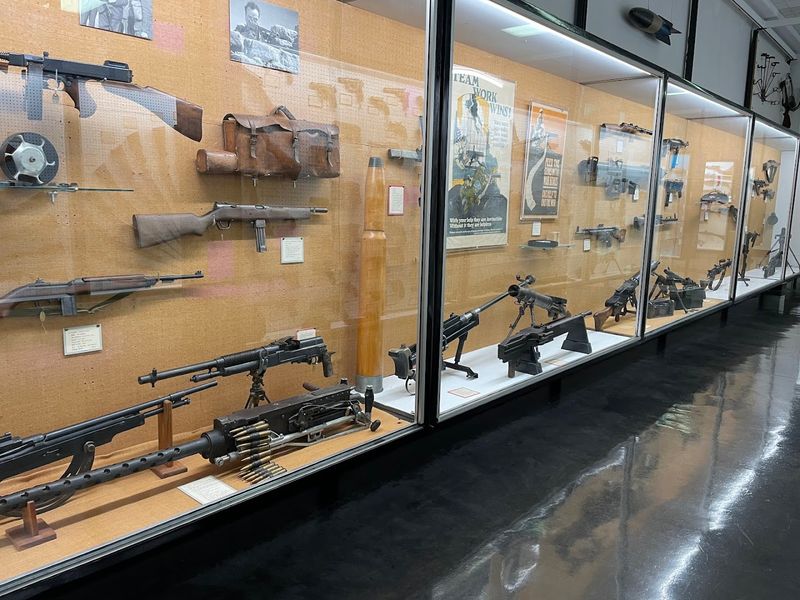
This museum serves as an educational resource that transcends age groups. Children learn about American history through tangible artifacts rather than just textbooks and lectures.
Parents find the environment family-friendly despite the subject matter. The museum presents firearms as historical objects and tools rather than promoting violence.
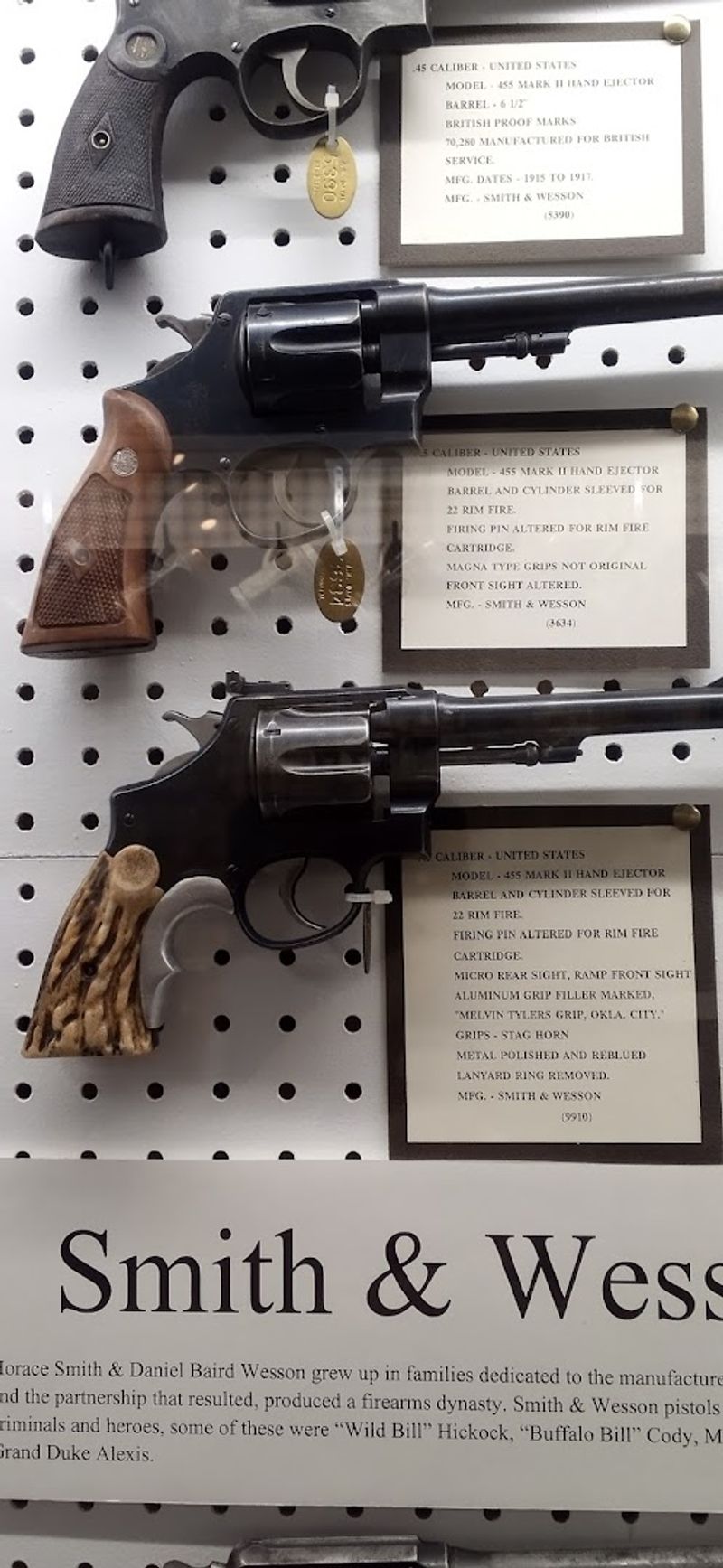
Information cards explain each item’s purpose, manufacture date, and historical significance in accessible language.
Young visitors especially enjoy the toy gun display in the back. This section shows how play items reflected real firearms throughout history, creating a connection between childhood imagination and adult history.
Students studying American history gain valuable context here. Seeing actual Revolutionary War muskets or Civil War rifles makes those conflicts more tangible than any photograph could.
The collection demonstrates technological progress in a concrete way. Comparing a flintlock mechanism to a modern semi-automatic action shows how human innovation solves problems and improves designs over centuries.
Teachers sometimes bring school groups for field trips. The museum accommodates educational visits and provides a unique learning environment outside traditional classrooms.
Even visitors unfamiliar with firearms leave with new knowledge. The displays explain basic mechanics, historical contexts, and cultural significance in ways that engage curious minds.
The multimedia exhibits mentioned in some materials add another dimension to learning. Videos and interactive elements supplement the static displays, catering to different learning styles and keeping younger visitors engaged throughout their visit.
Route 66 Connection
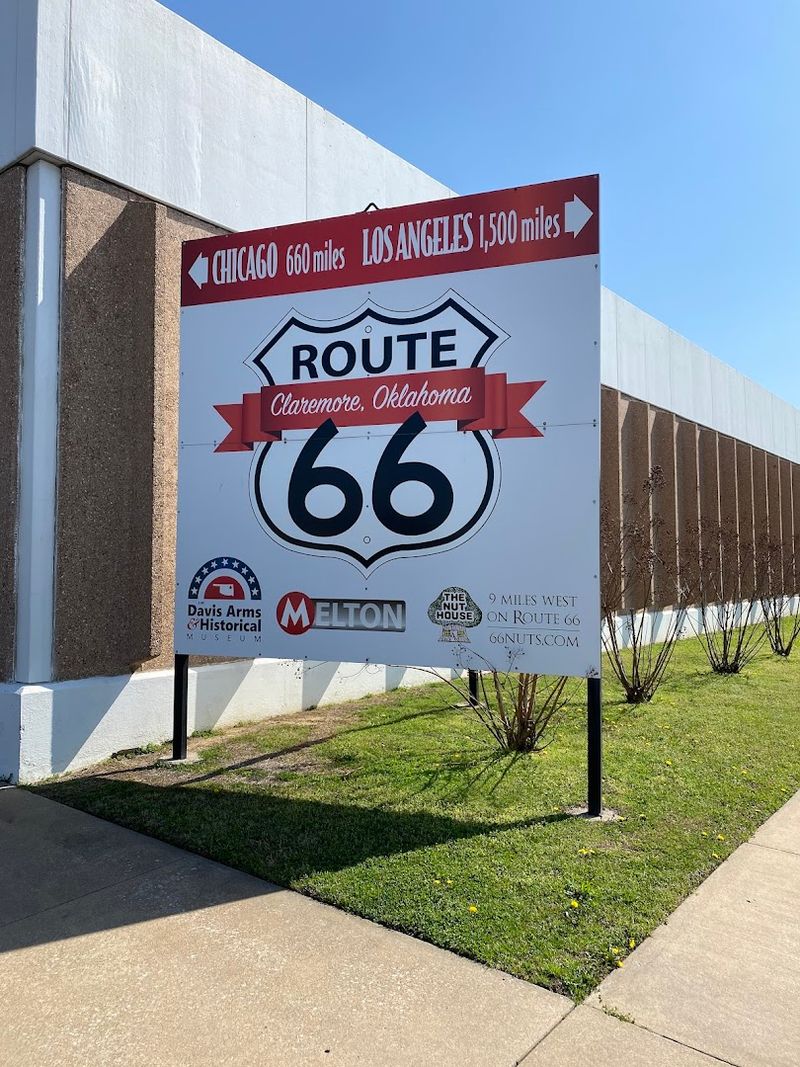
Claremore sits right along historic Route 66, making the museum a natural stop for travelers following the Mother Road. The location at 330 N J M Davis Blvd puts it within easy reach of the famous highway.
Route 66 enthusiasts often combine museum visits with their broader journey across America’s most iconic roadway. The gift shop stocks plenty of Route 66 merchandise, from t-shirts to postcards, letting visitors commemorate both their highway adventure and museum experience.
The building itself reflects mid-century architecture common along Route 66. While not as flashy as some roadside attractions, it represents the kind of substantial, educational stop that gave the highway cultural significance beyond just transportation.
Many travelers discover the museum by chance while passing through Claremore. What starts as a quick stretch break turns into an unexpectedly rich historical experience.
This serendipity captures the spirit of Route 66 travel, where unplanned stops often become trip highlights.
The museum’s location near Tulsa makes it accessible for both long-distance travelers and regional visitors. You don’t need to be on a cross-country adventure to stop by; it’s close enough for Oklahoma residents to visit on a weekend afternoon.
Combining the museum with other Claremore attractions creates a full day of Route 66 exploration. The town offers several historical sites and the famous Will Rogers Memorial, all within a short drive of each other.
Rare and One-of-a-Kind Pieces
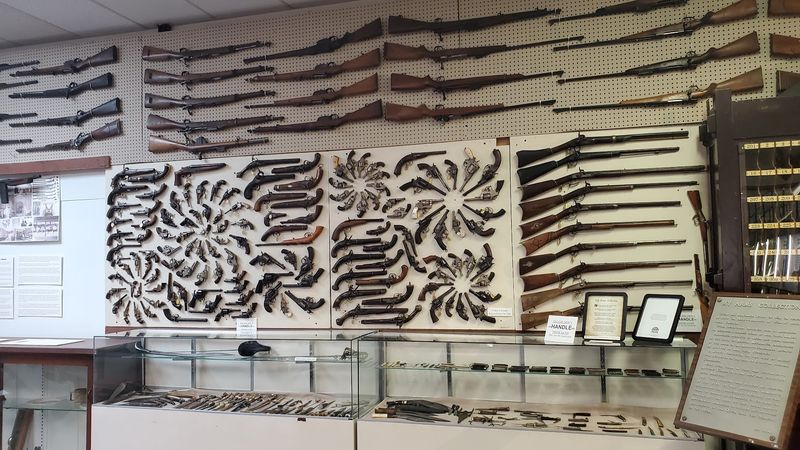
Among the thousands of firearms, certain pieces stand out for their rarity and uniqueness. Davis didn’t just collect common models; he sought exceptional examples that other collectors coveted.
Custom-engraved weapons showcase the artistic side of firearms manufacturing. Skilled craftsmen turned functional tools into works of art, adding gold inlay, silver decorations, and intricate scrollwork that transformed metal and wood into beauty.
Prototype firearms appear throughout the collection. These experimental models show manufacturers testing new ideas before committing to full production.
Some concepts succeeded and changed the industry; others failed and became historical curiosities.
Presentation-grade weapons given to important figures occupy special places in the displays. These weren’t working firearms but ceremonial pieces meant to honor recipients.
The quality of materials and craftsmanship far exceeded standard production models.
Modified weapons tell interesting stories about their owners. Custom alterations reveal how individuals adapted firearms to their specific needs or preferences.
These personal touches make each piece unique.
Factory errors and unusual variations attract serious collectors. Manufacturing mistakes that made it past quality control become valuable because of their rarity.
The museum preserves these oddities alongside more conventional examples.
Firearms from obscure manufacturers round out the collection. Many small companies produced limited quantities before going out of business.
Their products rarely survived, making the examples here particularly significant for historians studying industry development.
The Virtual Shooting Range Experience
Technology meets tradition in the museum’s virtual shooting range. This modern addition lets visitors experience firearms in a safe, controlled environment without live ammunition.
The simulator uses realistic replicas and digital targets to create an engaging experience. You can test your aim and learn about proper firearm handling without any danger.
This interactive element particularly appeals to younger visitors and those curious about shooting sports.
Parents appreciate this feature because it channels interest in firearms toward education and safety rather than just passive observation. The virtual range teaches respect for weapons while acknowledging their role in American sporting culture.
The technology demonstrates how firearms function without requiring an actual shooting range. You’ll understand trigger pull, sight alignment, and recoil effects through the simulation.
This hands-on learning complements the historical displays perfectly.
Staff members supervise the virtual range, ensuring safe use and answering questions. They can explain how different firearms handle and what makes various models suitable for specific purposes.
The addition of this modern element shows the museum’s commitment to staying relevant and engaging. While preserving history remains the primary mission, incorporating contemporary technology attracts visitors who might otherwise skip a traditional museum.
The virtual range doesn’t cost extra beyond the suggested donation. It’s included in your visit, adding value to an already impressive experience.
Preserving Oklahoma Heritage
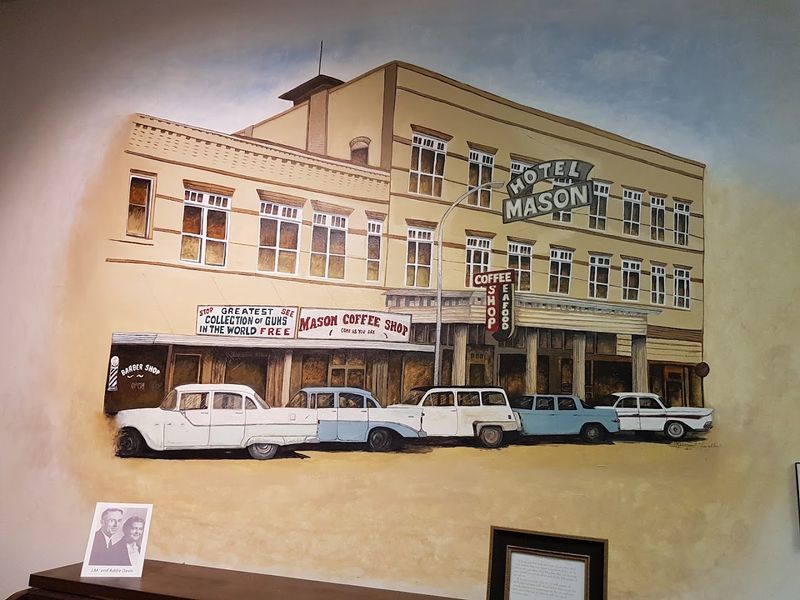
While the firearms collection draws international attention, the museum also preserves important local and state history. Exhibits dedicated to Claremore and Rogers County show how this region developed over time.
Oklahoma’s unique position in American history receives thorough coverage. The state’s Native American heritage, land runs, oil boom, and Route 66 legacy all appear in various displays.
These exhibits connect local stories to broader national narratives.
The museum building itself represents Oklahoma’s commitment to preserving its past. State ownership ensures the collection remains public and accessible rather than being sold off or scattered.
This reflects values deeply held by many Oklahomans about honoring heritage.
Davis’s final resting place is located at the museum, a fact that surprises many visitors. This permanent connection between collector and collection emphasizes how seriously he took his responsibility to future generations.
Local history photographs show how Claremore transformed from a small frontier town into a modern community. Seeing this progression helps visitors understand the context in which Davis lived and collected.
The museum partners with schools and community organizations to promote historical education. These connections strengthen its role as a regional cultural institution beyond just tourism.
For Oklahoma residents, this museum represents state pride. Having the world’s largest privately held firearms collection right here demonstrates that significant cultural resources exist outside major metropolitan areas.



