 Unearth The Voyage
Growing up during the Baby Boomer generation meant experiencing a world vastly different from today’s digital age. Kids back then played with toys that required imagination, used household items that seemed built to last forever, and relied on technology that now feels like ancient history. If you owned all of these items, you’re part of an exclusive club that truly understands what childhood looked like before smartphones and streaming services took over.
1. Rotary Dial Telephone
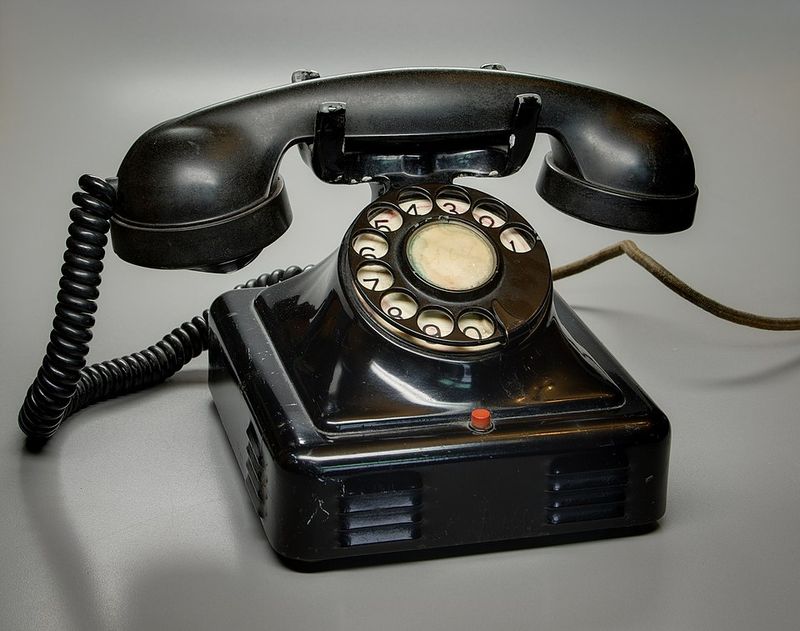
Making a phone call used to be a workout for your finger. You had to stick your finger in the hole next to each number and drag the dial all the way around in a circle until it stopped.
If you messed up even one digit, you had to hang up and start the whole process over again. Long-distance calls were expensive, so everyone kept conversations short and to the point.
The satisfying clicking sound as the dial returned to its starting position became the soundtrack of communication for an entire generation.
2. Metal Ice Cube Trays

Before plastic took over, ice cube trays were made from aluminum with a lever you pulled to crack the ice loose. Pulling that lever required some serious hand strength, and sometimes the ice cubes would go flying across the kitchen floor.
The metal would stick to your warm fingers in the freezer, creating an uncomfortable sensation. You had to be careful not to bend the tray or it would never sit flat again.
Refilling them was a balancing act as you carried sloshing water to the freezer.
3. Hi-Fi Record Player
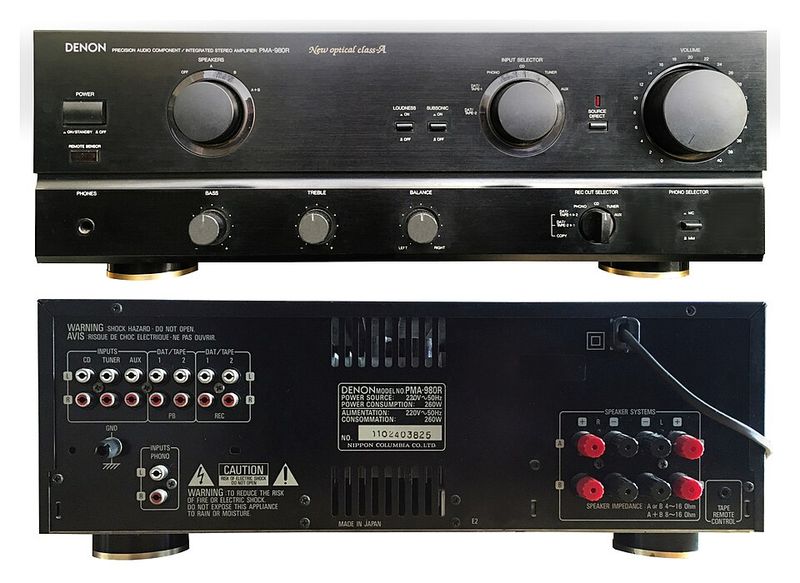
High-fidelity sound systems were the pride of every household, often housed in beautiful wooden cabinets that doubled as furniture. Families gathered around to listen to their favorite albums, carefully placing the needle on the spinning vinyl record.
You had to handle records by the edges to avoid scratches and fingerprints that would ruin the sound quality. Dust was the enemy, so record brushes and cleaning kits were essential tools.
The warm, rich sound that came through those speakers created memories that digital music just can’t replicate.
4. S&H Green Stamps
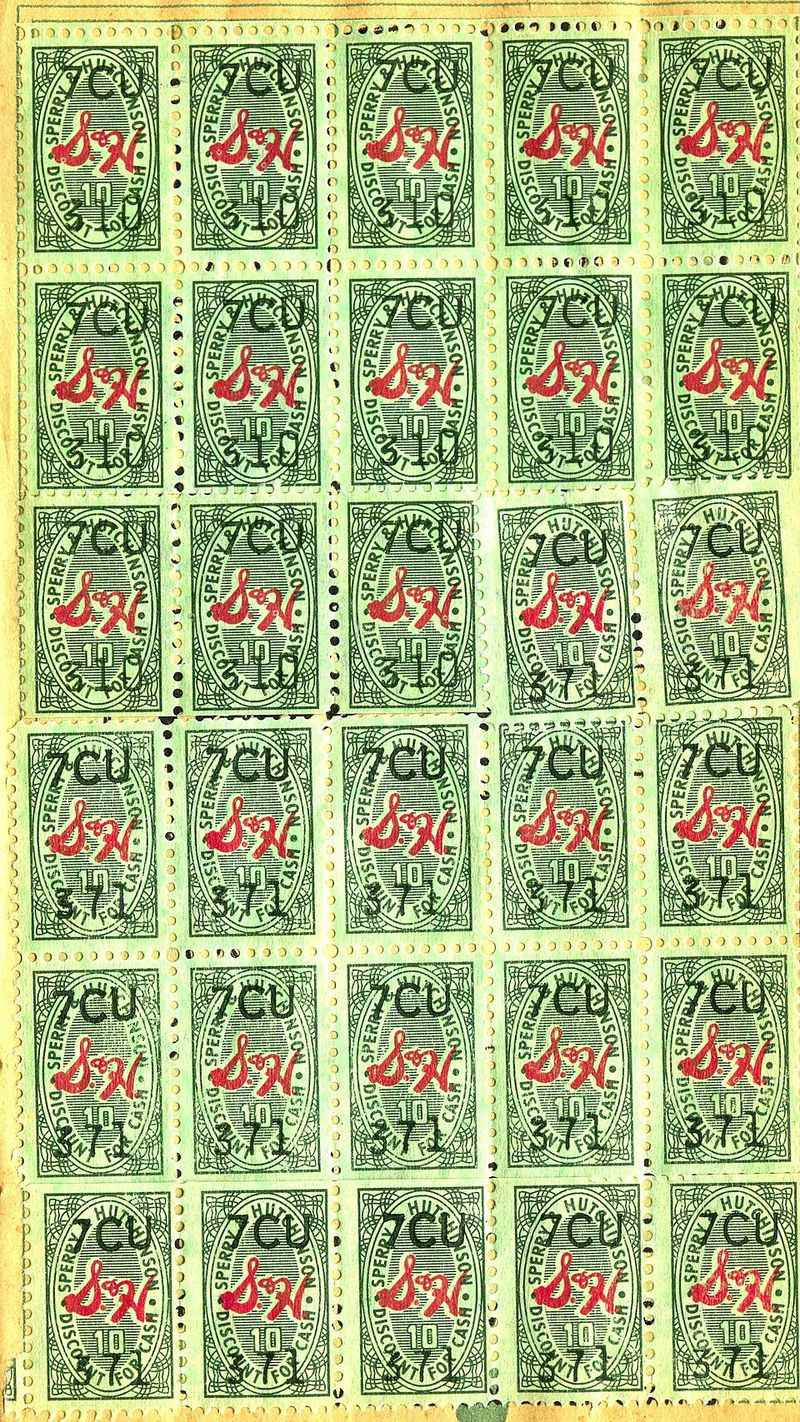
Every trip to the grocery store meant collecting small green stamps based on how much money you spent. Families would spend evenings licking these stamps and carefully pasting them into collection books, page after page.
Once you filled enough books, you could exchange them at redemption centers for household items, toys, or appliances. Kids loved helping with this task, even though the stamp glue tasted terrible.
It was the original rewards program, teaching patience and the value of saving up for something special you really wanted.
5. Flash Cubes

Photography wasn’t unlimited back then. Flash cubes contained four individual flash bulbs that popped and burned out after a single use, leaving a distinctive burnt smell in the air.
After taking four pictures, you had to rotate or replace the entire cube. The bright flash would leave everyone seeing spots for several seconds, and red-eye was practically guaranteed in every photo.
You learned to make every shot count because film and flash cubes cost money, so candid moments were rare and precious.
6. Lawn Darts (Jarts)
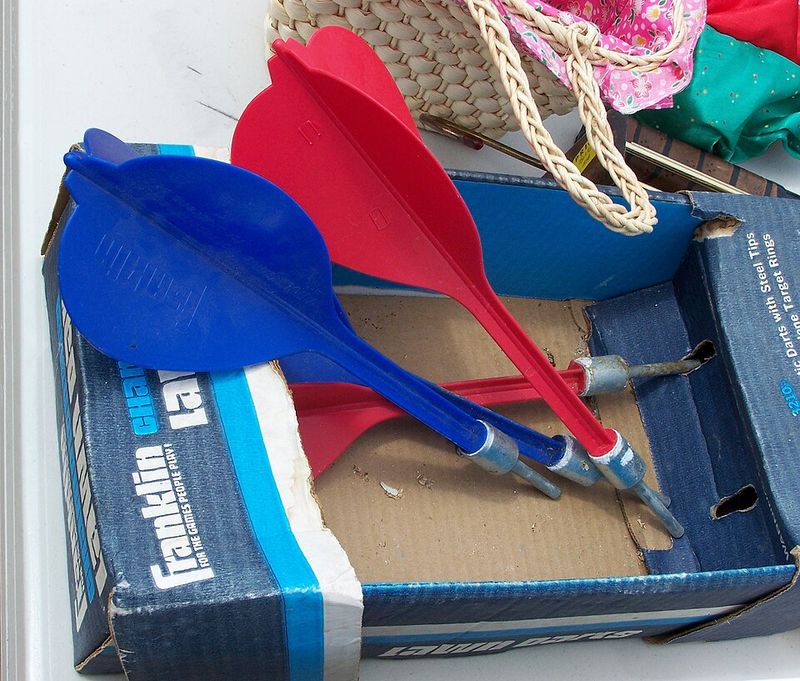
These heavy, metal-tipped projectiles were somehow considered appropriate toys for children. Players would toss them high into the air, trying to land them inside plastic rings placed across the yard.
The darts had sharp, weighted points that could stick into the ground, or unfortunately, into anything else they hit. Looking back, it’s amazing anyone survived backyard barbecues where these dangerous toys were flying through the air.
They were eventually banned after numerous injuries, but Boomer kids have scars and stories to prove they played with them.
7. Slide Rules
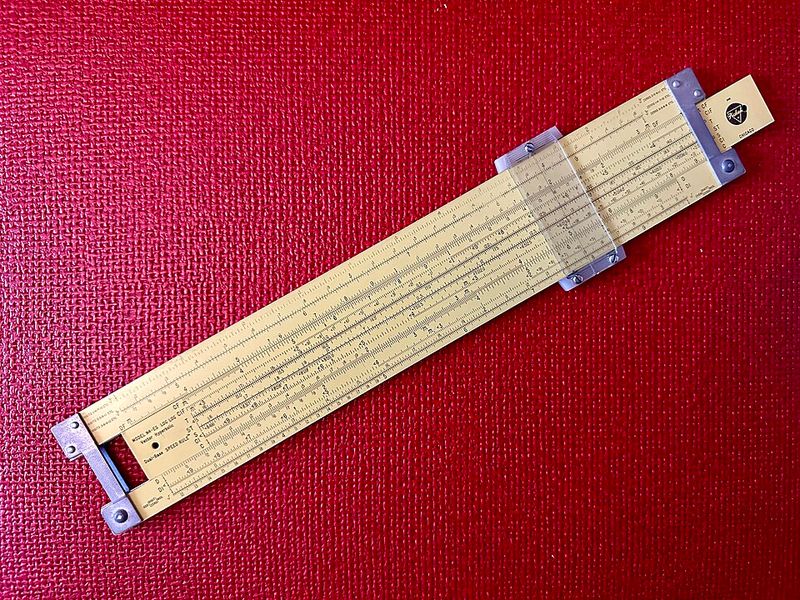
Calculators didn’t exist in classrooms, so students learned to perform complex mathematical calculations using these mechanical devices. Sliding the center section back and forth while reading different scales allowed you to multiply, divide, and solve engineering problems.
Mastering the slide rule was a point of pride for math and science students. Engineers and scientists carried them in leather cases like precious tools of their trade.
Understanding how to use one required real skill and knowledge, not just pushing buttons and trusting a digital screen.
8. Transistor Radios
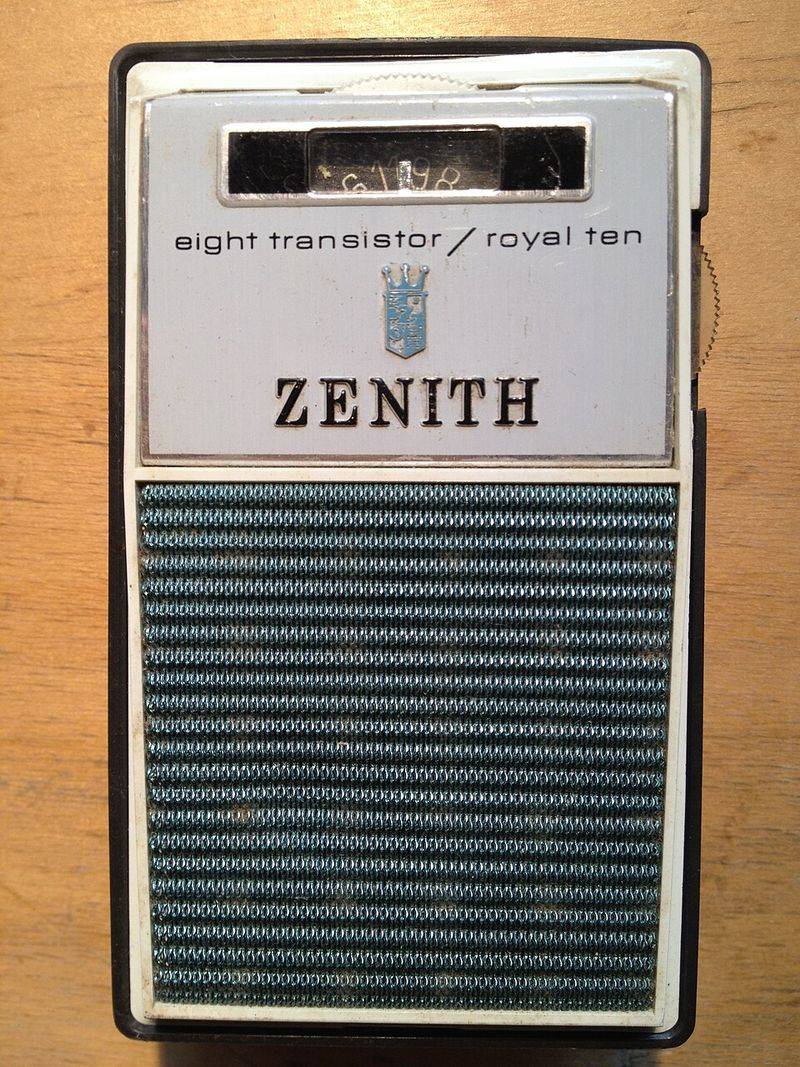
Portable music started with these pocket-sized radios that ran on batteries. Kids could finally take their music anywhere, listening to Top 40 hits through a tiny speaker or single earphone.
You had to manually turn the dial to find your favorite station, and the signal would fade in and out depending on where you stood. Extending the metal antenna as far as possible helped improve reception.
Owning one meant freedom and independence, letting teenagers escape to their rooms and tune into a world their parents couldn’t control completely.
9. Metal Lunchboxes
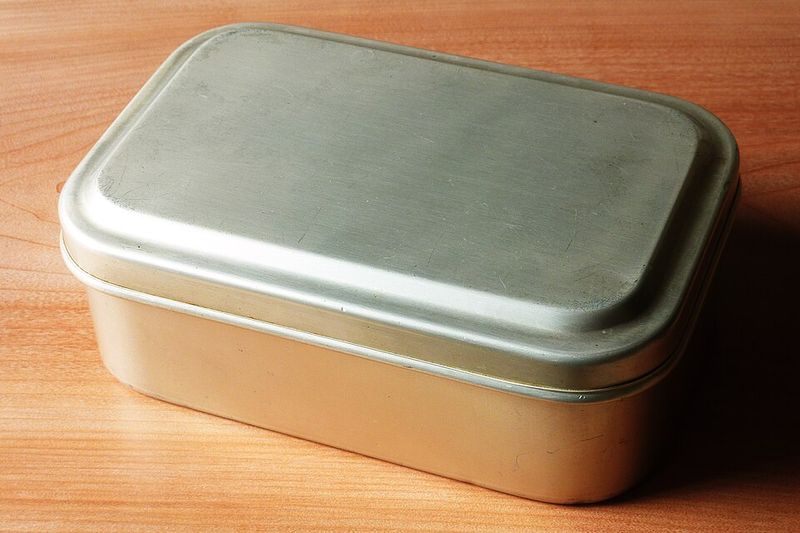
Carrying your lunch to school meant showing off your personality through your metal lunchbox design. These sturdy containers featured everything from superheroes to popular TV shows, and the artwork became collector’s items.
Each lunchbox came with a matching glass-lined thermos that broke if you dropped it even once. The metal could dent when used as an impromptu weapon during playground disagreements.
By lunchtime, your sandwich was usually squished and your banana bruised, but that metal box protected everything from complete destruction in your backpack.
10. View-Master
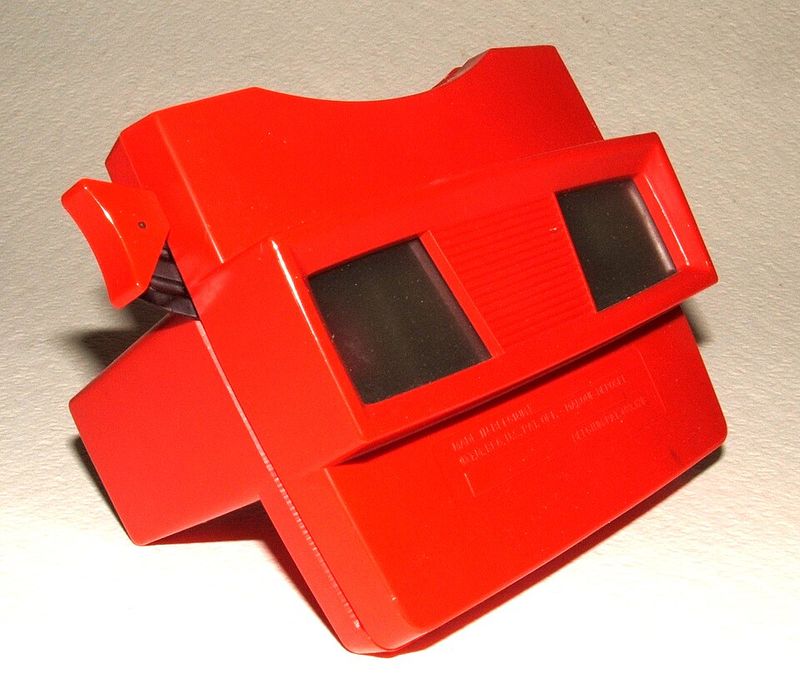
Long before virtual reality, kids explored the world through this handheld viewer that created 3D images. You’d insert a circular cardboard reel containing tiny photographic slides and pull the lever to advance to the next scene.
Holding it up to a light source and peering through the eyepieces transported you to distant places, fairy tales, or cartoon adventures. The stereoscopic effect made images pop out with surprising depth.
Collecting different reels became a hobby, with topics ranging from national parks to Disney movies, each offering seven pairs of magical images.
11. Clackers (Ker-Bangers)
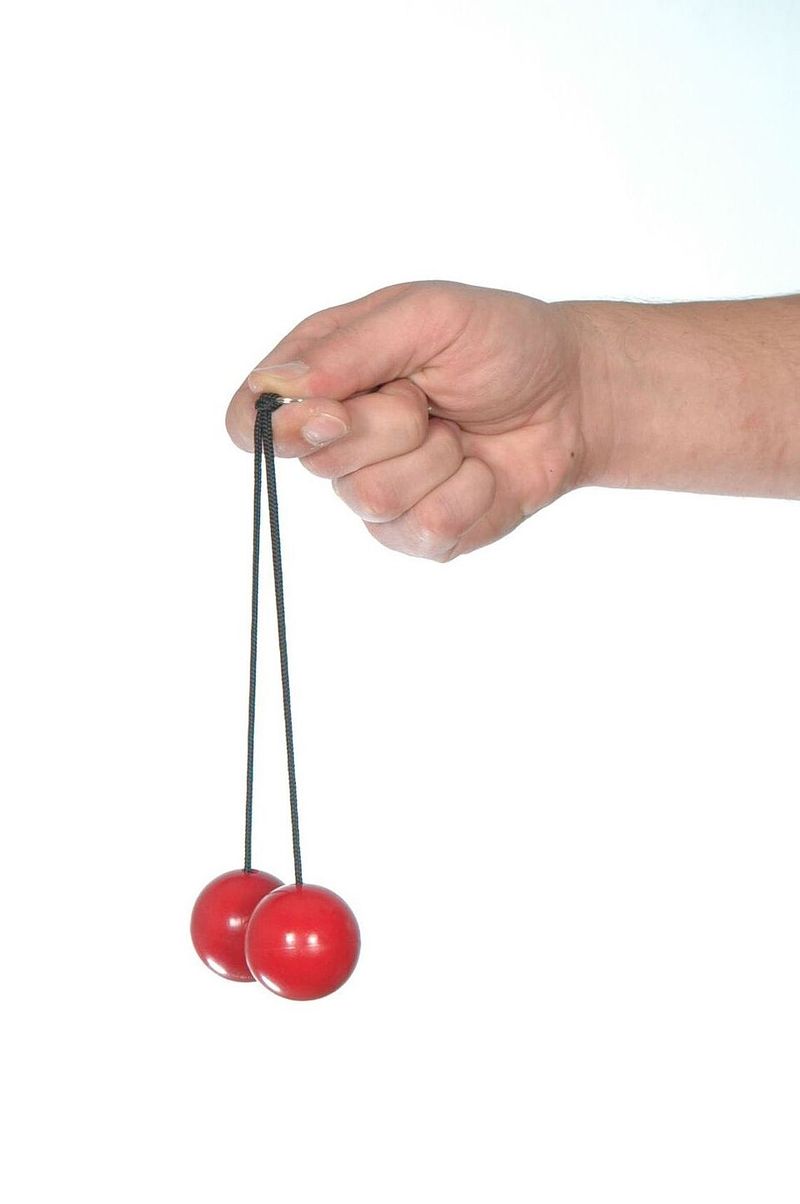
Two heavy acrylic balls connected by string created a rhythmic clacking sound when you swung them up and down. The goal was to get them moving fast enough that they clacked together both above and below your hand.
Mastering this skill took practice and resulted in many bruised knuckles and wrists. The balls could shatter if you banged them too hard, sending sharp pieces flying.
Schools eventually banned them because the noise drove teachers crazy and kids kept getting hurt, but not before everyone had mastered the distinctive clacking rhythm.
12. Pedal Cars
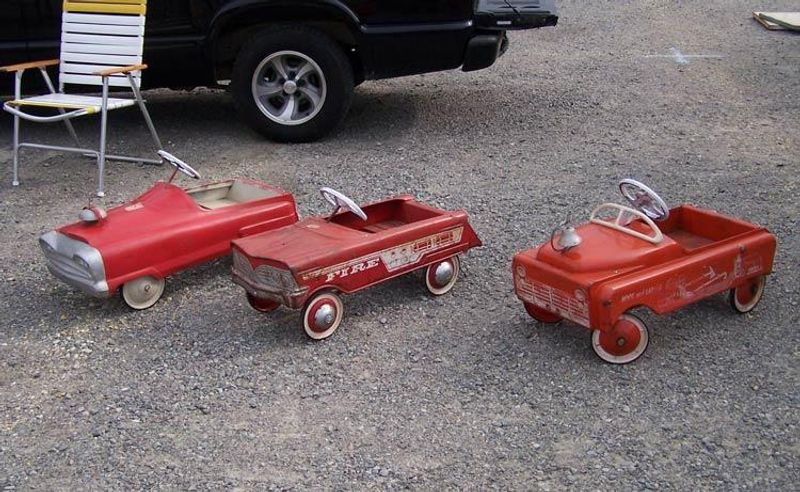
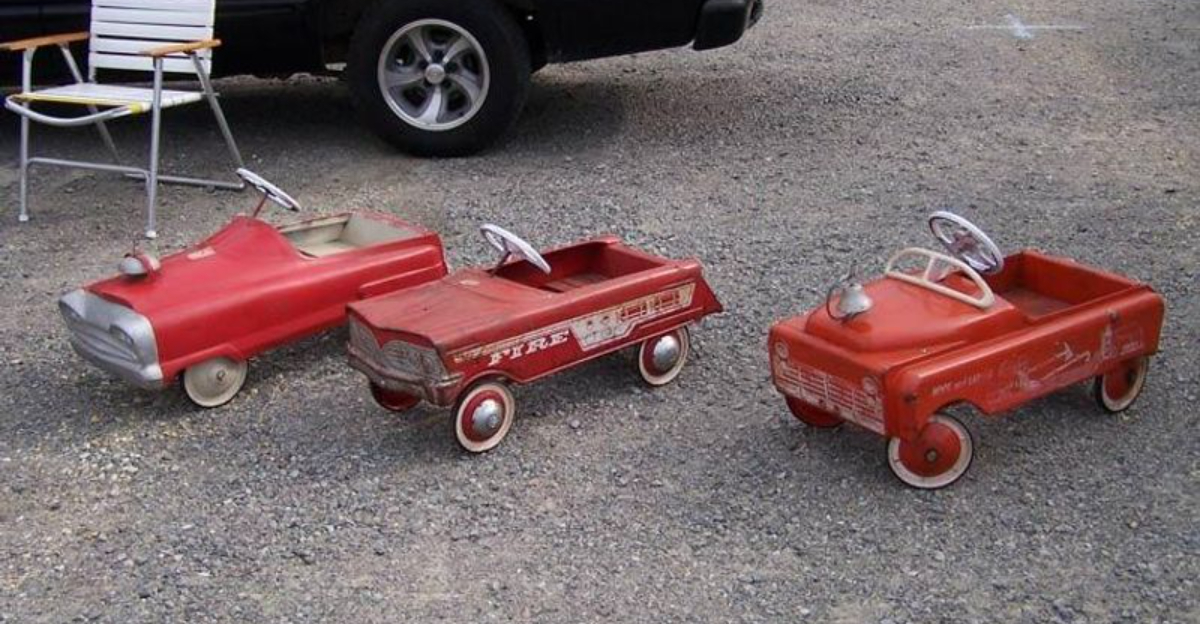
Before Power Wheels, kids drove around in miniature metal cars powered by their own legs. These weren’t cheap plastic toys but sturdy steel vehicles that looked like scaled-down versions of real automobiles.
Pedaling furiously down the sidewalk made you feel like a real driver, even though you maxed out at about five miles per hour. They were heavy enough to build serious leg muscles.
Many featured working headlights, chrome details, and realistic paint jobs that mirrored the family car sitting in the driveway, making kids feel genuinely grown-up.
13. Candy Cigarettes
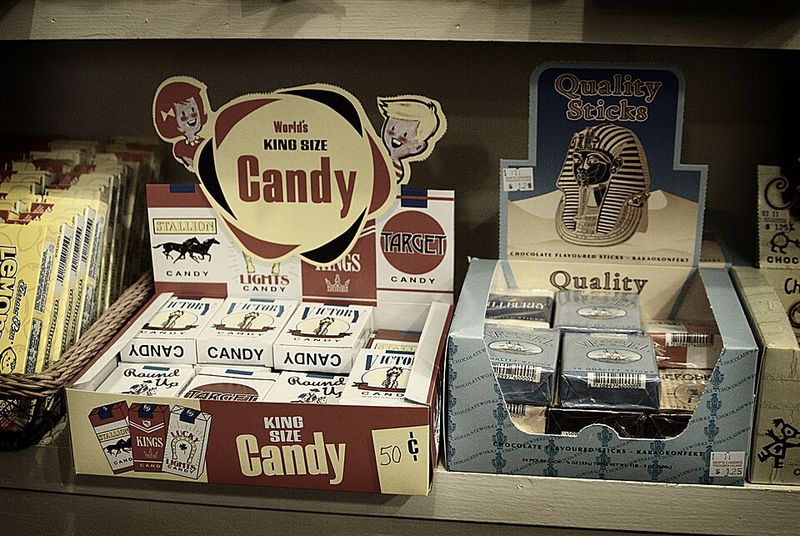
Stores sold these sugar sticks packaged to look exactly like real cigarette packs, complete with brand-style names and logos. Kids would pretend to smoke them, holding them between their fingers and even blowing on them to create a puff of powdered sugar that looked like smoke.
Some versions had red-colored tips to mimic a lit cigarette. Looking back, it seems incredibly inappropriate to market smoking to children through candy.
They tasted chalky and weren’t particularly delicious, but the appeal was all about imitating adult behavior.
14. Pogo Sticks
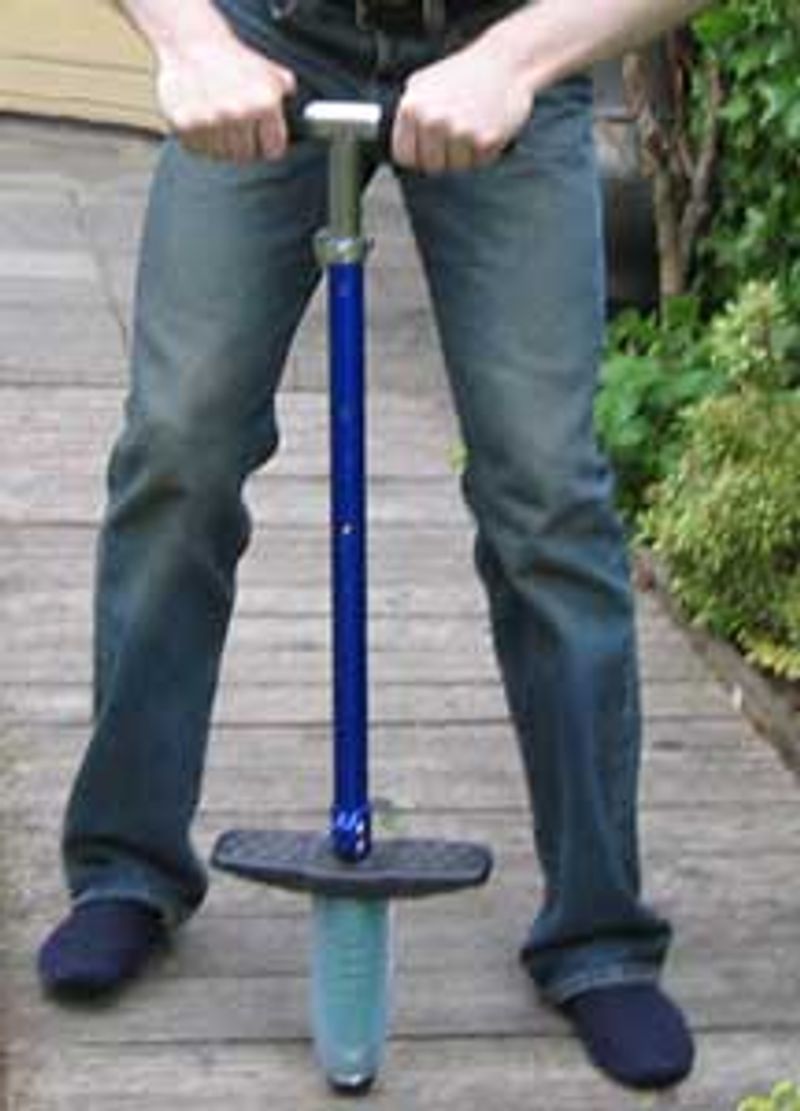
Balancing on a spring-loaded stick while bouncing up and down required coordination and fearlessness. Kids spent hours trying to break their personal records for consecutive jumps without falling off.
The metal foot pegs would slip off your shoes at the worst moments, sending you tumbling to the pavement. Your legs would be exhausted after just a few minutes of bouncing.
Neighborhoods held competitions to see who could bounce the longest or the highest, and scraped knees were badges of honor proving you’d been practicing your pogo skills.
15. Erector Sets
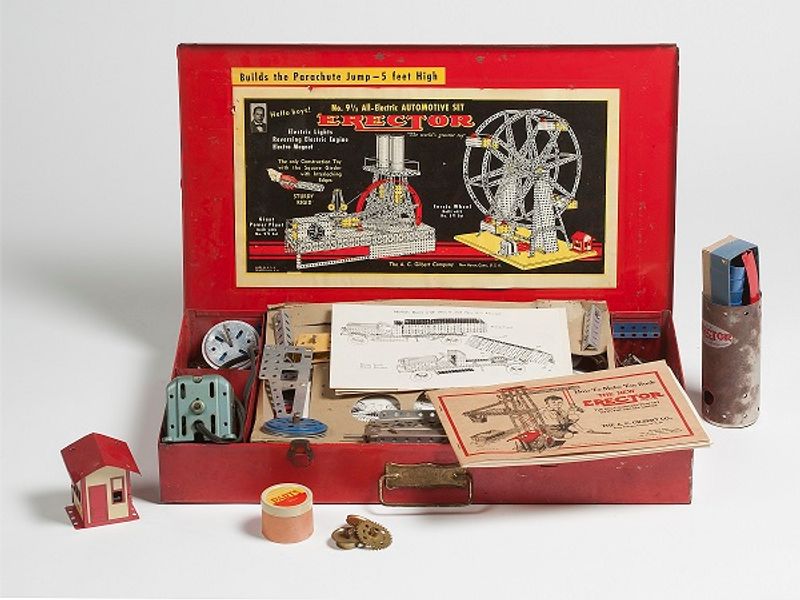
Building toys used to involve real metal pieces, actual nuts and bolts, and miniature tools. Erector Sets challenged kids to follow complex diagrams and construct bridges, towers, and mechanical models that actually moved.
The pieces were heavy, sharp-edged, and required genuine dexterity to assemble. You’d spend hours tightening tiny screws with the included wrench, developing patience and problem-solving skills.
Unlike modern snap-together toys, these sets taught real engineering principles and gave kids a taste of actual construction work, grease under fingernails and all.
16. The Family Encyclopedia Set

Before Google, families invested in expensive encyclopedia sets that took up entire shelves. When you needed information for a school report, you had to pull out the heavy volume containing your topic and flip through actual pages.
Door-to-door salespeople convinced parents these books were essential for their children’s education. Updates came as yearbook supplements that you’d add to the collection annually.
Kids learned research skills by using the index and cross-references, and the smell of those pages became associated with learning and homework sessions at the dining room table.
17. Soda Bottle Caps Collector’s Kit
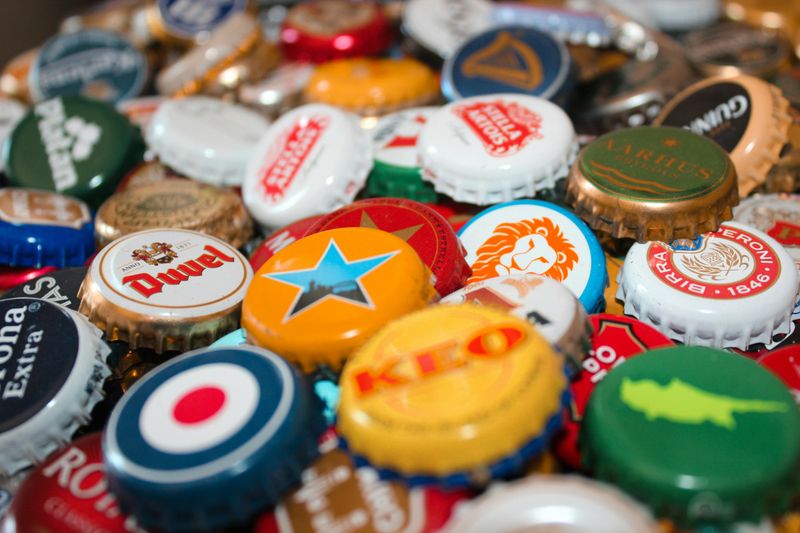
Collecting bottle caps became a serious hobby for kids who traded them like currency. Each cap represented a different soda brand or flavor, and rare ones from regional bottlers were especially prized.
Special albums and organizing kits helped you display your collection properly. Some caps had puzzles or games printed on the inside, adding extra value.
Trading sessions during lunch or recess involved intense negotiations. You’d never throw away a bottle cap without checking if a friend needed it for their collection, turning trash into treasure through childhood economics.
18. Tin Can Stilts

Kids made their own toys from empty coffee cans and rope. You’d punch holes near the closed end of two cans, thread rope through them to create handles, then step on the cans and walk around like you were six inches taller.
The cans would dent and bend after heavy use, making them harder to balance on. The clanging sound of metal on pavement announced your approach from a block away.
Creating these stilts taught resourcefulness and the satisfaction of making your own entertainment from materials headed for the trash bin.



