There is a stretch of the Oregon coast where towering sand dunes roll directly into the Pacific Ocean, and the whole thing feels almost too wild to be real. The Oregon Dunes National Recreation Area spans 40 miles of wind-sculpted terrain between Florence and Coos Bay, making it the largest coastal sand dune system in North America.
You can hike it, sandboard it, or blast through it in a rented sand rail for around $60. The visitor center, run by the Siuslaw National Forest at 855 Highway Ave in Reedsport, Oregon, is the perfect starting point before you head out and get sand in every single pocket you own.
The Visitor Center: Your Starting Point in Reedsport
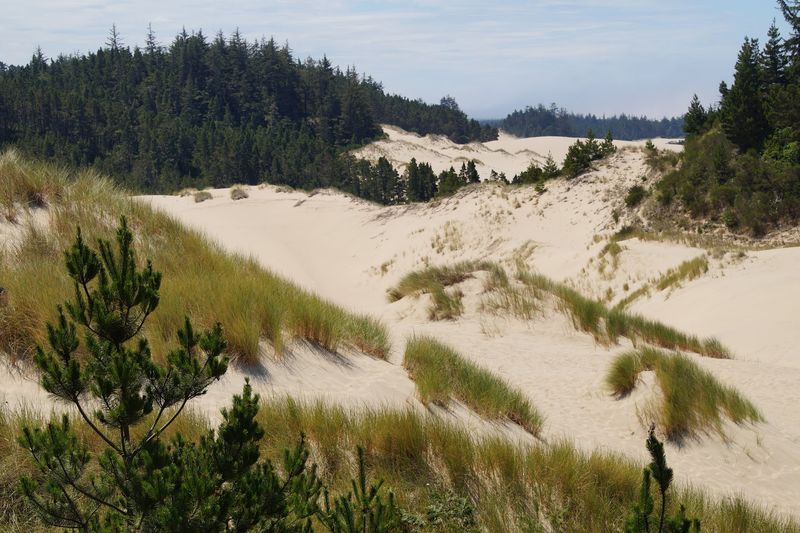
Before you charge headfirst into 40 miles of sand, the visitor center at 855 Highway Ave, Reedsport, OR 97467 deserves a proper stop. The staff here genuinely know the area inside and out, and they are happy to point you toward the best dune access points, trail heads, and seasonal wildlife zones that you might otherwise miss entirely.
The center is open Monday through Friday, 8 AM to 4 PM, and closed on weekends, so plan accordingly if you are road-tripping through on a Saturday. The phone number is 541-271-6000, and the website is fs.usda.gov/siuslaw if you want to check conditions before you arrive.
Maps handed out here show you exactly which areas allow off-highway vehicles, which sections are protected habitat for the endangered Snowy Plover, and where the best hiking trails begin. The displays inside cover the geology and ecology of the dunes in a way that is genuinely interesting rather than dry.
Picking up a permit for mushroom foraging or greenery collection is also possible right at this counter, which is a lesser-known perk that regular visitors love.
Where The Dunes Meet The Pacific Ocean
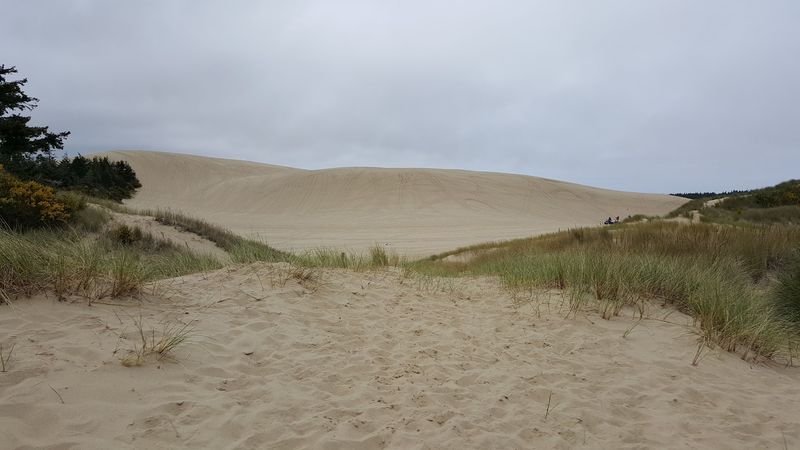
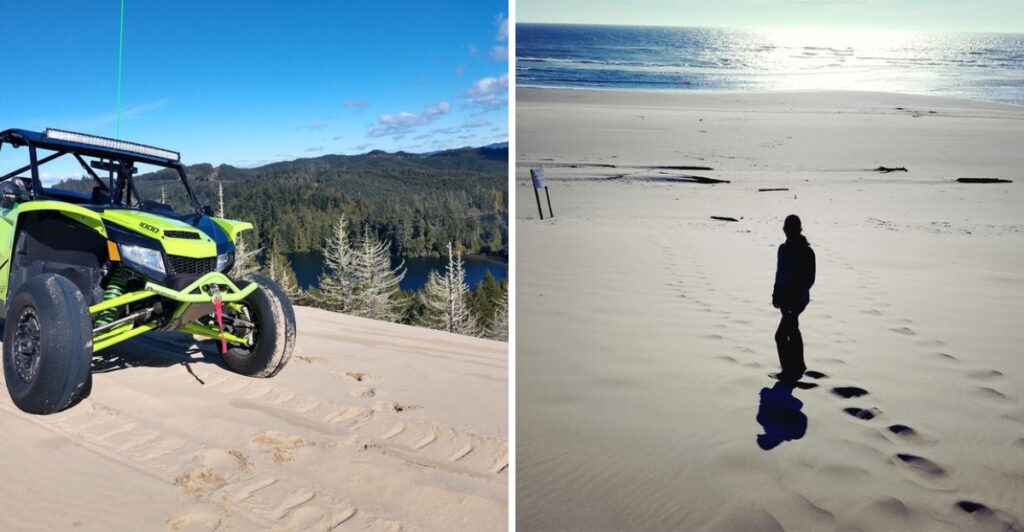
Very few places on Earth let you stand on a sand dune and watch ocean waves crash at the bottom of it. The Oregon Dunes do exactly that, and the effect is genuinely jaw-dropping the first time you see it.
The dunes run right to the waterline in several spots, creating a seamless transition from desert-like terrain to open sea.
The recreation area stretches 40 miles along the Oregon Coast between Florence to the north and Coos Bay to the south. That sheer length means the landscape changes noticeably as you move through it, shifting between open dune fields, forested corridors, and coastal beach access points.
Some dunes reach heights of around 500 feet, which means the views from the top are genuinely sweeping. On clear days you can see the ocean glittering in the distance before you even reach the beach.
Visiting on a weekday or during the off-season gives you the best chance of having long stretches of this landscape entirely to yourself, with no crowds and nothing but wind, sand, and the sound of the Pacific to keep you company.
Renting a Sand Rail or ATV for Around $60
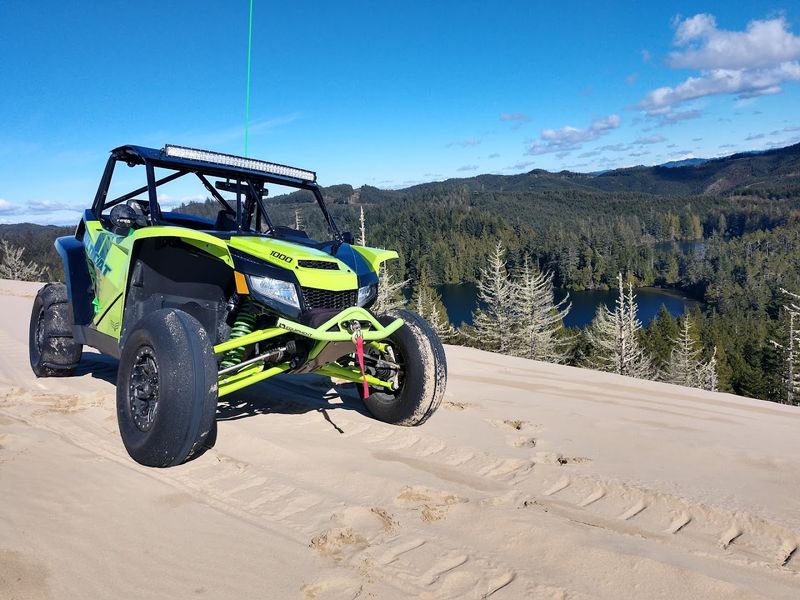
Sixty dollars for a sand rail rental is one of the better deals you will find on the Oregon coast, and several rental companies operate right along the highway near the dune access points. Once you start seeing ATV and buggy rental signs as you drive through, you know you are close to the sand.
Sand rails are open-frame off-road vehicles built specifically for dune terrain, and they handle the steep faces and soft sand far better than a standard ATV. The experience of cresting a tall dune and dropping down the other side at speed is something that is genuinely hard to describe without sounding like you are exaggerating.
Rental companies in the area offer varying vehicle types, including quads and side-by-sides, at different price points. Riding Dirty Rentals has been mentioned by visitors as a convenient and affordable option close to the dunes.
The terrain mixes wide open dune faces with woodsy trails through forest breaks, so a single rental session gives you a surprisingly varied ride. First-timers consistently say it is one of the most memorable things they have done on the Oregon coast.
The Scale of the Dunes: 40 Miles of Wind-Sculpted Sand
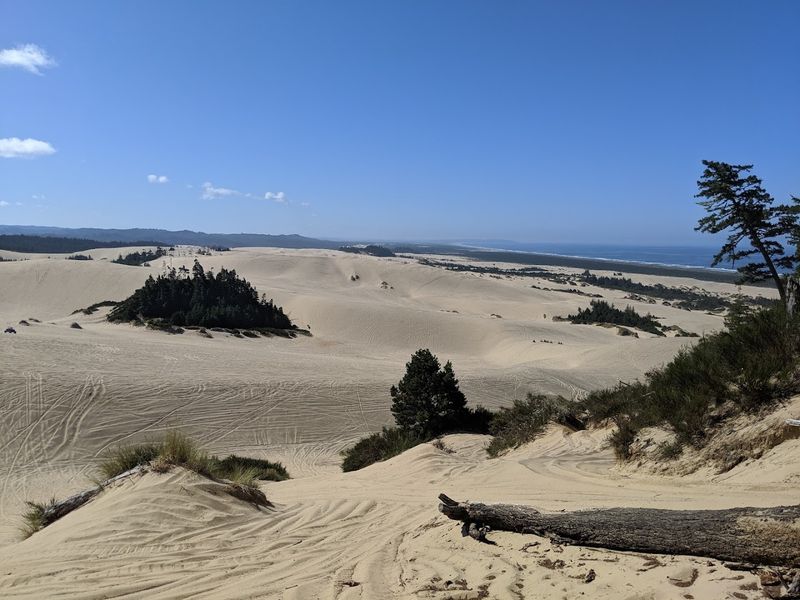
Forty miles is a long way to go in any direction, and when that distance is covered entirely by shifting sand dunes, the effect is something close to sensory overload in the best possible way. The Oregon Dunes are the largest coastal dune system in North America, a fact that feels abstract until you are standing in the middle of them and cannot see anything but sand in every direction.
The dunes formed over thousands of years as wind and ocean currents deposited sand along the coast, and they continue to shift and reshape themselves constantly. Some sections feel like a Saharan landscape, while others transition into forest pockets and freshwater lakes tucked between the dune ridges.
Hiking into the dunes without a vehicle is a very real option, and several trail heads provide access on foot. The trail near Eel Creek Campground is a popular starting point that drops you into the dune field quickly.
The advice most hikers pass along is simple: take your shoes off, feel the sand between your toes, and be ready for the fact that the scale of the place makes it surprisingly easy to lose your bearings.
Hiking and Sandboarding in the Dune Fields
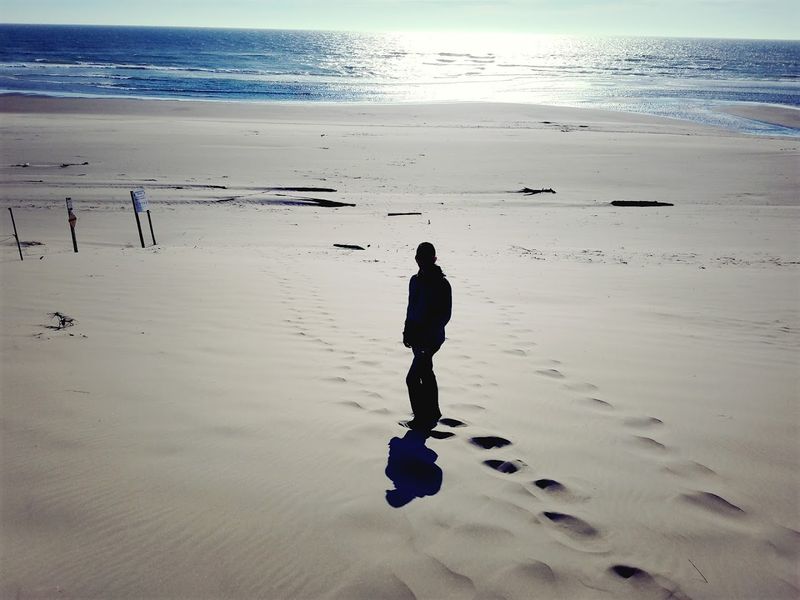
Not everyone visiting the Oregon Dunes wants to ride a motorized vehicle, and the good news is that hiking and sandboarding are both genuinely rewarding ways to experience the terrain. The dune faces are steep enough to make sandboarding a real thrill, and the soft sand at the bottom means the landings are forgiving by almost any standard.
Sandboards and sleds are available for rent near the main dune access areas, and no prior experience is required to have a good time. The technique is simple enough to pick up in a few runs, and the main challenge quickly becomes hauling yourself back up the dune for another go.
Hikers get a different but equally compelling experience, especially in the early morning before wind picks up and before any OHV traffic begins. The dunes reflect sunlight intensely, so bringing sunscreen and wearing layers is practical advice rather than overcautious warning.
Wildlife sightings are common on foot, from shorebirds along the beach to various species moving through the forest breaks. The Snowy Plover, a protected and endangered bird, nests in certain dune areas, and marked zones ask visitors to give those sections a wide berth during nesting season.
Campgrounds and Overnight Stays in the Recreation Area
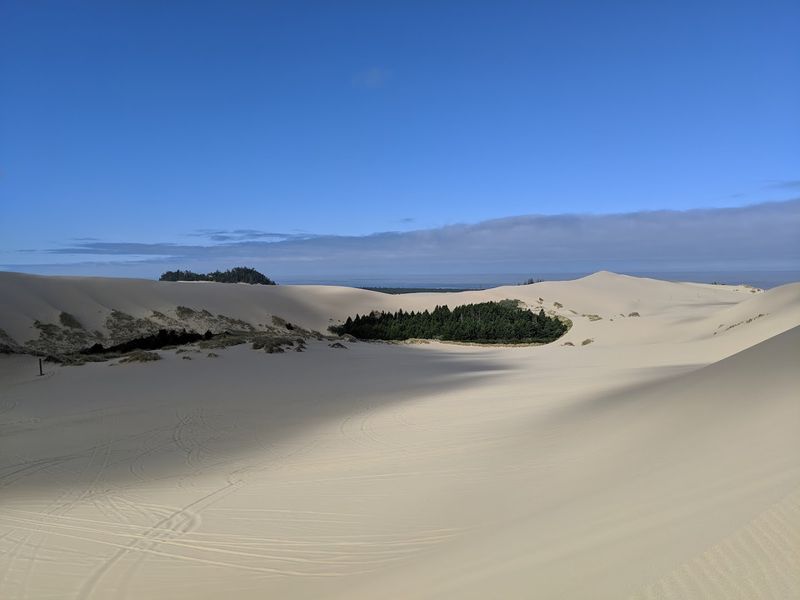
Spending a single day at the Oregon Dunes is genuinely enjoyable, but staying overnight changes the experience in ways that are hard to fully appreciate until you try it. The recreation area includes several campgrounds, with Eel Creek Campground being one of the most well-regarded for its proximity to the dune trail heads and its forested setting.
Waking up with the dunes a short walk away and the sound of the ocean in the background is a particular kind of morning that not many places can offer. The campgrounds are generally clean and well-maintained, with bathroom facilities that visitors consistently note are kept in good condition.
Reservations are recommended during peak summer months, as the area draws a steady crowd of OHV enthusiasts, families, hikers, and coastal travelers all at once. Arriving in early autumn or on weekdays outside summer gives you a noticeably quieter experience, with more space and a more relaxed atmosphere throughout the campground.
Fuel up before you arrive, as amenities and gas stations are not densely packed in the surrounding area, and running low on supplies mid-trip is an avoidable inconvenience with a little advance planning.
Wildlife and the Protected Snowy Plover
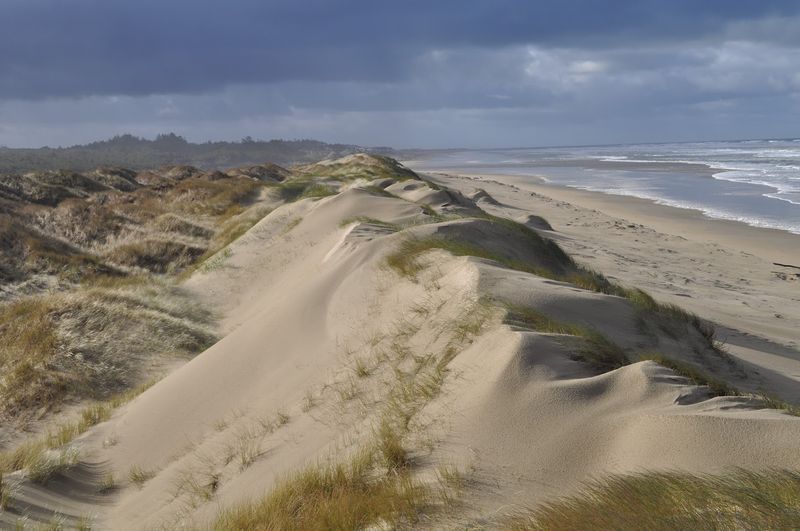
The Oregon Dunes are not just a playground for thrill-seekers. They are a functioning ecosystem that supports a remarkable variety of wildlife, and paying attention to the natural world here adds a whole extra layer to any visit.
Bird species alone are abundant enough that keeping track of them all during a multi-day stay becomes nearly impossible.
The Snowy Plover is the most important species to know about before you go. This small, sand-colored shorebird is on the endangered species list and nests directly on the open dune surfaces, which makes it particularly vulnerable to disturbance from foot traffic and off-highway vehicles.
Marked protective zones throughout the recreation area ask visitors and riders to steer clear during nesting season, and respecting those boundaries is both a legal requirement and a straightforward act of common sense.
Beyond the Snowy Plover, the dunes and surrounding forests support deer, various raptor species, and an array of shorebirds that move through the coastal corridor during migration periods. The freshwater lakes tucked between dune ridges attract waterfowl and offer quiet spots for wildlife observation that feel a world away from the OHV areas just a few dunes over.
The Beach Access and What You Find There
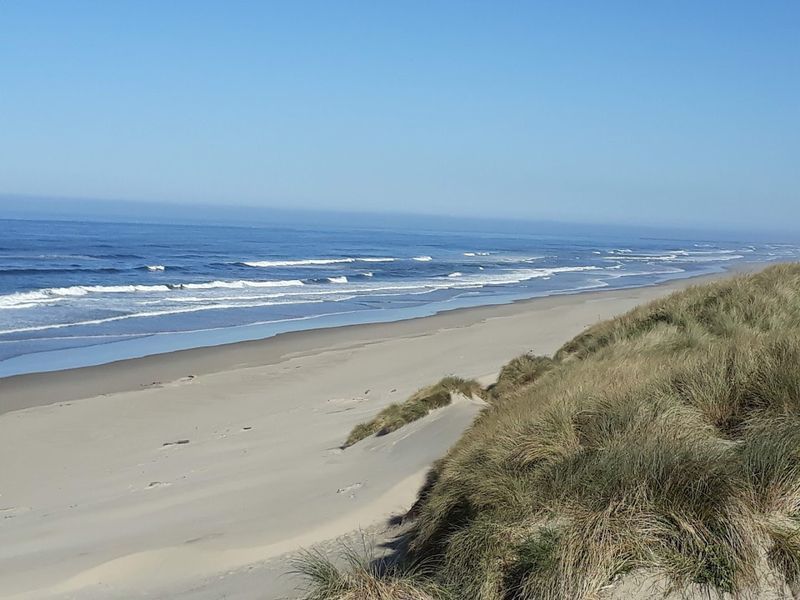
The beach on the other side of the dunes is undeveloped in a way that feels almost startling by modern coastal standards. There are no boardwalks, no concession stands, and no rows of umbrellas for rent.
Just a wide, windswept stretch of Pacific coastline that extends further than you can see in either direction.
OHV riders can access the beach and ride along the waterline for miles, which is one of the more unique off-road experiences available anywhere in the United States. The hard-packed sand near the water provides a completely different riding surface compared to the soft dune faces, and the combination of both in a single outing is what makes a full day here feel so satisfying.
Hikers and non-motorized visitors reach the beach through designated trail corridors that cut through the dune field. The walk takes some effort, but arriving at the ocean after crossing an expanse of open sand carries a particular sense of reward.
Across the highway from the dunes, there are spots where you can clean a fresh catch or shuck oysters, a detail that tells you a lot about the kind of place this is and the kind of people who love it.
Mushroom Foraging and Permit Activities
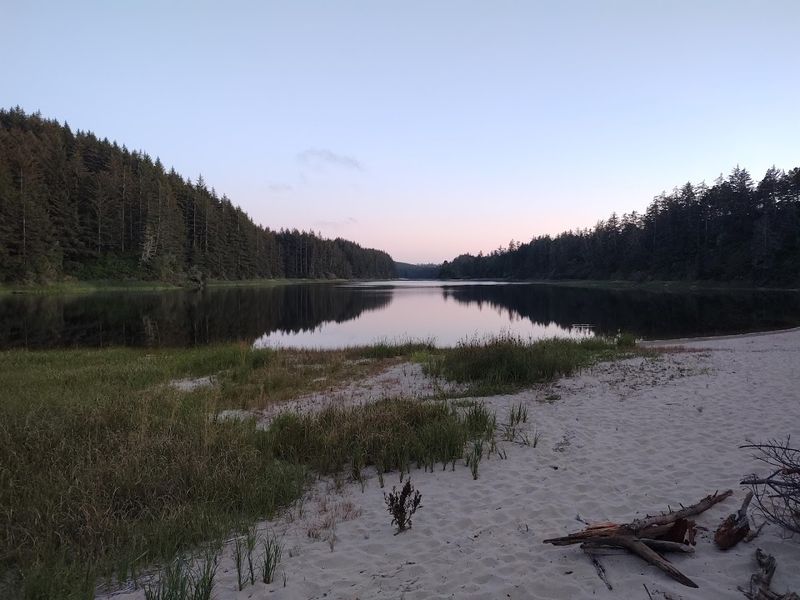
One of the more unexpected things you can do at the Oregon Dunes is pick mushrooms, and the visitor center in Reedsport makes it surprisingly easy to get started. Permits for mushroom foraging and greenery collection are available right at the front counter, along with maps that guide you toward areas where specific species are most likely to be found.
The forests that border the dune fields create ideal conditions for a variety of edible mushroom species, particularly in the cooler months when moisture and temperature align in the right combination. Staff at the visitor center are knowledgeable enough to give specific guidance on what to look for and where, which is the kind of practical help that transforms a casual curiosity into a genuinely productive outing.
Foraging adds a completely different rhythm to a visit here, slower and more observational than riding ATVs or climbing dunes, but equally engaging in its own way. Families with kids who have an interest in nature tend to find this activity particularly rewarding, and the permit system keeps collection sustainable so the resource remains available for future visitors.
It is the kind of hidden-in-plain-sight activity that makes the Oregon Dunes far more layered than a first glance suggests.
Practical Tips for Getting the Most Out of Your Visit
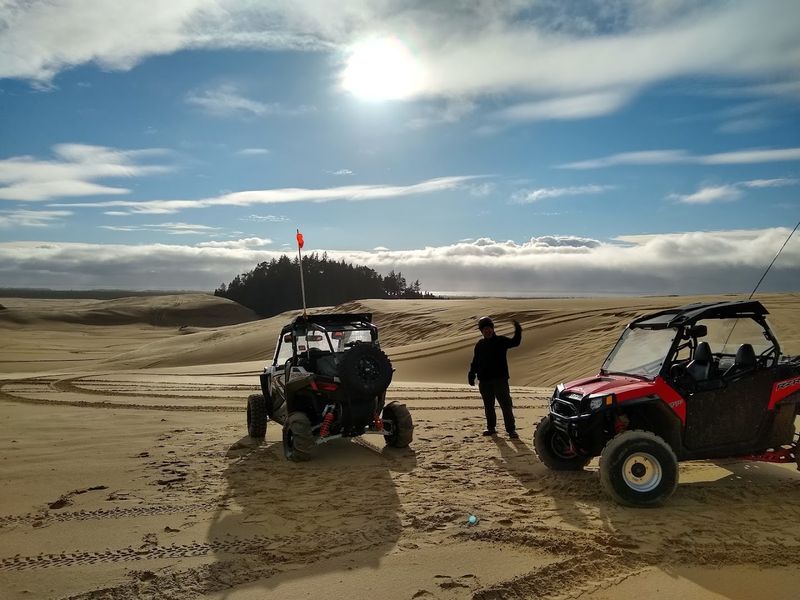
A few practical details can make the difference between a great day and a frustrating one at the Oregon Dunes. The visitor center at 855 Highway Ave in Reedsport is open Monday through Friday from 8 AM to 4 PM, so arriving early on a weekday gives you access to staff guidance, maps, and permits before you head out to the dunes themselves.
The dunes reflect sunlight with surprising intensity, so sunscreen and sunglasses are not optional items. Bringing extra layers is equally smart, since coastal weather along this stretch of Oregon can shift from warm and clear to cold and foggy within a single afternoon, and the wind picks up noticeably as the day progresses.
For OHV riders, starting early beats both the wind and the heat, and weekday visits mean more space to ride without congestion on the main corridors. The pin on most map apps points to the visitor center rather than the dunes themselves, so look for the Eel Creek area to the south or the day-use area north of Reedsport for direct dune access.
Fuel up before you arrive, keep track of your orientation once you are in the dune field, and leave yourself enough time to actually enjoy the place rather than rushing back to the parking lot.
Share this story