 Unearth The Voyage
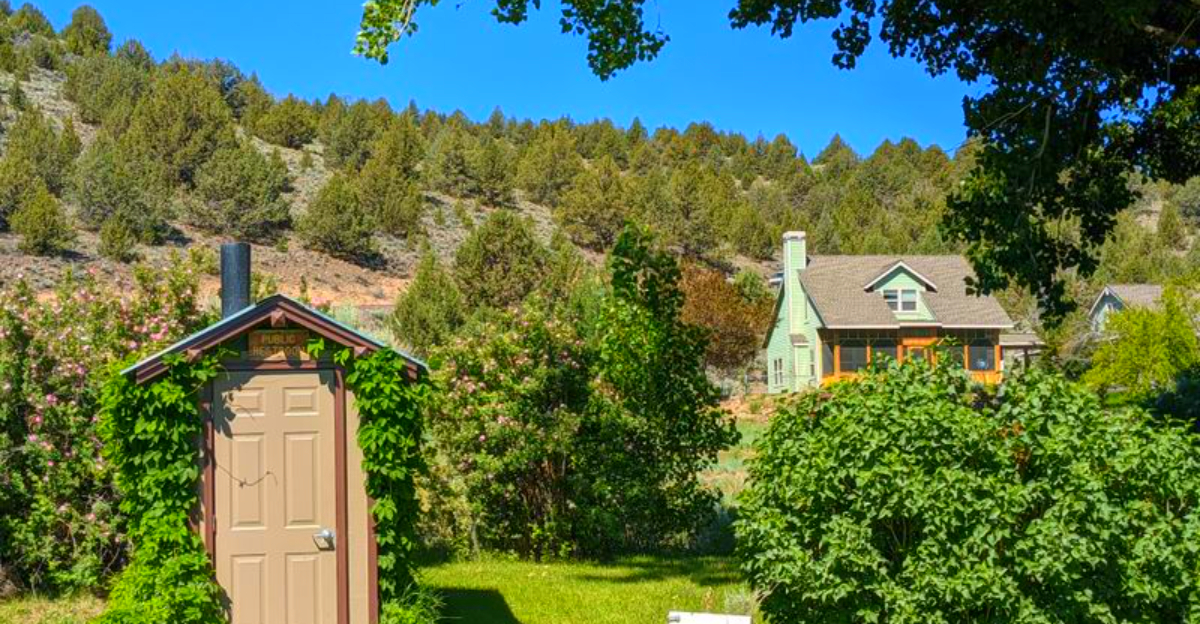
Drive south from Burns and the asphalt unwinds into big sky, dun-colored sage, and a silence you can almost hear. At the end of Oregon Route 205, Frenchglen appears like a whispered rumor, framed by Steens Mountain and the wide marsh of Malheur.
It is a place where headlights feel unnecessary at noon and stars feel close enough to graze with your shoulder. If you have ever wanted to feel a road lead you somewhere honest and small, this is your turnoff.
The Last Quiet Miles on Oregon Route 205
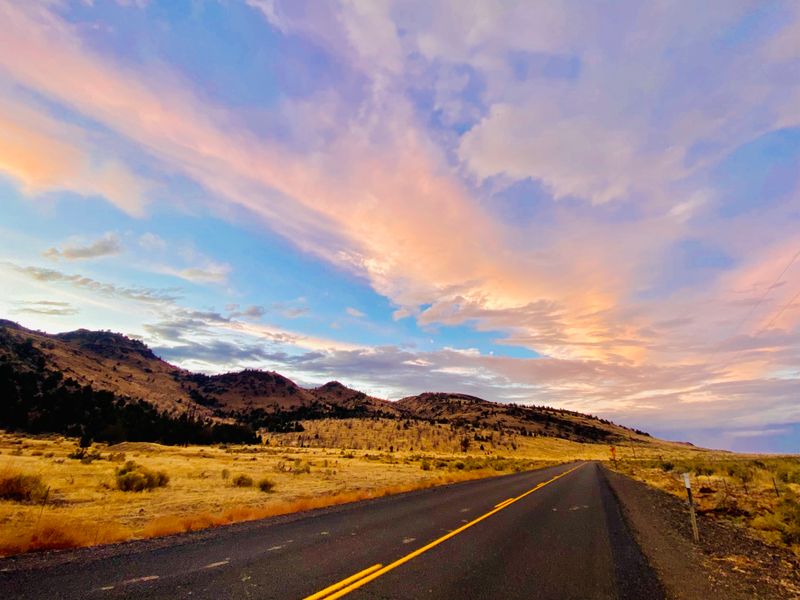
The pavement narrows as the land gets bigger. Sagebrush stirs the air with clean, peppery scent, and pronghorn ghost across the flats like ideas half formed.
Telephone lines etch a straight staff for meadowlark notes, and you start counting fenceline posts because there is nothing else to measure except distance. Wind pushes through a cracked window and tastes faintly mineral, like rain that has not arrived yet.
By the time the first cottonwoods appear, your shoulders have dropped. The odometer feels irrelevant, replaced by landmarks with names you had to learn twice.
Oncoming cars are rare enough to be acknowledged with a finger lifted off the wheel. Heat shimmers blur the horizon, then snap back to focus, revealing a low cluster of roofs you might miss if you blink.
There is no archway announcing Frenchglen, just a change in pace that you feel under the tires. The road stops instructing and starts inviting.
You read the weather on the mountain like a billboard. Fuel up in Burns, drink water, and drive unhurried.
The last quiet miles do their best work at forty-five.
First Glimpse of Frenchglen
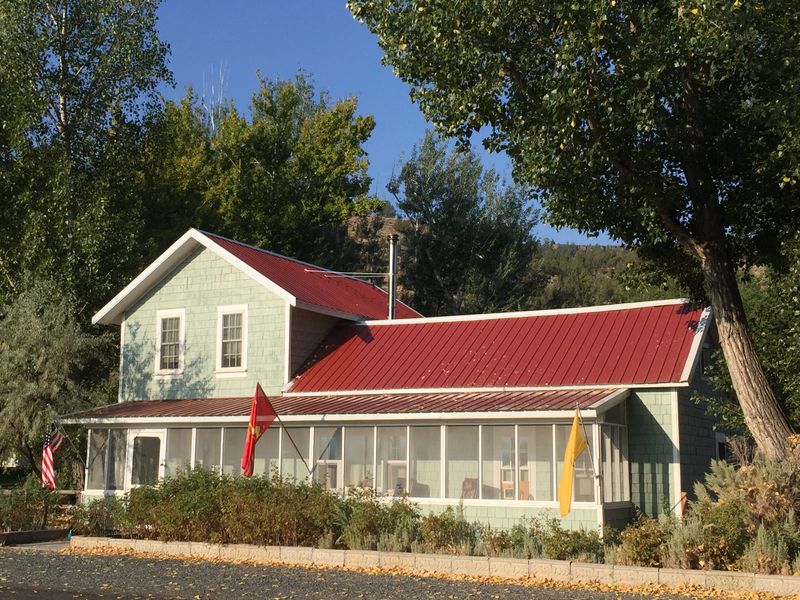
Frenchglen is more suggestion than grid. A few clapboard buildings tuck under cottonwoods, roofs keeping company with magpies and the steady breath of wind.
Gravel crackles as you pull off, and the smell shifts to sun-warmed wood and irrigated hay. Someone waves from a porch.
Dogs decide whether you belong in about two seconds, then return to the shade with important business concluded.
There is room here for small talk that turns into directions, and directions that turn into stories. A hand-painted sign leans just enough to prove the weather has opinions.
You notice time bending: coffee poured slow, screen doors with a lax hinge, the kind of silence that does not need defending. It is not a museum.
It is lived in, serviceable, and soft-spoken.
Look up, always. Steens sits to the southeast like a patient teacher, still wrapped in snow long after your calendar says spring.
Clouds snag on its rim and drift loose again. You parked to stretch your legs, but the town stretches your attention instead.
That is the first glimpse: less spectacle, more presence.
The Frenchglen Hotel: A Porch With History
The Frenchglen Hotel is a porch with a building attached. Rockers creak, doors click, and the floorboards keep an honest record of every boot and suitcase.
Built in 1917 for cattle buyers and travelers, it still works to the same brief: a bed, a meal, a neighborly chat. The register holds names from places that feel farther away the longer you sit.
Dinner is served family-style, a plate sliding toward you as a conversation lands in your lap. Mashed potatoes carry the day, and green beans squeak in that way only fresh ones do.
Someone mentions water levels at Malheur. Someone else corrects a road rumor.
The server smiles at both and tops off coffee that tastes like morning even at night.
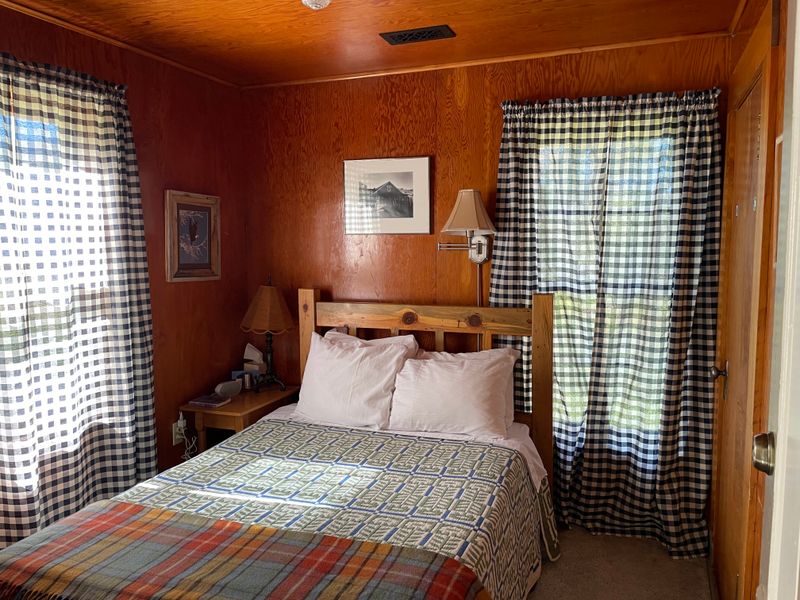
Rooms are plain, clean, and light on decisions. Hooks on the wall beat closets for honesty.
Windows lift easily, letting in the faint hay-sweet breeze. Do not expect a television.
Expect sleep, and a dawn that arrives with magpie scolds and a floorboard chorus. You will miss the porch before you leave it.
Breakfast Before Birds: Dawn In Town
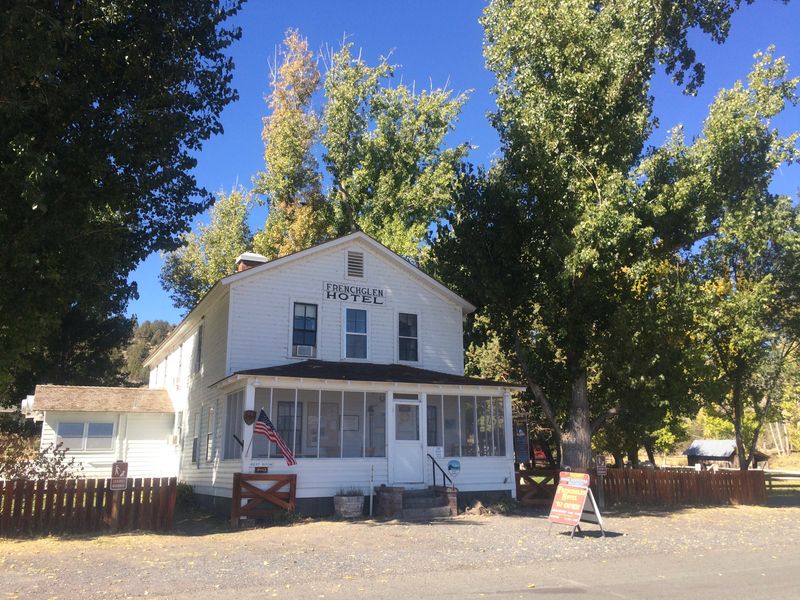
Dawn slips in sideways here, pale pink climbing the clapboards before it reaches your face. The air is crisp and unscented until a first coffee fogs it with roast and heat.
Gravel is loud under the single truck heading out to check pivots. Even the dogs postpone their patrol until the sun clears a slat of fence.
You hear birds before you sort them. A long meadowlark whistle, the dry stitch of sparrows, the droning lift of sandhill cranes if you caught the season right.
There is a good chance you will meet a neighbor at the coffee pot and trade weather reports like currency. The motel across the way yawns its curtains, and the porch earns its keep again.
Eat simply: eggs that taste like they knew yesterday, toast with butter that remembers cold. Pockets are for snacks and lens wipes.
You will need both within the hour. Dawn in Frenchglen asks for quiet company and rewards it with a mood that lasts all day.
By the second cup, plans feel optional.
Malheur Edge: Water In A Dry Place
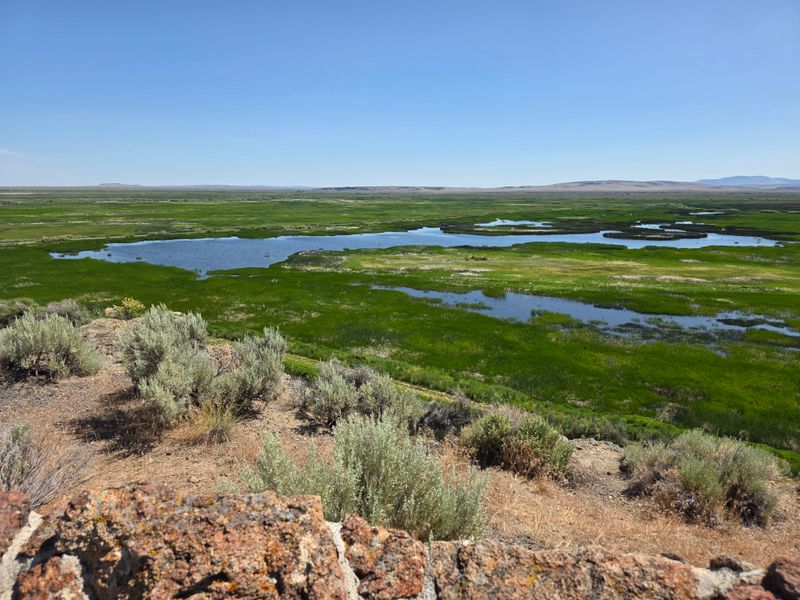
Just down the road, water gathers in a geometry of marsh, pond, and glint. Reeds hiss in a low breeze, and red-winged blackbirds flash their shoulder patches like traffic signals.
If the season is right, the first bugling call of cranes carries a half mile. You cannot remember the last time a sound rearranged your day this efficiently.
Malheur’s numbers tell part of the story. The refuge has recorded hundreds of bird species, and peak spring counts bring tens of thousands of migrants.
But the statistic you feel is one body in a blind, counting breaths between wingbeats. Binoculars fog.
You laugh, then learn to breathe differently.
Walk the edges with slow feet. Tracks scribble in mud like a fresh alphabet: heron, raccoon, vole.
A harrier rows low, tilts, and knifes into grass you thought was still. Bring patience, sun protection, and a brimmed hat.
Out here, water is history and promise. Frenchglen keeps both within earshot.
Steens Mountain: Rim, Gorges, Weather
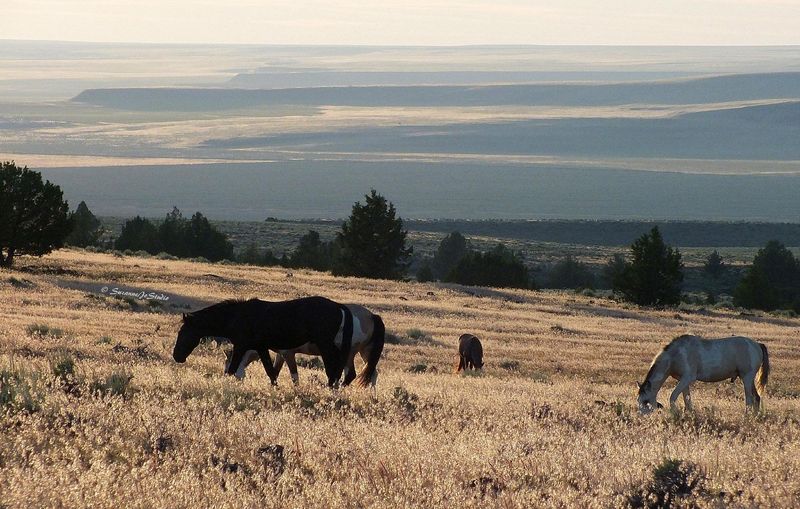
Steens rises like a single idea stretched to the horizon. From Frenchglen, the mountain is mood.
Up close, it is a lesson in edges: rimrock, glacial bowls, and air thin enough to make ordinary steps ceremonial. Wildflowers work overtime in short summers, tightening blues and yellows into small, defiant flags.
The road climbs in a string of switchbacks. Windows down, the temperature drops by degrees you can feel on your wrists.
Marmots chirp like out-of-tune smoke alarms. In late June, snow still lingers in shade, clean as paper.
The view spills east toward the Alvord like a cartographer went generous with blank space.
Gorges cut deep and sudden. Kiger, Little Blitzen, Big Indian: names that read like instructions.
The wind at the rim talks in a language of push and lean. Pack layers, a map you can read without bars, and humility.
Afternoon storms can draft a plan faster than you can rewrite it. The mountain does not bluff.
Ranch Country: Gates, Pivots, Routine
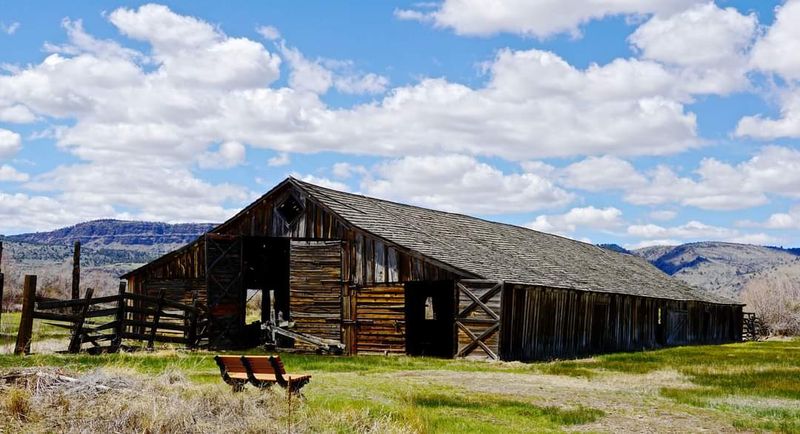
Ranch country begins where the town politely steps aside. Gates announce themselves with squeaks that sound older than you.
Pivots tick through arcs of green you can see from space, but up close, it is hoses, couplers, and boots that never dry completely. Cattle stare with the authority of creatures that own Tuesdays.
Conversation is practical here. Water turns at this hour, calves took to that pasture, the wind will make a liar of your hat.
Trucks rattle with a music of tools and baling twine. The coffee in thermoses is strong enough to remember yesterday’s chores.
Even the dogs work by implication, saving their barks for the coyotes after dark.
Ask before you step across a fence. Close what you open.
Drive slow on ranch roads, and wave like you mean it. Workdays outlast daylight in spring and fall, and the sky holds a bruised glow that looks like an apology no one needs.
Frenchglen does hospitality like a handshake: firm, brief, and real.
Desert Weather: Light, Dust, Distance
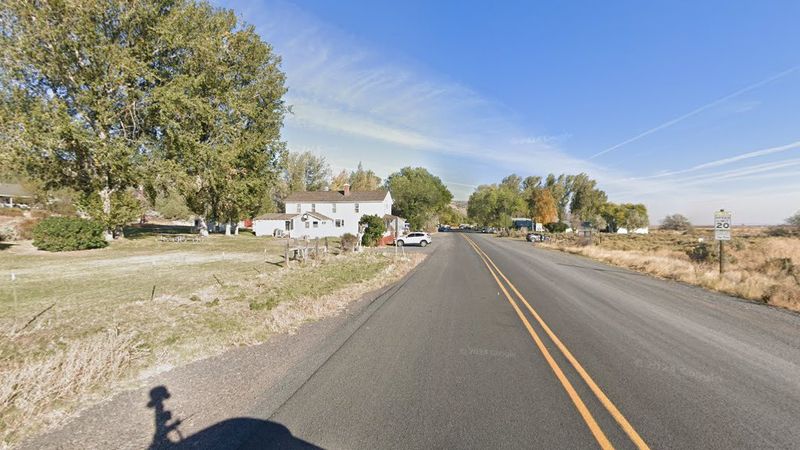
Weather here is theater, unscheduled. A dust devil sketches a perfect corkscrew and unravels before you can point.
Sunlight drills through broken clouds, spotlights moving across sage like a slow parade. Rain drops from the rim in gray curtains that never fully reach you, leaving the smell of wet rock without the courtesy of puddles.
Forecasts are polite guesses. Afternoon winds shoulder through town, testing hat brims and door latches.
Nights cool quickly. Stars pour in until the sky feels overfilled, the Milky Way a white stain you would scrub if it were on your shirt.
Summer heat is honest and dry. Winter hangs longer than news from the valley suggests.
Carry layers, sunscreen, and a working respect for distance. Hydration feels optional until it is not.
The road glows at sunset, and the dust you kick up turns liquid gold for eight perfect minutes. That is your window for photographs and quiet.
Afterward, crickets file their reports and the air settles like a blanket just out of the dryer.
Birders, Researchers, Neighbors
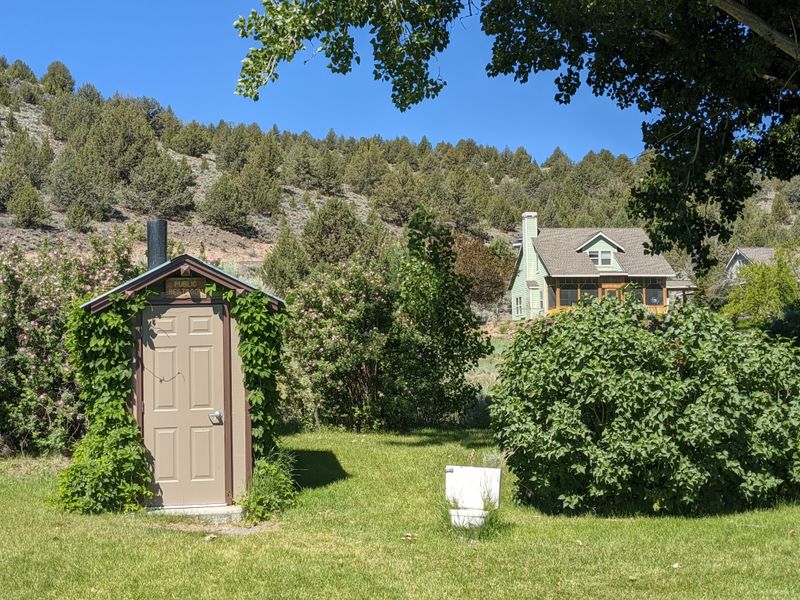
In spring, the parking pullouts read like a roll call of license plates. Birders step soft, but excitement leaks out as whispered exclamations.
A researcher scribbles coordinates while a rancher leans on a tailgate and nods, patient as weather. You can feel three ways of looking at the same valley coexisting without a fuss.
Statistics skim the surface: statewide outdoor recreation spending topped billions recently, and birdwatching keeps growing year over year. But the more useful number is small, usually two or three.
That is the size of most conversations here. Advice runs specific and short: which bend, what time, how the light behaves on a west wind.
Offer to share a scope view. Hold the gate.
Ask questions like you expect practical answers. The neighbor who points you to an owl roost might also steer you around a washout that does not show on your app.
In Frenchglen, expertise wears dusty boots, bright vests, and sun-faded baseball caps equally well.
Practicalities: Fuel, Food, Signal
Frenchglen is small enough that your assumptions need a tune-up. There is no sprawling grocery, and fuel is not a casual errand.
Top off in Burns. Bring extra water, snacks with salt, and a cooler if you are staying long enough to make lunch a problem worth solving.
Cash helps in the kind of way that reminds you of 2009.
Cell signal arrives in slivers and wanders off when you get comfortable. Download maps before you lose manners to frustration.
Lodging books out in peak birding months, so plan ahead with forgiving margins. The nearest full medical care is a drive, which is one more reason to pack a basic kit and read road conditions with the humility of a guest.
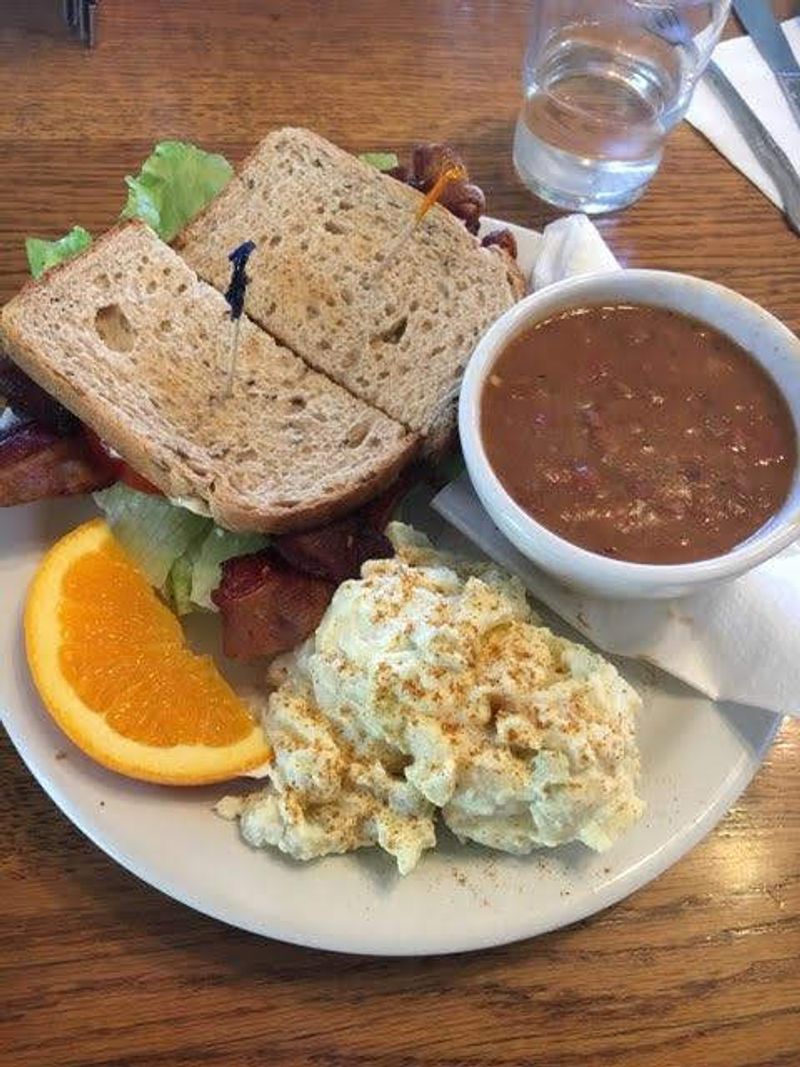
Food is simple and better for it. Coffee tastes like it intends to keep you alert.
Sandwiches ride happily in daypacks and survive the dust. A paper map on the hood of a car still solves things faster than a buffering screen.
That is Frenchglen’s charm and challenge, braided together.
Nightfall: Stars, Silence, A Porch Light
Night drops fast, like a curtain on a well-timed cue. One by one, porch lights click on, and moths write frantic cursive against the bulbs.
Then the real show: stars unspool in numbers your city eyes forgot existed. The Milky Way stretches its white braid across the black, and you feel the scale tug at your sternum.
Sound changes character. Crickets pick up the narrative thread left by day.
An owl throws its voice, then moves before you can triangulate. The air smells like dust, juniper, and cooling wood.
You might sit without talking for longer than feels modern. That length grows comfortable, then necessary.
If you are lucky, a low satellite glides by and refuses drama. You finish the last of your water, standing to loosen your knees.
Someone in the next chair says goodnight like it is a ritual with weight. Sleep comes easy in small towns that trust the dark.
Frenchglen trusts it completely.



