
There is a place in the heart of Oregon’s Willamette Valley where towering conifers, wetland trails, and sculpted flower beds share the same address as one of only a handful of Frank Lloyd Wright-designed structures you can actually sleep in. The Oregon Garden in Silverton pulls off something rare: it is a working botanical garden, a resort destination, and a living piece of architectural history all rolled into one.
I visited on a crisp weekday morning and ended up staying far longer than planned, wandering paths that seemed to reveal something new around every bend. By the time I made it back to the visitor center, my camera roll was full and my legs were pleasantly tired.
Finding the Garden: Location, Address, and First Impressions

The Oregon Garden sits at 879 W Main St, Silverton, OR 97381, tucked into the foothills east of Salem in Oregon’s Willamette Valley. Silverton itself is a small, charming town that most visitors pass through on the way to Silver Falls State Park, but the garden gives you a very good reason to stop and stay awhile.
The first thing I noticed pulling up was the sheer scale of the parking area. There is plenty of space, and on the day I visited, I did not need to reserve a spot in advance, which felt refreshingly low-key for a destination this impressive.
A modest but welcoming visitor center greets you at the entrance, where staff are genuinely friendly and happy to hand you a map and point out what is currently blooming. The garden has been open since 1999, and the grounds cover more than 80 acres of carefully maintained landscape.
That number sounds large on paper, but once you are inside, it feels even bigger, in the best possible way.
The Frank Lloyd Wright Gordon House: Architecture Worth the Trip Alone
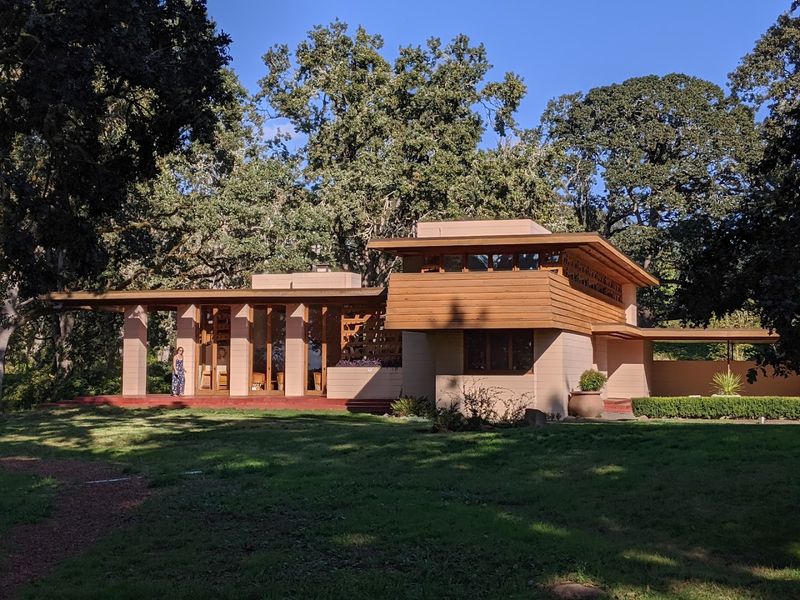
Most people do not expect to find a Frank Lloyd Wright house inside a botanical garden, and that element of surprise is part of what makes the Gordon House so memorable. Built in 1964 and relocated to the garden grounds in 2001, it is one of only about 400 surviving Wright-designed structures in the entire country, and one of even fewer you can actually tour up close.
The house belongs to Wright’s Usonian style, a design philosophy he developed to create affordable, functional homes for middle-class American families. Low horizontal lines, natural materials, and a seamless connection between indoor and outdoor space define every corner of the building.
The interior feels modest in size but incredibly thoughtful in layout, with built-in furniture and clerestory windows that flood the rooms with natural light.
Guided tours are available and are absolutely worth booking. The knowledgeable guides bring the history of the original owners, the Conrad and Evelyn Gordon family, to life in a way that makes the architecture feel personal rather than academic.
This house is a genuine architectural treasure hiding in plain sight.
The Tram Ride: A Guided Overview of the Whole Garden

Before you commit your legs to five miles of garden trails, the tram ride offers a smart way to get your bearings. Running every 30 minutes throughout the day, it covers the major sections of the garden in about 20 to 25 minutes, with a knowledgeable guide narrating the entire loop.
On my visit, the guide pointed out which specialty gardens were at peak bloom, flagged the sections with the best wildlife sightings, and shared background on the garden’s founding and ongoing conservation work. It is the kind of orientation that saves you from accidentally spending all your time in one corner while missing something spectacular on the other side of the property.
The tram is also a solid option if you have visitors in your group who find long walks difficult. The ride is smooth, the pace is relaxed, and there is no extra pressure to keep up with anything.
Several visitors I spoke with said they took the tram first, then went back on foot to explore the sections that caught their eye. That is honestly a great strategy, and one I wished I had thought of before logging those extra miles.
The Wetlands: Where Wildlife Steals the Show

The wetlands section of the garden turned out to be my personal favorite, and I was not alone in that opinion. The trails wind through a marshy landscape that feels genuinely wild compared to the more manicured garden beds elsewhere on the property.
Ducks paddle lazily through shallow water while dragonflies hover just above the surface. Frogs announce themselves with enthusiasm from the reeds, and if you move quietly and keep your eyes open, fish dart beneath the footbridges in surprising numbers.
Bumblebees work the flowering plants with single-minded dedication, and the air carries that clean, green smell that only comes from a truly healthy wetland ecosystem.
The trails here are flat and easy to walk, with benches tucked into shaded spots along the way. It does not feel like a constructed nature experience; it feels like you have wandered into an actual functioning habitat that just happens to have well-maintained paths running through it.
Children especially light up in this section, since the wildlife is close enough to observe without any barriers getting in the way. The wetlands alone justify the admission price on a warm afternoon.
Specialty Garden Sections: Something for Every Kind of Plant Lover

The Oregon Garden does not present itself as a single uniform landscape. Instead, it is organized into distinct specialty sections, each with its own personality and plant palette.
The Conifer Garden showcases the Pacific Northwest’s most iconic trees in a way that feels both educational and genuinely beautiful.
The Pacific Sunset maple grove earns its reputation in autumn, when the leaves shift through shades of orange and deep red that photographers chase from across the state. Spring brings a wave of early-season bulbs, including daffodils that begin pushing through the soil well before the calendar officially declares winter over.
Summer fills the more formal garden beds with color that ranges from soft pastels to vivid tropical hues.
There is also a children’s garden area that gives younger visitors their own space to interact with plants in a hands-on way, which keeps families moving happily through the grounds instead of negotiating with bored kids. The sheer variety of garden types means that no two visits feel identical, even if you walk the same paths.
The garden’s own staff recommend visiting across multiple seasons to fully appreciate how dramatically the landscape transforms throughout the year.
Art Hidden in the Garden: Sculptures, Surprises, and Secret Benches

One of the more unexpected pleasures of exploring the Oregon Garden on foot is discovering that art has been woven into the landscape throughout the property. Sculptures appear at the ends of paths, tucked into tall grass, or positioned beside water features in ways that reward slow, curious walkers rather than those rushing to check off highlights.
During my visit, I stumbled across a piece half-hidden by ornamental grasses that I nearly walked right past. The placement felt intentional, as if the garden wanted you to earn the discovery rather than have it handed to you.
Small benches are similarly scattered in private nooks throughout the grounds, offering quiet spots to sit and take in a particular view without feeling like you are parked on a main thoroughfare.
The garden also hosts rotating art exhibitions, and during certain times of year, original works by local artists are available for sale directly on the grounds. Pieces range from small and affordable to large statement works that would anchor a garden or living room beautifully.
It adds a cultural layer to the visit that goes well beyond what you might expect from a botanical garden, turning a nature walk into something closer to a gallery experience.
The Nursery and Plant Shop: Leave With More Than Just Memories

Not every botanical garden gives you the chance to bring a piece of it home, but the Oregon Garden’s on-site nursery makes that possible at prices that are genuinely reasonable. Ferns, native plants, and seasonal selections fill the nursery space, and the quality of the stock reflects the expertise of the people maintaining 80-plus acres of garden nearby.
One visitor picked up a mid-size fern for around nine dollars, and many of the other plants were priced even lower than that. For gardeners, it is the kind of find that makes you wish you had driven a larger car.
The staff in the nursery area are knowledgeable and happy to offer advice on what will thrive in your specific growing conditions, which is more useful than anything you would get from a big-box garden center.
The visitor center also houses a small gift shop with garden-themed items, books, and locally made products that make for thoughtful souvenirs. It is the kind of shop you browse longer than intended, which in this context feels entirely appropriate.
The combination of nursery and gift shop gives the end of your visit a satisfying, tangible conclusion rather than just a walk back to the parking lot.
Holiday Lights in December: The Garden After Dark

The Oregon Garden does not shut down when the growing season winds down. In December, the property transforms into a holiday light experience that draws visitors specifically for the after-dark atmosphere rather than the plants.
The lights are arranged thoughtfully throughout the garden paths, creating a festive but not overwhelming atmosphere that works well for all ages. Families with young children find it particularly magical, since the illuminated garden feels like a completely different place from its daytime version.
The scale of the property means the display has room to breathe, avoiding the cramped, overlit feeling that some holiday events create.
The experience works equally well for couples looking for a seasonal outing and for groups of friends who want something a bit more active than sitting indoors. Returning visitors have noted that the display seems to improve year after year, with more thoughtful arrangements and better coverage of the garden’s most scenic sections.
If you are in the Willamette Valley during December and looking for something to do on a clear evening, the garden’s holiday lights make a strong case for the short drive to Silverton. Dress warmly and bring a good camera.
The Oregon Garden Resort: Staying the Night in a Wright-Adjacent Setting
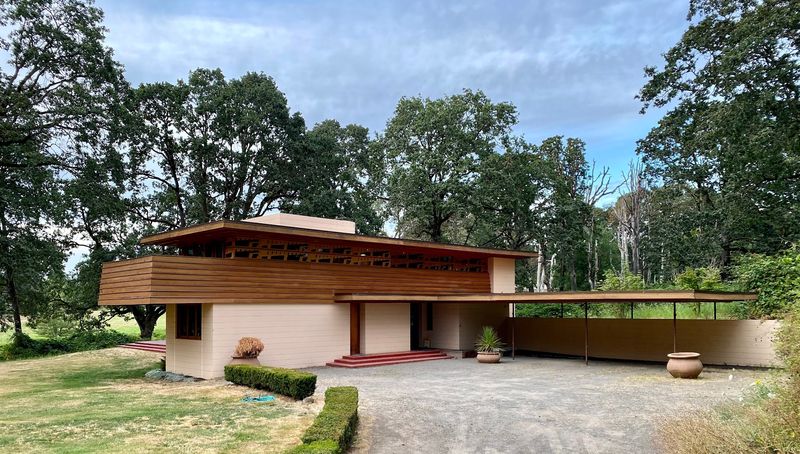
Day visitors get a lot out of the Oregon Garden, but staying overnight at the on-site resort adds a dimension to the experience that a single afternoon cannot replicate. The resort offers rooms with fireplaces and a design aesthetic that nods to Frank Lloyd Wright’s Usonian principles, keeping things warm, natural, and grounded without feeling like a theme park version of architecture.
Waking up inside the garden before the gates open to the public is a genuinely different experience. The morning light across the wetlands and flower beds is softer and quieter than anything you encounter during peak visiting hours, and the sense of having the whole property to yourself, even briefly, is hard to put a price on.
The resort’s restaurant and lounge serve food that goes well beyond what you might expect from a garden hotel. The menu leans into Pacific Northwest ingredients and flavors, and the dining room has a relaxed, comfortable atmosphere that suits a long, unhurried meal after a day of walking.
Guests who combine a night at the resort with a full day of garden exploration consistently describe it as one of the more complete and satisfying short getaways available in the region.
Dog-Friendly and Picnic-Ready: Practical Details That Matter

A lot of beautiful outdoor destinations come with a long list of restrictions that make visiting with pets or families feel more stressful than relaxing. The Oregon Garden takes the opposite approach, actively welcoming well-behaved dogs on leash and encouraging picnics on the grounds.
That combination makes a real difference in how the visit feels. Bringing your dog along means the whole family can enjoy the outing without leaving anyone at home, and the wide, flat trails in most sections of the garden are comfortable for dogs of all sizes and energy levels.
The abundance of water features gives dogs plenty of visual stimulation, even if they cannot splash around in the garden ponds.
Picnicking on the grounds turns a few hours of walking into a full afternoon event. There are shaded spots and benches throughout the property, and the atmosphere is relaxed enough that spreading out a blanket feels completely natural rather than out of place.
For families with young children, the combination of a kids’ garden area, dog-friendly trails, and picnic-friendly grounds means everyone gets something out of the visit. That level of accessibility is rarer than it should be, and the Oregon Garden deserves credit for getting it right.
Seasonal Visits: Why Coming Back in Different Seasons Pays Off

One visit to the Oregon Garden is satisfying, but the property genuinely rewards return trips across different seasons in a way that few destinations can claim honestly. The landscape shifts so dramatically from month to month that the same path feels like a different walk depending on when you show up.
Spring announces itself early with daffodils and other bulbs pushing through the soil while the rest of the Willamette Valley is still shaking off winter. Summer brings full-color bloom across the formal garden beds and peak activity in the wetlands, with wildlife most active during the warmer months.
Autumn belongs to the Pacific Sunset maples, whose color display draws photographers and casual visitors alike to the garden specifically for that show.
Winter strips the garden back to its structural bones, and the evergreen collections in the Conifer Garden become the stars of the season. The garden staff point out that winter visits have their own quiet appeal, with fewer crowds and a stillness that lets you notice details you might rush past during busier months.
A seasonal membership makes the math work out well for anyone within reasonable driving distance of Silverton, turning the garden into a year-round habit rather than a one-time outing.
Tips for Your Visit: Making the Most of Your Time at the Oregon Garden

A few practical notes go a long way toward making your Oregon Garden visit run smoothly. The garden is open daily, with hours running from 9 AM to 6 PM Monday through Friday and 9 AM to 4 PM on weekends.
Arriving early on weekdays gives you the quietest experience and the best light for photography.
Tickets do not need to be purchased in advance for general admission, which keeps things flexible for spontaneous day trips. The tram runs every 30 minutes and is worth the small additional cost, especially on your first visit when the scale of the property can feel a little overwhelming without context.
Comfortable walking shoes are a must, and the perimeter trail alone runs about 1.5 miles, though most visitors end up covering significantly more ground once they start exploring the interior paths.
The garden is reachable from Salem in under 30 minutes, making it an easy half-day trip that can be combined with a stop in downtown Silverton afterward. The town itself is worth a short walk, with local shops and cafes that complement the garden visit nicely.
Check the garden’s website at oregongarden.org for current events, seasonal highlights, and resort booking details before you go.
Share this story