 Unearth The Voyage
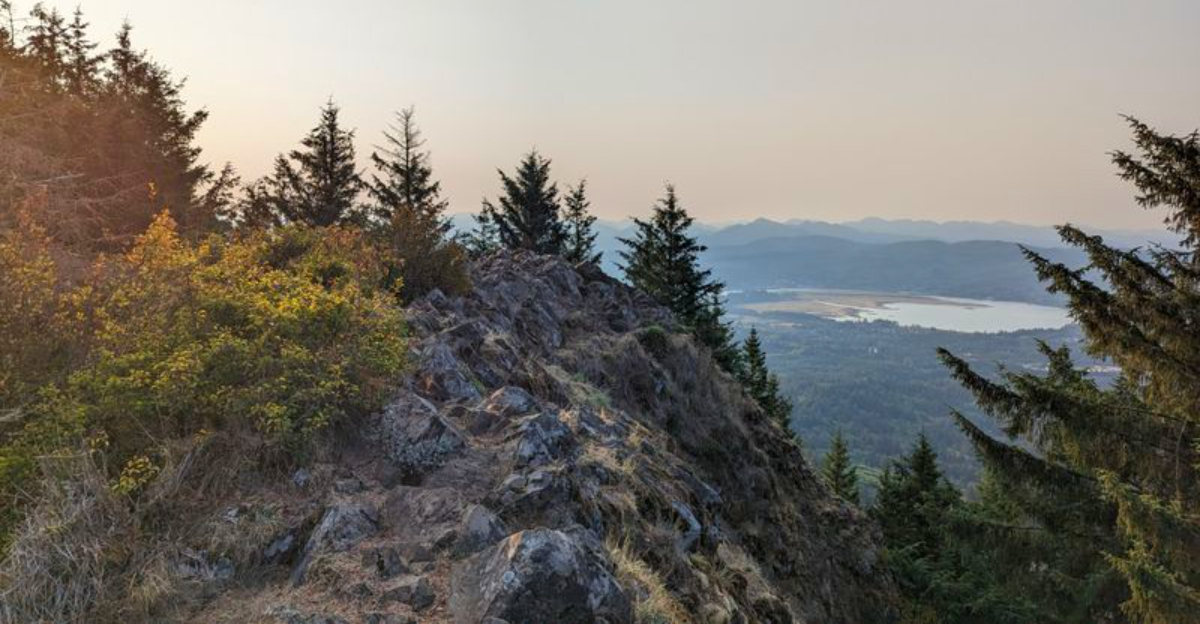
Stand on Neahkahnie Mountain and the wind feels like a messenger, carrying whispers of lost cargo and secret maps. Locals still swap stories about Spanish sailors who hauled treasure uphill and buried it where cliffs meet clouds. With beeswax washing ashore and a view that looks like a promise, it is easy to believe something waits beneath the roots and rock. Ready to follow the clues and decide for yourself?
1. The Legend Dates Back to the Late 1600s
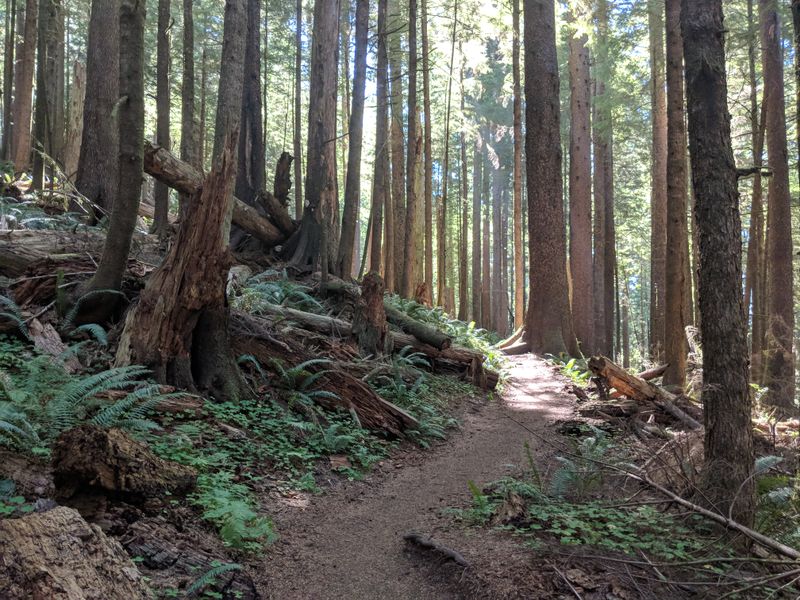
Neahkahnie Mountain holds a tale that reaches into the late 1600s, echoing through waves and forest. Early settlers recorded oral histories in the 18th and 19th centuries, preserving a legend that predates American settlement. When you hike those switchbacks, you feel time bending, as if the trail itself remembers.
The story says strangers came by sea, hid something heavy, and slipped away, leaving only whispers behind. That timeline matters because it anchors the myth before newspapers, tourists, or modern treasure fever. You are not just chasing glitter here, you are stepping into a narrative older than the United States.
What survives are fragments, not proof, but the consistency across decades is striking. The mountain keeps its secrets, yet the legend persists like a lighthouse in fog. If age lends credibility, this tale has it in spades. The question is whether patience and respect can unlock it.
2. The Story Involves a Spanish Shipwreck

According to the story you will hear along the Oregon coast, a Spanish vessel struck disaster and scattered survivors toward Neahkahnie Mountain. They reportedly lugged chests inland, fearful of pirates or opportunists, and hid the cargo where cliffs and forest converge. That single image explains why seekers still climb with metal detectors and hope.
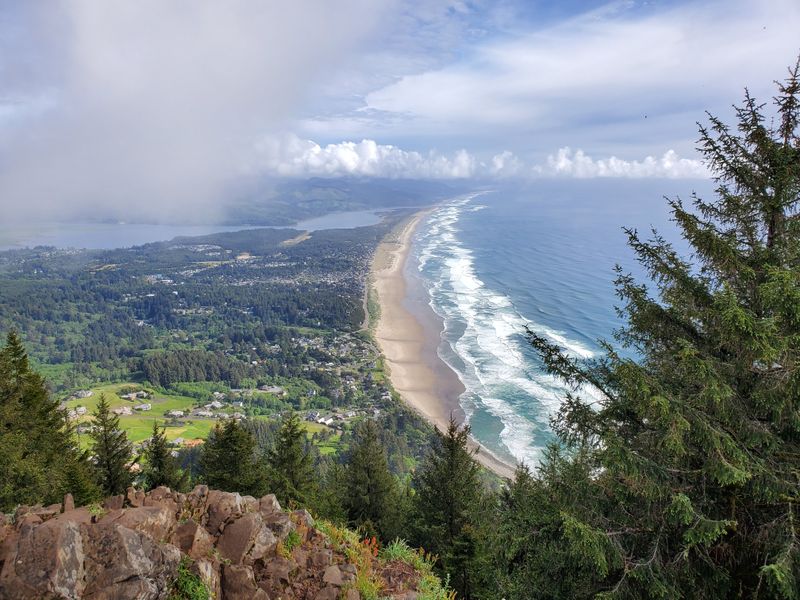
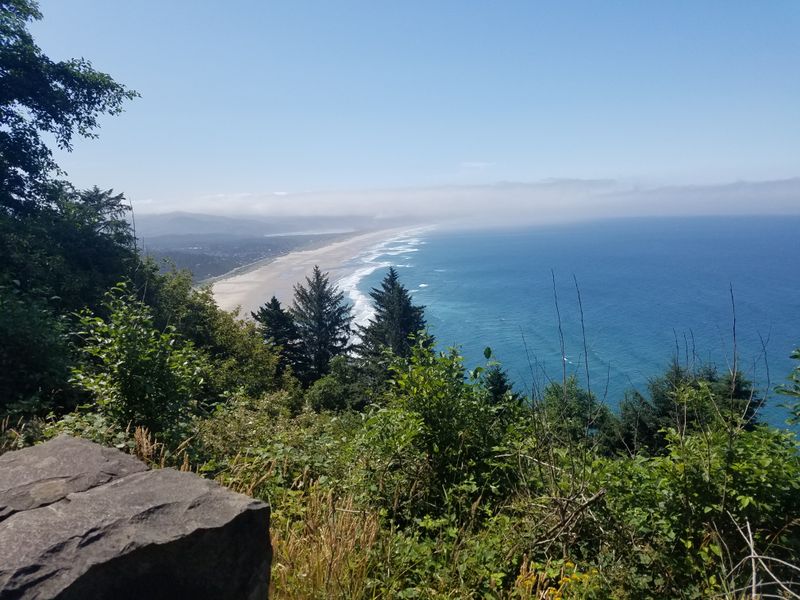
No one can name the ship with confidence, and that uncertainty frustrates researchers. Spain sailed these waters, though, and storms here do not negotiate. When you look down from the viewpoints, the rocky teeth offshore make shipwreck seem almost inevitable.
The shipwreck premise ties sea to summit, knitting a believable route from surf to ridge. Even skeptics admit the geography fits. Stand at the overlooks and picture drenched sailors scanning for cover, choosing height over exposure. If you ever felt a place tell a story, Neahkahnie will speak that language clearly.
3. The Cargo Was Said to Be Beeswax and Precious Goods
Stories say the cargo included beeswax, porcelain, silk, spices, and silver riding the Pacific trade between Asia and New Spain. Beeswax mattered for church candles, which made it valuable and distinctive. When you handle modern beeswax, it is easy to imagine the heft of those blocks.
The list matches what Spanish Manila galleons carried, giving the legend a spine of plausibility. Precious goods that travel also disappear, especially during storms and forced landings. If sailors needed to move fast, stashing weighty cargo inland would be a logical decision.
Picture crewmembers divvying loads, choosing a defensible slope, and marking the spot with symbols. The mix of sacred utility and market value explains why people keep digging. You are not just chasing coins, you are tracing a supply chain across oceans. Neahkahnie Mountain becomes the warehouse of a disaster, sealed by time and moss.
4. Beeswax Blocks Have Actually Been Found on Oregon Beaches

Here is where the myth touches sand. For generations, beachcombers have found beeswax blocks stamped with Spanish markings along the Oregon coast near Neahkahnie Mountain. You can feel the legend harden when stories have fingerprints.
These discoveries are not one-off claims but a pattern noted since the 1800s. Markings, shapes, and tool traces point to colonial production rather than modern hobby wax. When you stand on the beach after a storm, the idea of cargo breaking open and drifting seems completely believable.
Beeswax does not prove buried treasure on the mountain, but it grounds the narrative in real objects. Artifacts travel, and currents love to carry secrets. If you seek more than campfire stories, these blocks are tangible stepping stones. They stitch the coastline to the mountain with sticky, stubborn evidence you could hold in your hand.
5. Some Beeswax Blocks Are Dated to the 1600s
Scientific analysis of several beeswax finds points to the 1600s, consistent with Spanish colonial production. That timeline aligns eerily with the legend’s late 17th century setting. When dates sing in harmony, your ears perk up.
Researchers used chemical signatures and historical comparisons rather than wishful thinking. The results say the wax was not modern beach litter but genuine old cargo. That shaves away some skepticism and leaves the core story standing taller.
Dating does not tell you where the remaining goods rest, only that they once sailed nearby. Still, it tightens the net around Neahkahnie Mountain and its coastal apron. If cargo reached these shores then, a stash inland remains plausible. You can argue about coins and chests, but the timeline keeps tapping your shoulder, asking you to look again at the mountain.
6. Neahkahnie Mountain Was Named by Local Tribes

The name Neahkahnie traces to the Tillamook language, often translated as place of the supreme god or place of mystery. Long before treasure rumors, the mountain held weight and story for Native communities. When you hike here, remember you are a guest on a landscape already layered with meaning.
That cultural significance tempers the urge to dig and disturb. Sacred places are not blank canvases for adventure, and the best explorers are good listeners. You can appreciate the thrill while honoring the deep roots of the name.
Understanding Indigenous context also reframes the legend. A mountain considered powerful becomes a credible vault in the imagination. The setting itself invites reverence and caution. If you feel awe at the viewpoints, you are touching the edge of that older narrative, one that deserves respect with every step.
7. Native Oral Traditions Reference Foreign Survivors
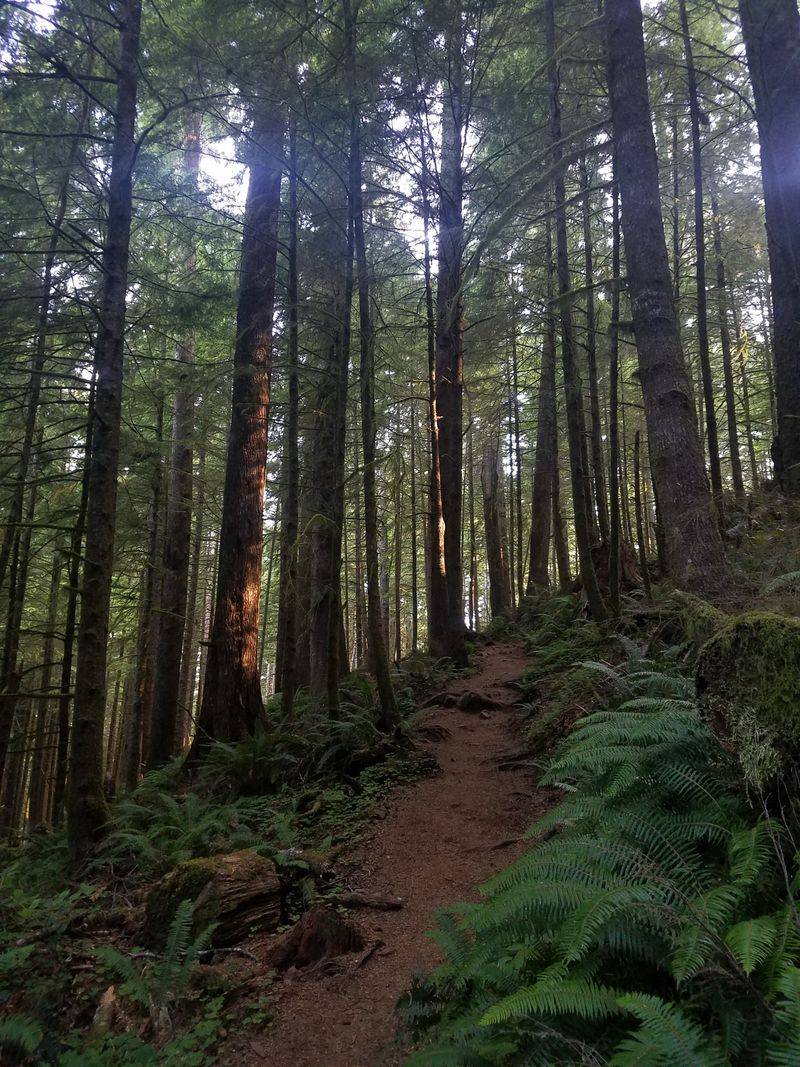
Pioneer journals recorded Native oral histories describing light-skinned men with unfamiliar clothing arriving by sea. The accounts mention movement inland, which dovetails neatly with Neahkahnie Mountain’s location above the coast. You can see why later storytellers connected dots between castaways and hidden cargo.
These are secondhand records, filtered through translators and time. Still, repeated themes lend weight, even when details blur. Oral tradition often preserves the shape of truth, especially about startling events like shipwrecks.
When you pause on the trail and hear the surf far below, imagine watchful eyes witnessing strangers searching for safety. The forest would have swallowed footsteps quickly. That blend of visibility and concealment is classic Neahkahnie. The accounts do not hand you a map, but they whisper direction, urging patience and humility as you look.
8. Spanish Records Do Not Mention an Oregon Shipwreck – But Gaps Exist
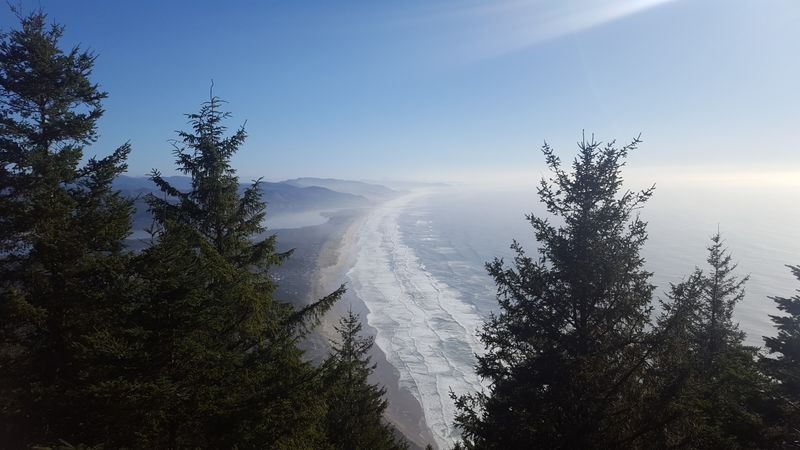
Spain kept meticulous ledgers, yet the paper trail does not clearly name an Oregon shipwreck. That absence feeds skepticism, but maritime history is full of gaps caused by storms, politics, and quiet smuggling. You can hold both ideas at once: strict recordkeeping and selective silence.
Fragments of Pacific voyages hint at losses with poor documentation. Unofficial cargo had incentives to remain unmentioned. When you consider the hazards offshore, unrecorded disaster feels less like conspiracy and more like ocean truth.
So the blank spaces in the archives neither prove nor disprove Neahkahnie’s legend. They challenge you to weigh artifacts, geography, and testimony together. If your standard is absolute paperwork, you will walk away unconvinced. If you accept history’s patchwork, the mountain’s story stays in play, waiting for the next piece to click.
9. Treasure Was Commonly Buried During Emergencies
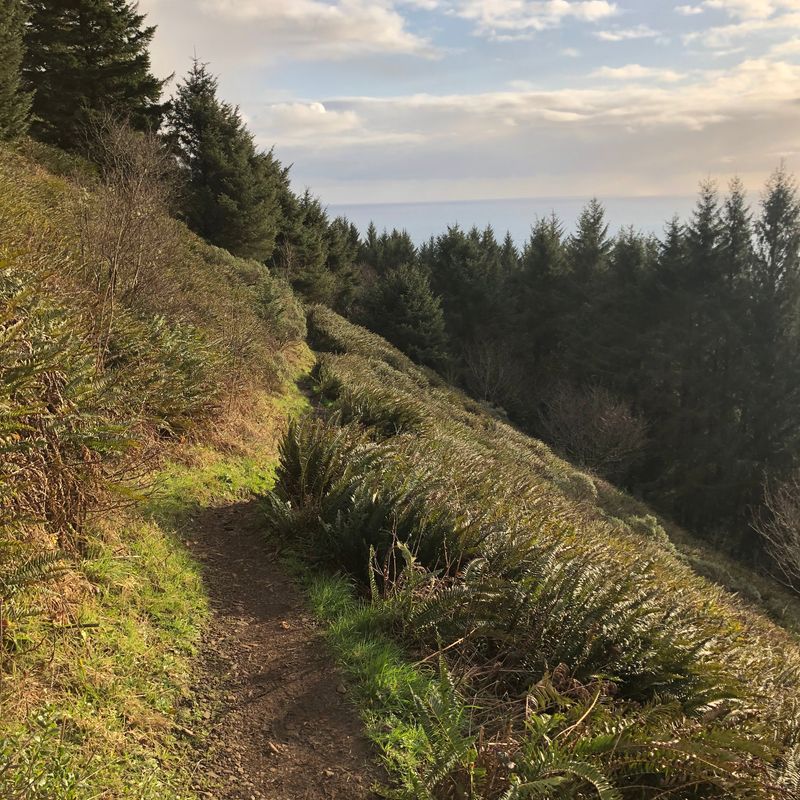
Across maritime history, emergency burials were practical triage. Survivors hid heavy valuables to prevent theft, lighten loads, and return later with help. If you imagine chaos on a storm-torn shore, burying cargo inland reads like common sense.
Confirmed sites worldwide show the same pattern under duress. Neahkahnie Mountain offers elevation, vantage, and dense cover within a short climb from beaches. The combination turns the slope into a natural vault guarded by cliffs and wind.
That behavior model anchors the legend in human logic, not fantasy. You do not need pirates or riddles, just urgency and a plan. When you shoulder a pack up the trail, consider how relieved those sailors would feel after hiding weight. The tactic bought time then, and it buys plausibility now, keeping the search alive.
10. No Confirmed Excavation Has Ever Reached Bedrock on the Mountain
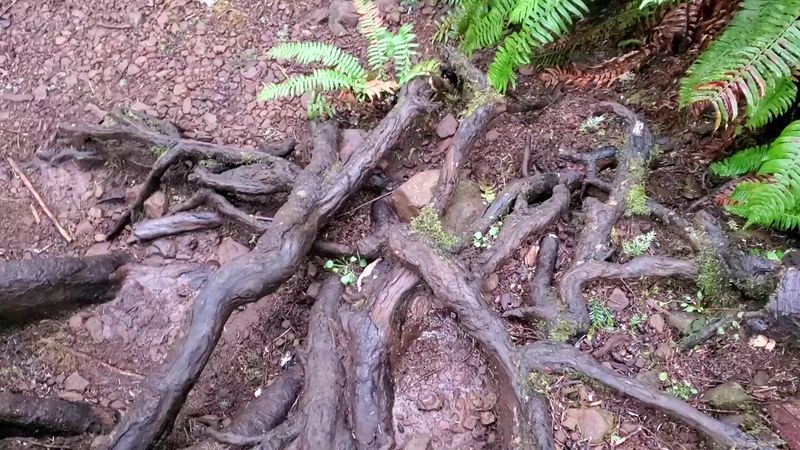
Despite centuries of rumors, there has never been a verified, systematic excavation to bedrock on Neahkahnie Mountain. Terrain, private parcels, and legal protections complicate any serious dig. You can poke around, but the mountain keeps most of its layers untouched.
Without controlled archaeology, claims remain anecdotes. False leads multiply when soil profiles and precise mapping are missing. The idea that something might lie deeper persists because nobody has truly peeled back the entire geology.
Reaching bedrock would require permits, funding, and a careful team to avoid damage. Until then, shallow pits and backfilled holes tell a story of impatience. If answers hide below the roots, they are safe for now. Your best bet is respectful curiosity, not reckless shovels.
11. Treasure Hunters Have Been Active Since the 1800s
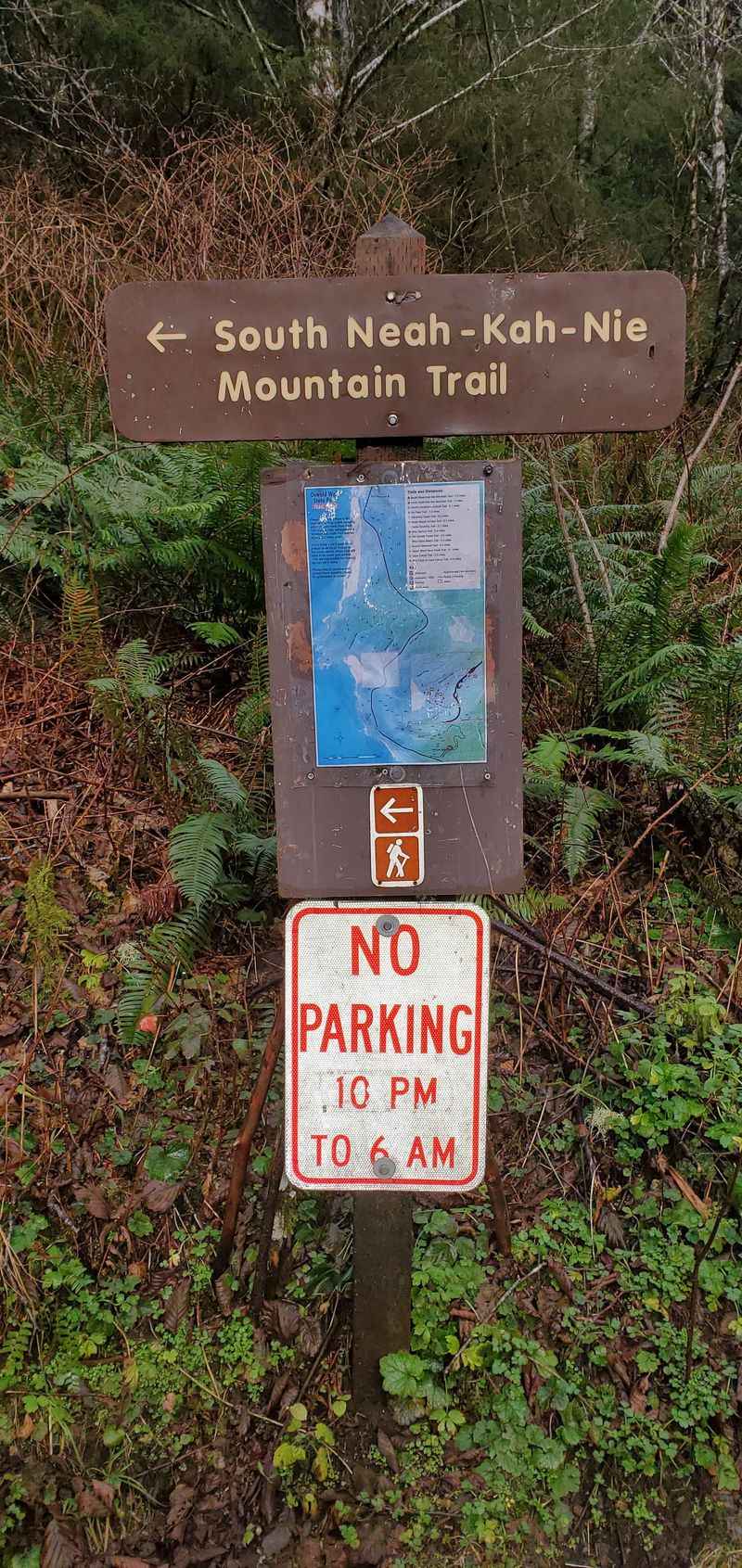
By the 1800s, newspapers were already printing tales of hopeful diggers on Neahkahnie Mountain. Private parties probed slopes by lantern light, claiming coded rocks and hidden markers. You can still find hints of those adventures in archives and old family stories.
None of the early claims were verified, yet the activity itself shaped the legend. Each attempt layered fresh rumors over older ones, turning the mountain into a patchwork of near-misses. The romance of the hunt kept readers and investors hooked.
When you pass weathered stumps and odd clearings, it is tempting to imagine earlier tools biting into soil there. Most likely, the earth closed up quickly, swallowing mistakes. The persistence of seekers says more about human hope than hard evidence. Still, hope has a way of luring people back to this view.
12. Most Searches Were Poorly Documented
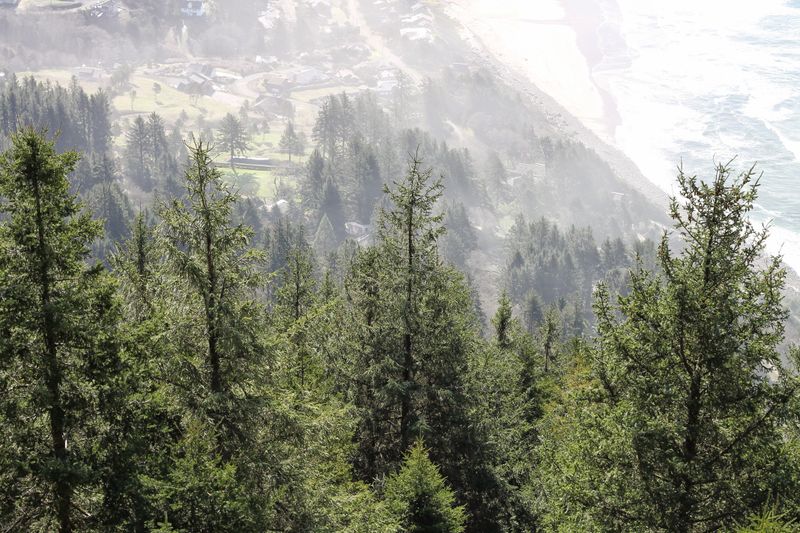
Many hunts unfolded in secrecy, with sparse notes or none at all. People worried about competition, trespass, and ridicule, so documentation suffered. You cannot verify what was never properly recorded, and that creates a fog that still hangs over Neahkahnie Mountain.
Without reliable maps and logs, later researchers chase echoes. Coordinates drift, landmarks change, and memories get creative. The mountain becomes a maze of could-be spots rather than a grid of tested squares.
Good science loves paperwork, but treasure fever rarely waits for clipboards. If you want progress, careful surveying and transparent reporting are essential. Otherwise, each season resets the search to zero. The irony is clear: the more secret the hunt, the longer the mystery survives.
13. The Area Is Now Protected Land
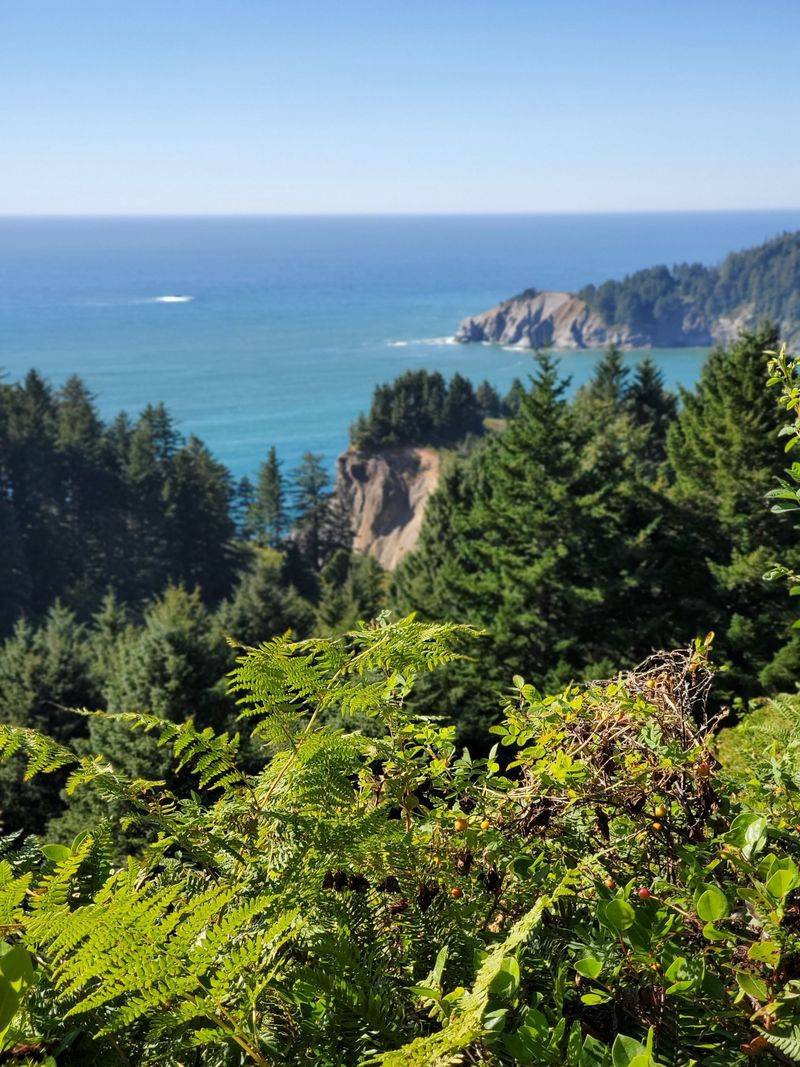
Neahkahnie Mountain today sits within protected state park lands and sensitive habitats. Modern excavation without permits is illegal, and for good reason. The slopes shelter plants, wildlife, and cultural resources that deserve intact futures.
That protection narrows the hunt to ethical paths. You can still hike, learn, and interpret, but shovels need approval and oversight. Responsible curiosity suits a place already carrying centuries of meaning.
If you feel frustrated, remember that preservation guards any real evidence from careless harm. A well-managed permit system could one day support careful study. Until then, your role is to tread lightly, pack out trash, and let the mountain breathe. Respect is part of the story here.
14. No Physical Treasure Has Ever Been Authenticated
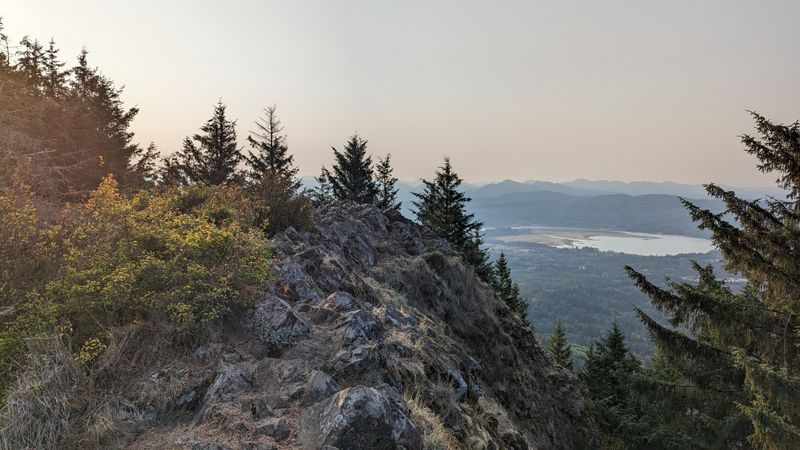
After all the digging, no gold, silver, or chest from Neahkahnie Mountain has been authenticated by archaeologists. The record shows rumors, curiosities, and misidentified scraps. You can love the mystery and still admit that the trophy case is empty.
Authentication requires provenance, context, and peer review. Random metal in a backpack does not qualify. Without controlled recovery and analysis, every shiny object stays a story, not a conclusion.
This absence keeps the tale alive, balanced between hope and history. If the hoard exists, it sleeps well beneath basalt and roots. If not, the mountain’s view is treasure enough. Either way, you leave with something real, even if it is only wonder.
15. Historians Consider the Story Unproven but Plausible
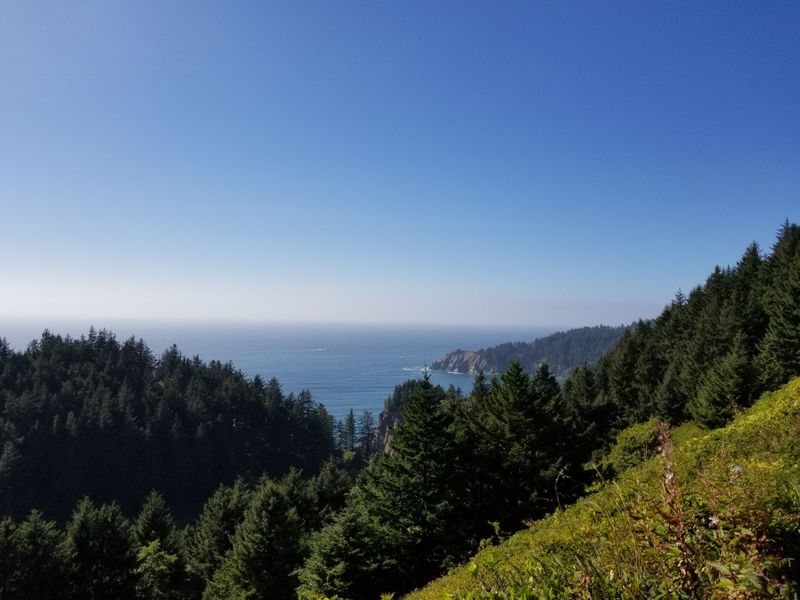
Most modern historians land in the middle. They acknowledge Spanish cargo reached the Oregon coast, that shipwrecks happened, and that beeswax evidence is real. What remains missing is verified treasure connected to Neahkahnie Mountain.
Unproven but plausible is not a cop-out. It is an honest reading of incomplete records, scattered artifacts, and a challenging site. You can stand on the summit and hold both skepticism and curiosity without contradiction.
For now, the mountain invites you to hike, learn, and imagine responsibly. Maybe new technology or a permitted survey will change the calculus. Until then, the legend belongs to the wind, the trails, and the community that keeps asking questions. That is a worthy inheritance for any seeker.



