 Unearth The Voyage
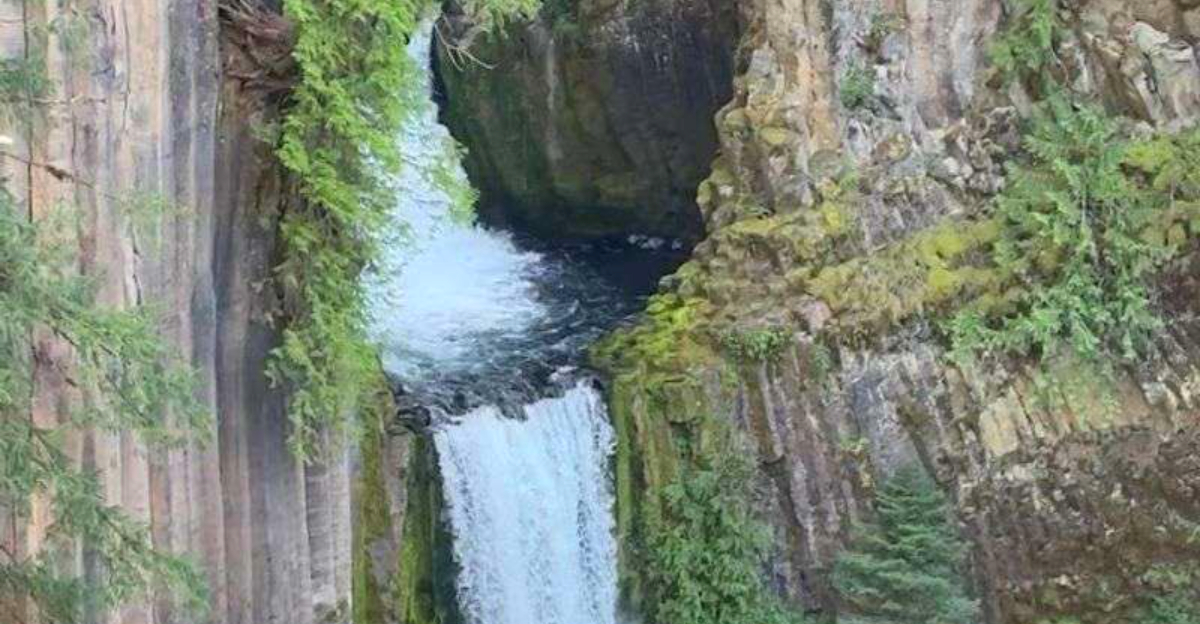
There is a waterfall in Oregon that stops people mid-step, makes them forget what they were saying, and sends them reaching for their cameras all at once. It drops in two powerful tiers through a cathedral of ancient basalt columns, and the sound of it hits you before you even see it.
Tucked inside the Umpqua National Forest, this spot has earned its reputation as one of the most visually striking waterfalls in the entire Pacific Northwest. I made the trip out to see it for myself, and I can tell you that no photo on the internet fully prepares you for the real thing.
Keep reading, because every section of this article reveals something new and genuinely useful about this remarkable place.
Where Exactly You Will Find This Waterfall
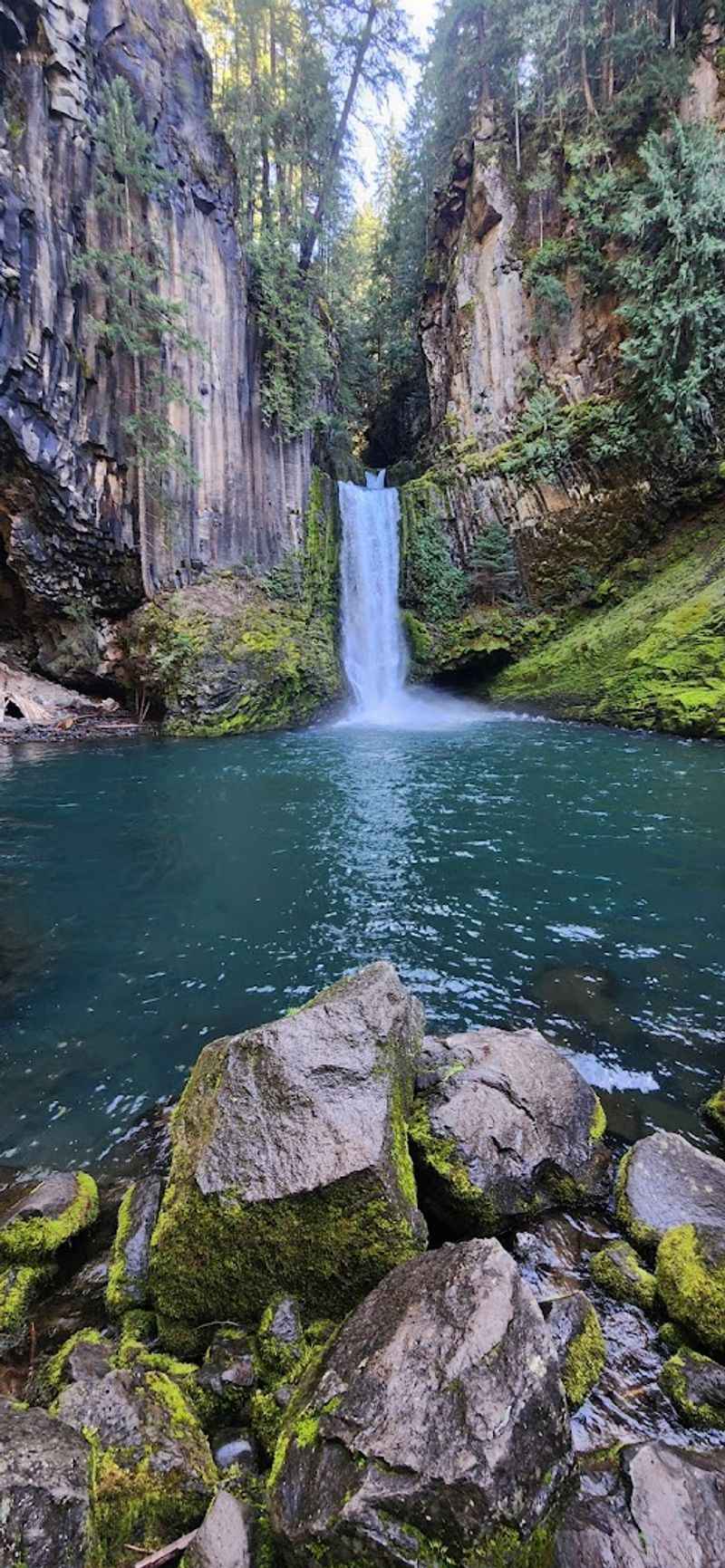
Toketee Falls sits inside the Umpqua National Forest near Idleyld Park, OR 97447, and the phone number for ranger information is (541) 957-3200. The forest service website at fs.usda.gov/umpqua carries current trail conditions and seasonal alerts worth checking before you go.
The falls are located at coordinates 43.2633418, -122.4337112, which puts them deep in the North Umpqua River corridor of southern Oregon. This is not a place you stumble across accidentally.
You have to mean it when you drive out here, and that intentionality is part of what makes the arrival feel so rewarding.
From the town of Roseburg, the drive takes roughly an hour along Highway 138, which follows the North Umpqua River the entire way. The scenery on the road itself is genuinely beautiful, with forested canyon walls and river views keeping you company the whole time.
Oklahoma travelers road-tripping through the Pacific Northwest often add this stretch of highway to their route specifically because of how scenic it is before you even reach the trailhead.
The Ancient Basalt That Makes This Place Unlike Any Other
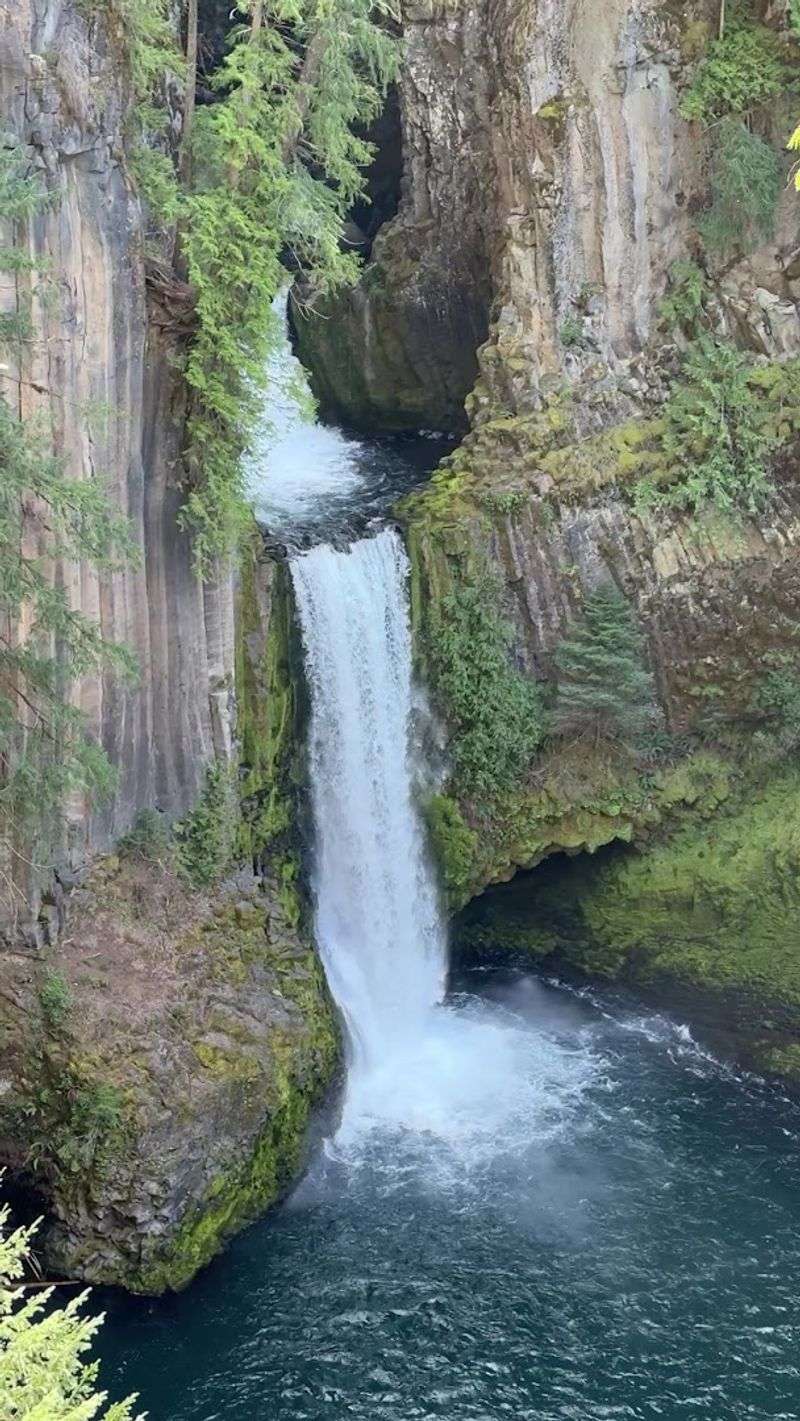
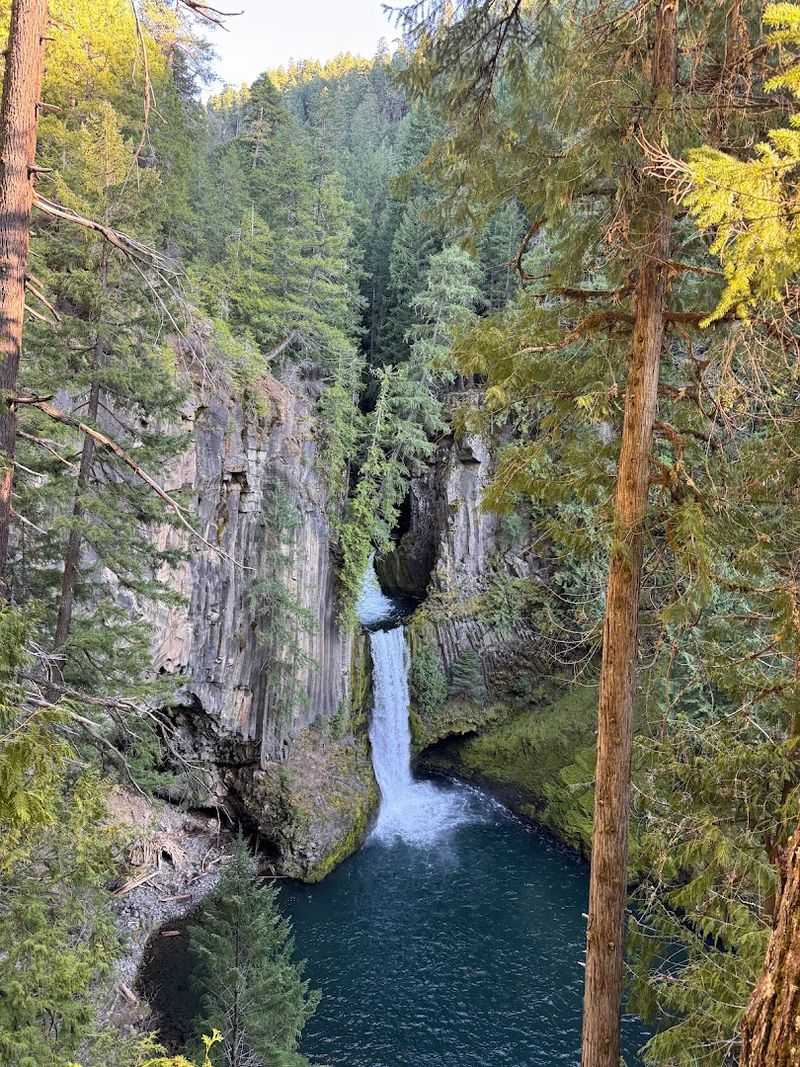
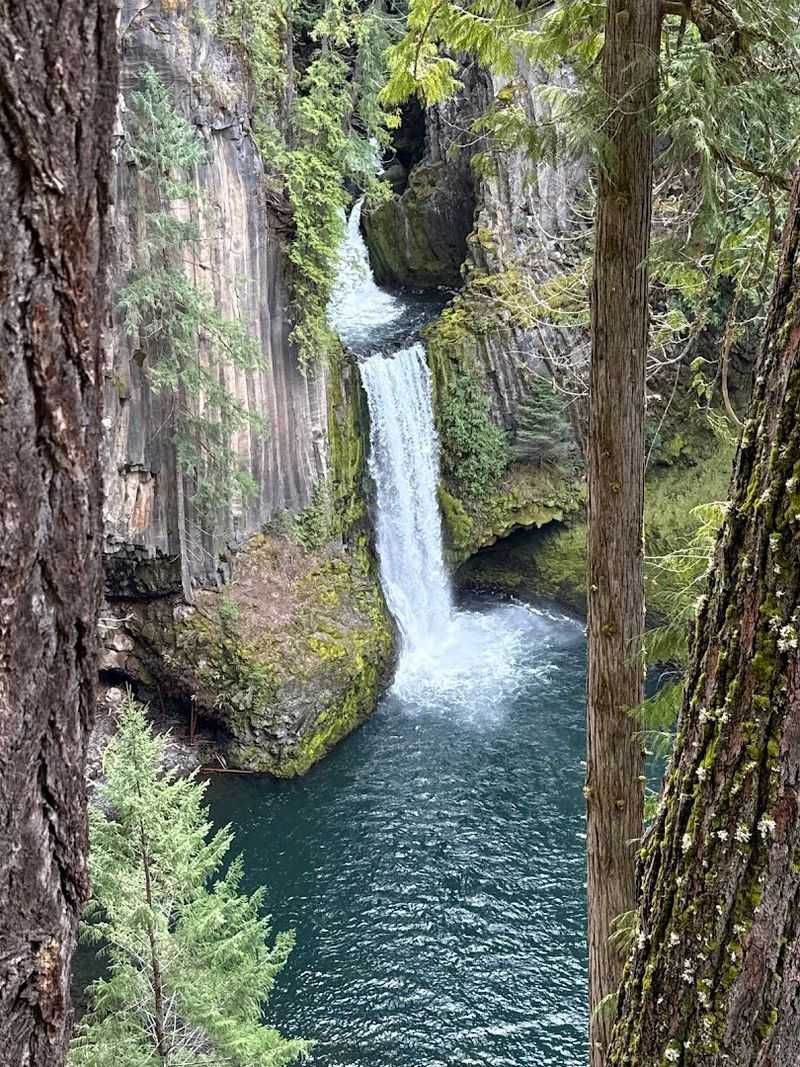
What sets Toketee Falls apart from hundreds of other Oregon waterfalls is the geology surrounding it. The falls tumble through a dramatic amphitheater of columnar basalt, which is volcanic rock that cooled slowly over thousands of years and cracked into near-perfect geometric columns.
These hexagonal formations look almost architectural, as though someone stacked them deliberately. The dark, angular columns create a sharp visual contrast against the white rushing water, and that contrast is exactly what makes photographs of this place look almost too good to be real.
Ancient lava flows from the Cascade volcanic arc are responsible for shaping the entire North Umpqua River canyon, and Toketee Falls is essentially the most dramatic expression of that geological history. The basalt here is not just a backdrop.
It is the main character in the scene, framing the water with a kind of structural elegance that no human architect could replicate. Standing at the viewing platform and studying those columns up close gives you a real sense of the enormous forces that shaped this landscape long before anyone ever thought to build a trail to it.
The Two-Tiered Drop That Earns All the Attention
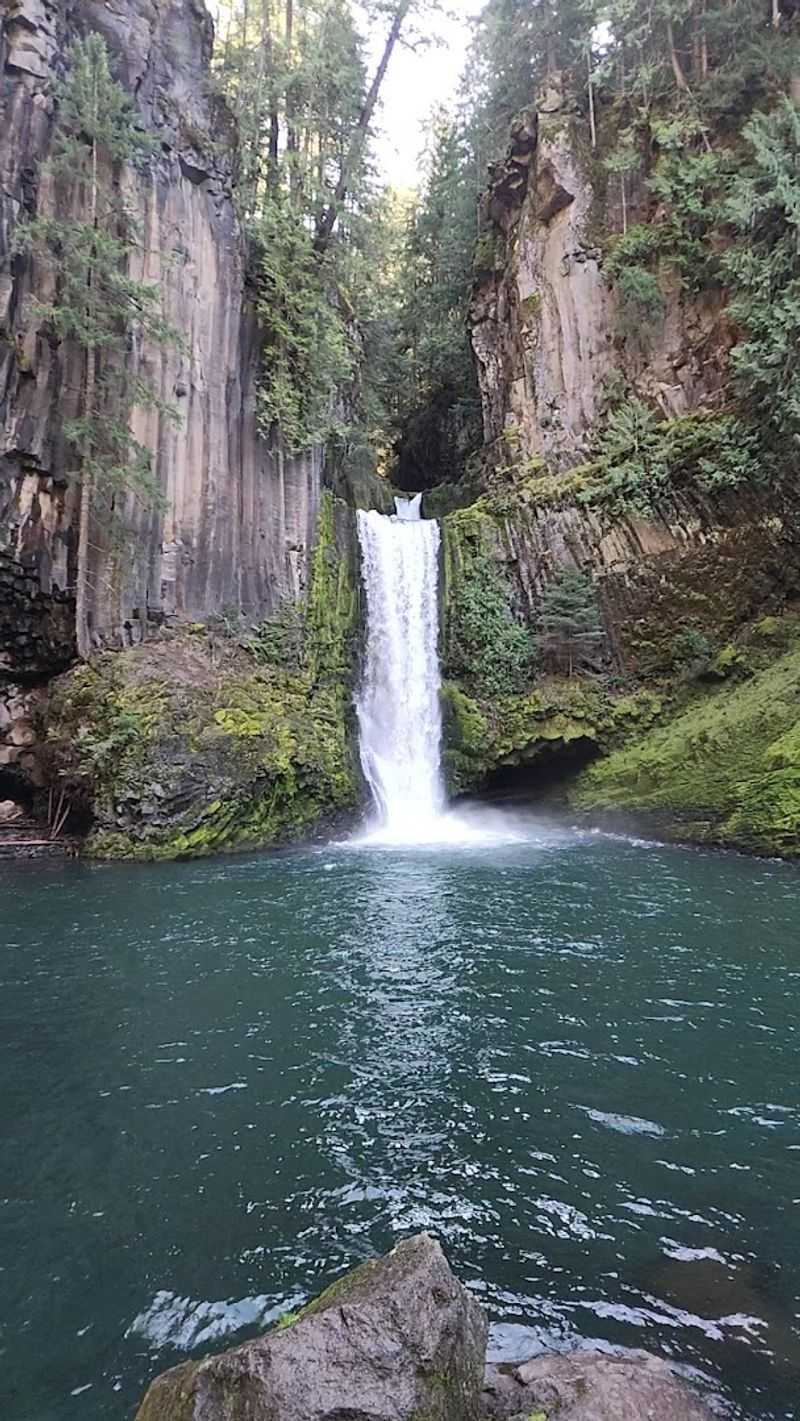
The waterfall itself is a two-stage event. The upper tier drops roughly 28 feet over a ledge of basalt, and then the water gathers itself before plunging another 85 feet into a deep pool below.
That lower drop is the one that makes people go quiet.
The pool at the base is a vivid blue-green color that looks almost tropical against the dark volcanic rock. The mist that rises from the impact zone drifts across the viewing platform and settles on your jacket, your hair, and your camera lens if you are not paying attention.
Because a nearby dam regulates the flow of the North Umpqua River, the falls run consistently throughout the year rather than peaking in spring and slowing to a trickle by August like many seasonal waterfalls. That consistency means a summer visit delivers the same visual payoff as a spring one.
The total visual effect of the two tiers working together, framed by those basalt columns, is exactly the kind of scene that makes people from places like Oklahoma drive several states out of their way just to spend twenty minutes at a viewing platform.
What the Trail Actually Feels Like to Walk
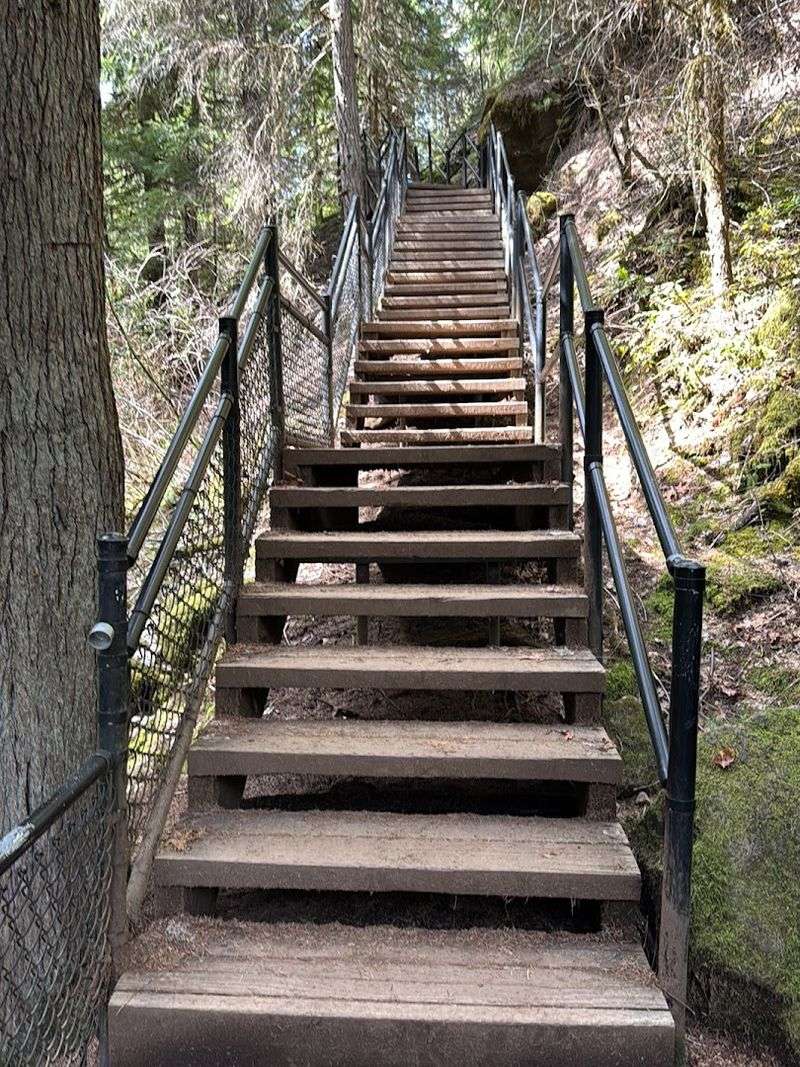
The trail to the viewing platform is 0.8 miles round trip, which sounds almost too short to be worth the drive. But the trail packs a lot of texture into that half mile, and by the time you reach the platform, you have earned the view in a way that feels satisfying.
The path begins wide and gradually narrows as it follows the North Umpqua River upstream. Tree roots cross the trail regularly, and several sections involve wooden staircases with handrails.
The total stair count runs over 100 steps, with climbs and descents that keep your legs engaged even on a short outing.
The forest surrounding the trail is old-growth Douglas fir, and the canopy overhead is dense enough that the light filters through in soft, shifting patches. Moss covers nearly every rock and tree trunk along the way, giving the whole corridor a lush, almost saturated green quality.
Dogs are welcome on leash, which makes this a popular family outing. The trail is not wheelchair accessible due to the staircase sections and uneven terrain, so visitors with mobility concerns should factor that in before making the trip from far-flung places like Oklahoma or beyond.
The Viewing Platform and What You Can See From It
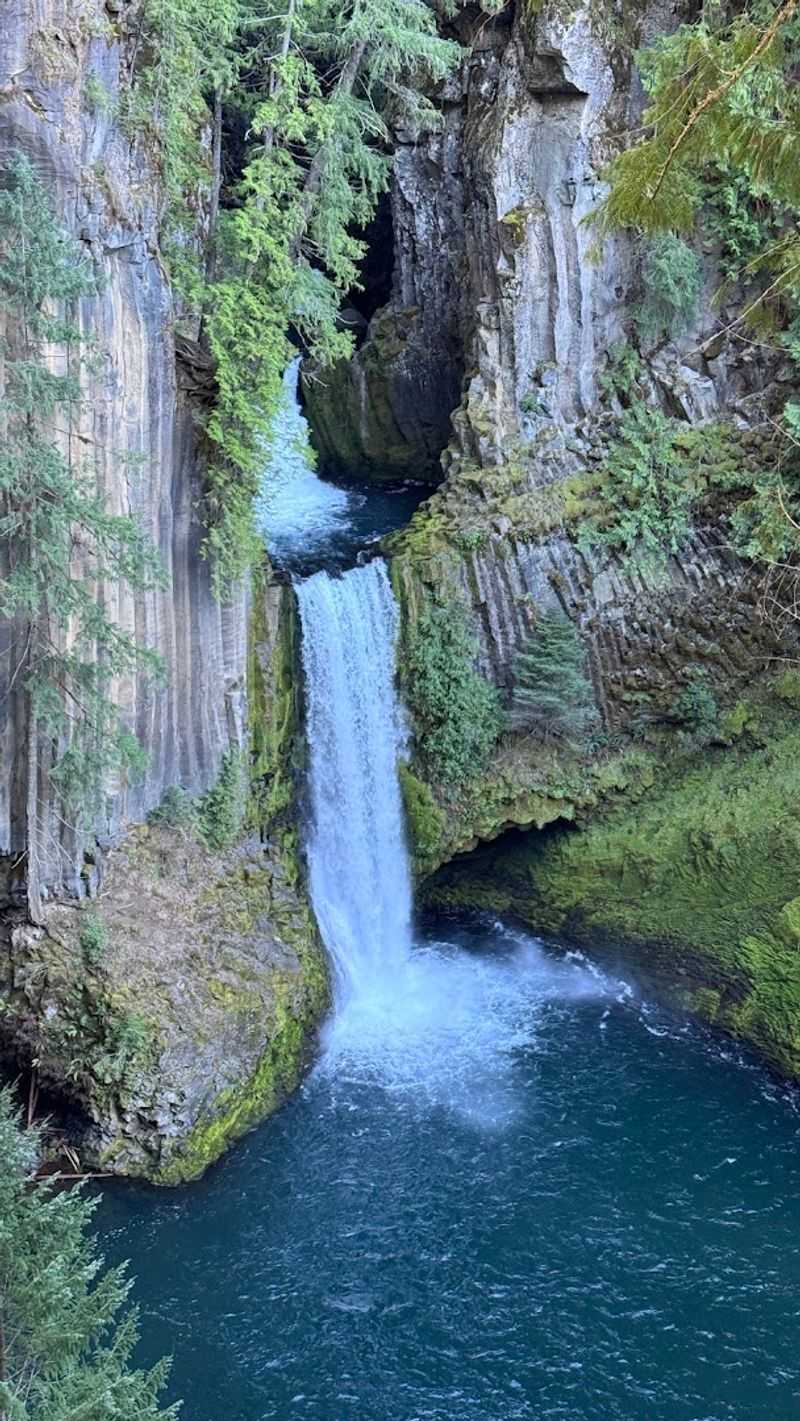
The trail ends at a solid wooden viewing platform that gives you a straight-on look at both tiers of the falls. There is a bench where you can sit and take it all in without rushing, which is a small but genuinely appreciated detail.
The platform also offers several good angles for photography.
From the platform, the falls appear framed by the basalt walls on either side, and the depth of the lower pool is visible even from this elevated vantage point. The sound from this distance is a consistent, low roar that fills the whole space around you.
Some visitors feel that the platform view, while impressive, leaves you wanting more closeness to the water. That feeling is valid.
The platform keeps you at a respectful distance from the falls, and the railing exists for a practical reason. Going beyond it involves a very steep, slippery descent that has resulted in injuries over the years.
The platform experience is genuinely rewarding on its own terms, and for most visitors, the combination of the forest walk and the framed view of those two cascading tiers is more than enough to make the outing feel completely worthwhile.
Getting Down to the Base and Why It Requires Serious Thought
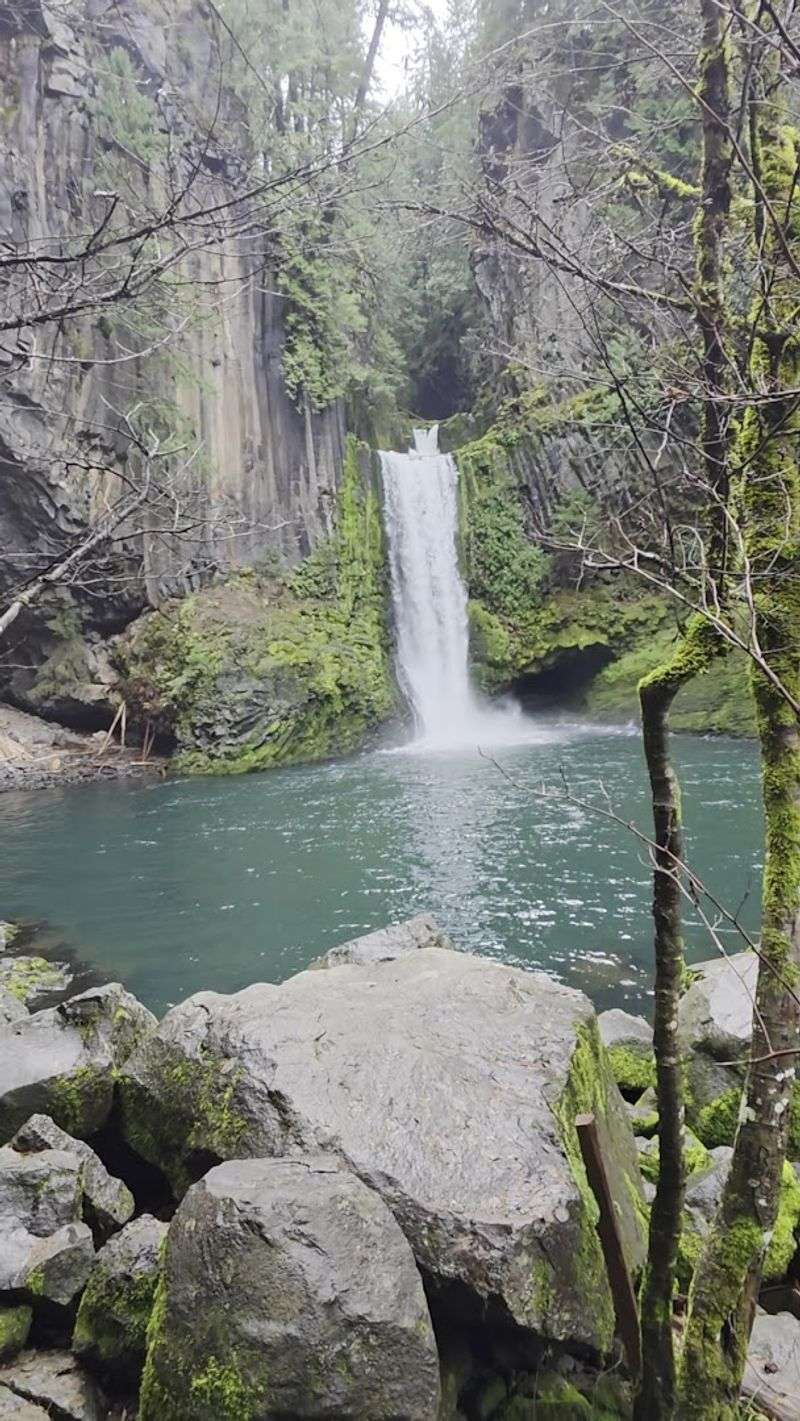
Beyond the official viewing platform, some visitors choose to make an unofficial descent to the base of the falls. There is no maintained trail for this.
What exists instead is a near-vertical dirt slope with ropes anchored at intervals to help you manage the steepness.
The descent qualifies as what climbers would call Class 3 scrambling, meaning hands and feet are both involved and the terrain demands real focus. Good shoes with solid grip are not optional here.
The slope is slippery even in dry weather, and wet conditions make it considerably more serious.
The reward for completing the descent is a completely different experience of the falls. From the base, the full height of the lower tier is visible without obstruction, and the power of the water is felt rather than just observed.
The pool glows an intense blue-green up close, and the mist hits you directly. Visitors who are physically capable and comfortable on steep terrain consistently describe this as one of the most memorable waterfall experiences they have had anywhere.
That said, injuries do happen here each year, and the decision deserves honest self-assessment rather than peer pressure from the group you came with.
Photography Tips That Actually Help at This Location
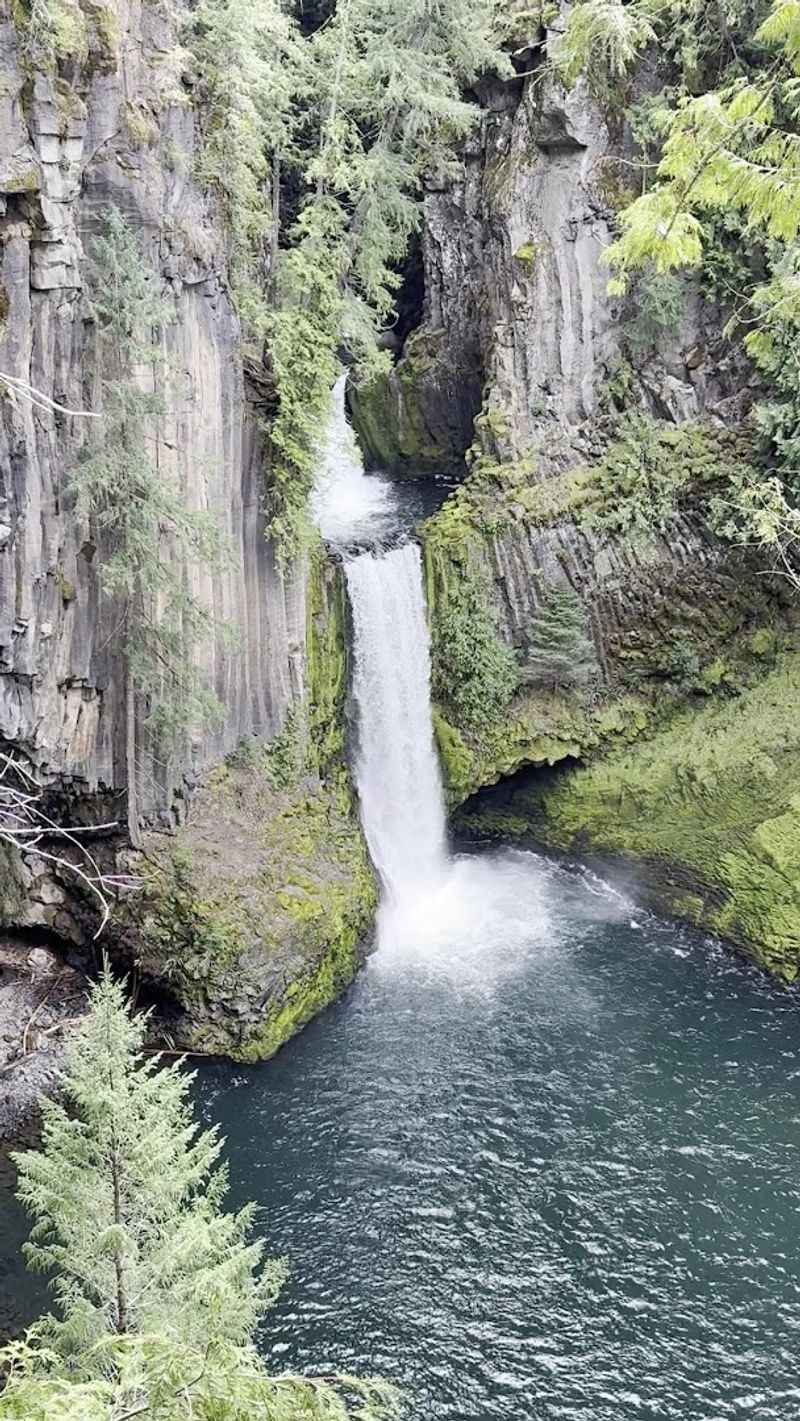
Toketee Falls is a legitimately photogenic place, and a few practical choices will make a real difference in the quality of your shots. The best light arrives in the early morning before the sun climbs high enough to create harsh contrast between the dark basalt and the white water.
Late afternoon light also works well, especially in autumn when the surrounding forest adds warm tones to the scene. Midday visits in summer produce the most challenging light conditions, with bright patches and deep shadows competing in the same frame.
A polarizing filter helps cut the glare off the water and brings out the blue-green color of the pool more vividly. A slower shutter speed, achieved with a tripod or a stable surface, smooths the falling water into silky streaks rather than frozen droplets.
The mist from the falls can settle on your lens quickly, so keeping a microfiber cloth in your pocket is worth the effort. The secondary falls visible along the trail before you reach the main platform are also worth photographing and often get overlooked entirely because visitors are focused on reaching the main event at the end.
The Best Seasons to Plan Your Visit
Every season delivers a different version of Toketee Falls, and each one has something genuine to offer. Spring brings the highest energy, with snowmelt feeding the river and the surrounding forest erupting in new green growth.
Wildflowers appear along the trail edges in May and early June.
Summer is the most popular window, and for good reason. The trail is dry, the drive in is straightforward, and the falls flow consistently thanks to the upstream dam regulation.
The forest provides enough shade that the hike stays comfortable even on warm days.
Autumn is arguably the most visually layered season, with the old-growth canopy shifting into golds and oranges that frame the waterfall in a way that spring and summer simply cannot match. Winter visits are possible but require checking road conditions carefully, as snow and ice can affect both the highway approach and the trail surface.
The falls themselves remain active year-round. Visitors from flat-terrain states like Oklahoma often find that the seasonal forest changes here feel especially dramatic simply because the elevation and tree density amplify every shift in color and light.
Parking, Facilities, and Practical Logistics
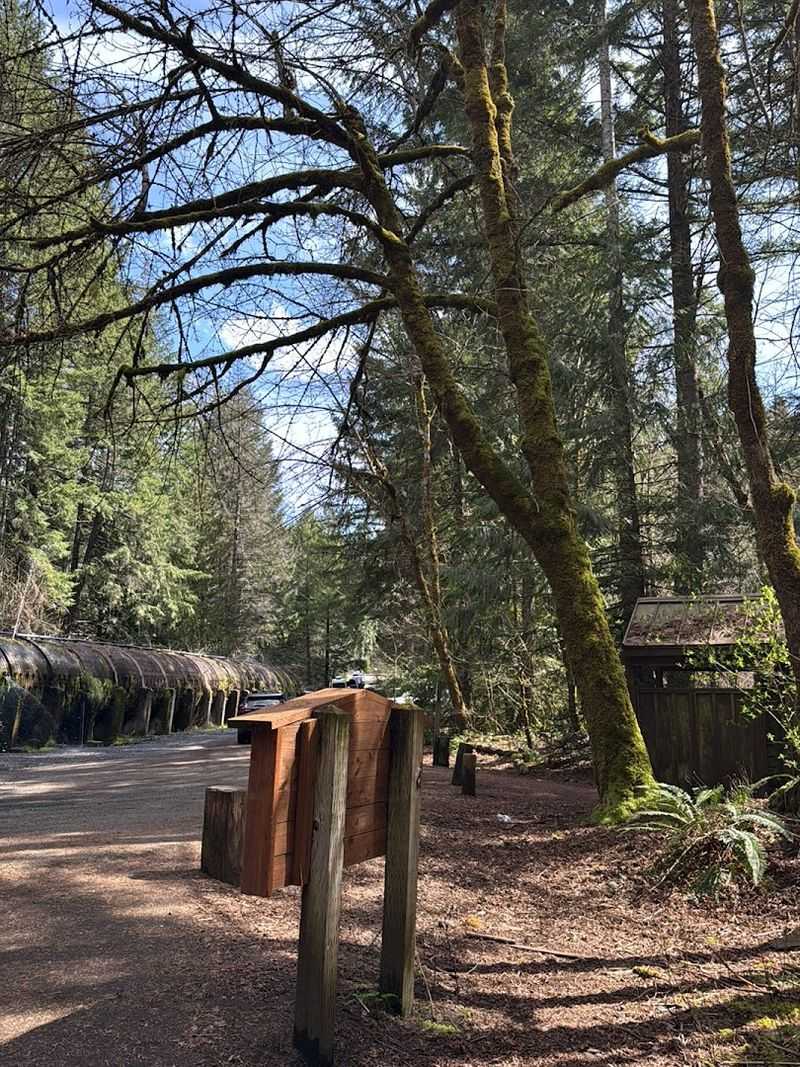
The parking area at the trailhead holds roughly ten vehicles, which means it fills up quickly on weekends and holiday weekends from late spring through early fall. Arriving early in the morning, before 9 a.m., gives you the best chance of finding a spot without circling or waiting.
There are no fees to park, which is a pleasant surprise given how popular the falls have become. Restroom facilities and informational boards are available at the trailhead, making it a self-contained stop that does not require extra preparation beyond the drive itself.
One detail that catches nearly every first-time visitor off guard is the massive wooden pipeline visible right in the parking lot. This old wooden penstock, part of the hydroelectric infrastructure associated with the North Umpqua River system, leaks water in several places and creates a spontaneous outdoor shower effect near the edge of the lot.
Park too close to it and your car gets rinsed. Park at a comfortable distance and you get a fun piece of industrial history as a bonus before you even start the trail.
It is genuinely one of the more unexpected sights at any trailhead in Oregon.
Why This Waterfall Stays With You Long After You Leave
Most waterfalls deliver a moment. Toketee Falls delivers an experience that keeps replaying in your memory for days afterward.
The combination of the forest walk, the sound of the river along the trail, the staircase climb, and then the sudden full reveal of the falls from the platform creates a narrative arc that feels earned.
The basalt columns give it a visual identity that is genuinely unique among Oregon waterfalls. Most falls here are beautiful.
This one is also structurally fascinating in a way that rewards a longer look rather than a quick photo and a departure.
Visitors who travel from across the country, including those making long cross-country drives from places like Oklahoma, consistently describe this as one of the highlights of their entire Pacific Northwest trip. The short trail length makes it accessible to a wide range of visitors, and the visual payoff at the end is disproportionately large relative to the effort required.
Whether you are a dedicated hiker or someone who just pulled off Highway 138 on a whim, Toketee Falls has a way of exceeding expectations quietly and completely, leaving you already planning when you might come back.



