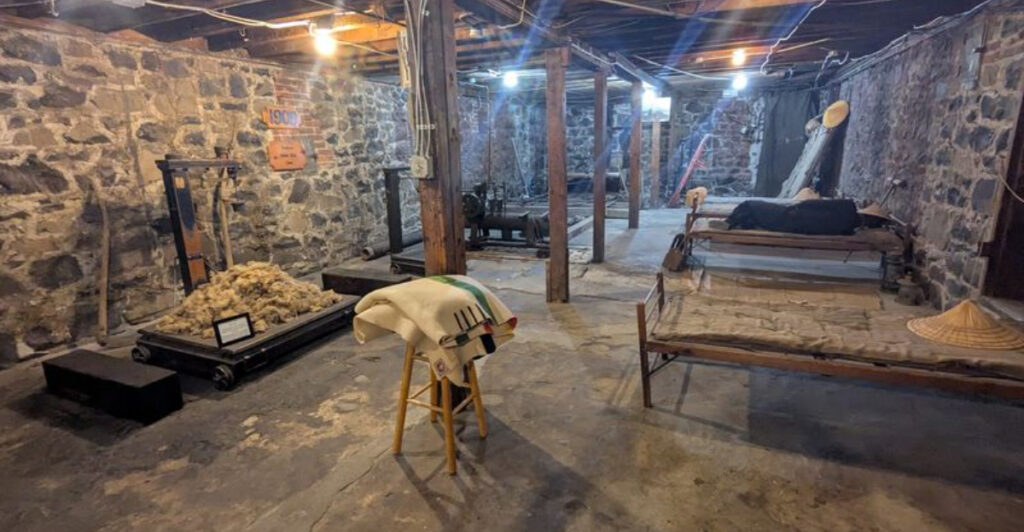
Beneath the streets of a small Oregon city, there is a whole other world that most people walk right over without ever knowing it exists. For decades, a network of tunnels, hidden rooms, and secret passages sat quietly under downtown, holding stories of gamblers, laundry workers, outlaws, and one very famous madam.
A two-hour guided tour through this underground maze will leave you rethinking everything you thought you knew about the American West. This is the kind of history that does not show up in textbooks, and once you experience it, you will not stop talking about it for days.
Where the Underground Adventure Begins
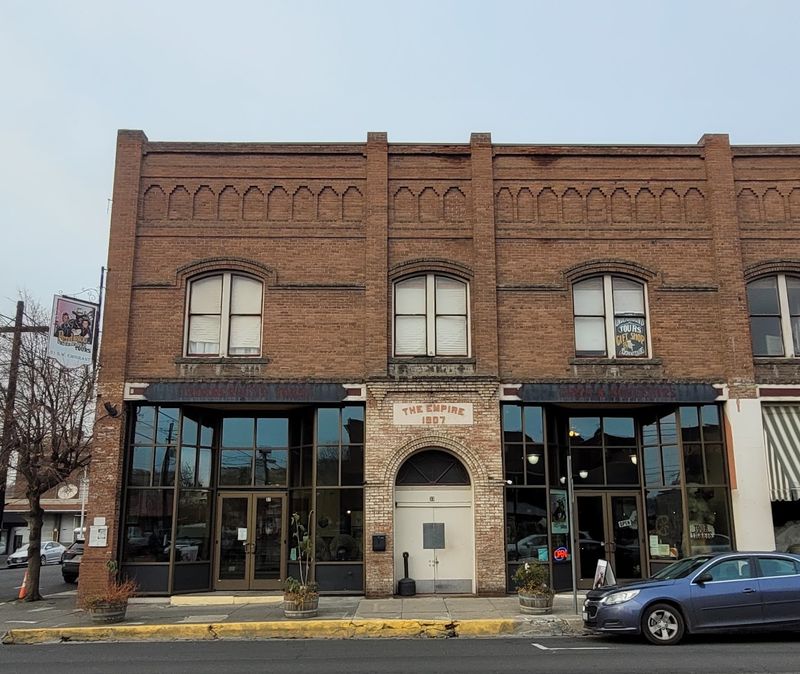
The address is 31 SW Emigrant Ave, Pendleton, Oregon 97801, and from the outside it looks like a modest historic building on a quiet downtown block. Nothing about the exterior hints at the labyrinth hiding just below your feet.
Pendleton Underground Tours operates as a nonprofit organization, which means every ticket purchase goes directly toward preserving the history locked inside those tunnels. Tours run Thursday, Friday, Saturday, and Monday from 10 AM to 4 PM, and reservations are strongly recommended before you show up at the door.
The ticket price sits at around $20 per person, which is genuinely remarkable given that the tour runs close to two hours and covers multiple buildings and underground spaces. You can reach the team at +1 541-276-0730 or check the schedule at pendletonundergroundtours.org before planning your visit.
The staff at the front desk will give you a quick orientation before your guide takes over. From that first moment underground, the modern world disappears completely and the 1880s rush right in to take its place.
The Tunnels That Time Forgot
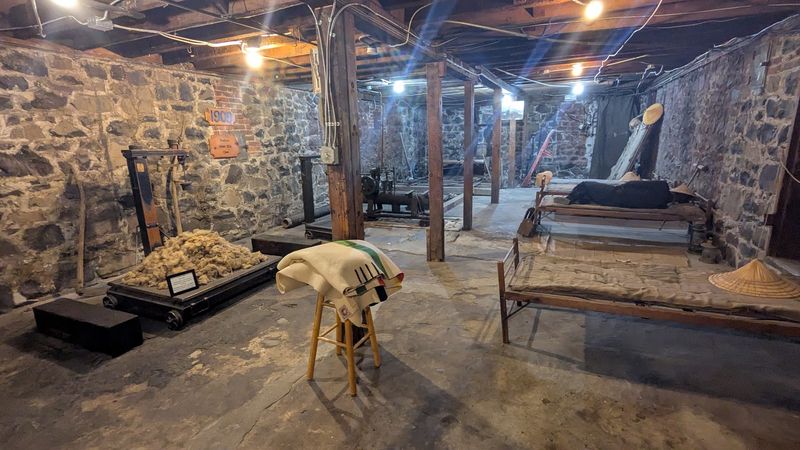
Somewhere beneath the sidewalks of downtown Pendleton, a maze of tunnels stretches quietly through the earth, connecting buildings that once hummed with secret activity from the 1880s through the 1950s. These passages were not built for tourists.
They were built for survival, secrecy, and commerce in a town that had its own set of rules.
The tunnels served the Chinese immigrant community most directly, allowing workers to move between locations without drawing attention or facing the hostility that waited for them above ground. The underground became a fully functioning community, with spaces dedicated to work, rest, and social life all tucked beneath the feet of people who had no idea it existed.
Today the tunnels are carefully preserved, and walking through them feels genuinely surreal. The brick walls are original, the ceilings are low in places, and the air carries the kind of cool stillness that only comes from being underground.
Your guide will point out details that most visitors would completely miss on their own.
Be aware that the tour involves a considerable number of stairs and uneven surfaces, so it is best suited for visitors who are comfortable with moderate physical activity.
The Chinese Community Hidden Below Ground
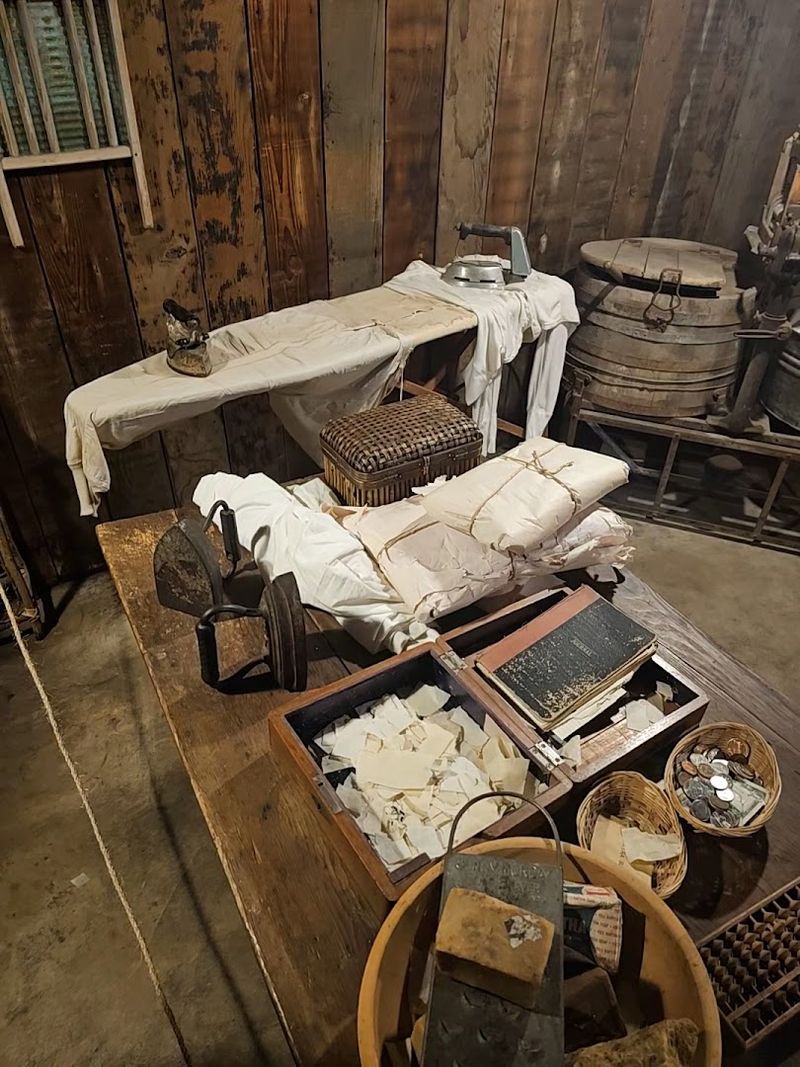
One of the most moving parts of the tour is learning about the Chinese immigrants who built and inhabited this underground world. Facing severe discrimination above ground, they created an entire community beneath the city that included a laundry, sleeping quarters, and gathering spaces.
The Chinese Exclusion Act of 1882 made life extremely difficult for these workers, and the underground offered them a degree of safety and autonomy that the streets above simply did not. Many of them worked in the laundry business, serving the very townspeople who refused to acknowledge them in public.
The tour guide brings this history to life with specific details about how the laundry operated, what daily life looked like, and how these workers managed to build a community under such harsh conditions. Seeing the actual spaces where they lived and worked makes the history feel personal rather than distant.
Preserved artifacts and period-accurate setups throughout this section of the tour give visitors a clear picture of what this underground neighborhood actually looked like during its peak years. It is sobering, fascinating, and deeply human all at once.
The Opium Den and Its Shadowy Past
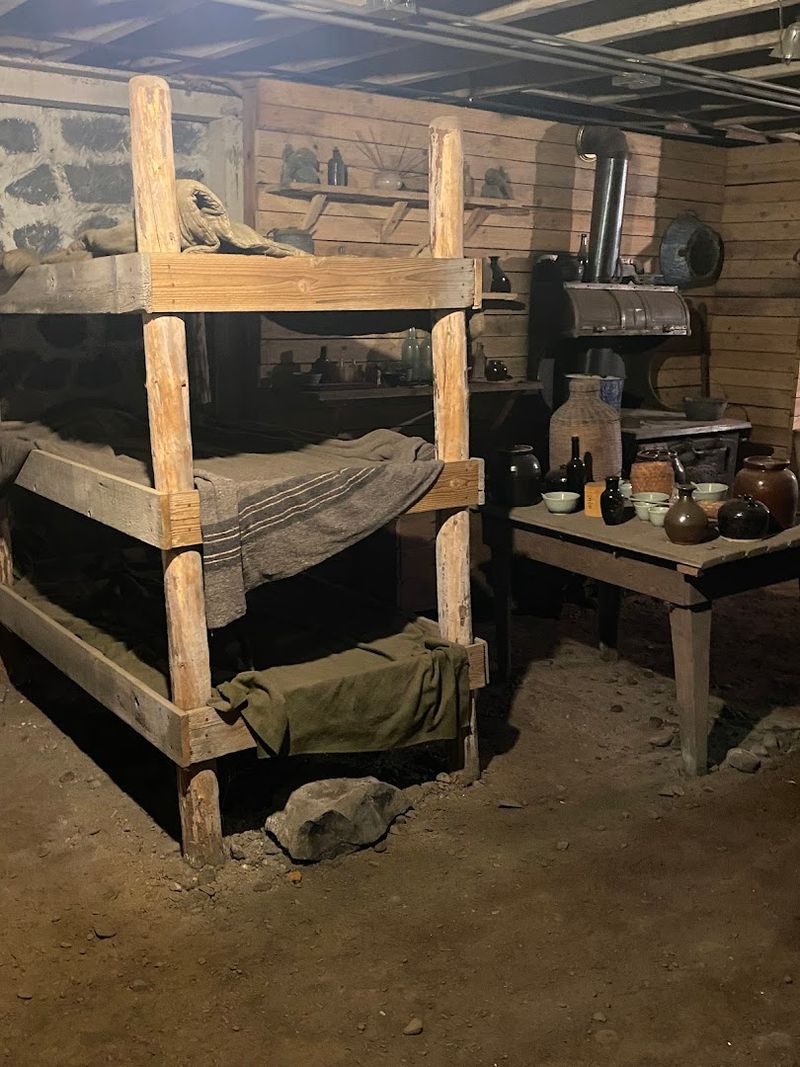
Not every room in the underground tells a comfortable story, and the opium den is one of the tour stops that tends to leave visitors quietly reflective. The space has been carefully preserved and presented with historical accuracy, giving visitors a genuine look at a part of frontier life that rarely gets discussed openly.
Opium use in the American West during the late 1800s was far more widespread than most history books acknowledge. For Chinese workers who faced brutal working conditions and social isolation, the den offered temporary relief from a daily reality that was genuinely difficult to endure.
The tour does not glamorize this history. Instead, the guides present it with context and honesty, helping visitors understand the social and economic forces that shaped these spaces.
That balanced approach is part of what makes the tour so effective as a history lesson.
The physical setup of the den, with its low platforms and period artifacts, makes the space feel authentic rather than staged. It is one of those rare moments in a tour where you genuinely feel the weight of the past pressing in from all sides.
The High-Stakes Poker Room
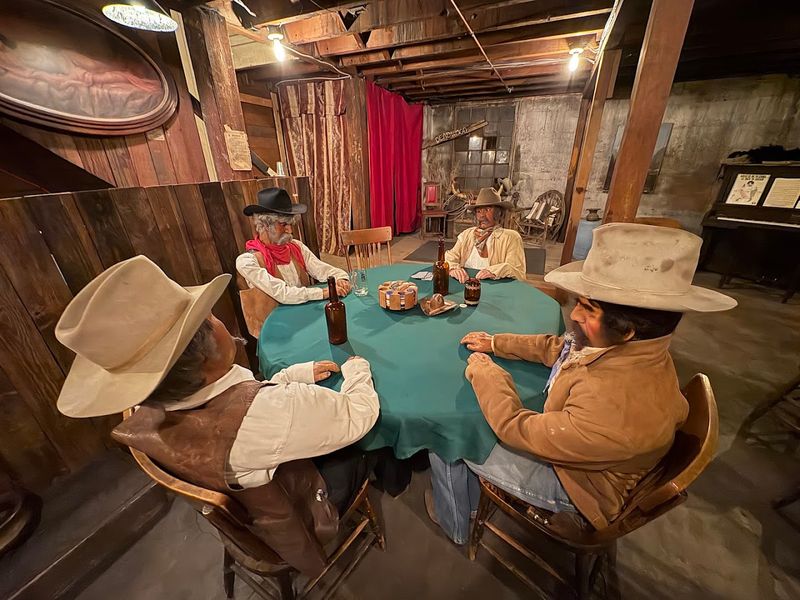
Card games and frontier towns were practically inseparable in the American West, and Pendleton was no exception. The underground poker room is one of the most atmospheric stops on the tour, a space where fortunes reportedly changed hands and where the house rules were whatever the house decided they were.
The room has been set up to reflect what a high-stakes game night might have looked like during the late 1800s, complete with period furniture and details that make it easy to picture the scene. Your guide will share stories about the kinds of characters who gathered here and what was typically on the line during a big game.
What makes this stop particularly interesting is the way it connects to the broader culture of secrecy that defined the underground. The tunnels made it possible to hold these games away from the eyes of anyone who might want to shut them down, and the players knew exactly how to use those passages to their advantage.
The poker room is a reminder that the underground was not just a place of hardship. For some, it was a place of excitement, risk, and the particular thrill that comes from playing a game where the stakes are genuinely high.
The Old Bar and the Speakeasy
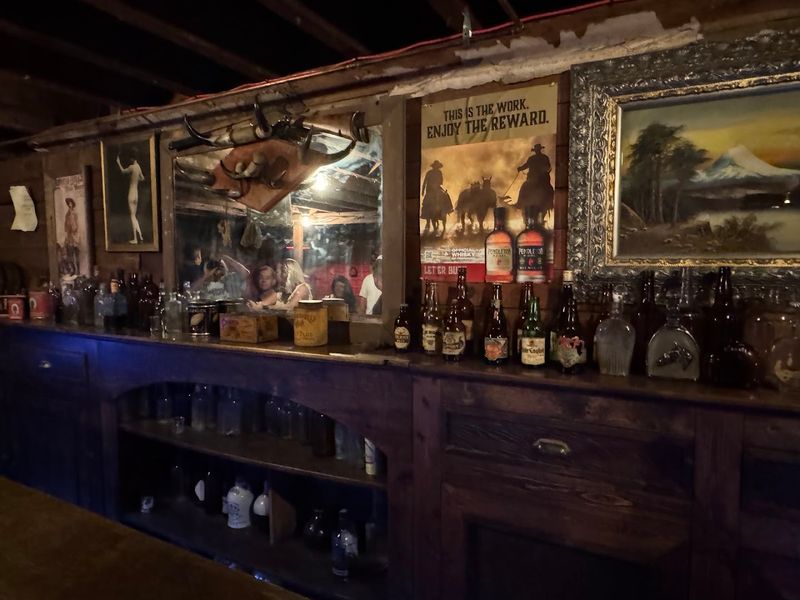
Few things capture the rebellious spirit of American history quite like a speakeasy, and the one preserved in the Pendleton underground is a genuinely impressive piece of that story. The bar area and speakeasy represent a period when the underground shifted its purpose somewhat, adapting to the demands of Prohibition-era secrecy.
The original ice creamery freezer is still in place, which is one of those small details that makes the tour feel like a genuine archaeological experience rather than a polished museum exhibit. The fact that so many original elements have survived is a testament to the care the nonprofit has put into preservation over the years.
Your guide will explain how the space functioned, who used it, and how the underground network made it possible to operate with a level of discretion that simply was not available above ground. The stories attached to this space are colorful, and the guides deliver them with the kind of timing that keeps the whole group laughing and leaning in at the same time.
The bar area also serves as a good visual anchor for understanding just how fully developed the underground community was. This was not a temporary hiding spot.
It was a functioning social space with regulars, routines, and its own distinct culture.
Stella Darby and the Famous Brothel
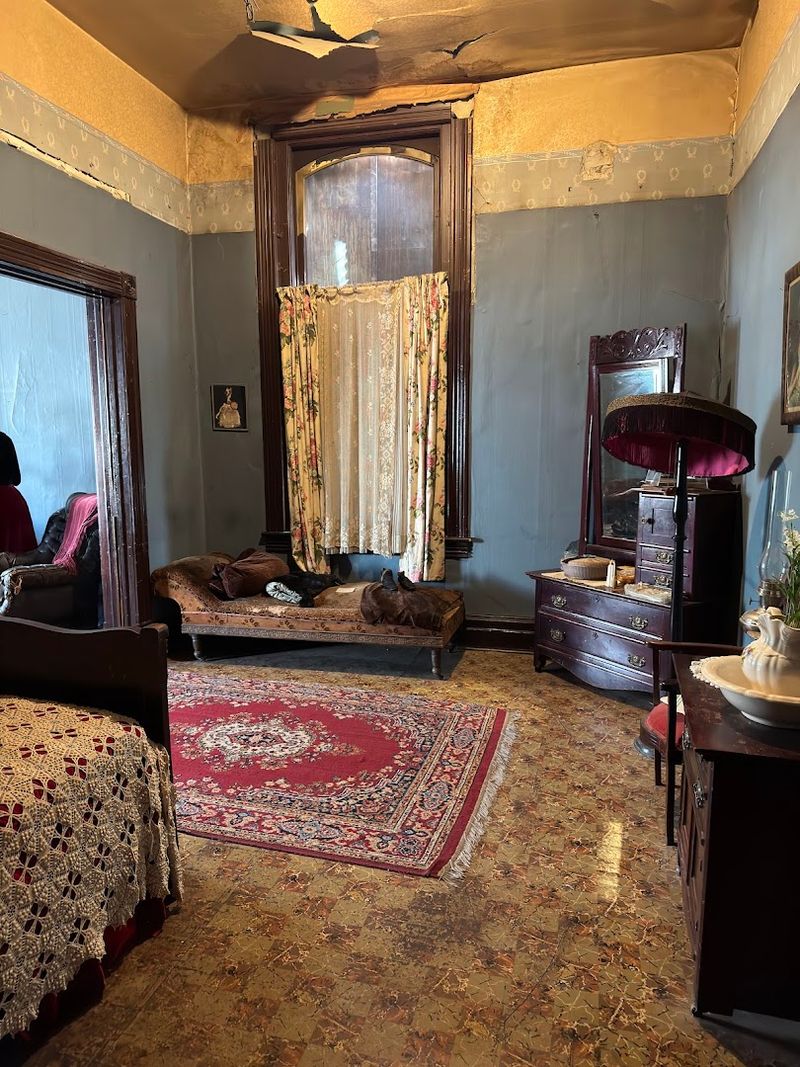
Every great underground tour needs a character who towers above the rest, and in Pendleton that character is Stella Darby. The most famous madam in the city’s history, Stella ran her establishment with a business acumen and personal style that made her a genuine local legend.
The tour takes visitors upstairs to see the “comfort rooms” of the brothel, which have been preserved and presented with historical accuracy. The artwork on the walls is period-appropriate, and the rooms themselves are surprisingly well-appointed, reflecting the fact that Stella ran a high-end operation by the standards of the era.
Stella’s story is fascinating on multiple levels. She was a savvy businesswoman operating in an era when women had very few legal protections or professional opportunities, and she managed to build something that gave her genuine power and influence in the community.
A book has been published about her life, and many visitors leave the tour eager to track down a copy.
The guides handle this part of the tour with exactly the right tone: respectful, historically grounded, and genuinely engaging. Families with older children have found this section to be one of the most memorable parts of the entire experience.
The Chinese Jail Cells Underground
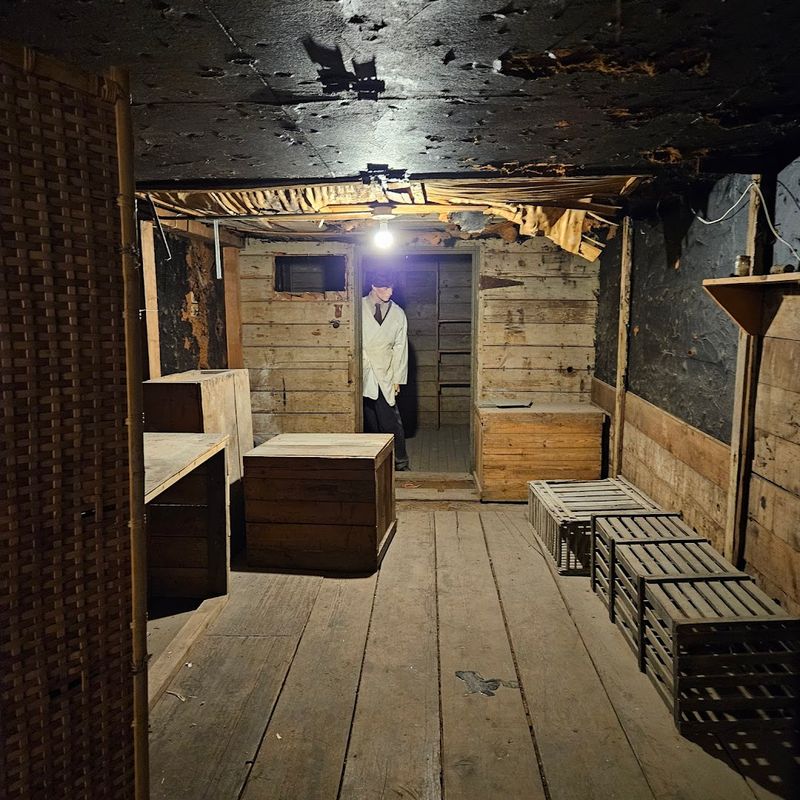
Tucked into one of the quieter corners of the underground are the Chinese jail cells, a detail that stops most visitors cold the moment they see them. Small, dark, and clearly not designed with comfort in mind, these cells are one of the most sobering reminders of the injustice that shaped this underground world.
The cells were used to hold Chinese workers who had run afoul of local law or the more informal power structures that governed life in the tunnels. The fact that a separate jail system existed underground, away from the official town structures above, says a great deal about how the Chinese community was treated during this period.
Your guide will provide context about the legal and social framework that allowed these kinds of arrangements to exist, and that context makes the cells feel less like a curiosity and more like a serious piece of historical evidence. Understanding why these spaces existed matters just as much as seeing them.
Standing in front of those original iron bars, it is hard not to feel a strong connection to the people who were held there. The underground does not let you stay comfortable for long, and that is exactly what makes it such a powerful place to visit.
The Tour Guides Who Bring It All to Life
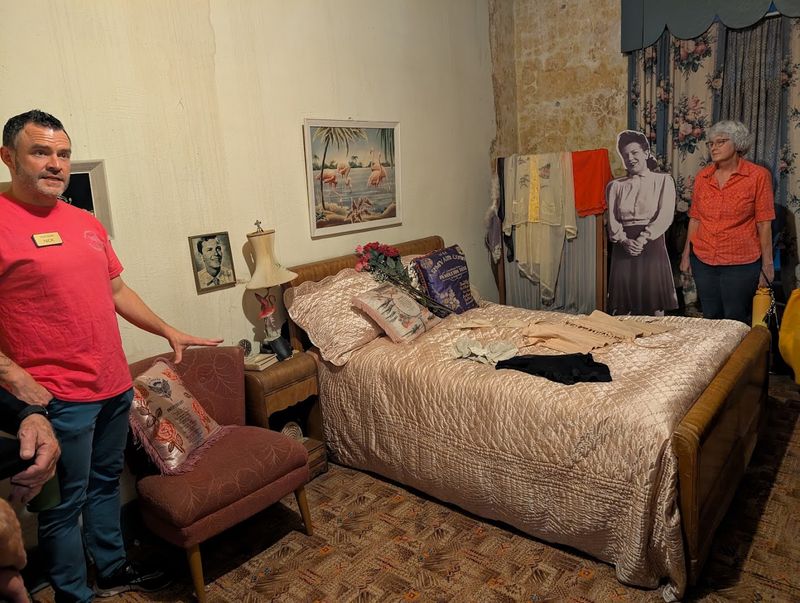
A great historical space is only as good as the person explaining it, and the guides at this tour are genuinely exceptional. Names like Kricket, Nicole, Brad, and Cindy come up again and again in conversations among past visitors, and for good reason.
These are people who clearly love what they do.
Kricket in particular has become something of a local institution, leading groups through the tunnels with a combination of deep historical knowledge and sharp wit that keeps everyone entertained for the full two hours. Nicole brings a warmth and attention to detail that makes each room feel like a personal discovery rather than a scripted stop on a circuit.
What sets these guides apart is that they do not just recite facts. They tell stories, answer questions with genuine enthusiasm, and adjust their pacing based on the group in front of them.
A guide who grew up in the area brings an extra layer of personal connection to the material that no textbook could replicate.
The tour runs about two hours from start to finish, and the guides are the main reason that time flies. More than one visitor has walked out wishing the underground stretched just a little bit farther.
The Butcher Shop Connection Above Ground
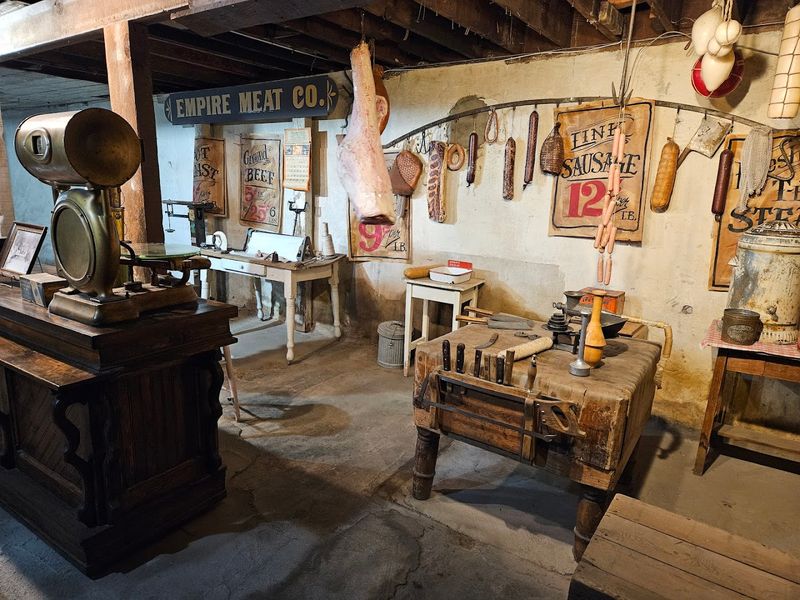
One of the more unexpected details in the underground tour is the work area connected to the butcher shop that once operated directly above it. The relationship between the above-ground businesses and the underground spaces is a recurring theme throughout the tour, and this particular connection is one of the clearest examples of how intertwined the two worlds really were.
Workers used the underground space for storage, preparation, and movement between locations in ways that made the business above more efficient while also keeping certain activities well out of public view. The layout of the space makes the practical logic of this arrangement immediately clear once your guide explains how it functioned.
Seeing the original infrastructure still in place, the shelving, the surfaces, the access points between levels, gives the tour a tactile quality that photographs simply cannot capture. You are not looking at a recreation.
You are standing in the actual space where people worked more than a century ago.
This section of the tour tends to appeal strongly to visitors who enjoy the logistical and architectural side of history. Understanding how the underground was designed and used as a practical workspace adds a whole new dimension to the story of what this place actually was.
The Triple Nickel Connection and WWII History
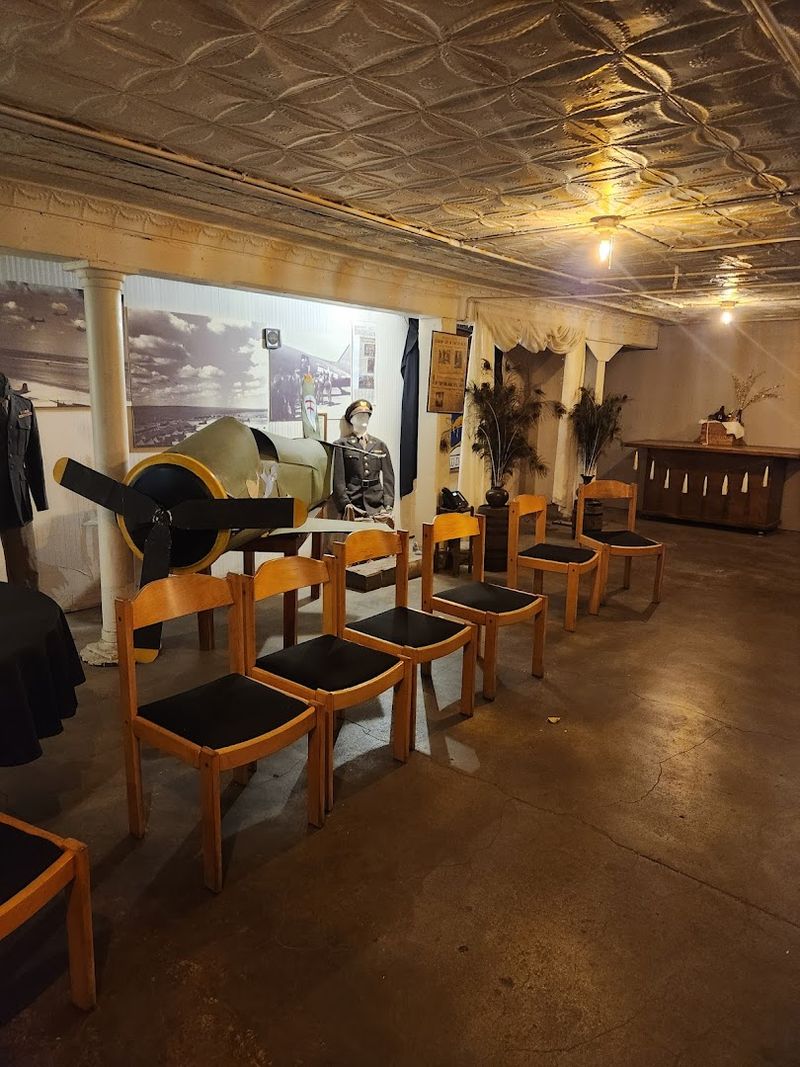
The underground tour covers a wide stretch of Pendleton history, and one of the more surprising threads woven into the narrative involves World War II and the 555th Parachute Infantry Battalion, known as the Triple Nickel. This connection gives the tour an unexpected depth that extends well beyond the Wild West era.
The 555th was a segregated unit of Black paratroopers, and their presence in the Pendleton area represents a chapter of wartime history that deserves far more attention than it typically receives. The guides address this part of the story with the same care and detail they bring to every other section of the tour.
For visitors who have personal or family connections to military history, this portion of the tour can carry a particularly strong emotional weight. The underground has a way of making history feel immediate rather than distant, and the WWII section is no exception to that pattern.
The tour’s willingness to address multiple eras and communities, from the Chinese workers of the 1880s to the soldiers of the 1940s, is part of what makes it such a rich and satisfying experience. Pendleton’s history is layered, and the tour honors every one of those layers.
Practical Tips for Planning Your Visit
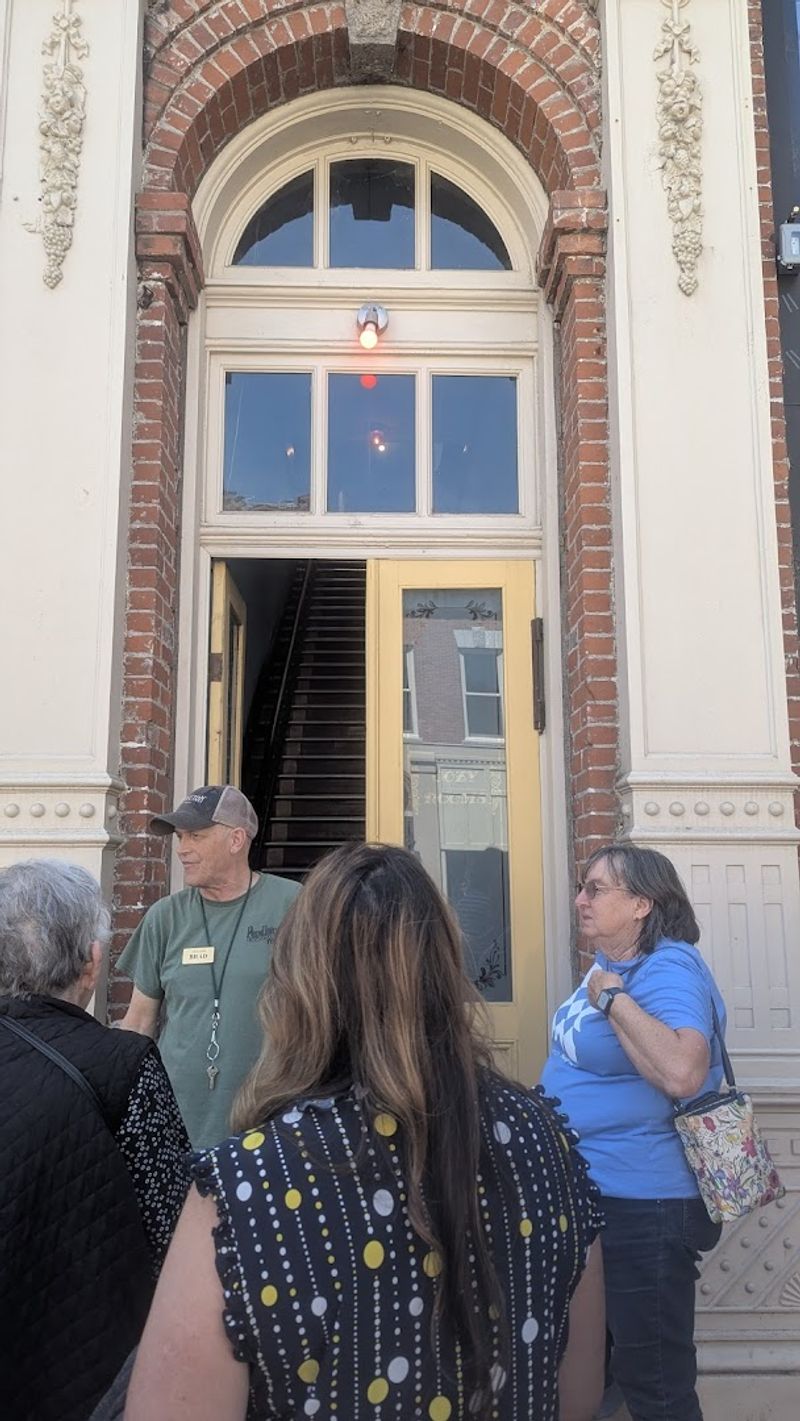
A few practical details can make the difference between a smooth visit and a frustrating one, and the most important of all is this: make a reservation before you go. The tour requires advance booking, and showing up without one may mean you cannot join that day’s group.
Call +1 541-276-0730 or book through pendletonundergroundtours.org ahead of time.
Tours run Thursday, Friday, Saturday, and Monday from 10 AM to 4 PM. Sunday and Tuesday are closed, so plan your travel days accordingly.
Arriving a few minutes early gives you time to check in, ask questions, and get oriented before the guide leads you underground.
Wear comfortable, closed-toe shoes because the underground involves stairs, uneven floors, and surfaces that are not forgiving of sandals or heels. The tunnels can be cool even in warm weather, so a light jacket is worth throwing in your bag regardless of the season.
The tour is not wheelchair accessible due to the stairs and narrow passages, which is worth knowing in advance if anyone in your group has limited mobility. At around $20 per person for a nearly two-hour experience, the value here is hard to beat anywhere in the Pacific Northwest.
Share this story