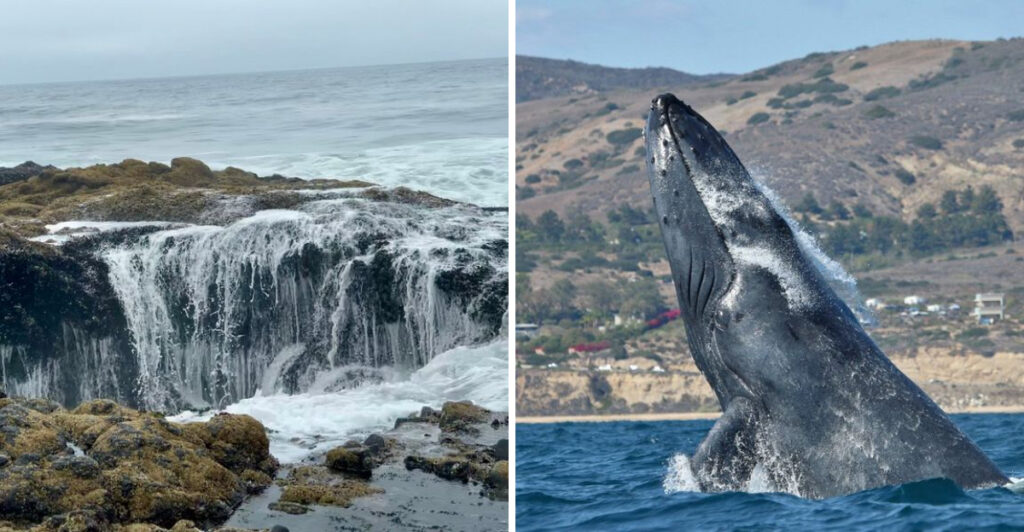
There is a tiny town on the Oregon coast where the Pacific Ocean crashes so hard against the basalt rocks that the spray shoots straight up like a natural fountain. The streets are quiet, the air smells like salt and pine, and the sunsets turn the sky into something almost unreal.
This little place punches way above its weight when it comes to natural beauty, wildlife encounters, and outdoor adventure. Whale spouts appear offshore without warning, ancient lava fields stretch along the shoreline, and hiking trails lead to some of the most jaw-dropping coastal views in the entire Pacific Northwest.
Whether you are chasing a wild experience or just need a place to breathe, this Oregon gem delivers every single time.
Where Yachats Sits on the Oregon Coast
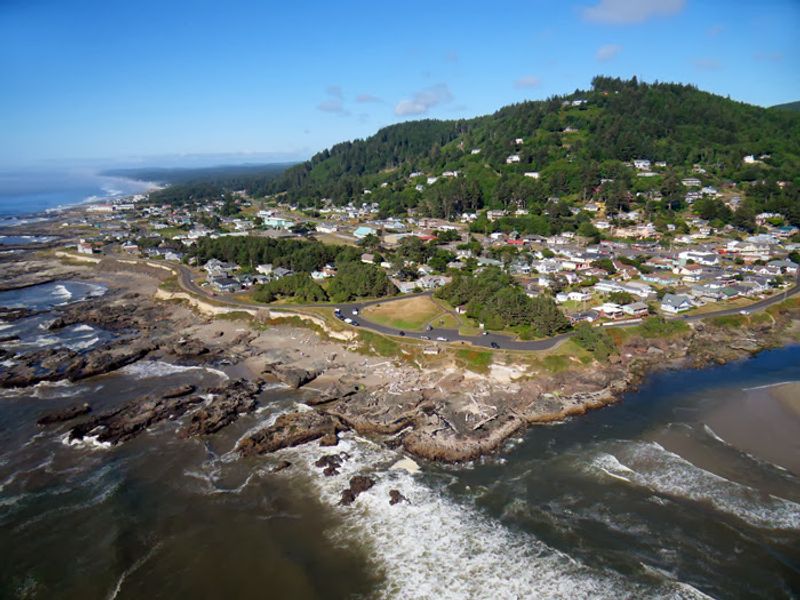
Yachats, Oregon, sits right at the edge of the continent at the southern tip of Lincoln County, tucked between the Coast Range and the Pacific Ocean. The official address is along U.S.
Route 101, Yachats, Oregon 97498, and the town is roughly 25 miles south of Newport and about 24 miles north of Florence.
The name itself comes from the Siletz language and translates roughly to “at the foot of the mountain,” which is fitting because forested hills rise sharply behind the town while the ocean stretches endlessly in front of it.
With a population of only around 700 people, Yachats is one of the smallest incorporated cities on the Oregon coast, yet it attracts visitors from across the country every single year.
Unlike bigger coastal towns that feel crowded and commercialized, Yachats keeps things refreshingly low-key. The main street has a handful of shops, a few excellent restaurants, and a warm community feel that you just cannot manufacture.
Locals here are genuinely proud of where they live, and that pride shows in how well the town takes care of its natural surroundings. Yachats earns its nickname, “The Gem of the Oregon Coast,” honestly.
The Dramatic Lava Rock Shoreline
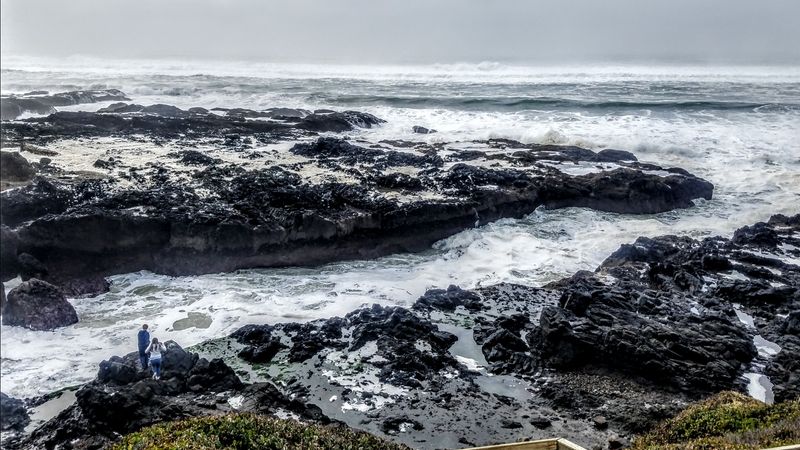
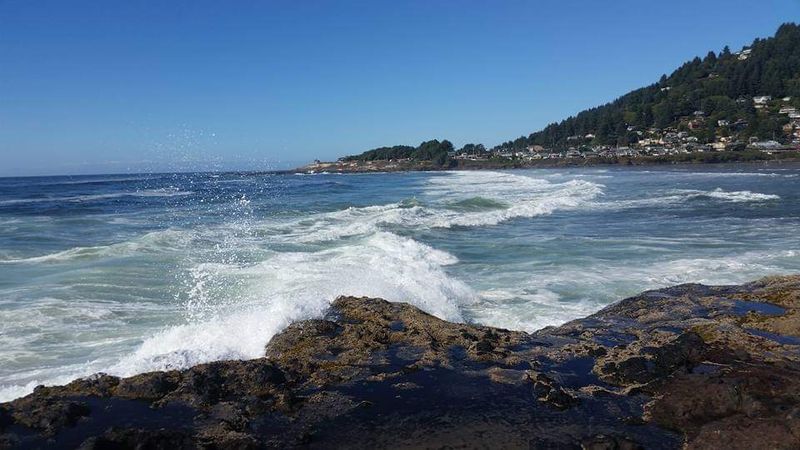
Few coastal landscapes in the United States look quite like the shoreline at Yachats. The entire waterfront is dominated by ancient basalt lava flows that hardened into jagged, dark formations millions of years ago, and the ocean has been working on them ever since.
When waves roll in at high tide, they slam into cracks and channels in the rock, sending plumes of white water shooting several feet into the air. It is one of those sights that makes you stop mid-sentence and just stare.
The rocky shoreline stretches through town and connects to the broader Cape Perpetua Scenic Area, giving visitors miles of dramatic coastline to explore on foot. Tidepools form in the lower rock shelves, and at low tide they reveal a whole miniature world of sea stars, anemones, hermit crabs, and mussels.
I spent a full morning just moving from one tidepool to the next, completely absorbed. The basalt also creates natural benches and flat ledges where you can sit safely above the surf and watch the ocean do its thing.
That combination of geological drama and wildlife access is genuinely rare, and Yachats has it in abundance along nearly every stretch of its shoreline.
Gray Whale Migration and Watching Opportunities
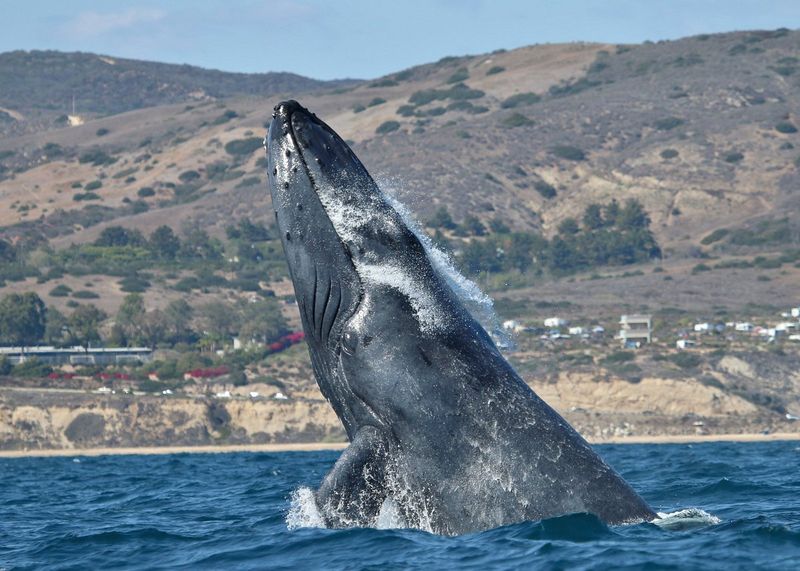
One of the biggest draws to Yachats is the gray whale migration, which happens twice a year and turns the ocean into a living spectacle. Around 20,000 gray whales make the round trip between their feeding grounds in Alaska and their calving lagoons in Baja California each year, and a large portion of that journey runs right past the Oregon coast.
The southbound migration peaks from mid-December through January, while the northbound return runs from March through June. Yachats sits in a prime viewing corridor, and the rocky headlands nearby provide elevated vantage points that put you almost directly above the water.
Cape Perpetua, just a few miles south of town, is one of the best land-based whale watching spots on the entire West Coast. On clear days with calm seas, I counted multiple spouts within a single hour without any binoculars at all.
A small but dedicated group of trained whale watching volunteers, part of Oregon’s Whale Watching Spoken Here program, stations themselves at key viewpoints during peak migration weeks. They carry spotting scopes and know exactly what to look for, making the experience accessible even for first-time visitors.
Watching a whale surface that close to shore never gets old, no matter how many times you see it.
Cape Perpetua Scenic Area and Its Wonders
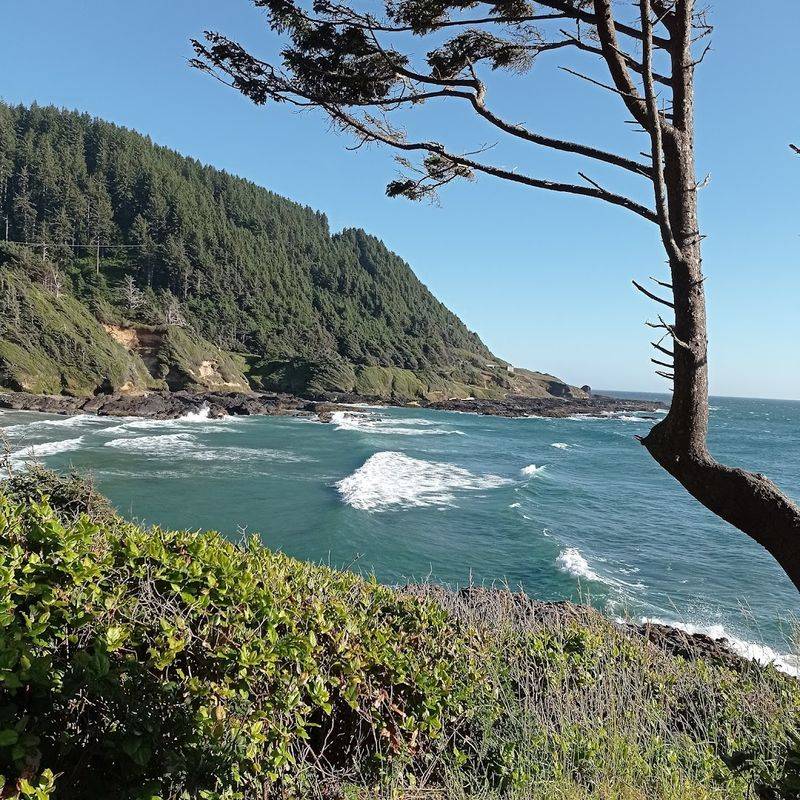
Just two miles south of downtown Yachats, Cape Perpetua Scenic Area covers about 2,700 acres of old-growth forest, dramatic coastline, and some of the most striking geological features on the Oregon coast. The cape itself rises about 800 feet above sea level, and the view from the top on a clear day stretches for miles in every direction.
The U.S. Forest Service manages the area, and a well-maintained visitor center near the base of the cape offers maps, exhibits, and helpful rangers who know every trail by heart.
I stopped in before heading out and left with a solid plan and a real appreciation for the natural history of the area.
The cape is named after the feast day of St. Perpetua, which happened to fall on the day Captain James Cook first sighted it in 1778. That little historical footnote adds a layer of depth to what already feels like a remarkable place.
Several hiking trails branch out from the visitor center, ranging from easy coastal walks to steeper forest climbs with panoramic rewards at the top. The Giant Spruce Trail leads through a grove of ancient Sitka spruce trees, some hundreds of years old, that create a cathedral-like canopy overhead.
Cape Perpetua is the kind of place where you plan to spend an hour and end up staying half the day.
Thor’s Well and the Devil’s Churn
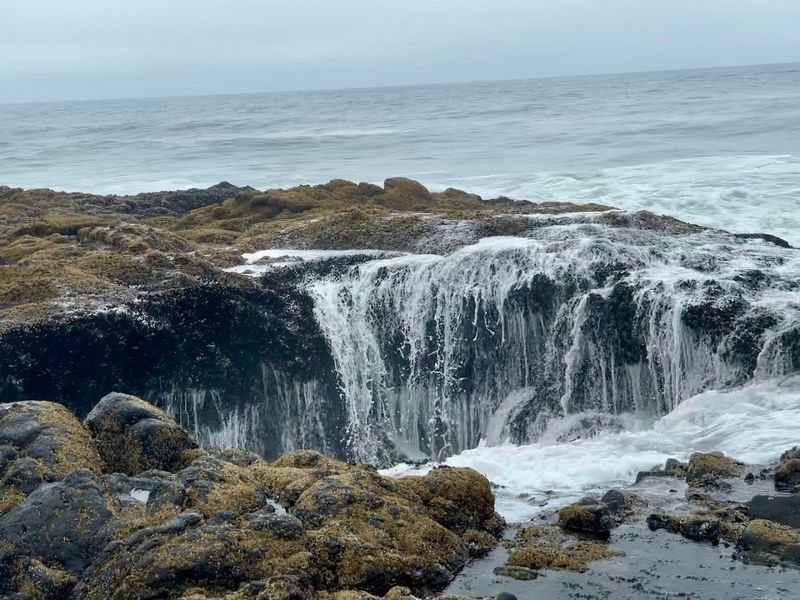
Two geological features near Yachats have earned a reputation that reaches well beyond Oregon, and both of them sit within easy walking distance of the Cape Perpetua parking area. Thor’s Well is a roughly 20-foot-wide hole in the basalt shelf that drains and fills with each wave cycle, creating the illusion of the ocean being swallowed into the earth.
At high tide or during stormy weather, water surges up through the opening and spills over the edges in a circular curtain that looks almost supernatural. Photographers travel from across the country, and honestly from places much farther than Oklahoma, just to capture that shot at the right moment.
The Devil’s Churn sits nearby and works on a different principle. A long, narrow sea channel funnels incoming waves into a tight crack in the rock, compressing the water until it explodes upward in a violent burst of white foam.
The sound alone is enough to make your chest vibrate.
Both formations are accessible via short, well-maintained paths, but the rocks can be slippery when wet and the surf is unpredictable. Staying behind the posted safety boundaries is not just a suggestion here, it is genuinely important.
The drama is best appreciated from a safe distance, where you can fully enjoy the spectacle without risk.
Hiking Trails for Every Skill Level
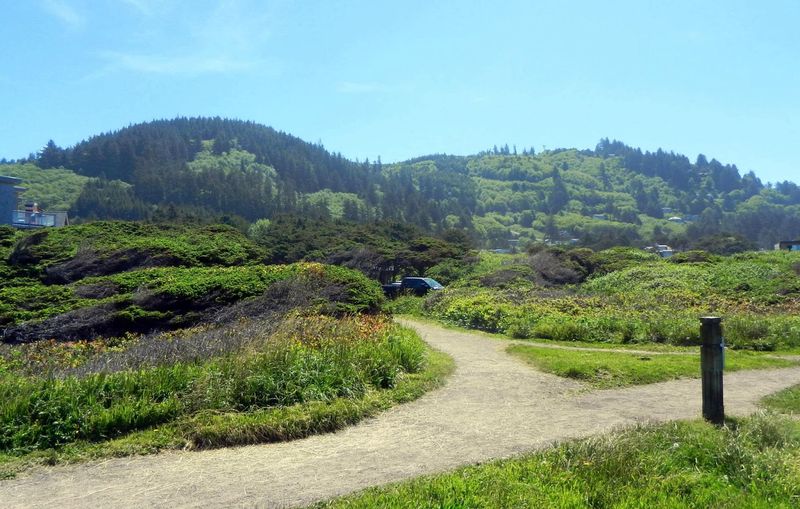
Yachats is surrounded by trails, and that is not an exaggeration. The combination of the Cape Perpetua Scenic Area, the Siuslaw National Forest, and the Oregon Coast Trail gives hikers a remarkable range of options within just a few miles of town.
The Cook’s Ridge Trail climbs through old-growth forest to a ridgeline with sweeping views of the coast and the interior valleys. The Gwynn Creek Trail loops through some of the most pristine temperate rainforest you will find anywhere on the Oregon coast, with ferns covering the ground in every direction.
For something shorter and more accessible, the Captain Cook Trail drops from the Cape Perpetua visitor center directly to the shoreline in about a mile, passing through forest and ending at the tidepool-rich rocky shelf near the ocean. I did this one on my first morning and it set the tone for the entire trip.
The Oregon Coast Trail also passes directly through Yachats, connecting it to a larger network that runs the full length of the coast. Serious hikers use Yachats as a base camp for multi-day sections of that trail.
With this much variety packed into such a small area, it is hard to think of another coastal town in the Pacific Northwest that rivals what Yachats offers on foot.
Tidepooling Along the Basalt Shelves
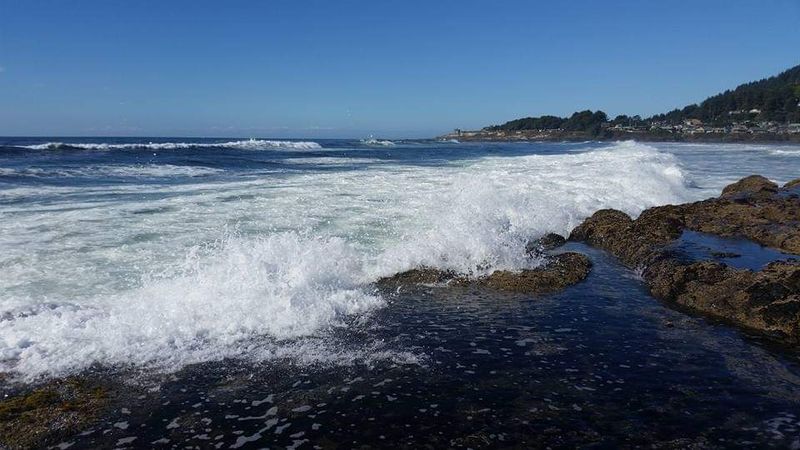
Tidepooling in Yachats is a genuinely world-class activity, and the low-tide basalt shelves that extend from the shoreline are among the most biodiverse tidal zones on the West Coast. The rock formations create natural bowls and channels that retain water as the tide recedes, trapping an incredible variety of marine life in shallow, clear pools.
Purple sea urchins, ochre sea stars, giant green anemones, chitons, limpets, and hermit crabs are all common sightings. On a good low-tide morning, the shelves feel more like an outdoor aquarium than a beach.
The best tidepooling windows fall during minus tides, which expose the deepest and richest zones of the intertidal shelf. Checking a tide chart before heading out makes a significant difference in what you will find.
The Cape Perpetua visitor center posts tide information and can point you to the best access points for the conditions that day.
Yachats observes a strong ethic of leave-no-trace tidepooling, which means no collecting, no turning over rocks carelessly, and no touching the animals. That ethic has helped keep the tidepool ecosystem healthy and rich for decades.
Children especially love this activity, and it tends to spark a level of curiosity and excitement that no aquarium visit quite replicates. The ocean does its own exhibiting here.
The Yachats Commons and Community Culture
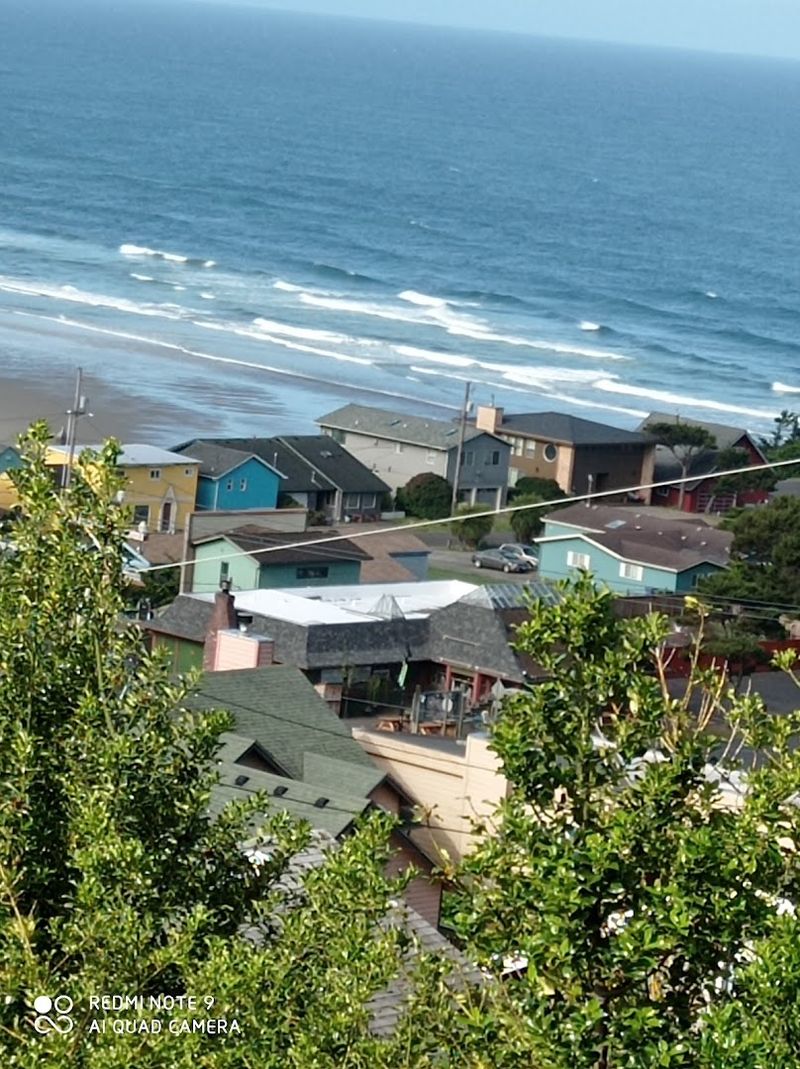
For a town of fewer than 700 people, Yachats has a cultural life that regularly surprises first-time visitors. The Yachats Commons serves as the community hub, hosting events, gatherings, and the beloved Yachats Celtic Music Festival, which draws performers and fans from across the Pacific Northwest and beyond each spring.
The town has a long history of welcoming artists, writers, and independent thinkers, and that legacy shows in the galleries, studios, and creative businesses scattered along the main street. There is a relaxed intellectual energy here that feels organic rather than manufactured.
Local residents take an active role in protecting the natural environment, and community-organized beach cleanups and conservation events happen throughout the year. That civic pride is one of the things that makes Yachats feel different from a standard tourist destination.
The farmers market runs seasonally and features local produce, handmade goods, and fresh seafood from nearby waters. Conversations happen easily here, between locals and visitors, between strangers who just hiked the same trail, between people who drove up from California or flew in from as far as Oklahoma just to spend a weekend on this particular stretch of coast.
The community is part of what makes the place work.
Birding and Wildlife Beyond the Whales
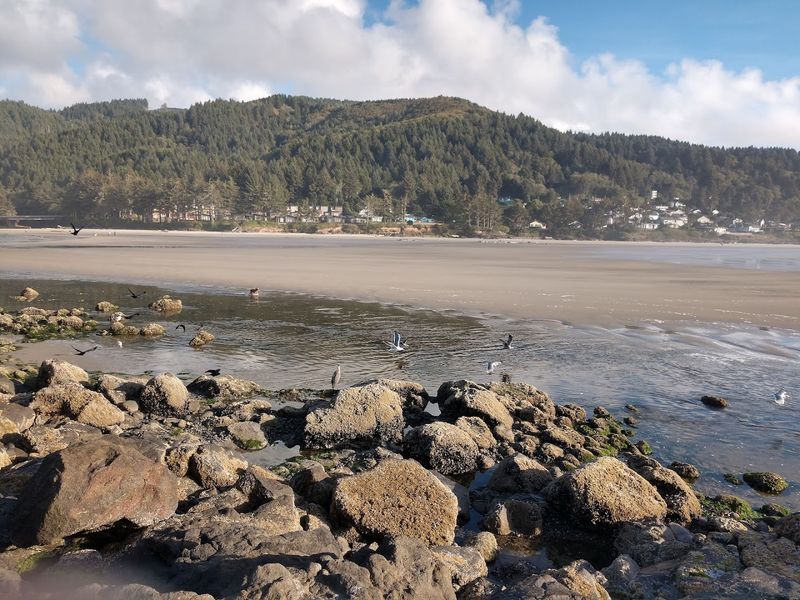
Whales get most of the attention in Yachats, but the wildlife scene extends well beyond the ocean surface. The coastal forests, wetlands, and shoreline support a remarkable variety of bird species that makes this area a serious destination for birders at any skill level.
Bald eagles are a common sight along the shoreline and river corridor, often perching in the tall Sitka spruce trees that line the Yachats River. Brown pelicans cruise the surf line in formation, diving headfirst for fish with a precision that looks almost choreographed.
The Yachats River estuary, where fresh water meets the ocean just at the edge of town, attracts shorebirds, herons, egrets, and migrating waterfowl throughout the year. During spring and fall migration, the variety of species visible from the highway bridge alone can be impressive.
Black oystercatchers, their bright orange bills unmistakable against the dark basalt, work the rocky intertidal zone year-round. Peregrine falcons occasionally patrol the headlands.
Harbor seals haul out on the offshore rocks, and sea otters have been spotted in the kelp beds nearby. The wildlife density in such a small geographic area is genuinely striking, and Yachats rewards patient observers with sightings that feel completely unscripted and wild.
Best Times to Visit and What to Expect
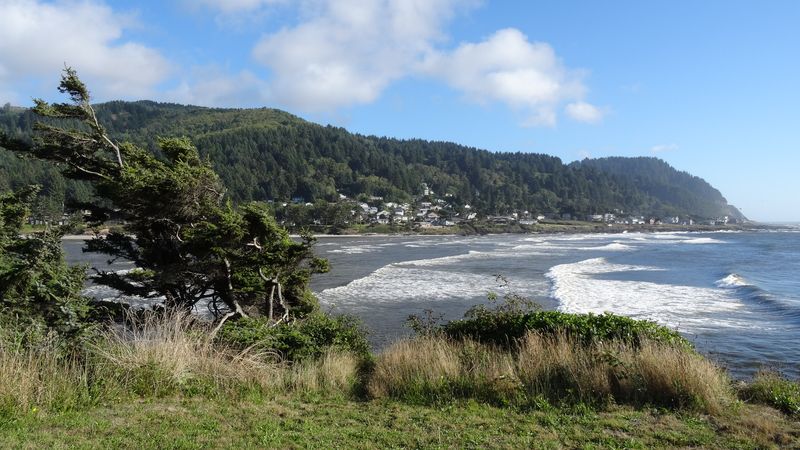
Timing a visit to Yachats involves a few practical trade-offs worth knowing before you book. Summer, from July through September, brings the warmest and driest conditions, with temperatures typically ranging from the low 50s to the upper 60s Fahrenheit.
The coastal fog that blankets the shoreline in the morning usually burns off by midday, revealing clear skies and calm seas.
Summer is also the busiest season, and the small number of lodging options in town means reservations should be made well in advance, especially for weekends. The town does not have chain hotels, so the available rooms go quickly.
Spring and fall offer a quieter experience with fewer visitors, lower prices, and the added bonus of whale migration activity. Winter brings dramatic storms that transform the shoreline into something raw and powerful, and storm watching from a safe vantage point is its own kind of attraction here.
Rain is always a possibility on the Oregon coast regardless of the season, so packing layers and waterproof gear is standard advice. The upside of that rain is the lush green landscape that makes the forests and headlands look almost impossibly vivid.
Visitors who come prepared for the weather almost always leave satisfied, regardless of what the sky decides to do during their stay.
Local Dining and Fresh Seafood
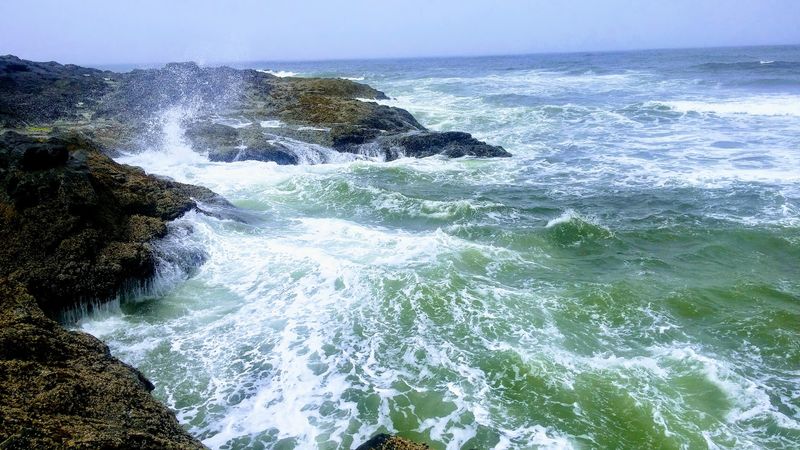
Eating well in Yachats is not difficult, even though the restaurant options are limited by the town’s small size. What the local spots lack in variety they more than make up for in quality, and the proximity to the ocean means the seafood is about as fresh as it gets anywhere on the West Coast.
Dungeness crab, razor clams, Chinook salmon, and Pacific halibut show up regularly on local menus, often sourced from fishing operations just up or down the coast. The chowder at the better spots in town is thick, briny, and full of actual seafood rather than filler.
A handful of small cafes and bakeries handle breakfast and lunch with locally sourced ingredients and a casual atmosphere that matches the town’s overall vibe. Coffee is taken seriously here, and the morning ritual of a good cup with an ocean view is something I looked forward to every day of my visit.
The restaurants in Yachats tend to close early and do not take large groups without advance notice, so planning around those realities makes the dining experience smoother. Portions are generous, service is personal, and the overall quality consistently exceeds what you might expect from such a remote and tiny coastal community.
The food scene here earns its reputation quietly but firmly.
Why Yachats Leaves a Lasting Impression
After spending several days in Yachats, I came away understanding why people who visit once tend to come back repeatedly. There is something about the combination of raw natural drama, genuine community character, and complete absence of commercial clutter that makes the place feel rare in a way that is hard to explain but easy to feel.
The ocean here is not background scenery. It is the main event, present in every conversation, every meal, every morning walk, and every quiet moment on a basalt ledge watching the horizon.
That level of immersion in a natural environment is increasingly hard to find.
Visitors from across the country, including those who have traveled from as far as Oklahoma and beyond, consistently describe Yachats as one of the most memorable stops on any Pacific Coast road trip. That reputation has been built slowly and honestly, without heavy marketing or manufactured attractions.
The town itself seems almost indifferent to its own appeal, which is part of why the appeal endures. Yachats does not try to be anything other than exactly what it is: a small Oregon coastal community with extraordinary natural surroundings and a quiet confidence that it has something genuinely worth experiencing.
That honesty, more than any single landmark or activity, is what stays with you long after you drive away.
Share this story