 Unearth The Voyage
One of the most important battles of the War of 1812 happened in Michigan, yet many travelers drive past the site without realizing it. This preserved battlefield marks the turning point that inspired a phrase still recognized across the country today.
Located just off a busy highway, the park draws history enthusiasts, families, and casual visitors who often arrive with little context and leave with a much clearer understanding of its impact. The trails, exhibits, and preserved grounds make it easy to follow what happened here and why it mattered.
So what took place on this ground, and how did it shape both the war and American identity? Here is what makes this stop worth adding to your route.
Where the Story Begins: Address, Location, and First Impressions
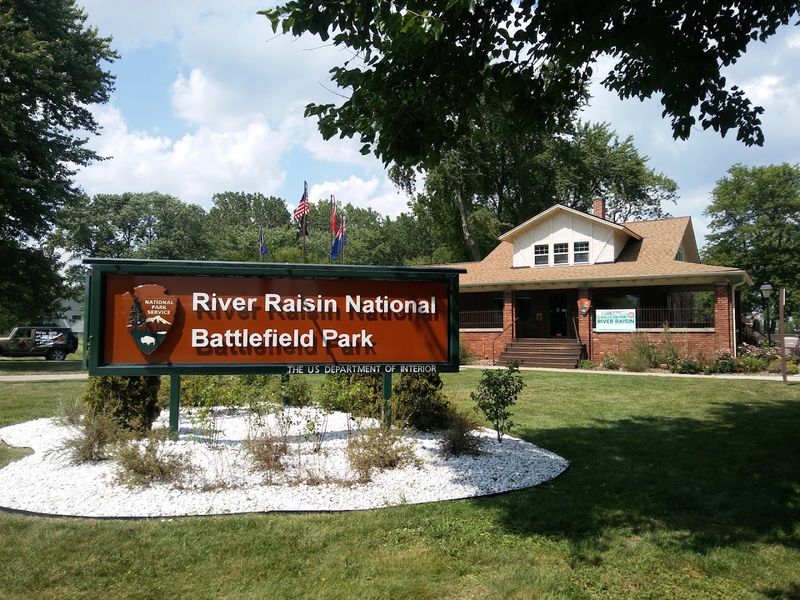
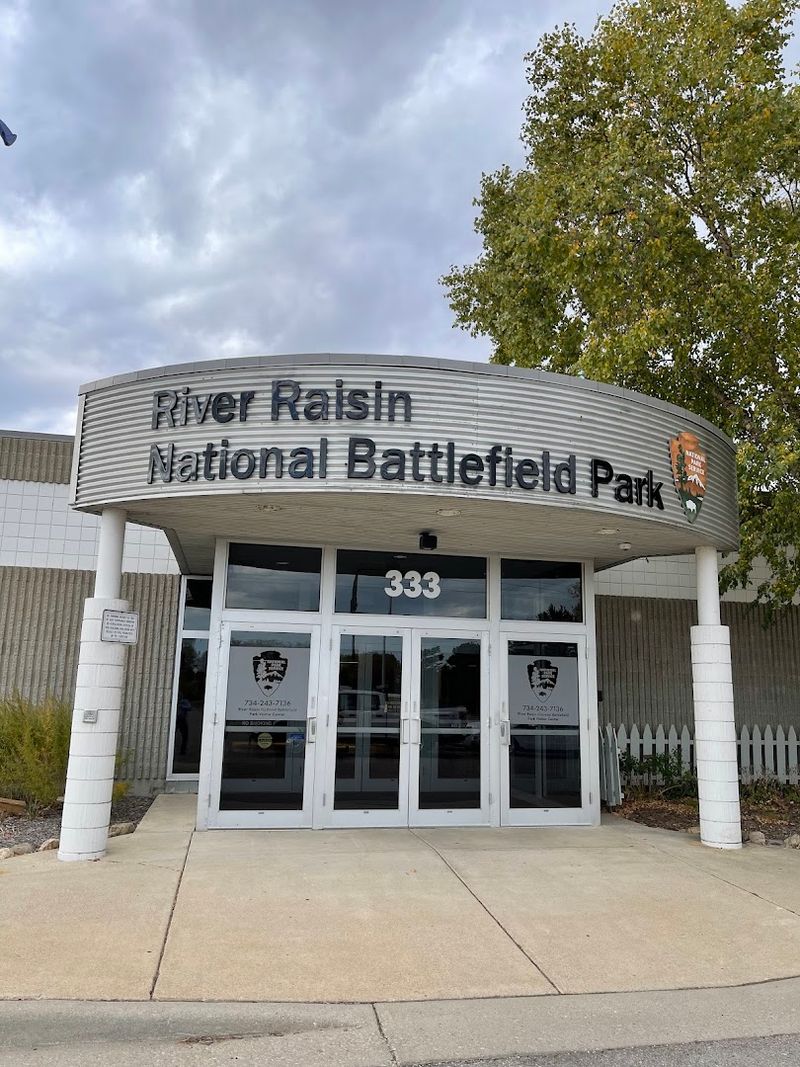
Right off Interstate 75, at 333 N Dixie Hwy, Monroe, MI 48162, sits a national park that most drivers pass without a second glance. That is their loss, because River Raisin National Battlefield Park is one of the most rewarding quick stops in the entire Great Lakes region.
Monroe is a mid-sized city in southeastern Michigan, tucked between Toledo, Ohio, and the southern suburbs of Detroit. The park sits close to the bank of the River Raisin, and the surrounding landscape is flat and open, giving the whole place a quiet, almost contemplative feel the moment you step out of your car.
The large parking lot makes arrival easy, and the modern visitor center is clearly visible from the road. The staff greet you warmly, and within minutes you realize this is not just a field with a plaque.
The park is free to enter, which makes it even harder to justify driving past.
The Battle That Shook a Young Nation
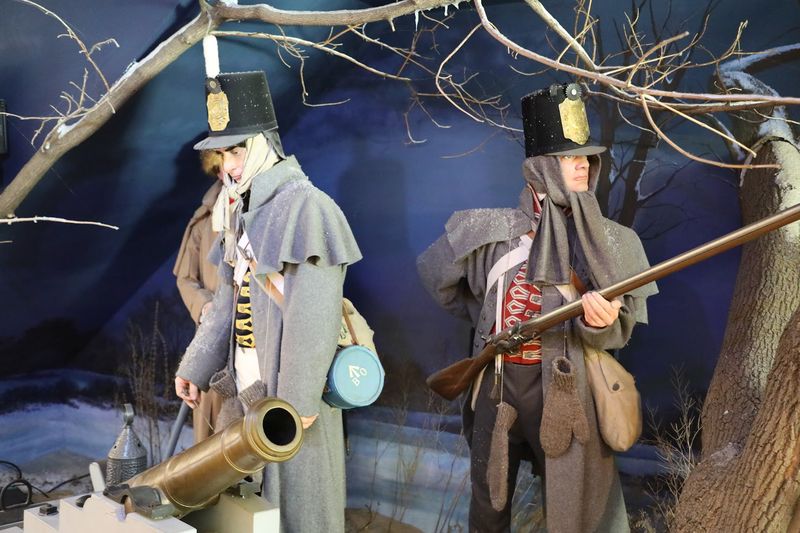
January 1813 was brutally cold in the Michigan Territory, and the American forces camped near the River Raisin had no idea what was coming. Two engagements, fought on January 18 and January 22, would together become the deadliest defeat for American forces in the entire War of 1812.
A combined force of Kentucky volunteers and regular soldiers initially pushed the British and their Native allies back, capturing the settlement of Frenchtown. That early success felt like a turning point, but it was short-lived.
British General Henry Procter launched a counterattack, overwhelming the American position and forcing a surrender.
What followed the surrender shocked the country and created a rallying cry that would carry American forces through the rest of the war. The phrase “Remember the Raisin” became one of the most emotionally charged battle cries in early American military history, used to recruit soldiers and stoke determination from Kentucky to Washington.
Remember the Raisin: The Rallying Cry That Fueled a War
Four words changed the direction of the War of 1812, and they were born right here in Monroe. After the surrender of American forces, wounded prisoners were left behind when British troops withdrew, and Native warriors, not under British command at that point, attacked the remaining captives.
News of what happened spread rapidly through Kentucky and beyond. Recruiters used the phrase “Remember the Raisin” to fill the ranks of American armies, and it worked.
Thousands of volunteers signed up, fueled by outrage and a desire to honor those who had fallen.
The emotional power of that phrase is something the park does not shy away from. The exhibits treat it with the gravity it deserves, helping visitors understand that a single event in a small Michigan town helped determine the outcome of a war that defined the young United States.
It is the kind of history that makes the hair on the back of your neck stand up.
Inside the Visitor Center: More Than You Expect
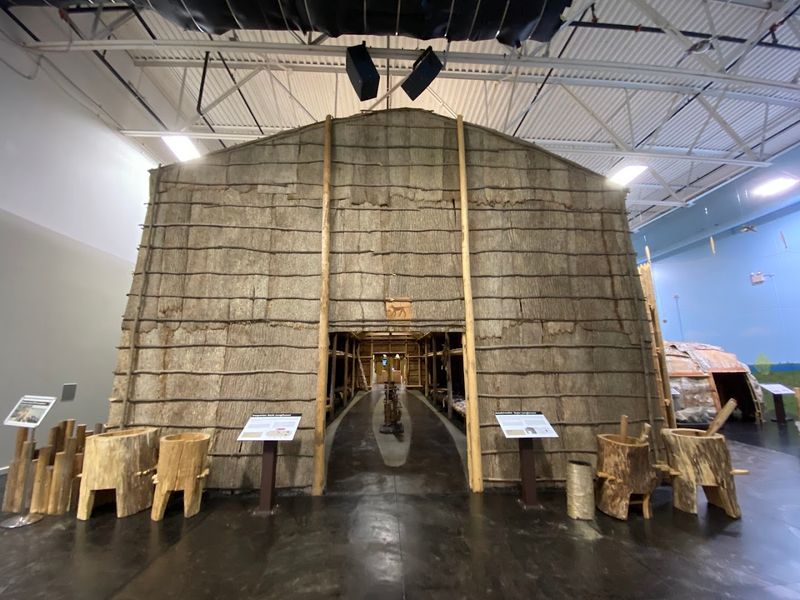
The visitor center at this park genuinely surprises people. From the outside, it looks like a tidy government building, but once you walk through the doors, the scale and quality of what is inside becomes clear immediately.
The exhibits cover both the military history of the January 1813 battles and the rich cultural world of the Native peoples and French Canadian settlers who called this area home long before any shots were fired. That balance gives the museum a depth that single-focus battlefields often miss.
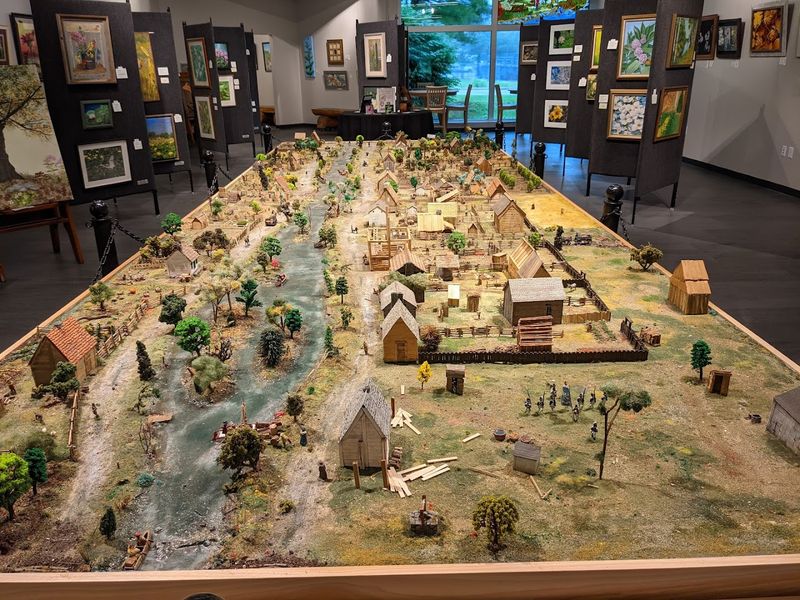
Interactive displays are scattered throughout, designed so that younger visitors can engage with the history rather than just read about it. Kids can learn about trade goods, practice identifying period artifacts, and explore a detailed floor map of the battle area.
The theater inside shows a well-produced film that lays out the full story of the battles in a way that is accessible without oversimplifying. The gift shop stocks a solid selection of War of 1812 titles alongside park souvenirs.
Native Culture at the Heart of the Story
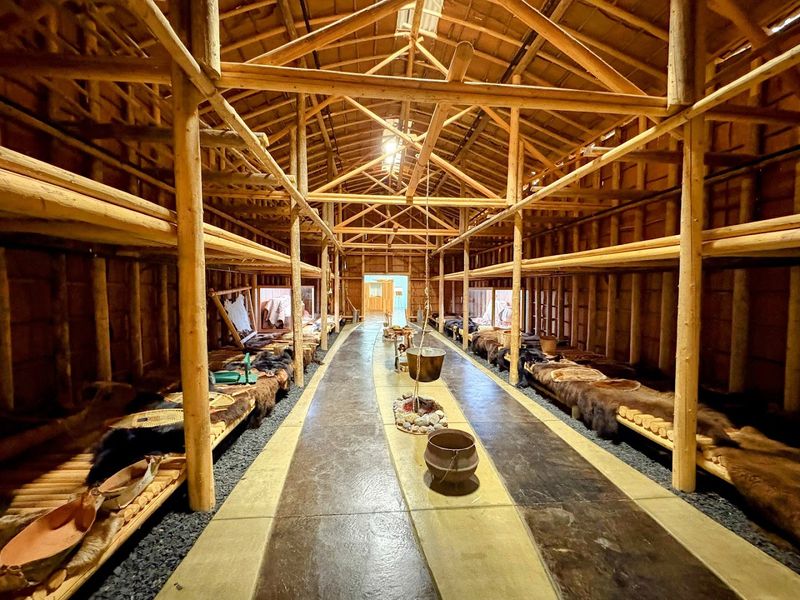
One of the things that sets this park apart from a typical battlefield site is how seriously it treats the Native nations who were central players in the events of 1813. The exhibits give real weight to the Wyandot, Potawatomi, and other Great Lakes nations whose decisions and alliances shaped the outcome of the battles.
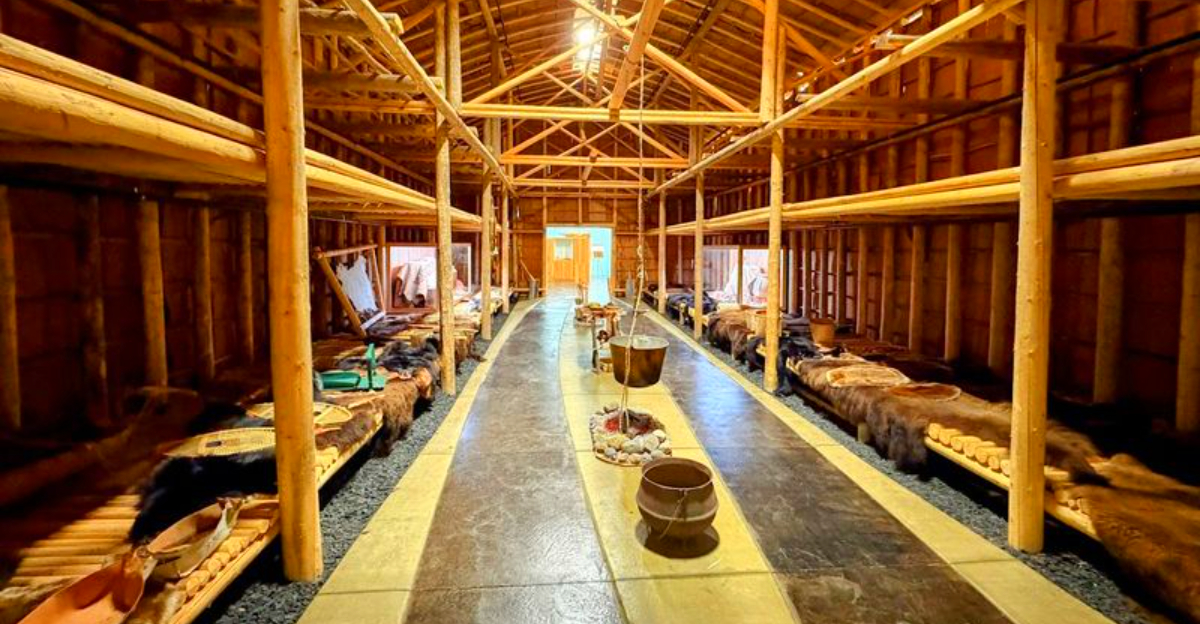
The visitor center includes displays on traditional Native lifeways, trade networks, and the complex political landscape these communities navigated as American and British forces competed for their loyalty. A reconstructed longhouse element inside the museum helps visitors picture daily life in a way that a simple timeline never could.
The park has hosted Native storytelling events that bring this history to life in a personal and moving way. If you are planning a visit, calling ahead to ask about upcoming cultural programming is genuinely worth the two-minute phone call.
The number is listed as +1 734-243-7136, and the staff are consistently described as knowledgeable and enthusiastic about sharing the full story.
The Battlefield Trail: History Underfoot
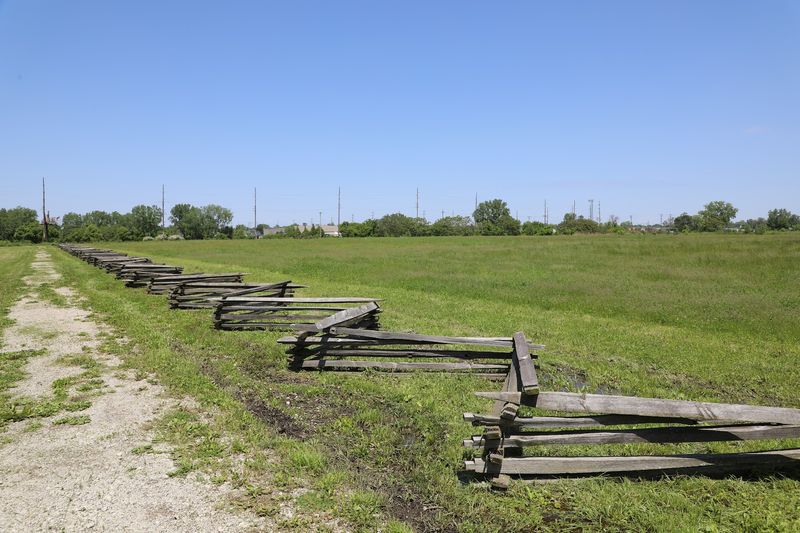
Across the street from the visitor center, a marked walking trail loops through the actual battlefield ground, and the difference between reading about a battle and standing where it happened is something no exhibit can fully replicate.
The trail runs over a mile in total, with a mix of paved and unpaved sections that keep the walk interesting. Bronze plaques and engraved stone benches are spaced along the route, each one telling a specific part of the battle story in sequence.
Starting near the parking area and following the loop in order means the narrative unfolds naturally as you walk.
The open landscape around the trail gives the site a quiet, almost meditative atmosphere. There are two picnic areas along the route, one covered and one open, which make a midday stop easy to plan.
Dogs are welcome on the trail, and the pace is relaxed enough that even young children handle the full loop without complaint. Just note that the only restroom on the trail side is an outhouse.
Kentucky’s Forgotten Role in a Michigan Battle
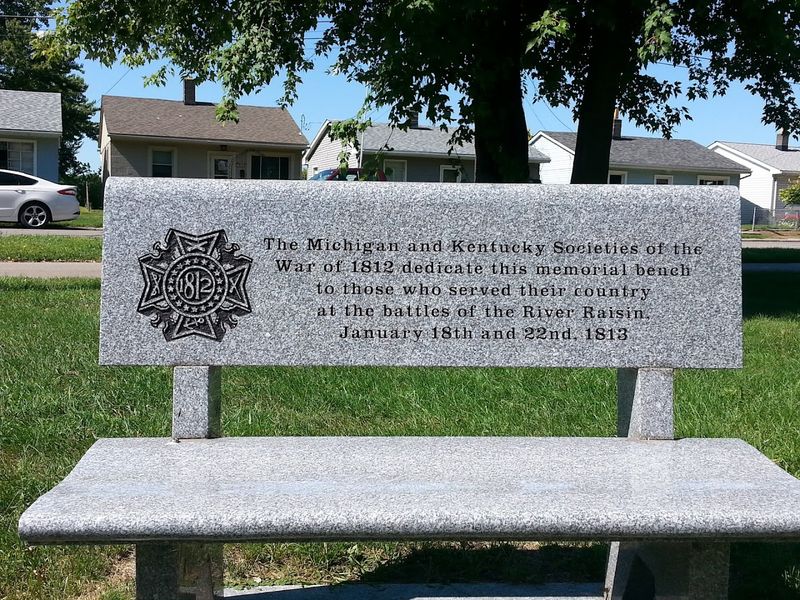
Most Kentuckians today have never heard of the River Raisin, which is remarkable given how large it looms in that state’s military history. The bulk of the American forces at the January 1813 battles were Kentucky volunteers, men who had traveled hundreds of miles north to fight in a territory most of them had never seen.
Their bravery and their fate became part of Kentucky’s identity in a way that lasted for generations. Monuments along the battlefield trail honor these volunteers specifically, and the plaques make clear just how far from home these soldiers were when the fighting began.
Visitors coming up from Kentucky have noted the emotional weight of discovering this connection for the first time. The park does an excellent job of making those personal and regional threads visible, so the history feels connected to real people rather than just dates and troop numbers.
That human dimension is what makes the site linger in your memory long after you have driven home.
Living History Events and Reenactments
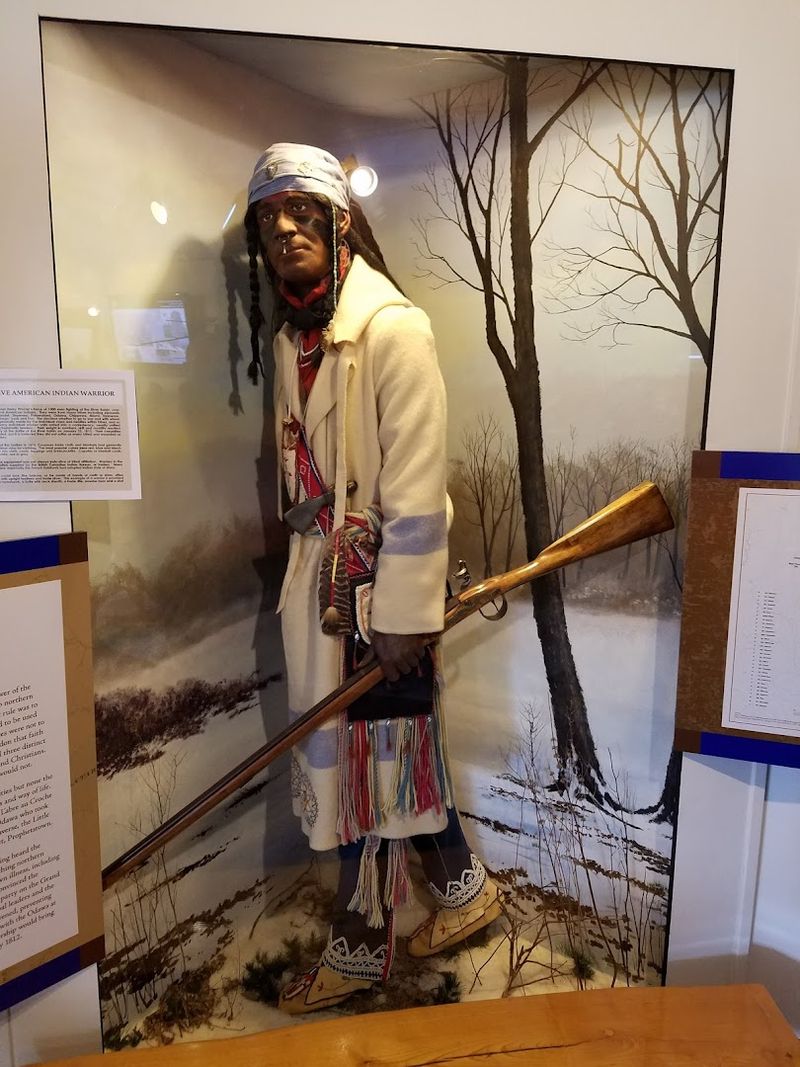
There are days when the battlefield comes fully alive, and those are the days worth planning your visit around. River Raisin National Battlefield Park hosts reenactment events that bring the early 19th century back in a way that no exhibit can match on its own.
Volunteers in period-accurate clothing demonstrate military drills, fire period weapons, and answer questions from visitors with a level of detail that reflects genuine dedication to accuracy. Past events have included axe throwing demonstrations, which turn out to be genuinely fun to watch and, in some cases, try.
The energy during these events is completely different from a regular weekday visit, and families with kids tend to find them especially memorable.
The park’s schedule is worth checking before you go, because reenactment dates are not always prominently listed on every platform. Calling the park directly or checking their NPS website at nps.gov/rira is the most reliable way to confirm upcoming events.
Arriving on a reenactment day feels like a bonus you did not know you had coming.
Junior Rangers, Stamps, and the Collector’s Corner
National Park passport stamp collectors know the particular joy of finding a new stamp location, and River Raisin National Battlefield Park delivers. The visitor center has stamps available, and the staff are happy to help you find them even if the park is mid-renovation.
Kids can earn their Junior Ranger badges here, working through an age-appropriate booklet that covers the history of the battles, the Native cultures of the region, and basic park stewardship. The badge ceremony at the end is a small but genuinely satisfying moment, especially for kids who take the program seriously.
The gift shop adds another layer of fun for collectors. Beyond the expected local souvenirs, the shop stocks stickers and items from national parks across the country, which makes it a surprisingly useful stop for anyone building a broader park collection.
A coin press machine rounds out the options for those who collect pressed pennies. The combination of educational programming and collectible rewards makes this park punch well above its size for family visits.
The Memorial Site a Few Minutes Away
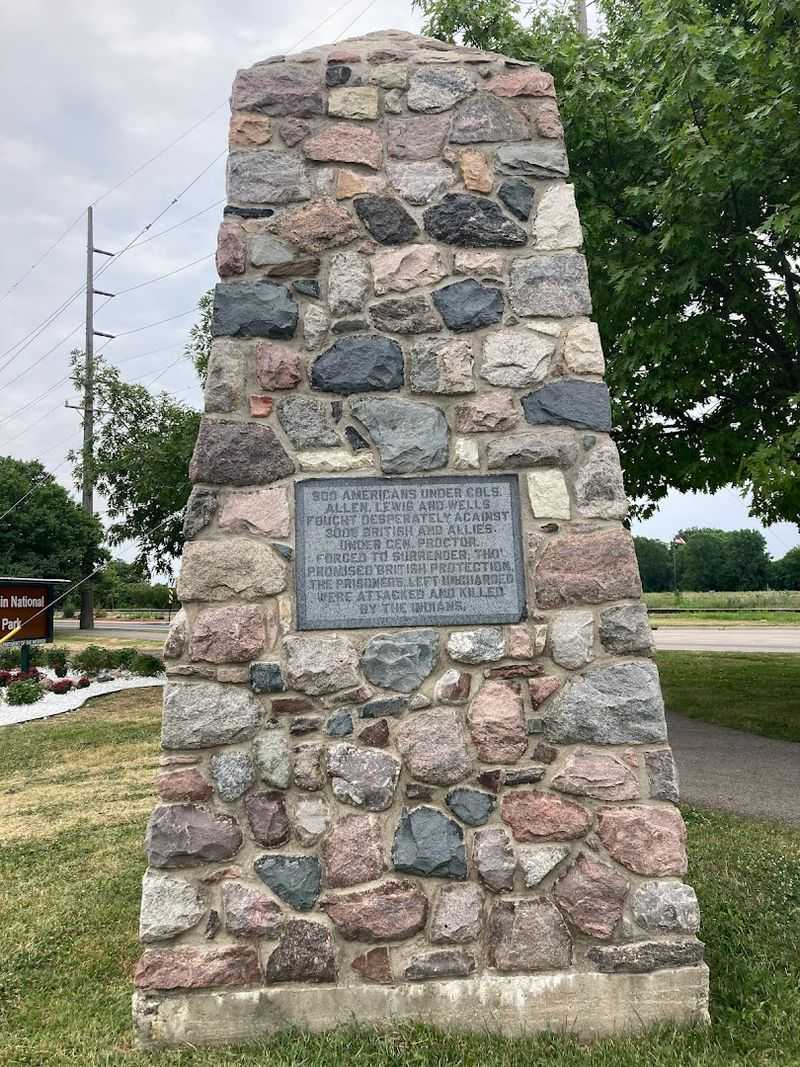
The visitor center and the main battlefield trail are not the only stops worth making in Monroe. A short drive from the main park site leads to a separate memorial area that adds another layer to the full River Raisin story.
This secondary site is quieter and less visited, which gives it a contemplative quality that feels appropriate for a place honoring those who did not return home. Stone monuments and historical markers fill in parts of the narrative that the main trail does not cover in detail, and the setting is peaceful enough that you naturally slow your pace and read everything.
The NPS app is a useful companion for navigating between the two sites, and paper maps are available at the visitor center for those who prefer something tangible. Combining both locations turns a quick stop into a genuinely full afternoon, and the contrast between the interactive energy of the visitor center and the stillness of the memorial site makes the experience feel complete and satisfying.
Practical Tips for Planning Your Visit
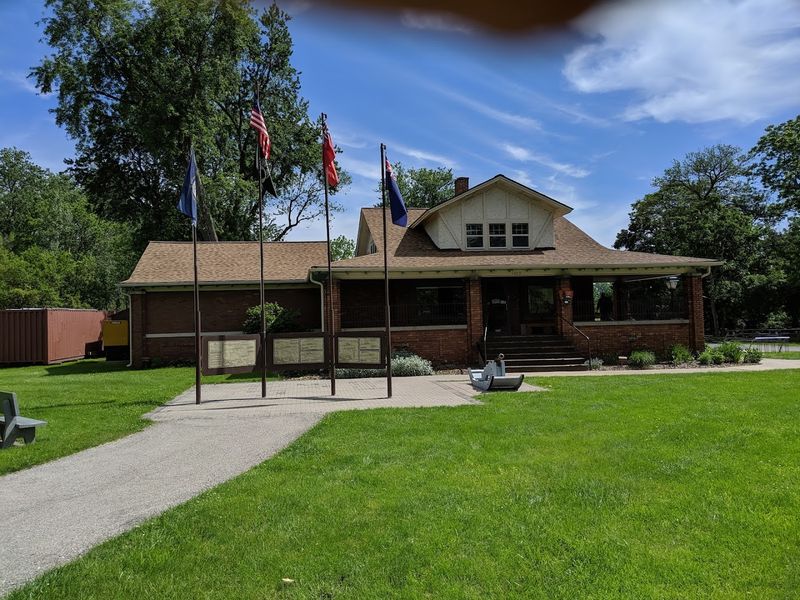
The park is open daily from 10 AM to 5 PM, which gives you a solid window for a visit without needing to rush. Admission is free, which puts it in a rare category among educational experiences of this quality.
Parking is available in a large lot directly adjacent to the visitor center, and access from Interstate 75 is straightforward enough that navigation apps rarely cause confusion. The park sits right along the highway, so it is genuinely easy to add as a stop on a longer road trip without major detours.
A few things worth knowing before you arrive: the museum renovation was still ongoing as of early 2025, with completion expected by mid-year, so some exhibits may still be in progress depending on when you visit. Dogs are welcome on the outdoor trail but not inside the visitor center.
Calling ahead at +1 734-243-7136 to check on current exhibit availability and upcoming events takes about two minutes and can significantly improve your visit.
Why This Place Deserves a Spot on Every History Lover’s Map
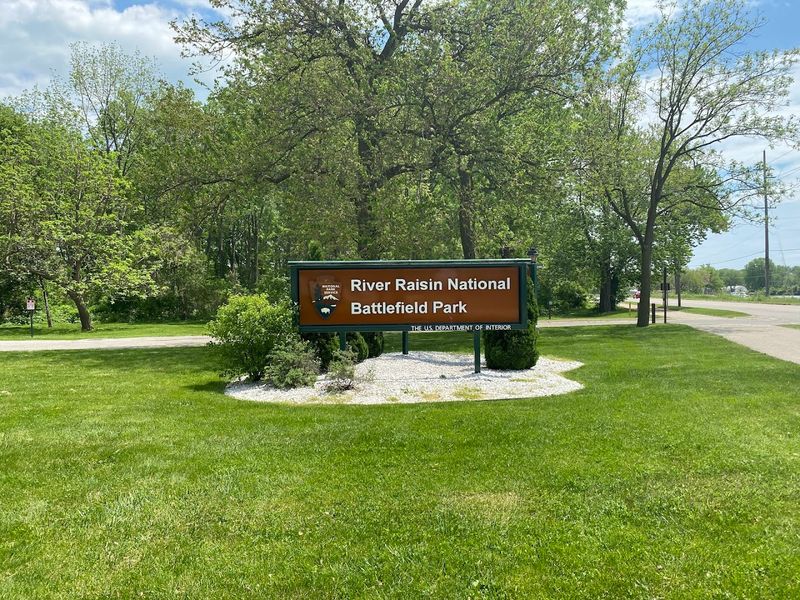
There is something genuinely humbling about standing on ground where a pivotal moment in American history unfolded, especially when that moment has been largely left out of mainstream history education. River Raisin National Battlefield Park fills a gap that most visitors did not even know existed.
The combination of serious military history, Native cultural heritage, interactive exhibits, outdoor trails, and free admission makes it one of the most well-rounded stops in the National Park System relative to its size. It rewards the curious traveler who is willing to spend a few hours with a story they thought they already knew.
The park is also clearly growing, with plans to incorporate additional related sites in the Monroe area and a visitor center renovation that promises to make an already impressive space even better. Whatever brings you to this corner of Michigan, whether it is a road trip, a family outing, or a history obsession, this battlefield has a way of making sure you leave knowing something real that you did not know before.



