Most adventure travelers head straight for Patagonia or the Inca Trail, and honestly, those places are great. But South America is hiding a whole lineup of mountain regions that rarely make the highlight reel, and that is exactly what makes them worth knowing about.
From remote Bolivian ranges packed with traditional villages to Brazilian highlands that most beach-goers never realize exist, this continent has far more vertical drama than its famous peaks get credit for. Some of these places see so few foreign visitors that local llamas will stare at you like you are the strange one.
This list covers 13 mountain regions that serious adventure lovers should have on their radar, with details on what makes each one worth the detour, the effort, and in some cases, the very bumpy road to get there.
1. Cordillera Huayhuash, Ancash and Huánuco, Peru
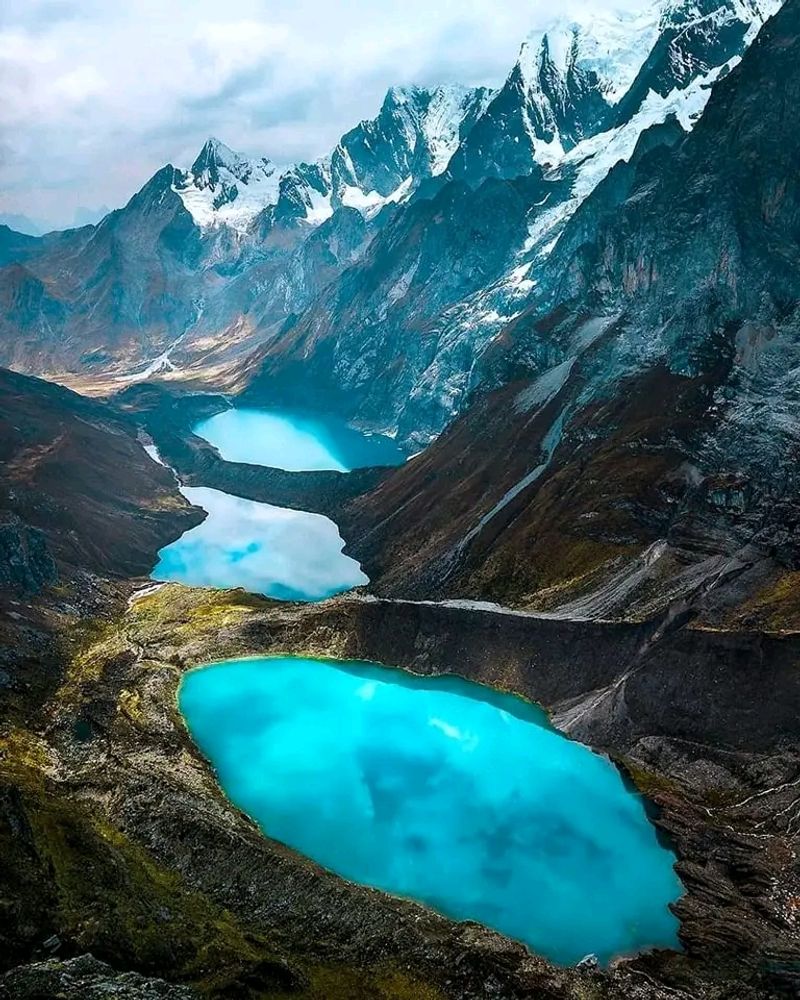
Ranked among the world’s top trekking circuits, the Cordillera Huayhuash is what happens when a mountain range decides it has absolutely nothing to prove and still wins every argument.
Located in central Peru, this compact but fierce range packs turquoise glacial lakes, passes above 5,000 meters, and views of Yerupaja, the second-highest peak in the Andes, into an 8-to-12-day loop that most trekkers call the hardest and most rewarding experience of their lives.
Unlike the neighboring Cordillera Blanca, Huayhuash sees far fewer visitors, which means trails feel genuinely remote. Nights are spent in tents under skies packed with stars, and the only traffic you will encounter is the occasional herd of alpacas completely unbothered by your presence.
Permits are required and available through local agencies in Huaraz. The circuit suits experienced hikers with solid high-altitude fitness.
2. Sierra Nevada Del Cocuy, Boyacá, Colombia
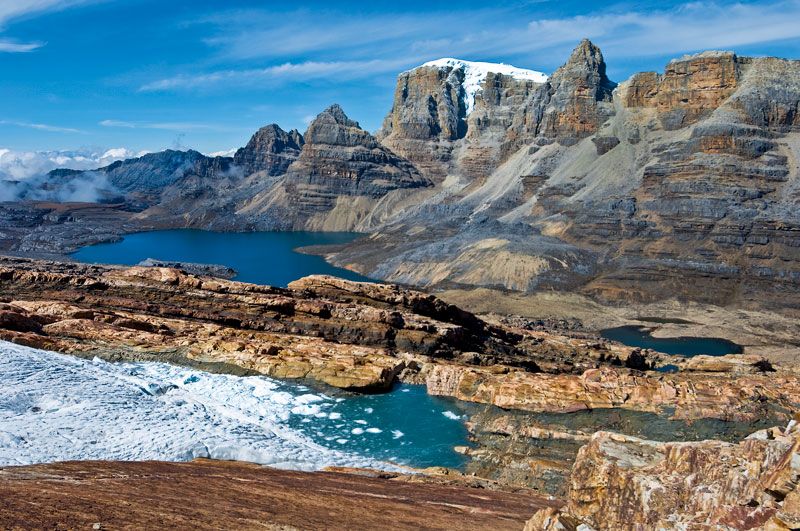
Colombia does not get nearly enough credit for its mountains, and the Sierra Nevada del Cocuy is the clearest proof of that oversight.
Tucked into the northeastern corner of Boyaca department, this range features over 25 glaciated peaks, the largest glacier field in Colombia, and rolling paramo terrain that looks like it belongs on another planet entirely.
The main trekking zone offers routes ranging from day hikes to multi-day circuits, all set against a backdrop of icy summits and high-altitude lakes. The town of El Cocuy serves as the main base, with local guides available for those tackling the more technical routes.
Access requires permits, and visitor numbers are managed to protect the fragile paramo ecosystem. That restriction is actually good news for hikers, since it keeps the trails refreshingly quiet compared to more popular Colombian destinations.
3. Cordillera Real, La Paz Department, Bolivia
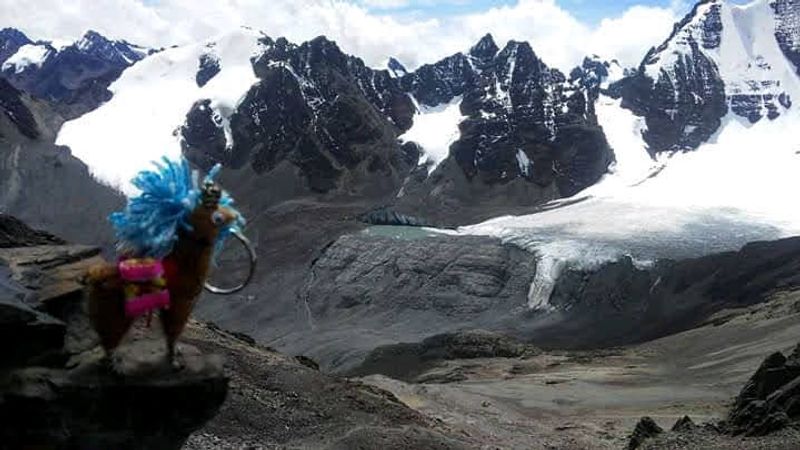
Just east of La Paz, the Cordillera Real stretches across the horizon like a wall of snow and rock that the city seems to be leaning against for support.
This range contains some of Bolivia’s most impressive mountaineering objectives, including Illimani at 6,438 meters and Illampu at 6,368 meters, both of which are technical climbs best suited to experienced alpinists with proper gear and acclimatization.
For trekkers, the Cordillera Real Traverse is a classic multi-day route crossing high passes and connecting remote Andean communities. The scenery shifts constantly between glaciers, high-altitude lakes, and traditional villages where daily life has changed very little over generations.
La Paz provides easy access to the range, with a wide selection of guiding agencies, equipment rental shops, and logistical support for expeditions of every level. Acclimatization in the city beforehand is strongly recommended.
4. Serranía Del Perijá, Cesar and La Guajira, Colombia
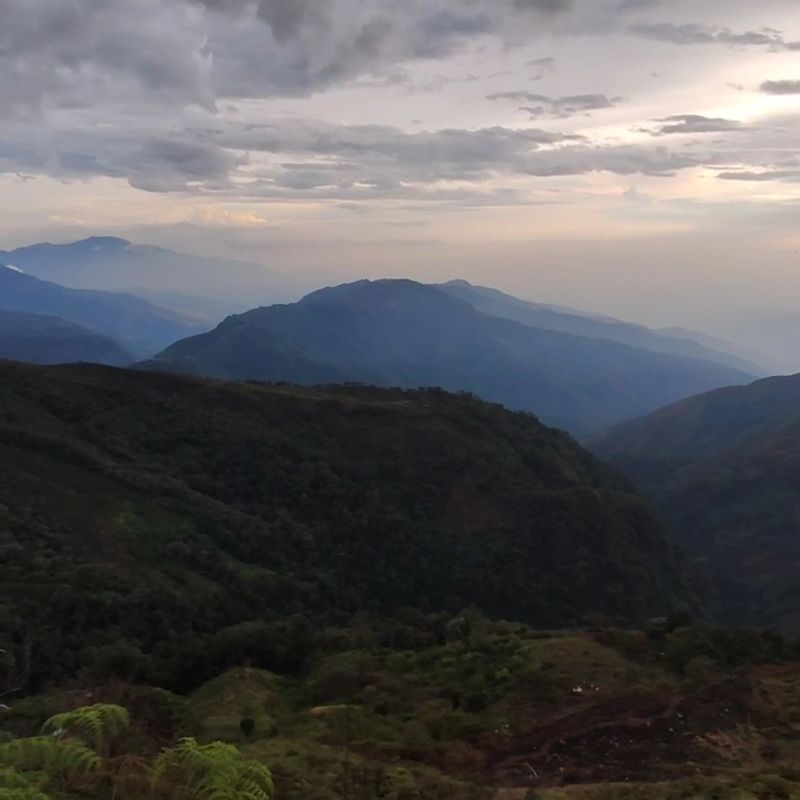
Very few mountain ranges in South America can claim the level of isolation that the Serrania del Perija maintains without even trying.
Running along the Colombia-Venezuela border in the far north of the continent, this range is covered in dense tropical forest and harbors extraordinary biodiversity, including bird species found nowhere else on Earth. Birdwatchers with serious lists to tick off make special pilgrimages here for exactly that reason.
Access is logistically challenging and requires coordination with local communities, some of which belong to indigenous groups including the Yupka and Bari peoples who have lived in these mountains for centuries.
The political complexity of the border region means travelers should research current conditions carefully before planning a visit. For those who do make it, the reward is a mountain landscape that genuinely feels like the modern world has not caught up with it yet, which is increasingly rare anywhere.
5. Serra Da Mantiqueira, Minas Gerais and São Paulo, Brazil
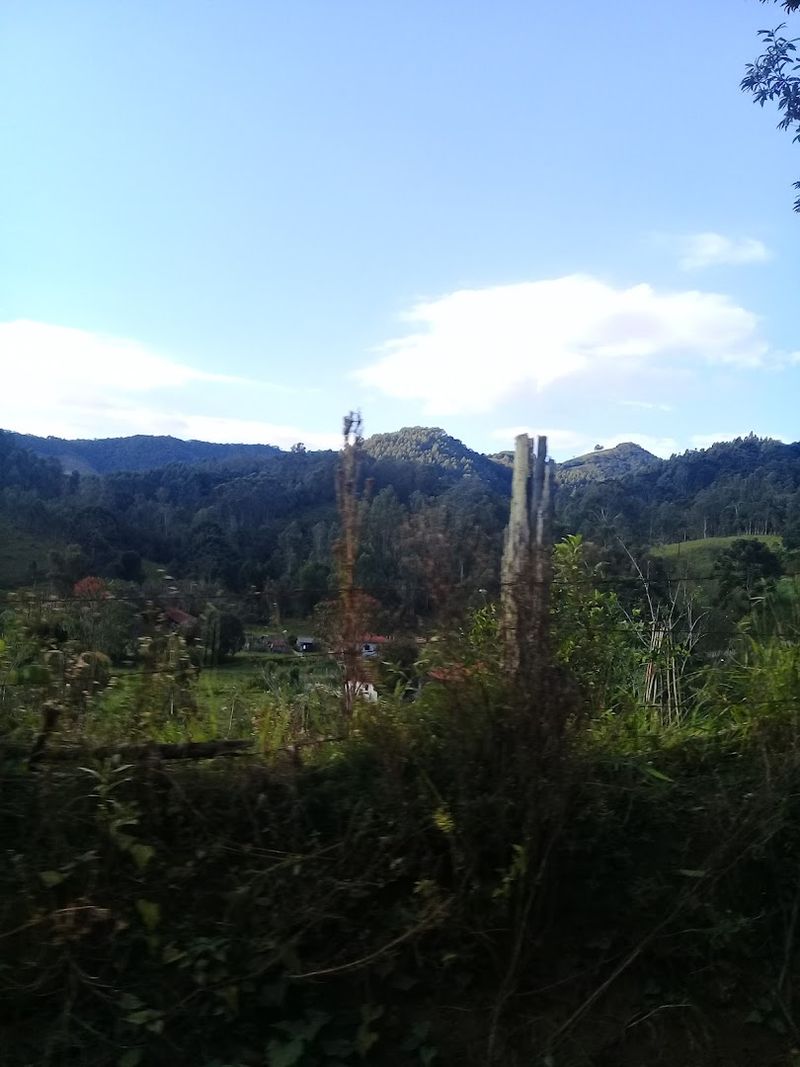
Brazil surprises people who only think of it in terms of beaches, and the Serra da Mantiqueira is one of its most effective surprises.
Stretching across the states of Minas Gerais, Sao Paulo, and Rio de Janeiro, this mountain range reaches elevations above 2,700 meters and supports a cool-weather ecosystem completely different from the tropical coast just a few hours away.
Towns like Campos do Jordao and Monte Verde serve as popular Brazilian weekend escapes, but the hiking trails leading into the backcountry see far fewer visitors. The Pico dos Marins and Agulhas Negras trails offer serious elevation gains and rewarding summit views across southeastern Brazil.
The range is also home to sections of the long-distance Trilha da Mantiqueira, a hiking route covering hundreds of kilometers through the mountains. Infrastructure along the trail is improving, making multi-day trekking more accessible than it was even five years ago.
6. Quebrada De Humahuaca Highlands, Jujuy Province, Argentina
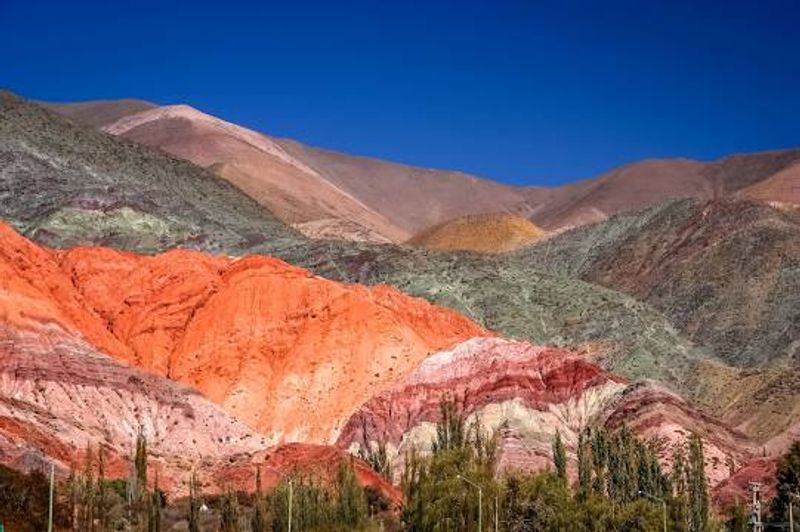
Most visitors to Quebrada de Humahuaca stop for the famous colored hills at Cerro de los Siete Colores and then head back to the main road, missing the much bigger story happening above them.
The highland terrain surrounding the valley extends into wide Andean plateaus, ancient pre-Columbian trail systems, and remote villages where traditional Andean culture remains deeply intact. The Puna de Jujuy, the high-altitude desert plateau above the quebrada, is one of Argentina’s least-visited wilderness areas.
Elevations in this region regularly exceed 4,000 meters, so acclimatization in Humahuaca or Tilcara before heading higher is a practical necessity. The reward for that patience is a landscape of salt flats, volcanic formations, and flamingo-filled lagoons that receives almost no international tourism.
The UNESCO World Heritage designation covers the valley itself, but the real adventure begins where the paved road ends and the altiplano stretches out in every direction.
7. Sierra Nevada De Mérida, Mérida State, Venezuela
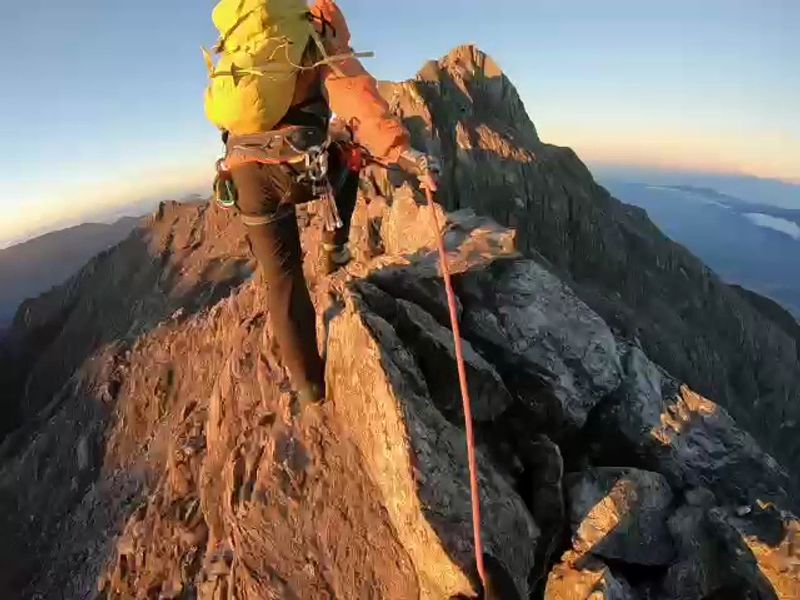
Venezuela has one of the most underrated mountain regions on the entire continent, and the Sierra Nevada de Merida is the centerpiece of that overlooked story.
The range includes Pico Bolivar at 4,978 meters, the highest point in Venezuela, along with several neighboring summits that offer serious trekking and technical climbing routes. The city of Merida, set in a high Andean valley, provides a well-organized base with experienced local guides and gear rental.
The Teleferico de Merida, one of the world’s highest cable car systems, historically connected the city to the high peaks, though it has operated intermittently in recent years. Independent trekking routes through the surrounding valleys and paramo zones remain accessible regardless.
The region also contains Los Nevados, a traditional Andean village reachable by mule trail, where visitors can stay with local families and experience mountain community life at an elevation most people only reach by cable car.
8. Chapada Diamantina Highlands, Bahia, Brazil
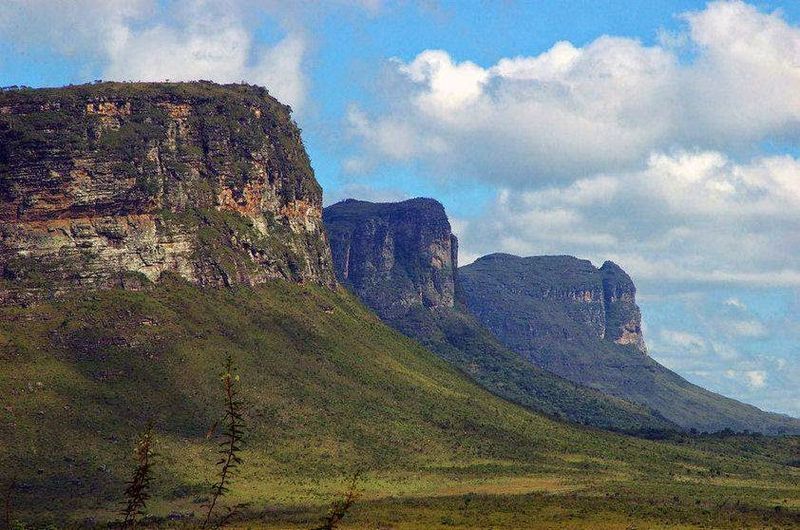
Northeastern Brazil is not where most people expect to find serious mountain adventure, which is precisely why Chapada Diamantina keeps delivering surprises to travelers who find it.
This highland plateau in the state of Bahia features deep sandstone canyons, underground cave systems, and waterfalls that drop hundreds of meters into narrow gorges. The Poco Encantado cave contains a natural pool lit by a shaft of light during certain months, creating one of the most visually striking geological features in the country.
The town of Lencois serves as the main base for the park, with a solid network of local guides and trailheads within walking distance of the town center. Day hikes range from easy walks to strenuous full-day routes, while multi-day treks connect the park’s most remote corners.
The Fumaca Waterfall, at approximately 380 meters, is one of the highest in Brazil and requires a full day of hiking to reach from the nearest trailhead.
9. Cordón Del Plata, Mendoza Province, Argentina
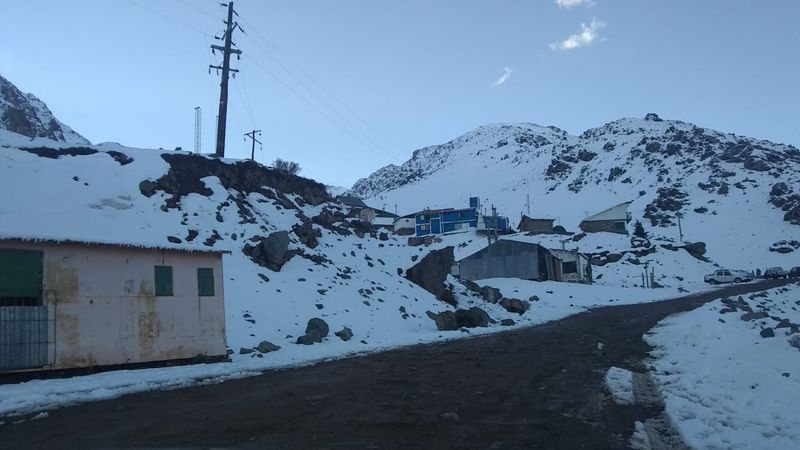
Aconcagua gets all the attention in Mendoza, but just down the road, the Cordon del Plata is quietly offering some of the best accessible high-altitude adventure in Argentina without the permit fees, the crowds, or the four-figure expedition costs.
The range peaks at Cerro Plata, which tops out around 6,000 meters and can be attempted by strong non-technical hikers with proper acclimatization. Several other summits in the 5,000-meter range offer excellent objectives for mountaineers looking for real elevation without the logistical complexity of Aconcagua.
The main access point is Vallecitos, a small ski village about 80 kilometers from Mendoza city, where basic accommodation and guiding services are available. Summer season from December to March offers the best conditions for high-altitude routes.
The shorter approach compared to Aconcagua means more time is spent on the mountain itself rather than in transit, which experienced climbers consistently appreciate about this underrated range.
10. Serra Dos Órgãos, Rio De Janeiro State, Brazil
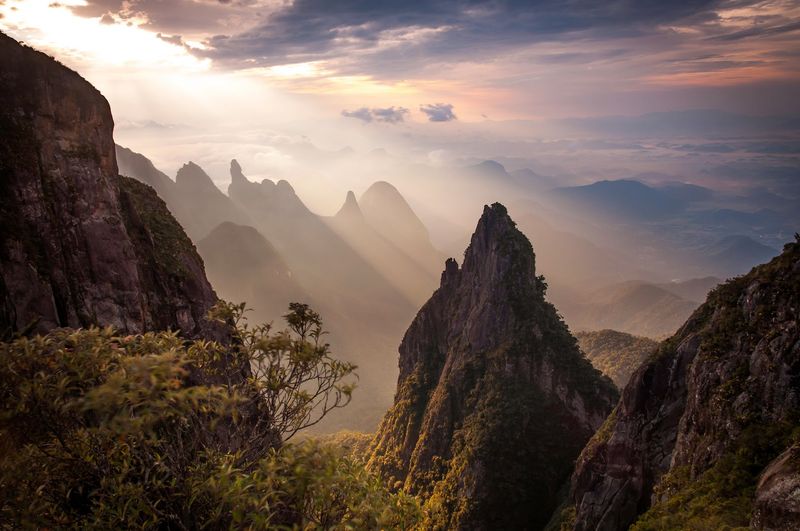
Named after the pipe organ because early Portuguese colonists thought the rock towers looked like organ pipes, the Serra dos Orgaos is one of Brazil’s most geologically dramatic mountain ranges and one of its most underappreciated adventure destinations.
The national park protecting the range sits just 70 kilometers north of Rio de Janeiro, yet it feels completely removed from the city’s energy. Trails climb through dense Atlantic Forest before reaching exposed granite ridges with views stretching toward the coast on clear days.
The Pedra do Sino at 2,263 meters is the highest point in the park and a popular multi-day trekking objective. The Trans-Orgaos traverse, crossing the range from Petropolis to Teresopolis, is considered one of Brazil’s classic long-distance hiking challenges.
Technical rock climbing routes on the granite formations attract climbers from across Brazil, and the combination of jungle approach and exposed rock summit gives the whole experience a distinctive character.
11. Cordillera De Los Frailes, Potosí Department, Bolivia
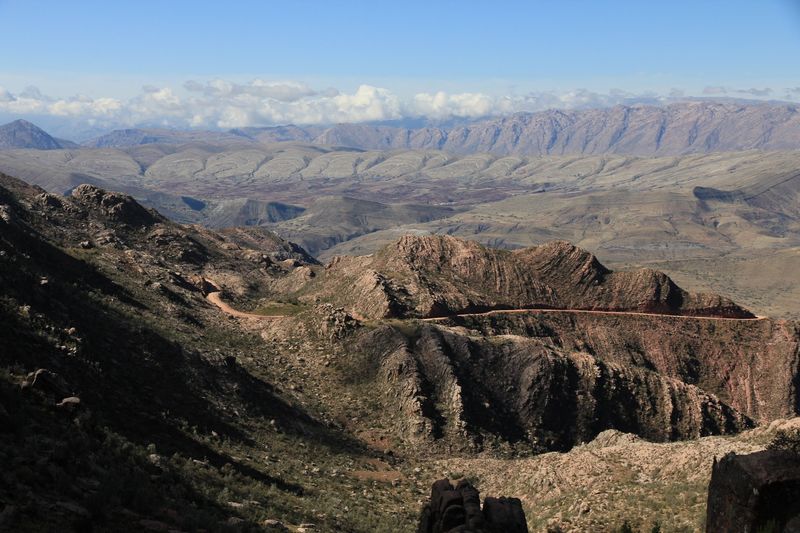
Bolivia has no shortage of dramatic landscapes, but the Cordillera de los Frailes manages to stand apart even in a country that sets a very high bar for visual impact.
Located south of Sucre in the Potosi department, this range is known for its spectacularly eroded valleys in shades of red, green, and white, formed from ancient volcanic deposits. The village of Maragua sits inside one of these eroded craters and is reachable by a full day of trekking from the town of Chataquila.
The region is also home to several communities where traditional weaving techniques have been practiced continuously for generations. Local cooperatives sell textiles directly to visitors, and some guesthouses offer the chance to stay with families in the villages.
The combination of geological drama, living cultural heritage, and serious trekking routes makes this one of the most rewarding and least crowded mountain regions in all of Bolivia.
12. Sierra De Famatina, La Rioja Province, Argentina
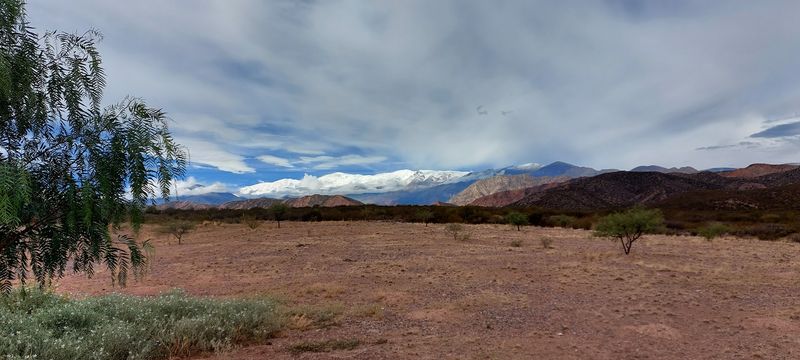
Argentina’s northwest is full of landscapes that look like they belong on a different planet, and the Sierra de Famatina might be the most otherworldly of all.
Rising from the arid lowlands of La Rioja province, this isolated range reaches elevations above 6,000 meters at its highest points, including Cerro General Manuel Belgrano. The contrast between the dry desert floor and the snow-covered upper slopes creates a visual drama that photographs cannot fully capture.
The region sees very little tourism, which means infrastructure is minimal and self-sufficiency is essential for anyone venturing into the backcountry. The town of Famatina provides basic services and serves as the logical starting point for expeditions into the range.
The approach roads through the surrounding valleys pass through vine-growing communities and small agricultural towns that have changed very little over the past century. The whole region rewards travelers who are genuinely comfortable with solitude and open space.
13. Cordillera Apolobamba, La Paz Department, Bolivia
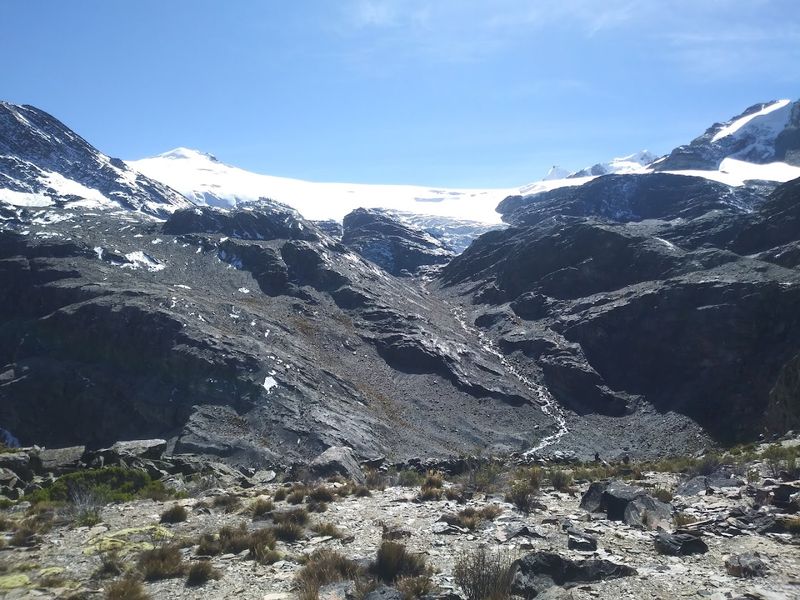
Bolivia keeps secrets better than most countries, and the Cordillera Apolobamba is one it has been keeping from the adventure travel world for a remarkably long time.
Sitting near the Peruvian border in the La Paz department, this range contains glaciated peaks above 6,000 meters, remote trekking routes that see very few international visitors, and traditional Kallawaya communities whose members have practiced Andean healing traditions for centuries.
The Apolobamba Integrated Management Natural Area protects much of the range, and the main trekking circuit connects high mountain passes with small villages where llama herding remains the primary way of life. The circuit typically takes five to seven days and requires a tent, solid navigation skills, and supplies carried from the town of Pelechuco.
Wildlife in the area includes spectacled bears, pumas, and large populations of vicunas grazing freely across the high plains. It is the kind of place that feels genuinely untouched, because by most measures, it still is.
Share this story